

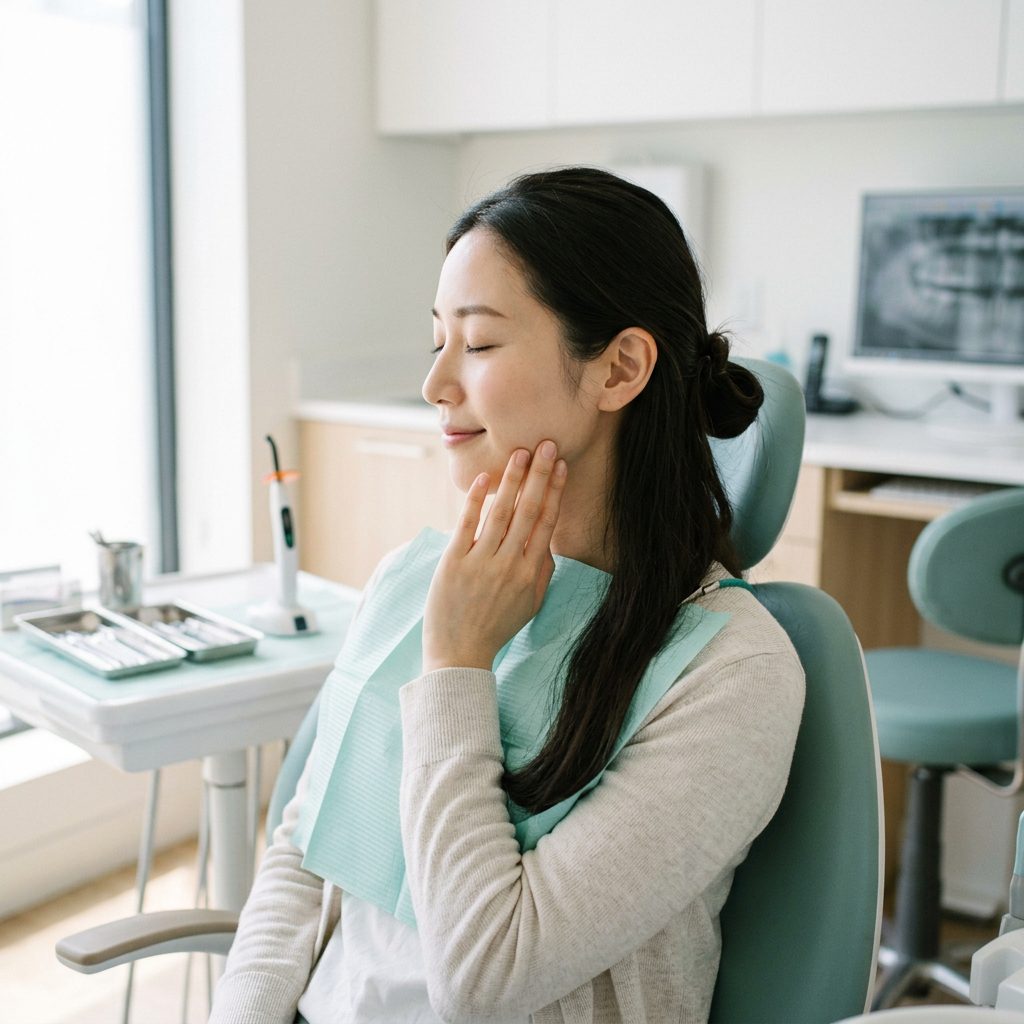
1. What Is TMJ/TMD?
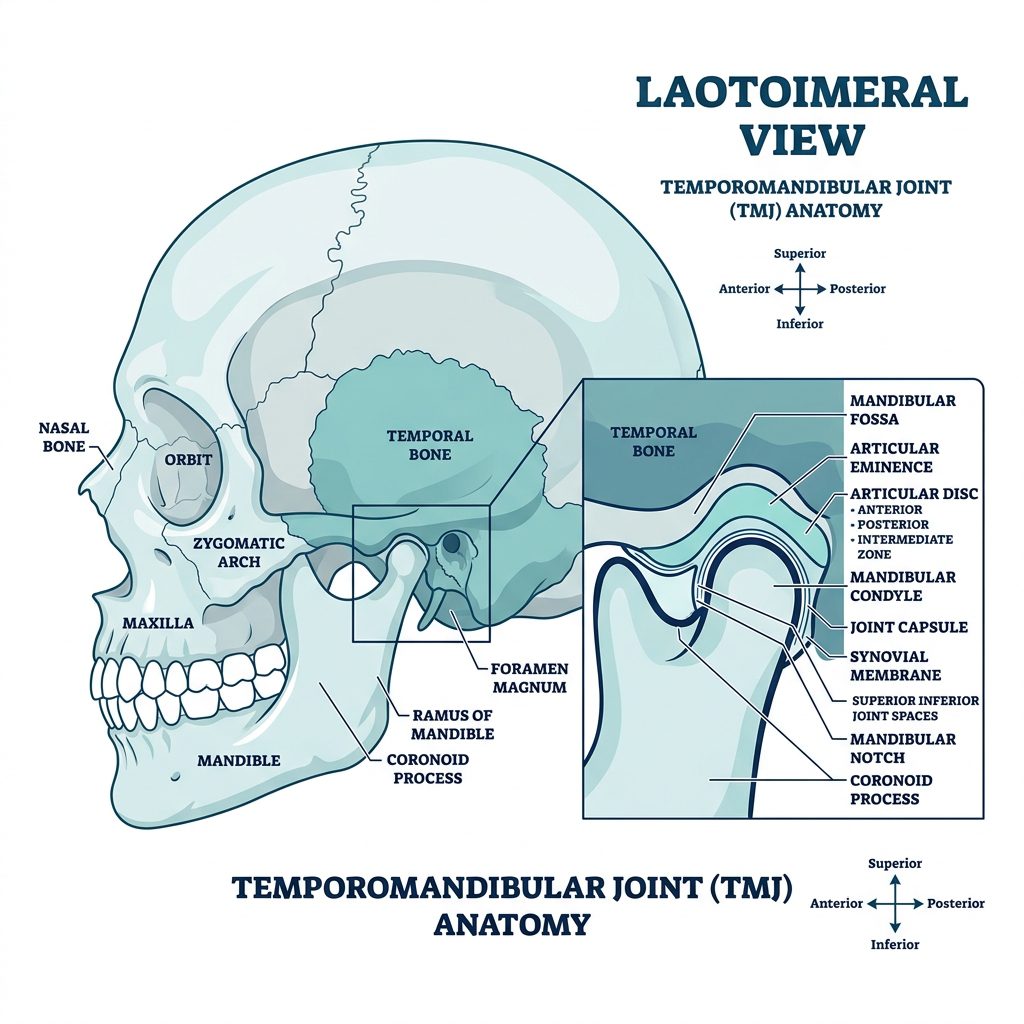
TMJ stands for Temporomandibular Joint — the hinge that connects your jaw to your skull. You have one on each side of your face. It's a highly complex joint, uniquely capable of moving in three planes simultaneously (up/down, side/side, and forward/back) to allow you to talk, chew, and yawn.
TMD stands for Temporomandibular Disorder. This refers to any dysfunction, inflammation, or pain associated with the joint itself or the muscles that control it. While people commonly say "I have TMJ," the medical term for the condition is actually TMD.
TMD is incredibly common, affecting up to 30% of adults at some point in their lives. It is strongly linked to bruxism (teeth grinding) and malocclusion (bad bite), which we often correct with Invisalign or occlusal adjustments.
2. Am I a TMJ Sufferer? (Symptom Checker)
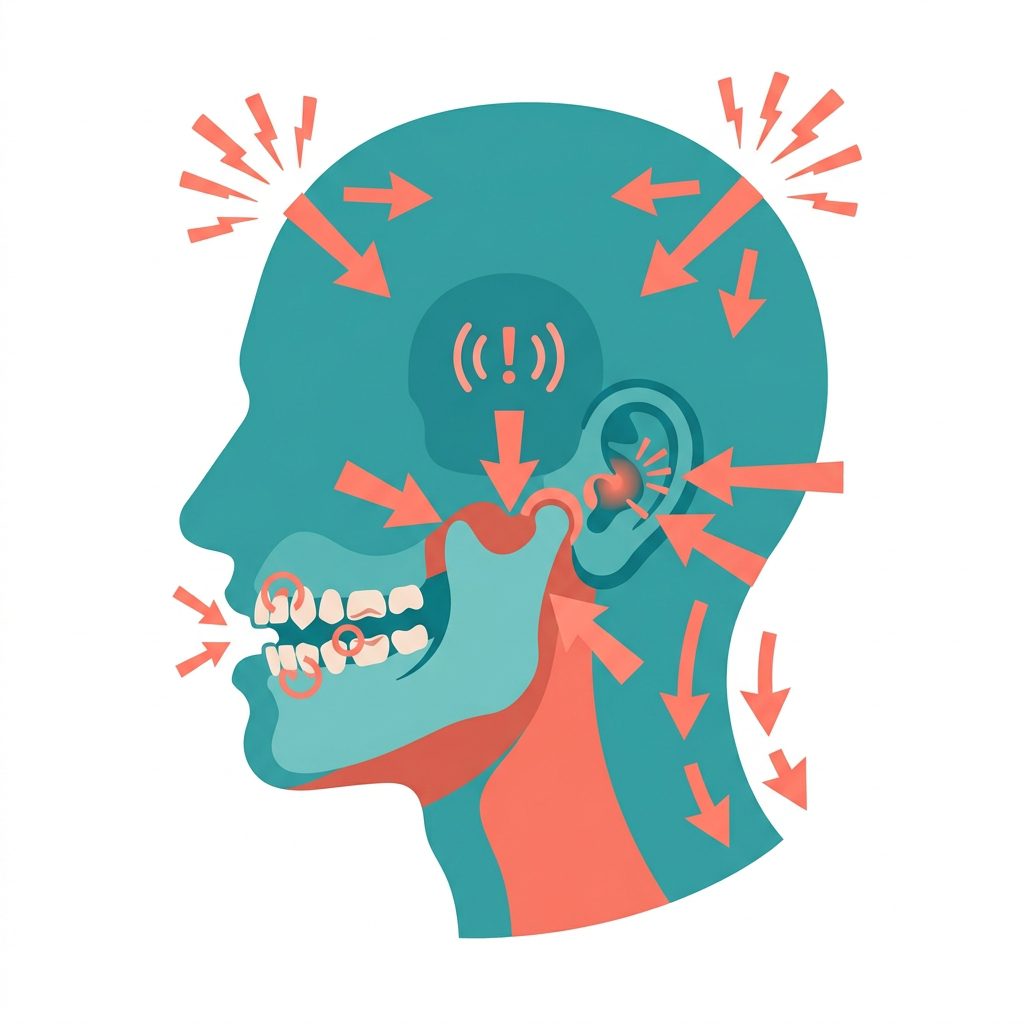
Many patients suffer for years before connecting their seemingly unrelated symptoms—like chronic headaches or earaches—to their jaw joint. Use this interactive checklist to assess your symptoms:
3. Root Causes & Risk Factors
TMJ disorders rarely have a single cause. They are usually the result of multiple factors overloading the joint's capacity to adapt.
- Bruxism (Teeth Grinding): The #1 cause. Clenching your jaw during sleep puts immense, unnatural pressure on the joint and exhausts the masseter muscles.
- Malocclusion (Bad Bite): If your teeth don't fit together perfectly, your jaw muscles must work overtime to force them into a functional position, leading to chronic strain.
- Missing Teeth: Tooth loss causes bite collapse and shifts the forces on the jaw. This is why dental implants are often necessary to restore joint stability.
- Trauma: A direct blow to the jaw, whiplash from a car accident, or even a sports injury.
- Stress & Posture: High psychological stress leads to subconscious clenching. Additionally, "forward head posture" from looking at phones/computers strains the neck muscles connected to the jaw.
- Arthritis: Degenerative joint conditions like osteoarthritis or rheumatoid arthritis can damage the joint cartilage over time.
4. 3 Types of TMJ Disorders
Understanding which specific type of TMD you have is critical, as the treatment paths differ significantly.
1. Myofascial Pain (Most Common)
This is a muscle-based disorder. The pain comes from tension, fatigue, or spasms in the muscles that control jaw movement (masseter, temporalis, pterygoids). It has the best prognosis and responds very well to conservative therapy.
2. Internal Derangement (Disc Issues)
Inside the TMJ is a small cartilage disc that cushions the bones. If this disc slips out of place (displacement), you'll experience clicking, popping, and potentially painful jaw locking. This often requires a specialized repositioning splint.
3. Degenerative Joint Disease (Arthritis)
This involves the actual breakdown of the bone and cartilage in the joint. It is characterized by a "grating" or "crunching" sound (crepitus) rather than a clean click. While irreversible, conservative therapy can halt progression and manage pain. Severe cases may require referral for surgery or full mouth rehabilitation.
5. How Dr. Cuong Diagnoses TMJ
At HCMC Dental, we don't guess. Dr. Cuong personally conducts all TMJ assessments — this critical diagnostic step is never delegated to an assistant.
- Clinical Interview: Understanding your pain history, stress levels, and sleep habits.
- Muscle Palpation: Identifying specific trigger points in the facial and neck muscles.
- Range of Motion Testing: Measuring your maximum jaw opening and checking for lateral deviations.
- Bite Mapping: Analyzing how your teeth contact using articulating paper to find premature interferences.
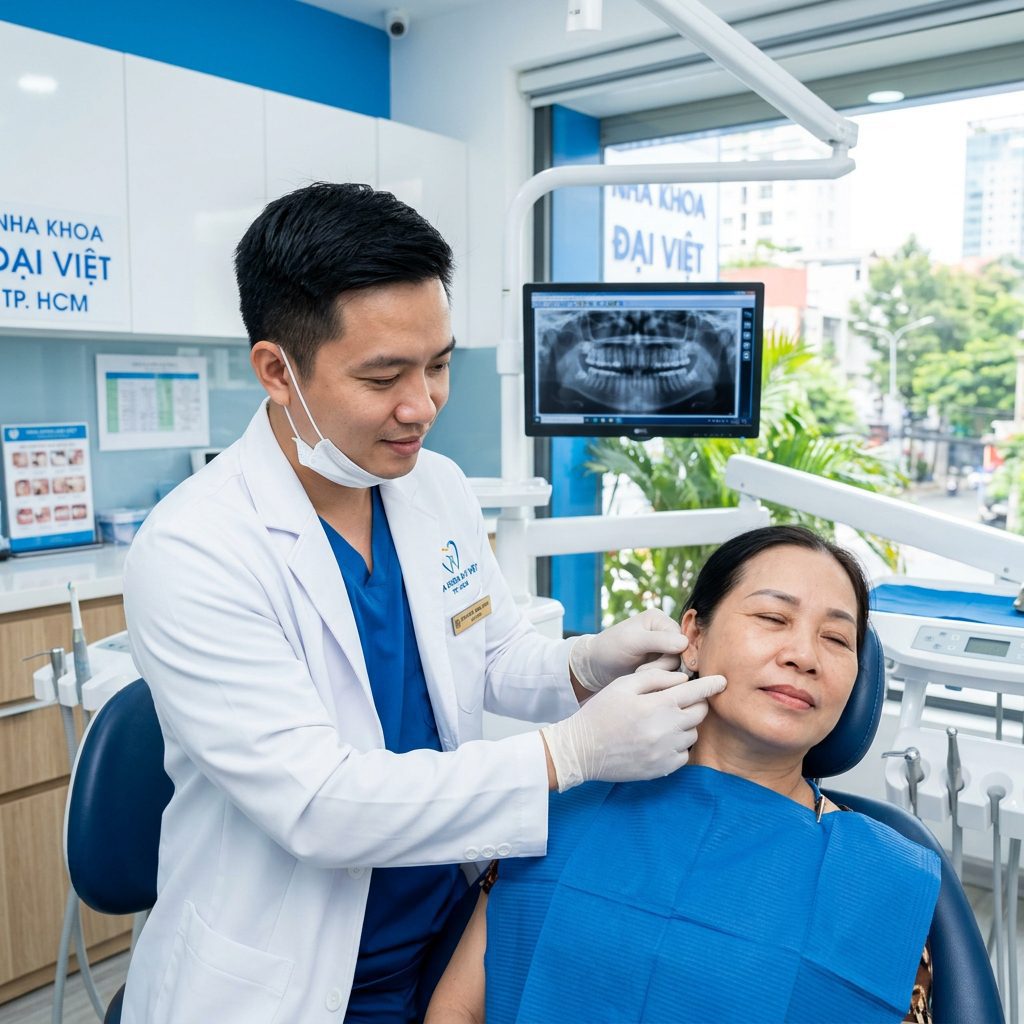
- Radiographic Imaging: An OPG (Panoramic) X-ray is taken to assess the condyle bone structure. If severe internal derangement is suspected, a CBCT scan or an MRI referral may be arranged.
6. Your Treatment Roadmap
We believe in the most conservative, reversible treatments first. Surgery is only considered as an absolute last resort (less than 1% of cases).
| Condition Severity | Primary Treatment Approach |
|---|---|
| Mild (Occasional muscle soreness) | Soft splint + Jaw exercises + Stress management |
| Moderate (Daily pain + bruxism) | Hard acrylic splint + Bite adjustment |
| Moderate-Severe (Intense muscle spasm) | Hard splint + Masseter Botox + Physiotherapy |
| Disc Displacement (Clicking/Locking) | Michigan repositioning splint (24hr initial wear) |
7. Occlusal Splint Therapy (The Gold Standard)
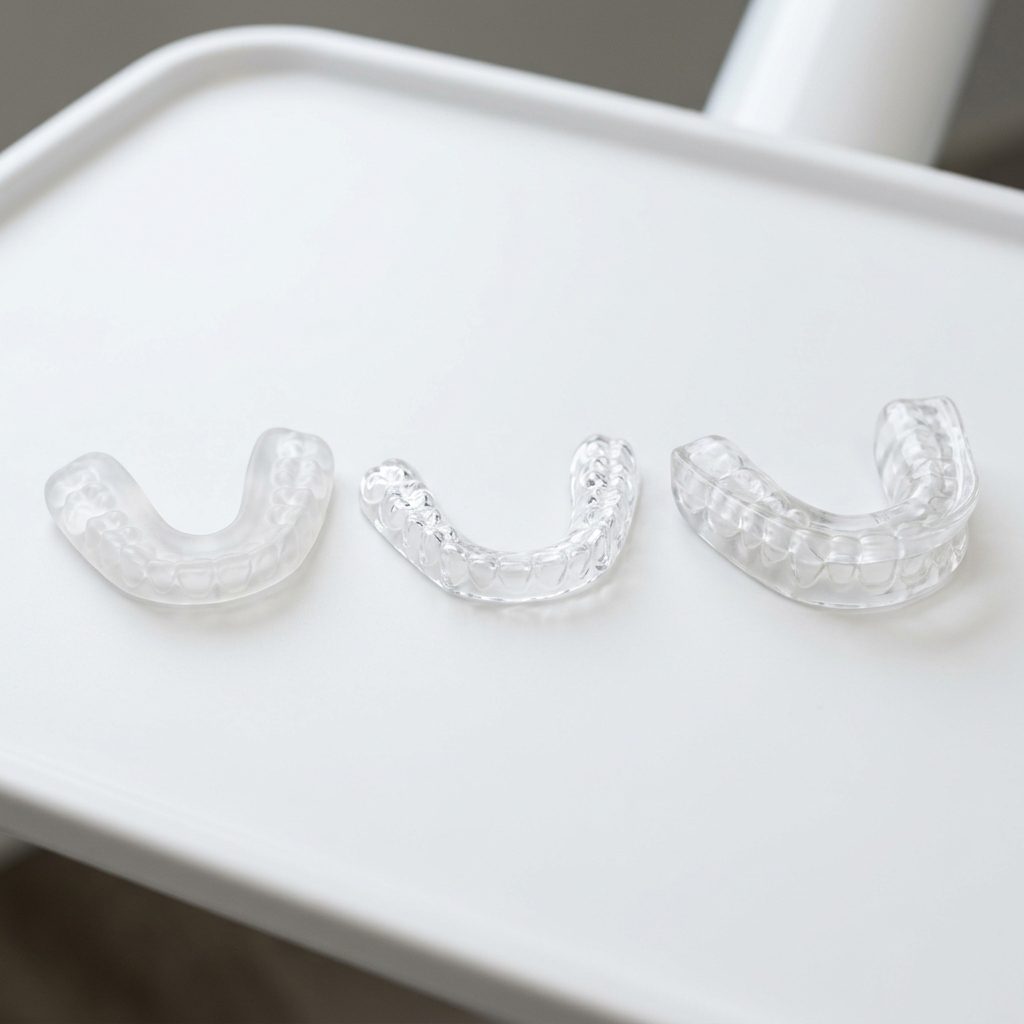
Custom occlusal splints (often called bite guards or orthotics) are the cornerstone of TMJ treatment. Unlike simple night guards designed merely to protect veneers or enamel from wear, a therapeutic TMJ splint is engineered to alter joint mechanics.
How they work: They disengage the bite, preventing teeth from locking together. This removes the trigger for the muscles to spasm, allowing them to relax. They also slightly decompress the joint space, relieving pressure on the inflamed tissues.
| Type | Best For | Wear Protocol | WhatsApp Price |
|---|---|---|---|
| Soft Stabilisation Splint (EVA) | Mild myofascial pain | Night only | from $100 |
| Hard Acrylic Splint (PMMA) | Moderate TMD + Heavy Bruxism | Night only | from $125 |
| Michigan Repositioning Splint | Disc displacement, jaw locking | Initially 24h, then tapering | from $200 |
8. Bite Adjustment (Occlusal Equilibration)
Sometimes, a single tooth is "high" and hits before the rest, forcing the jaw to shift to close fully. This microscopic shift, repeated thousands of times a day, exhausts the TMJ.
Bite adjustment is a painless procedure where Dr. Cuong selectively and microscopically reshapes specific enamel points to harmonize the bite. It allows the jaw to close in its naturally relaxed, centered position. It is often combined with splint therapy for maximum effect.
9. Jaw Muscle Botox (Botulinum Toxin)
For patients with severe muscle hyperactivity (extreme clenching that doesn't resolve with a splint alone), Botox offers profound relief.
How it works: Botox is injected into the masseter (and sometimes temporalis) muscles. It partially blocks the nerve signals, significantly reducing the muscle's ability to contract with excessive force. It does not affect your ability to chew, speak, or smile normally. The relief typically lasts 3 to 6 months.
*Medical Disclaimer: Botox is an off-label use for TMJ, but is widely supported by clinical evidence for myofascial pain. Dr. Cuong will assess if you are a suitable candidate.
10. Jaw Exercises & Self-Care
Physical therapy is a vital component of recovery. Dr. Cuong will prescribe specific exercises based on your diagnosis. Common exercises include:
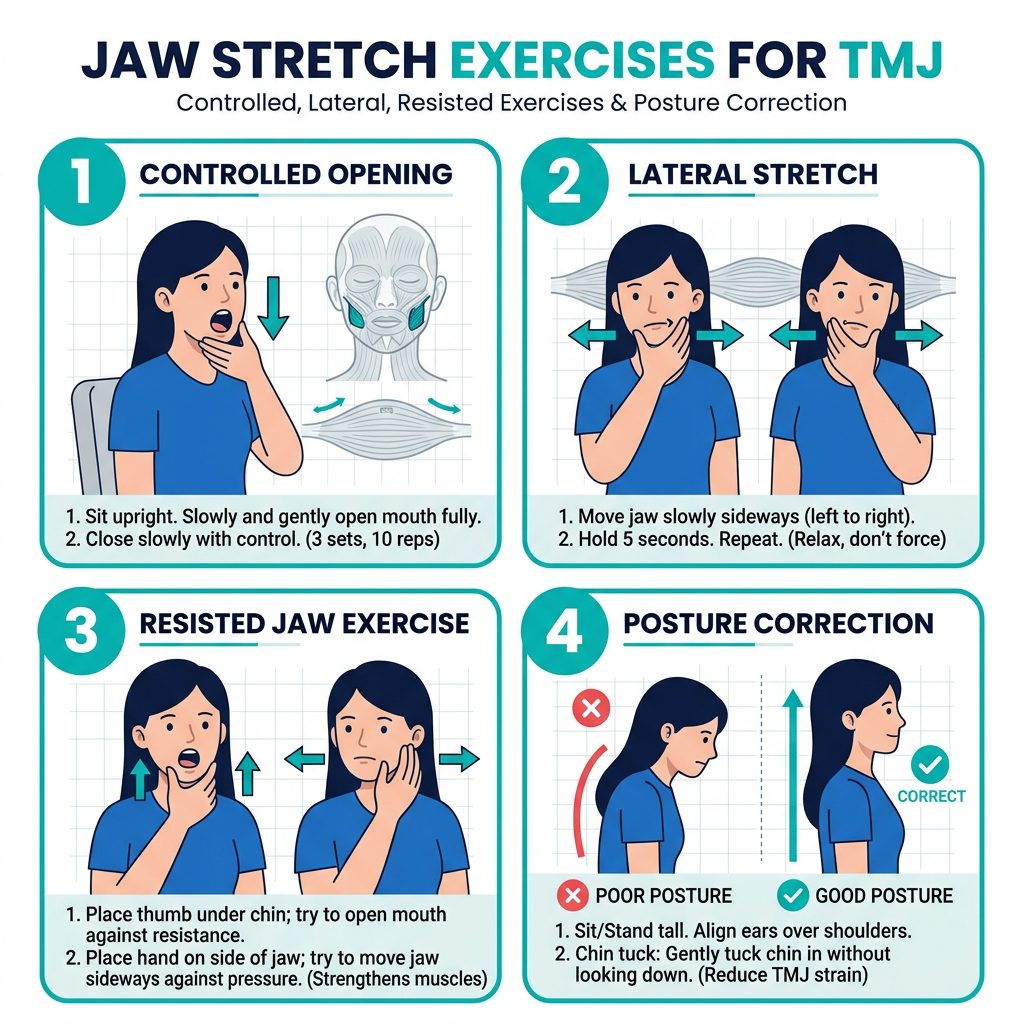
At-Home Self-Care Tips:
- The "Soft Diet": Avoid chewy meats, hard nuts, and chewing gum during flare-ups.
- Thermal Therapy: Apply moist heat to tight muscles (15 mins) to increase blood flow, or ice packs to acute, sharp joint pain to reduce inflammation.
- Posture Awareness: Keep your tongue resting gently on the roof of your mouth, teeth slightly apart, and lips closed. Maintain upright posture while working.
11. Custom Splints vs. Store-Bought Guards
Many patients try cheap "boil-and-bite" guards from the pharmacy before seeing a dentist. For TMJ disorders, these can actually make the condition worse.
| Factor | Custom Lab-Made (HCMC Dental) | Pharmacy Boil-&-Bite |
|---|---|---|
| Bite Accuracy | Lab-calibrated to a fraction of a millimeter | Rough approximation |
| Joint Position | Designed to hold joint in therapeutic position | Random, often induces clenching |
| Material | Medical-grade PMMA/EVA | Soft, spongy consumer plastic |
| Risk to TMJ | Minimal, highly therapeutic | High: Soft material encourages chewing/clenching |
| Lifespan | 3–5 years (hard acrylic) | 2–6 months (gets chewed through) |
12. Transparent Pricing & 40% Online Savings
We offer premium, specialist-level TMJ care without the Western price tag. Book via WhatsApp to automatically receive our online discount rates.
Comprehensive TMJ Assessment
Walk-in: $50 USD
FREE
With WhatsApp Booking
- Consultation with Dr. Cuong
- Muscle & joint palpation
- Bite mapping analysis
- OPG X-ray included
Most Popular
Hard Acrylic Splint
Walk-in: $208 USD
from $125 USD
Save 40%
- Durable PMMA resin
- Ideal for bruxism & TMD
- Custom lab-fabricated
- Professional fitting & adjustment
Michigan Repositioning
Walk-in: $333 USD
from $200 USD
Save 40%
- Advanced bite ramp design
- For disc displacement/locking
- Therapeutic joint decompression
- Follow-up adjustment included
Botox for Masseter Muscle is available from $150 USD per treatment session. View our full price list.
13. International Cost Comparison
Why do patients fly to Vietnam for a mouthguard? The cost of lab fabrication and specialist time in Western countries has made TMJ treatment unaffordable for many. At HCMC Dental, you receive the exact same clinical standard and materials for a fraction of the cost.
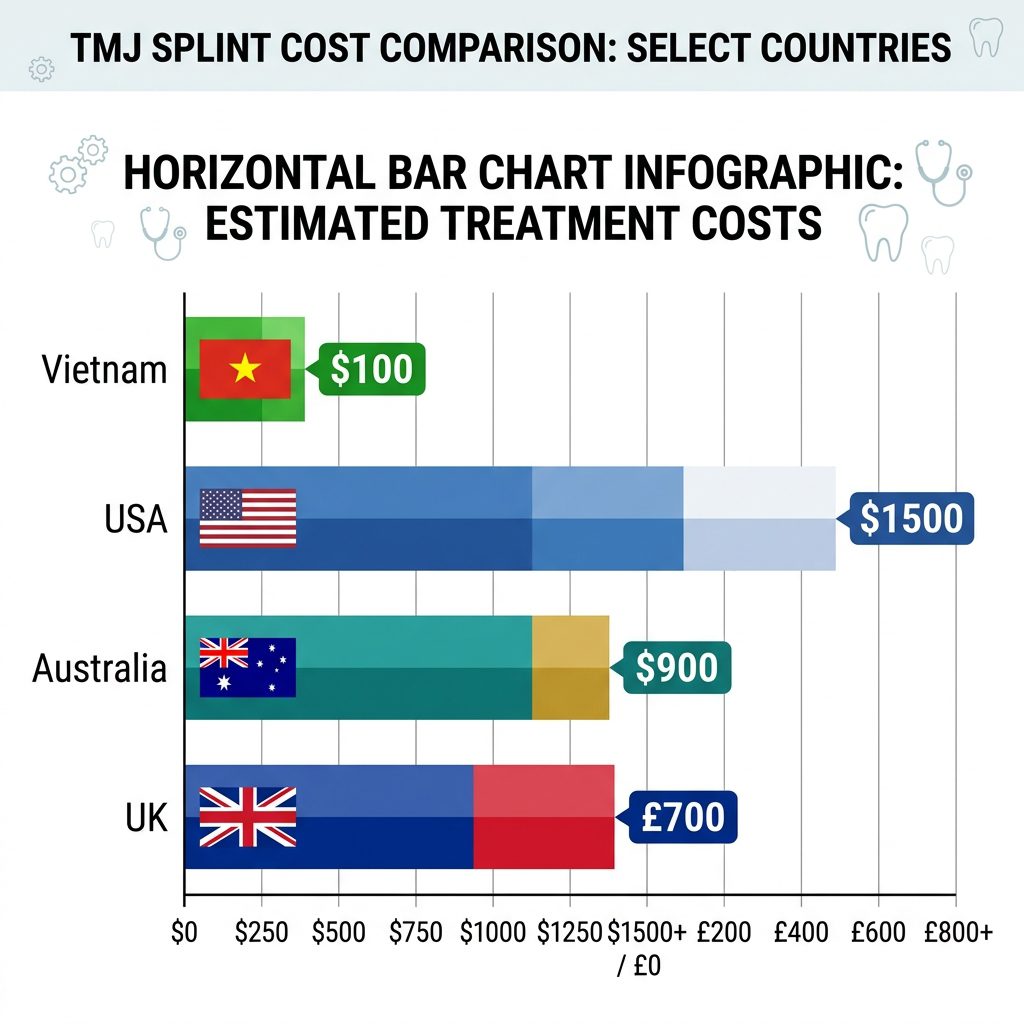
| Country | Estimated Splint Cost | HCMC Dental (WhatsApp) | Your Estimated Savings |
|---|---|---|---|
| 🇺🇸 United States | $800 – $2,500 USD | from $100 USD | Up to $2,400 |
| 🇦🇺 Australia | $600 – $1,800 AUD | from $100 USD | Up to $1,070 |
| 🇬🇧 United Kingdom | £400 – £900 GBP | from $100 USD | Up to $1,030 |
14. Patient Testimonials
★★★★★
"I'd suffered jaw clicking and morning headaches for 3 years. Two dentists in Sydney told me to 'just live with it.' Dr. Cuong took 90 minutes to assess my bite properly, explained the disc displacement clearly, and fitted a hard splint within 3 days. After 8 weeks the clicking reduced by 70% and the headaches are nearly gone. The total cost was less than a single specialist consultation in Sydney."
★★★★★
"My jaw locked fully open twice last year — absolutely terrifying. During a work trip to HCMC, Dr. Cuong fitted me with a repositioning splint, explained the anatomy with an X-ray, and gave me a jaw exercise program. The locking hasn't recurred in 4 months. The whole process took 3 days and cost me less than my UK GP referral fee."
★★★★★
"Severe jaw tension from years of stress clenching. Dr. Cuong recommended Botox for the masseter combined with a stabilisation splint — the relief was remarkable. First proper sleep in months. He even followed up via WhatsApp after I returned to Singapore. Genuinely exceptional personal care."
★★★★★
"I've been wearing a basic pharmacy guard for years which only made my jaw ache more. Dr. Cuong explained exactly why it was failing. He crafted a custom soft stabilisation splint for me in just 3 days. The difference in quality is night and day, and my morning headaches have completely disappeared."
Disclaimer: Representative patient experiences. Individual results vary. Consult Dr. Cuong for personalised assessment.
15. Your TMJ Specialist: Meet Dr. Cuong
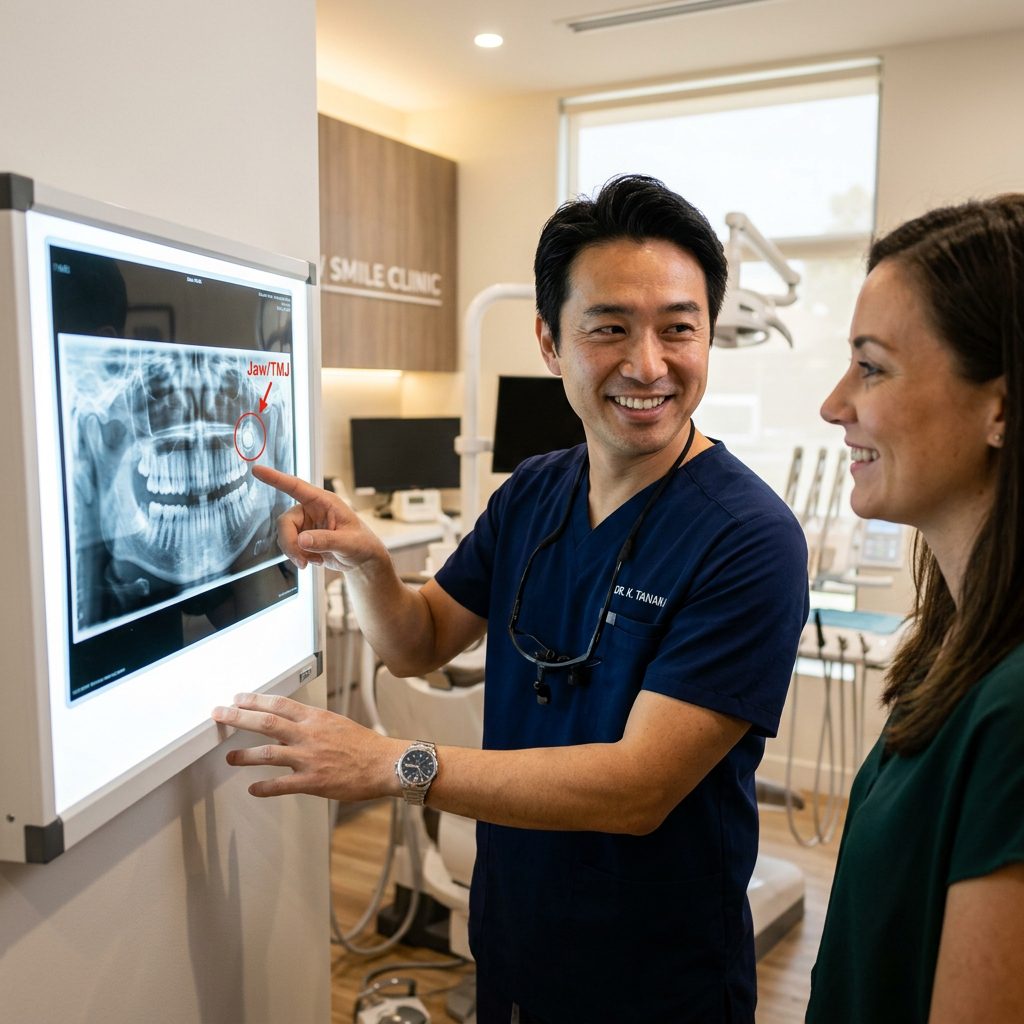
Dr. Nguyen Van Cuong, DDS
Lead Aesthetic & Restorative Dentist · Founder, HCMC Dental
8+ years experience · 500+ international patients
8+ years experience · 500+ international patients
Specialty Focus: Occlusal therapy, TMJ/TMD management, bruxism, dental implants, and full-mouth rehabilitation.
"TMJ is one of the most under-diagnosed conditions I see. Many patients spend years treating headaches with painkillers when the source is a bite imbalance I can see in 20 minutes. A proper assessment changes everything."
16. Dental Tourism: The 4-Day TMJ Itinerary
Combining your TMJ treatment with a holiday in Vietnam is incredibly straightforward. The entire process requires just two short clinical visits.
- Day 1: Arrival & Assessment (90 mins). Dr. Cuong conducts a comprehensive exam, takes X-rays, and maps your bite. Highly accurate digital or physical impressions are taken.
- Day 2: Free Time. While our state-of-the-art lab fabricates your custom splint, enjoy the sights and food of Ho Chi Minh City.
- Day 3: Fitting & Adjustment (45 mins). Your splint is fitted. Dr. Cuong meticulously adjusts the contact points to ensure perfect joint decompression. Jaw exercises are prescribed.
- Day 4: Departure. Fly home with your new splint and a pain-free future. Dr. Cuong will follow up via WhatsApp to monitor your progress.
Learn more about Dental Tourism in Vietnam.
18. TMJ & Bruxism Guides Library
Explore our comprehensive library of 40 evidence-based clinical guides on TMJ disorders, sleep bruxism, custom splints, and cost comparisons reviewed by Dr. Cuong.
Diagnosis & Assessment
- •Expert TMJ Specialist Assessment in HCMC
- •TMD Diagnosis: OPG X-Rays vs. CBCT 3D Scans
- •Clinical Guide to TMJ Palpation & Pain Points
- •Digital Occlusal Analysis & Bite Mapping
- •When Do You Need a TMJ MRI Scan in Vietnam?
- •Gneuromuscular Dentistry: Advanced Concepts
- •Non-Surgical Jaw Realignment in Saigon
- •Occlusal Equilibration: Bite Adjustment Guide
- •prosthodontic jaw examination
Bruxism & Teeth Grinding
- •Recognizing Bruxism Symptoms & Signs Early
- •Sleep Bruxism: Why You Grind Teeth at Night
- •Daytime Bruxism: Stopping Awake Jaw Clenching
- •Main Bruxism Causes: Stress & Lifestyle Triggers
- •Long-Term Effects of Severe Bruxism & Wear
- •Critical Link: Sleep Apnea & Teeth Grinding
- •Teeth Grinding Headaches & Morning Migraines
- •Teeth Grinding in Children & Teens: Care Guide
- •wisdom tooth headaches and jaw pain
Splints & Custom Devices
- •Michigan Repositioning Splint in Vietnam
- •Custom Occlusal Stabilisation Splint & Cost Guide
- •Occlusal Splint vs. Night Guard for TMJ
- •What to Expect During Your Splint Fitting in Saigon
- •How to Adjust to Your TMJ Splint (Weeks 1-2)
- •TMJ Splint Therapy Recovery & Pain Timeline
- •Replacement of Worn-Out Acrylic Splints in Saigon
- •NTI-tss Device: Relief for TMJ Migraines
- •Hard vs. Soft Night Guard: Choosing Right Protection
- •Custom Sports Mouthguards for Martial Arts in HCMC
Advanced Relief & Therapies
- •Masseter Botox for TMJ & Jaw Pain in Saigon
- •Clinical TMJ Physical Therapy & Exercises
- •TMJ Arthrocentesis Joint Irrigation in Vietnam
- •Medical Ozone Therapy for Jaw Inflammation (TMD)
- •Painless TMJ Assessment Under Sedation in HCMC
- •Full Mouth Reconstruction for Severe TMJ & Collapse
- •The Jaw-Spine Link: TMJ & Neck/Back Pain
- •jaw surgery for gummy smile
Costs & Dental Tourism
- •Cost Comparison: TMJ Splint Therapy Vietnam vs. USA
- •TMJ Treatment Cost: Vietnam vs. Australia Price Guide
- •Cost Analysis: TMJ Treatment Vietnam vs. Singapore
- •Saving on TMJ Treatment: UK vs. Vietnam Comparison
- •TMJ Splint Treatment Fees: Canada vs. Vietnam
- •4-Day TMJ Treatment Dental Tourism Itinerary
- •Direct Billing & International Insurance for TMJ
19. Frequently Asked Questions
What is the difference between TMJ and TMD?
TMJ refers to the Temporomandibular Joint itself (the anatomical structure), while TMD stands for Temporomandibular Disorder, which refers to any dysfunction or pain associated with that joint.
Can TMJ disorder heal on its own without treatment?
Mild cases caused by temporary stress may resolve on their own. However, chronic TMD driven by bite misalignment or nocturnal bruxism (grinding) typically worsens without intervention like a custom splint.
How do I know which type of TMJ disorder I have?
You cannot self-diagnose the specific type. It requires a professional clinical assessment involving muscle palpation, jaw tracking, and often X-rays or an MRI to determine if the issue is muscular, structural, or degenerative.
Is TMJ treatment painful?
No. The assessment and the fitting of an occlusal splint are completely painless and non-invasive. Bite adjustments involve microscopic smoothing of enamel, which does not require anesthesia.
How long until I see results from a splint?
Many patients feel relief from muscle tension within the first week of wearing a custom splint. However, joint inflammation may take 6 to 12 weeks of consistent wear to fully subside.
What is a Michigan splint and when is it needed?
A Michigan splint is a specialized hard acrylic appliance with specific "ramps" built into it. It is primarily used for patients with internal derangement (disc displacement) to hold the jaw in a forward position, allowing the disc to slip back into place.
Can bruxism (teeth grinding) cause TMJ disorder?
Yes, bruxism is the leading cause of TMD. The extreme forces exerted during nighttime clenching overload the joint and exhaust the masseter muscles.
Is Botox safe and effective for TMJ jaw muscles?
Botox is very effective for treating severe myofascial pain associated with TMD. By relaxing the masseter muscle, it stops the intense clenching. It is a safe, minimally invasive option when administered by a trained professional.
Do I need an MRI or CT scan for TMJ diagnosis?
Not usually for initial diagnosis. An OPG (panoramic X-ray) is standard. We only refer for an MRI if we suspect severe disc displacement that isn't responding to splint therapy, or if surgery is being considered.
Can I fly after getting a TMJ splint fitted?
Absolutely. There are no flying restrictions after TMJ splint therapy.
What follow-up care is available after returning home?
Dr. Cuong provides ongoing support via WhatsApp. If minor adjustments are needed to your splint after you return home, your local dentist can easily perform them based on Dr. Cuong's notes.
Will TMJ treatment fix my jaw clicking permanently?
Treatment aims to eliminate pain and restore function. In many cases, clicking resolves completely. However, in cases of long-standing internal derangement, a painless click may persist even after successful treatment.
Can Invisalign or braces help with TMJ?
Yes. If your TMD is caused primarily by malocclusion (a bad bite), orthodontic treatment like Invisalign can correct the bite alignment, permanently removing the stress on the jaw joint.
Does travel insurance cover TMJ treatment in Vietnam?
Standard travel insurance usually only covers emergency dental care (like acute pain relief or infection). It rarely covers planned therapeutic appliances like TMJ splints. Please check with your provider.
Ready to stop jaw pain for good?
Get a free, no-obligation TMJ assessment with Dr. Cuong today.
Reply in ~5 minutes · Mon–Sat 8AM–8PM GMT+7