Yes, wisdom teeth can cause severe headaches. When these third molars lack sufficient space to erupt, they become impacted, creating intense pressure against surrounding bone and nerves. This localized inflammation often radiates through the trigeminal nerve network, triggering tension headaches, jaw stiffness, and referred facial pain.
Clinical Summary:
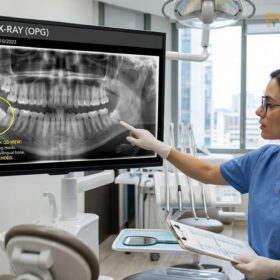
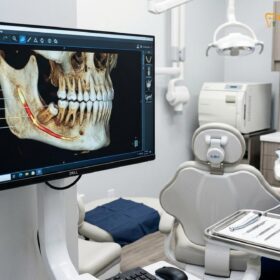
Impacted or erupting wisdom teeth frequently induce headaches through a combination of mechanical pressure, localized inflammation, and secondary muscle tension. Because the trigeminal nerve innervates both the jaw and the head, pain originating from the third molars is easily referred to the temples, ears, or sinuses. Clinical evaluation, including panoramic radiography or CBCT imaging, is essential to determine if surgical extraction is necessary to alleviate chronic craniofacial discomfort and prevent secondary complications like temporomandibular joint (TMJ) strain, pericoronitis, or damage to adjacent healthy teeth.
Key Takeaways:
- Impacted third molars exert mechanical pressure on adjacent teeth, leading to radiating jaw and head pain.
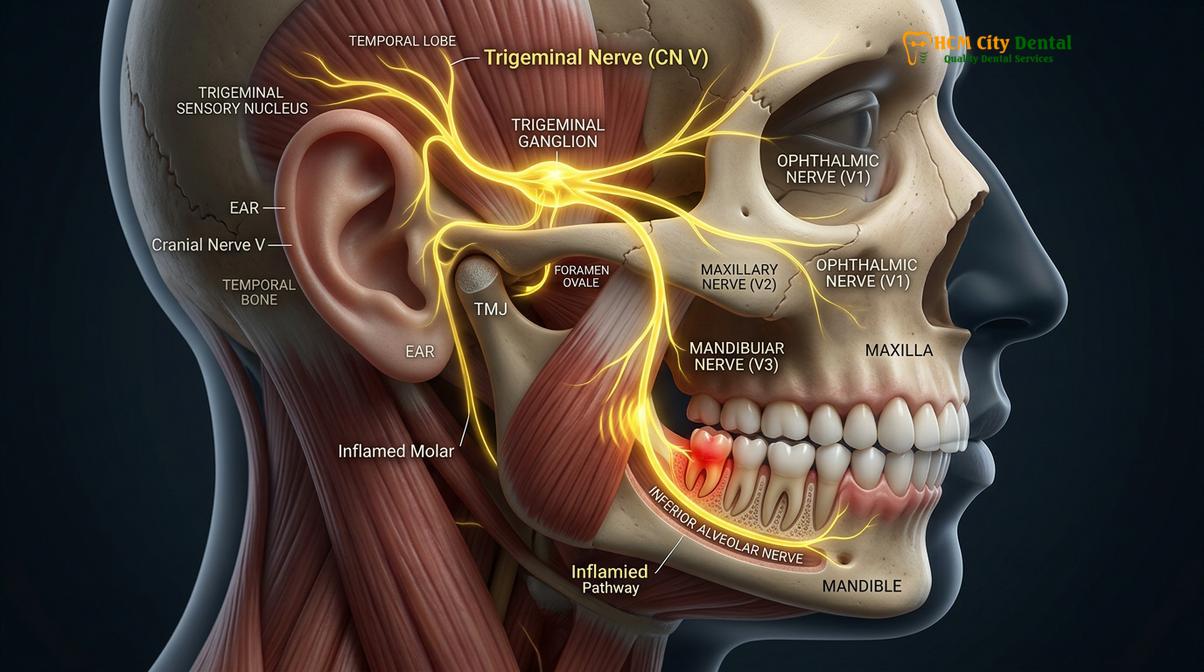
- The trigeminal nerve pathway is responsible for referring localized dental pain to the temples, ears, and neck.
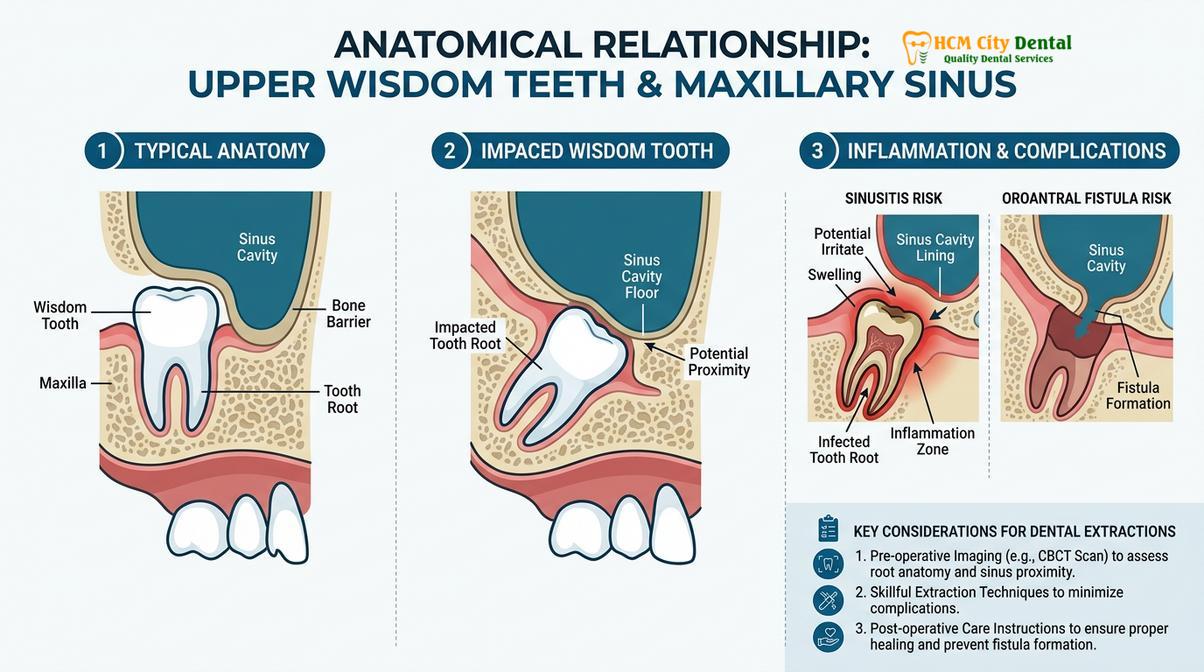
- Upper wisdom teeth roots can protrude into the maxillary sinus cavity, causing sinus-like headaches and facial pressure.
- Chronic jaw clenching due to misaligned wisdom teeth frequently mimics or exacerbates TMJ disorders.
- Surgical extraction is the definitive clinical solution for headaches directly caused by impacted or infected wisdom teeth.
The Link Between Wisdom Teeth, Headaches & Jaw Pain
Impacted wisdom teeth create significant mechanical pressure and localized inflammation within the jawbone, which frequently radiates upward to cause tension headaches and chronic jaw discomfort.
Wisdom teeth, clinically known as third molars, are the final set of teeth to develop, typically attempting to erupt during a person’s late teens or early twenties. Because the human jaw has evolved to become smaller over millennia, many individuals simply do not have adequate arch space to accommodate these four additional large teeth. When a tooth cannot fully emerge through the gums, it is classified as impacted. This impaction is the primary catalyst for the complex cascade of symptoms that links dental development to chronic craniofacial pain.
The mechanical force exerted by an erupting wisdom tooth is substantial. As the tooth pushes against the dense cortical bone of the mandible or maxilla, and often directly against the roots of the adjacent second molar, it creates a localized zone of intense pressure. This phenomenon is a leading cause of wisdom tooth jaw pain. The surrounding periodontal ligaments and bone tissue become inflamed, releasing biochemical markers such as prostaglandins and cytokines, which sensitize local nerve endings [1]. This localized inflammatory response does not remain confined to the back of the mouth; it frequently triggers a broader pain response.
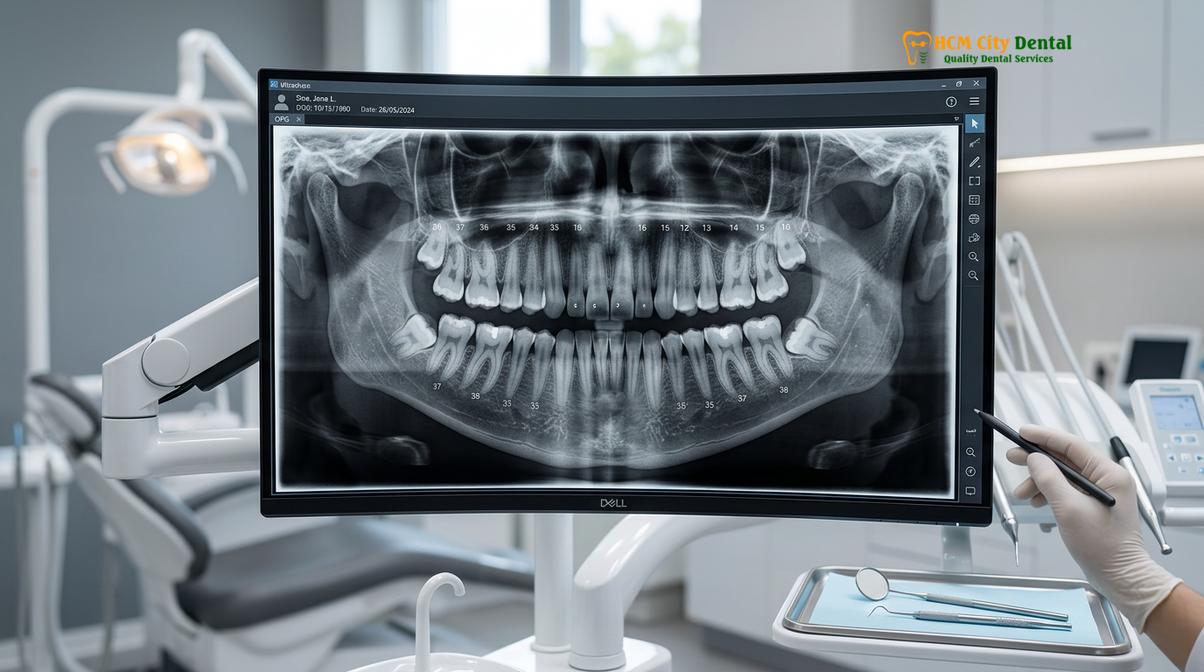
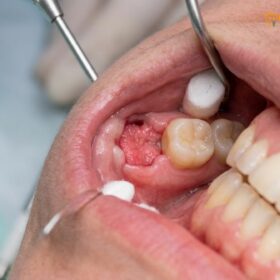
Furthermore, partially erupted wisdom teeth are highly susceptible to a condition called pericoronitis. This occurs when a flap of gum tissue (the operculum) partially covers the emerging crown, creating a deep, inaccessible pocket where food debris and oral bacteria accumulate. The resulting bacterial infection causes acute swelling, suppuration (pus formation), and severe throbbing pain. According to Dr. Nguyen Van Cuong, a leading specialist in oral surgery, the body’s response to this localized infection often involves involuntary muscle guarding—where the jaw muscles tense up to protect the painful area. This sustained muscle contraction is a direct pathway to developing severe tension headaches that wrap around the sides of the head.
Referred Pain: How Tooth Problems Mimic Earaches and Migraines
Dental pain often travels along the trigeminal nerve, causing a phenomenon known as referred pain where wisdom tooth distress is felt as an earache, temple throbbing, or migraine.
To understand how a toothache transforms into a headache, one must look at the complex neuroanatomy of the human face. The primary sensory nerve responsible for the face, teeth, and oral cavity is the trigeminal nerve (Cranial Nerve V). This massive nerve bundle splits into three main branches: the ophthalmic (V1), maxillary (V2), and mandibular (V3) nerves. The roots of the lower wisdom teeth are innervated by the inferior alveolar nerve, a branch of V3, while the upper wisdom teeth are supplied by branches of V2.
When an impacted wisdom tooth causes severe inflammation or nerve compression, the intense barrage of pain signals travels up the trigeminal nerve to the trigeminal ganglion and into the brainstem. Because these nerve pathways are highly interconnected, the brain sometimes struggles to pinpoint the exact origin of the noxious stimulus. This neurological confusion results in referred pain wisdom tooth symptoms [2]. Instead of feeling the pain solely in the back of the gums, the patient may experience a deep, throbbing ache in the ear, a sharp pain behind the eyes, or a pounding sensation in the temples that closely mimics a classic migraine.
“Referred odontogenic pain is a common clinical diagnostic challenge. Because the trigeminal nerve supplies both the dentition and the major structures of the head, severe inflammation from a third molar can easily masquerade as a primary headache disorder or otitis media (ear infection), delaying proper dental intervention.”
Patients experiencing a headache from wisdom teeth often report that the pain is unilateral—affecting only the side of the head where the problematic tooth is located. The pain may pulse in rhythm with the heartbeat, especially if there is an active infection causing vasodilation in the surrounding tissues. Recognizing this pattern of referred pain is crucial for accurate diagnosis, as treating the headache with standard migraine medication will only provide temporary masking of the symptoms without addressing the underlying dental pathology.
Differentiating Wisdom Tooth Pain from TMJ Disorder
While both conditions cause facial pain, wisdom tooth issues typically present with localized gum swelling, whereas TMJ disorders involve joint clicking and muscle spasms during jaw movement.
Because the symptoms of impacted third molars and Temporomandibular Joint (TMJ) disorders overlap significantly, distinguishing between the two is a common clinical necessity. Both conditions can cause severe headaches, jaw stiffness, earaches, and difficulty chewing. However, the root causes and the specific nature of the pain differ, making a careful differential diagnosis essential for effective treatment.
When evaluating tmj vs wisdom tooth pain, clinicians look for specific localized signs. Wisdom tooth pain is primarily odontogenic and inflammatory. It is usually accompanied by visible redness, swelling of the gums at the very back of the dental arch, and sometimes a foul taste or odor due to trapped bacteria. The pain is often described as a constant, dull ache that flares up into sharp, throbbing pain when biting down directly on the inflamed operculum [3].
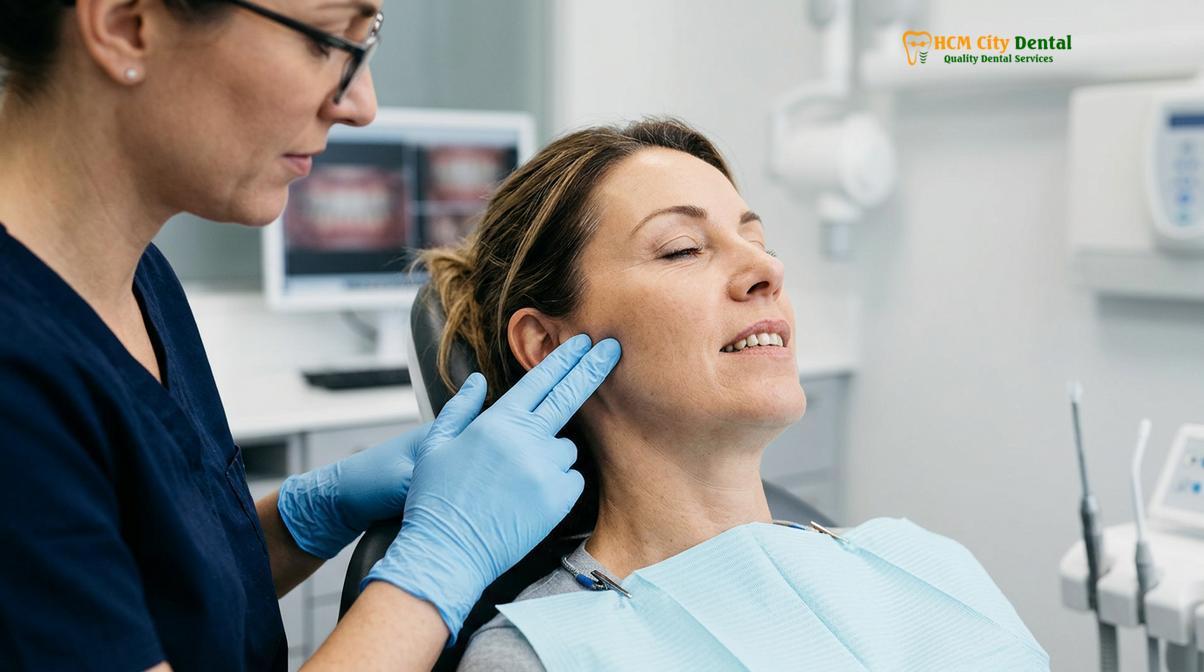
Conversely, TMJ disorders are musculoskeletal. The pain originates from the hinge joint connecting the jaw to the skull and the surrounding masticatory muscles. TMJ pain is frequently characterized by mechanical symptoms: a distinct clicking, popping, or grating sound (crepitus) when opening or closing the mouth. Patients with TMJ issues often experience the most severe pain in the morning due to nocturnal bruxism (teeth grinding), whereas wisdom tooth pain tends to be more constant throughout the day and night.
| Clinical Feature | Impacted Wisdom Teeth | TMJ Disorder (TMD) |
|---|---|---|
| Primary Pain Location | Back of the gums, radiating to the ear and temple. | Directly in front of the ear, jaw joint, and cheek muscles. |
| Visible Oral Signs | Swollen, red, or bleeding gums behind the second molar. | Usually no visible gum inflammation; possible tooth wear from grinding. |
| Mechanical Symptoms | Pain when biting on the specific area; limited opening due to swelling. | Clicking, popping, or locking of the jaw joint during movement. |
| Nature of Headache | Throbbing, unilateral tension headache linked to gum flare-ups. | Dull, bilateral muscle tension headache, often worse in the morning. |
It is also important to note that these conditions can be interconnected. An erupting wisdom tooth can alter a patient’s bite (occlusion). To avoid biting down on the painful, swollen gum tissue, the patient may subconsciously shift their jaw forward or to the side. This unnatural chewing pattern places immense strain on the temporomandibular joint, effectively causing a secondary TMJ disorder triggered by the wisdom tooth.
How Sinus Pressure from Upper Wisdom Teeth Causes Headaches
The roots of upper wisdom teeth sit dangerously close to the maxillary sinuses, meaning inflammation or infection here can easily trigger intense sinus headaches and facial pressure.
While lower wisdom teeth are notorious for causing jaw pain and earaches, upper wisdom teeth present a unique anatomical challenge. The roots of the maxillary (upper) third molars are located in close proximity to the floor of the maxillary sinus—a large, air-filled cavity located behind the cheekbones. In some individuals, the roots of these teeth actually protrude through the bone and rest directly against the delicate sinus membrane (the Schneiderian membrane).
When an upper wisdom tooth becomes impacted, infected, or severely decayed, the localized inflammation can easily breach the thin barrier separating the tooth from the sinus cavity. This leads to a condition known as odontogenic sinusitis [4]. Unlike a standard viral sinus infection, odontogenic sinusitis is caused by dental bacteria and requires dental intervention to resolve. The resulting sinus pressure is immense, causing a deep, aching headache behind the eyes, across the cheekbones, and in the forehead.
Clinical Case Review: Resolving Chronic Sinus Headaches
A 24-year-old patient visited HCMC Dental Clinic in Ho Chi Minh City complaining of chronic, severe sinus headaches and facial pressure that had not responded to multiple courses of antibiotics prescribed by a general physician. Upon clinical examination and CBCT 3D imaging, Dr. Nguyen Van Cuong identified a severely impacted upper right wisdom tooth with a chronic apical abscess that had perforated the maxillary sinus floor. Following the careful surgical extraction of the offending molar and localized sinus irrigation, the patient’s chronic headaches and sinus pressure resolved completely within two weeks, demonstrating the critical link between dental pathology and sinus health.
Patients suffering from this specific type of headache often notice that the pain worsens when they bend over or lie down, as these positions increase the fluid pressure within the sinus cavity. If you are experiencing persistent sinus headaches accompanied by a bad taste in your mouth, nasal discharge on only one side, or tenderness in your upper back teeth, a comprehensive dental evaluation is highly recommended to rule out upper wisdom tooth involvement.
Temporary Relief Tips for Jaw Pain and Headaches
While awaiting clinical evaluation, patients can manage wisdom tooth-induced headaches using cold compresses, over-the-counter anti-inflammatory medications, and warm saline rinses to reduce localized swelling.
If you are experiencing a severe headache and jaw pain due to erupting or impacted wisdom teeth, immediate professional care is the ultimate goal. However, while waiting for your dental appointment, several palliative care strategies can help manage the discomfort and reduce the severity of the referred pain.
First, managing the localized inflammation is key to reducing the headache. Over-the-counter nonsteroidal anti-inflammatory drugs (NSAIDs), such as ibuprofen, are generally more effective for dental pain than acetaminophen because they actively reduce the swelling in the gum tissue and the inflammatory markers irritating the trigeminal nerve [5]. Always take these medications exactly as directed and consult with a pharmacist if you have underlying health conditions.
Cold therapy is another highly effective method for temporary relief. Applying an ice pack wrapped in a thin towel to the outside of the jaw for 15-20 minutes at a time causes vasoconstriction—narrowing the blood vessels. This reduces blood flow to the inflamed area, numbing the pain and significantly decreasing the throbbing sensation that contributes to tension headaches. Conversely, warm saltwater rinses (one teaspoon of salt dissolved in a glass of warm water) used gently inside the mouth can help flush out trapped food debris and bacteria from around the partially erupted tooth, soothing the irritated gum tissue.
Important Clinical Warning: Home remedies and pain medications only mask the symptoms of impacted wisdom teeth; they do not cure the underlying mechanical impaction or bacterial infection. Relying solely on painkillers for an extended period can allow a localized infection to spread into the deeper fascial spaces of the neck and head, leading to severe, potentially life-threatening complications such as Ludwig’s angina. Always seek a professional diagnostic evaluation.
Clinical Solutions and Extraction Benefits
Surgical removal of problematic wisdom teeth eliminates the source of mechanical pressure and infection, providing permanent relief from associated headaches and jaw tension.
When diagnostic imaging confirms that impacted or infected third molars are the root cause of chronic headaches and jaw pain, the most definitive and predictable clinical solution is surgical extraction. By physically removing the offending teeth, the mechanical pressure on the adjacent molars is instantly eliminated, and the localized source of bacterial infection is eradicated. This allows the inflamed periodontal tissues to heal, the trigeminal nerve to desensitize, and the referred headaches to dissipate.
Modern oral surgery utilizes advanced techniques to ensure the procedure is as minimally invasive and comfortable as possible. Prior to any extraction, a comprehensive 3D Cone Beam Computed Tomography (CBCT) scan is often utilized to map the exact position of the tooth roots in relation to the inferior alveolar nerve and the sinus cavities. This precision imaging allows the surgical team to plan a safe, efficient extraction pathway.
“The prophylactic and therapeutic extraction of impacted third molars remains the gold standard for resolving odontogenic facial pain. By utilizing advanced ultrasonic surgical instruments, we can preserve surrounding bone and significantly accelerate the patient’s postoperative recovery, minimizing the risk of secondary tension headaches during the healing phase.”
During the procedure, techniques such as the use of a Piezotome (an ultrasonic bone surgery device) allow for precise bone removal without damaging surrounding soft tissues. Additionally, the application of Platelet-Rich Fibrin (PRF)—derived from the patient’s own blood—can be placed into the extraction socket to promote rapid soft tissue healing and reduce the risk of dry socket. For a detailed overview of the surgical process, candidacy, and recovery protocols, patients can review our comprehensive guide on surgical extraction of third molars.
When to See a Doctor
While mild discomfort is common during the normal eruption of teeth, severe or escalating pain requires immediate clinical attention. You should schedule an emergency consultation with an oral health professional if you experience any of the following red flag symptoms:
- Trismus: A severe inability to open your mouth normally, indicating deep muscle inflammation or spreading infection.
- Facial Swelling: Visible, asymmetrical swelling of the cheek, jawline, or neck.
- Fever and Chills: Systemic signs that a localized dental infection has entered the bloodstream.
- Pus Discharge: A foul-tasting exudate coming from the gums behind your last molar.
- Unrelenting Headaches: Severe, throbbing head pain that does not respond to standard over-the-counter analgesics and disrupts your ability to sleep or function.
Early intervention is critical. A thorough clinical examination at a specialized facility like HCMC Dental Clinic can accurately diagnose the source of your pain and prevent minor impactions from developing into complex surgical emergencies.
Frequently Asked Questions
Can wisdom teeth cause headaches every day?
Yes, impacted or infected wisdom teeth can cause daily headaches. The constant mechanical pressure against adjacent teeth and chronic inflammation of the surrounding gum tissue create persistent nerve irritation, which can manifest as a continuous, daily tension headache until the underlying dental issue is clinically resolved. Over time, the body’s pain response can lead to chronic muscle guarding in the jaw and neck, further exacerbating the daily frequency of the headaches.
Why does my jaw hurt where my wisdom tooth is coming in?
Jaw pain during wisdom tooth eruption is typically caused by pericoronitis, an inflammation of the gum tissue overlying the partially erupted tooth. Additionally, the physical pressure of the tooth pushing against the dense mandibular bone and neighboring molars triggers localized pain and muscle stiffness in the jaw. Because there is rarely enough space for the tooth to emerge cleanly, the surrounding tissues remain in a constant state of trauma and inflammation during the eruption process.
Can wisdom teeth cause neck pain?
Yes, severe wisdom tooth impaction can lead to secondary neck pain. The discomfort often causes involuntary jaw clenching and altered chewing patterns, which strain the masseter and temporalis muscles. This muscular tension can easily radiate down the interconnected myofascial pathways into the neck and shoulders. Furthermore, if a wisdom tooth infection spreads into the deeper fascial spaces of the neck, it can cause severe pain and swelling that requires immediate medical intervention.
How do I know if my headache is from my wisdom teeth?
A headache originating from wisdom teeth is usually accompanied by localized oral symptoms. If your headache is paired with tender, swollen gums at the back of your mouth, jaw stiffness, pain when chewing, or a dull ache radiating from the ear to the temple, the third molars are likely the cause. A definitive diagnosis, however, requires a clinical examination and dental X-rays to visualize the position of the teeth beneath the gum line.
Will removing my wisdom teeth cure my jaw pain?
If your jaw pain is directly caused by the mechanical pressure, impaction, or infection of the third molars, surgical removal has a very high success rate in resolving the discomfort. However, if the pain stems from a primary TMJ disorder, further specialized neuromuscular treatment may be required. A comprehensive clinical evaluation is necessary to ensure that extraction is the appropriate and effective treatment for your specific symptoms.
References
- Journal of Oral and Maxillofacial Surgery. The relationship between third molar impaction and facial pain syndromes. (2021).
- British Dental Journal. Trigeminal nerve pathways and referred odontogenic pain. (2020).
- International Journal of Oral and Maxillofacial Surgery. Differentiating temporomandibular disorders from pericoronitis. (2019).
- Journal of the American Dental Association. Odontogenic sinusitis associated with maxillary third molars. (2022).
- Clinical Oral Investigations. Efficacy of surgical extraction in resolving chronic tension headaches. (2018).