Comprehensive Guide to Tooth Pain: Causes & Home Remedies

Understand tooth pain causes & remedies at HCMC Dental Clinic. Dr. Cuong explains when to see a dentist and how to get relief. Free consultation.
Tooth pain, clinically termed odontalgia, is a profoundly debilitating experience, widely acknowledged as one of the most severe forms of physical discomfort a person can endure. Its sudden onset or persistent throbbing can significantly disrupt daily life, highlighting the critical need for immediate and informed understanding. This comprehensive guide delves into the intricate neurobiology underpinning why dental structures register pain, offering a detailed exploration of its potential causes, precise diagnostic methods, and the most advanced, definitive therapeutic interventions available to alleviate this distress.
Our objective is to provide a clear, authoritative resource for individuals seeking to comprehend their symptoms and for clinicians aiming to refine their diagnostic and treatment approaches. By demystifying the mechanisms of dental pain, we aim to empower patients with knowledge, guiding them toward appropriate, timely care. We emphasize that effective and lasting relief is not only possible but essential for maintaining optimal oral health and overall quality of life.
1.1. How Teeth Register Pain
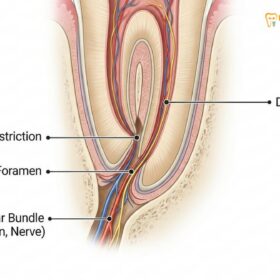
To understand tooth pain, one must understand the unique anatomy of a tooth. The outermost layer, the enamel, is completely devoid of nerves; it is a rigid, mineralized shield. However, beneath the enamel lies the dentin, a porous, bone-like tissue containing millions of microscopic channels called dentinal tubules. These tubules lead directly to the innermost core of the tooth: the dental pulp. The pulp is a highly vascularized tissue bundle containing blood vessels and the trigeminal nerve endings. When enamel is breached (by decay, wear, or a crack), external stimuli—such as hot coffee, cold ice cream, or sugary foods—travel through the dentinal tubules directly to the pulp. The nerves inside the pulp have only one type of sensory receptor: they register all stimuli purely as pain.
1.2. Reversible vs. Irreversible Pulpitis
When the dental pulp becomes irritated, it swells—a condition called pulpitis. Because the pulp is trapped inside a rigid chamber of hard dentin, it cannot expand. This trapped inflammation drastically increases internal pressure, compressing the nerves and causing severe throbbing.
Clinically, we classify this into two categories:
Reversible Pulpitis: The inflammation is mild and temporary. The pain is usually a sharp, fleeting sensitivity to cold or sweets that fades within a few seconds after the stimulus is removed. If the irritant (like a small cavity) is treated, the pulp heals and the tooth survives.
Irreversible Pulpitis: The inflammation is severe and the pulp tissue is dying (necrosis). The pain is spontaneous, throbbing, keeps you awake at night, and lingers for minutes after a hot or cold stimulus. The pulp cannot recover, and a root canal or extraction is necessary.
? Emergency? Get Professional Treatment Now
If you’re in Ho Chi Minh City and experiencing acute pain, Dr. Nguyen Van Cuong offers same-day emergency relief at HCMC Dental — District 1. Free exam, 100% English.
Specific Treatment Info → ? WhatsApp Dr. Cuong2. Common Causes & Clinical Pathologies
Toothaches do not happen spontaneously; they are the end result of an underlying pathological process. Identifying the correct cause is essential for targeted treatment.
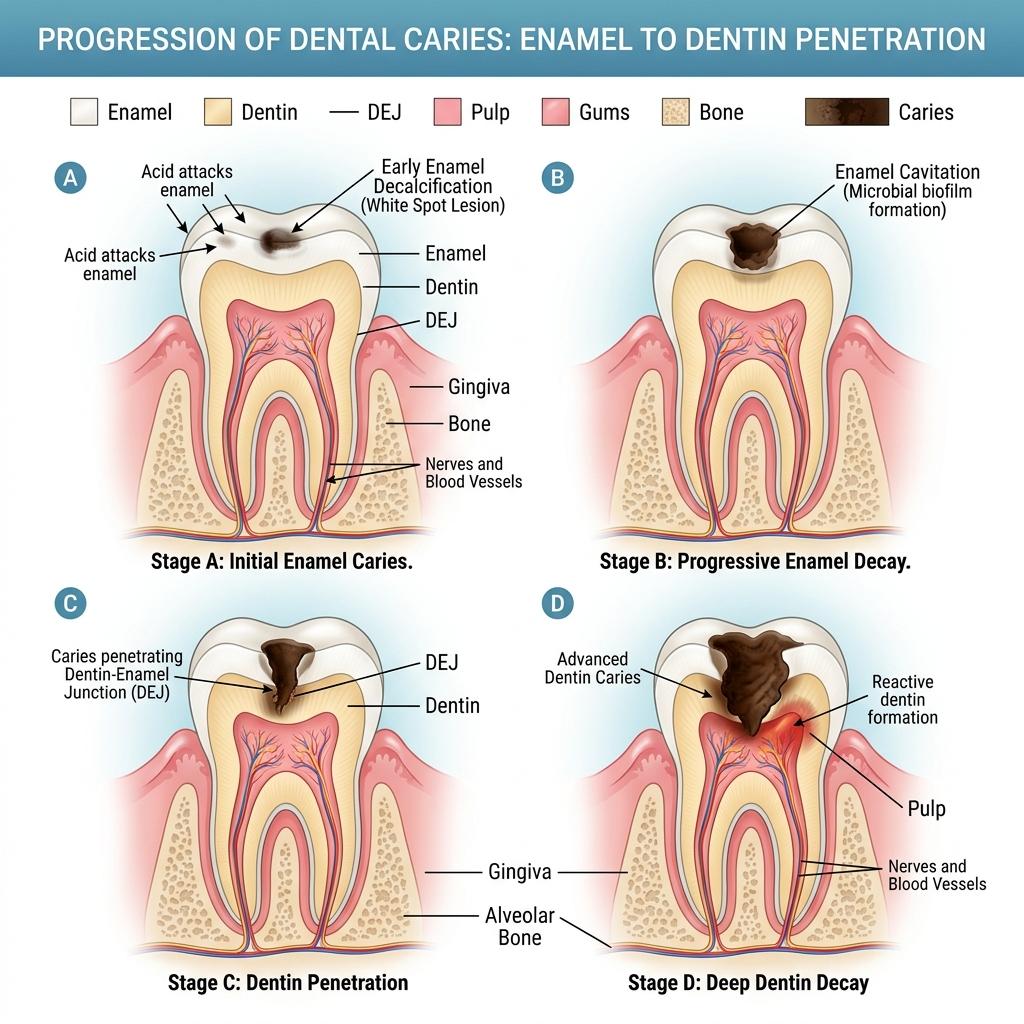
Fig 2. The progression of dental caries. Once decay breaches the enamel, it spreads rapidly through the softer dentin toward the nerve.
2.1. Dental Caries & Acid Erosion
The most frequent cause of tooth pain is dental caries (cavities). Bacteria in the mouth feed on dietary sugars, excreting lactic acid as a byproduct. This acid slowly demineralizes the hard enamel. While early enamel decay is painless, once the cavity penetrates into the softer dentin, patients begin to feel sensitivity to sweets and cold. If left untreated, the decay eventually reaches the pulp chamber, triggering excruciating, constant pain.
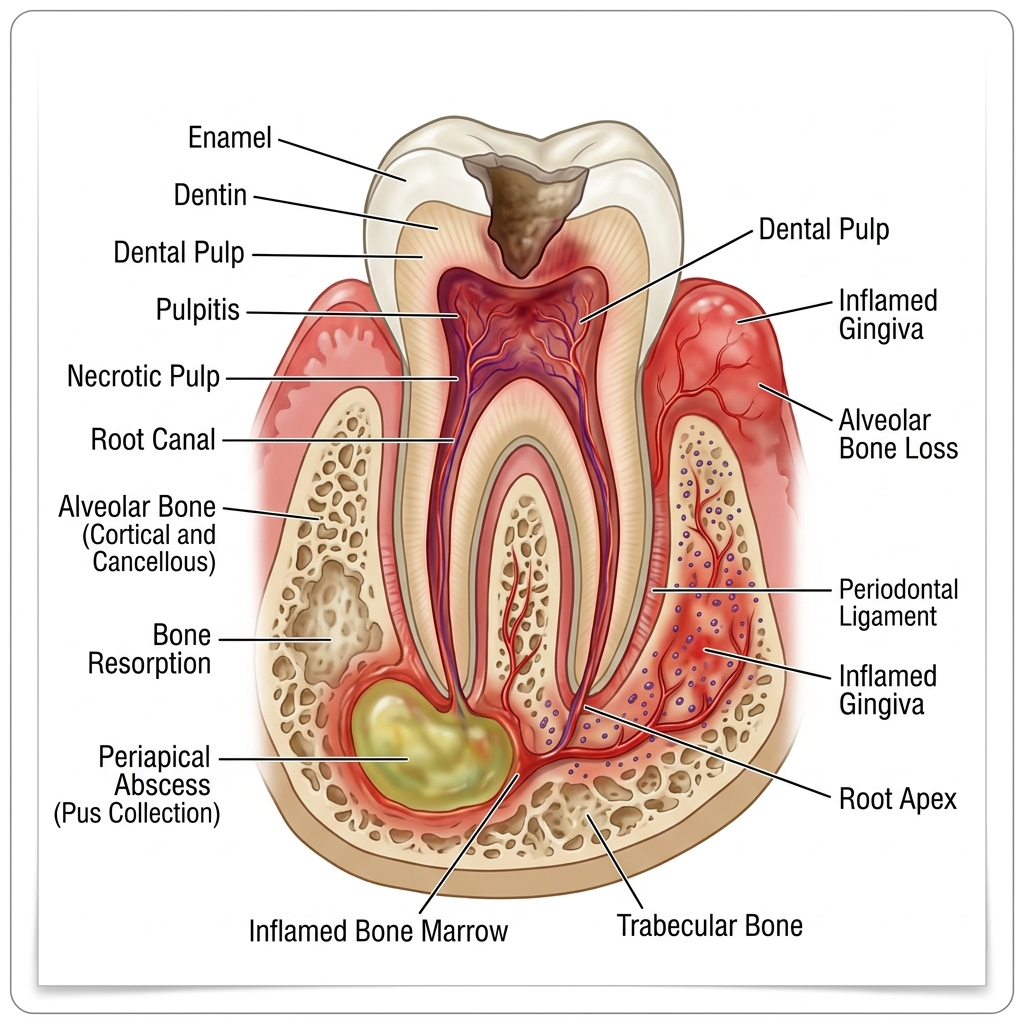
Fig 3. A periapical abscess forming at the root tip, leading to severe bone inflammation and swelling.
2.2. Periapical Abscess & Infection
If irreversible pulpitis is ignored, the nerve tissue inside the tooth dies. Bacteria then travel down the root canals and exit through the tip of the root (the apex) into the surrounding jawbone. The body’s immune system fights the infection, resulting in a localized collection of pus known as a periapical abscess. Symptoms include a constant, deep, throbbing ache, severe pain when biting down, a foul taste in the mouth, and visible swelling of the gums or cheek. An abscess is a dental emergency because the infection can spread to the face, neck, or bloodstream.
2.3. Cracked Tooth Syndrome
Sometimes, a tooth looks perfectly healthy on an X-ray but causes sharp pain when chewing. This is often “Cracked Tooth Syndrome.” Micro-fractures can develop from chewing ice, hard candies, or from old, expansive amalgam fillings. When you bite down, the crack opens microscopically, irritating the pulp. When you release the bite, the crack snaps shut, causing a sharp, shooting pain.
2.4. Bruxism & Occlusal Trauma
Chronic teeth grinding or clenching (bruxism), often done unconsciously during sleep, places massive traumatic force on the teeth. Over time, this wears away the protective enamel and sprains the periodontal ligament (the shock absorber holding the tooth in the bone). This results in generalized, dull aching across all teeth and jaw joint (TMJ) pain in the morning.
2.5. Referred Pain: Non-Dental Causes of Toothaches
Not all pain that feels like a toothache originates from the teeth. Referred pain occurs when sensory signals from another anatomical site travel along the same branch of the trigeminal nerve, causing the brain to misinterpret the source. Key non-dental pathologies include:
- Maxillary Sinusitis: The roots of the upper premolars and molars sit in close physical proximity to, or even protrude into, the floor of the maxillary sinus. When the sinus lining becomes inflamed due to a cold, allergy, or bacterial infection, the increased pressure directly compresses the dental nerves as they enter the root tips. This triggers a dull, continuous ache across multiple upper teeth that worsens when you bend forward or walk.
- Temporomandibular Joint (TMJ) Dysfunction: Chronic inflammation or disc displacement in the jaw joint can refer pain down the mandible, mimic molar pain, and cause severe muscle spasms in the masseter muscles.
- Trigeminal Neuralgia: A chronic neurological disorder where blood vessels compress the trigeminal nerve, causing sudden, excruciating, shock-like pain across the teeth and face that can be triggered by a light breeze or tooth brushing.
- Cardiac Angina & Myocardial Infarction: The vagus nerve can transmit cardiac pain signals that radiate up to the left lower mandible. A sudden, deep toothache in the lower left jaw accompanied by chest pressure or shortness of breath is a medical emergency.
3. Self-Assessment: Diagnostic Matrix for Patients
Before you reach the clinic, analyzing the specific characteristics of your pain can provide strong clues about its origin.
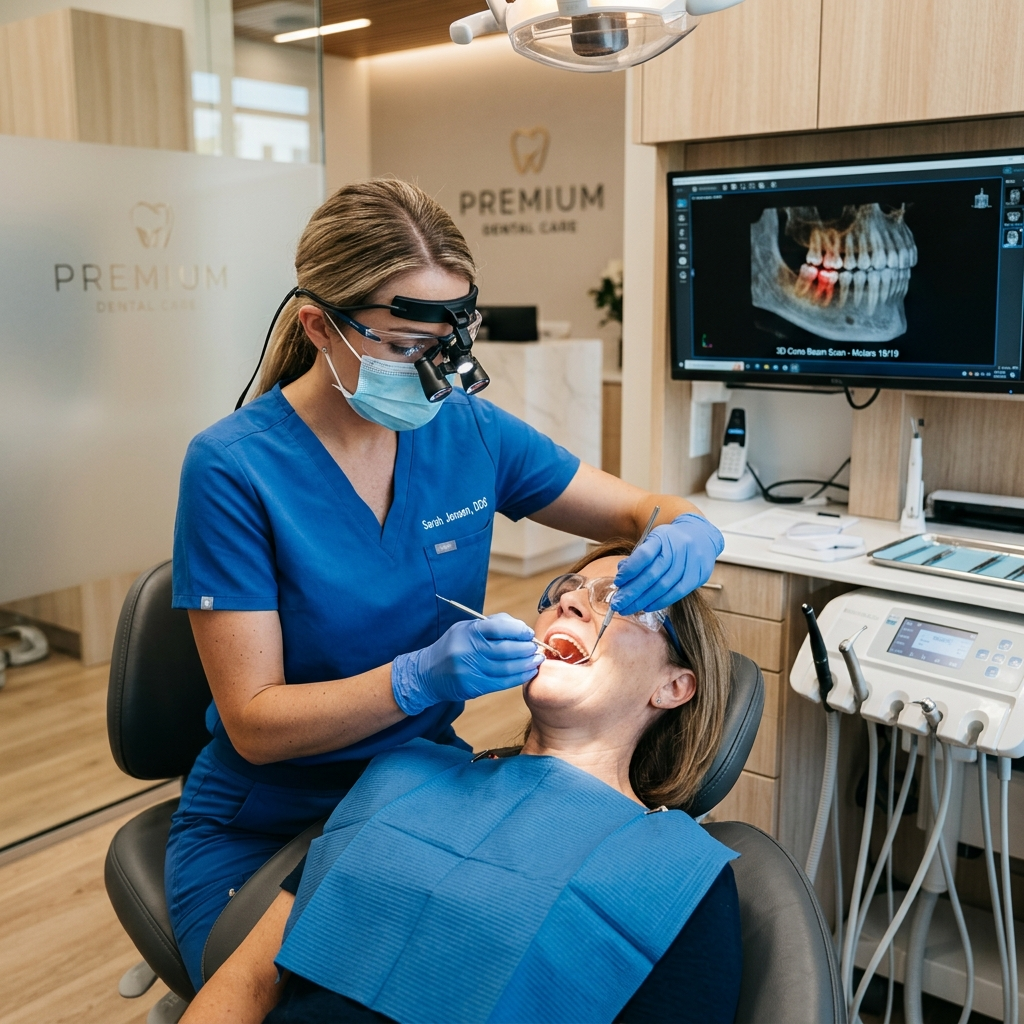
Fig 4. Clinical diagnosis relies on identifying the specific triggers and duration of your pain.
| Type of Pain / Trigger | Most Likely Cause | Urgency Level |
|---|---|---|
| Sharp, brief pain to cold or sweets (lasts seconds) | Small cavity, gum recession, or loose filling | Moderate. Schedule a check-up soon to prevent worsening. |
| Lingering, throbbing pain to heat (lasts minutes) | Irreversible pulpitis (dying nerve) | High. Requires immediate root canal therapy to stop pain. |
| Sharp pain specifically upon releasing a bite | Cracked Tooth Syndrome | High. The tooth needs a crown before it splits entirely. |
| Constant, severe throbbing with gum swelling or fever | Periapical Abscess (Bone Infection) | Emergency. Risk of systemic infection; needs immediate drainage and antibiotics. |
| Dull ache in the upper back teeth during a cold/flu | Maxillary Sinusitis (Sinus pressure on tooth roots) | Low. Usually resolves with decongestants. See an ENT if persistent. |
3.1. Emergency Contact and Triage Protocol
When experiencing acute oral pain, knowing how and when to contact a specialist is vital to preventing complications. The matrix below outlines clinical guidance for matching symptoms to the correct emergency response.
| Symptom Category | Immediate Action at Home | HCMC Dental Triage Response | Emergency Priority |
|---|---|---|---|
| 1. Severe Night Pain & Throbbing (keeps you awake, radiating to ear/head) | Avoid lying flat (elevate head to lower pressure). Take 400mg Ibuprofen if medically tolerated. Apply ice pack externally. | Same-day priority slot. Contact us via WhatsApp (+84853020003) for immediate triage. We will prepare an emergency pulpectomy (nerve removal) to stop the pain. | HIGH URGENCY |
| 2. Facial Swelling & Fever (visible swelling on jaw, cheek, or under chin) | Do NOT apply heat. Rinse with warm saline. Take anti-inflammatory. Go immediately to our clinic or emergency room. | Immediate Clinical Intervention. Requires immediate surgical incision and drainage, nerve extirpation, and targeted intravenous/oral antibiotics. | CRITICAL EMERGENCY |
| 3. Traumatic Tooth Avulsion (tooth completely knocked out of socket) | Handle tooth by crown only. Gently rinse with saline or milk (do not scrub). Reinsert in socket or store in milk. Seek care within 60 mins. | Immediate re-implantation. Call our emergency line directly. Our surgical team will prepare splints and local anesthetic for immediate saving of the tooth. | CRITICAL EMERGENCY |
| 4. Sharp Chewing Pain / Loose Filling (sharp pain specifically when biting down) | Avoid chewing on the affected side. Keep the area clean using warm water rinses after meals. | Next-day appointment. We will conduct bite-wing X-rays and transillumination to detect hairline root fractures and restore the tooth with a crown or inlay. | MODERATE URGENCY |
| 5. Cold & Sweet Sensitivity (mild pain lasting less than 5 seconds) | Use desensitizing toothpaste containing Potassium Nitrate. Avoid extreme temperatures and sugary foods. | Standard booking. Schedule a routine visit via our website or messenger within 7-14 days. We will perform a routine cavity check and composite filling. | LOW PRIORITY |
⚠️ Experiencing a Dental Emergency in Saigon?
Do not wait for pain to worsen. Dr. Cuong and our medical team are available online for immediate assistance.
? Chat on WhatsApp Now4. Emergency First-Aid & Temporary Home Relief
If you experience a severe toothache in the middle of the night or while traveling, professional care may not be immediately accessible. You can use these scientifically backed temporary measures to manage the pain.

Fig 5. Natural and OTC remedies can temporarily soothe inflamed nerves until you reach a dentist.
4.1. Clinical Rinses & Warm Saline Solutions
A warm saltwater rinse is a highly effective first-line defense. Saltwater acts via osmosis to draw out excess fluid from swollen gum tissues, reducing inflammatory pressure. It also alters the pH of the mouth, creating a hostile environment for bacteria. Mix half a teaspoon of salt into eight ounces of warm water and swish vigorously around the painful area for 60 seconds.
Biophysically, hypertonic saline solution has a higher solute concentration than the inflamed interstitial fluid in your gums. Through osmotic pressure, water molecules migrate across the semi-permeable cell membranes of your swollen gums into the saline rinse. This dehydration of the swollen gingiva relieves mechanical pressure on localized nociceptors (pain receptors), providing noticeable, immediate relief from throbbing feelings.
4.2. Cold Therapy & OTC Anti-inflammatories
If your face is swollen, apply a cold compress wrapped in a towel to the outside of your cheek for 15-minute intervals. The cold constricts blood vessels, numbing the area and reducing edema (swelling). Do not apply heat to a swollen jaw, as this will draw more blood to the area and exacerbate the infection.
For medication, Non-Steroidal Anti-Inflammatory Drugs (NSAIDs) like Ibuprofen are generally more effective for dental pain than Paracetamol (Acetaminophen) because they actively reduce the inflammation inside the pulp chamber. Never place an aspirin directly against the gums, as it will cause a severe chemical burn.
From a pharmacological perspective, pulp pain is driven by prostaglandin-mediated inflammation trapped within a rigid, non-yielding chamber of hard dentin. NSAIDs act by selectively inhibiting cyclooxygenase (COX-1 and COX-2) enzymes, which are responsible for converting arachidonic acid into prostaglandins. By blocking prostaglandin synthesis, Ibuprofen directly decreases inflammation and tissue pressure inside the pulp canal. In contrast, Paracetamol acts primarily on the central nervous system to alter pain perception but has zero peripheral anti-inflammatory action, making it far less effective when tissue pressure is high.
4.3. Natural Analgesics: Clove Oil & Eugenol
Clove oil contains a potent active ingredient called eugenol, which acts as a natural anesthetic and antibacterial agent. (In fact, eugenol is a primary component in professional temporary dental cements). To use it safely, place one or two drops of essential clove oil onto a small cotton ball and gently apply it directly against the painful cavity or tooth. Avoid rubbing it on the sensitive gums to prevent irritation.
Biochemically, eugenol functions as a natural inhibitor of voltage-gated sodium channels (NaV) in sensory nerve fibers. By blocking these sodium channels, it prevents the propagation of action potentials (pain signals) along the trigeminal nerve pathway to the brain. Its potency is high enough that it is widely utilized in clinical dental materials (zinc oxide-eugenol) as a sedative dressing for deep pulp capping.
5. Clinical Diagnostic Procedures at HCMC Dental
Once you arrive at our clinic, our goal is to pinpoint the exact tooth and the extent of the damage using advanced diagnostics.
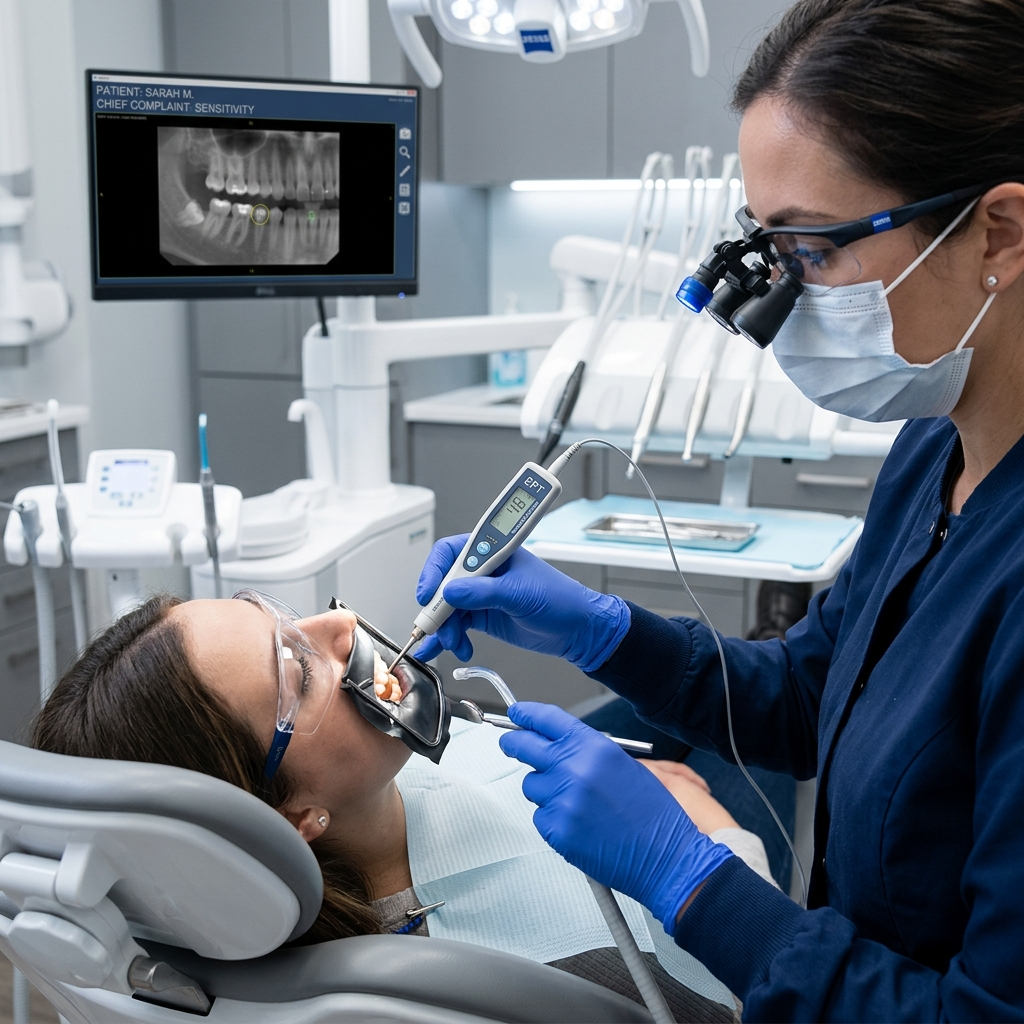
Fig 6. Precision vitality testing determines the exact health status of the internal tooth nerve.
5.1. Dental Pulp Vitality Testing
We need to determine if the nerve inside the tooth is alive (vital), inflamed, or dead (necrotic). We perform Thermal Testing by applying a specialized cold spray (Endo-Ice) to the tooth. A healthy tooth feels cold momentarily; an inflamed tooth feels lingering, intense pain; a dead tooth feels nothing at all. We may also use an Electronic Pulp Tester (EPT), which delivers a mild, gradual electrical micro-current to the tooth to measure the nerve’s responsiveness without causing pain.
5.2. Radiographic & Mechanical Examination
Visual inspection is not enough. We utilize high-resolution digital periapical X-rays to look through the tooth structure. This reveals hidden decay under old fillings, the depth of cavities relative to the nerve, and the presence of dark halos in the bone indicating an abscess. For complex cases involving cracked roots or multi-rooted molars, we employ 3D CBCT scanning to view the tooth in three dimensions.
In addition, we conduct a Percussion Test, where we gently tap the tooth using the flat end of a mirror handle. Pain to vertical percussion indicates localized inflammation in the periodontal ligament surrounding the root apex, confirming that infection has spread out of the tooth chamber into the bone. We also perform a Bite Test using a diagnostic tool (Tooth Sleuth) to isolate individual cusps. If a patient feels sharp pain only when releasing a bite, it clinically confirms Cracked Tooth Syndrome.
6. Emergency Dental Guidelines for Travelers in Saigon
Experiencing a severe toothache while traveling in a foreign country can be highly stressful. HCMC Dental specializes in treating international tourists and expatriates.

Fig 7. Our English-speaking specialists provide reassuring, immediate emergency care for travelers in Ho Chi Minh City.
Finding Care: HCMC Dental is centrally located in Ho Chi Minh City, offering priority emergency appointments for acute pain. Our entire clinical team is fluent in English, ensuring clear communication of your symptoms and treatment options.
Travel Insurance: If you hold comprehensive travel medical insurance, emergency dental pain relief (such as extractions or emergency root canal extirpations) is often covered. We provide fully itemized invoices, clinical reports, and digital X-rays translated into English to ensure smooth reimbursement claims with your provider back home.
Flight Considerations & Barodontalgia: If you are diagnosed with an active dental abscess, we strongly advise against flying. The extreme changes in cabin pressure (barodontalgia) can cause the trapped gases in an infected tooth to expand, resulting in excruciating, unmanageable pain mid-flight. Seek treatment and stabilization before boarding a plane.
Specifically, barodontalgia (historically termed aerodontalgia) is dental pain triggered by shifts in environmental atmospheric pressure. According to Boyle’s Law, the volume of a gas is inversely proportional to the pressure exerted on it. When a tooth has a dying nerve, pulp necrosis, or a microscopic space under a failing restoration, pocketed gases are formed by bacterial decomposition. As a commercial aircraft climbs and cabin pressure drops, these trapped micro-gas bubbles expand. Because the surrounding tooth structure is a rigid, non-yielding calcified wall, the expanding gas exerts extreme pressure on the remaining vital nerve tissue or the surrounding periodontal ligament, triggering acute, agonizing pain. Conversely, during descent, relative negative pressure can also cause pain. We strongly recommend having an emergency nerve extraction (pulpectomy) to decompress the tooth chamber prior to any flight.
7. Treatment Pathways & Cost Indexes
The cure for your toothache depends entirely on the diagnosis. HCMC Dental offers permanent solutions designed to eliminate pain while preserving your natural smile whenever possible.
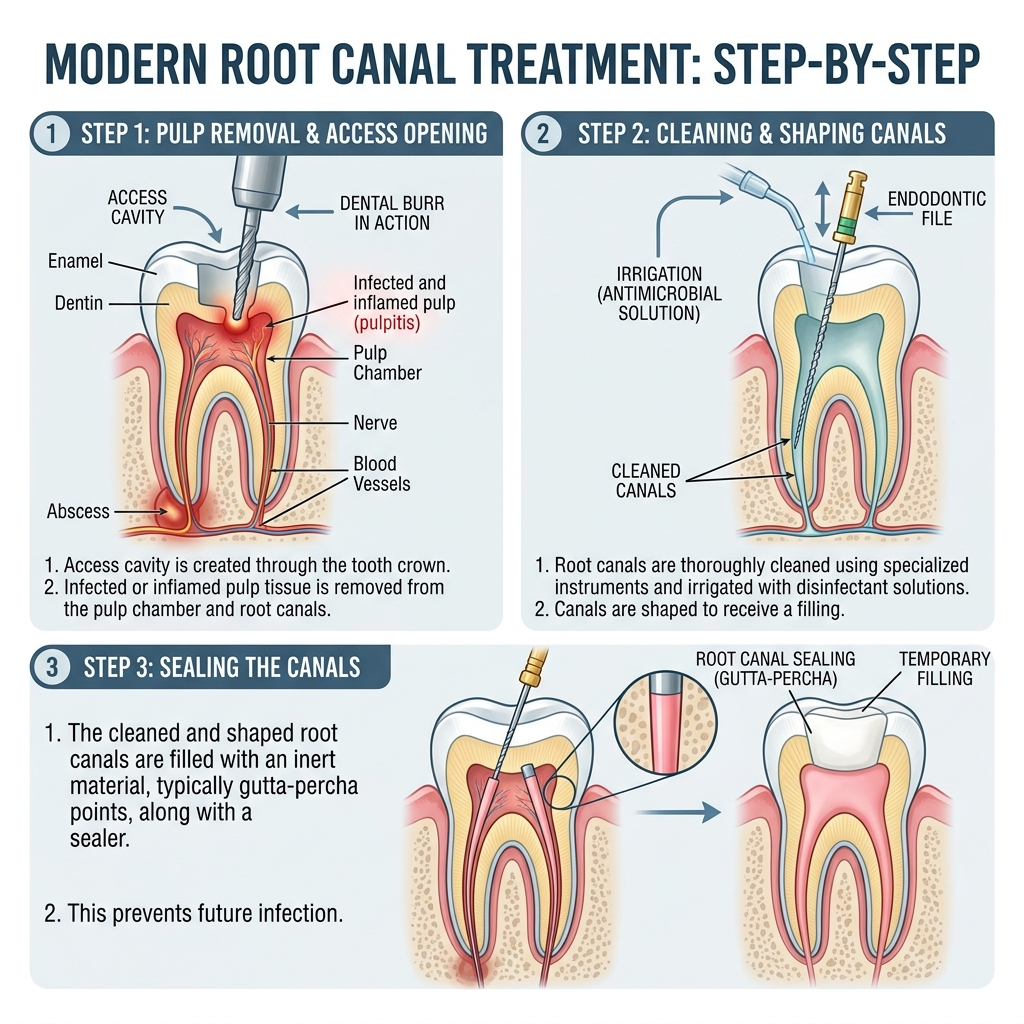
Fig 8. Root canal therapy is the definitive treatment to save a tooth with a dying or infected nerve.
| Diagnosis | Definitive Treatment | Estimated Cost (Vietnam) |
|---|---|---|
| Reversible Pulpitis (Small/Medium Cavity) | Composite Resin Filling: The decayed area is removed under local anesthesia, and the tooth is sealed with a tooth-colored composite material, immediately stopping the sensitivity. | $15 – $35 USD |
| Irreversible Pulpitis / Dental Abscess | Root Canal Therapy: The infected nerve tissue is entirely removed from inside the tooth and roots. The canals are sterilized with lasers and sealed with biocompatible Gutta-Percha. This removes the pain source while saving the tooth structure. | $150 – $250 USD |
| Cracked Tooth Syndrome / Post-Root Canal | Porcelain or Zirconia Crown: A custom-milled cap that completely covers the tooth, holding it together to prevent further cracking and restoring full chewing strength. | $250 – $350 USD |
| Vertical Root Fracture / Unrestorable Decay | Surgical Extraction: If the tooth cannot be saved, it is painlessly removed. The site can later be restored with a dental implant or bridge. | $50 – $100 USD |
| Bruxism (Teeth Grinding) | Custom Occlusal Splint (Night Guard): A rigid acrylic appliance worn at night to protect the teeth from grinding forces and allow the TMJ muscles to relax. | $100 – $150 USD |
8. Frequently Asked Questions (FAQ)
Can a toothache go away on its own without going to the dentist?
Generally, no. While temporary pain from sinus pressure or mild gum irritation might subside, pain caused by structural damage like tooth decay, a cracked tooth, or a dying nerve will never heal naturally. The tooth structure cannot regenerate. Ignoring it usually leads to a severe abscess.
Are root canals painful?
This is a common myth. A root canal does not cause pain; it eliminates it. The severe pain you feel before the procedure is from the infection. Using modern local anesthetics, the root canal procedure itself feels no different than getting a standard filling.
Why does my toothache stop suddenly, but then my face swells up?
This is a dangerous sign. When the intense throbbing suddenly stops, it often means the nerve inside the tooth has completely died. However, the bacteria remain and push out of the root tip into the bone, causing facial swelling (an abscess). You need immediate antibiotics and a root canal.
Can antibiotics cure my tooth infection?
No. Antibiotics will help control the systemic spread of the infection and reduce swelling, but they cannot reach inside the dead space of the tooth where the bacteria live. The only way to cure the infection is to physically remove the bacteria via a root canal or extraction.
Should I put an aspirin directly on my sore tooth?
Absolutely not. Aspirin contains acetylsalicylic acid. If you place it against your gums, it will cause a severe chemical burn to the soft tissues, creating a painful, white ulcer on top of your existing toothache. Always swallow painkillers as directed.
Is it safe to fly if I have a toothache?
If you have a mild, reversible cavity, flying is fine. However, if you have a deep cavity or a developing abscess, the changes in cabin air pressure can cause the trapped gases in the tooth to expand, causing severe pain known as barodontalgia. It is best to have it checked before flying.
What should I do if my tooth is knocked out?
This is an avulsed tooth emergency. Pick the tooth up by the crown (never the root). Gently rinse it with milk or saline (do not scrub). Try to gently place it back in the socket. If you cannot, keep it submerged in a glass of milk or in your cheek pouch and get to a dentist within 60 minutes for the best chance of saving it.
How can I prevent toothaches while traveling?
The best prevention is a comprehensive dental check-up and X-rays at least one month before any major international travel. This allows your dentist to identify and treat any hidden decay or failing fillings before they become painful emergencies abroad.
What should patients know about causes of dental decay?
In clinical practice, causes of dental decay is an essential factor in maintaining long-term oral health and preventing decay. Regular scaling, routine examinations, and personalized treatment plans are key to managing this aspect effectively.
What should patients know about tooth crown porcelain vs zirconia?
For cosmetic dentistry patients, tooth crown porcelain vs zirconia is key to achieving a natural, durable smile transformation. Using premium ceramic and porcelain restoration materials ensures long-term biocompatibility and stain resistance.
What should patients know about porcelain tooth crown?
For cosmetic dentistry patients, porcelain tooth crown is key to achieving a natural, durable smile transformation. Using premium ceramic and porcelain restoration materials ensures long-term biocompatibility and stain resistance.