White Dental Beauty teeth whitening is a professional-grade bleaching system utilizing patented Novon technology to accelerate shade enhancement while minimizing sensitivity. Clinicians prescribe these customized gels to effectively break down intrinsic enamel stains, delivering predictable, highly aesthetic results under professional dental supervision.
Clinical Summary:
Professional teeth whitening requires a delicate balance between effective stain oxidation and the preservation of enamel integrity. The White Dental Beauty system, powered by Novon technology, represents a significant advancement in aesthetic dentistry. By initiating a rapid pH jump upon application, the gel accelerates the release of perhydroxyl ions, allowing for shorter wear times and enhanced efficacy. Formulated with active desensitizing agents such as potassium nitrate and fluoride, the system caters to varying patient needs, including those with severe dentin hypersensitivity. A successful outcome relies heavily on a comprehensive clinical assessment, precise custom tray fabrication, and strict adherence to prescribed protocols. Under the guidance of experienced professionals, patients can achieve a stable, radiant smile while mitigating the risks associated with over-the-counter bleaching alternatives.
Key Takeaways:
- Novon technology utilizes a unique pH jump to accelerate the bleaching process, reducing required wear time.
- Formulations include both hydrogen peroxide and carbamide peroxide to suit different clinical indications and patient lifestyles.
- Active sensitivity management is achieved through the incorporation of potassium nitrate and fluoride within the gel matrix.
- Custom-fabricated trays ensure optimal gel distribution, preventing gingival irritation and maximizing enamel contact.
- Professional supervision is mandatory to diagnose the etiology of discoloration and rule out contraindications prior to treatment.
The Clinical Mechanism of White Dental Beauty Teeth Whitening
White Dental Beauty utilizes Novon technology, which triggers a rapid pH increase during application to accelerate the release of perhydroxyl ions for faster, deeper stain oxidation.
The science of vital tooth bleaching relies fundamentally on the ability of peroxide-based agents to penetrate the semi-permeable structure of dental enamel and dentin. Enamel is composed primarily of hydroxyapatite crystals arranged in tightly packed prisms. Over time, chromogenic molecules from food, beverages, and tobacco infiltrate the interprismatic spaces, leading to intrinsic discoloration. The primary objective of any professional whitening system is to deliver a bleaching agent that can effectively oxidize these complex, heavily pigmented organic molecules into simpler, lighter-colored compounds without altering the structural integrity of the tooth.
White Dental Beauty teeth whitening systems distinguish themselves through the integration of patented Novon technology. Traditional bleaching gels often maintain a slightly acidic pH to ensure a longer shelf life and stability of the peroxide compound. However, an acidic environment is less efficient for the bleaching process and can contribute to enamel demineralization if used improperly. Novon technology addresses this clinical challenge by incorporating a unique chemical trigger. When the gel is applied to the teeth and interacts with the oral environment, it undergoes a rapid “pH jump,” shifting from a stable, slightly acidic state to an alkaline state[1].
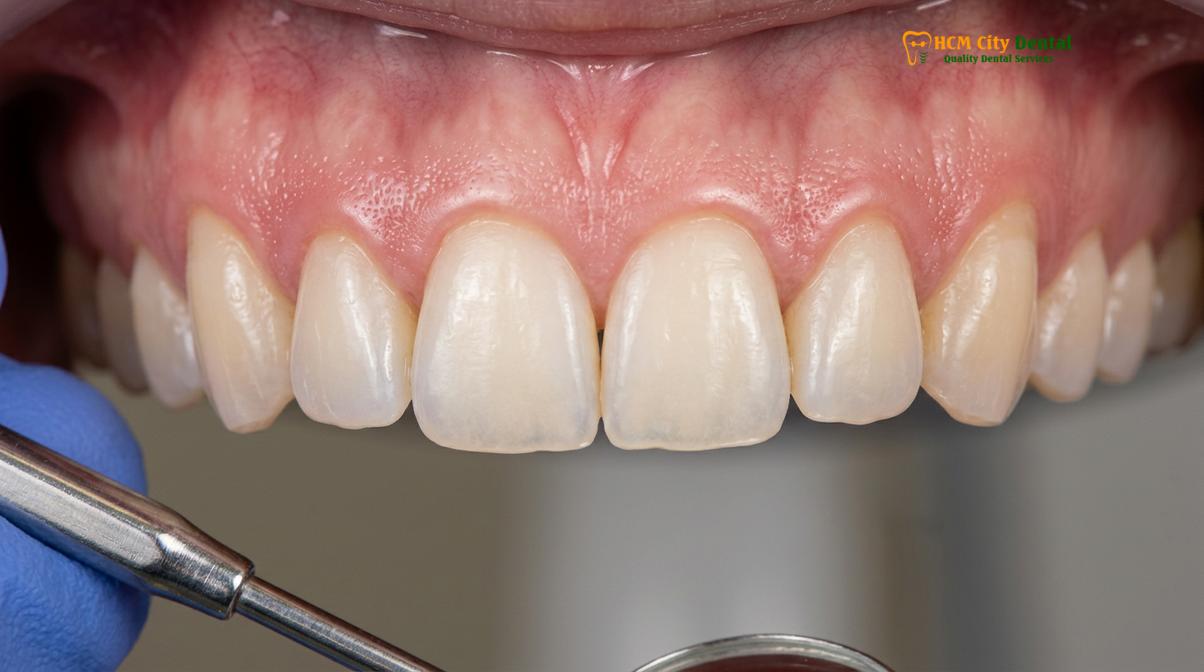
This alkaline shift is clinically significant because it alters the dissociation pathway of the peroxide. In an alkaline environment, hydrogen peroxide breaks down more readily into perhydroxyl ions ($HO_2^-$) rather than free radicals. The perhydroxyl ion is a highly reactive and potent oxidizing agent, significantly more effective at breaking down complex stain molecules than other oxygen derivatives. By maximizing the concentration of perhydroxyl ions, the Novon-enhanced gel achieves a higher rate of stain oxidation in a shorter period. This accelerated mechanism allows patients to achieve their desired shade with reduced wear times, thereby minimizing the duration of chemical exposure to the dental pulp and surrounding soft tissues.
Furthermore, the accelerated breakdown of the active ingredients means that the gel reaches its peak efficacy rapidly. This is particularly beneficial for patients who struggle with compliance regarding long wear times. The clinical predictability of this system allows practitioners at facilities like HCMC Dental Clinic to design highly customized treatment plans. By understanding the exact biochemical interaction between the Novon gel and the patient’s specific enamel topography, dentists can accurately forecast the trajectory of the shade enhancement, ensuring that the final result aligns with the patient’s aesthetic expectations.
Formulations and Active Sensitivity Management
The system offers various concentrations of carbamide and hydrogen peroxide, incorporating potassium nitrate and fluoride to actively desensitize nerve endings during the bleaching process.
A critical aspect of professional teeth whitening is selecting the appropriate chemical formulation based on the patient’s clinical presentation, lifestyle, and history of dentin hypersensitivity. White Dental Beauty provides a comprehensive portfolio of gels, primarily categorized into hydrogen peroxide (HP) and carbamide peroxide (CP) formulations. Understanding the pharmacokinetic differences between these two compounds is essential for optimal prescribing.
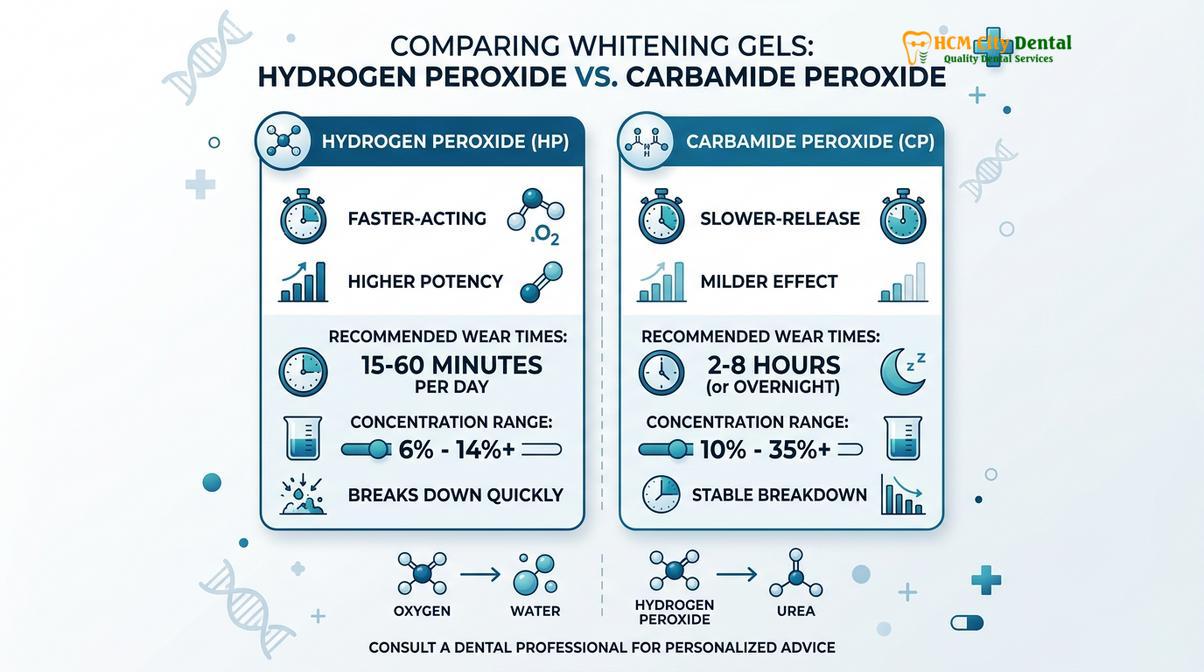
Hydrogen peroxide is the active bleaching agent. It is highly reactive and breaks down rapidly upon contact with the teeth. Formulations containing 6% hydrogen peroxide are typically designed for short, daytime wear—often ranging from 30 to 90 minutes. This rapid action is ideal for patients who prefer not to sleep with dental trays or those who have limited time during the day. Conversely, carbamide peroxide is a more complex molecule that breaks down into hydrogen peroxide and urea. The urea further degrades into ammonia and carbon dioxide, which helps elevate the pH of the oral environment, providing a secondary anticariogenic benefit. Because carbamide peroxide breaks down more slowly—releasing about 50% of its active ingredient in the first two hours and the remainder over the next several hours—it is the preferred choice for extended daytime wear or overnight protocols[2].
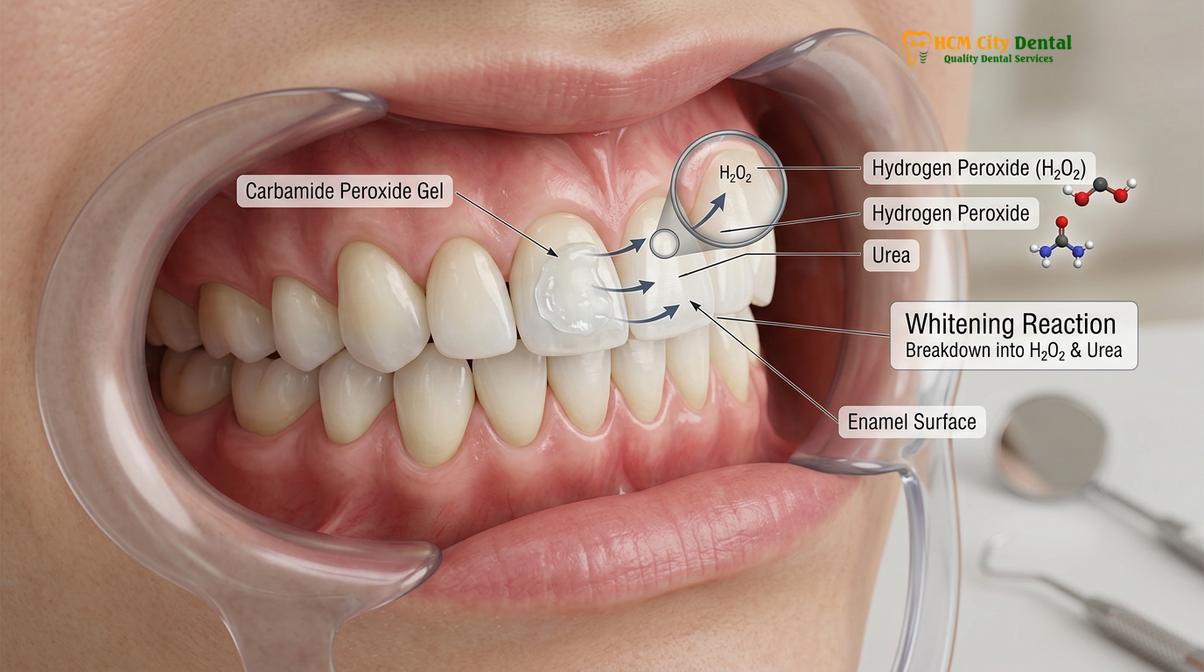
One of the most common adverse effects associated with vital tooth bleaching is transient dentin hypersensitivity. This occurs when the peroxide molecules penetrate the enamel and reach the dentinal tubules, causing reversible pulpal inflammation and stimulating the intradental nerves. To combat this, White Dental Beauty gels are formulated with an active sensitivity management complex. This complex typically includes potassium nitrate and sodium fluoride.
| Active Ingredient | Concentration | Typical Wear Time | Clinical Indication |
|---|---|---|---|
| Hydrogen Peroxide | 6% | 30 – 90 minutes/day | Rapid daytime whitening, high compliance patients |
| Carbamide Peroxide | 16% | 1 – 2 hours/day | Moderate to severe staining, robust enamel |
| Carbamide Peroxide | 10% | 2 – 4 hours or overnight | Standard overnight protocol, mild sensitivity |
| Carbamide Peroxide (Mild) | 5% | 2 hours/day | Severe hypersensitivity, delicate enamel |
Potassium nitrate works by penetrating the enamel and dentin to reach the pulp chamber. Once there, the potassium ions depolarize the nerve cell membranes, preventing them from repolarizing and transmitting pain signals. This effectively numbs the nerve, providing profound relief from thermal and tactile sensitivity. Simultaneously, fluoride acts as a remineralizing agent. It binds with the hydroxyapatite crystals to form fluorapatite, which is more resistant to acidic challenges and helps occlude open dentinal tubules, further reducing sensitivity. The high water content in these professional gels also prevents dehydration of the tooth structure, a common cause of post-operative pain seen with inferior, desiccating bleaching products.
Professional Clinical Workflow and Customization
A successful whitening outcome requires a comprehensive clinical assessment, precise digital or physical impressions for custom trays, and a tailored dispensing protocol based on patient needs.
The distinction between over-the-counter products and professional systems like White Dental Beauty lies heavily in the clinical workflow and the level of customization provided by the dental practitioner. The journey toward a brighter smile begins with a rigorous diagnostic consultation. During this phase, the dentist evaluates the etiology of the discoloration. Stains caused by tetracycline use during tooth development, fluorosis, or pulpal necrosis require entirely different management strategies than typical age-related or dietary extrinsic staining.
Dr. Nguyen Van Cuong emphasizes that a thorough prophylaxis must precede any bleaching treatment. The removal of calculus, plaque, and superficial extrinsic stains ensures that the whitening gel has direct, unimpeded contact with the enamel surface. Following the cleaning, a baseline shade assessment is conducted using a standardized shade guide, often accompanied by high-resolution clinical photography. This documentation is crucial for tracking progress and managing patient expectations.
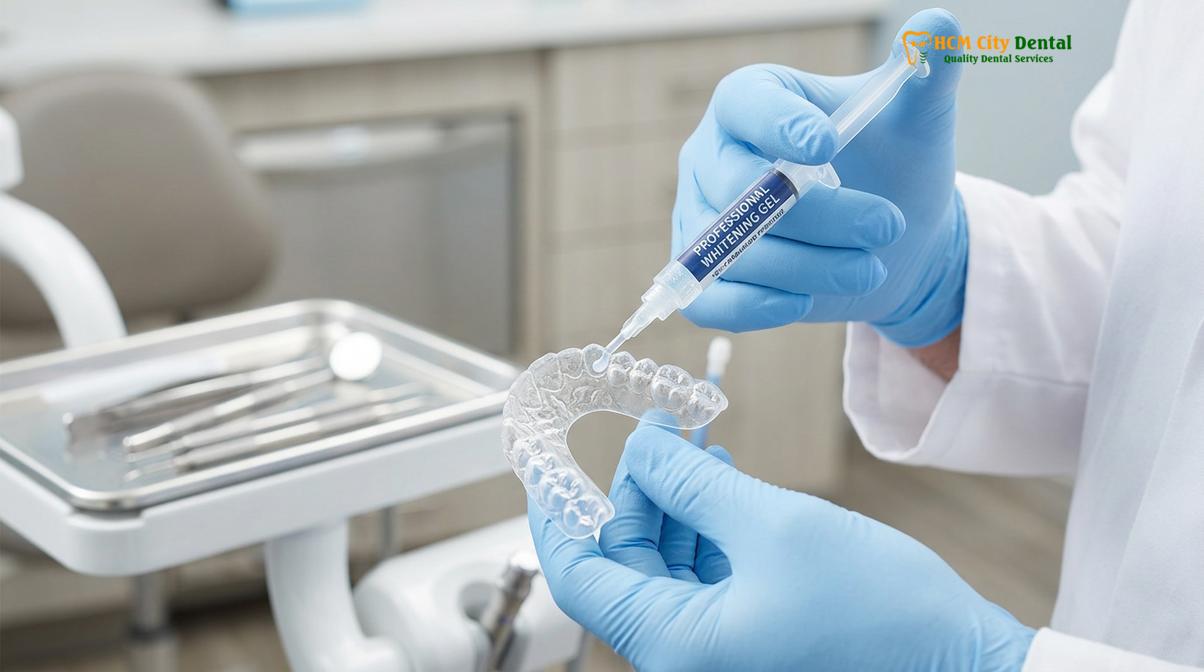
The fabrication of custom whitening trays is a critical step in the protocol. Unlike generic, boil-and-bite trays that often fit poorly and allow gel to extrude onto the gingiva, custom trays are fabricated from precise impressions of the patient’s dental arches. Modern clinics may utilize intraoral 3D scanners to capture digital impressions, which are then used to 3D print physical models. Alternatively, high-quality alginate or elastomeric impressions are taken. The dental laboratory then vacuum-forms a thin, flexible ethylene-vinyl acetate (EVA) material over these models.
“The precision of the custom tray is arguably as important as the chemistry of the gel itself. A well-adapted tray ensures a uniform thickness of the bleaching agent across the labial surfaces of the teeth while creating a tight seal at the gingival margin to prevent soft tissue chemical burns.”
Depending on the specific clinical philosophy and the viscosity of the chosen gel, the dentist may request the laboratory to place block-out resin on the labial surfaces of the models before vacuum forming. This creates small reservoirs in the final tray, allowing a slightly larger volume of gel to sit against the tooth. However, the highly viscous nature of White Dental Beauty gels often allows for non-reservoir trays, as the gel is sticky enough to remain in place without being displaced during insertion. Once the trays are fabricated, the patient returns for a fitting and dispensing appointment. The clinician demonstrates the proper technique for loading the trays—applying a small, teardrop-sized amount of gel into the facial aspect of each tooth compartment—and instructs the patient on insertion, removal, and cleaning procedures. For more details on comprehensive care, refer to our comprehensive general dental guide.
At-Home Application and Maintenance Protocols
Patients must adhere to prescribed wear times and maintain strict oral hygiene, avoiding chromogenic foods to preserve the newly achieved shade and prevent relapse.
The success of an at-home professional whitening protocol relies heavily on patient compliance. Upon receiving their custom trays and White Dental Beauty gel syringes, patients must follow the specific wear schedule prescribed by their dentist. Before each application, it is imperative to brush and floss thoroughly. The presence of biofilm acts as a physical barrier, preventing the peroxide from penetrating the enamel and leading to uneven, patchy results. Understanding the optimal brushing duration and technique is vital for preparing the tooth surface.
When loading the tray, patients are advised to use only the prescribed amount of gel. Overfilling the tray does not accelerate the whitening process; rather, it causes the excess gel to extrude over the margins and onto the gingival tissues, leading to chemical irritation and transient blanching of the gums. Once the tray is seated firmly over the teeth, any excess gel should be gently wiped away with a clean tissue or a soft toothbrush. During the wear time, patients should avoid eating, drinking, or smoking.
After the prescribed duration—whether it is a 45-minute daytime session with a 6% HP gel or an overnight application with a 10% CP gel—the trays are removed. Patients should rinse their mouths with lukewarm water and gently brush away any residual gel from their teeth. The trays themselves must be cleaned with cold water and a soft brush, then stored in a ventilated case. Hot water should never be used to clean the trays, as it can distort the thermoplastic material, ruining the custom fit.
Dietary management during and immediately following the active whitening phase is crucial. The bleaching process temporarily dehydrates the enamel and leaves the dentinal tubules slightly more open, making the teeth highly susceptible to absorbing new stains. Patients often desire a smile as pristine and uniform as a white porcelain tea set, but achieving this requires careful management of chromogenic dietary habits. A “white diet” is strongly recommended for at least 48 hours post-treatment. This involves avoiding coffee, tea, red wine, dark sodas, soy sauce, berries, and tomato-based sauces. If consuming dark liquids is unavoidable, using a straw can help bypass the anterior teeth.
Long-term maintenance is required to combat the natural relapse of tooth color over time. Just as a delicate white porcelain tea set can accumulate tannin stains over time, natural enamel is susceptible to discoloration from daily habits. Dentists often recommend a brief “top-up” treatment every six to twelve months, utilizing the original custom trays and a fresh syringe of gel. Additionally, maintaining a robust daily hygiene routine, utilizing a non-abrasive whitening toothpaste, and understanding the role of fluoride in enamel remineralization will help sustain the aesthetic results. Regular professional cleanings are also essential to remove calculus and superficial stains that cannot be managed at home[3].
Case Study: Managing Severe Discoloration with Hypersensitivity
Clinical application of mild 5% carbamide peroxide formulations allows patients with severe dentin hypersensitivity to achieve significant shade improvements without compromising pulpal health.
Clinical Case Overview:
A 42-year-old female patient presented to HCMC Dental Clinic in Ho Chi Minh City with a chief complaint of generalized yellowing of her dentition, exacerbated by a heavy coffee-drinking habit. Her medical history was unremarkable, but her dental history revealed severe, chronic dentin hypersensitivity, particularly to cold stimuli. Previous attempts at using over-the-counter whitening strips had resulted in acute pulpal pain, forcing her to abandon the treatments.
Diagnostic Assessment:
Clinical examination by Dr. Nguyen Van Cuong revealed generalized intrinsic discoloration (VITA shade A3.5) with localized areas of gingival recession exposing the root surfaces on the premolars. The exposed dentin was the primary source of her hypersensitivity. Radiographic evaluation confirmed the absence of periapical pathology or active carious lesions.
Treatment Protocol:
Given the patient’s history of severe sensitivity, a highly conservative approach was required. Dr. Cuong prescribed the White Dental Beauty 5% Mild Carbamide Peroxide system. This specific formulation is engineered for delicate enamel and incorporates high levels of potassium nitrate and fluoride. Custom non-reservoir trays were fabricated with precise scalloping at the gingival margins to avoid contact with the exposed root surfaces.
The patient was instructed to wear the trays for only one hour per day for the first three days to assess her tolerance. Concurrently, she was advised to use a prescription-strength desensitizing toothpaste. When no adverse pulpal response was reported, the wear time was gradually increased to two hours daily.
Clinical Outcome:
After a 21-day extended protocol, the patient achieved a stable VITA shade of A1. The slow, controlled release of the 5% CP gel, combined with the active desensitizers, allowed her to complete the treatment with zero episodes of acute pain. The case highlights the importance of selecting the appropriate chemical concentration and customizing the delivery method to accommodate complex clinical presentations.
This case underscores the necessity of professional oversight in aesthetic treatments. Patients with complex dental histories should always seek guidance on selecting a qualified dental professional to ensure that their whitening journey is both safe and effective.
Important Clinical Considerations and When to See a Doctor
Clinical Warning: Professional teeth whitening is generally safe, but it is not suitable for everyone. Pregnant or lactating women, individuals with active periodontal disease, untreated dental caries, or severe enamel hypoplasia should avoid bleaching treatments until these underlying conditions are resolved.
While the White Dental Beauty system is designed with safety and efficacy in mind, vital tooth bleaching is a medical procedure that induces chemical changes within the tooth structure. Therefore, it carries inherent risks and contraindications that must be managed by a dental professional. One of the primary concerns is the interaction between the bleaching agent and existing dental restorations. Peroxide gels will only oxidize stains within natural tooth structure; they have no effect on the color of composite resins, porcelain veneers, or ceramic crowns. If a patient undergoes a whitening treatment, their natural teeth will lighten, potentially creating a stark aesthetic mismatch with their existing restorations. Dentists must plan for the potential replacement of visible restorations after the whitening shade has stabilized, which typically takes two weeks post-treatment[4].
Gingival irritation is another common complication, usually resulting from ill-fitting trays or the application of excessive gel. When the peroxide contacts the soft tissues, it causes a chemical burn, manifesting as localized blanching (whitening) of the gums, accompanied by a burning sensation. While this is usually transient and resolves within a few hours, repeated exposure can lead to ulceration and tissue sloughing. If a patient experiences significant gingival burning, they should immediately remove the trays, rinse thoroughly with water, and contact their dentist for an adjustment of the trays or a review of their application technique.
“The health of the periodontium must be prioritized over aesthetic enhancements. Applying high-concentration bleaching agents to inflamed or compromised gingival tissues can exacerbate periodontal breakdown and lead to severe complications.”
Patients should also be aware that underlying oral health issues can affect the outcome of the treatment. For instance, individuals suffering from underlying oral health conditions such as halitosis or active decay must have these issues addressed prior to initiating a bleaching protocol. Applying peroxide to a tooth with an open carious lesion can allow the chemical to penetrate directly into the pulp chamber, causing excruciating pain and potentially necessitating endodontic therapy.
When to seek immediate clinical evaluation:
- If you experience sharp, shooting pain in the teeth that persists long after the trays are removed.
- If your gums become severely swollen, bleed easily, or develop painful ulcerations.
- If you notice any changes in the structural integrity of your teeth, such as cracking or chipping.
- If the whitening results appear highly uneven, banded, or if white spots (fluorosis or decalcification) become overly prominent.
To ensure ongoing oral health and to monitor the stability of your whitening results, maintaining routine dental check-ups is essential. A proactive approach to dental care allows practitioners to address minor issues before they develop into complex clinical challenges. For those considering aesthetic enhancements, exploring professional teeth whitening treatments under expert guidance is the safest path to a radiant smile[5].
Frequently Asked Questions
How long does it take to see results with White Dental Beauty gels?
Most patients observe noticeable shade improvements within three to five days of consistent application. However, a complete clinical whitening protocol typically requires ten to fourteen days to achieve optimal, stabilized results. The exact duration depends on the initial shade, the concentration of the prescribed gel, and the specific etiology of the discoloration. Your dentist will monitor your progress to ensure the treatment is both effective and safe.
Is the Novon technology safe for sensitive teeth?
Yes, Novon technology is specifically engineered to be highly compatible with sensitive dentition. By accelerating the whitening process through a rapid pH jump, it reduces the required wear time, thereby minimizing prolonged exposure to the bleaching agent. Additionally, White Dental Beauty formulations incorporate active desensitizing agents like potassium nitrate and fluoride, which soothe the pulpal nerve and remineralize the enamel during treatment.
Can I use White Dental Beauty if I have dental restorations?
White Dental Beauty gels will not change the color of existing dental restorations such as composite fillings, porcelain veneers, or crowns. If you undergo a whitening treatment, your natural teeth will lighten, potentially creating a shade mismatch with your existing dental work. It is crucial to consult with your dentist, who may recommend replacing visible restorations after the whitening process has stabilized to ensure a uniform aesthetic appearance.
What is the difference between carbamide peroxide and hydrogen peroxide?
Hydrogen peroxide is a highly reactive bleaching agent that breaks down quickly, making it suitable for shorter wear times (often 30 to 90 minutes). Carbamide peroxide is a more stable compound that breaks down into hydrogen peroxide and urea over a longer period, making it ideal for overnight wear or extended daytime use. Both are clinically effective, and the choice depends on patient lifestyle and sensitivity levels.
How can I maintain my new tooth shade after the treatment?
Maintaining your newly whitened smile requires strict adherence to good oral hygiene and dietary modifications. Patients should minimize the intake of highly chromogenic foods and beverages, such as coffee, red wine, and dark berries. Regular professional cleanings, consistent brushing, and the occasional use of maintenance whitening strips or top-up gel syringes provided by your dentist will help preserve the aesthetic results long-term.
References
- Journal of Dentistry. Efficacy and safety of Novon-enhanced bleaching gels. (2021).
- Operative Dentistry. Clinical evaluation of tooth sensitivity during at-home bleaching. (2020).
- American Dental Association. Statement on the safety and effectiveness of tooth whitening products. (2022).
- Clinical Oral Investigations. The effect of pH on the release of perhydroxyl ions in bleaching agents. (2019).
- Journal of Esthetic and Restorative Dentistry. Long-term color stability following vital tooth bleaching. (2023).