For most individuals with healthy teeth and gums, you should go to the dentist every six months for a routine examination and professional prophylaxis. However, patients with high-risk factors, such as periodontal disease or systemic health conditions, may require clinical evaluations every three to four months to maintain optimal oral health.
Clinical Summary:
Determining how often you should go to the dentist depends heavily on individualized clinical risk assessments rather than a universal timeline. While the standard biannual visit remains a strong baseline for preventive care, modern dental protocols emphasize personalized recall intervals. Factors such as plaque accumulation rates, periodontal pocket depths, systemic diseases like diabetes, and orthodontic appliances dictate whether a patient needs quarterly or annual visits. Comprehensive examinations not only prevent irreversible enamel demineralization but also serve as critical screening points for oral pathology. Regular professional monitoring ensures early intervention, preserving both oral function and overall systemic health through evidence-based diagnostic workflows.
Key Takeaways:
- Biannual dental visits serve as the standard baseline for maintaining optimal oral health and preventing calculus buildup.
- High-risk patients, including those with diabetes or active periodontal disease, often require professional interventions every three to four months.
- Routine examinations encompass oral cancer screenings, periodontal probing, and radiographic diagnostics to detect asymptomatic subclinical issues.
- Personalized recall intervals are determined by your clinician based on your unique caries risk assessment and gingival health status.
- Delaying routine preventive care can allow minor issues to progress into complex, invasive, and costly restorative treatments.
The Clinical Rationale: How Often You Should Go to the Dentist
The frequency of dental visits is determined by an individual’s risk profile for caries and periodontal disease, with most clinical guidelines recommending a baseline of biannual examinations to disrupt calculus formation and monitor oral pathology.
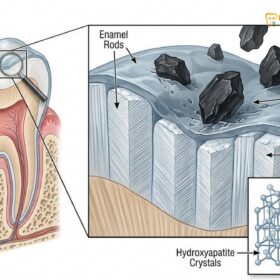
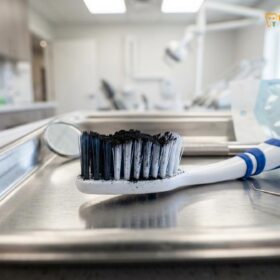
The traditional recommendation that regular visits to the dentist should be scheduled every six months originated from early dental public health initiatives and remains a highly effective baseline for the general population[1]. However, modern clinical General Dentistry has shifted toward a more personalized, evidence-based approach. The oral cavity is a highly dynamic environment where bacterial biofilms constantly form on enamel and root surfaces. Within 48 hours, unremoved plaque can begin to mineralize into calculus (tartar), a hardened substance composed of calcium phosphates derived from saliva. Once calculus forms, it cannot be removed by at-home brushing or flossing; it requires professional instrumentation.
During these routine visits, the primary dentist goals are to evaluate the structural integrity of existing restorations, assess gingival attachment levels, and identify early signs of enamel demineralization before they progress into cavitated lesions. The microbiology of the mouth involves complex interactions between host defenses and pathogenic bacteria such as Streptococcus mutans (responsible for tooth decay) and Porphyromonas gingivalis (associated with gum disease). Regular professional cleanings disrupt these bacterial colonies, significantly reducing the bacterial load and mitigating the inflammatory response in the gingival tissues.
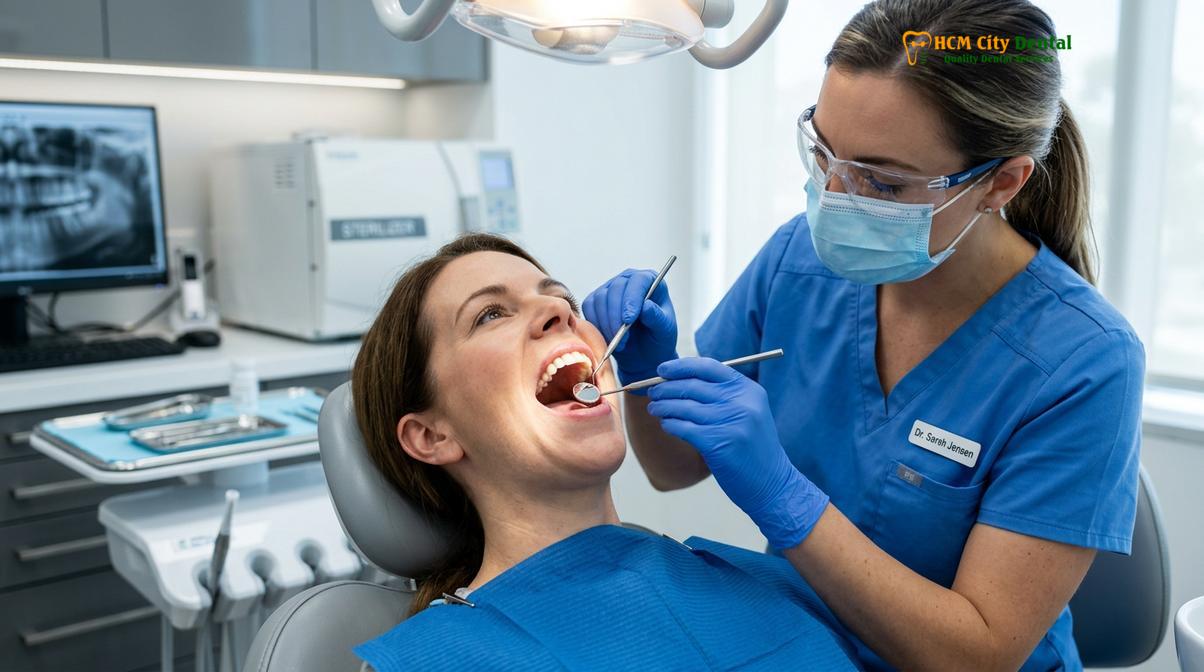
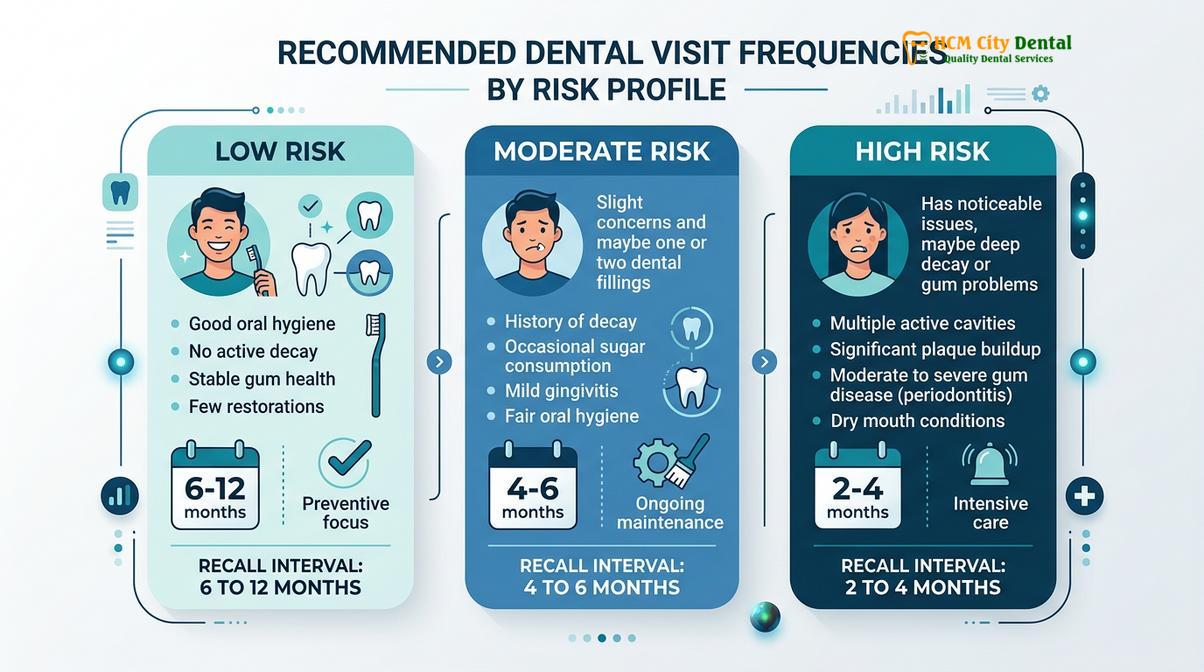
For patients with excellent oral hygiene, a minimal restorative history, a low sugar diet, and no systemic health issues, a twelve-month recall interval might be clinically acceptable. However, a six-month interval is generally preferred by most practitioners to ensure timely oral cancer screenings and to intercept microscopic changes in the enamel. The concept of Caries Management by Risk Assessment (CAMBRA) is widely utilized by clinicians to categorize patients into low, moderate, high, or extreme risk categories, which directly dictates their ideal visitation frequency. By adhering to a scientifically backed schedule, patients can avoid the physical discomfort and financial burden associated with advanced dental pathologies.
Risk Stratification: Who Needs More Frequent Dental Visits?
Patients presenting with systemic health conditions, orthodontic appliances, or a history of periodontal disease require accelerated recall schedules, typically every three to four months, to manage their elevated risk of oral complications.
Not all patients fit the standard biannual mold. Clinical risk stratification is an essential component of modern dental practice for determining the appropriate recall interval. For instance, individuals with systemic conditions such as uncontrolled diabetes exhibit a compromised immune response and altered vascular function, making them highly susceptible to rapid periodontal attachment loss[2]. The bidirectional relationship between diabetes and periodontitis means that severe gum disease can negatively impact glycemic control, while high blood sugar exacerbates gingival inflammation. Therefore, diabetic patients often require periodontal maintenance every three months.
Similarly, pregnant women experience significant hormonal fluctuations, particularly elevated levels of progesterone and estrogen, which alter the local vascular response to dental plaque. This can result in pregnancy gingivitis or the formation of pyogenic granulomas (pregnancy tumors). Frequent monitoring and professional prophylaxis during pregnancy are critical to managing these exaggerated inflammatory responses and maintaining maternal oral health.
Orthodontic patients face unique challenges regarding plaque control. Whether treating adolescents or women with braces, orthodontic hardware such as brackets, wires, and bands creates numerous plaque-retentive areas. These appliances significantly increase the risk of white spot lesions (early enamel decalcification) and gingival hyperplasia (overgrowth of gum tissue). Consequently, patients undergoing active orthodontic therapy often require professional cleanings every three to four months to prevent permanent aesthetic and structural damage to the teeth.
Furthermore, patients with a high caries index, those experiencing dry mouth (xerostomia) induced by polypharmacy or radiation therapy, and individuals who use tobacco products must adhere to a stricter visitation schedule. Saliva plays a crucial role in buffering bacterial acids and remineralizing enamel. When salivary flow is reduced, the risk of rampant decay increases exponentially. Frequent monitoring allows the clinician to apply professional fluoride treatments and prescribe antimicrobial therapies to arrest disease progression early.
What Happens During a Comprehensive Dental Examination?
A comprehensive dental examination involves a systematic evaluation of extraoral and intraoral structures, utilizing radiographic imaging, periodontal probing, and visual inspection to diagnose subclinical pathologies.
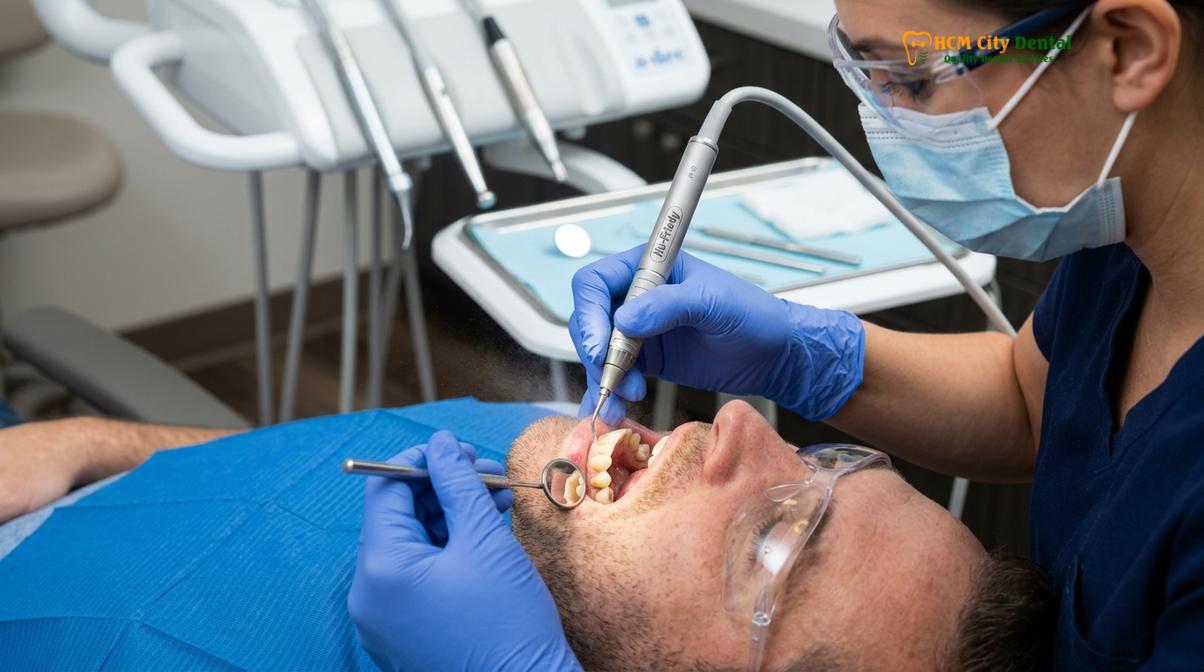
Understanding the meticulous diagnostic workflow helps demystify the dental visit and underscores its medical necessity. A routine check-up extends far beyond a simple visual scan of the teeth. It begins with a thorough review of the patient’s medical history, noting any new medications or systemic diagnoses that could impact oral health. The clinician then performs an extraoral examination of the head and neck, palpating the submandibular and cervical lymph nodes, the thyroid gland, and the temporomandibular joint (TMJ) for any signs of lymphadenopathy, asymmetry, or crepitus.
Intraorally, the clinician conducts a meticulous oral cancer screening. This involves examining the lateral borders of the tongue, the floor of the mouth, the hard and soft palate, and the buccal mucosa for dysplastic lesions, leukoplakia (white patches), or erythroplakia (red patches). Early detection of oral squamous cell carcinoma dramatically improves the prognosis and survival rates. Following this, periodontal probing is conducted using a calibrated instrument to measure the depth of the gingival sulcus around each tooth. Healthy pockets typically measure between 1 to 3 millimeters; depths exceeding 4 millimeters, especially when accompanied by bleeding on probing, indicate active periodontal disease and clinical attachment loss[3].
| Diagnostic Procedure | Clinical Purpose | Recommended Frequency |
|---|---|---|
| Periodontal Probing | Assess gingival attachment and alveolar bone loss | Every 6-12 months |
| Bitewing Radiographs | Detect interproximal caries and evaluate crestal bone levels | Every 12-24 months (risk-dependent) |
| Oral Cancer Screening | Identify malignant or precancerous mucosal lesions | Every 6 months |
| Professional Prophylaxis | Remove supragingival and subgingival calculus deposits | Every 3-6 months |
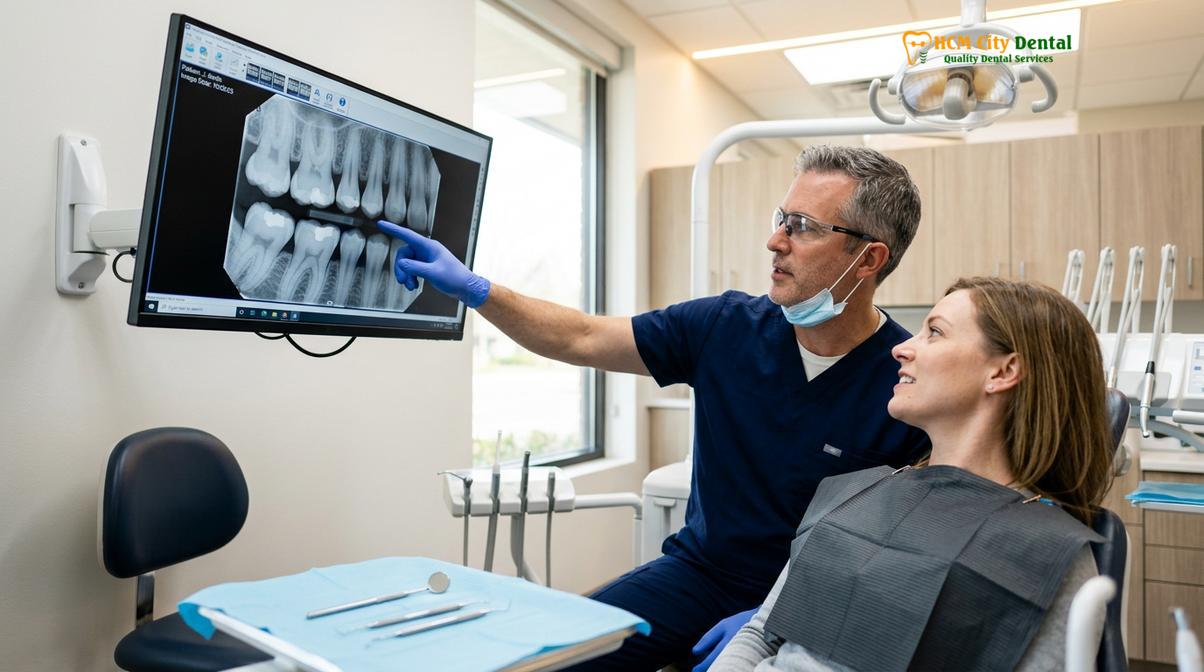
Radiographic imaging is another critical component of the diagnostic process. While visual inspections are vital, they cannot penetrate the enamel or the gingival tissues. Bitewing X-rays allow the dentist to visualize the interproximal spaces (the contact areas between the teeth) and assess the alveolar bone crest. Periapical radiographs are used to evaluate the entire tooth structure, including the root apex and surrounding bone, to detect asymptomatic periapical radiolucencies (infections or cysts). This comprehensive approach to clinical diagnostics ensures that issues are intercepted promptly, preventing the need for extensive endodontic or surgical interventions.
The Role of Dental Professionals in Your Oral Health Journey
Maintaining optimal oral health is a collaborative effort involving dental hygienists for preventive prophylaxis and dentists for advanced diagnostics, treatment planning, and restorative procedures.
The modern dental practice operates as a cohesive, multidisciplinary unit designed to provide comprehensive care. During a routine visit, a patient will typically interact with both a dental hygienist and a dentist, each playing a distinct but complementary role. The hygienist specializes in preventive care and periodontal therapy. Their clinical duties include performing scaling and root planing, applying pit-and-fissure sealants, administering fluoride varnishes, and providing tailored oral hygiene instruction based on the patient’s specific plaque control challenges.
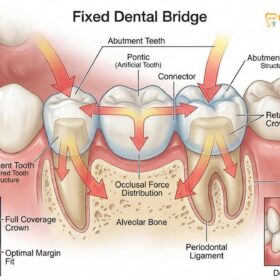
A common question among patients exploring the dental field is, can a dental hygienist become a dentist? While both are highly trained and licensed professionals, transitioning from a hygienist to a dentist requires completing a rigorous doctoral program in dental medicine (DMD) or dental surgery (DDS). Dentists possess advanced training in diagnosing complex oral pathologies, formulating comprehensive treatment plans, and performing irreversible surgical and restorative procedures, such as placing implants, extracting impacted wisdom teeth, and designing prosthetic rehabilitations.
“Preventive dentistry is the cornerstone of systemic health. By adhering to a customized recall schedule, we empower patients to avoid complex restorative procedures. Our goal is to intercept disease at its microscopic inception, preserving the natural dentition for a lifetime.” – Dr. Nguyen Van Cuong
Dr. Nguyen Van Cuong, a leading specialist at HCMC Dental Clinic in Ho Chi Minh City, emphasizes the importance of this collaborative dynamic in achieving long-term patient success. When you find a good dentist, they will utilize the precise clinical data gathered by the hygienist—such as periodontal charting and plaque indices—to formulate a holistic treatment plan. This synergistic workflow ensures that every aspect of your oral health, from managing gingival inflammation to ensuring occlusal harmony, is meticulously addressed.
Global Perspectives on Dental Visit Frequencies
Dental recall guidelines vary globally based on healthcare models and public health policies, with some regions advocating for risk-based intervals ranging from three months to two years.
The approach to preventive dental care is not entirely uniform worldwide, reflecting differences in healthcare infrastructure, funding models, and epidemiological data. For instance, if you look at how often should you go to the dentist uk, the National Institute for Health and Care Excellence (NICE) guidelines suggest a highly individualized approach. According to NICE, the interval between check-ups can range from 3 months to 24 months for adults, strictly based on the individual’s clinical risk assessment and disease progression history[4]. This model aims to optimize resource allocation within the National Health Service (NHS) while ensuring high-risk patients receive necessary care.
This contrasts slightly with the American Dental Association (ADA), which traditionally leans heavily toward the biannual model as a standard baseline, while still acknowledging the critical need for customization based on patient-specific factors. The ADA emphasizes that regular visits are essential for the application of preventive measures, such as sealants, which have been shown to significantly reduce the incidence of occlusal caries in children and adolescents[5].
Regardless of geographic location, the underlying principle of dental public health remains the same: prevention is vastly superior, both biologically and economically, to surgical intervention. At HCMC Dental Clinic in Saigon, our clinical protocols align with international evidence-based standards. We conduct a thorough caries risk assessment for every patient to determine their ideal visitation frequency. Whether a patient is seeking routine maintenance or exploring aesthetic options like teeth whitening, establishing a stable foundation of oral health through regular professional monitoring is the prerequisite for any successful dental treatment.
When to See a Doctor Immediately (Emergency Dental Care)
While routine visits are scheduled predictably to maintain health, certain clinical presentations require immediate professional intervention. You should not wait for your next scheduled check-up if you experience acute symptoms. Severe, unprovoked toothaches, localized swelling (edema) in the face, neck, or gums, and prolonged bleeding are red flags that indicate an active infection, an abscess, or a structural failure of the tooth. An acute periapical abscess, if left untreated, can lead to cellulitis or even systemic sepsis, posing severe and potentially life-threatening health risks.
Dental trauma is another critical scenario requiring urgent care. An avulsed (knocked-out) permanent tooth, a luxated (displaced) tooth, or a complicated crown fracture exposing the dental pulp necessitates emergency care within hours. In the case of an avulsion, the viability of the periodontal ligament cells rapidly diminishes; replanting the tooth within 30 to 60 minutes maximizes the chances of a successful outcome. Furthermore, if you notice a persistent ulcer, a lump, or a mucosal lesion in the mouth that does not heal within two weeks, immediate evaluation is critical to rule out oral malignancies.
Whether you are seeking care from a renowned specialist like dr white dentist, a convenient neighborhood clinic like the dentist off main, or our comprehensive facility at HCMC Dental Clinic, prompt attention to acute symptoms is non-negotiable. Emergency dental care focuses on rapid triage, pain management, and definitive diagnostics to stabilize the patient’s condition.
“Acute dental pain is the body’s definitive signal that a pathological process has breached the tooth’s protective barriers. Ignoring these symptoms invariably leads to more invasive treatments, such as endodontic therapy or extraction. Early intervention is always the most conservative approach.” – Dr. Nguyen Van Cuong
At HCMC Dental Clinic, we prioritize emergency triage to ensure patients receive rapid pain relief and definitive diagnostic care under strict clinical sterilization protocols. If you experience any signs of acute dental distress, contacting a dental professional immediately is imperative to preserve your oral health and prevent the escalation of infection.

Frequently Asked Questions
How often should a child go to the dentist?
Children should visit the dentist every six months, beginning when their first tooth erupts or by their first birthday. Early and regular visits are crucial for monitoring jaw development, applying preventive fluoride varnishes, and establishing a positive dental home to prevent early childhood caries. Pediatric dental visits also provide an opportunity for clinicians to educate parents on proper nutritional habits and oral hygiene techniques tailored to the child’s developmental stage.
Can I skip my dental visit if my teeth do not hurt?
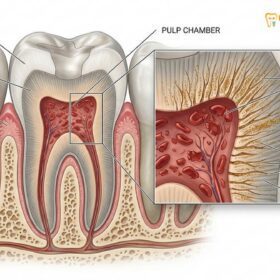
No, you should not skip your dental visit even if you are pain-free. Dental diseases, including early-stage cavities and periodontal disease, are largely asymptomatic in their initial phases. Routine examinations detect these silent issues before they progress into painful and expensive complications. By the time a tooth actually hurts, the decay has typically reached the inner pulp chamber, often necessitating a root canal treatment or an extraction rather than a simple filling.
Why do I need X-rays at my routine dental check-up?
Radiographs are essential for diagnosing pathologies hidden from visual inspection, such as interproximal decay and bone loss. They allow the dentist to evaluate the health of the tooth roots, the surrounding alveolar bone, and detect cysts or impacted teeth that require clinical management. Modern digital radiography utilizes extremely low doses of radiation, making it a safe and indispensable tool for comprehensive dental diagnostics and treatment planning.
How long does a routine dental cleaning and exam take?
A standard comprehensive dental examination and professional prophylaxis typically take between 45 to 60 minutes. This duration allows the clinician ample time to perform oral cancer screenings, periodontal charting, calculus removal, and discuss personalized oral hygiene instructions. For patients with significant calculus buildup or those requiring deep scaling and root planing for periodontal disease, the appointment may take longer or require multiple visits to ensure thorough debridement.
Does professional teeth cleaning damage the enamel?
Professional dental cleanings performed by a licensed hygienist or dentist do not damage tooth enamel. Clinicians use specialized ultrasonic scalers and hand instruments designed specifically to safely fracture and remove calculus deposits without compromising the integrity of the underlying enamel structure. In fact, removing plaque and calculus is essential for preventing the acidic byproducts of bacteria from demineralizing and permanently damaging the enamel over time.
References
- American Dental Association. Clinical guidelines on dental recall intervals and preventive care. (2021).
- Journal of Periodontology. The bidirectional relationship between diabetes and periodontal disease. (2020).
- International Journal of Dental Hygiene. Efficacy of routine scaling and polishing in periodontal health. (2019).
- British Dental Journal. Risk-based clinical assessment and recall intervals in dental public health. (2022).
- Journal of the American Dental Association. Evidence-based clinical recommendations for the use of pit-and-fissure sealants. (2018).