Brushing your teeth with coconut oil and baking soda can help remove superficial stains and neutralize oral acids, but it lacks fluoride for cavity protection. While baking soda acts as a mild abrasive and coconut oil offers antimicrobial properties, overuse may lead to permanent enamel erosion and tooth sensitivity.
Clinical Summary:
The practice of brushing your teeth with coconut oil and baking soda has gained significant popularity as a natural, at-home alternative to commercial dentifrices. From a clinical perspective, this combination leverages the mild abrasivity and alkaline nature of sodium bicarbonate to disrupt plaque biofilms and lift extrinsic stains, while the lauric acid in coconut oil provides supplementary antimicrobial benefits against cariogenic bacteria. However, dental professionals caution against relying solely on this mixture. The absence of fluoride deprives the enamel of essential remineralization, and the mechanical friction of unformulated baking soda can cause micro-abrasions on the tooth surface if used excessively. For optimal oral health, this DIY method should only be used as an occasional adjunct to a clinically validated, fluoridated oral hygiene routine, rather than a complete replacement.
Key Takeaways:
- Baking soda is a mild abrasive that effectively removes surface stains but cannot change the intrinsic color of teeth.
- Coconut oil contains lauric acid, which exhibits natural antimicrobial properties against plaque-forming bacteria.
- This homemade mixture completely lacks fluoride, leaving teeth highly vulnerable to demineralization and cavities.
- Excessive brushing with unformulated baking soda can lead to irreversible enamel wear and dentinal hypersensitivity.
- Professional dental treatments remain the safest and most effective method for achieving significant teeth whitening.
The Clinical Science Behind Baking Soda and Coconut Oil
Baking soda mechanically disrupts plaque and neutralizes acidic environments, while coconut oil provides lauric acid to inhibit bacterial growth. Together, they form a rudimentary paste that cleans surfaces but requires careful application to avoid dental damage.
Sodium Bicarbonate (Baking Soda) Mechanism
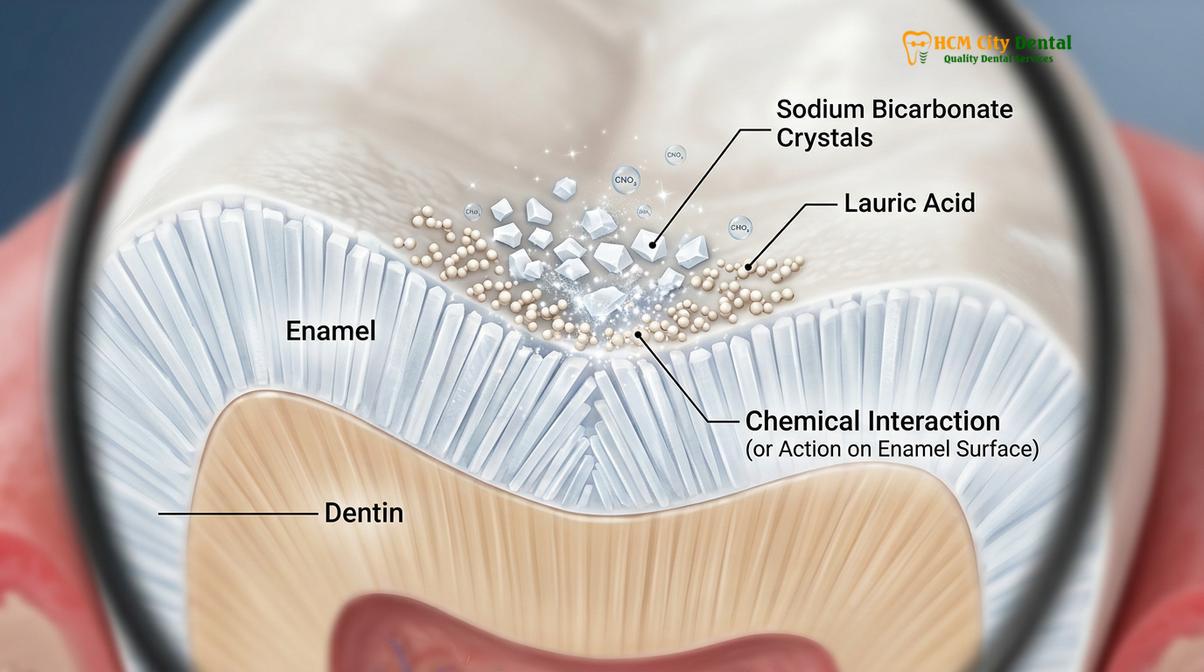
Sodium bicarbonate, commonly known as baking soda, is an amphoteric chemical compound that has been utilized in oral hygiene for over a century. In the context of dental care, its primary mechanism of action is twofold: mechanical abrasion and chemical buffering. When applied to the teeth, the crystalline structure of baking soda acts as a mild abrasive. It physically shears away the sticky plaque biofilm and the acquired pellicle—a proteinaceous layer on the enamel where extrinsic stains from coffee, tea, and tobacco accumulate. Because baking soda has a relatively low Relative Dentin Abrasivity (RDA) score compared to some harsh commercial whitening toothpastes, it is generally considered safe for surface cleaning when properly dissolved[1].
Beyond its mechanical properties, baking soda plays a crucial role in altering the oral microbiome’s environment. The human mouth naturally experiences fluctuations in pH, particularly after the consumption of fermentable carbohydrates. Cariogenic bacteria, such as Streptococcus mutans, metabolize these sugars and excrete lactic acid, which drops the oral pH below the critical threshold of 5.5, initiating enamel demineralization. Sodium bicarbonate is highly alkaline. When introduced into the oral cavity, it acts as a potent buffer, rapidly neutralizing these acids and elevating the pH to a safer, more neutral level. This alkaline shift not only halts the demineralization process but also creates an environment that is hostile to aciduric (acid-loving) bacteria, thereby temporarily reducing the cariogenic bacterial load.
Lauric Acid in Coconut Oil
Coconut oil is a unique botanical fat composed primarily of medium-chain triglycerides (MCTs). The most clinically significant of these is lauric acid, which constitutes approximately 45% to 50% of the oil’s fatty acid profile. In the realm of natural dentistry, lauric acid is highly valued for its proven antimicrobial, antiviral, and antifungal properties. When coconut oil is introduced into the mouth, the natural lipases in saliva begin to break down the triglycerides. This enzymatic hydrolysis converts lauric acid into monolaurin, a highly active monoglyceride[2].
Monolaurin exhibits a fascinating mechanism of action against oral pathogens. It is capable of integrating into the lipid bilayer of the bacterial cell membranes, particularly those of Gram-positive bacteria like Streptococcus mutans and Lactobacillus species. This integration disrupts the structural integrity of the bacterial membrane, leading to increased permeability, leakage of intracellular contents, and ultimately, bacterial cell death. Furthermore, the hydrophobic nature of coconut oil helps to saponify (create a soap-like effect) the fatty membranes of microorganisms, effectively trapping them in the oil matrix so they can be expectorated. While it is not a substitute for mechanical brushing or professional General Dentistry care, the inclusion of coconut oil in a DIY paste provides a supplementary biological defense against plaque accumulation.
Benefits and Limitations of This DIY Toothpaste
This natural mixture effectively lifts extrinsic stains from dietary habits and promotes a balanced oral pH, yet it cannot alter the intrinsic color of your teeth or remineralize weakened enamel.
Surface Stain Removal vs. Deep Bleaching
One of the most celebrated benefits of brushing your teeth with coconut oil and baking soda is its ability to brighten the smile. However, it is vital to understand the clinical distinction between stain removal and true teeth whitening. The teeth can become discolored in two ways: extrinsically and intrinsically. Extrinsic stains occur on the outer surface of the enamel and are typically caused by chromogenic (color-producing) substances found in red wine, coffee, tea, and tobacco. The mild abrasivity of baking soda is highly effective at physically dislodging these surface chromogens, revealing the natural color of the underlying enamel. Patients often report a noticeably cleaner and brighter smile after just a few applications.
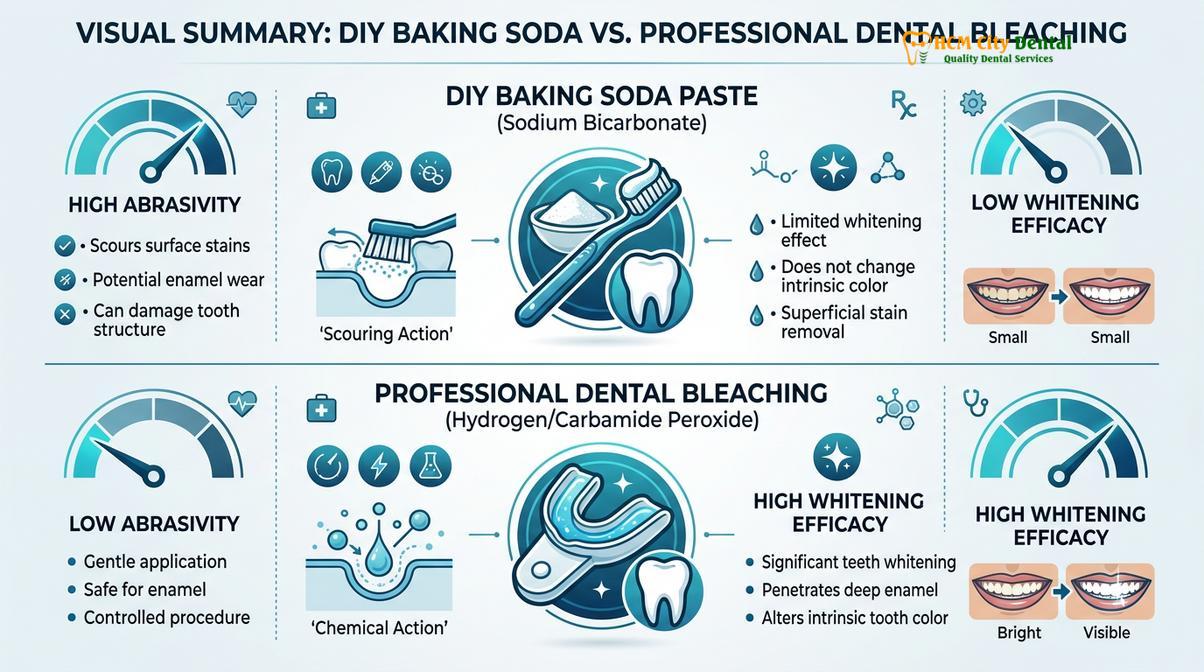
Conversely, intrinsic stains are located deep within the dentin—the layer beneath the enamel. These stains can be caused by aging, trauma, excessive fluoride exposure during tooth development (fluorosis), or the use of certain medications like tetracycline. Baking soda and coconut oil have absolutely no chemical ability to penetrate the enamel and oxidize these deep-seated pigments. True bleaching requires active agents like hydrogen peroxide or carbamide peroxide, which break down into free radicals that diffuse through the enamel rods to break apart the complex molecules causing the discoloration. Therefore, while the DIY paste is an excellent surface polish, its limitations must be recognized by anyone seeking a dramatic change in tooth shade.
“While natural abrasives can effectively manage daily surface stains, they lack the oxidative power required to alter the intrinsic shade of the dentin. Patients seeking a fundamentally whiter smile must look toward professional peroxide-based therapies.”
Plaque Reduction and pH Balance
The synergistic effect of baking soda and coconut oil offers a tangible benefit in managing oral hygiene. Plaque is a complex, sticky biofilm that adheres tenaciously to the adult dentition. The mechanical action of the baking soda crystals disrupts the structural matrix of the plaque, making it easier to brush away. Simultaneously, the monolaurin derived from the coconut oil actively inhibits the recolonization of bacteria on the freshly cleaned tooth surfaces.
Moreover, the pH-balancing effect of baking soda cannot be overstated. A chronically acidic mouth is the primary catalyst for dental caries and erosive tooth wear. By buffering the saliva, baking soda helps maintain an environment where the natural remineralization process—driven by calcium and phosphate ions in the saliva—can occur more efficiently. One of the profound benefits of being a dentist is educating patients on how these subtle biochemical shifts in the oral cavity can drastically influence long-term dental health. However, this natural buffering is only one piece of the puzzle, and relying on it exclusively presents significant clinical risks.
Risks of Brushing Your Teeth With Coconut Oil and Baking Soda
The primary clinical risks include irreversible enamel abrasion from excessive scrubbing and an increased susceptibility to dental caries due to the complete absence of fluoride in the mixture.
Enamel Abrasion and Dentin Hypersensitivity
The most pressing concern dental professionals have regarding DIY baking soda pastes is the risk of iatrogenic (self-induced) tooth damage. Enamel is the hardest substance in the human body, composed of tightly packed hydroxyapatite crystals. However, it is not invincible. When baking soda is used in its raw, unformulated powder state, the particle size and shape can be highly variable. If a patient applies too much pressure with their toothbrush, or uses the mixture too frequently, these abrasive particles can create microscopic scratches on the enamel surface[3].
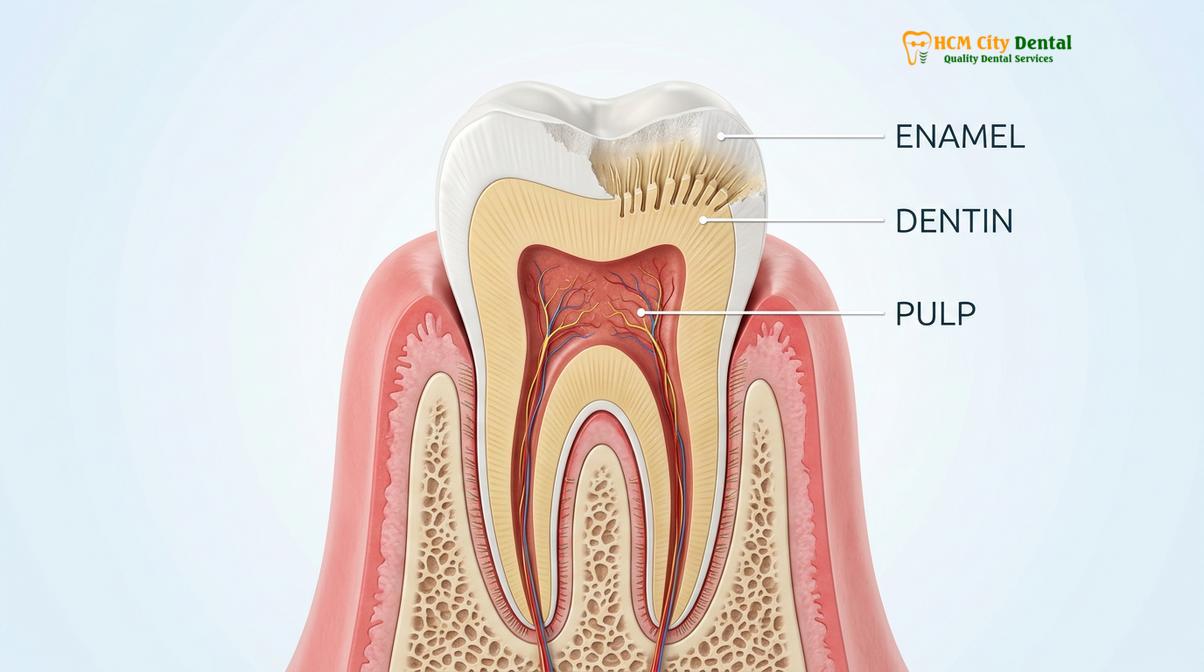
Over time, this aggressive mechanical wear leads to a condition known as toothbrush abrasion. As the protective enamel layer thins, the underlying dentin becomes exposed. Dentin is significantly softer and more yellow than enamel, meaning that overzealous brushing to achieve a whiter smile can paradoxically result in yellower teeth. Furthermore, dentin contains thousands of microscopic tubules that lead directly to the dental pulp (the nerve center of the tooth). When these tubules are exposed to the oral environment, patients often develop severe dentinal hypersensitivity, experiencing sharp, shooting pain when consuming hot, cold, sweet, or acidic foods and beverages.
Clinical Warning: Irreversible Enamel Loss
n Enamel does not contain living cells and cannot regenerate once it is physically worn away. Aggressive brushing with unformulated baking soda can cause permanent structural damage, leading to severe sensitivity, increased risk of decay, and the eventual need for restorative treatments such as composite bonding or porcelain crowns.
The Missing Element: Fluoride
Perhaps the most significant limitation of brushing your teeth with coconut oil and baking soda is the complete absence of fluoride. In modern preventive dentistry, fluoride is considered the cornerstone of caries management. When fluoride is present in the oral cavity, it incorporates into the enamel structure, replacing the hydroxyl ion in hydroxyapatite to form fluorapatite. Fluorapatite is significantly more resistant to acid dissolution than natural enamel, providing a robust shield against the acidic byproducts of plaque bacteria[4].
By substituting a clinically formulated, fluoridated toothpaste with a DIY natural mixture, patients inadvertently deprive their teeth of this critical protective mechanism. While the baking soda neutralizes acids and the coconut oil reduces bacterial load, neither ingredient can actively strengthen the crystalline structure of the tooth. Over time, the lack of fluoride exposure can lead to a gradual demineralization of the enamel, resulting in early carious lesions (white spot lesions) and eventually, full-blown cavities that require restorative intervention.
How to Safely Use Natural Alternatives at Home
If you choose to use this DIY paste, limit application to once or twice a week using a soft-bristled brush, and always supplement your routine with a clinically proven fluoridated toothpaste.
Proper Mixing Ratios and Frequency
If a patient is determined to incorporate brushing your teeth with coconut oil and baking soda into their routine, it is imperative that it is done safely to mitigate the risks of abrasion and decay. The key to safety lies in the formulation and the frequency of use. To create a less abrasive paste, the baking soda must be thoroughly dissolved. A common clinical recommendation is to mix one part baking soda with two parts liquefied, unrefined, cold-pressed coconut oil. The excess oil helps to lubricate the baking soda particles, reducing their abrasive impact on the enamel.
Frequency is equally critical. This mixture should never be used as a daily replacement for standard toothpaste. Dental professionals advise limiting its use to a maximum of one to two times per week, strictly for the purpose of superficial stain removal. When applying the paste, patients must use an ultra-soft bristled toothbrush and employ a gentle, circular brushing motion rather than aggressive horizontal scrubbing. Following the use of the DIY paste, it is highly recommended to rinse thoroughly and follow up with a standard fluoridated toothpaste to ensure the teeth receive their necessary mineral support.
Oil Pulling as a Supplementary Practice
For patients interested in the antimicrobial benefits of coconut oil without the abrasive risks of baking soda, the ancient Ayurvedic practice of oil pulling is a clinically safer alternative. Oil pulling involves swishing approximately one tablespoon of pure coconut oil in the mouth for 15 to 20 minutes before spitting it out. This prolonged exposure allows the lauric acid ample time to saponify the bacterial membranes and draw plaque out of the gingival sulcus and interdental spaces.
While oil pulling does not replace the mechanical action of brushing or the need for interdental cleaning (flossing), it serves as an excellent adjunct therapy. It is particularly beneficial for patients experiencing mild gingival inflammation or those seeking to improve their overall oral microbiome balance. Because it involves no abrasive particles, oil pulling is completely safe for the enamel and can be performed daily without the risk of iatrogenic damage.
| Method | Primary Benefit | Clinical Risk | Recommended Frequency |
|---|---|---|---|
| DIY Coconut Oil & Baking Soda | Removes surface stains, neutralizes pH | Enamel abrasion, lacks fluoride | 1-2 times per week (Maximum) |
| Fluoridated Toothpaste | Prevents cavities, remineralizes enamel | May contain artificial additives (patient preference) | Twice daily (Standard care) |
| Coconut Oil Pulling | Reduces bacterial load, supports gums | Time-consuming, subtle results | Daily (As an adjunct) |
| Professional Whitening | Deep intrinsic bleaching, highly effective | Temporary dentinal sensitivity | As directed by a dentist |
Professional Alternatives for a Brighter Smile
For significant, safe, and predictable teeth whitening, professional dental treatments offer superior results without compromising enamel integrity, far outperforming homemade abrasive pastes.
Custom Whitening Solutions
When patients desire a noticeably whiter smile, the most predictable and biologically safe route is through professional cosmetic dentistry. Unlike the superficial mechanical scrubbing of baking soda, professional whitening utilizes advanced chemistry to safely alter the tooth’s intrinsic color. At a modern clinic, the process begins with a comprehensive oral examination to ensure the teeth and gums are healthy enough for bleaching. Any existing issues, such as active decay or periodontal disease, must be addressed first to prevent severe complications during the whitening process.
One of the most effective at-home professional methods involves the use of custom orthodontic alignment or bleaching trays from dentist. The clinician takes precise digital or physical impressions of the patient’s dentition to fabricate trays that fit intimately against the teeth. This custom fit ensures that the professional-grade bleaching gel (usually carbamide peroxide) remains in direct contact with the enamel and does not leak onto the sensitive gingival tissues, which can cause chemical burns. Patients wear these trays for a specified duration each day, achieving dramatic, long-lasting results over a period of one to two weeks in a highly controlled manner.
Clinical Case Review: Transitioning from DIY to Professional Care
n A 32-year-old patient visited HCMC Dental Clinic in Ho Chi Minh City complaining of severe tooth sensitivity and yellowing. The patient had been brushing daily with a heavy concentration of baking soda and coconut oil for six months. Clinical examination by Dr. Nguyen Van Cuong revealed significant enamel thinning and exposed dentin. The DIY regimen was immediately halted. The patient was placed on a high-fluoride remineralization protocol for four weeks to stabilize the enamel. Once the sensitivity resolved, Dr. Cuong provided custom professional bleaching trays, which safely brightened the patient’s smile by four shades without causing further structural damage.
For those seeking immediate results, in-office laser or LED-accelerated whitening is the gold standard. During this procedure, a high-concentration hydrogen peroxide gel is applied to the teeth under strict isolation protocols to protect the soft tissues. A specialized light is then used to accelerate the breakdown of the peroxide into active free radicals, rapidly oxidizing deep stains in a single visit. Whether a patient is looking for a natural enhancement, porcelain veneers, or even highly specialized aesthetic requests like cosmetic dentist gold teeth, professional oversight ensures that the underlying biological health of the smile is never compromised for the sake of aesthetics[5].
“The allure of natural, kitchen-based remedies is understandable, but the oral cavity is a complex biological environment. Professional dental treatments are engineered to respect the histology of the tooth while delivering the aesthetic results patients desire.”
When to See a Doctor (Important Clinical Considerations)
While experimenting with natural oral care can be appealing, it is crucial to recognize the clinical signs that indicate your home routine may be causing harm. If you have been brushing your teeth with coconut oil and baking soda and experience any of the following symptoms, you should schedule a comprehensive evaluation with a dental professional immediately:
- Increased Thermal Sensitivity: A sharp, lingering pain when consuming hot or cold beverages is a primary indicator that the protective enamel layer has been compromised, exposing the sensitive dentin beneath.
- Yellowing of the Teeth: Paradoxically, if your teeth appear more yellow despite aggressive brushing, you may have worn away the translucent white enamel, revealing the naturally yellow dentin core.
- Gingival Recession: Harsh brushing techniques and abrasive powders can traumatize the delicate gum tissue, causing it to pull away from the tooth and expose the vulnerable root surface.
- Rough Tooth Surfaces: Healthy enamel should feel glass-smooth to the tongue. If your teeth feel gritty, chalky, or rough, it is a sign of active demineralization or micro-abrasion.
At HCMC Dental Clinic, our clinical team emphasizes the link between dental health and systemic wellness. Before adopting any aggressive DIY whitening regimen, a professional consultation is highly recommended. A dentist can assess your enamel thickness, evaluate your caries risk, and recommend a personalized, evidence-based approach to achieving a brighter smile safely. Regular professional cleanings, utilizing advanced techniques like clinical air polishing, can safely remove stubborn stains without the risks associated with homemade abrasive pastes.

Frequently Asked Questions
Is it safe to brush your teeth with coconut oil and baking soda every day?
No, it is not safe for daily use. Brushing with this mixture daily can cause irreversible enamel abrasion and tooth sensitivity. Dentists recommend limiting this DIY practice to once or twice a week and using a fluoridated toothpaste for daily care to ensure the enamel remains strong and protected against decay.
Can baking soda and coconut oil remove deep yellow stains?
This mixture only removes superficial extrinsic stains caused by food and drink. It cannot alter the intrinsic color of your teeth or remove deep yellowing, which requires professional peroxide-based bleaching treatments to oxidize internal pigments. For significant color changes, consult a dentist for professional whitening options.
Does coconut oil actually kill bacteria in the mouth?
Yes, coconut oil contains lauric acid, which has proven antimicrobial properties. When broken down in the mouth, it forms monolaurin, a compound that can inhibit the growth of certain oral bacteria, including Streptococcus mutans, which causes tooth decay. However, it should not replace mechanical brushing and flossing.
Will this DIY toothpaste protect my teeth from cavities?
No, this homemade mixture does not protect against cavities effectively because it lacks fluoride. Fluoride is essential for remineralizing enamel and creating fluorapatite, which makes teeth resistant to the acid attacks that cause dental caries. Relying solely on fluoride-free pastes significantly increases your risk of tooth decay.
How does this mixture compare to professional teeth whitening?
Professional whitening uses concentrated bleaching agents to safely lighten the internal tooth structure, whereas the DIY mixture only scrubs away surface stains. Professional treatments are faster, safer for enamel, and provide significantly more noticeable and long-lasting results under the careful supervision of a dental clinician.
References
- Journal of the American Dental Association. The clinical efficacy of baking soda toothpastes. (2017).
- International Journal of Dentistry. Antimicrobial properties of lauric acid and coconut oil in oral health. (2020).
- Clinical Oral Investigations. Relative dentin abrasivity (RDA) of natural and commercial dentifrices. (2019).
- Journal of Clinical Dentistry. Extrinsic stain removal efficacy of sodium bicarbonate dentifrices. (2018).
- British Dental Journal. The role of fluoride in enamel remineralization and caries prevention. (2021).