
What to Do With a Dead Tooth? [Urgent Guide] | Dr. Cuong

✓ 8+ Yrs Experience
✓ 500+ Int'l Patients
✓ Nobel Biocare Certified
✓ English · Vietnamese
Clinical Summary
Discovering you have a dead tooth can be alarming. As a dental specialist, a common question I get from patients is what to do next. This guide...
Discovering you have a dead tooth can be alarming. As a dental specialist, a common question I get from patients is what to do next. This guide provides clear, expert advice on your options, from diagnosis to treatment, helping you make an informed decision for your oral health. Read now to understand the causes, risks, and effective solutions for a dead tooth.
What Exactly Is a Dead Tooth? An Expert Explanation
To understand what to do with a dead tooth, it’s essential to first grasp what it means for a tooth to be “alive.” Every healthy tooth contains a central chamber filled with soft tissue called the pulp. This pulp is a vital network of blood vessels, nerves, and connective tissue. It’s the lifeblood of the tooth, providing nutrients and sensation. Physiologically speaking, when this blood supply is cut off due to injury or severe decay, the pulp tissue begins to die—a condition dentists refer to as pulp necrosis. Once the pulp dies, the tooth is considered non-vital or “dead.”
Over many years of practice, I’ve seen two primary culprits behind a dead tooth: trauma and decay.
- Trauma or Injury: A significant blow to the face, perhaps from a sports injury or an accident, can sever the delicate blood vessels at the root’s tip. This abruptly cuts off the tooth’s blood supply, leading to its death.
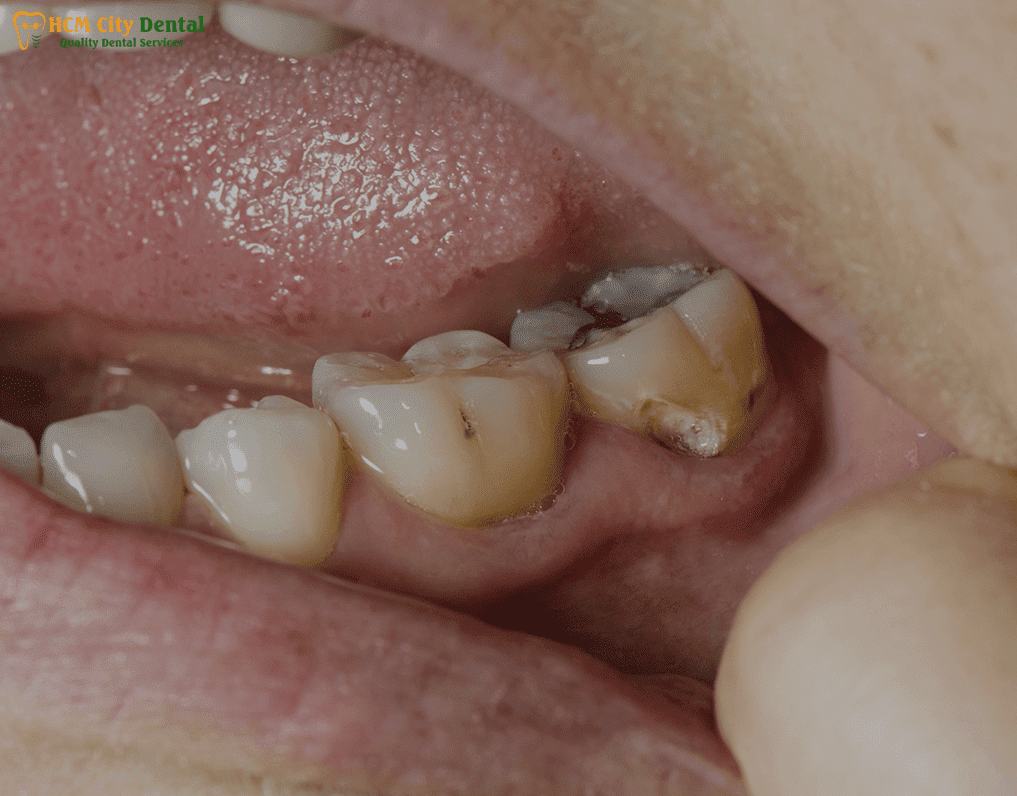
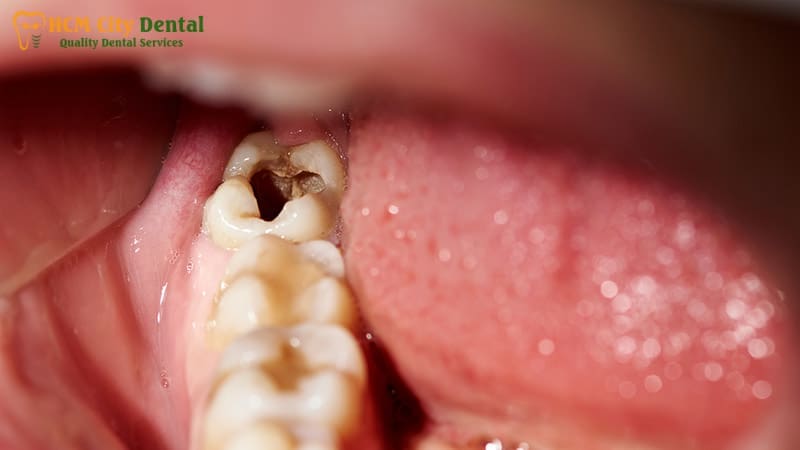
- Deep Decay or Infection: This is the more common scenario at our clinic. When a cavity is left untreated, bacteria progressively destroy the tooth’s outer layers (enamel and dentin) until they breach the pulp chamber. This invasion leads to a severe infection, inflammation, and ultimately, the death of the pulp.
How to Recognize a Dead Tooth: Key Signs and Symptoms
Identifying a dead tooth early is crucial for preventing complications. While symptoms can vary, here are the most common signs I advise my patients to watch for:
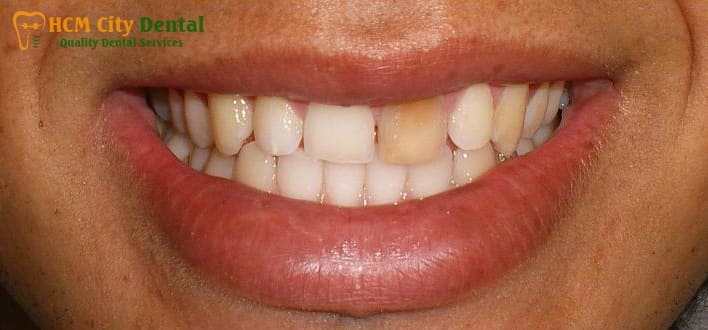
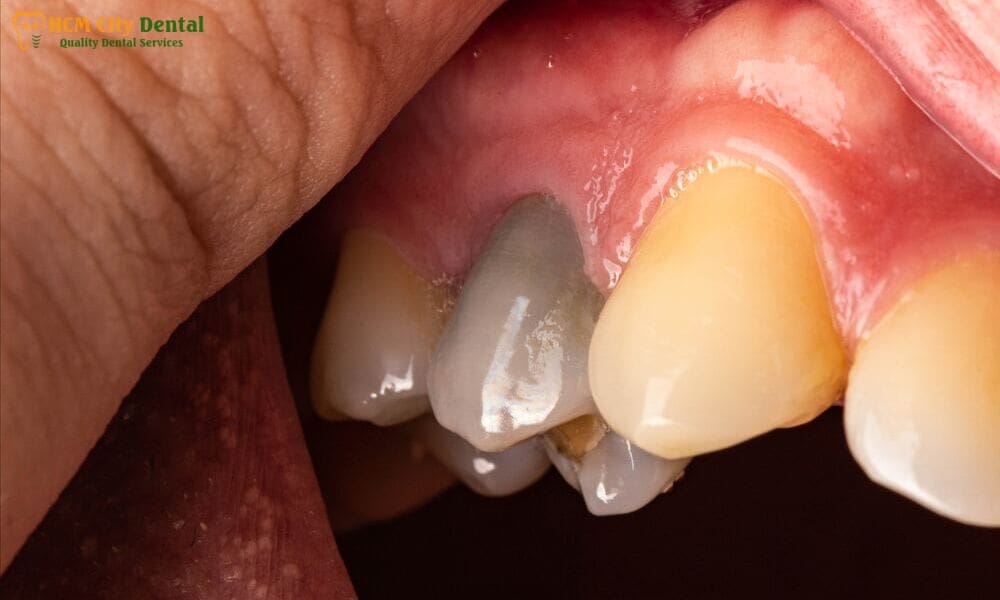
- Discoloration: This is often the most obvious sign. A dead tooth will typically darken, turning a shade of yellow, gray, light brown, or even black. This “bruised” appearance is due to the breakdown of red blood cells within the dying pulp.
- Pain: The level of pain can range from non-existent to severe. Interestingly, the pain doesn’t come from the dead nerve itself, but from the sensitive nerve endings in the membrane surrounding the tooth root (the periodontal ligament). Pressure from infection and pus buildup inside the tooth can cause intense pain.
- Signs of Infection: An untreated dead tooth often becomes a breeding ground for bacteria, leading to an abscess. Look for a small pimple-like bump on the gum, swelling, a bad taste in your mouth, or persistent bad breath.
- No Sensation: A healthy tooth reacts to hot and cold temperatures. A dead tooth will not respond to these stimuli.
In my clinical experience, many patients are surprised that a “dead” tooth can hurt. It’s critical to understand that the pain originates from the infection and inflammation spreading into the surrounding bone and ligaments. Ignoring it because the pain temporarily subsides is a dangerous mistake.

what to do with a dead tooth
Is a Dead Tooth a Dental Emergency? Assessing the Risks
A common question I get from patients is whether a dead tooth requires immediate attention. The answer is an unequivocal yes. While it might not always cause debilitating pain initially, a dead tooth is a serious condition that should be treated as a dental urgency. Leaving it untreated is not a viable option and can lead to significant health complications.
The empty, sealed-off pulp chamber of a dead tooth becomes an ideal incubator for bacteria. This can lead to a localized infection known as a periapical abscess. From there, the consequences can escalate:
- Spread of Infection: The infection can spread from the tooth root into the surrounding jawbone, causing bone loss. In severe cases, it can travel to adjacent teeth, gums, and even other parts of the body, leading to a serious systemic condition.
- Increased Pain and Swelling: An abscess can cause significant, throbbing pain and visible swelling in the face and neck.
- Tooth Loss: The infection can weaken the structures supporting the tooth, causing it to become loose and eventually fall out or require extraction.
If you suspect you have a dead tooth, especially if you notice swelling, severe pain, or a pimple on your gum, it’s crucial to see a dentist immediately. Early intervention is key to preventing the spread of infection and saving the tooth if possible.
Still have questions? Call our Hotline/WhatsApp now at +84853020003 for a direct, completely free consultation with Dr. Cuong!
what to do with a dead tooth
How to Fix a Dead Tooth: Your Professional Treatment Options
Once a tooth is diagnosed as dead, it will not heal on its own. Professional intervention is necessary. Based on clinical observations and the condition of the tooth, I typically present patients with two primary pathways for how to fix a dead tooth. The goal is always to eliminate the infection, alleviate pain, and restore function and aesthetics.
Option 1: Saving the Tooth with Root Canal Therapy
Root canal therapy is the preferred treatment whenever possible because it saves your natural tooth. This procedure has a very high success rate and involves removing the source of the problem—the dead pulp—while preserving the tooth’s structure.
Here’s what the procedure entails:
- Access and Cleaning: After ensuring the area is completely numb with local anesthesia, I create a small opening in the tooth to access the pulp chamber. Using specialized instruments, I carefully remove the dead pulp tissue and clean and disinfect the root canals.
- Filling and Sealing: Once the canals are thoroughly cleaned, they are filled with a biocompatible, rubber-like material called gutta-percha. This seals the canals to prevent any future infection.
- Restoration: A tooth that has had a root canal can become brittle over time. To protect it from fracture, especially for molars used in chewing, a dental crown is almost always recommended. The crown covers and strengthens the tooth, restoring its shape, function, and appearance.
Option 2: Tooth Extraction and Replacement
In some situations, a tooth may be too severely damaged to be saved. This can happen if there is extensive decay, a large fracture, or significant bone loss around the root. In these cases, the only viable option is tooth extraction.
Experience has shown that in cases where the structural integrity is compromised beyond repair, attempting to save the tooth may not be successful long-term. If an extraction is necessary, it’s crucial to discuss replacement options to prevent further dental issues.
- Dental Implant: This is the gold standard for replacing a single missing tooth. An implant is a titanium post that is surgically placed into the jawbone, acting as an artificial tooth root. A crown is then attached to the implant.
- Dental Bridge: A bridge uses the adjacent teeth as anchors to hold a prosthetic tooth in the empty space.
- Partial Denture: This is a removable appliance that replaces one or more missing teeth.
A common scenario at our clinic involves a patient who has ignored a discolored front tooth for years. While a root canal is often the first choice, if the infection has caused significant bone loss, an extraction followed by a dental implant may provide a more stable and predictable long-term result. We always perform a thorough evaluation, including X-rays, to recommend the best course of action.
Comparing Treatment Options: Root Canal vs. Extraction
Making the right choice depends on several factors. Here is a table to help summarize the key considerations:
| Feature | Root Canal Therapy | Tooth Extraction with Replacement |
|---|---|---|
| Goal | Save the natural tooth | Remove the unsalvageable tooth and replace it |
| Procedure | Removes infected pulp, cleans and seals canals, often requires a crown. | Removes the entire tooth, followed by an implant, bridge, or denture. |
| Benefits | Preserves natural tooth structure, maintains bite and alignment, generally less invasive than implant surgery. | Definitively removes the source of infection, provides a new, strong replacement. |
| Considerations | Tooth must be structurally sound enough to restore. | Involves surgery (for implant), may be more costly and time-consuming. |
Ready to find out the best solution for you? Book an appointment online and get a 10% discount on your first appointment!
what to do with a dead tooth
After Treatment: Aesthetic Restoration and Prevention
Once the infection is resolved through a root canal or extraction, the focus shifts to restoring the tooth’s appearance and preventing future issues.
Restoring a Discolored Tooth
If you’ve had a root canal on a front tooth, you may still be concerned about its dark color. Fortunately, we have excellent cosmetic solutions:
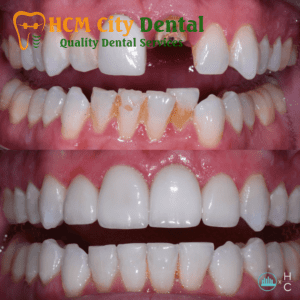
- Dental Crown: As mentioned, a crown is the most common and durable solution. It covers the entire tooth, providing both strength and a perfectly matched color.
- Porcelain Veneer: For teeth without significant structural damage, a thin porcelain shell, or veneer, can be bonded to the front surface to mask discoloration.
- Internal Bleaching: This is a technique used specifically for root-canal-treated teeth. A bleaching agent is placed inside the tooth to lighten it from within.
How to Prevent a Dead Tooth
While not all causes, like trauma, are preventable, you can significantly reduce your risk of a dead tooth from decay with diligent oral hygiene.
- Practice Excellent Oral Hygiene: Brush twice a day with fluoride toothpaste and floss daily to prevent the cavities that can lead to pulp infection.
- Regular Dental Check-ups: Visit your dentist for routine exams and cleanings. This allows us to catch and treat decay early, long before it reaches the pulp.
- Wear a Mouthguard: If you play contact sports, always wear a custom-fitted mouthguard to protect your teeth from trauma.
- Address Teeth Grinding: If you grind your teeth (bruxism), speak to your dentist about a nightguard to prevent excessive wear and potential damage.
A common mistake I see patients make is delaying treatment for a small cavity because it doesn’t hurt. It’s crucial to understand that by the time a tooth hurts, the decay is often dangerously close to the pulp. Preventive care and early treatment are always less invasive and less costly than dealing with a dead tooth.
what to do with a dead tooth
Frequently Asked Questions (FAQ)
Can a dead tooth heal on its own?
No, a dead tooth cannot heal itself. Once the pulp has died, it cannot regenerate, and the tooth requires professional dental treatment to remove the dead tissue and prevent or treat infection.
How long can a dead tooth stay in your mouth?
While a dead tooth can remain in the mouth for months or even years, it is not recommended. Leaving it untreated poses a significant risk of developing a painful abscess and spreading infection to the jawbone and other parts of the body.
Is a root canal painful?
Root canal procedures are performed under local anesthesia, so the treatment itself is generally painless. Patients often report significant relief after the procedure because the source of the painful infection has been removed. Post-treatment discomfort is typically mild and manageable with over-the-counter pain relievers.
What is the cost to fix a dead tooth?
The cost varies significantly depending on the chosen treatment. A root canal and crown will have a different cost than an extraction and a dental implant. Factors include the complexity of the case and the materials used. It’s best to have a consultation for an accurate estimate.
What should I do if my dead tooth doesn’t hurt?
Even if a dead tooth isn’t causing pain, you should see a dentist as soon as possible. The absence of pain does not mean there is no infection. An X-ray can reveal an underlying infection at the root tip that could become a serious problem if left untreated.
What are the alternatives to a root canal for a dead tooth?
The only alternative to a root canal is to have the tooth extracted. After extraction, you would need to consider replacement options like a dental implant, bridge, or partial denture to maintain oral function and prevent other teeth from shifting.
Will my tooth be weaker after a root canal?
The tooth can become more brittle after the pulp is removed. This is why a dental crown is almost always recommended, especially on back teeth, to provide the necessary strength and protection for chewing and prevent the tooth from fracturing.
what to do with a dead tooth
Your Next Step to a Healthy Smile
Facing a dead tooth can be daunting, but modern dentistry offers effective and reliable solutions. The most critical step is to seek prompt professional care to avoid the serious risks of pain and infection. Whether through root canal therapy to save your natural tooth or an extraction followed by a high-quality replacement, you can restore your oral health and confident smile.
At HCMCDental.com, we combine years of clinical experience with advanced technology to provide the best possible outcome for your specific situation. Don’t let uncertainty or fear hold you back from a healthy, pain-free mouth.
Take action today. Still have questions? Call our Hotline/WhatsApp now at +84853020003 for a direct, completely free consultation with Dr. Cuong! Or, book an appointment online to receive a 10% discount on your first visit.
This article was medically reviewed and written by Dr. Cuong.
Important Disclaimer
The information provided in this article is for educational and informational purposes only and is not intended as a substitute for professional medical advice, diagnosis, or treatment. Always seek the advice of your dentist or another qualified health provider with any questions you may have regarding a medical condition. Never disregard professional medical advice or delay in seeking it because of something you have read on this website.
Written and Medically Reviewed By
Dr. Cuong is a leading Specialist in Odontostomatology with extensive experience in treating complex dental conditions, including pulp necrosis and endodontic disease. With a dedication to patient-centered care and leveraging the latest in dental technology, Dr. Cuong has successfully treated thousands of patients, focusing on preserving natural teeth and restoring oral health. His expertise ensures that the information provided is accurate, current, and trustworthy, reflecting the highest standards of dental practice at HCMCDental.com.
what to do with a dead tooth
Medical Disclaimer: This content is for educational purposes only — not a substitute for professional dental advice, diagnosis, or treatment. Always consult a qualified dentist for personalised care.
Read our full disclaimer →
Related Guides


Popular Services