Finding the best pediatric dentist near me involves identifying a certified specialist who combines advanced clinical expertise with behavioral management techniques. A dedicated pediatric dental home helps ensure early detection of developmental anomalies, effective caries prevention, and a strong foundation for lifelong oral health.
Clinical Summary:
Pediatric dentistry is a specialized branch of dental medicine dedicated to the oral health of children from infancy through adolescence. The clinical approach integrates advanced diagnostic protocols, minimally invasive restorative techniques, and behavioral psychology to manage the unique physiological and emotional needs of young patients. Establishing a dental home early allows practitioners to implement preventive strategies, such as fluoride therapy and sealants, mitigating the risk of Early Childhood Caries (ECC). Furthermore, specialized behavioral management—ranging from non-pharmacological communication techniques to conscious sedation—helps ensure that children receive necessary care without developing long-term dental phobias. Comprehensive pediatric care also encompasses interceptive orthodontics and the management of dental trauma, safeguarding the proper development of the permanent dentition.
Key Takeaways:
- Pediatric dentists undergo extensive specialized training in child psychology, growth, and development.
- Early intervention and preventive care are critical in managing the progression of pediatric dental caries.
- Behavioral management techniques are essential for transforming clinical anxiety into patient cooperation.
- Primary teeth play a vital role in speech, nutrition, and spatial maintenance for permanent dentition.
- A specialized clinical environment significantly reduces pediatric dental fear and improves treatment outcomes.
The Clinical Scope of a Specialist Paediatric Dentist
A specialist paediatric dentist undergoes extensive postgraduate training to manage the unique anatomical, physiological, and psychological needs of infants, children, and adolescents.
When parents search for the “best pediatric dentist near me,” they are often seeking a practitioner who possesses a deep understanding of pediatric oral pathology and developmental biology. Unlike general practitioners, a specialist paediatric dentist completes additional years of rigorous residency training. This advanced education covers a broad spectrum of clinical disciplines, including advanced diagnostic radiology, pediatric pharmacology, interceptive orthodontics, and the management of medically compromised children or those with special healthcare needs[1].
The transition from primary (baby) dentition to mixed dentition, and finally to permanent dentition, is a complex physiological process. During these stages, the oral cavity undergoes rapid morphological changes. A pediatric dental specialist is trained to monitor these changes meticulously, identifying subtle deviations from normal growth patterns. For instance, the premature loss of a primary molar due to decay can lead to space loss, resulting in severe crowding or impaction of the developing permanent premolar. By utilizing space maintainers and other interceptive appliances, the pediatric dentist guides the developing dentition into a functional and aesthetic alignment.
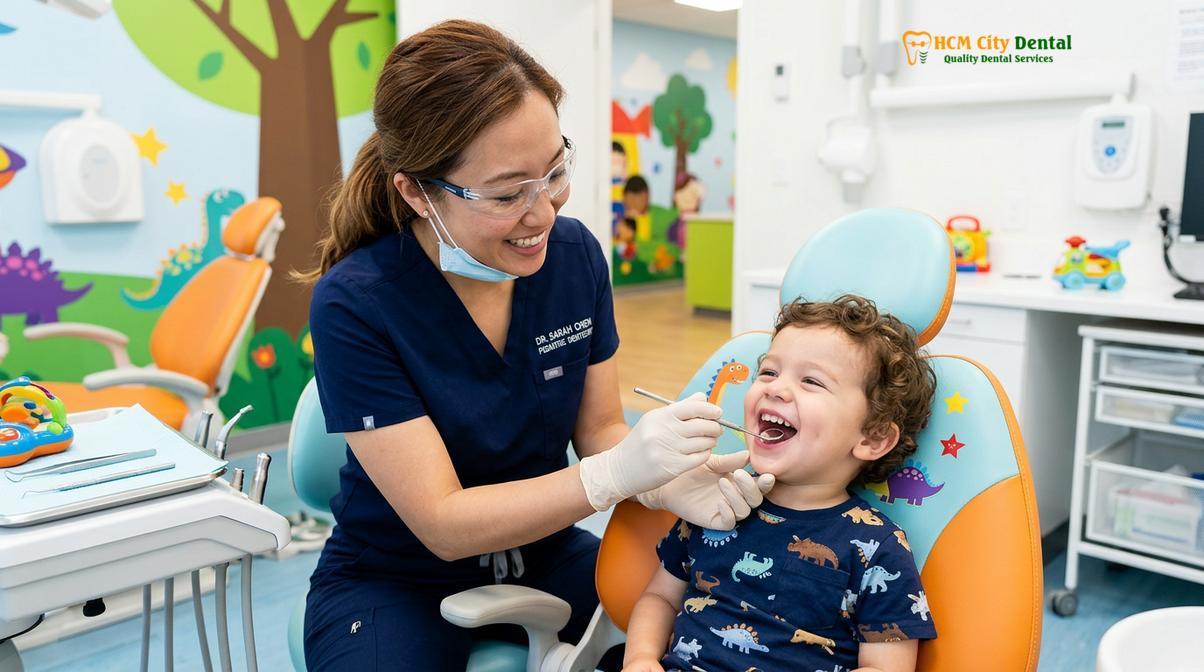
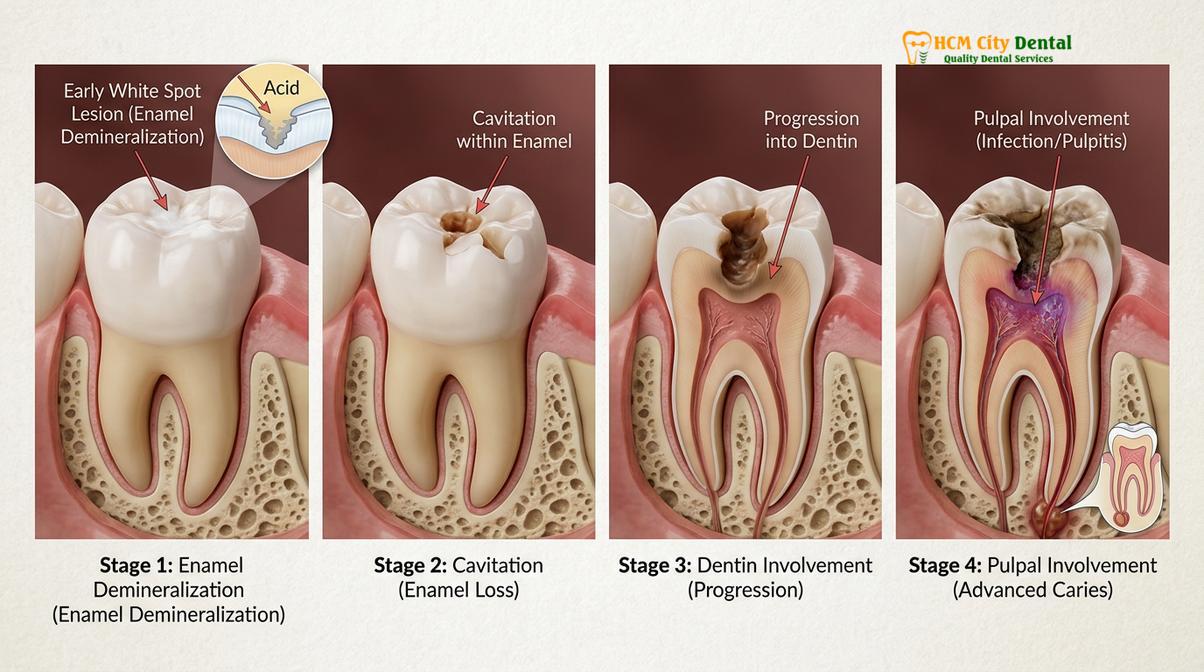
Furthermore, the anatomical structure of primary teeth differs significantly from that of permanent teeth. Primary teeth have thinner enamel, a relatively larger pulp chamber, and broader interproximal contacts. These anatomical variations make primary teeth highly susceptible to rapid caries progression. A specialized pediatric approach involves utilizing restorative materials and techniques specifically designed for the primary dentition, aiming for durable and biocompatible outcomes.
Diagnostic Protocols and Preventive Workflows
Modern pediatric dentistry relies on comprehensive risk assessments and preventive interventions to manage disease progression before restorative treatments become necessary.
The cornerstone of pediatric dental medicine is prevention. The clinical workflow begins with a comprehensive Caries Risk Assessment (CRA), often utilizing protocols like CAMBRA (Caries Management by Risk Assessment). This diagnostic tool evaluates biological risk factors, protective factors, and clinical findings to categorize a child’s risk of developing pediatric dental caries. Based on this assessment, the clinician formulates a personalized preventive strategy.
One of the primary preventive modalities is the application of topical fluoride. Fluoride varnish, containing a high concentration of fluoride ions, is applied directly to the tooth surfaces. It works by integrating into the hydroxyapatite structure of the enamel, forming fluorapatite, which is significantly more resistant to acid dissolution caused by cariogenic bacteria. While some parents may wonder about the clinical risks of fluoride, professional application in controlled doses is highly effective and safe for promoting the remineralization of early, non-cavitated carious lesions[2].
Dental sealants represent another critical preventive intervention. The occlusal (biting) surfaces of posterior teeth, particularly the first and second permanent molars, feature deep pits and fissures. These anatomical crevices are highly retentive for plaque and food debris, making them prime sites for caries initiation. A dental sealant is a flowable resin material applied to these fissures, creating a smooth, easily cleanable surface and acting as a physical barrier against cariogenic bacteria.
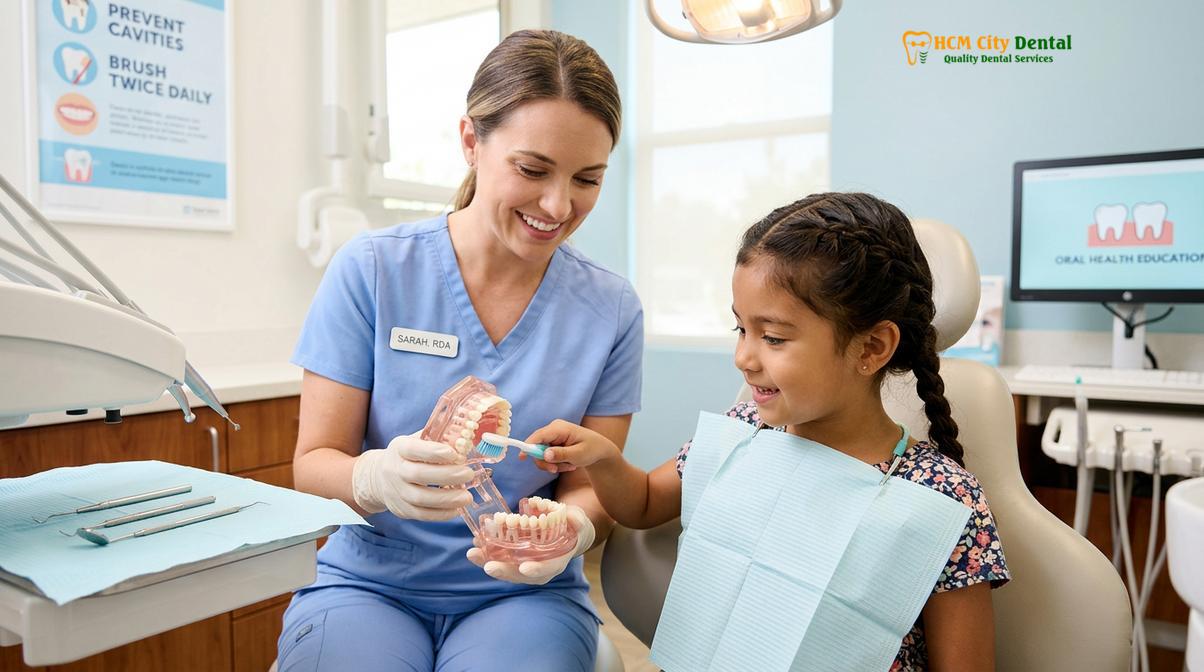
To maintain optimal oral health, parents must be educated on comprehensive oral hygiene steps tailored to their child’s developmental stage. This includes guidance on proper brushing techniques, the appropriate use of fluoridated toothpaste, and dietary counseling to minimize the frequency of fermentable carbohydrate intake. Regular professional cleanings are also vital; understanding how often teeth should be cleaned helps maintain a plaque-free environment and allows the dentist to monitor oral health consistently.
Comparative Analysis of Preventive Modalities
The following table outlines the primary preventive interventions utilized in pediatric dentistry, detailing their clinical indications and mechanisms of action.
| Preventive Modality | Clinical Indication | Mechanism of Action | Application Frequency |
|---|---|---|---|
| Fluoride Varnish | Moderate to high caries risk; early demineralization. | Enhances enamel remineralization; inhibits bacterial metabolism. | Every 3 to 6 months based on risk assessment. |
| Dental Sealants | Deep pits and fissures on primary and permanent molars. | Provides a physical barrier against plaque and acid attacks. | Applied once; monitored and repaired as needed. |
| Silver Diamine Fluoride (SDF) | Arresting active carious lesions in uncooperative or very young patients. | Silver ions provide antimicrobial action; fluoride promotes remineralization. | Applied bi-annually until the tooth exfoliates or is restored. |
| Dietary Counseling | All pediatric patients, especially those with high sugar intake. | Reduces the substrate available for cariogenic bacteria to produce acid. | Reviewed at every recall appointment. |
Behavioral Management Techniques in Pediatric Dentistry
Effective behavioral management transforms clinical anxiety into cooperation through psychological conditioning, specialized communication, and a carefully designed clinical environment.
A significant challenge in pediatric dentistry is managing dental anxiety and fear. Many children perceive the clinical environment as intimidating, often associating it with a scary dentist due to unfamiliar sights, sounds, and sensations. To address this, pediatric dentists employ a variety of behavioral management techniques grounded in child psychology. The goal is not merely to complete the dental procedure but to foster a positive attitude toward oral healthcare.
The “Tell-Show-Do” technique is a fundamental non-pharmacological approach. The clinician first explains the procedure using age-appropriate vocabulary (Tell). For example, a high-speed handpiece might be described as a “tooth tickler.” Next, the clinician demonstrates the instrument on a model or the child’s finger (Show). Finally, the procedure is performed exactly as described (Do). This method demystifies the clinical tools and builds trust between the child and the practitioner[3].
“The foundation of successful pediatric dentistry lies in communication. By utilizing age-appropriate terminology and empathetic engagement, we can transform a potentially traumatic experience into an empowering milestone for the child, laying the groundwork for a lifetime of positive dental visits.”
Environmental psychology also plays a crucial role. The dental office decor in a specialized pediatric clinic is intentionally designed to be welcoming and non-threatening. Bright colors, interactive waiting areas, and ceiling-mounted monitors displaying cartoons help distract the child and reduce anticipatory anxiety. The clinical operatory is structured to conceal intimidating instruments until they are absolutely necessary, maintaining a calm and supportive atmosphere that significantly reduces pediatric dental fear[5].
In cases where non-pharmacological techniques are insufficient—such as with pre-cooperative toddlers, children with severe anxiety, or those requiring extensive restorative work—pharmacological management may be indicated. Nitrous oxide/oxygen inhalation (laughing gas) is a safe conscious sedation modality that provides anxiolysis and mild analgesia. For more complex cases, deep sedation or general anesthesia administered by a certified pediatric anesthesiologist may be required to ensure the child’s safety and the quality of the dental restorations.
Common Pediatric Dental Pathologies and Treatments
Pediatric dental treatments range from managing early childhood caries with minimally invasive restorations to complex pulp therapies and space maintenance.
Early Childhood Caries (ECC) is one of the most prevalent chronic diseases in childhood. It is characterized by the presence of one or more decayed, missing, or filled tooth surfaces in any primary tooth in a child under the age of six. The etiology of ECC is multifactorial, involving a susceptible host, cariogenic microflora, and a diet rich in fermentable carbohydrates. Parents often wonder, is milk bad for your teeth? While milk is nutritious, prolonged exposure to milk or formula, especially during sleep, can lead to aggressive decay known as “baby bottle tooth decay.”
When caries progresses beyond the enamel and dentin to involve the dental pulp, pulp therapy becomes necessary to save the tooth. In primary teeth, a pulpotomy is a common procedure. This involves the surgical removal of the infected coronal pulp tissue, leaving the vital radicular pulp intact. A medicament is applied to the radicular pulp stumps to promote healing and prevent further infection. The tooth is then typically restored with a Stainless Steel Crown (SSC) to provide full coronal coverage and prevent fracture[4].
Clinical Case Study: Managing Severe ECC
Patient Profile: A 4-year-old patient presented to HCMC Dental Clinic in Ho Chi Minh City with severe pain and localized swelling in the lower right quadrant.
Clinical Findings: Radiographic and clinical examination revealed deep carious lesions on the primary first and second molars, with pulpal involvement on the first molar.
Treatment Protocol: Under nitrous oxide sedation and local anesthesia, the clinical team performed a therapeutic pulpotomy on the first molar, followed by the placement of a pre-formed Stainless Steel Crown. The second molar received a conservative composite restoration. The patient was placed on a rigorous 3-month recall schedule with topical fluoride applications.
Outcome: The infection resolved completely, and the patient regained normal masticatory function without experiencing dental anxiety during subsequent visits to HCMC Dental Clinic.
Another unique pediatric condition involves developmental anomalies, such as the presence of natal teeth—teeth present at birth. These teeth are often hypermobile due to poor root development and can cause complications during breastfeeding or pose an aspiration risk. A pediatric dentist must carefully evaluate these teeth clinically and radiographically to determine whether extraction or conservative management is indicated.
When to See a Pediatric Dentist (Clinical Red Flags)
Recognizing the signs of acute dental issues allows parents to seek timely intervention, preventing severe complications and preserving the developing dentition.
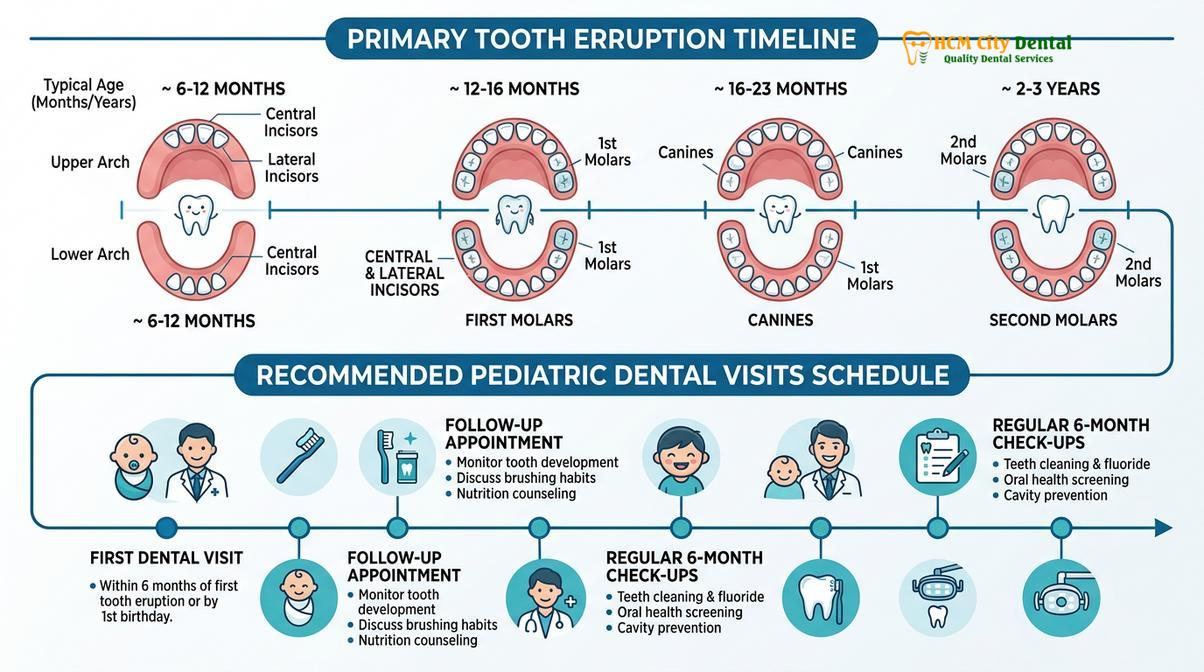
While routine preventive visits should occur every six months, certain clinical scenarios necessitate immediate evaluation by a pediatric dental specialist. Parents should be vigilant for signs of acute infection, dental trauma, or developmental abnormalities that require prompt intervention. According to guidelines from the Vietnam Ministry of Health, early detection of oral pathologies in children is paramount for preventing systemic health impacts and ensuring proper craniofacial development[6].
“Timely intervention in pediatric dental trauma or acute infection is critical. Delaying care can compromise the vitality of the affected primary tooth and pose significant risks to the underlying permanent tooth bud.”
Dental trauma is highly prevalent in toddlers learning to walk and older children participating in sports. Injuries can range from uncomplicated crown fractures to severe luxations (displacement) or avulsions (complete displacement of the tooth from its socket). The management of pediatric dental trauma depends heavily on whether the affected tooth is primary or permanent. For instance, an avulsed primary tooth is generally not replanted due to the risk of damaging the underlying permanent tooth bud. Conversely, an avulsed permanent tooth requires immediate replantation and splinting to maximize the chances of periodontal ligament reattachment.
Important Clinical Considerations:
Seek immediate pediatric dental care if your child experiences any of the following:
- Severe, spontaneous tooth pain that disrupts sleep or daily activities.
- Facial swelling, particularly around the eyes or under the jaw, which may indicate a spreading odontogenic infection.
- Traumatic injury resulting in a displaced, fractured, or knocked-out tooth.
- Prolonged retention of primary teeth causing the permanent teeth to erupt in abnormal positions (e.g., ectopic eruption).
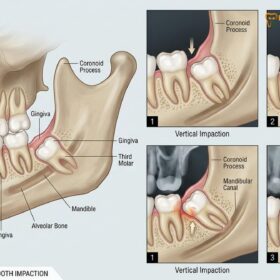
Additionally, parents should monitor the eruption sequence of their child’s teeth. Significant delays in eruption, asymmetrical eruption patterns, or the premature loss of primary teeth without the subsequent eruption of permanent successors warrant a comprehensive clinical and radiographic evaluation to rule out impactions, supernumerary teeth, or congenital missing teeth (hypodontia).
Choosing the Right Pediatric Dental Home in Ho Chi Minh City
Selecting a pediatric dental provider requires evaluating their clinical credentials, emergency protocols, and ability to foster a positive patient experience.
When evaluating options for the best pediatric dentist near me, parents must consider several critical factors to ensure their child receives the highest standard of care. A premier pediatric dental clinic should be equipped with modern diagnostic technology, including low-dose digital radiography and intraoral cameras, which enhance diagnostic accuracy while minimizing radiation exposure. Furthermore, strict adherence to international sterilization and infection control protocols is non-negotiable to help ensure patient safety.
Dr. Nguyen Van Cuong and the dedicated clinical team emphasize a compassionate, evidence-based approach to pediatric care. By integrating advanced diagnostic tools with specialized behavioral techniques, Dr. Cuong ensures that every child receives optimal treatment in a stress-free environment. This commitment to clinical excellence helps build a foundation of trust and lifelong oral health for young patients.
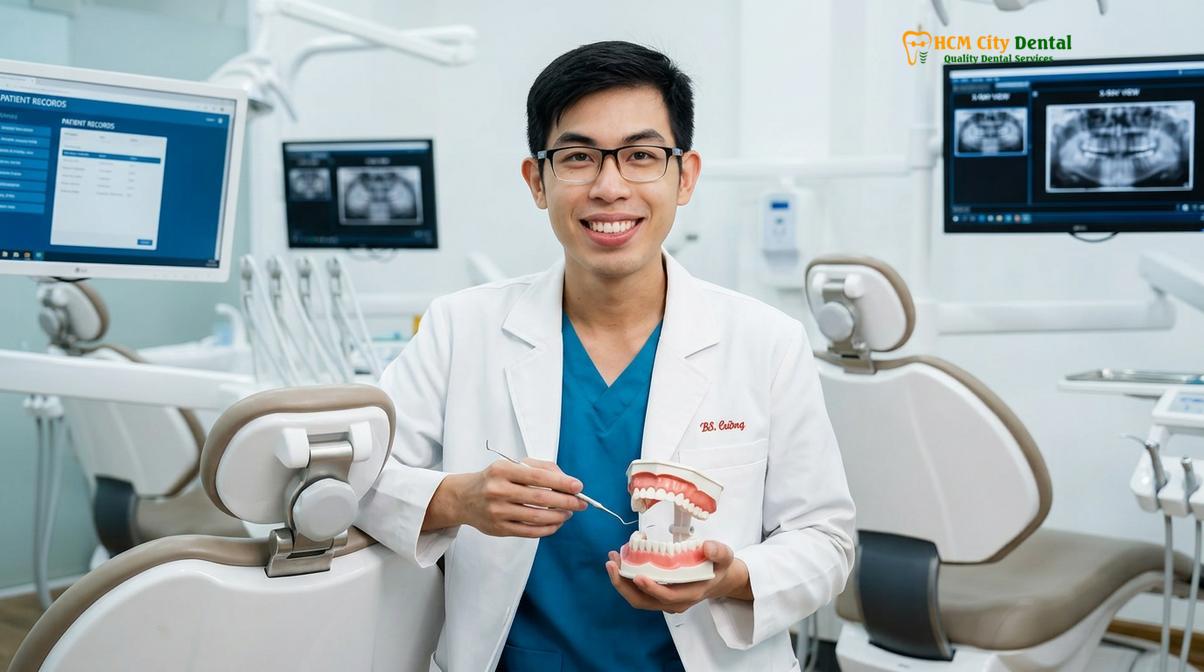
Establishing a dental home early provides a consistent, comprehensive approach to your child’s oral health journey. From preventive sealants to complex restorative care, a specialized team can address all facets of pediatric dentistry. For comprehensive pediatric care and expert guidance on your child’s oral development, schedule a consultation for general dentistry services at HCMC Dental Clinic in Ho Chi Minh City.
References
- American Academy of Pediatric Dentistry. Clinical Practice Guidelines on Pediatric Oral Health. (2022).
- Journal of Dentistry for Children. Behavioral Management Techniques in Pediatric Dentistry. (2021).
- International Journal of Paediatric Dentistry. Early Childhood Caries: Pathophysiology and Prevention. (2020).
- Pediatric Dentistry Journal. Pulp Therapy for Primary and Immature Permanent Teeth. (2019).
- Journal of Clinical Pediatric Dentistry. The Impact of Clinical Environment on Dental Anxiety in Children. (2023).
- Vietnam Ministry of Health. National Guidelines on Pediatric Oral Health and Caries Prevention. (2021).