The optimal oral hygiene steps involve a sequential clinical routine: pre-rinsing, interdental cleaning (flossing), mechanical brushing, tongue scraping, and therapeutic rinsing. Following this precise order disrupts bacterial biofilm, prevents periodontal disease, and maximizes fluoride retention to protect enamel and maintain long-term systemic health.
Clinical Summary:
A scientifically structured oral hygiene routine is the foundation of preventive dentistry. By executing interdental cleaning before brushing, patients ensure that fluoride from toothpaste penetrates interproximal spaces effectively. Incorporating tongue debridement and targeted therapeutic rinses further reduces bacterial loads, mitigating risks of gingivitis, caries, and halitosis. Consistent adherence to these sequential steps, combined with professional biannual evaluations, significantly enhances both oral and systemic health outcomes.
Key Takeaways:
- Flossing prior to brushing clears interdental debris, allowing topical fluoride to reach between the teeth.
- The Modified Bass brushing technique at a 45-degree angle optimally cleans the vulnerable gingival sulcus.
- Tongue scraping is a critical step for removing volatile sulfur compounds that cause halitosis.
- Waiting 30 minutes after consuming acidic meals before brushing prevents mechanical enamel erosion.
- Professional biannual cleanings are essential to remove calcified calculus that daily home care cannot eliminate.
The Clinical Importance of a Sequential Oral Hygiene Routine
Establishing a precise sequence for your daily dental care maximizes the efficacy of each step, ensuring comprehensive biofilm disruption and optimal fluoride uptake.
In the realm of comprehensive general dentistry, patient education often focuses heavily on the tools used rather than the methodology applied. However, the sequence in which oral hygiene steps are performed is just as critical as the frequency. The human mouth is a complex ecosystem harboring hundreds of bacterial species. Within minutes of a professional cleaning, a glycoprotein layer known as the acquired pellicle forms on the enamel. Shortly thereafter, primary bacterial colonizers attach to this pellicle, initiating the formation of dental plaque biofilm. If this biofilm is not systematically disrupted every 12 to 24 hours, it matures, calcifies into calculus (tartar), and triggers an inflammatory immune response known as gingivitis.
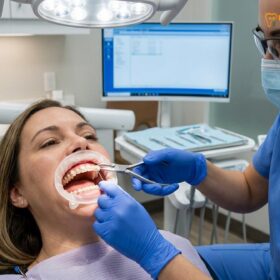
Dr. Nguyen Van Cuong, a leading expert in restorative and preventive dentistry, frequently emphasizes to his patients that random or rushed brushing is insufficient for long-term oral health. A structured, step-by-step approach is required to address all five surfaces of every tooth, as well as the soft tissues of the oral cavity. The ultimate goal of a daily oral hygiene routine is not merely to achieve a cosmetically clean smile, but to manage the bacterial load to prevent the clinical progression of tooth decay and periodontal disease.
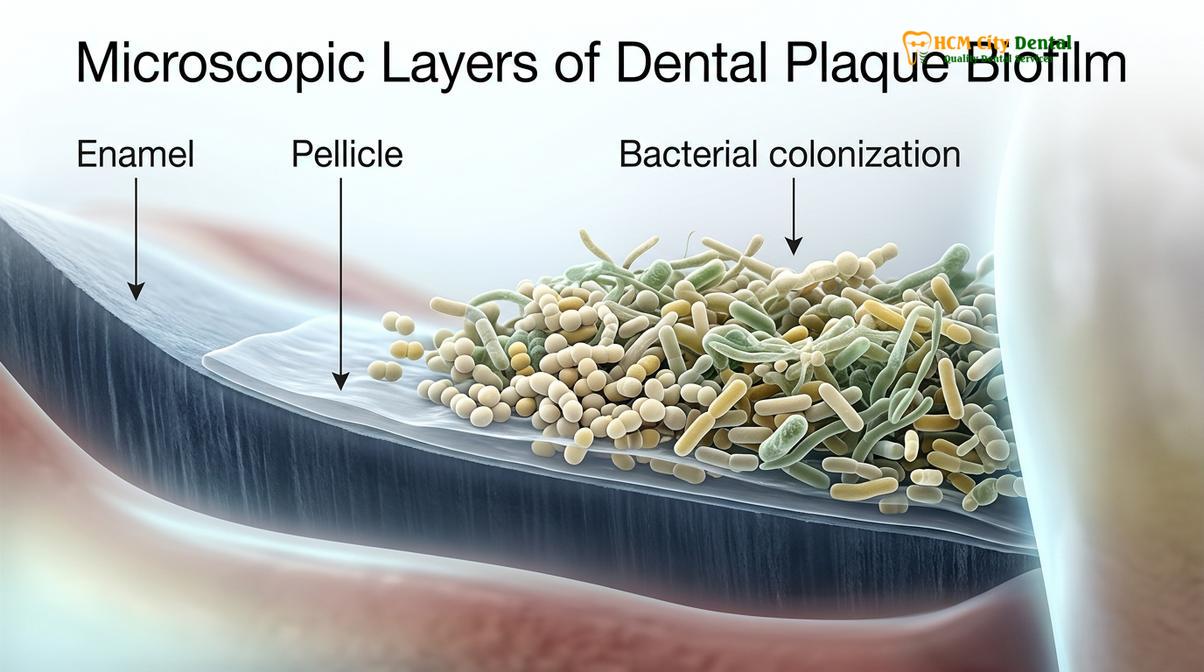
Furthermore, modern medical literature heavily supports the oral-systemic link. Chronic periodontal inflammation allows oral bacteria to enter the bloodstream (bacteremia), elevating systemic inflammatory markers such as C-reactive protein (CRP). This chronic inflammation has been clinically associated with an increased risk of cardiovascular disease, poorly controlled diabetes mellitus, and adverse pregnancy outcomes[1]. Therefore, mastering the correct oral hygiene steps is a fundamental component of holistic health management.
“Preventive dentistry is built upon the foundation of patient compliance at home. A meticulously executed daily hygiene routine is the most powerful defense against the onset of irreversible periodontal destruction and structural tooth loss.”
Step 1: Pre-Rinsing and Interdental Cleaning (Flossing)
Flossing prior to brushing dislodges interproximal plaque and food debris, clearing the pathways for fluoride toothpaste to protect the spaces between your teeth.
The most common error in daily oral care is treating flossing as an afterthought. Clinically, interdental cleaning should be the very first active step in your routine. The spaces between the teeth (interproximal areas) account for approximately 35% of the total tooth surface. A toothbrush, regardless of its bristle design or sonic capabilities, cannot penetrate the contact points between adjacent teeth. When flossing is performed before brushing, it mechanically detaches the sticky biofilm and dislodges trapped food particles. Once these barriers are removed, the fluoride from the subsequent brushing step can flow freely into the interproximal spaces, providing critical remineralization to areas highly susceptible to decay.
Mastering the C-Shape Flossing Technique
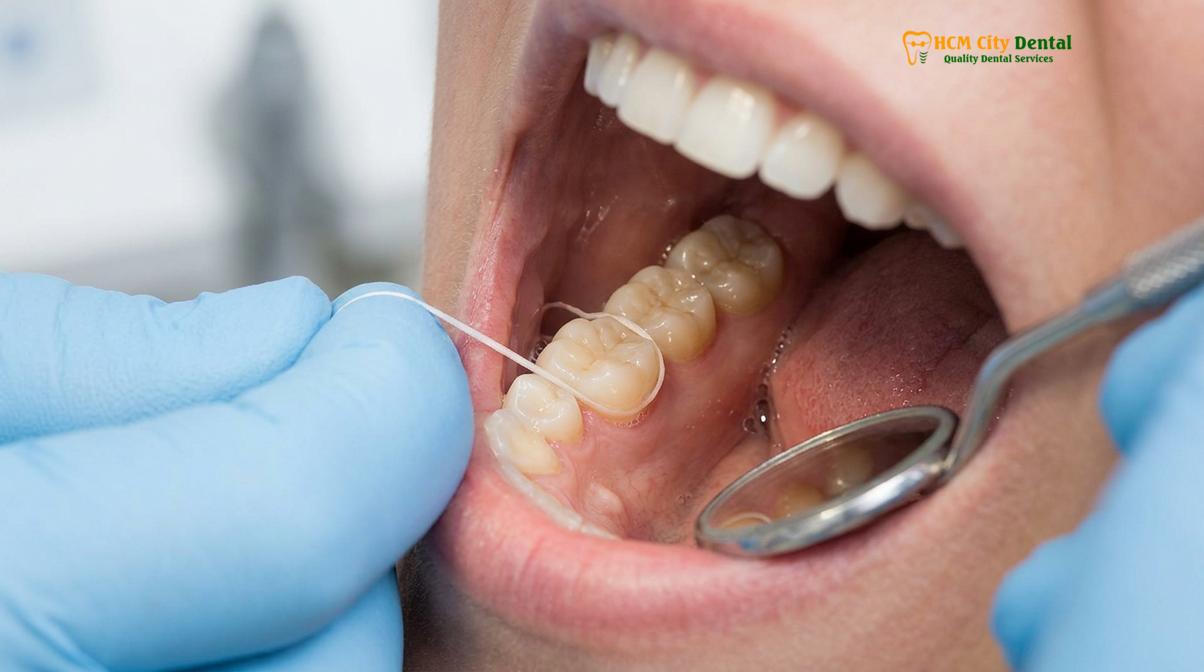
To achieve optimal plaque removal without traumatizing the gingival tissues, the C-shape flossing technique is universally recommended by dental professionals. Extract approximately 18 inches of high-quality dental floss, winding the majority around your middle fingers. Using your thumbs and index fingers to guide a taut one-inch section, gently ease the floss through the contact point using a zigzag motion. Avoid snapping the floss directly down into the gums, as this can cause soft tissue clefting and recession.
Once the floss passes the contact point, wrap it around the side of one tooth, forming a “C” shape. Slide the floss gently beneath the gumline (into the gingival sulcus) and sweep it upward toward the chewing surface 2-3 times. Repeat this process for the adjacent tooth before moving to the next interproximal space. For patients with a dental implant, specialized spongy floss or interdental brushes coated in nylon are highly recommended to clean around the titanium abutment without scratching the delicate surface or disrupting the peri-implant mucosal seal[2].
Adjunctive Interdental Tools: Water Flossers and Interdental Brushes
While traditional string floss is the gold standard for mechanical scraping, adjunctive tools can significantly enhance interdental hygiene, particularly for patients with limited manual dexterity, orthodontic appliances, or complex fixed dental bridge restorations. Water flossers utilize a pulsating stream of pressurized water to create hydrodynamic shear forces, effectively flushing out loosely attached plaque and reducing gingival bleeding scores. However, water flossers should ideally be used in tandem with string floss, as water pressure alone may not fully detach mature, highly adherent biofilm.
Step 2: Mechanical Biofilm Removal (Brushing)
Brushing with a soft-bristled toothbrush using the Modified Bass technique effectively sweeps away bacterial plaque from the tooth surfaces and the critical gumline area.
Following interdental cleaning, the next step is comprehensive mechanical brushing. The primary objective of brushing is to disrupt the biofilm on the facial, lingual, and occlusal (chewing) surfaces of the teeth. It is imperative to use a soft-bristled toothbrush; medium or hard bristles, combined with aggressive brushing forces, can lead to severe enamel abrasion and gingival recession over time. The toothpaste utilized should contain a therapeutic dose of fluoride (typically 1350 to 1500 ppm) to facilitate the chemical conversion of hydroxyapatite into fluorapatite, a compound significantly more resistant to acid attacks.
The Modified Bass Technique
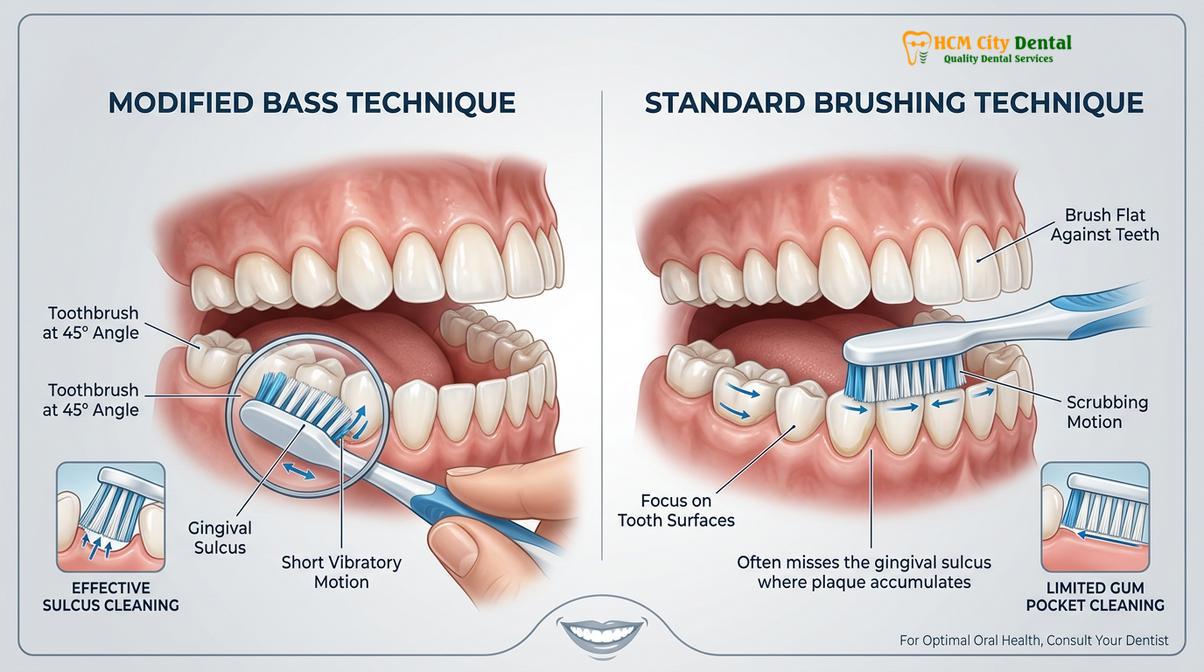
The most clinically effective manual brushing method is the Modified Bass technique. This method specifically targets the gingival sulcus—the shallow crevice where the tooth meets the gum tissue, which is the primary site for plaque accumulation and periodontal inflammation. To execute this technique:
- Hold the toothbrush horizontally against the teeth.
- Tilt the brush head at a 45-degree angle toward the gumline, ensuring the bristle tips rest slightly below the gingival margin.
- Apply gentle pressure and vibrate the brush back and forth in short, micro-movements for about 10 seconds per segment.
- Following the vibration, use a sweeping or rolling motion to flick the bristles away from the gums toward the biting edge of the tooth.
- Repeat this process systematically across all quadrants of the mouth, ensuring the inner (lingual) surfaces are cleaned with the same diligence.
Electric vs. Manual Toothbrushes
While excellent oral hygiene can be achieved with a manual toothbrush, clinical studies consistently demonstrate that powered toothbrushes offer superior plaque reduction and gingivitis management. Oscillating-rotating and sonic toothbrushes generate thousands of strokes per minute, creating fluid dynamics that disrupt plaque slightly beyond the physical reach of the bristles[3].
| Feature | Manual Toothbrush | Electric Toothbrush (Sonic/Oscillating) |
|---|---|---|
| Plaque Removal Efficacy | Highly dependent on user technique and compliance. | Clinically proven to remove up to 21% more plaque over 3 months. |
| Built-in Timers | None; patients often brush for less than 45 seconds. | Standard 2-minute timers with 30-second quadrant pacers. |
| Pressure Sensors | None; high risk of aggressive brushing and recession. | Visual or tactile alerts prevent excessive force on gums. |
| Dexterity Requirements | Requires high manual dexterity for proper angulation. | Ideal for patients with arthritis or limited mobility. |
Step 3: Tongue Scraping and Debridement
Mechanically cleaning the tongue surface removes trapped bacteria and cellular debris, which is the primary clinical method for neutralizing volatile sulfur compounds.
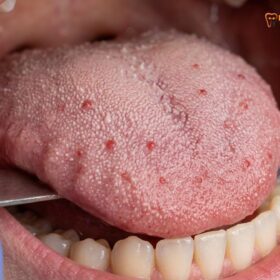
The dorsal (top) surface of the tongue is highly textured, covered in microscopic hair-like projections called filiform and fungiform papillae. This rough topography creates an ideal retentive environment for anaerobic bacteria, desquamated epithelial cells, and food remnants. As these bacteria metabolize proteins, they release volatile sulfur compounds (VSCs) such as hydrogen sulfide and methyl mercaptan. These VSCs are the primary biochemical culprits behind chronic bad breath (halitosis).
Brushing the tongue with a standard toothbrush is often insufficient, as the soft bristles tend to merely move the biofilm around rather than lifting it off the mucosal surface. Furthermore, the height of a toothbrush head can easily trigger a hyperactive gag reflex when attempting to reach the posterior third of the tongue, where the highest concentration of VSC-producing bacteria resides.
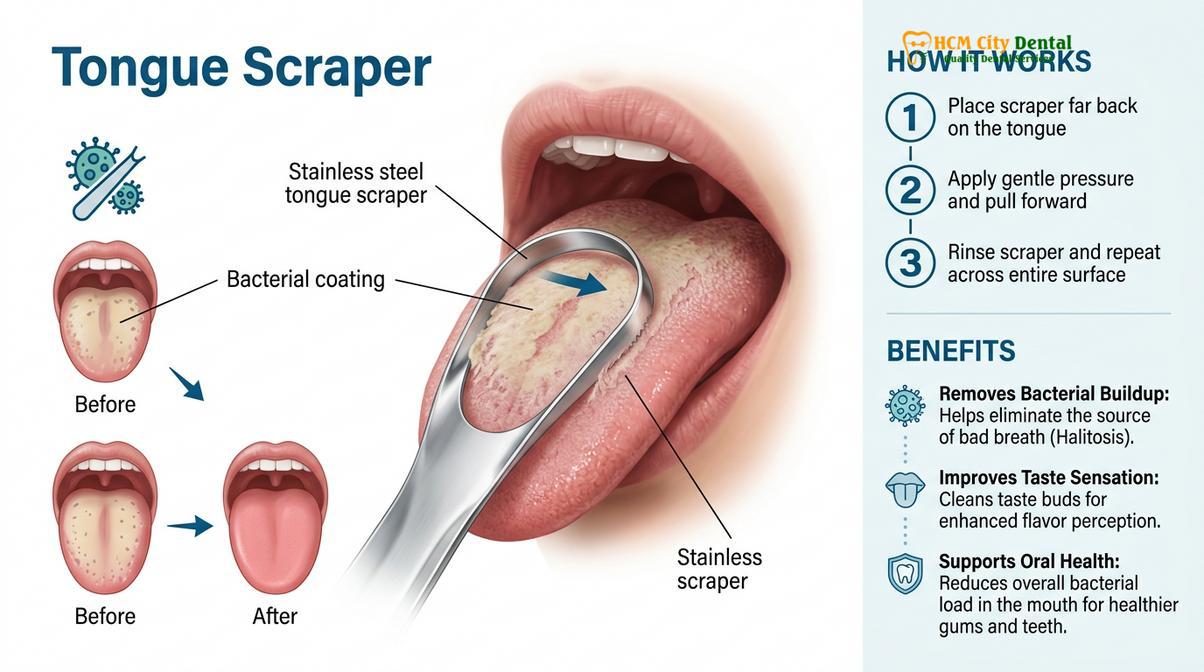
The optimal clinical solution is the use of a dedicated tongue scraper, typically constructed from medical-grade stainless steel or rigid plastic. To perform tongue debridement correctly, extend the tongue fully and place the scraper as far back on the dorsal surface as comfortable. Apply firm but gentle downward pressure and pull the scraper forward toward the tip of the tongue. Rinse the scraper under warm water and repeat this motion 3 to 5 times until the surface appears clean and pink. This simple, 10-second addition to your oral hygiene steps dramatically reduces oral malodor and improves gustatory (taste) sensation[4].
Clinical Warning: Do not apply excessive downward force when using a tongue scraper. Aggressive scraping can traumatize the delicate papillae, leading to transient glossitis (tongue inflammation), bleeding, and altered taste perception. The goal is to gently glide over the surface to remove the superficial biofilm layer.
Step 4: Therapeutic Rinsing (Mouthwash)
Using a targeted, alcohol-free therapeutic mouthwash provides a final chemical reduction of oral bacteria and delivers supplementary fluoride to remineralize weakened enamel.
The final step in a comprehensive oral hygiene routine is the application of a therapeutic mouthrinse. It is crucial to differentiate between cosmetic mouthwashes, which merely mask odors temporarily, and therapeutic mouthwashes, which contain active pharmacological agents designed to alter the oral microbiome or strengthen tooth structure. Common active ingredients include cetylpyridinium chloride (CPC) for its broad-spectrum antimicrobial properties, essential oils for penetrating plaque biofilm, and sodium fluoride for enamel remineralization.
Timing is a critical factor when incorporating mouthwash into your routine. Most standard toothpastes utilize sodium lauryl sulfate (SLS) as a foaming agent, which can interact with and deactivate the active ingredients in certain mouthwashes, such as chlorhexidine. Furthermore, vigorously rinsing with a non-fluoridated mouthwash immediately after brushing will wash away the highly concentrated fluoride left behind by your toothpaste, negating its protective benefits.
“To maximize the remineralizing effects of your toothpaste, practice the ‘spit, don’t rinse’ methodology. If you prefer to use a mouthwash immediately after brushing, ensure it is a high-concentration fluoride rinse to maintain the protective ionic gradient around the teeth.”
For daily use, dental professionals strongly advocate for alcohol-free formulations. High-alcohol mouthwashes can act as desiccants, drying out the oral mucosa and reducing salivary flow. Saliva is the mouth’s natural buffering agent, essential for neutralizing dietary acids and washing away cellular debris. A dry mouth (xerostomia) paradoxically increases the risk of caries and exacerbates halitosis[5].
When to See a Doctor for Professional Care
Even the most meticulous home care routine cannot completely prevent the gradual accumulation of calculus in hard-to-reach areas, particularly on the lingual surfaces of the lower anterior teeth and the buccal surfaces of the upper molars. Once plaque calcifies into calculus, it becomes impossible to remove with a toothbrush or floss. Professional intervention via ultrasonic scaling and root planing is required to debride these surfaces and restore periodontal health.
You should schedule an immediate clinical evaluation if you experience any of the following warning signs, which indicate that your home hygiene routine may be failing to control an underlying pathology:
- Bleeding on Probing (BOP): Healthy gums do not bleed during normal brushing or flossing. Bleeding is a definitive sign of active gingival inflammation and micro-ulceration of the sulcular epithelium.
- Persistent Halitosis: If bad breath persists despite rigorous tongue scraping and flossing, it may indicate deep periodontal pocketing, an undetected carious lesion, or a systemic gastrointestinal issue.
- Gingival Recession or Sensitivity: Receding gums that expose the yellowish root surface (dentin) can lead to severe thermal sensitivity and require professional assessment to rule out aggressive brushing habits or occlusal trauma.
- Unexplained Discomfort: Any localized swelling or unexplained tooth pain requires radiographic imaging to rule out periapical abscesses or irreversible pulpitis.
Clinical Case Review: A 34-year-old patient visited HCMC Dental Clinic in Ho Chi Minh City complaining of chronic gingival bleeding and halitosis despite brushing twice daily. During the consultation, Dr. Nguyen Van Cuong identified heavy subgingival calculus deposits and a lack of interdental flossing in the patient’s routine. Following a comprehensive professional prophylaxis and personalized instruction on the Modified Bass technique and daily flossing, the patient’s gingival tissues returned to a state of health within 14 days, with zero bleeding upon subsequent evaluation.
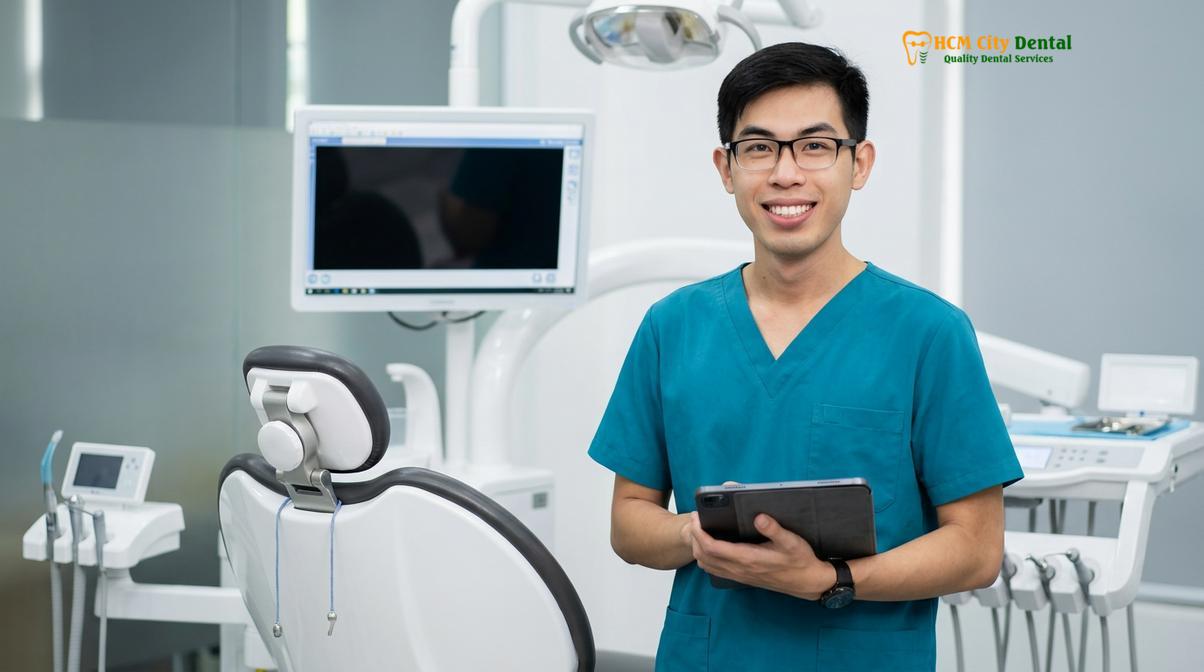
For patients undergoing complex treatments, such as wisdom teeth extraction or those whose providers are participating in advanced orthodontic training for general dentists, maintaining pristine oral hygiene is even more critical to prevent post-operative infections and ensure the success of the clinical interventions. Regular biannual visits to a trusted facility like HCMC Dental Clinic ensure that your home care efforts are effectively preserving your oral health.
Frequently Asked Questions
Should I floss before or after brushing my teeth?
You should floss before brushing your teeth to dislodge interdental plaque and debris. This sequence clears the pathways between your teeth, allowing the fluoride from your toothpaste to penetrate these vulnerable areas more effectively during brushing. Clinical studies confirm that flossing first significantly increases interproximal fluoride retention.
How long should I wait to brush my teeth after eating?
You should wait at least 30 minutes after consuming acidic foods or beverages before brushing. Brushing immediately can damage the enamel, as dietary acids temporarily soften the tooth surface, making it susceptible to mechanical abrasion. Waiting allows your saliva to naturally neutralize the pH and remineralize the enamel.
Is a water flosser as effective as traditional string floss?
A water flosser is highly effective for reducing gingival inflammation and cleaning around dental work, but it should ideally complement rather than entirely replace string floss. String floss provides the mechanical scraping action necessary to detach sticky biofilm, while water flossers excel at flushing out the disrupted debris and bacteria.
Why does my mouthwash burn, and is it necessary?
Mouthwashes containing high concentrations of alcohol can cause a burning sensation and dry out the oral mucosa. It is clinically recommended to use an alcohol-free, fluoride-based therapeutic rinse to strengthen enamel without irritating the soft tissues. Mouthwash is an excellent adjunctive step, but it cannot replace mechanical brushing and flossing.
How often should I replace my toothbrush or electric brush head?
You should replace your manual toothbrush or electric brush head every three to four months, or sooner if the bristles become frayed. Worn bristles lose their structural integrity, significantly reducing their ability to sweep away plaque effectively and increasing the risk of traumatizing the gingival tissues.
References
- Journal of Clinical Periodontology. Efficacy of interdental cleaning devices in plaque reduction. (2020).
- American Dental Association (ADA). Oral health topics: Toothbrushes and brushing techniques. (2021).
- International Journal of Dental Hygiene. The impact of tongue cleaning on oral malodor and volatile sulfur compounds. (2019).
- Journal of Dental Research. Fluoride substantivity and enamel remineralization dynamics. (2022).
- Periodontology 2000. The oral microbiome and the systemic health connection. (2018).