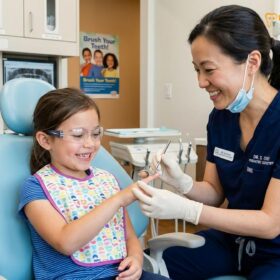
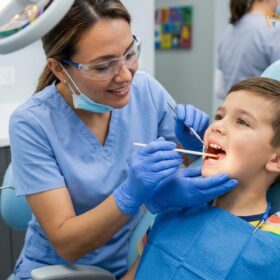
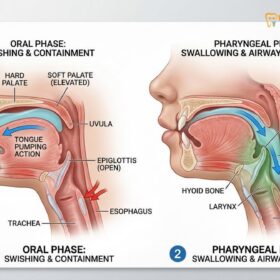
A pediatric dentist is a specialized dental professional who completes additional years of rigorous training to diagnose, treat, and manage the oral health of infants, children, and adolescents. Unlike a general adult dentist, they focus heavily on developmental milestones, behavioral management, and interceptive orthodontics for growing jaws.
Clinical Summary:
Pediatric dentistry focuses on the unique anatomical, physiological, and psychological needs of children from infancy through adolescence. Specialists in this field utilize advanced behavioral guidance, interceptive orthodontics, and specialized restorative materials to manage primary dentition. Early intervention helps prevent complex malocclusions and establishes a foundation for lifelong oral health, distinguishing their care from standard adult dental practices. Clinical protocols emphasize minimally invasive techniques, caries risk assessment, and anticipatory guidance to support optimal craniofacial development.
Key Takeaways:
- Children should undergo their initial dental assessment by age one or upon the eruption of the first primary tooth.
- Pediatric specialists complete advanced residency focusing on child psychology and craniofacial growth.
- Primary teeth are vital for space maintenance; premature loss often necessitates clinical intervention like space maintainers.
- Preventive applications, including fluoride varnishes and sealants, significantly reduce the incidence of early childhood caries.
- Advanced behavioral management and sedation protocols help ensure safe, trauma-free treatment for anxious pediatric patients.
Pediatric Dentist vs. General Dentist: Understanding the Clinical Differences
While a general dentist treats patients of all ages, a pediatric dentist completes specialized residency training focused exclusively on child psychology, craniofacial growth, and the unique pathology of primary teeth.
Many parents face the decision of whether to take their child to a standard family practice or seek out a dedicated specialist. While a general practitioner is fully qualified to perform routine examinations and basic restorations, the anatomical and psychological complexities of treating children often require a specialized approach. A pediatric dentist acts as the pediatrician of dentistry, focusing entirely on the oral health of young patients from infancy through their teenage years [1].
The primary dentition (baby teeth) differs significantly from permanent teeth. Primary teeth possess thinner enamel, larger pulp chambers relative to the crown size, and broad, flat interproximal contacts. These anatomical variations mean that dental caries can progress rapidly from the enamel into the nerve, leading to acute pain and infection much faster than in an adult. Therefore, a specialist must utilize specific diagnostic criteria and restorative techniques tailored to these miniature structures.
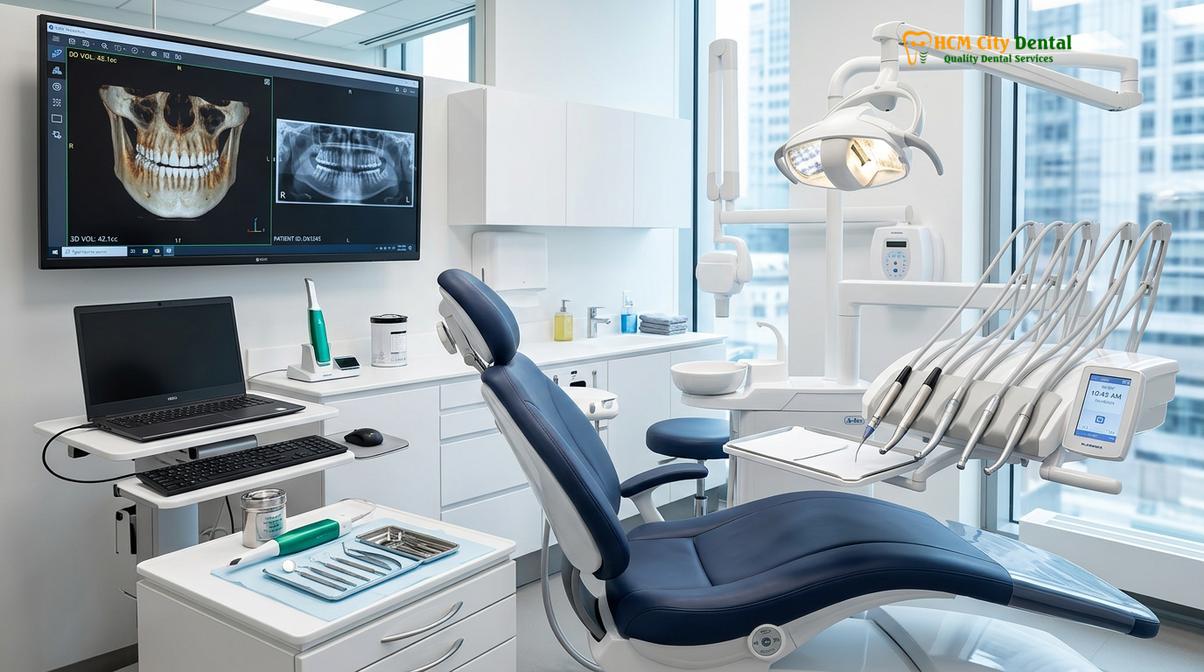
Furthermore, the clinical environment plays a crucial role. A dedicated pediatric clinic is designed to reduce sensory overload and dental anxiety. From the waiting room to the operatory, the setting is optimized for pediatric comfort. The core philosophy remains the same across borders: creating a non-threatening, engaging environment that fosters lifelong oral hygiene habits.
To better understand the distinctions, consider the following clinical comparison:
| Clinical Aspect | General / Family Dentist | Pediatric Dentist |
|---|---|---|
| Post-Graduate Training | Standard dental degree (DDS/DMD). | Additional years of pediatric residency. |
| Patient Demographic | All ages, predominantly adults. | Infants, children, adolescents, and special needs patients. |
| Behavioral Management | Basic communication, local anesthesia. | Advanced psychology, nitrous oxide, conscious sedation. |
| Clinical Focus | Comprehensive adult care, prosthodontics, implants. | Growth and development, interceptive orthodontics, primary tooth pulp therapy. |
For families seeking comprehensive care, integrating pediatric services within a broader General Dentistry framework ensures seamless transitions as the child grows into adulthood.
Core Clinical Workflows and Restorative Treatments
Pediatric restorative workflows prioritize minimally invasive techniques, utilizing specialized materials like glass ionomer cements and preformed crowns to preserve primary teeth until natural exfoliation.
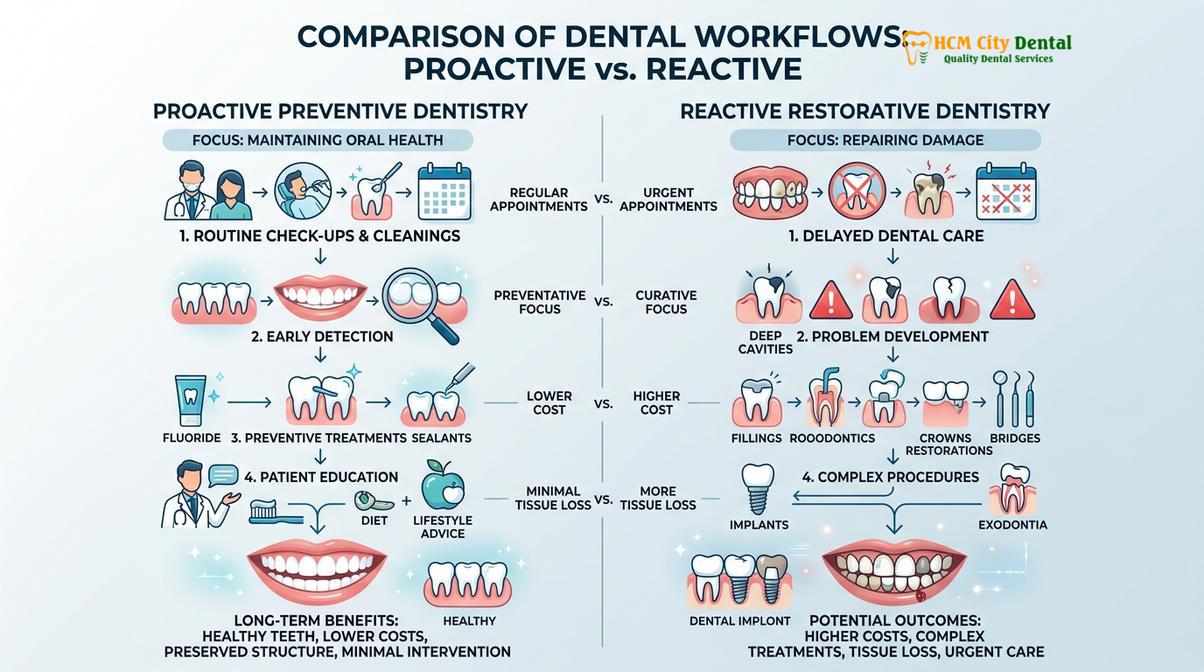
When a child develops a cavity, the treatment protocol differs from adult restorative dentistry. Because primary teeth are temporary but essential for space maintenance, the goal is to restore function and prevent infection until the permanent tooth is ready to erupt. A specialist will often begin with preventive measures, but when cavitation occurs, restorative intervention becomes necessary.
One of the most common procedures in pediatric dentistry is the pulpotomy, often referred to as a “baby root canal.” When decay reaches the large pulp chamber of a primary tooth, the infected coronal pulp is removed, and a medicament is placed to preserve the vitality of the radicular pulp. Following a pulpotomy, the tooth is typically restored with a Stainless Steel Crown (SSC) or a pediatric Zirconia crown to provide full-coverage protection against fracture and recurrent decay [2].
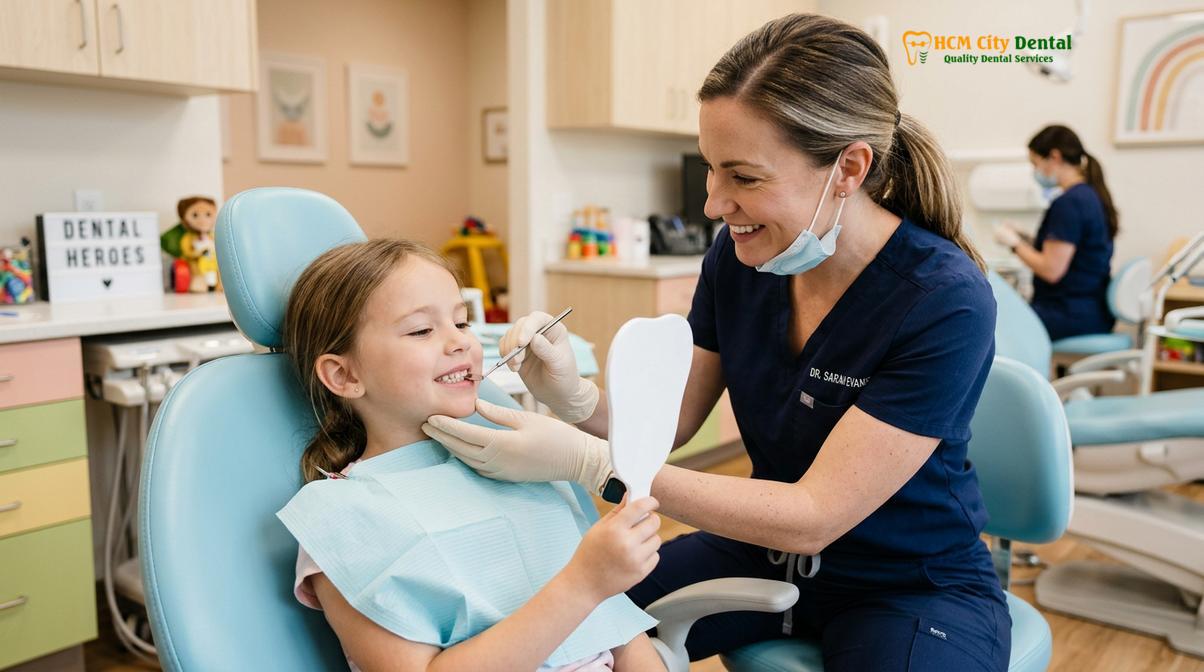
For smaller lesions, pediatric dentists frequently use Glass Ionomer Cements (GIC) or composite resins. GIC is particularly advantageous in pediatric dentistry because it chemically bonds to the tooth structure, is less sensitive to moisture during placement, and releases fluoride over time to help remineralize adjacent enamel. In cases where traditional amalgam was previously used, parents often consult specialists to Remove Silver Fillings Safely in Children: Clinical Guide, opting for biocompatible alternatives.
“The preservation of the primary dentition is not merely about treating cavities; it is about maintaining the architectural blueprint of the child’s future smile. Premature loss of a primary molar can lead to severe space loss, requiring complex orthodontic intervention later in life.”
Another revolutionary treatment in modern pediatric dentistry is the application of Silver Diamine Fluoride (SDF). SDF is a minimally invasive liquid that is painted onto active carious lesions. The silver acts as an antimicrobial agent, while the fluoride promotes remineralization. This technique is highly effective for very young or uncooperative children where traditional drilling and filling are not feasible without sedation [3].
Behavioral Management: What Makes a Good Dentist for Kids?
Effective pediatric dental care relies on advanced behavioral management techniques, including tell-show-do, positive reinforcement, and safe sedation protocols to alleviate anxiety and ensure treatment compliance.
Dental anxiety is a significant barrier to care. A clinician who specializes in pediatrics understands that a child’s cognitive development dictates how they perceive medical environments. The clinical workspace must be carefully curated to project a welcoming atmosphere to put children at ease.
Pediatric dentists employ a variety of non-pharmacological techniques:
- Tell-Show-Do: The dentist explains the procedure in child-friendly terms (Tell), demonstrates the instrument on a model or the child’s finger (Show), and then performs the action (Do).
- Positive Reinforcement: Rewarding desired behaviors with praise or small prizes to build confidence.
- Voice Control: Altering the tone and volume of the voice to gain the attention of a disruptive child and establish authority gently.
- Distraction: Utilizing ceiling-mounted televisions, music, or engaging conversation to direct the child’s focus away from the procedure.
Clinical Warning: Forcing dental treatment on a highly uncooperative or fearful child using physical restraint without proper sedation protocols can lead to severe, long-lasting psychological trauma and a lifelong phobia of dental care. Always consult a pediatric specialist regarding safe sedation options.
When non-pharmacological methods are insufficient, pharmacological interventions are utilized. Nitrous oxide (laughing gas) is the most common and safest anxiolytic used in pediatric dentistry. It provides mild sedation and analgesia, wearing off immediately after the procedure. For extensive full-mouth rehabilitation or severe behavioral challenges, conscious sedation or general anesthesia administered by a board-certified anesthesiologist may be required.
Preventive Protocols: Building a Foundation for Dental Health for Kids
Preventive pediatric dentistry utilizes risk assessments, topical fluorides, and pit-and-fissure sealants to halt demineralization and protect vulnerable enamel surfaces during critical developmental stages.
The cornerstone of pediatric dentistry is prevention. Establishing excellent oral hygiene habits early on helps prevent the need for invasive treatments. For a parent bringing their child to their first appointment, the initial focus is always on education and risk assessment.
Pediatric dental sealants are one of the most effective preventive measures available. The chewing surfaces of primary and permanent molars contain deep pits and fissures where toothbrush bristles cannot reach. Bacteria and fermentable carbohydrates become trapped in these grooves, leading to occlusal cavities. A sealant is a flowable resin material that fills these grooves, creating a smooth, easy-to-clean surface. Clinical studies show that sealants can significantly reduce the risk of decay in molars [4].
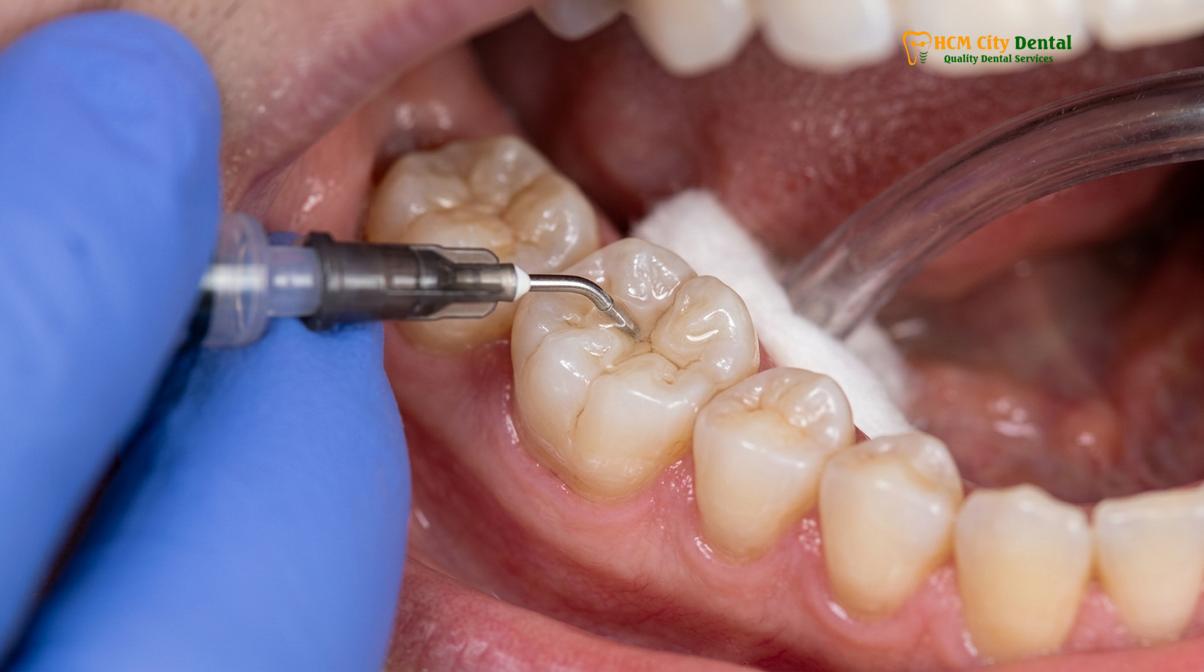
Fluoride varnish applications are another critical component of pediatric dental health. Applied topically during routine check-ups, the high-concentration fluoride adheres to the teeth, integrating into the enamel structure to form fluorapatite, which is highly resistant to acid attacks from plaque bacteria.
Clinical Case Study: Early Interceptive Orthodontics
A 7-year-old patient presented to HCMC Dental Clinic in Ho Chi Minh City with a severe posterior crossbite and maxillary crowding. Instead of waiting for all permanent teeth to erupt, the pediatric dental team initiated Phase I interceptive orthodontics using a rapid palatal expander. By guiding the growth of the jawbone during this critical developmental window, the crossbite was corrected within six months, eliminating the need for complex jaw surgery in the future and ensuring proper eruption space for the remaining adult teeth.
Early orthodontic screening is a vital part of pediatric preventive care. By age 7, the first permanent molars and incisors have typically erupted, establishing the basic alignment of the dental arches. Pediatric dentists assess for crossbites, severe crowding, and skeletal discrepancies. For detailed insights into these early interventions, parents can review the Palatal Expander Kids Cost & Clinical Guide to Early Orthodontics.
Navigating Dental Emergencies and Scheduling
Pediatric dental emergencies, such as avulsed teeth or acute pulpitis, require immediate clinical intervention to preserve the developing permanent tooth bud and manage pain effectively.
Children are naturally active, making dental trauma a common occurrence. Whether it is a toddler falling against a coffee table or a teenager sustaining a sports injury, knowing when to contact an emergency clinician is crucial.
If a permanent tooth is completely knocked out (avulsed), time is of the essence. The tooth should be handled only by the crown, gently rinsed without scrubbing the root, and ideally re-implanted into the socket immediately. If re-implantation is not possible, the tooth should be stored in cold milk or Hank’s Balanced Salt Solution and the patient must be seen by a professional immediately—preferably within 60 minutes—to maximize the chances of saving the tooth. Conversely, if a primary (baby) tooth is knocked out, it is never re-implanted, as doing so could damage the underlying permanent tooth bud.
For severe toothaches causing facial swelling, parents should seek immediate care. Acute facial cellulitis originating from an infected tooth is a medical emergency that can compromise the child’s airway or spread systemically. In such cases, professional intervention should be sought without delay.
When to See a Pediatric Dentist: Important Clinical Notes
Establishing a dental home by age one ensures continuous monitoring of craniofacial development and provides parents with essential anticipatory guidance to prevent early childhood caries.
The American Academy of Pediatric Dentistry recommends that a child’s first dental visit occur by their first birthday. This visit is primarily for anticipatory guidance—educating parents on proper nutrition, oral hygiene practices, and assessing the child’s caries risk profile. Waiting until a child is older or experiencing pain often results in a traumatic first experience. According to the World Health Organization (WHO) Representative Office for Vietnam, implementing global strategies for early childhood caries prevention is critical for long-term systemic health [5].
“The age-one dental visit is not just about counting teeth; it is a critical opportunity to intercept harmful habits like prolonged bottle feeding and to empower parents with the knowledge to prevent early childhood caries.”
Dr. Nguyen Van Cuong is a highly respected clinician known for his gentle approach to pediatric care. Dr. Cuong emphasizes the importance of early intervention and comprehensive family education to prevent childhood caries. Under his guidance, families can access specialized treatments, such as those detailed in our guide to More Smiles Dental: Clinical Guide to Comprehensive Care | HCMC Dental, ensuring every child receives optimal developmental support.
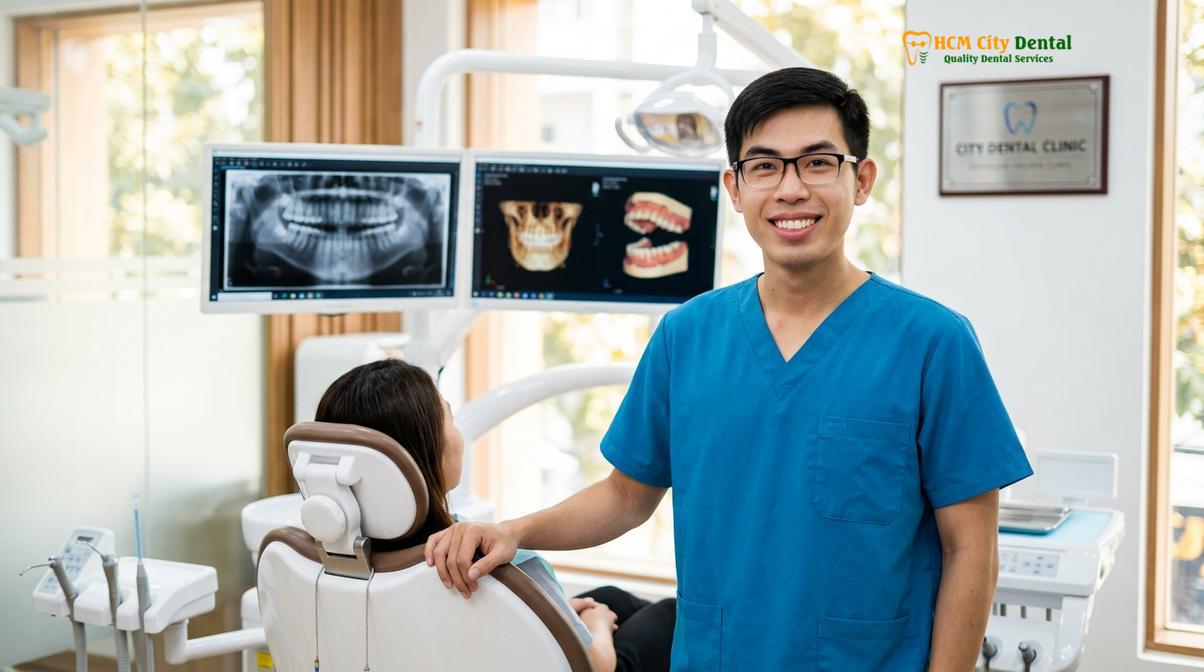
As the child grows, routine check-ups every six months are standard, though high-risk patients may require more frequent visits. For families residing in or visiting Vietnam, seeking care at a specialized facility like Kids Dentist Phu My Hung: Expert Pediatric Dental Care & Orthodontics ensures access to comprehensive developmental monitoring. Furthermore, understanding the How Often Should a Child See a Dentist? Clinical Guidelines helps parents maintain a consistent care schedule. For international patients, exploring a Dental Vacation Saigon Kids: Clinical Guide & 1-Visit Packages can provide efficient, high-quality care during their travels.
References
- American Academy of Pediatric Dentistry (AAPD). Core Clinical Guidelines for Pediatric Oral Health.
- Journal of Dentistry for Children. Behavioral Management Techniques in Pediatric Dentistry: A Clinical Review.
- International Journal of Paediatric Dentistry. Efficacy of Silver Diamine Fluoride in Arresting Caries in Primary Dentition.
- Pediatric Dentistry Journal. Interceptive Orthodontics and Craniofacial Growth Monitoring in Mixed Dentition.
- World Health Organization (WHO) Representative Office for Vietnam. Guidelines on Early Childhood Caries Prevention.