To maintain your newly straightened smile, you must wear retainers full-time for the first four to six months after braces removal. Following this initial stabilization period, orthodontists universally recommend transitioning to nightly wear indefinitely to prevent natural shifting and preserve your alignment for life.
Clinical Summary:
Orthodontic retention is a critical, lifelong phase of treatment that begins immediately after braces or aligners are removed. The biological tendency for teeth to shift back to their original positions necessitates strict adherence to a prescribed wear schedule. Initially, patients wear removable retainers up to 22 hours a day to allow the periodontal ligaments and alveolar bone to stabilize. Eventually, this tapers to night-time wear. Permanent fixed retainers offer continuous support but require meticulous oral hygiene. Consistent compliance is the only scientifically proven method to ensure long-term orthodontic stability and protect the investment made in your smile.
Key Takeaways:
- Full-time wear (20-22 hours/day) is typically required for the first 4 to 6 months post-treatment.
- Nightly wear becomes a permanent, lifelong requirement to counteract natural age-related tooth movement.
- Periodontal ligaments take up to a year to fully reorganize and stabilize around newly positioned teeth.
- Clear plastic retainers and traditional wire retainers have different durability and maintenance needs.
- Forcing a tight-fitting retainer onto shifted teeth can cause root damage and requires immediate clinical evaluation.
The Biological Imperative: Why Teeth Shift Post-Treatment
Teeth possess a strong biological memory, and the elastic fibers in the gums constantly pull them toward their pre-treatment positions, making immediate and consistent retainer wear biologically essential. As orthodontic forces guide teeth into alignment and explain how braces change your face, the surrounding bone and soft tissues require a prolonged stabilization phase. As orthodontic forces guide teeth into alignment and explain how braces change your face, the surrounding bone and soft tissues require a prolonged stabilization phase.
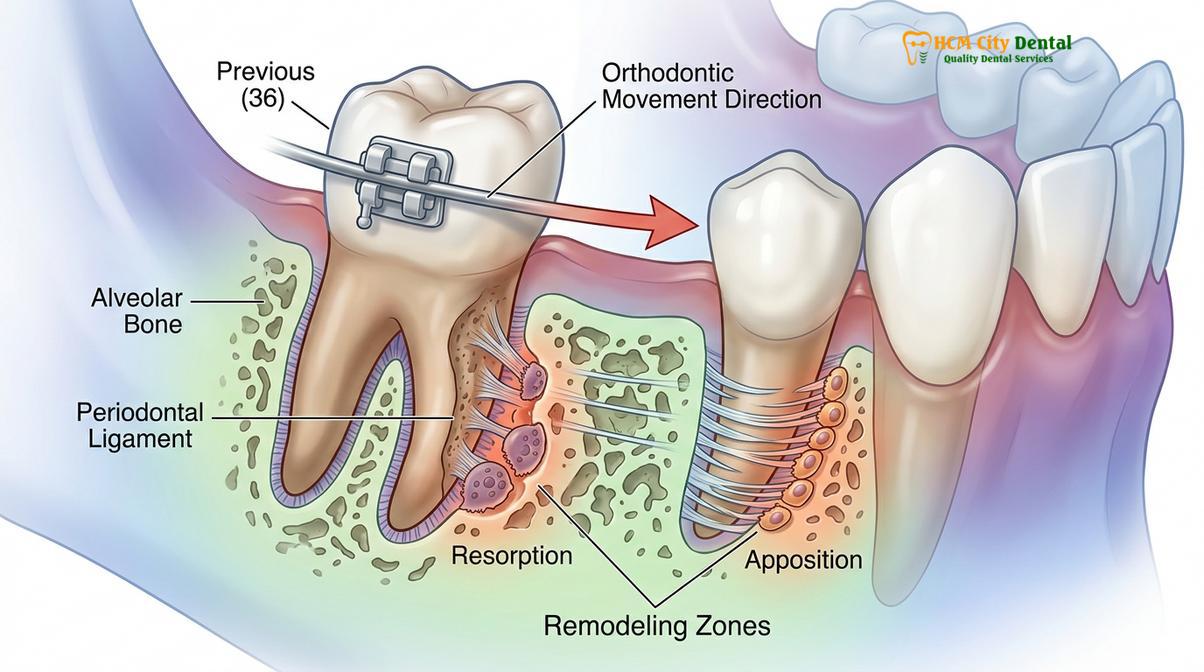
When you undergo active Orthodontics, your teeth are guided through the jawbone via a complex biological process called bone remodeling. Osteoclasts break down bone in the direction of tooth movement, while osteoblasts build new bone behind the moving tooth. However, the moment your braces or aligners are removed, this active force stops. The newly formed bone is still relatively soft and has not fully calcified or hardened around the tooth roots[1].
Furthermore, the teeth are anchored to the jawbone by the periodontal ligament (PDL). The PDL contains elastic fibers, specifically oxytalan fibers, which are stretched and twisted during orthodontic treatment. These fibers act like tiny rubber bands. When the braces come off, these “rubber bands” want to snap back to their original, relaxed state. This biological phenomenon is the primary cause of teeth relapse after orthodontic treatment. It takes approximately 232 to 300 days for these periodontal fibers to fully reorganize and adapt to the new tooth positions[2].
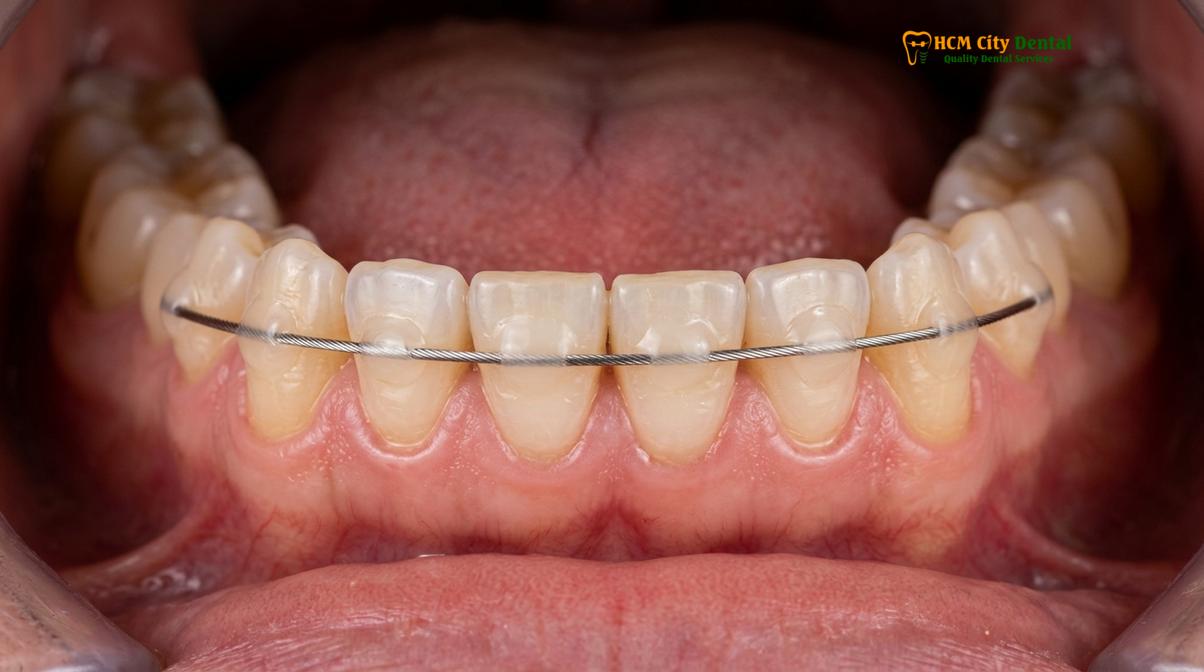
Without the immediate application of a retainer, the teeth will rapidly begin to drift back toward their original malocclusion. This is why orthodontists at HCMC Dental Clinic emphasize that the day your braces come off is not the end of your treatment, but rather the beginning of the crucial retention phase. Understanding this biological reality helps patients recognize that wearing a retainer is not merely a suggestion, but a medical necessity to allow the surrounding tissues to heal and lock the teeth into their new, healthy alignment.
Standard Retention Protocols: The Timeline for Success
The standard protocol involves full-time wear for several months, followed by a gradual transition to sleep-only wear, aligning with the biological healing rate of your jawbone.
The timeline for wearing a retainer is carefully calibrated to match the physiological stabilization of your mouth. While individual cases vary based on the severity of the initial malocclusion, the overarching timeline follows a predictable, step-down approach designed to maximize stability while gradually increasing patient comfort and convenience.
Phase 1: The Full-Time Stabilization Period (Months 1-6)
Immediately following the removal of your braces, your teeth are at their most vulnerable state. During this critical window, you will be instructed to wear your removable retainer full-time. “Full-time” clinically translates to 20 to 22 hours per day. You should only remove the appliance to eat, drink anything other than plain water, and perform your oral hygiene routine. This constant pressure is necessary to hold the teeth perfectly still while the alveolar bone calcifies and hardens around the roots[3].
“The first few months post-treatment are the most critical. Patients who neglect their retainers during this window often see visible shifting within a matter of weeks, compromising years of hard work. Compliance during this phase is non-negotiable for a stable outcome.”
— Dr. Nguyen Van Cuong, Lead Orthodontist
Phase 2: Transitioning to Part-Time Wear (Months 6-12)
Once your orthodontist determines that your bone has sufficiently stabilized—usually around the six-month mark—you will be cleared to reduce your wear time. This transition usually begins by wearing the retainer only when you are at home, and eventually tapers down to night-time retainer wear exclusively. It is vital that this transition is approved by your clinician, as stepping down too early can trigger unwanted movement.
Phase 3: The Indefinite Maintenance Phase (Year 1 and Beyond)
After the first year, your teeth are considered stable in their new positions. However, stable does not mean immovable. To maintain your results, you will enter the lifelong maintenance phase. During this period, wearing your retainer every night, or at least 3 to 5 nights a week, becomes a permanent part of your bedtime routine.
Types of Retainers and Their Specific Wear Schedules
Your orthodontist will prescribe either fixed wire retainers, clear plastic trays, or traditional acrylic appliances, each demanding a specific wear routine and maintenance protocol. Unlike active treatment phases where patients frequently ask can u eat chips with braces or how to chew gum with braces, removable retainers must be completely taken out before eating or chewing to prevent breakage. Unlike active treatment phases where patients frequently ask can u eat chips with braces or how to chew gum with braces, removable retainers must be completely taken out before eating or chewing to prevent breakage.
The type of retainer you receive heavily influences your daily routine. Orthodontists select the appropriate appliance based on your specific clinical needs, the likelihood of relapse, and your lifestyle. Often, a combination of different retainers is used for the upper and lower arches to provide optimal stability.
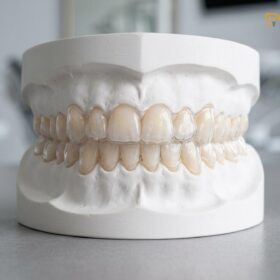
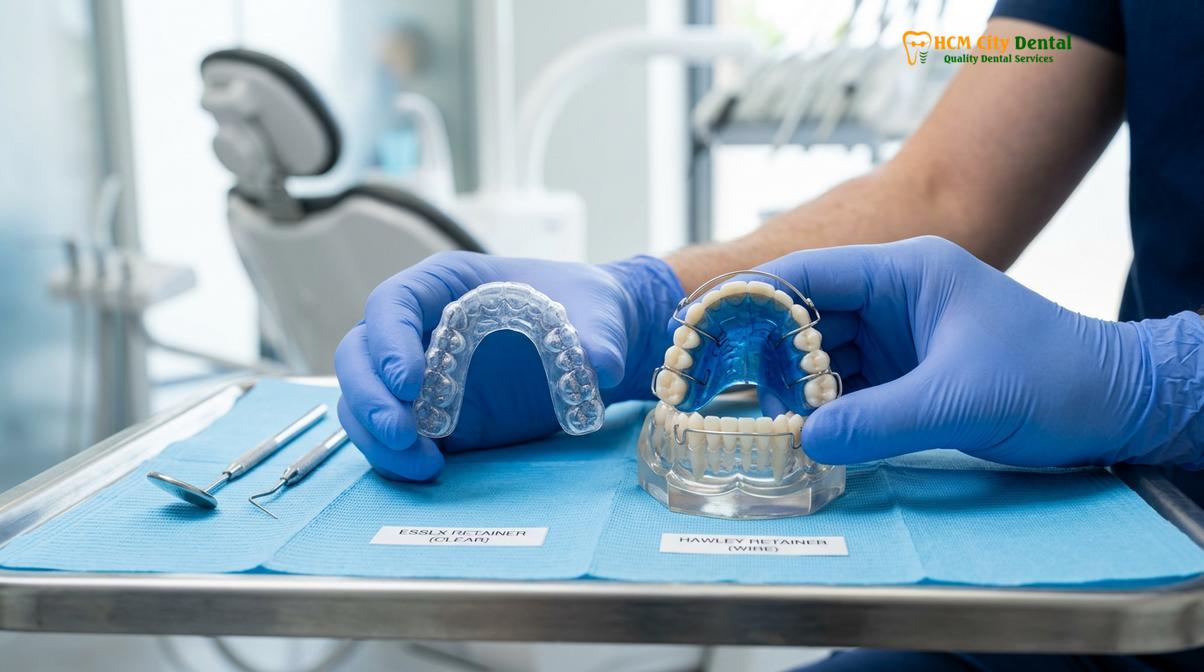
Removable Clear Retainers (Essix/Vivera): These are transparent, thermoformed plastic trays that fit snugly over the entire arch. They are highly popular due to their aesthetic appeal and comfort. The wear schedule clear retainer protocols dictate full-time wear initially, followed by nightly wear. Because they cover the occlusal (biting) surfaces of the teeth, they also offer some protection against mild teeth grinding (bruxism)[4]. For a deeper understanding of how these compare to traditional options, you can review our guide on retainer durability.
Removable Wire Retainers (Hawley): Constructed from an acrylic base that sits against the palate or floor of the mouth, combined with a metal wire that wraps around the anterior teeth. Hawley retainers are incredibly durable and allow the upper and lower teeth to touch naturally. They are particularly useful if minor adjustments are still needed post-braces, as the orthodontist can tweak the wire.
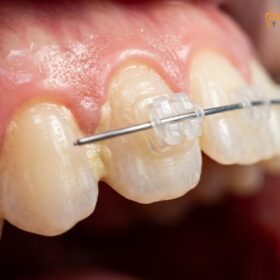
Fixed (Permanent) Retainers: A fixed retainer consists of a custom-fitted wire bonded directly to the lingual (tongue-facing) surfaces of the front teeth, usually the lower six anterior teeth. This provides 24/7 retention without relying on patient memory. However, it requires excellent flossing techniques using threaders or interdental brushes to prevent calculus buildup[5].
| Retainer Type | Initial Wear Schedule | Long-Term Wear Schedule | Average Lifespan | Primary Advantage |
|---|---|---|---|---|
| Clear (Essix) | 20-22 hours/day | Nightly | 1 – 3 years | Virtually invisible, comfortable |
| Wire (Hawley) | 20-22 hours/day | Nightly | 5 – 10 years | Highly durable, adjustable |
| Fixed (Bonded) | 24/7 (Bonded) | 24/7 (Bonded) | 5 – 15+ years | Zero compliance required |
The Reality of Lifetime Retention
Because the human jaw naturally narrows and teeth drift forward as we age, retention is not a temporary phase but a lifelong commitment to preserve your smile. Neglecting lifetime retention often leads to minor orthodontic relapse, which can eventually require getting braces again to correct the alignment. Retention also protects against abnormal dental wear that occurs when teeth shift out of proper occlusion. Neglecting lifetime retention often leads to minor orthodontic relapse, which can eventually require getting braces again to correct the alignment. Retention also protects against abnormal dental wear that occurs when teeth shift out of proper occlusion.
One of the most common misconceptions in orthodontics is that once the teeth are straight, they will stay that way forever. In reality, the human body is dynamic and constantly changing. Even individuals who have never had braces will experience natural tooth movement as they age. This phenomenon, known as mesial drift, causes teeth to slowly migrate forward and inward toward the midline of the face.
As we age, the jawbone loses some of its density, and the facial muscles change in tension. This natural aging process leads to crowding, particularly in the lower front teeth. Therefore, lifetime retention is the only scientifically sound method to counteract these natural physiological changes. Think of your retainer as an anti-aging device for your smile; just as you must continue to exercise to maintain physical fitness, you must continue to wear your retainer to maintain dental alignment.
Clinical Case Study: The Importance of Long-Term Compliance
A 32-year-old patient visited HCMC Dental Clinic in Ho Chi Minh City complaining of lower anterior crowding. The patient had successfully completed traditional braces treatment at age 16 but stopped wearing their removable retainer during college. Over a decade, natural mesial drift and the loss of periodontal memory caused significant relapse. Because the shifting was moderate, the patient required a secondary, shorter round of treatment. Following this correction, the patient was fitted with a fixed lingual retainer to ensure permanent stability without relying on daily memory. This case highlights why continuous retention is vital.
If you are considering remote or clear aligner options to fix a relapse, it is crucial to understand the clinical requirements. You can explore our comprehensive overview on aligner treatments in Vietnam to see how modern technology addresses secondary crowding.
Retainer Care and Maintenance for Long-Term Success
A clean, undamaged retainer is essential for holding your teeth in place without introducing harmful bacteria to your gums or causing dental decay.
The longevity and effectiveness of your retainer depend entirely on how well you care for it. A neglected retainer can become a breeding ground for plaque, tartar, and odor-causing bacteria, which can lead to gingivitis and cavities. Furthermore, improper handling can warp or crack the appliance, rendering it useless for holding your teeth in position.
Daily Cleaning Protocols
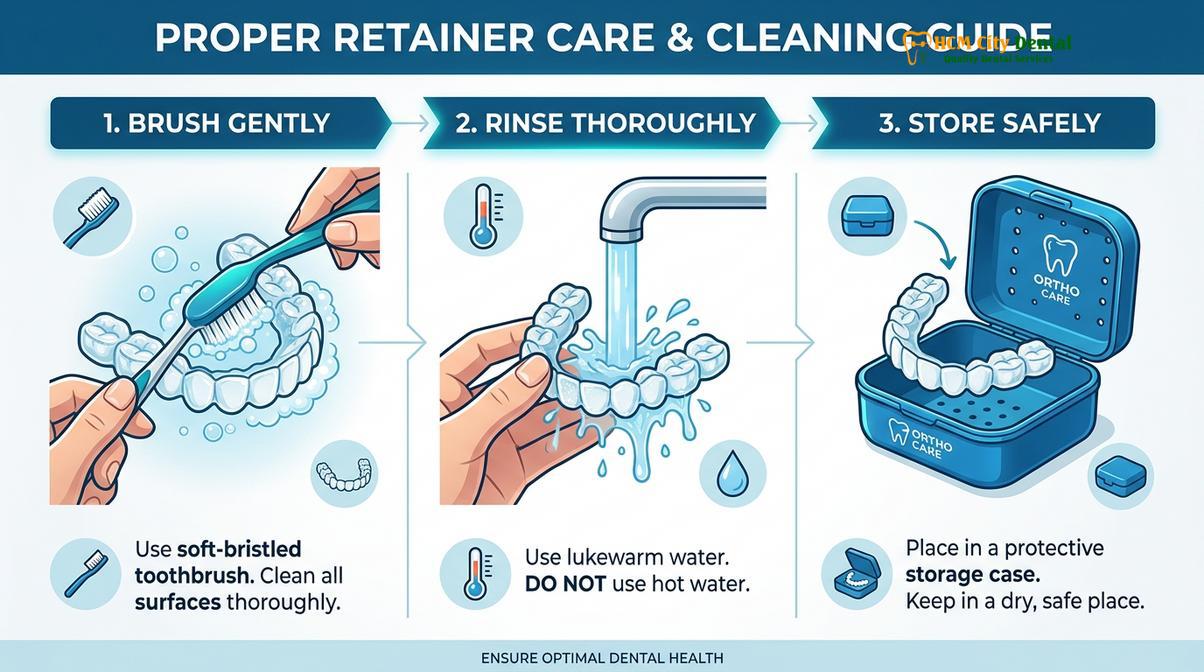
Whenever you remove your retainer, rinse it immediately with lukewarm water. Do not use hot water, as high temperatures will permanently warp clear plastic retainers and damage the acrylic of Hawley retainers. Brush your removable retainer gently at least once a day. It is highly recommended to use a soft-bristled toothbrush and mild, unscented dish soap rather than toothpaste. Toothpaste contains abrasive agents (like silica) that create micro-scratches in the plastic, making the retainer look cloudy and providing microscopic crevices for bacteria to hide.
Safe Storage and Handling
The golden rule of retainer care is: “If it’s not in your face, it’s in its case.” Never wrap your retainer in a napkin while eating, as this is the most common way they are accidentally thrown into the trash. Additionally, keep retainers far away from pets; dogs are particularly drawn to the scent of saliva and will quickly chew a plastic retainer to pieces. If you do happen to misplace your appliance, act quickly and consult our guide on what to do if you lose your retainer to prevent your teeth from shifting while you wait for a replacement.
For patients with fixed retainers, maintenance involves meticulous oral hygiene. You must use floss threaders, super floss, or interdental brushes to clean underneath the bonded wire daily. Failure to do so will result in calculus buildup, which can cause severe gum inflammation and bone loss over time. Regular professional cleanings every six months are mandatory for patients with permanent retainers. For a broader look at maintaining all types of orthodontic appliances, review our comprehensive orthodontic care guide.
When to See a Doctor (Orthodontist)
While minor tightness after leaving your retainer out for a few hours is normal, there are specific clinical scenarios where you must seek professional intervention immediately. Ignoring these signs can lead to severe relapse, requiring you to undergo active orthodontic treatment once again.
Important Clinical Considerations: Seek Immediate Evaluation If:
- Your removable retainer causes sharp pain or excessive pressure that does not subside after a few hours of wear.
- The retainer physically cannot seat fully over your teeth, indicating significant relapse has already occurred.
- You notice visible cracks, chips, or rough edges on your plastic or acrylic retainer.
- The bonded wire of your fixed retainer becomes loose, detaches from a tooth, or pokes your tongue.
- You experience unexplained jaw pain, headaches, or changes in your bite alignment.
If your teeth have shifted significantly, do not attempt to force a tight retainer onto your teeth. Applying excessive, uncontrolled force to shifted teeth can traumatize the periodontal ligament, cause root resorption (shortening of the tooth roots), and potentially lead to tooth loss. Instead, schedule an evaluation. Depending on the degree of relapse, your orthodontist may recommend a new retainer to hold the current position, or a brief intervention using specialized orthodontic mechanics or targeted correction strategies to realign the teeth.
“Patients sometimes try to ‘force’ an old retainer onto teeth that have shifted over several months. This is highly dangerous. Retainers are passive holding devices, not active moving devices. Forcing them can cause severe trauma to the tooth roots and surrounding bone. Always consult your clinician if the appliance no longer fits passively.”
— Dr. Nguyen Van Cuong, HCMC Dental Clinic
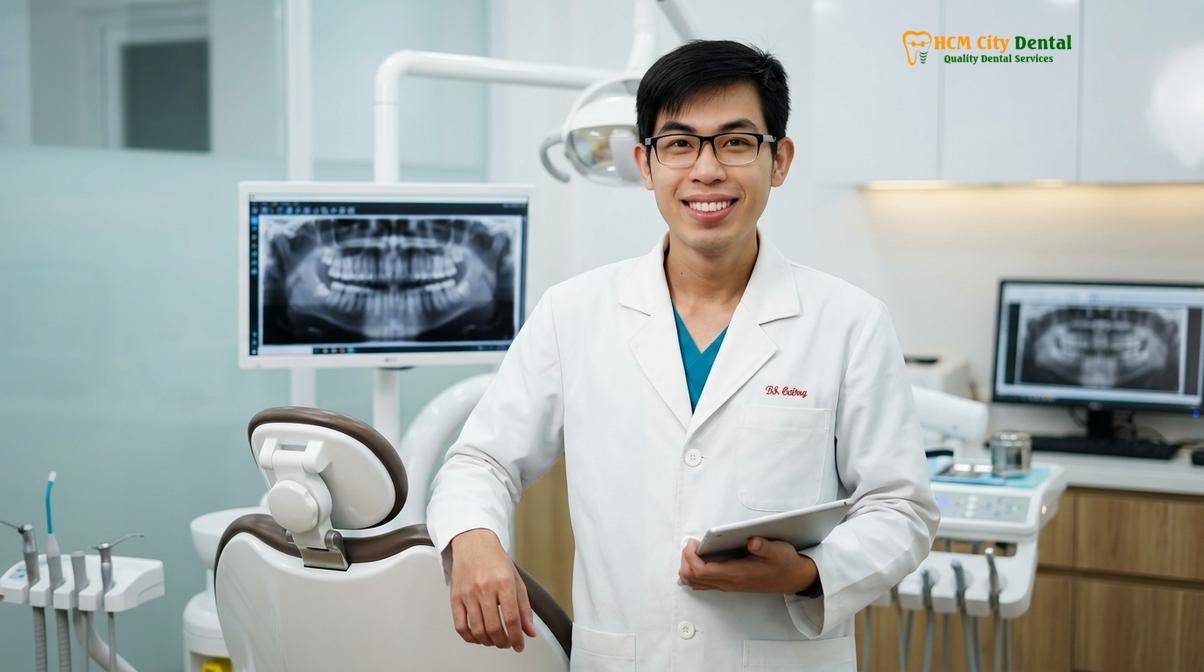
Ultimately, the success of your orthodontic journey rests in your hands during the retention phase. By understanding the biological necessity of retention, adhering strictly to your prescribed wear schedule, and maintaining your appliances properly, you can enjoy a healthy, perfectly aligned smile for the rest of your life. If you have any concerns about your current retention protocol or need a replacement appliance, contact the expert team at HCMC Dental Clinic for a personalized clinical evaluation.
Frequently Asked Questions
Can I wear my retainer only at night immediately after getting my braces off?
No, you cannot switch to night-only wear immediately. For the first four to six months, you must wear your retainer full-time (20-22 hours a day) to allow your jawbone and periodontal ligaments to stabilize around the new tooth positions. Transitioning to night wear too early will almost certainly result in rapid relapse.
What happens if I forget to wear my retainer for a few days?
Missing a few days may cause your retainer to feel tight when you put it back in, indicating minor shifting. Wear it full-time until the tightness subsides, but never force a retainer that causes severe pain or refuses to seat properly. If it doesn’t fit, you must see your orthodontist immediately.
How long do clear plastic retainers typically last?
Clear plastic retainers generally last between one to three years with proper care. Their lifespan depends heavily on your oral habits, such as teeth grinding, and how meticulously you clean and store the appliance daily. Traditional wire (Hawley) retainers tend to last much longer, often up to a decade.
Do I really have to wear a retainer for the rest of my life?
Yes, lifelong nightly wear is highly recommended by orthodontists. As you age, your teeth naturally tend to shift forward and inward; a retainer is the only reliable method to prevent this natural age-related crowding and preserve the investment you made in your orthodontic treatment.
Can a tight retainer move my shifted teeth back into place?
A retainer can correct very minor shifting if it still fits over the teeth without excessive force. However, retainers are designed to hold teeth, not move them; significant relapse requires clinical evaluation and potentially a new orthodontic intervention, such as a short course of clear aligners.
References
- Journal of Prosthodontic Research. Orthodontic retainer wear and stability. (2021).
- American Journal of Orthodontics. Relapse rates and retention protocols. (2019).
- European Journal of Orthodontics. Essix vs Hawley retainers clinical trial. (2020).
- Journal of Clinical Orthodontics. Plaque accumulation on fixed retainers. (2022).
- Australian Dental Journal. Patient compliance with dental retainers. (2018).