An effective orthodontic care guide involves strict oral hygiene protocols, dietary modifications, and consistent appliance maintenance to ensure predictable tooth movement. Whether utilizing traditional brackets or clear aligners, proper daily care prevents enamel decalcification, periodontal inflammation, and treatment delays while securing long-term occlusal stability.
Clinical Summary:
Orthodontic treatment requires a synergistic approach between the clinician’s biomechanical adjustments and the patient’s dedicated home care compliance. Managing fixed appliances demands specialized interdental cleaning techniques to prevent plaque accumulation around brackets and archwires. Conversely, removable aligner systems necessitate strict wear-time adherence and meticulous tray hygiene. Post-treatment retention is universally critical to prevent biological relapse. Regular clinical monitoring ensures that periodontal health remains optimal throughout the active phase of tooth movement, ultimately leading to a stable, functional, and aesthetic occlusion.
Key Takeaways:
- Fixed braces require specialized interdental brushes and floss threaders to navigate around archwires effectively.
- Clear aligners must be worn for 20 to 22 hours daily to achieve the prescribed biomechanical forces.
- Dietary restrictions for fixed appliances exclude hard, sticky, or highly acidic foods to prevent bracket debonding.
- Post-treatment retention is a lifelong commitment necessary to stabilize the periodontal ligament and prevent occlusal relapse.
- Routine professional prophylaxis every three to four months is highly recommended during active orthodontic therapy.
Introduction to Modern Orthodontic Care
Modern orthodontics utilizes advanced biomechanics to correct malocclusions, requiring patients to actively participate in their treatment through meticulous appliance care and hygiene to ensure optimal clinical outcomes.
The journey toward a functional and aesthetically pleasing smile through Orthodontics is a complex biological and mechanical process. It extends far beyond the simple application of hardware to the teeth. At its core, orthodontic therapy involves the controlled application of sustained forces to induce bone remodeling. When pressure is applied to a tooth, the periodontal ligament (PDL)—the fibrous connective tissue suspending the tooth within the alveolar bone—undergoes compression on one side and tension on the other[1]. This mechanical stress triggers a cellular response: osteoclasts resorb bone on the pressure side, while osteoblasts deposit new bone on the tension side, allowing the tooth to migrate through the jawbone.
Because this process inherently induces a state of transient localized inflammation, maintaining pristine oral health is paramount. Any superimposed bacterial inflammation from poor hygiene can disrupt the delicate balance of bone remodeling, potentially leading to irreversible attachment loss or root resorption. Therefore, a comprehensive orthodontic care guide is not merely a set of suggestions; it is a clinical imperative. Patients must understand that their daily habits directly influence the speed, safety, and success of their treatment.
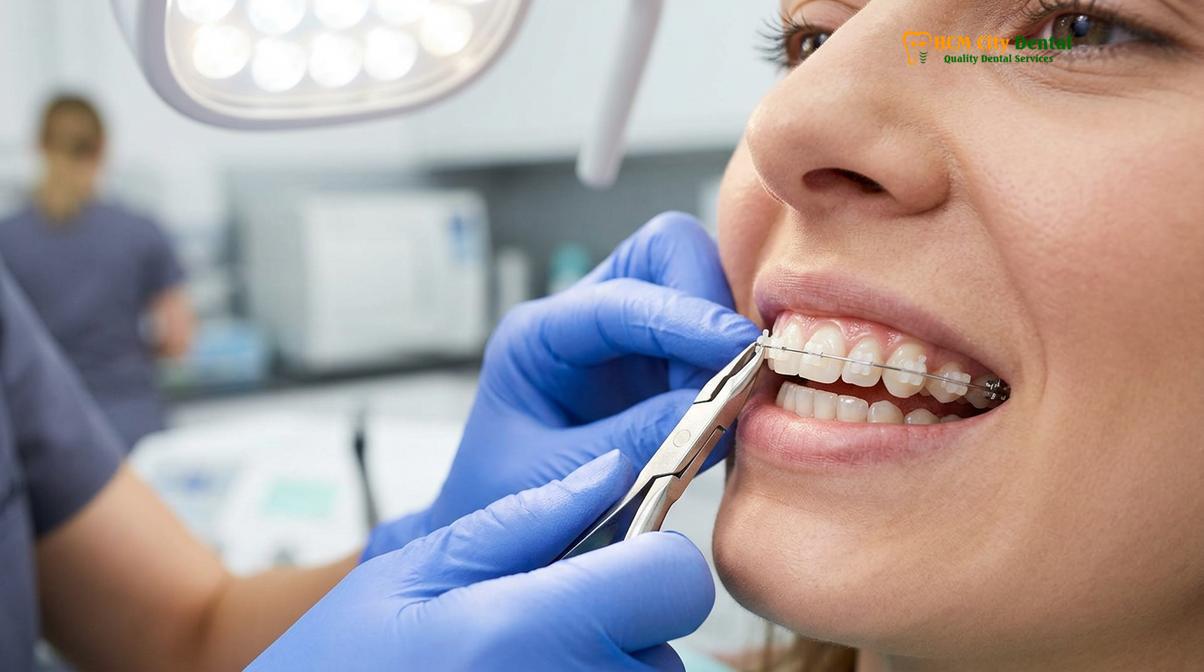
Dr. Nguyen Van Cuong, a leading specialist, frequently emphasizes to patients seeking orthodontic care Saigon that the clinical chair time represents only a fraction of the treatment. The vast majority of the therapeutic process occurs at home. Whether a patient is navigating the complexities of fixed metal brackets or managing the discipline required for removable aligners, understanding the specific care protocols is essential for preventing complications such as white spot lesions (enamel demineralization) and hyperplastic gingivitis.
Traditional Braces: Mechanics & Care
Fixed traditional braces apply continuous force via brackets and archwires, necessitating specialized cleaning techniques and strict dietary modifications to prevent hardware damage and enamel demineralization.
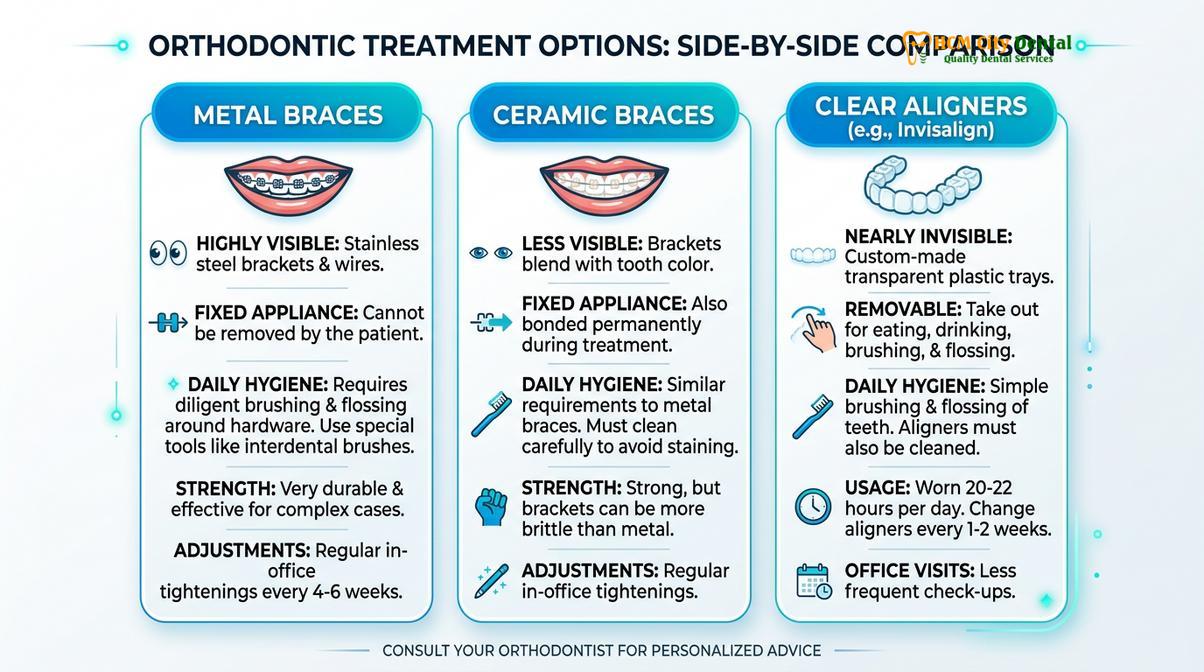
Traditional fixed appliances remain the gold standard for treating severe malocclusions, complex root torquing, and significant vertical discrepancies. The system comprises several intricate components: brackets bonded directly to the enamel surface, archwires that serve as the track guiding the teeth, and ligatures (elastic or wire) that secure the archwire into the bracket slot. Advanced systems may utilize self-ligating brackets, which employ a specialized door mechanism to hold the wire, reducing friction and potentially streamlining the alignment phase.
The presence of this fixed hardware creates numerous stagnation areas where dental plaque and food debris can rapidly accumulate. If left undisturbed, the cariogenic bacteria within the plaque biofilm metabolize fermentable carbohydrates, producing lactic acid. This acid attacks the enamel surrounding the bracket base, leading to decalcification—clinically visible as opaque white spot lesions[2]. To combat this, patients must adopt a rigorous, multi-step hygiene regimen. Standard brushing is insufficient; the bristles must be angled at 45 degrees toward the gingival margin (above the bracket) and 45 degrees toward the incisal edge (below the bracket) to dislodge debris effectively.
Clinical Warning: Failure to maintain adequate plaque control around fixed orthodontic brackets can lead to rapid enamel demineralization (white spot lesions) within just four weeks. These lesions are permanent structural scars on the teeth that may require restorative intervention post-treatment.
Dietary modifications are equally critical when managing fixed braces. The bond strength of the composite resin securing the bracket to the tooth is designed to withstand normal masticatory forces but will fail under excessive shearing stress. Patients must strictly avoid hard foods (e.g., ice, hard candies, whole apples, crusty bread) and sticky substances (e.g., caramel, chewing gum, taffy). Consuming these items frequently results in bracket debonding or bent archwires, which immediately halts the biomechanical progress of that specific tooth and prolongs overall treatment time.
For those concerned about the aesthetic maintenance of their appliances, particularly clear or ceramic brackets, understanding the dietary impact on ligatures is vital. Consuming highly pigmented foods and beverages, such as turmeric, coffee, and red wine, can rapidly stain the elastomeric ties. Patients interested in maintaining a pristine appearance should review strategies for preventing yellow stains around brackets to ensure their smile remains bright throughout the duration of their therapy.
Invisalign Clear Aligners: Pro and Cons
Clear aligners offer superior aesthetics and removability for easier hygiene, but demand strict patient compliance with wear time and tray maintenance to achieve predictable tooth movement.
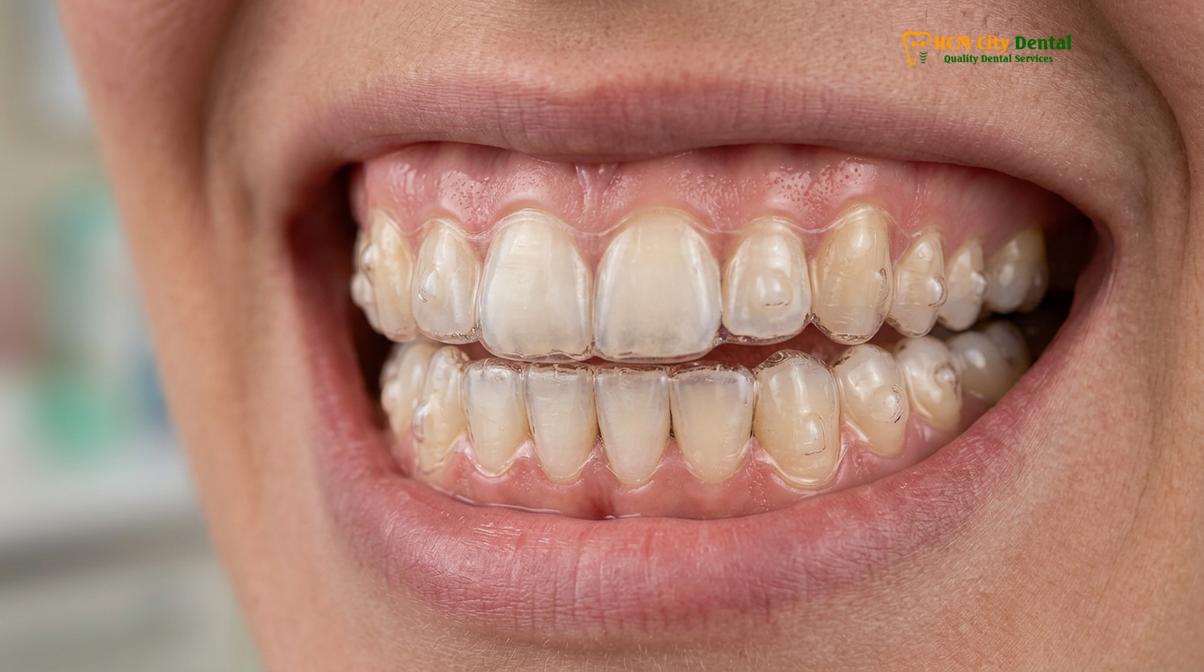
Clear aligner therapy has revolutionized the orthodontic landscape, offering a highly aesthetic and lifestyle-friendly alternative to fixed brackets. Systems like Invisalign utilize a series of custom-fabricated, thermoformed polyurethane plastic trays. Each tray is engineered using advanced CAD/CAM software to apply precise, incremental forces to specific teeth. To facilitate complex movements—such as extrusion, rotation, or root torquing—clinicians bond small, tooth-colored composite resin “attachments” to the enamel. These attachments act as handles, allowing the aligner plastic to grip the tooth and deliver the necessary biomechanical force.
The primary advantage of clear aligners is their removability. This feature profoundly simplifies the patient’s oral hygiene routine. Because the trays are removed prior to meals, there are virtually no dietary restrictions; patients can consume hard or sticky foods without the risk of damaging fixed hardware. Furthermore, brushing and flossing can be performed normally, significantly reducing the risk of interproximal caries and gingival inflammation compared to traditional braces. This makes aligners an excellent choice for adult patients prioritizing periodontal health and aesthetics.
“The success of clear aligner therapy is inextricably linked to patient compliance. The most sophisticated digital treatment plan cannot overcome the biological reality that teeth will only move if the continuous force is applied for the prescribed duration.”
However, the removability of aligners is also their greatest vulnerability. For the treatment to track predictably, the trays must be worn for a minimum of 20 to 22 hours per day[3]. Removing them for extended periods allows the periodontal ligament to relax, halting tooth movement and potentially causing the teeth to relapse toward their original positions. If a patient is non-compliant, the subsequent trays in the series will not fit correctly, necessitating a clinical “refinement” (rescanning and ordering new trays), which extends the treatment timeline.
Tray maintenance is another critical aspect of this braces aligners guide. Aligners must be cleaned meticulously to prevent the buildup of plaque and calculus, which can render the clear plastic cloudy and malodorous. Patients should brush their trays with a soft toothbrush and cold water; hot water must be avoided as it can warp the thermoplastic material. For patients navigating the financial aspects of this advanced technology, exploring financing options for clear aligners can make this highly compliant-dependent treatment more accessible. Additionally, patients who travel frequently must be prepared for contingencies, such as knowing the protocol for managing a lost aligner to prevent treatment regression while away from their primary clinic.
Retainers & Long-Term Post-Treatment Retention
Following active tooth movement, retainers are biologically essential to stabilize the newly formed alveolar bone and periodontal fibers, preventing the natural tendency of teeth to relapse.
The removal of braces or the completion of the final aligner tray marks the end of active tooth movement, but it is only the beginning of the retention phase. Retention is arguably the most critical component of orthodontic therapy. When teeth are moved, the surrounding alveolar bone and periodontal ligament require significant time to reorganize and mineralize fully around the new root positions. Furthermore, the supracrestal gingival fibers—particularly the transseptal fibers that connect adjacent teeth—possess a “memory” and can exert a continuous pulling force, attempting to drag the teeth back to their original, crowded positions[4].
To counteract this biological tendency for relapse, patients must wear retainers. There are three primary types of retainers utilized in modern practice:
- Essix (Clear) Retainers: Thermoformed clear plastic trays, similar to aligners, that cover the entire dental arch. They are highly aesthetic and effective at holding the exact final position of the teeth.
- Hawley Retainers: Traditional removable appliances consisting of an acrylic palate or lingual bar connected to a metal wire that wraps around the anterior teeth. They are highly durable and allow for minor occlusal settling.
- Fixed (Bonded) Retainers: A custom-adapted braided wire bonded directly to the lingual (tongue) surfaces of the anterior teeth, most commonly the lower six front teeth. This provides permanent, compliance-free retention in the area most susceptible to relapse.
Clinical Case Review: A 24-year-old patient presented to HCMC Dental Clinic in Ho Chi Minh City with moderate lower anterior crowding, having completed orthodontic treatment five years prior. The patient admitted to discontinuing removable retainer wear after the first year. Due to the elastic memory of the gingival fibers, significant relapse occurred, necessitating a secondary phase of clear aligner therapy to restore the alignment.
Understanding how to clean retainers is vital for long-term oral health. Removable retainers should be brushed daily and periodically soaked in specialized effervescent cleaning solutions to prevent calculus buildup and bacterial colonization. For patients with fixed retention, mastering the technique of flossing with a permanent bonded retainer using floss threaders or super floss is mandatory to prevent lingual calculus accumulation and localized periodontitis.
Maintaining Proper Oral Hygiene with Orthodontic Appliances
Rigorous oral hygiene routines, incorporating specialized tools like water irrigators and fluoride rinses, are mandatory to mitigate the heightened risk of gingivitis and caries during orthodontic therapy.
The introduction of orthodontic appliances into the oral cavity fundamentally alters the local microbiome. The hardware creates countless microscopic niches that shelter bacteria from the natural cleansing action of saliva, the tongue, and the cheeks. Consequently, the bacterial load increases, shifting toward more pathogenic, acid-producing strains. To counteract this, patients must elevate their daily hygiene practices from standard maintenance to targeted, therapeutic plaque removal.
Mechanical plaque control is the cornerstone of orthodontic hygiene. A standard manual toothbrush is often insufficient for navigating the complex topography of brackets and wires. Patients are strongly advised to utilize an electric toothbrush with an orthodontic-specific brush head, which features a specialized bristle pattern designed to clean around the hardware. Furthermore, interdental cleaning is non-negotiable. Flossing must be performed daily using a floss threader to pass the floss beneath the archwire, allowing the patient to clean the critical interproximal spaces and the gingival sulcus[5].
To supplement mechanical cleaning, chemical plaque control plays a vital role. The daily use of a fluoridated mouthrinse (typically 0.05% sodium fluoride) is highly recommended to remineralize enamel and increase its resistance to acid attacks. In cases where gingival inflammation becomes severe, a clinician may temporarily prescribe a chlorhexidine gluconate rinse to rapidly reduce the bacterial load, though its use is limited due to potential tooth staining.
| Hygiene Tool | Primary Clinical Purpose | Recommended Frequency | Efficacy Profile |
|---|---|---|---|
| Interdental Brushes (Proxabrushes) | Dislodging macroscopic debris and plaque from beneath the archwire and between brackets. | After every meal. | Highly effective for large embrasure spaces; essential for fixed braces. |
| Water Flosser (Oral Irrigator) | Flushing out loose debris and disrupting the subgingival biofilm using pulsated water pressure. | Once to twice daily. | Excellent adjunct for reducing gingival bleeding; does not replace string floss. |
| Orthodontic Floss Threaders | Navigating traditional string floss beneath the archwire to access interproximal contact points. | Once daily (preferably at night). | The gold standard for preventing interproximal caries and localized periodontitis. |
| Fluoride Mouthrinse | Enhancing enamel remineralization and inhibiting bacterial acid production. | Once daily (post-brushing). | Critical for preventing white spot lesions around bracket margins. |
Once the active phase of treatment is complete and the appliances are removed, patients often seek to enhance their newly aligned smile further. It is common to pursue aesthetic refinements, and understanding the appropriate post-orthodontic teeth whitening timeline is important, as the enamel needs time to rehydrate and stabilize after bracket debonding.
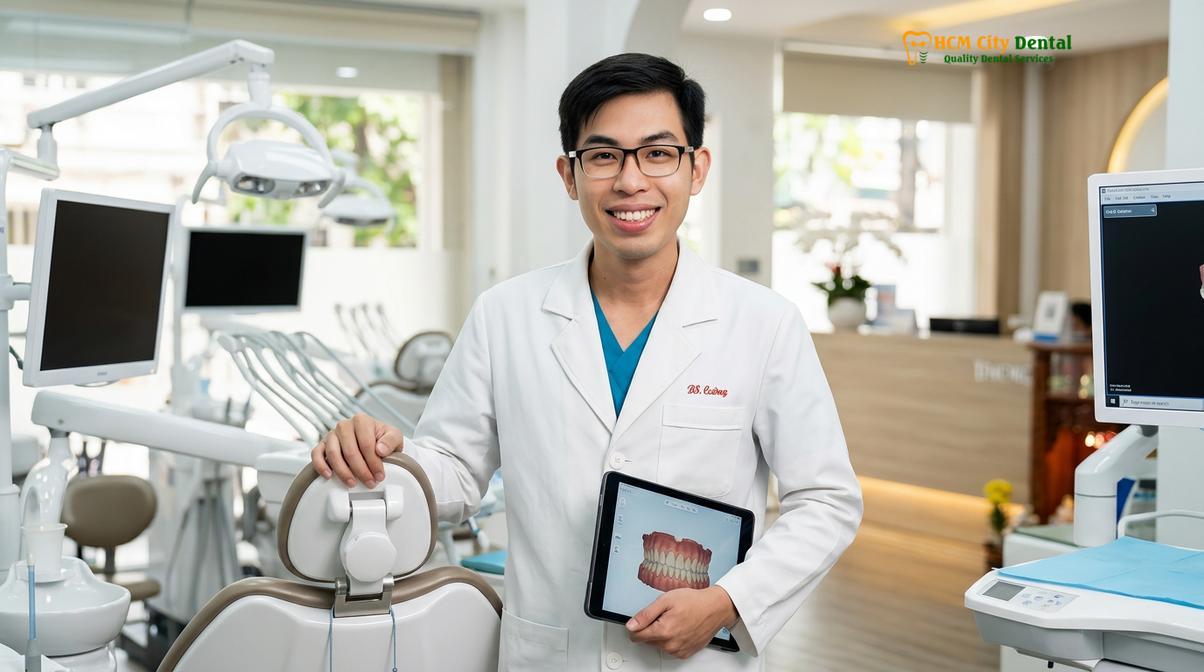
“Orthodontic excellence is a partnership. The clinician provides the architectural blueprint and the biomechanical forces, but the patient provides the biological environment. Pristine oral hygiene is the foundation upon which a beautiful, lasting smile is built.”
When to See a Doctor (Clinical Considerations)
While this guide provides comprehensive educational information on managing your orthodontic care, it is crucial to recognize when professional clinical intervention is required. Orthodontic emergencies, though relatively rare, do occur and require prompt attention to prevent injury or treatment delays. You should contact your orthodontic clinic immediately if you experience a broken bracket that is sliding on the wire, a protruding archwire that is lacerating the buccal mucosa (cheek tissue), or the loss of a clear aligner tray.
Furthermore, if you notice signs of acute periodontal distress—such as severe, localized gingival swelling, spontaneous bleeding, purulent exudate (pus), or extreme tooth mobility beyond the normal slight looseness expected during treatment—you must seek a diagnostic evaluation. Dr. Cuong advises that patients should never attempt to cut thick archwires or repair bonded appliances at home, as this can lead to aspiration risks or unintended biomechanical forces being applied to the teeth.
Please note that the information provided in this article is for general educational purposes and does not substitute for personalized medical advice. Every patient’s anatomical structure and biological response to treatment are unique. For a definitive diagnosis, customized treatment planning, and professional management of any complications, we strongly encourage you to schedule a comprehensive clinical examination at HCMC Dental Clinic.
Frequently Asked Questions
How long do I need to wear aligners daily?
Clear aligners must be worn for a minimum of 20 to 22 hours every day to achieve the prescribed tooth movements. Removing them only for meals, brushing, and flossing ensures continuous biomechanical force is applied to the periodontal ligament, preventing treatment delays. Failure to adhere to this strict wear schedule allows the teeth to relapse, meaning the subsequent trays in your series will not fit properly, often necessitating a clinical refinement and extending your overall treatment time.
What is the best way to clean my orthodontic retainer?
The most effective method for cleaning a removable retainer is brushing it gently with a soft-bristled toothbrush and mild liquid soap or non-abrasive toothpaste. Additionally, soaking the appliance in a specialized effervescent retainer cleaner helps eliminate microscopic bacteria and dissolve stubborn plaque deposits. You must avoid using hot water, as the heat can warp the thermoplastic material, altering the precise fit required to hold your teeth in their corrected positions.
Can I switch from braces to Invisalign mid-treatment?
Yes, transitioning from traditional fixed braces to clear aligners mid-treatment is clinically possible in many cases, often referred to as a hybrid treatment approach. However, this depends entirely on the complexity of the remaining malocclusion and requires a comprehensive re-evaluation by your orthodontist. The clinician must assess whether the remaining necessary tooth movements—such as severe root torquing or vertical extrusion—can be predictably achieved using clear aligner biomechanics.
Is it normal for teeth to feel loose during orthodontic treatment?
It is completely normal and biologically necessary for teeth to exhibit slight mobility during active orthodontic therapy. This temporary looseness indicates that the periodontal ligament is widening and the surrounding alveolar bone is actively remodeling to accommodate the new position of the tooth roots. Once the active forces are removed and the retention phase begins, the bone will remineralize and the teeth will stabilize in their new, corrected positions.
How often should I schedule professional dental cleanings while wearing braces?
Patients undergoing active orthodontic treatment should schedule professional dental prophylaxis every three to four months. The presence of brackets and archwires significantly increases plaque retention, making frequent professional cleanings essential to prevent gingival inflammation, periodontal disease, and enamel demineralization. Your dental hygienist possesses the specialized instruments required to safely and effectively remove calculus buildup around your orthodontic hardware that cannot be managed with home care alone.
References
- American Journal of Orthodontics and Dentofacial Orthopedics. Biomechanics of tooth movement and periodontal tissue response. (2021).
- Journal of Clinical Orthodontics. Enamel demineralization prevention and white spot lesion management during fixed appliance therapy. (2020).
- European Journal of Orthodontics. Patient compliance and clinical outcomes in clear aligner therapy. (2022).
- Angle Orthodontist. Long-term stability and relapse prevention using fixed and removable retention protocols. (2019).
- International Journal of Dental Hygiene. Efficacy of interdental cleaning adjuncts in orthodontic patients. (2023).