The best age for a child’s first orthodontic evaluation is seven years old. At this developmental milestone, permanent first molars and incisors have typically erupted, allowing specialists to accurately assess jaw growth, detect early bite discrepancies, and determine if interceptive treatment is clinically necessary.
Clinical Summary:
Early orthodontic screening is a critical component of comprehensive pediatric dental care. By age seven, a child enters the mixed dentition phase, where both primary (baby) teeth and permanent teeth are present. This unique developmental window provides orthodontists with a clear blueprint of the child’s future craniofacial growth. An early evaluation does not necessarily mean immediate braces; rather, it establishes a baseline for monitoring. If skeletal issues such as crossbites, severe crowding, or jaw growth discrepancies are detected, interceptive orthodontics (Phase 1 treatment) can be initiated. This proactive approach guides jaw development, creates adequate space for erupting teeth, and significantly reduces the complexity, duration, and cost of future orthodontic interventions. Utilizing advanced digital diagnostics, such as 3D intraoral scanning, modern clinics can provide precise, comfortable, and radiation-reduced assessments to safeguard a child’s long-term oral health.
Key Takeaways:
- The universal clinical recommendation for a first orthodontic screening is age seven.
- Early evaluations focus on skeletal jaw growth and the eruption patterns of permanent teeth.
- Interceptive treatment (Phase 1) can correct crossbites, create space for crowded teeth, and stop harmful oral habits.
- Not all children evaluated at age seven require immediate treatment; many enter a monitored observation phase.
- Modern diagnostic tools, like 3D digital scanners, make the initial assessment highly accurate and comfortable for young children.
The AAO Recommendation: Why Age 7 is the Golden Window
Age seven is the optimal time for an initial screening because the eruption of the first permanent molars establishes the back bite, allowing orthodontists to evaluate anterior-posterior and transverse jaw relationships.
The transition from a primary dentition to a permanent dentition is a complex biological process that dictates the future functional and aesthetic harmony of a child’s smile. The American Association of Orthodontists (AAO) strongly advocates for an initial screening by the age of seven. This specific age is not chosen arbitrarily; it represents a critical juncture in craniofacial development known as the mixed dentition phase. During this time, a child’s mouth contains a combination of primary (baby) teeth and newly erupted permanent teeth, providing a unique diagnostic window for dental professionals.
By the time a child reaches their seventh birthday, the first permanent molars have typically erupted. These molars are often referred to as the “anchors” of the dental arch. Their positioning establishes the posterior occlusion (the back bite), which allows an orthodontist to evaluate the fundamental relationship between the upper and lower jaws. Whether the child has a Class I (normal), Class II (overbite), or Class III (underbite) skeletal relationship becomes clinically apparent at this stage[1]. Furthermore, the permanent central and lateral incisors (the front teeth) have usually begun to emerge. The alignment of these incisors provides early clues about potential space deficiencies, severe crowding, or abnormal eruption paths.
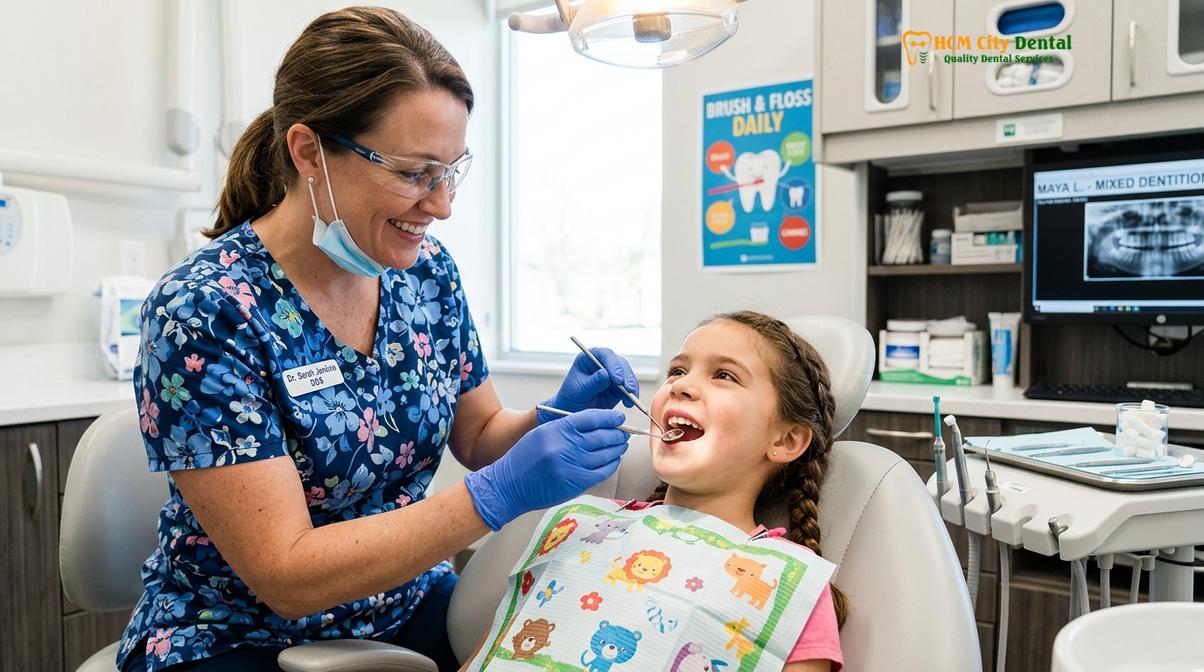
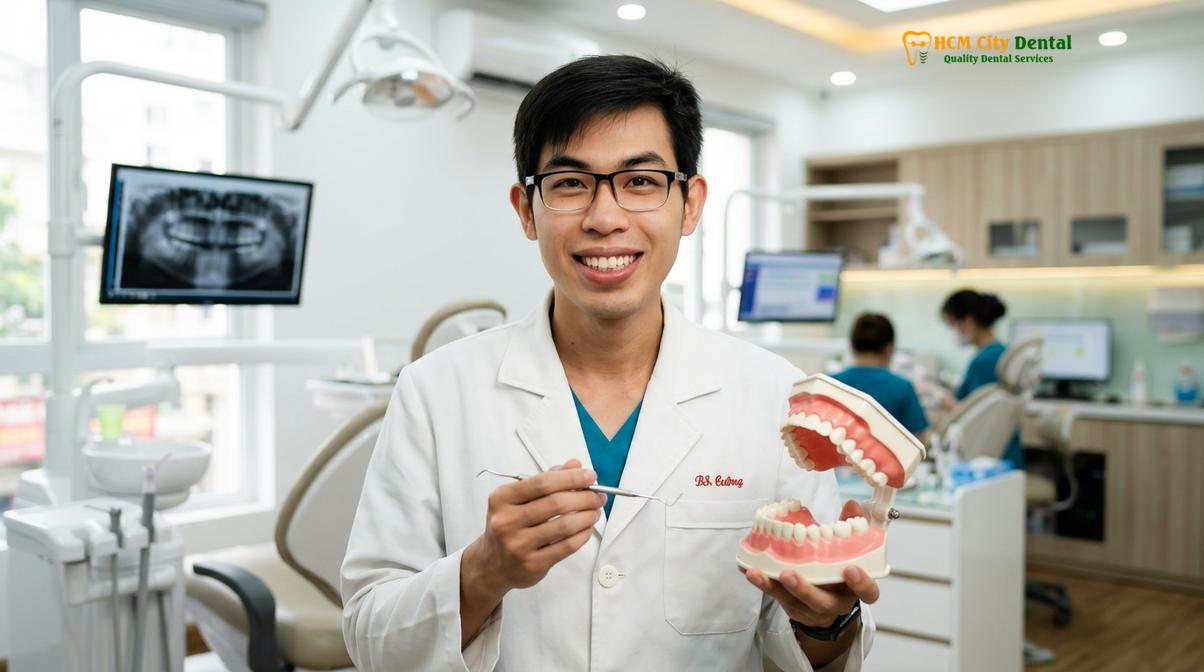
Adhering to the AAO guidelines age 7 checkup allows specialists to identify subtle issues that parents or even general dentists might overlook. Dr. Nguyen Van Cuong, a leading specialist in craniofacial development, frequently emphasizes that early evaluation is primarily about observation and interceptive planning rather than immediate intervention. “When we see a child at age seven, we are looking at the architectural foundation of their face and jaws,” explains Dr. Cuong. “If the foundation is narrow or misaligned, we have a brief, golden opportunity to guide its growth before the bones fully fuse.”
The biological rationale for this timing is rooted in the plasticity of a child’s skeletal structure. The midpalatal suture—the growth line running down the center of the upper jaw—has not yet fused in a seven-year-old. This means that if the upper jaw is too narrow, an orthodontist can use gentle, continuous forces to physically widen the bone, creating a broader smile and adequate space for future permanent teeth. If this same narrow jaw is left untreated until the late teenage years or adulthood, the suture will have ossified, often necessitating invasive orthognathic surgery to achieve the same result.
Therefore, the age seven evaluation is a preventative measure. It is a comprehensive assessment of the child’s airway, oral habits, skeletal symmetry, and dental eruption sequence. By establishing a baseline at this age, the orthodontic team can map out a customized, long-term developmental strategy, ensuring that any necessary comprehensive orthodontic treatments are initiated at the precise biological moment for optimal efficacy.
Early Warning Signs: Bite Issues, Crowding, and Jaw Discrepancies
Parents should monitor for early indicators such as mouth breathing, prolonged thumb sucking, difficulty chewing, and visible facial asymmetry, which signal underlying skeletal or dental malocclusions requiring expert evaluation.
While the age seven milestone is a universal guideline, certain clinical red flags may necessitate an even earlier visit to an orthodontic specialist. Parents play a crucial role in observing their child’s daily oral functions and habits. Recognizing the early warning signs of malocclusion can prevent minor developmental hiccups from evolving into severe skeletal deformities. The most common issues detected during an early childhood orthodontic eval HCMC involve transverse discrepancies, vertical growth problems, and harmful non-nutritive habits.
One of the most critical conditions to identify early is a crossbite. A crossbite occurs when the upper teeth sit inside the lower teeth when the jaws are closed. This can happen in the front of the mouth (anterior crossbite or underbite) or the back of the mouth (posterior crossbite). If a child has a posterior crossbite, they will often shift their lower jaw to one side to find a comfortable resting position. Over time, this functional shift can cause the jaw to grow asymmetrically, leading to permanent facial distortion and temporomandibular joint (TMJ) dysfunction. Early correction of a crossbite is essential to restore normal, symmetrical jaw alignment children require for healthy development.
Clinical Warning: Airway and Oral Habits
Prolonged non-nutritive habits, such as thumb sucking or extended pacifier use beyond age three, can severely alter the shape of the developing palate. These habits often lead to an anterior open bite (where the front teeth do not touch) and a constricted upper maxilla. Furthermore, chronic mouth breathing—often caused by enlarged adenoids or tonsils—forces the tongue to rest low in the mouth rather than against the palate. This lack of internal support can cause the upper jaw to collapse inward, resulting in severe crowding and a long, narrow facial profile. Immediate orthodontic and pediatric ENT evaluation is recommended if chronic mouth breathing is observed[2].
Severe crowding is another prominent warning sign. While some crowding is normal as larger permanent teeth replace smaller primary teeth, extreme lack of space can cause permanent teeth to become impacted (stuck in the bone) or erupt in highly ectopic (abnormal) positions. For instance, permanent canines may erupt high up in the gums if there is insufficient arch length. An early evaluation allows the orthodontist to measure the exact discrepancy between the size of the un-erupted teeth and the available bone, utilizing space maintenance or expansion techniques to mitigate the crowding.
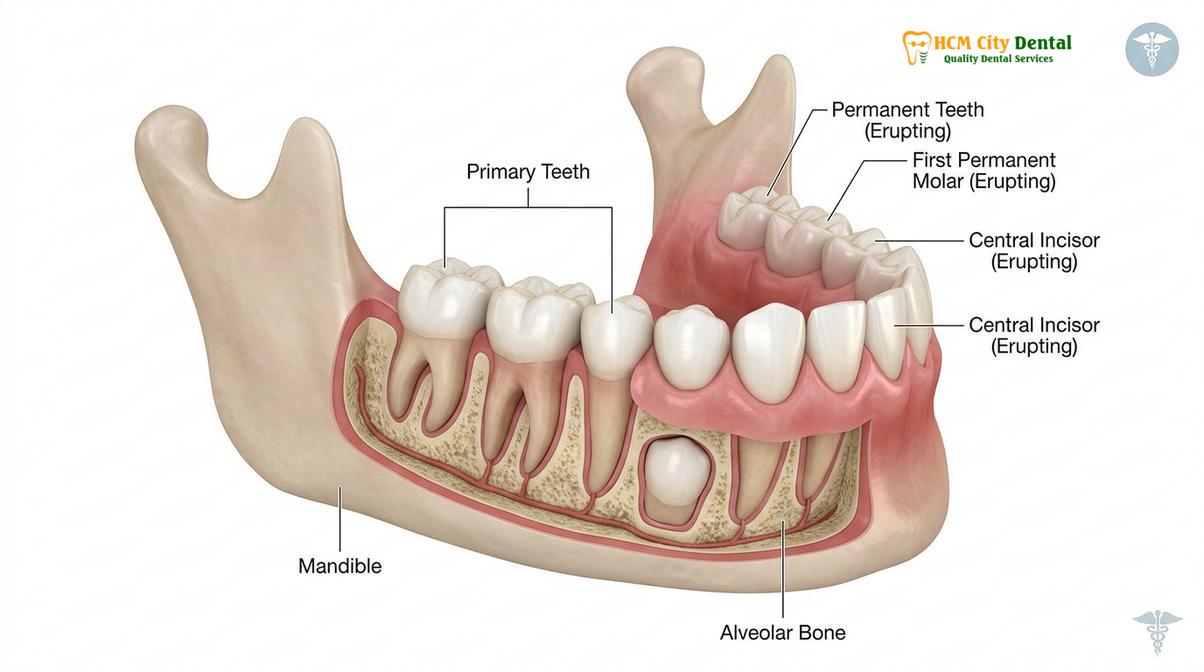
Additionally, parents should be observant of their child’s functional movements. Difficulty chewing or biting, frequent cheek biting, speech impediments (such as a lisp), and jaws that pop or click are all indicators of a misaligned bite. Protruding upper front teeth (severe overjet) are not only an aesthetic concern but also a significant trauma risk; children with protruding incisors are statistically much more likely to fracture or lose these teeth during sports or playground falls. Identifying these warning signs early empowers parents to seek timely intervention, safeguarding their child’s oral function and psychological well-being.
Interceptive Orthodontics: Fixing Problems Before They Worsen
Interceptive orthodontics, or Phase 1 treatment, utilizes specialized appliances to guide jaw growth, create space for erupting teeth, and correct severe bite issues before they require surgical intervention.
When a significant skeletal or dental discrepancy is identified during the initial evaluation, the orthodontist may recommend interceptive orthodontics pediatric treatment, commonly known as Phase 1 orthodontics. The philosophy behind Phase 1 is not to perfectly align all the teeth—as many permanent teeth have yet to erupt—but rather to correct the underlying skeletal environment. By addressing the foundation early, the orthodontist ensures that the remaining permanent teeth have a healthy, spacious, and well-aligned environment to erupt into.
Phase 1 treatment typically occurs between the ages of 7 and 10 and lasts anywhere from 9 to 18 months, depending on the severity of the case. One of the most common appliances used in this phase is the Rapid Palatal Expander (RPE). The RPE is a custom-made device attached to the upper molars that gently and gradually widens the two halves of the upper jaw. Because the midpalatal suture is still pliable in young children, the RPE stimulates new bone growth in the center of the palate, effectively increasing the width of the maxilla. This not only resolves posterior crossbites but also creates significant space to alleviate severe crowding, often eliminating the need for permanent tooth extractions later in life[3].
“The goal of interceptive orthodontics is to harness the child’s natural growth potential. By intervening during the mixed dentition phase, we can correct skeletal imbalances that would be nearly impossible to fix with braces alone once the patient reaches skeletal maturity.”
Another crucial aspect of Phase 1 is space management. If a child loses a primary tooth prematurely due to decay or trauma, the adjacent teeth will naturally drift into the empty space. This drifting blocks the pathway for the underlying permanent tooth, leading to impaction. To prevent this, orthodontists use space maintainers—such as a band and loop or a lower lingual holding arch—to hold the space open until the permanent tooth is ready to emerge.
For children with severe anterior-posterior discrepancies, such as a significant underbite (Class III malocclusion), early intervention is absolutely critical. Appliances like a reverse-pull facemask can be used to encourage the forward growth of the upper jaw while restricting the lower jaw. The biological window for modifying upper jaw growth closes very early, often by age 10 or 11, making the age 7 evaluation vital for these specific cases.
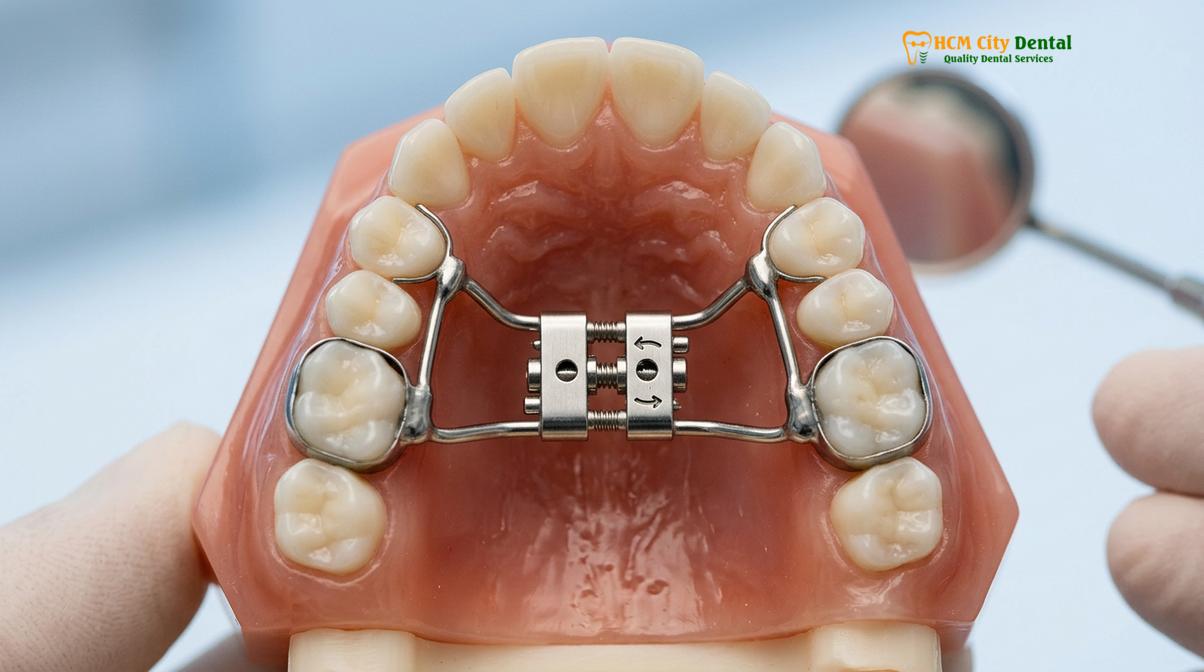
To understand the distinct goals of early intervention versus comprehensive care, it is helpful to compare Phase 1 and Phase 2 treatments:
| Clinical Parameter | Phase 1 (Interceptive Orthodontics) | Phase 2 (Comprehensive Orthodontics) |
|---|---|---|
| Target Age Group | 7 to 10 years old (Mixed Dentition) | 11 to 14+ years old (Permanent Dentition) |
| Primary Clinical Goal | Skeletal correction, jaw expansion, habit cessation, space creation. | Detailed tooth alignment, root paralleling, final bite settling, aesthetics. |
| Common Appliances | Palatal expanders, space maintainers, partial braces (2×4 setup), facemasks. | Full upper and lower braces, clear aligners, elastics, retainers. |
| Treatment Duration | 9 to 18 months, followed by a resting/observation period. | 12 to 24 months, followed by lifetime retention. |
| Biological Focus | Modifying active craniofacial bone growth and guiding tooth eruption. | Moving teeth through mature alveolar bone via periodontal ligament remodeling. |
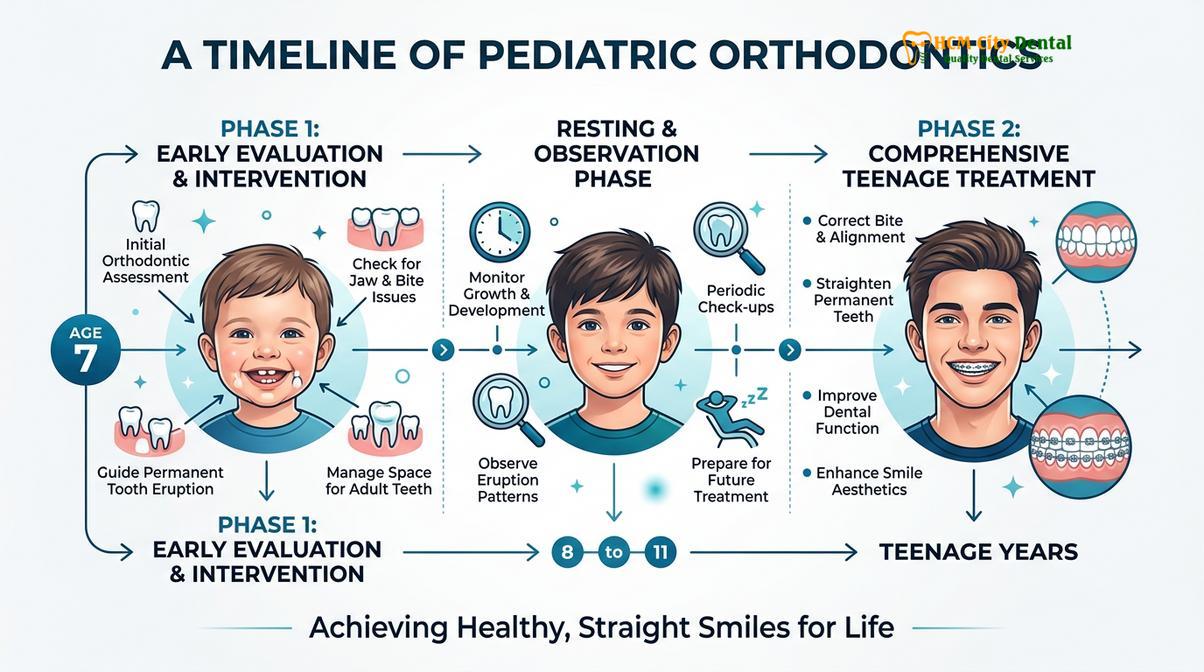
By successfully completing Phase 1 treatment, the complexity of Phase 2 is drastically reduced. In some highly successful interceptive cases, Phase 2 may only require a brief period of clear aligners or may even be deemed unnecessary if the permanent teeth erupt into perfect alignment. This two-phase approach represents the gold standard in proactive, biologically respectful pediatric dental care.
The Diagnostic Exam: iTero 3D Scans for Young Children in Saigon
Modern pediatric assessments utilize radiation-free iTero 3D scanning and digital panoramic imaging to create precise, comfortable, and highly accurate models of a child’s developing craniofacial structure.
The thought of a first orthodontic visit can sometimes cause anxiety for both the child and the parent. However, modern technological advancements have transformed the diagnostic exam into a comfortable, interactive, and entirely painless experience. When families seek a Saigon pediatric dentist assessment, they are often relieved to find that the days of gag-inducing, gooey impression materials are largely a thing of the past. Today’s clinical workflow relies heavily on digital precision and patient comfort.
A comprehensive initial evaluation begins with a thorough clinical examination of the extraoral and intraoral structures. The orthodontist will assess facial symmetry, profile convexity, lip competence, and the health of the temporomandibular joints. Inside the mouth, they will count the erupted teeth, evaluate the health of the gingival tissues, and analyze the functional bite. To see beneath the surface, digital radiography is employed. A panoramic X-ray is standard protocol; this single image captures the entire upper and lower jaws, revealing the position of all un-erupted permanent tooth buds, checking for missing teeth (hypodontia), extra teeth (supernumerary teeth), or abnormal pathology like cysts.
Clinical Case Study: Early Detection at HCMC Dental Clinic
A 7-year-old patient presented to HCMC Dental Clinic in Ho Chi Minh City for a routine AAO-recommended screening. While the child’s smile appeared relatively straight to the parents, Dr. Nguyen Van Cuong’s clinical exam and subsequent panoramic radiograph revealed a severe ectopic eruption path of the upper right permanent canine. The canine was angled directly toward the root of the permanent lateral incisor, threatening to resorb (dissolve) the incisor’s root. By utilizing a targeted Phase 1 approach—extracting the primary canine and placing a mild expansion appliance—Dr. Cuong successfully redirected the permanent canine’s eruption path, saving the lateral incisor and preventing the need for complex surgical exposure later in life.
The cornerstone of the modern diagnostic exam is the intraoral 3D scan. Utilizing advanced systems like the iTero scanner, the dental team captures thousands of optical images per second to construct a highly accurate, full-color 3D digital model of the child’s mouth. This process is completely radiation-free and takes only a few minutes. The wand is small enough to be comfortable for pediatric patients, and the child can watch their digital teeth appear on the screen in real-time, making the process engaging rather than intimidating[4].
This digital twin of the child’s mouth allows the orthodontist to perform precise space analyses, measuring the exact millimeter discrepancies between tooth size and arch length. Furthermore, these digital models are stored indefinitely in the cloud. When the child returns for their annual observation visits, the orthodontist can overlay the new scans onto the original scans, utilizing software to track microscopic changes in jaw growth and tooth movement over time. This data-driven approach ensures that if and when treatment is initiated, it is based on precise, longitudinal biological data rather than guesswork.
Establishing a Long-Term Dental Wellness Plan for Your Child
A comprehensive orthodontic wellness plan involves periodic monitoring of dental eruption patterns, guiding facial growth, and strategically timing Phase 2 braces or aligners for optimal results.
Orthodontic care for a child is rarely a single event; it is a long-term partnership between the family and the clinical team. Following the initial evaluation at age seven, the orthodontist will establish a customized dental wellness plan. If the child does not require immediate interceptive treatment, they will enter a “resting” or observation phase. During this period, the child will typically visit the clinic every 6 to 12 months. These complimentary observation visits are crucial for monitoring the kids braces timeline, ensuring that the primary teeth are exfoliating (falling out) on schedule and that the permanent teeth are erupting safely.
If a child does complete Phase 1 treatment, they will also enter a resting phase while waiting for the remaining permanent teeth to erupt. During this time, the child may wear a retainer to hold the skeletal corrections achieved during Phase 1. The transition from Phase 1 to Phase 2 requires careful timing. Phase 2 (comprehensive orthodontics) usually begins around age 11 to 13, once all or most of the permanent teeth, including the second molars, have erupted. The goal of Phase 2 is to finalize the alignment, parallel the roots, and settle the bite into a perfect, functional occlusion.
“The beauty of a well-planned two-phase approach is predictability. By managing the skeletal framework early, we remove the major roadblocks. When the child is ready for their final braces or aligners in their teenage years, the treatment is faster, more comfortable, and yields a far more stable long-term result.”
As the child approaches the end of their comprehensive treatment, the focus shifts to retention. The biological reality of orthodontics is that teeth have a natural tendency to shift back toward their original positions, a phenomenon known as mesial drift and relapse. Therefore, a robust retention strategy is a non-negotiable component of the long-term wellness plan. Patients will be fitted with custom retainers—either removable clear retainers, traditional Hawley retainers, or fixed lingual wires—to maintain their new smile.
Understanding the long-term commitment to retention is vital for parents. While the active phase of moving teeth ends, the passive phase of holding them lasts a lifetime. For families planning their long-term healthcare investments, it is helpful to understand the logistics of retainer maintenance. Should a retainer become damaged or lost, prompt replacement is necessary to prevent relapse. Clinics provide comprehensive support for these scenarios, whether it involves repairing a broken fixed retainer or replacing a lost retainer quickly using digital records. Furthermore, for expatriates or international patients residing in Vietnam, the cost-effectiveness of ongoing orthodontic care is a significant advantage. Families often find that retainer costs compared to Korea, retainer fabrication costs versus Japan, post-treatment retainer investments compared to Canada, or orthodontic retention expenses compared to New Zealand are highly favorable, allowing for premium, uninterrupted care without prohibitive expenses[5].
When to See a Doctor
While the standard recommendation is to schedule a routine evaluation by age seven, certain clinical scenarios require immediate evaluation by a pediatric dentist or orthodontist, regardless of the child’s age. Delaying care in these situations can lead to irreversible damage to the developing dentition or facial skeletal structure. You should seek prompt professional assessment if your child experiences any of the following red flags:
- Severe Facial Asymmetry: If you notice your child’s jaw shifting noticeably to one side when they open or close their mouth, or if their chin appears significantly off-center.
- Trauma to the Face or Mouth: Any impact that loosens, fractures, or knocks out a primary or permanent tooth requires immediate radiographic evaluation to assess damage to the underlying permanent tooth buds and alveolar bone.
- Difficulty Chewing or Swallowing: If your child consistently struggles to bite into food, complains of pain while chewing, or exhibits abnormal swallowing patterns (such as severe tongue thrusting).
- Chronic Mouth Breathing and Snoring: Persistent mouth breathing, especially accompanied by loud snoring or sleep apnea symptoms, indicates airway obstruction that can severely alter jaw growth and requires a multidisciplinary approach (Orthodontics and ENT).
- Premature Loss of Baby Teeth: If primary teeth are lost early due to deep decay or trauma, space maintainers may be urgently needed to prevent adjacent teeth from drifting and blocking permanent tooth eruption.
- Impacted or Ectopic Teeth: If a permanent tooth is visibly erupting in the wrong place (e.g., high in the gums or behind the existing teeth) and the primary tooth is not loosening.
Frequently Asked Questions
Does an early evaluation mean my child will get braces at age 7?
No, an early evaluation does not automatically mean your child will get braces at age seven. The primary goal of this initial assessment is observation and diagnosis. In most cases, the orthodontist will simply monitor your child’s dental development as their permanent teeth erupt. Immediate treatment is only recommended if there is a severe skeletal discrepancy, a crossbite causing jaw shifting, or a habit like thumb sucking that is actively damaging the developing oral structures.
What jaw problems can be fixed with early orthodontic care?
Early orthodontic care can effectively correct transverse discrepancies like narrow upper jaws, anterior crossbites (underbites), and severe overjets (protruding upper teeth). Because a child’s jawbones are still growing and the midpalatal suture has not yet fused, orthodontists can use appliances like palatal expanders to physically widen the maxilla. This skeletal modification is highly successful in young children but becomes significantly more difficult, often requiring surgery, once the patient reaches late adolescence or adulthood.
How do I prepare my child for their first braces assessment?
Prepare your child by explaining that the first braces assessment is a simple, pain-free visit focused on taking pictures and counting their teeth. Avoid using words like ‘shots,’ ‘drills,’ or ‘pain.’ Let them know the doctor will use a special camera to take a 3D video of their mouth. Maintaining a positive, relaxed attitude helps reduce any dental anxiety, ensuring the child feels comfortable and cooperative during the diagnostic imaging and clinical examination.
Can clear aligners be used for interceptive pediatric orthodontics?
Yes, clear aligners can be used for certain interceptive pediatric orthodontic cases, provided the child is compliant with wearing them. Modern aligner systems offer specific pediatric lines designed to accommodate erupting permanent teeth and guide jaw growth. However, for complex skeletal expansions or severe bite corrections, fixed appliances like traditional palatal expanders or partial braces may still be the preferred clinical choice to ensure predictable and continuous biomechanical forces.
How does thumb sucking affect my child’s jaw development?
Prolonged thumb sucking applies continuous, unnatural pressure to the developing palate and anterior teeth, often resulting in an open bite, a narrow upper jaw, and protruding front teeth. If the habit persists past the eruption of the permanent incisors, it can permanently alter the skeletal shape of the maxilla and restrict the forward growth of the lower jaw. Early orthodontic intervention can provide habit-breaking appliances to prevent long-term structural damage.
References
- American Association of Orthodontists (AAO). Clinical Practice Guidelines for Orthodontics and Dentofacial Orthopedics. (2021).
- Journal of Clinical Pediatric Dentistry. The impact of non-nutritive sucking habits on early childhood craniofacial development. (2020).
- American Journal of Orthodontics and Dentofacial Orthopedics. Efficacy of early interceptive treatment for Class III malocclusions. (2019).
- International Journal of Paediatric Dentistry. Digital intraoral scanning versus traditional impressions in pediatric patients: A comparative study. (2022).
- Journal of Dental Research. Long-term stability of early rapid maxillary expansion in mixed dentition. (2018).
For professional children’s dental care, preventive sealants, or to schedule a check-up, visit our Children & Pediatric Dentistry service page at HCMC Dental Clinic in Ho Chi Minh City.