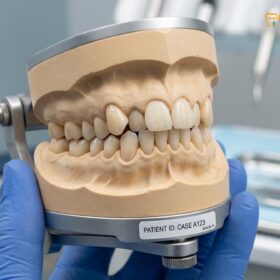
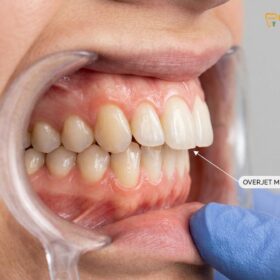
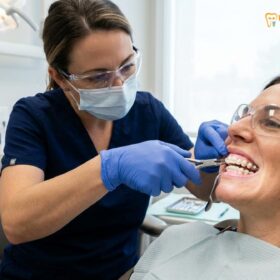
A broken fixed retainer repair in Vietnam involves safely removing compromised composite, evaluating the bonded wire, and rebonding it to prevent orthodontic relapse. Clinics in Ho Chi Minh City offer fast, cost-effective clinical solutions to restore your dental alignment and protect your long-term orthodontic investment.
Clinical Summary:
Repairing a broken fixed retainer requires immediate clinical attention to prevent teeth from shifting back to their pre-orthodontic positions. The procedure typically involves removing residual adhesive, preparing the enamel surface, and either rebonding the existing wire or fabricating a new custom wire. Seeking prompt care from an experienced orthodontist ensures long-term stability, protects periodontal health, and minimizes the risk of requiring complex retreatment.
Key Takeaways:
- Prompt repair prevents rapid orthodontic relapse and unwanted tooth movement.
- Minor debonding can often be fixed by reapplying composite resin in a single visit.
- Severe wire fractures require complete removal and fabrication of a new retention appliance.
- Costs in Vietnam are highly competitive, offering premium care at a fraction of Western prices.
- Maintaining excellent oral hygiene around the bonded wire extends its clinical lifespan.
The Clinical Anatomy of a Broken Fixed Retainer
A fixed retainer consists of a custom-adapted wire bonded to the lingual surfaces of anterior teeth using specialized dental composite. Understanding its structure helps identify when a repair is clinically necessary.
To fully comprehend the implications of a broken fixed retainer, one must first understand the intricate biomechanical design of the appliance itself. Following the completion of active Orthodontics, the teeth remain highly susceptible to relapse. The periodontal ligaments, which anchor the teeth to the surrounding alveolar bone, possess a “memory” and naturally attempt to pull the teeth back to their original, misaligned positions. To counteract this physiological force, orthodontists utilize a bonded retention system.
The core component of this system is the bonded retainer wire. Typically fabricated from multi-stranded stainless steel or dead-soft braided wire, this component is meticulously contoured to match the exact lingual (tongue-side) anatomy of the anterior teeth—usually spanning from canine to canine. The multi-stranded nature of the wire allows for microscopic physiological tooth movement during mastication (chewing) while preventing macroscopic shifting [1].
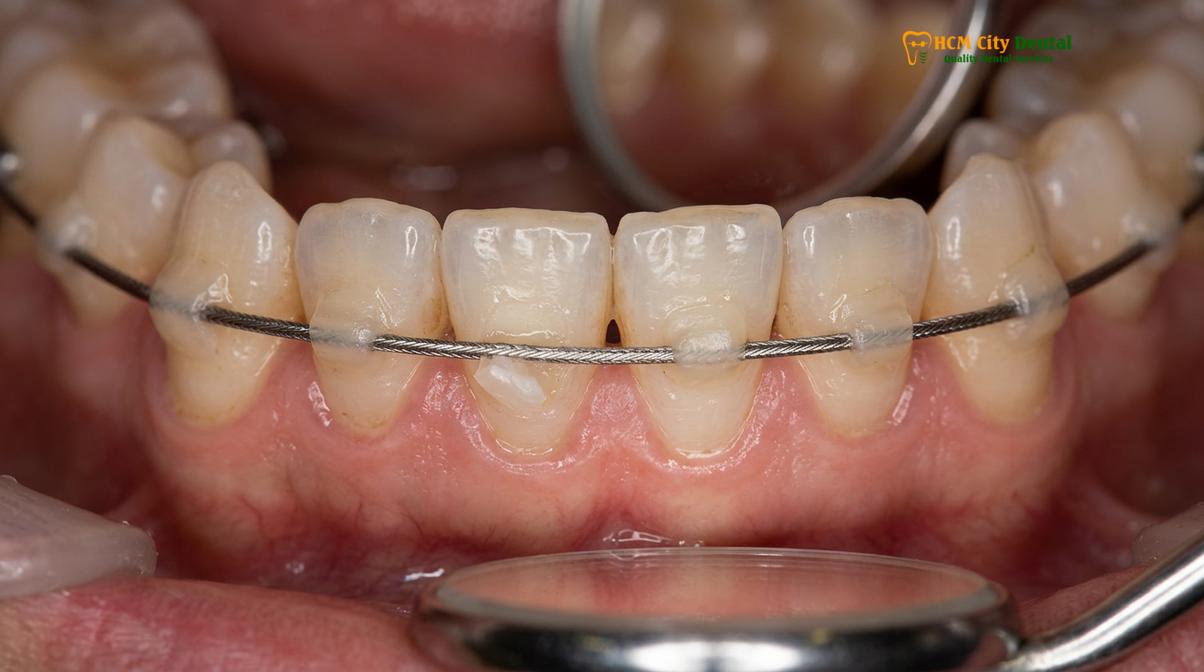
This wire is secured to the enamel using a highly specialized dental composite resin. The orthodontist applies small, precise pads of this composite over the wire on each individual tooth. These composite pads must be smooth to prevent tongue irritation and robust enough to withstand the daily shear forces of chewing and speaking. When a patient requires a permanent retainer repair, it is usually because one of these three elements—the wire, the composite pad, or the enamel-adhesive interface—has experienced a mechanical failure.
Understanding the anatomy of the failure is critical for the treating clinician. A failure at the enamel-adhesive interface often indicates moisture contamination during the initial bonding process or excessive occlusal forces. Conversely, a fracture within the wire itself usually points to metal fatigue over years of service. Identifying the exact nature of the breakdown allows the dentist to select the most appropriate restorative protocol.
Primary Causes of Bond Failure and Wire Fracture
Retainer damage typically stems from excessive occlusal forces, abrasive dietary habits, or the natural degradation of the composite bonding material over time.
Even with the most meticulous clinical application, fixed retainers are subjected to a harsh oral environment. The oral cavity is characterized by constant fluctuations in temperature, varying pH levels from dietary intake, and immense mechanical forces generated by the muscles of mastication. Over time, these factors can compromise the integrity of the retention appliance.
One of the most frequent culprits behind a broken fixed retainer is dietary trauma. Biting directly into hard, unyielding foods—such as ice cubes, hard candies, crusty baguettes, or un-pitted stone fruits—can generate localized shear forces that exceed the tensile strength of the composite resin. When this occurs, the composite pad may cleanly debond from the enamel, or it may fracture, leaving a rough edge that irritates the tongue [2].
“The longevity of a bonded retainer is a partnership between clinical precision and patient compliance. While we use advanced adhesives to secure the wire, the daily habits of the patient—particularly their dietary choices and oral hygiene routines—ultimately dictate the lifespan of the appliance.”
Another significant factor is bruxism, or chronic teeth grinding. Patients who clench or grind their teeth, particularly at night, place extraordinary stress on their anterior teeth. If the lower incisors strike the composite pads on the upper lingual retainer during these grinding episodes (occlusal interference), the repeated micro-trauma will inevitably lead to material fatigue and failure.
Furthermore, calculus (tartar) accumulation plays a subtle but destructive role. The braided nature of the bonded retainer wire makes it a highly retentive surface for dental plaque. If a patient does not utilize specialized flossing techniques (such as floss threaders or interdental brushes), plaque calcifies into calculus. As calculus builds up around the wire and composite pads, it can cause gingival inflammation and mechanically wedge the wire away from the tooth surface, precipitating a debonding event [3].
Step-by-Step Workflow for Permanent Retainer Repair
The repair process involves a precise clinical protocol to safely remove old adhesive, isolate the teeth, and bond the wire securely without damaging the underlying enamel.
When a patient presents to a clinic for a repair, the clinical workflow must be systematic and precise. The primary objective is not merely to reattach the wire, but to ensure that the new bond is durable, hygienic, and perfectly passive (meaning it does not exert active orthodontic forces that could move the teeth).

The procedure begins with a comprehensive clinical assessment. The dentist will use an explorer to gently test the integrity of every composite pad along the wire. Often, a patient may only notice one loose pad, but clinical examination may reveal micro-leakage or partial debonding on adjacent teeth. If the wire itself is frayed, kinked, or fractured, a complete replacement is mandatory. Rebonding a distorted wire will introduce unwanted active forces, causing the teeth to shift out of alignment.
If the wire is intact and only a single pad has failed, the dentist will proceed with a localized repair. The first step is the meticulous removal of the old composite resin. Using a specialized tungsten carbide finishing bur operating at low speeds, the dentist carefully polishes away the remnant adhesive. This step requires a highly tactile touch to ensure that all composite is removed without scratching or removing the natural enamel layer beneath it.
Once the enamel is clean, absolute moisture control is established. The presence of even microscopic amounts of saliva or crevicular fluid will catastrophically compromise the new bond. The dentist will use cotton rolls, dry angles, and high-volume suction to isolate the area. The enamel is then treated with a 37% phosphoric acid etching gel. This creates microscopic porosities in the enamel surface, increasing the surface area for mechanical retention [4].
Following the etching process, a bonding agent (primer) is applied and gently air-thinned. A small increment of flowable orthodontic composite is then placed over the wire, adapting it smoothly to the tooth surface. The dentist shapes the composite to ensure there are no ledges or overhangs that could trap plaque. Finally, a high-intensity dental curing light is used to polymerize (harden) the resin, instantly securing the wire in place.
Cost Analysis and Warranty for Retainer Repairs in Vietnam
Vietnam offers highly competitive pricing for orthodontic retention services, combining advanced materials with expert clinical care to deliver exceptional value.
For international patients and expatriates, the cost of dental care is often a primary consideration. Vietnam has rapidly emerged as a premier destination for dental tourism, offering world-class clinical standards at a fraction of the cost found in North America, Europe, or Australia. When seeking a dental clinic District 2 or an expat dentist Saigon, patients will find that the materials used—such as 3M composites and premium titanium or stainless steel wires—are identical to those used globally.
The cost of repairing a fixed retainer depends heavily on the extent of the damage. A simple rebonding of a single composite pad is a highly affordable procedure. However, if the entire wire has debonded, is lost, or is severely distorted, the clinician must take new digital impressions (or physical molds) and fabricate a completely new custom wire. This requires laboratory time and incurs a higher fee.

Below is a comparative overview of estimated costs for retainer services. For a broader perspective on international pricing, you can review our comprehensive Clinical Guide comparing costs between Vietnam and the USA, or explore our detailed breakdown of Prices compared to the UK.
| Type of Retainer Service | Clinical Description | Estimated Cost Range (Vietnam) |
|---|---|---|
| Single Pad Rebonding | Removal of old composite and rebonding of one loose attachment point on an existing, intact wire. | $20 – $40 USD |
| Multiple Pad Rebonding | Re-securing 2 to 3 loose pads while maintaining the original wire in its passive state. | $30 – $60 USD |
| Complete Wire Replacement (One Arch) | Removal of all old composite, taking new impressions, and bonding a brand-new custom wire. | $60 – $100 USD |
| Removable Backup Retainer (Essix) | Fabrication of a clear plastic overlay retainer to wear at night for added security. | $50 – $90 USD |
Reputable clinics in Ho Chi Minh City often provide a limited warranty on their bonding procedures. If a newly repaired pad debonds within a short timeframe (typically 30 to 90 days) without evidence of dietary trauma, the clinic will usually rebond it at no additional charge. This commitment to quality assurance provides peace of mind for patients investing in their long-term dental stability.
Case Study: Restoring Orthodontic Stability
Real-world clinical scenarios demonstrate the efficiency and effectiveness of prompt retainer repair in preserving a patient’s orthodontic results.
To illustrate the clinical workflow and patient experience, consider a recent case managed at HCMC Dental Clinic in Ho Chi Minh City. The patient, a 28-year-old expatriate, presented with a chief complaint of a sharp, poking sensation behind his lower front teeth. He had completed orthodontic treatment five years prior and had been wearing a bonded lingual retainer without issue until he accidentally bit into a hard piece of crackling pork.
Patient Profile: 28-year-old male, 5 years post-orthodontic treatment.
Chief Complaint: Fractured lingual wire between teeth #24 and #25, causing soft tissue irritation and slight mobility of the central incisor.
Clinical Findings: The multi-stranded wire had snapped completely. The composite pads on the adjacent teeth remained intact, but the loss of continuity in the wire meant the teeth were no longer splinted together. Mild gingival inflammation was noted due to plaque accumulation around the fracture site.
Treatment Rendered: Dr. Nguyen Van Cuong performed a comprehensive evaluation. Due to the complete fracture, rebonding was contraindicated. The remaining wire and composite were carefully removed using a carbide finishing bur. The enamel was polished, and a new dead-soft braided wire was custom-contoured to the lingual anatomy. The new wire was bonded using a moisture-tolerant orthodontic adhesive under strict isolation.
Outcome: The patient’s orthodontic stability was immediately restored. The smooth composite finish eliminated tongue irritation, and the patient was instructed on proper interdental cleaning techniques to prevent future calculus buildup.
This case highlights the importance of immediate intervention. Had the patient waited several weeks to address the broken wire, the lower incisors—which are notoriously prone to rapid relapse—would have shifted. Correcting that shift would have required the fabrication of active clear aligners, significantly increasing the cost and duration of treatment.
“I was worried that fixing my retainer would be a long, painful process, especially since I was far from my original orthodontist. The team at HCMC Dental Clinic was incredibly efficient. The old glue was polished off smoothly, and the new wire feels even more comfortable than my original one.”
The success of such cases relies heavily on the clinician’s ability to adapt the wire perfectly to the teeth. A wire that is not perfectly passive will act like a brace, actively pushing or pulling the teeth out of alignment. This is why retainer repair is a highly specialized skill that requires a deep understanding of orthodontic biomechanics [5].
When to See a Doctor (Orthodontic Emergency Guidelines)
While a broken retainer is rarely a life-threatening medical emergency, it is highly time-sensitive from an orthodontic perspective. Patients often wonder how quickly they need to seek professional care. The urgency depends entirely on the nature of the breakage and the symptoms experienced.

You should schedule an immediate appointment (within 24 to 48 hours) if you experience any of the following:
- Soft Tissue Laceration: If the wire has snapped and the sharp end is actively cutting into your tongue, gums, or the floor of your mouth, this requires urgent attention to prevent infection and severe discomfort.
- Visible Tooth Movement: If you notice that a tooth has already begun to rotate or shift out of alignment, time is of the essence. The longer you wait, the more difficult it will be to push the tooth back into place.
- Complete Appliance Failure: If the entire wire has come loose and is floating in your mouth, remove it carefully to avoid swallowing or aspirating it, and bring it with you to the clinic.
If the wire is intact but a single composite pad has chipped or come loose, you have slightly more leeway. However, you should still aim to have it repaired within one to two weeks. In the interim, if you possess a removable clear backup retainer (such as an Essix retainer), you should wear it full-time to hold the teeth in place until the fixed wire can be professionally rebonded.
For patients residing in or visiting Vietnam, establishing a relationship with a trusted provider like HCMC Dental Clinic in Ho Chi Minh City ensures that you have access to prompt, high-quality care should an orthodontic emergency arise. Dr. Nguyen Van Cuong and the clinical team are equipped to handle complex retention failures, utilizing advanced diagnostics and premium materials to safeguard your smile.
Frequently Asked Questions
How long does it take to repair a broken fixed retainer?
A standard permanent retainer repair typically takes 30 to 45 minutes in the dental chair. If the wire is completely fractured and requires a new custom fabrication, the appointment may extend to an hour to ensure precise adaptation and bonding.
The process involves removing the old composite, cleaning the enamel, isolating the teeth to prevent moisture contamination, and carefully light-curing the new adhesive. Because the procedure requires meticulous attention to detail to ensure the wire is perfectly passive, it cannot be rushed. However, it is a single-visit procedure, meaning you will leave the clinic with your retention fully restored.
Can I fix a broken retainer wire at home?
No, you should never attempt to repair a bonded retainer wire at home. Dental adhesives require professional isolation, acid etching, and light-curing; DIY attempts can permanently damage your enamel or lead to rapid orthodontic relapse.
Using household glues (like superglue) is highly toxic and completely ineffective in the wet environment of the mouth. Furthermore, if you attempt to push a bent wire back into place yourself, you may inadvertently apply active orthodontic forces to your teeth, causing them to shift rapidly out of alignment. Always seek professional clinical care for any retainer damage.
Will my teeth shift if my permanent retainer breaks?
Yes, teeth can begin shifting within a few days if a broken fixed retainer is left untreated. The risk of relapse is highest in the lower anterior teeth, making prompt clinical intervention essential to maintain your alignment.
The periodontal ligaments that hold your teeth in the bone are elastic and constantly try to pull the teeth back to their original, crooked positions. Without the rigid support of the bonded wire, this relapse can happen surprisingly fast. If you have a removable clear retainer, wearing it immediately can prevent this shifting until you can see a dentist.
Does repairing a fixed retainer hurt?
The repair process is virtually painless and does not require local anesthesia. You may feel slight pressure or vibration when the dentist uses a specialized bur to polish away the old composite resin from your enamel.
Because the procedure only involves the outermost layer of the tooth (the enamel) and does not approach the sensitive inner nerve (the pulp), there is no pain involved. The most uncomfortable part of the procedure is typically holding your mouth open and dealing with the dryness required for the bonding process. If the broken wire has caused a sore on your tongue, the dentist can provide a soothing topical gel.
How much does it cost to fix a retainer in Vietnam?
Repairing a fixed retainer in Vietnam generally ranges from $20 to $80 per arch, depending on the complexity. Rebonding a loose pad is highly affordable, while fabricating an entirely new wire sits at the higher end of the spectrum.
These costs are significantly lower than those in Western countries, yet the clinics utilize the exact same high-quality imported materials, such as 3M dental composites and premium orthodontic wires. During your initial consultation, the dentist will assess the damage and provide a transparent, itemized treatment plan before any clinical work begins.
References
- American Journal of Orthodontics and Dentofacial Orthopedics. Long-term stability of fixed lingual retainers. (2021).
- Journal of Clinical Orthodontics. Failure rates of bonded orthodontic retainers: A clinical review. (2020).
- European Journal of Orthodontics. Composite wear and debonding in permanent retention protocols. (2019).
- Angle Orthodontist. Periodontal health adjacent to fixed lingual retainers. (2022).
- Journal of Prosthetic Dentistry. Adhesion protocols for lingual wire bonding. (2018).