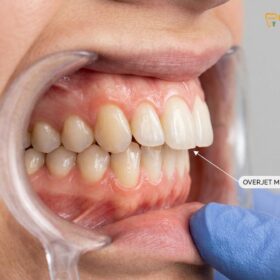
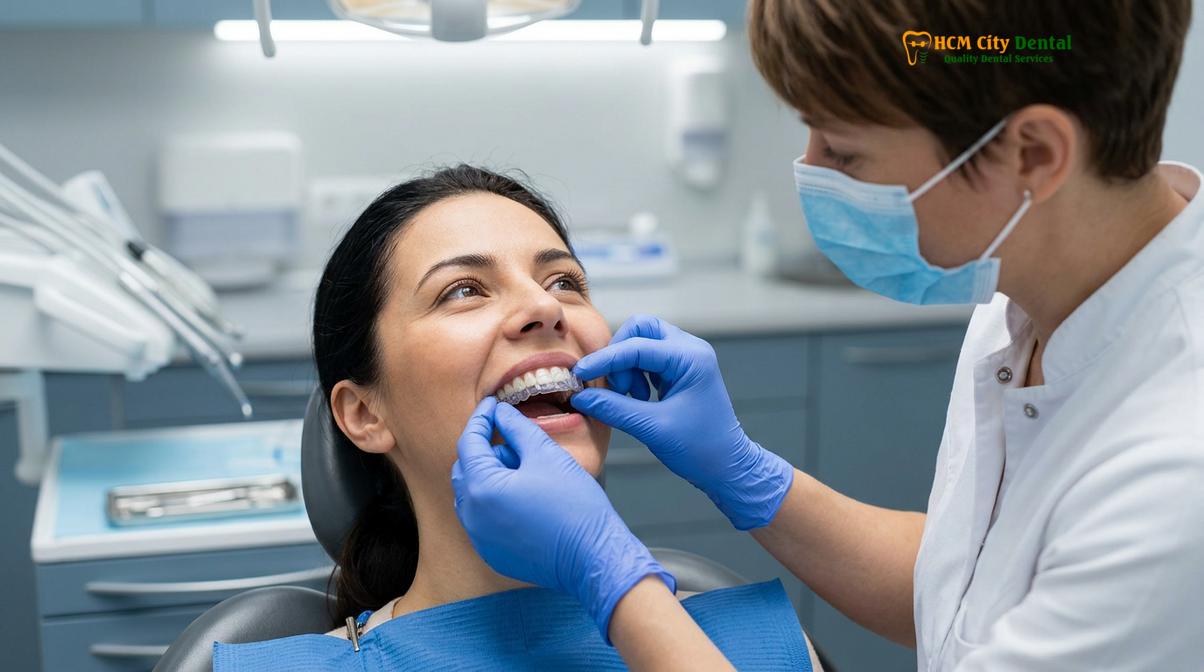
A retainer for adults is a custom-fitted orthodontic device designed to hold teeth in their correct alignment after braces or clear aligner therapy. Because teeth naturally shift throughout life, wearing a retainer is clinically essential to prevent relapse and maintain long-term bite stability.
Clinical Summary:
Orthodontic retention is a critical, lifelong phase of treatment, particularly for adult patients whose bone density and periodontal memory make them highly susceptible to orthodontic relapse. A retainer for adults functions by stabilizing the teeth while the surrounding alveolar bone and periodontal ligaments reorganize and solidify. Clinicians typically prescribe either removable devices—such as clear thermoplastic aligners (Essix) or traditional acrylic and wire models (Hawley)—or fixed lingual wires bonded directly to the teeth. Successful long-term outcomes depend entirely on strict adherence to prescribed wear schedules, meticulous oral hygiene, and routine clinical monitoring to ensure the structural integrity of the bite remains uncompromised.
Key Takeaways:
- Adult teeth are biologically predisposed to shifting due to natural aging and periodontal memory.
- Retention is a lifelong commitment; stopping retainer wear will inevitably lead to some degree of relapse.
- Clear plastic, Hawley wire, and bonded permanent retainers each offer distinct clinical advantages.
- Initial post-treatment protocols usually require 24/7 wear before transitioning to nighttime-only use.
- Proper daily cleaning and safe storage are mandatory to prevent bacterial buildup and device deformation.
The Clinical Necessity of a Retainer for Adults
Adult teeth are highly susceptible to shifting due to natural aging, periodontal changes, and the elastic memory of gingival fibers. A retainer prevents this relapse, ensuring the longevity of orthodontic corrections.
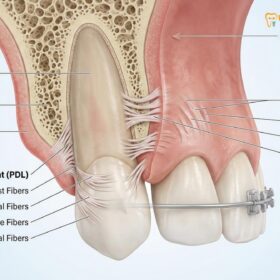
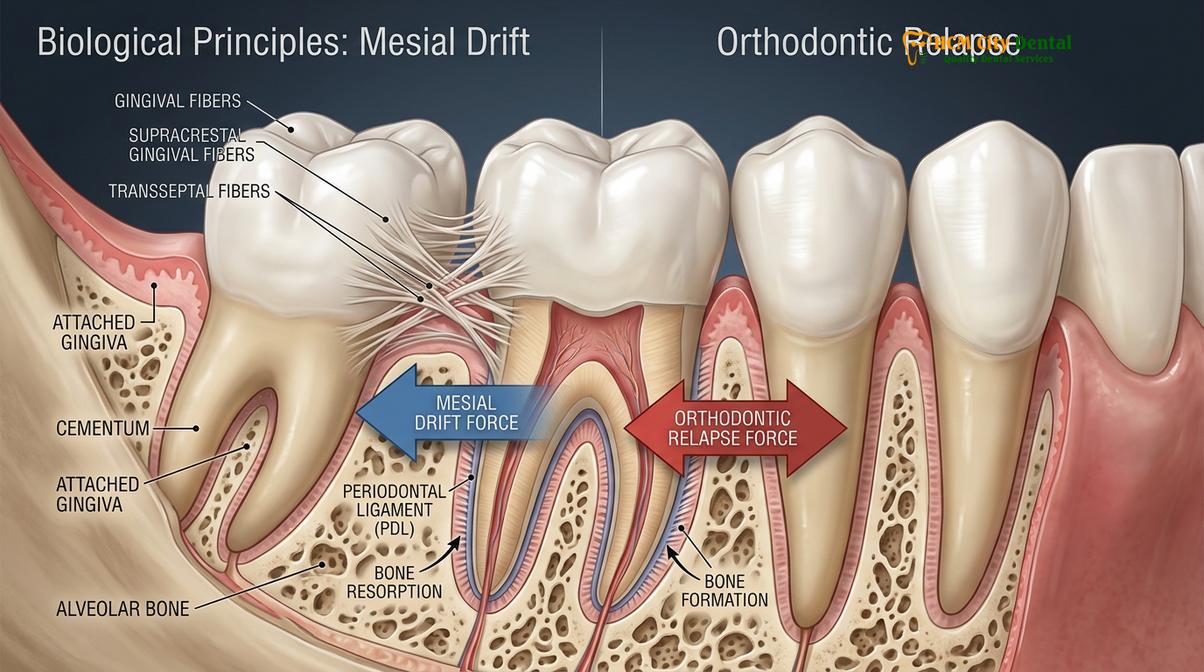
The completion of active orthodontic treatment—whether through traditional brackets or clear aligners—marks the beginning of an equally important phase: retention. For adult patients, the biological mechanisms governing tooth movement do not simply halt once the braces are removed. The teeth are held in place by a complex network of periodontal ligaments (PDL) and alveolar bone. During active treatment, osteoclasts break down bone in the direction of tooth movement, while osteoblasts build new bone behind it. When the active force is removed, the newly formed bone is still relatively immature and uncalcified [1].
Furthermore, the supracrestal gingival fibers—the elastic connective tissues that attach the gums to the necks of the teeth—have a strong “memory.” These fibers are stretched and twisted during orthodontic rotation and translation. Unlike bone, which remodels relatively quickly, these elastic fibers can take up to nearly a year to fully reorganize and adapt to the new tooth positions [2]. Without the physical barrier provided by a adult retainer, these fibers will contract, pulling the teeth back toward their original, misaligned positions—a phenomenon clinically known as orthodontic relapse.
In addition to post-treatment relapse, adults face the natural physiological process of mesial drift. Mesial drift is the natural tendency of teeth to slowly migrate forward toward the midline of the mouth over decades. This process is exacerbated by natural enamel wear, changes in jawbone density, and the continuous forces exerted by chewing and facial musculature. Therefore, adult teeth shifting is an inevitable biological reality, not merely a consequence of poor orthodontic work. A custom orthodontic retainer acts as a mechanical splint, counteracting both the immediate elastic recoil of the gums and the long-term physiological drift of the dentition.
Types of Adult Retainers: Fixed vs. Removable
Orthodontists typically prescribe three main types of retainers for adults: clear plastic aligner-style retainers, traditional wire Hawley retainers, and bonded permanent lingual wires.
Selecting the appropriate retention protocol requires a comprehensive evaluation of the patient’s initial malocclusion, oral hygiene capabilities, and lifestyle. There is no single “best” retainer; rather, the choice is highly individualized based on clinical diagnostics. The three primary modalities utilized in modern Orthodontics include clear thermoplastic retainers, traditional Hawley retainers, and fixed lingual retainers.
Clear Plastic Retainers (Essix / Vivera)
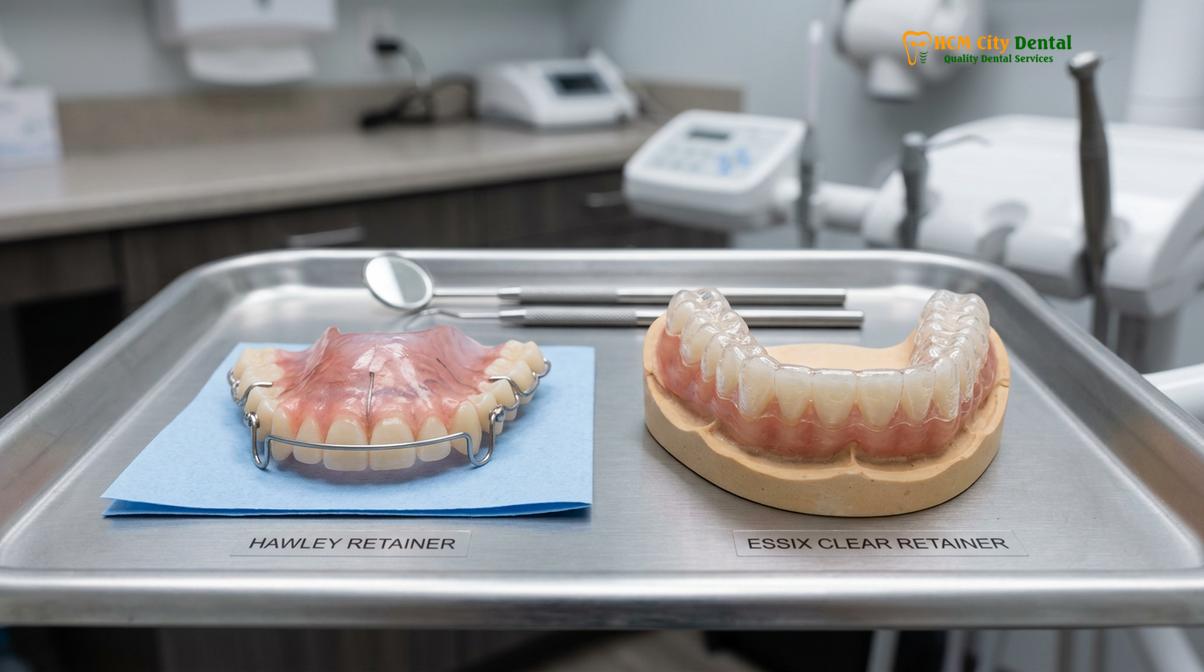
Clear retainers are vacuum-formed or thermoformed from medical-grade plastics, such as copolyester or polyurethane. They fit snugly over the entire arch of teeth, providing excellent aesthetic appeal and precise control over tooth position. Because they encapsulate the clinical crown of the teeth, they are highly effective at maintaining the exact alignment achieved at the end of treatment [3]. Their near-invisibility encourages excellent post braces compliance among adult professionals who prefer a discreet retention method. However, they prevent the upper and lower teeth from naturally touching (occluding), which can sometimes interfere with the micro-settling of the bite. They also require replacement every few years due to material fatigue and bruxism (teeth grinding).
Hawley Wire Retainers
The Hawley retainer is the traditional standard in orthodontics. It consists of an acrylic base that rests against the palate (roof of the mouth) or along the lingual (tongue) side of the lower teeth, combined with a stainless steel labial bow that wraps around the front of the teeth. The primary clinical advantage of a Hawley retainer is its durability and adjustability. If a patient experiences minor relapse, the orthodontist can adjust the wire loops to actively nudge the teeth back into place. Furthermore, because the biting surfaces of the teeth are left uncovered, the upper and lower teeth can naturally settle into a more stable interdigitation. Sometimes, a modified Hawley is even used as a retainer without braces to close very minor gaps without requiring full orthodontic intervention.
Fixed Permanent Retainers (Lingual Wire)
A fixed retainer consists of a custom-contoured, multi-stranded stainless steel or gold wire bonded directly to the lingual (tongue-facing) surfaces of the anterior teeth—typically the lower six front teeth (canine to canine). The primary benefit of a fixed retainer is that it eliminates the variable of patient compliance; it works 24/7 without requiring the patient to remember to wear it. This is particularly crucial for adults who presented with severe lower incisor crowding or large diastemas (gaps) prior to treatment. However, fixed retainers demand meticulous oral hygiene. Patients must use floss threaders or interdental brushes to clean beneath the wire, as the area is highly prone to calculus (tartar) accumulation and subsequent periodontal inflammation [4].
| Retainer Type | Primary Clinical Advantage | Primary Clinical Disadvantage | Average Lifespan |
|---|---|---|---|
| Clear Plastic (Essix) | Highly aesthetic, precise full-arch coverage | Prone to wear, prevents natural bite settling | 1 to 3 years |
| Hawley (Wire & Acrylic) | Extremely durable, allows bite settling, adjustable | Visible metal wire, bulkier in the mouth | 5 to 10+ years |
| Fixed (Bonded Lingual) | Zero compliance required, continuous retention | Requires specialized flossing, risk of calculus buildup | 3 to 10+ years (requires monitoring) |
Post-Braces Compliance and Wear Schedules
Strict adherence to a prescribed wear schedule is critical during the first year post-treatment, transitioning to lifetime nighttime wear to guarantee structural stability.
The success of any removable retention protocol relies entirely on patient compliance. The biological instability of the periodontium immediately following the removal of orthodontic appliances necessitates a rigorous wear schedule. While specific protocols vary based on the complexity of the initial malocclusion, a standard clinical guideline requires adults to wear their removable retainers full-time (20 to 22 hours per day) for the first three to six months. During this critical window, the retainer should only be removed for eating, drinking anything other than plain water, and performing oral hygiene.
After the initial full-time wear period, the orthodontist will evaluate the stability of the dentition. If the teeth exhibit no signs of mobility and the bite is stable, the patient is typically transitioned to a nighttime-only wear schedule. It is a common misconception among adults that retainers are only needed for a few years. In reality, retention is a lifelong commitment. To combat the natural physiological changes associated with aging, adults must continue to wear their retainers at night indefinitely.
“The most common reason we see adult patients returning for a second round of orthodontic treatment is a lapse in retainer wear. The biological forces that cause teeth to shift never truly sleep, which is why your retention strategy must be a lifelong habit.”
— Dr. Nguyen Van Cuong, Lead Orthodontist
Clinical Warning: The Consequences of Non-Compliance
Failing to wear your retainer as prescribed will lead to orthodontic relapse. Initially, the retainer will feel uncomfortably tight when inserted. If left unworn for extended periods, the teeth will shift to the point where the retainer no longer fits at all. At this stage, a new retainer cannot reverse the movement, and active orthodontic retreatment (braces or aligners) will be required to restore the alignment.
Can You Get a Retainer Without Braces?
Yes, adults can receive a retainer without undergoing full orthodontic treatment to prevent further natural shifting, protect against bruxism, or correct very minor misalignments.
While retainers are predominantly used as a post-treatment stabilization tool, there are specific clinical scenarios where an adult might be prescribed a retainer without ever having worn braces. One common application is for the prevention of further natural shifting. If an adult patient notices slight crowding developing in their lower front teeth but does not wish to undergo comprehensive orthodontic therapy, a custom-fitted clear retainer can be fabricated to “freeze” the teeth in their current position, preventing the crowding from worsening over time.
Additionally, specialized active retainers, such as spring retainers, can be designed to achieve minor tooth movements. These devices incorporate small acrylic extensions and wire springs that apply light, continuous pressure to slightly rotated or displaced incisors. While they cannot correct severe malocclusions or bite discrepancies, they are an effective, minimally invasive option for correcting very mild relapse or minor aesthetic concerns [5].
Furthermore, dual-purpose retainers are frequently utilized for adults who suffer from bruxism (teeth grinding). A thicker, more robust thermoplastic material can be used to fabricate a device that serves both as an orthodontic retainer to maintain alignment and as an occlusal splint (night guard) to protect the enamel from the destructive forces of grinding.
Clinical Workflows and Customization at HCMC Dental Clinic
Modern dental clinics utilize digital intraoral scanning and 3D printing to fabricate highly precise, comfortable retainers tailored to the unique dental anatomy of each adult patient.
The fabrication of a custom orthodontic retainer has evolved significantly with the advent of digital dentistry. At advanced facilities like HCMC Dental Clinic in Ho Chi Minh City, the traditional, uncomfortable alginate putty impressions have been largely replaced by high-resolution digital intraoral scanners. These scanners capture thousands of images per second, creating a highly accurate 3D topographical map of the patient’s teeth and gingival margins.
This digital file is then processed using specialized CAD (Computer-Aided Design) software. For clear retainers, the digital model is 3D printed using biocompatible resins. A thermoplastic sheet is then heated and vacuum-formed over the 3D-printed model, ensuring a microscopic level of precision that maximizes both retention force and patient comfort. The edges are meticulously trimmed and polished to prevent any irritation to the delicate mucosal tissues of the gums and cheeks. For patients inquiring about the Orthodontic Retainer Price Ho Chi Minh City, the investment in digital precision ensures a longer-lasting, better-fitting appliance that protects the substantial investment made in the initial orthodontic treatment.
Clinical Case Review: Adult Retention Management
A 34-year-old patient visited HCMC Dental Clinic in Ho Chi Minh City presenting with mild lower incisor crowding that had developed a decade after teenage braces. The patient had lost their original Hawley retainer in college. Instead of full retreatment, the clinical team utilized a digital intraoral scan to design a series of three active clear aligners to gently resolve the mild crowding over six weeks. Following the correction, a fixed lingual wire was bonded to the lower anterior teeth, supplemented by a heavy-duty clear Essix retainer for nighttime wear, ensuring dual-layer protection against future relapse.
When to See a Doctor (Orthodontist)
While wearing a retainer is largely a self-managed process, routine clinical oversight is mandatory to ensure the ongoing health of the periodontium and the integrity of the appliance. Adult patients should schedule an orthodontic review at least once a year, or immediately if they encounter specific clinical issues.
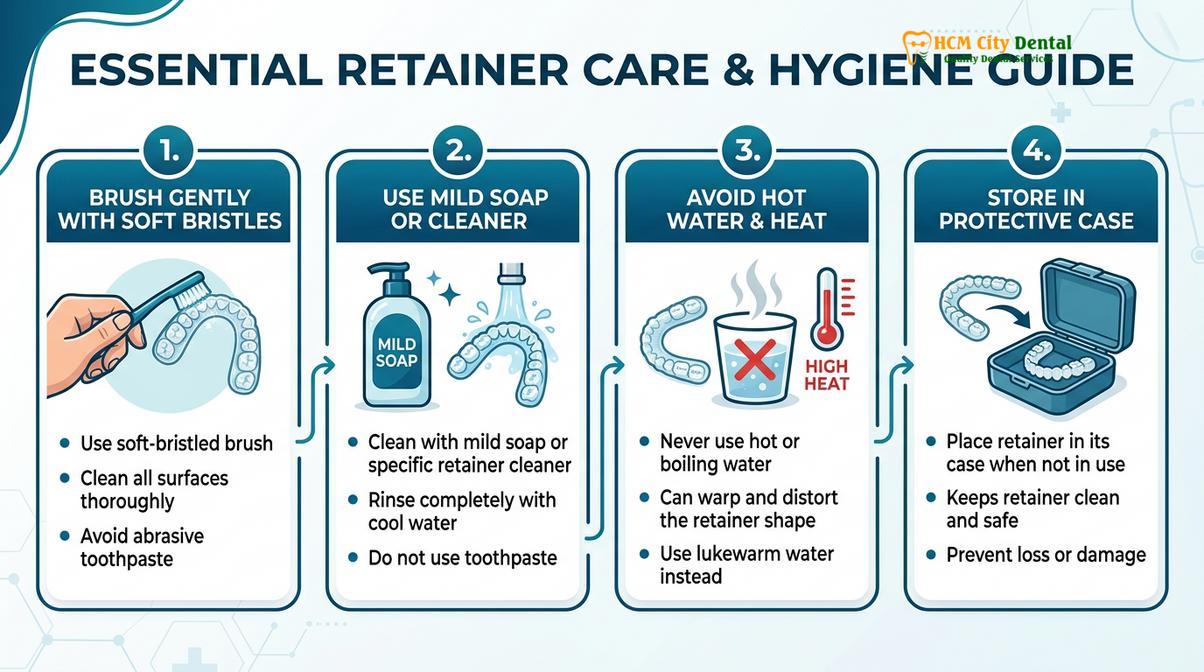
You should seek prompt clinical attention if your removable retainer becomes cracked, warped, or lost. Thermoplastic materials degrade over time and can warp if exposed to hot water or left in a hot vehicle. A warped retainer will not only fail to hold your teeth in place but can actively apply incorrect forces, causing unwanted tooth movement. Similarly, if your retainer suddenly feels excruciatingly tight, it is a clear diagnostic indicator that your teeth have shifted significantly, and professional evaluation is required to determine if the current retainer is still viable.
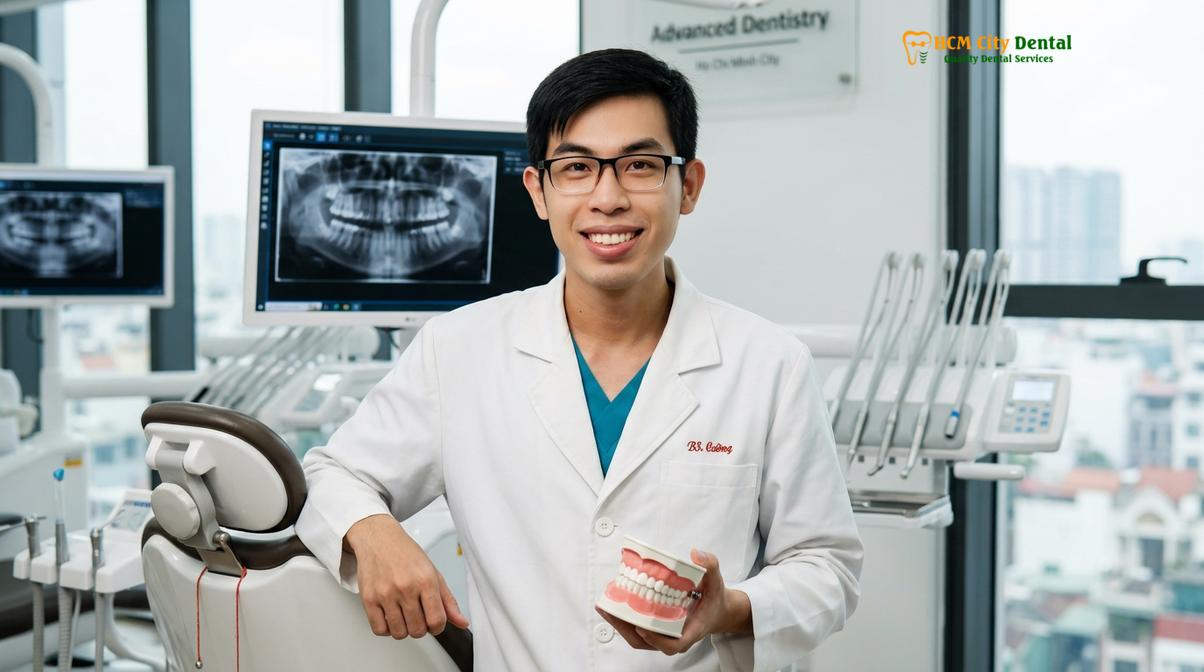
For patients with fixed lingual retainers, immediate dental attention is required if the bonding composite chips or if the wire breaks. A partially debonded fixed retainer is particularly dangerous; the attached portion will hold some teeth in place while the detached portion allows adjacent teeth to drift, creating severe localized crowding or spacing. Additionally, if you notice excessive calculus buildup, bleeding gums, or persistent bad breath around the fixed wire, you must see a hygienist or dentist for professional scaling to prevent periodontal disease.
“Never attempt to adjust a wire retainer yourself or force a clear retainer onto teeth that have severely shifted. Applying uncontrolled forces to the teeth can cause irreversible damage to the tooth roots and surrounding bone. Always seek professional clinical adjustments.”
— Dr. Nguyen Van Cuong, Lead Orthodontist
If you are experiencing issues with your current retention device, or if you are an adult noticing unwanted shifting of your teeth, we encourage you to explore our advanced orthodontic retention protocols and schedule a comprehensive diagnostic consultation with our specialized team.
Frequently Asked Questions
How long do adults need to wear a retainer after braces?
Adults must wear a retainer for life to prevent natural tooth shifting. Initially, full-time wear is required for several months, followed by indefinite nighttime wear to maintain proper alignment. Because the biological forces that cause teeth to move never cease, abandoning your retainer will inevitably lead to orthodontic relapse over time.
Can a retainer fix slightly shifted teeth without braces?
Yes, a specialized active retainer can correct very minor misalignments. However, it is only effective for slight shifting and cannot replace comprehensive orthodontic treatment for moderate to severe crowding. Spring retainers or a short sequence of clear aligners are typically utilized by orthodontists to address these minor aesthetic relapses.
How do I clean my clear plastic retainer properly?
Clean your clear retainer daily using a soft toothbrush and mild antibacterial soap or specialized retainer cleaner. Avoid hot water and harsh toothpaste, as they can warp or scratch the thermoplastic material. Scratches create micro-abrasions where harmful bacteria and plaque can accumulate, leading to bad odors and potential oral health issues.
Is a permanent fixed retainer better than a removable one?
Neither is universally better; they serve different clinical needs. Fixed retainers offer continuous retention without relying on patient memory, while removable retainers allow for easier flossing and comprehensive oral hygiene. Many orthodontists recommend a dual approach: a fixed wire on the lower teeth combined with a removable clear retainer for the upper teeth.
What should I do if my adult retainer feels too tight?
If your retainer feels excessively tight, your teeth have likely begun to shift. Wear it continuously for a few days to see if it gently realigns them; if pain persists, consult your orthodontist immediately. Do not force a retainer that simply will not seat fully, as this can damage the roots of your teeth.
References
- American Journal of Orthodontics and Dentofacial Orthopedics. Relapse rates and retention protocols in adult orthodontics. (2019).
- Journal of Clinical Orthodontics. Periodontal tissue remodeling and long-term stability. (2020).
- European Journal of Orthodontics. Comparative clinical trial of Essix versus Hawley retainers. (2021).
- Journal of Prosthodontic Research. Thermoplastic materials in modern orthodontic retention. (2022).
- Australian Dental Journal. Patient compliance and periodontal health with fixed lingual retainers. (2018).