Orthodontic follow-up in Vietnam offers seamless continuity of care for expats and travelers. Whether you need routine bracket adjustments, wire changes, or a retainer check, specialized clinics in Ho Chi Minh City provide international-standard orthodontic management to ensure your treatment progresses safely and effectively.
Clinical Summary:
Managing orthodontic treatment across borders requires precise clinical coordination and a thorough understanding of biomechanical systems. Orthodontic follow-up in Vietnam involves comprehensive diagnostic imaging, targeted biomechanical adjustments, and rigorous periodontal monitoring. For patients transferring mid-treatment or requiring post-braces retention supervision, specialized dental centers utilize standardized bracket prescriptions and advanced digital aligner protocols. This ensures treatment continuity, mitigates the risk of occlusal relapse, and maintains optimal periodontal health throughout the active and retention phases of orthodontic care.
Key Takeaways:
- Transferring orthodontic care requires comprehensive dental records, including recent cephalometric radiographs and a clinical handover letter.
- Routine adjustments typically occur every 4 to 8 weeks, depending on the specific appliance system and the biological response of the periodontal tissues.
- Post-treatment retention checks are critical to monitor periodontal health, verify appliance integrity, and prevent occlusal relapse.
- International clinics in Ho Chi Minh City support major global bracket prescriptions (Roth, MBT) and leading clear aligner brands.
- Immediate clinical intervention is necessary for broken appliances, debonded brackets, or lost retainers to avoid treatment regression and soft tissue trauma.
The Clinical Importance of Orthodontic Follow-Up
Regular orthodontic monitoring is essential to control biomechanical forces, assess periodontal tissue response, and ensure teeth move safely according to the prescribed treatment plan.
Orthodontic treatment is a complex biological process that relies on the precise application of sustained mechanical forces to induce bone remodeling. When a patient initiates treatment, whether through traditional fixed appliances or clear aligners, the journey does not end with the initial placement. The core of successful Orthodontics at HCMC Dental Clinic lies in the meticulous, ongoing clinical management of these forces. Without regular professional oversight, the applied forces can dissipate, become misdirected, or cause adverse biological responses such as root resorption or periodontal attachment loss[1].
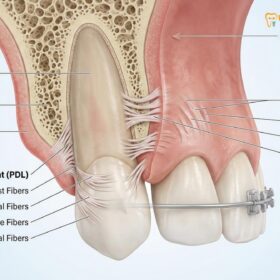
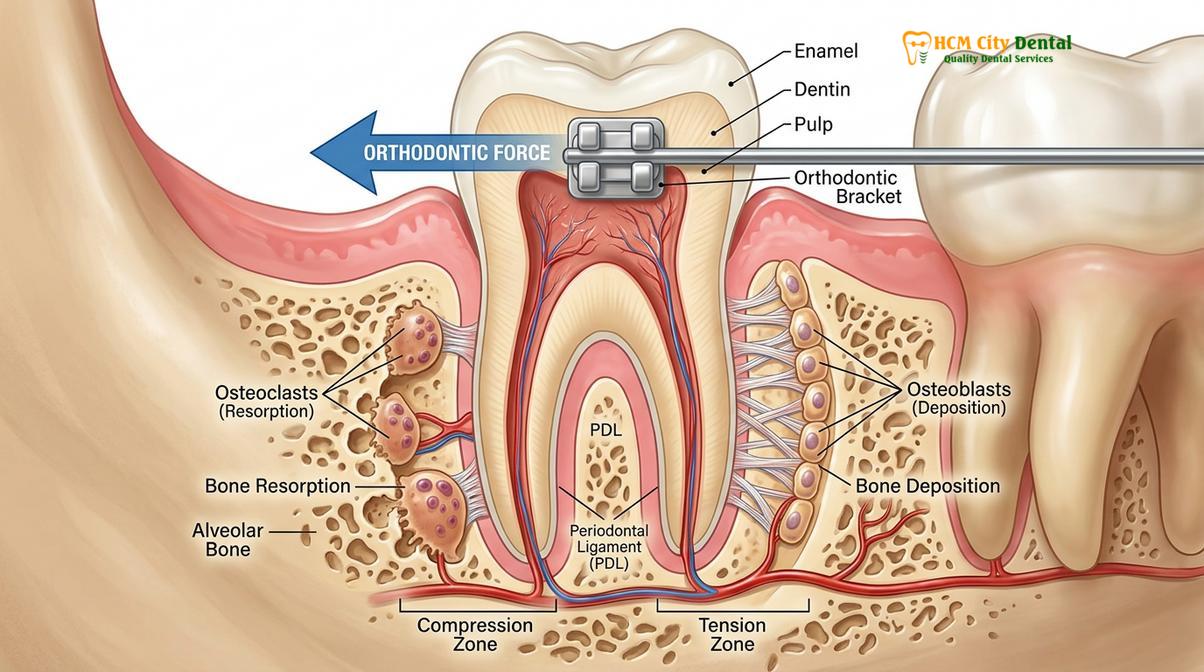
During a standard follow-up appointment, the clinician evaluates the current position of the teeth relative to the projected treatment goals. This involves assessing the three-dimensional spatial orientation of each tooth: tip (mesiodistal angulation), torque (buccolingual inclination), and rotation. The periodontal ligament (PDL), a highly vascularized and cellular connective tissue situated between the tooth root and the alveolar bone, mediates this movement. When force is applied, the PDL undergoes compression on one side (leading to osteoclastic bone resorption) and tension on the other (leading to osteoblastic bone deposition)[1]. Regular follow-ups ensure that these forces remain within the optimal physiological range, preventing localized ischemia or hyalinization of the PDL, which can temporarily halt tooth movement.
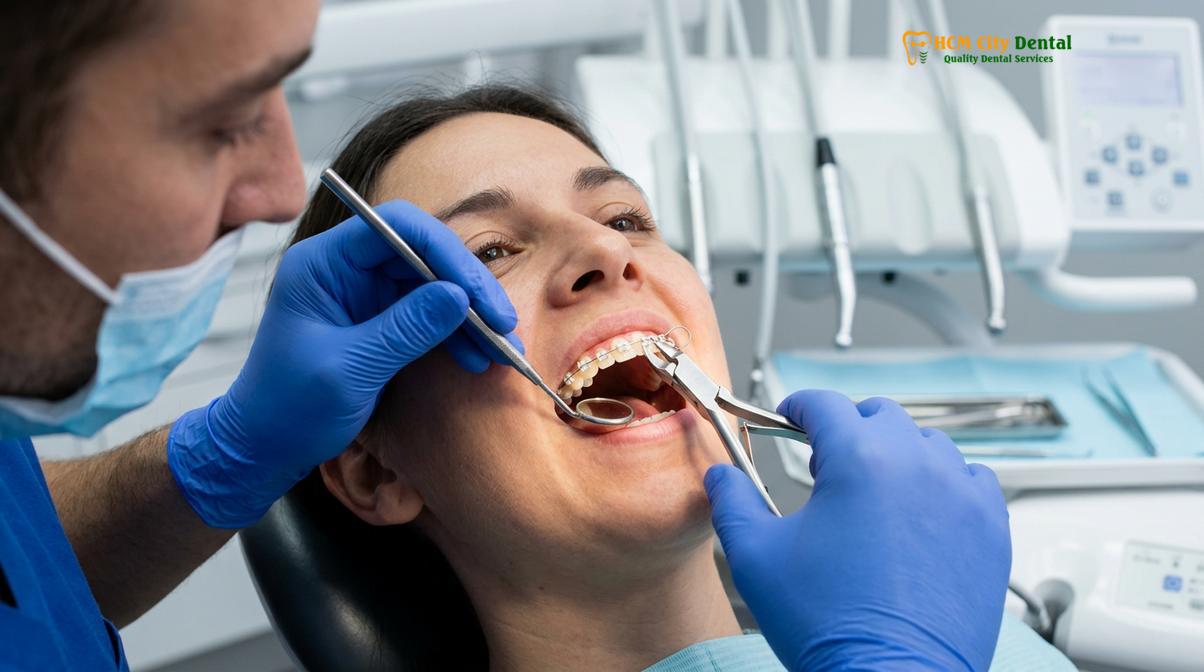
Furthermore, orthodontic appliances inherently create plaque retentive areas. A critical component of any follow-up visit is the assessment of the patient’s oral hygiene and periodontal status. The accumulation of dental biofilm around brackets, bands, and archwires can rapidly lead to enamel demineralization (white spot lesions) and gingival inflammation (gingivitis or even periodontitis). By maintaining a strict schedule of clinical reviews, the dental team can provide targeted hygiene instruction, perform professional prophylaxis when necessary, and intercept early signs of hard or soft tissue pathology before they compromise the overall treatment outcome.
How to Continue Braces Treatment Abroad in Vietnam
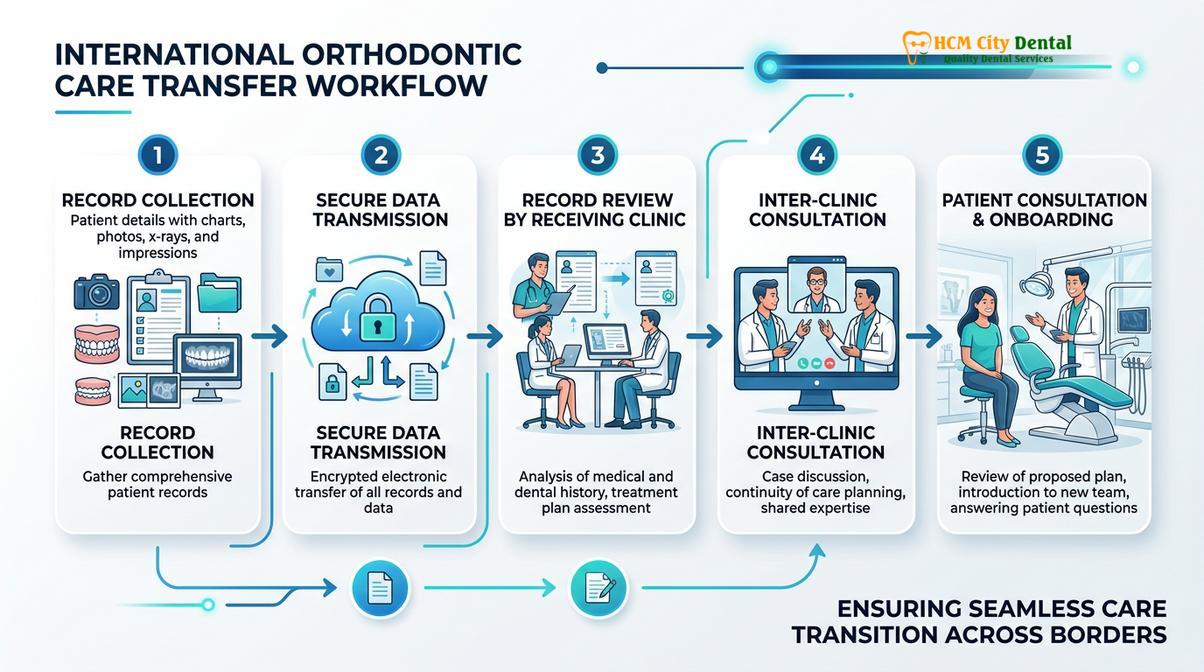
Transferring orthodontic care requires a formal clinical handover, including diagnostic records and a detailed treatment history, to ensure seamless biomechanical continuity.
For expatriates, digital nomads, or students relocating internationally, the need to continue braces treatment abroad is a common clinical scenario. Vietnam, particularly its major urban centers, has emerged as a reliable destination for high-quality dental care. However, transferring mid-treatment requires careful planning and clear communication between the originating orthodontist and the receiving clinician. The primary objective is to transition the patient without losing clinical momentum or compromising the established biomechanical strategy.
Following the general recommendations of the Vietnam Odonto-Stomatology Association (VOSA) for continuity of care, transferring patients must provide comprehensive diagnostic records to ensure safe biomechanical transitions. A complete transfer dossier should ideally include:
- Initial Diagnostic Records: Pre-treatment panoramic (OPG) and lateral cephalometric radiographs, intraoral and extraoral photographs, and digital or physical study models.
- Progress Records: Any updated radiographs or scans taken during the course of treatment.
- Treatment Summary Letter: A detailed document outlining the initial diagnosis, the specific treatment plan (e.g., extraction vs. non-extraction), the type and prescription of the brackets used (e.g., Roth, MBT, Edgewise, slot size 0.018″ or 0.022″), the current archwire sequence, and the estimated remaining treatment time[2].
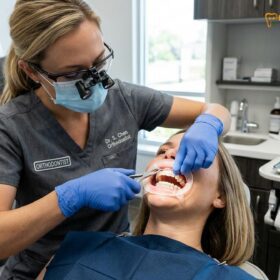
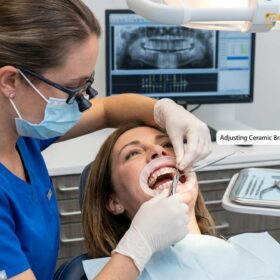
When seeking an expat orthodontist in Ho Chi Minh City, it is crucial to select a provider who is experienced in handling transfer cases. At HCMC Dental Clinic, the clinical team routinely manages international transfers. Upon arrival, a comprehensive evaluation is conducted to verify the integrity of the existing appliances and assess the current occlusal relationship. If the existing bracket system is compatible with the clinic’s inventory, treatment can often proceed seamlessly. In cases where proprietary or highly uncommon systems were used, the clinician may recommend a partial or complete rebonding of the brackets to ensure predictable force application moving forward.
| Treatment Modality | Transfer Requirements | Clinical Considerations in Vietnam |
|---|---|---|
| Traditional Metal/Ceramic Braces | Treatment letter, bracket prescription details, recent radiographs. | High compatibility with standard Roth/MBT systems. May require wire adaptation or bracket replacement if the original system is proprietary. |
| Clear Aligners (e.g., Invisalign) | Patient ID number, digital treatment plan transfer request. | Seamless transfer if the receiving clinic is a certified provider of the specific aligner brand. Requires formal case transfer via the manufacturer’s portal. |
| Lingual Braces | Detailed laboratory setup, specific wire sequence history. | Requires a highly specialized clinician. Transfer may be more complex due to the customized nature of lingual appliances. |
Routine Braces Follow-Up and Adjustments
Standard adjustment appointments involve evaluating archwire tension, replacing elastomeric ligatures, and monitoring occlusal alignment to sustain controlled tooth movement.
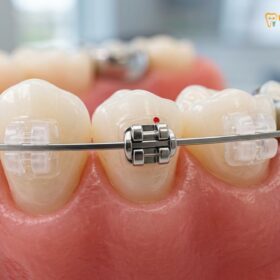
A routine braces follow-up in Vietnam is not merely a “tightening” of the braces, but a calculated biomechanical intervention. The frequency of these visits—typically every 4 to 8 weeks—is dictated by the type of archwire currently engaged and the specific goals of the active treatment phase. The orthodontic journey is generally divided into distinct phases: leveling and aligning, working (space closure and anteroposterior correction), and finishing/detailing.
During the initial leveling and aligning phase, orthodontists utilize highly flexible, superelastic Nickel-Titanium (NiTi) archwires. These wires possess shape memory properties, allowing them to deliver light, continuous forces over an extended period, even when deflected into severely crowded teeth[4]. At a follow-up visit during this phase, the clinician may simply replace the elastomeric ligatures (which degrade and lose elasticity in the oral environment) or progress to a slightly thicker NiTi wire to continue unraveling the crowding.
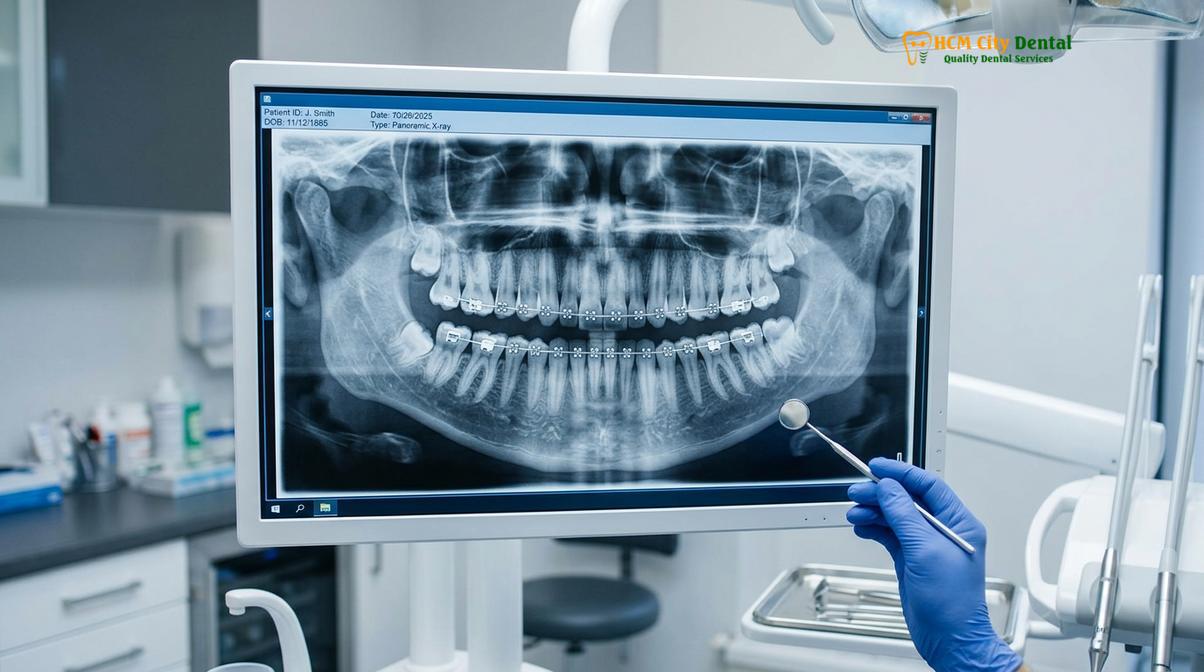
As treatment progresses into the working phase, the biomechanical requirements shift. The clinician will transition the patient to rigid Stainless Steel (SS) or Beta-Titanium (TMA) archwires. These wires do not possess the flexibility of NiTi but provide the necessary stiffness to maintain arch form, express the built-in torque of the brackets, and serve as a track along which teeth can be moved to close extraction spaces or correct overjets. During these adjustments, the orthodontist may introduce auxiliary mechanics, such as power chains, open coil springs, or intermaxillary elastics.
“Orthodontic adjustments are highly individualized biomechanical events. We are not just changing wires; we are constantly evaluating the biological response of the periodontal tissues and recalibrating our force vectors to ensure safe, predictable, and efficient tooth movement.”
Patient compliance is heavily monitored during these visits. The clinician will assess how well the patient is wearing prescribed elastics, as inconsistent wear can severely stall treatment progress. Furthermore, any broken brackets or bent wires are identified and repaired. A debonded bracket essentially removes that specific tooth from the active biomechanical system, allowing it to drift and potentially prolonging the overall treatment time.
Post-Treatment Retention and Retainer Checks
The retention phase requires periodic clinical evaluations to verify retainer fit, monitor occlusal settling, and prevent unwanted tooth migration.
The removal of active orthodontic appliances marks the end of tooth movement, but it is only the beginning of the crucial retention phase. Teeth have a natural tendency to return to their pre-treatment positions—a phenomenon known as orthodontic relapse. This occurs because the gingival and periodontal fibers, particularly the supracrestal elastic fibers, require several months to reorganize and adapt to the new tooth positions[3]. Therefore, a diligent retainer check in Vietnam is just as important as the active adjustment visits.
There are several types of retainers utilized to maintain occlusal stability, each requiring specific clinical monitoring:
- Essix (Clear Thermoplastic) Retainers: These are highly aesthetic and encase the entire dental arch. During a follow-up, the clinician inspects the thermoplastic material for signs of wear facets, micro-cracks, or distortion, which can occur due to bruxism or improper removal techniques, potentially compromising their clinical efficacy over time[5]. If you need a replacement, understanding the Essix Clear Retainer Price Vietnam: Clinical Guide | HCMC Dental can help you plan accordingly.
- Hawley Retainers: Constructed of an acrylic palate and a labial metal bow, these are durable and allow for minor occlusal settling. The clinician will adjust the omega loops on the labial bow to ensure adequate tension against the anterior teeth. For more details on this traditional option, refer to the Hawley Wire Retainer Price Vietnam: Clinical Guide | HCMC Dental.
- Fixed (Bonded) Retainers: A passive wire bonded to the lingual surfaces of the anterior teeth. Follow-ups are critical to check the integrity of the composite pads holding the wire. A partial debonding can go unnoticed by the patient but will allow a single tooth to rapidly shift out of alignment. Information on this permanent solution can be found in the Fixed Permanent Retainer Price Vietnam: Clinical Guide | HCMC Dental.
During a retainer check, the clinician also evaluates the overall periodontal health. Fixed retainers, in particular, can accumulate calculus if the patient’s interdental hygiene is suboptimal. Professional scaling around the bonded wire is often performed during these visits to prevent localized gingivitis. Regular monitoring ensures that the investment made in orthodontic treatment is preserved for a lifetime, and exploring the Orthodontic Retainer Price Ho Chi Minh City | HCMC Dental can provide insight into long-term maintenance costs.
Choosing the Right Expat Dentist in HCMC
Selecting a qualified provider involves verifying their experience with international orthodontic systems, diagnostic technology, and cross-border treatment protocols.
For international residents, finding a reliable expat dentist in HCMC is a priority for maintaining oral health and continuing complex treatments like orthodontics. The ideal dental center must bridge the gap between international clinical standards and local accessibility. When evaluating a clinic for orthodontic follow-up, several critical factors must be considered to ensure a safe and effective clinical experience.
First and foremost is the clinician’s expertise and familiarity with global orthodontic protocols. Orthodontics is not a one-size-fits-all discipline; different regions often favor specific bracket prescriptions or biomechanical philosophies. A well-trained clinician will be adept at identifying your current appliance system and understanding the biomechanical rationale behind your original treatment plan. Effective communication is also paramount. The ability to discuss complex medical terminology, treatment progress, and financial options in fluent English eliminates misunderstandings and fosters a trusting doctor-patient relationship.
Clinical Case Example: A 24-year-old expatriate relocated from the UK to Ho Chi Minh City midway through her fixed appliance therapy. She presented to HCMC Dental Clinic with her complete clinical records. The clinical team conducted a comprehensive evaluation, confirming that her existing MBT prescription brackets were fully compatible with the clinic’s inventory. After reviewing her cephalometric data, the treatment was seamlessly resumed without the need for appliance removal. She successfully completed her active phase 8 months later and was transitioned to custom retention appliances, demonstrating the efficacy of coordinated international care.
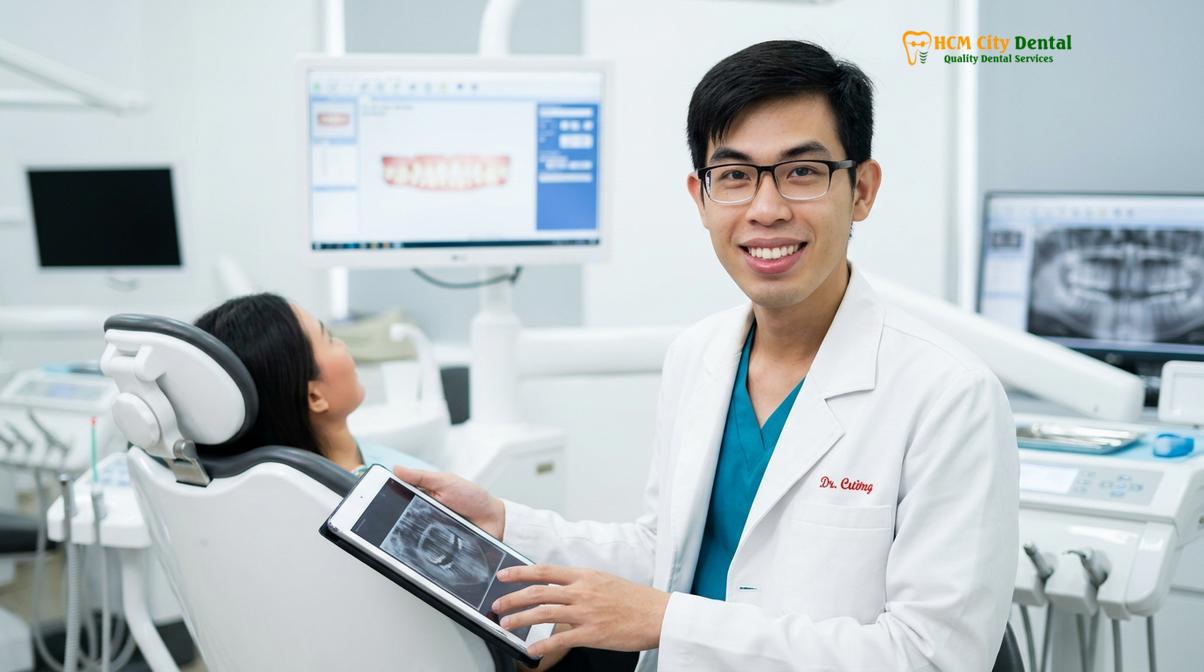
Dr. Nguyen Van Cuong is a leading specialist in orthodontic management and retention protocols at HCMC Dental Clinic. With extensive experience handling complex international transfer cases, he ensures that expatriate patients receive seamless continuity of care. For patients completing their active phase, his expertise in Dr Cuong Dentist Custom Retainers: Clinical Guide | HCMC Dental guarantees optimal long-term occlusal stability.
When to Seek Immediate Orthodontic Care
Certain orthodontic emergencies require prompt clinical intervention to prevent soft tissue injury, alleviate pain, and avoid treatment regression.
While routine follow-ups are scheduled in advance, unexpected issues can arise during active orthodontic treatment or the retention phase. Knowing when to seek immediate care is crucial for maintaining the integrity of your appliances and protecting your oral health. Patients should contact their clinic promptly if they experience a broken archwire that is poking into the buccal mucosa or gingiva, as this can cause painful ulcerations and localized infection.
“Delaying treatment for a broken appliance or a lost retainer can lead to rapid occlusal relapse. Immediate clinical intervention is necessary to stabilize the dentition and prevent the loss of hard-earned orthodontic progress.”
Additionally, a debonded bracket or a loose orthodontic band compromises the biomechanical force system. Even if it is not causing immediate pain, a loose bracket means that the specific tooth is no longer being actively guided by the archwire, which can stall overall treatment progress. For patients in the retention phase, a lost, cracked, or ill-fitting retainer is a clinical emergency. Teeth can begin to shift within days of discontinuing retainer wear, making prompt replacement or adjustment essential to preserve the final alignment. If you require a cost-effective replacement quickly, reviewing the Affordable Dental Retainers Vietnam: Cost & Guide | HCMC Dental can assist in making an informed decision.
Frequently Asked Questions
Can I transfer my ongoing braces treatment to a clinic in Vietnam?
Yes, you can transfer ongoing braces treatment to a qualified clinic in Vietnam. You will need your complete dental records, including recent radiographs and a detailed treatment summary from your previous orthodontist, to ensure seamless clinical continuity.
How often should I schedule an orthodontic adjustment?
Orthodontic adjustments are typically scheduled every 4 to 8 weeks, depending on your specific appliance system and treatment phase. Your orthodontist will determine the exact interval based on the biomechanical forces required for optimal tooth movement.
What happens during a routine retainer check?
During a routine retainer check, the dentist evaluates the structural integrity of the appliance, verifies its fit against your current dentition, and assesses your periodontal health to ensure your teeth remain stable and occlusal relapse is prevented.
Are international bracket systems available in Ho Chi Minh City?
Yes, reputable dental centers in Ho Chi Minh City utilize globally recognized bracket systems and clear aligner brands. This compatibility allows expat dentists to seamlessly continue treatments initiated in North America, Europe, or Australia.
What should I do if my orthodontic wire breaks while traveling?
If an orthodontic wire breaks, you should seek immediate clinical evaluation to prevent soft tissue trauma and treatment regression. An orthodontist can safely clip the protruding wire, replace the damaged segment, and stabilize your appliance.
References
- American Journal of Orthodontics and Dentofacial Orthopedics. Biomechanics of tooth movement and periodontal tissue response. (2021).
- Journal of Clinical Orthodontics. Protocols for transferring orthodontic patients and continuity of care. (2020).
- European Journal of Orthodontics. Long-term stability and retention protocols in clinical orthodontics. (2019).
- Angle Orthodontist. Evaluation of superelastic archwires in the leveling and aligning phase. (2022).
- Journal of Prosthodontic Research. Wear characteristics and clinical efficacy of thermoplastic retainers. (2018).
Need to continue your orthodontic treatment or schedule a retainer check? Contact HCMC Dental Clinic in Ho Chi Minh City today to book a comprehensive consultation and ensure your smile stays perfectly aligned.