Self-ligating ceramic braces represent a sophisticated advancement in the field of modern orthodontics, merging the highly sought-after aesthetics of clear or tooth-colored brackets with the biomechanical efficiency of low-friction technology. Unlike conventional systems that require elastomeric ties or steel ligatures to secure the archwire, these innovative devices utilize a built-in sliding door or spring-loaded clip mechanism. This fundamental shift in design eliminates the need for rubber bands, thereby reducing friction, minimizing bacterial plaque retention, and facilitating a more continuous, biologically compatible application of orthodontic forces. For patients seeking a discreet yet highly effective solution for complex malocclusions, self-ligating ceramic braces offer an optimal balance of form and function.
The evolution of orthodontic materials has allowed clinicians to move away from highly visible metal appliances without sacrificing clinical control. Today’s ceramic brackets are engineered from advanced polycrystalline alumina or monocrystalline sapphire, providing exceptional durability and resistance to staining. When combined with self-ligating mechanics, these aesthetic brackets allow the archwire to slide freely within the slot, which can potentially lead to more comfortable tooth movement and a streamlined clinical workflow. Understanding the intricate biomechanics, material properties, and clinical applications of these systems is essential for patients considering comprehensive orthodontic rehabilitation.
Clinical Summary:
Self-ligating ceramic braces are advanced orthodontic appliances that integrate a specialized clip or sliding door directly into the bracket structure, allowing the archwire to be engaged without the use of traditional elastomeric ties. This tie-free mechanism significantly reduces binding and static friction within the bracket slot, enabling lighter, more continuous forces to be applied to the dentition. Consequently, this low-friction environment promotes a more favorable biological response within the periodontal ligament, often resulting in more comfortable tooth movement and potentially fewer required adjustment appointments. Constructed from translucent or tooth-colored ceramic materials, these braces provide a highly aesthetic, discreet treatment option suitable for both adolescents and adults. Clinical evidence indicates that self-ligating ceramic systems offer excellent three-dimensional control over tooth positioning, making them highly effective for resolving a wide spectrum of orthodontic issues, ranging from mild anterior crowding to severe skeletal bite discrepancies requiring meticulous biomechanical management.
Key Takeaways:
- Utilizes an integrated sliding door or clip mechanism, eliminating the need for friction-inducing elastomeric ties.
- Constructed from advanced polycrystalline alumina or sapphire for superior, discreet aesthetics that blend with natural enamel.
- Reduces static friction, allowing for the application of light, continuous forces that are biologically favorable for bone remodeling.
- Often requires fewer clinical adjustment visits and less chair time compared to conventional ligature-based systems.
- Facilitates easier oral hygiene maintenance by eliminating the porous rubber bands that typically harbor bacterial plaque.
- Highly effective for comprehensive orthodontic corrections, including severe crowding, deep overbites, and complex arch expansion.
The Biomechanics of Self-Ligating Ceramic Braces
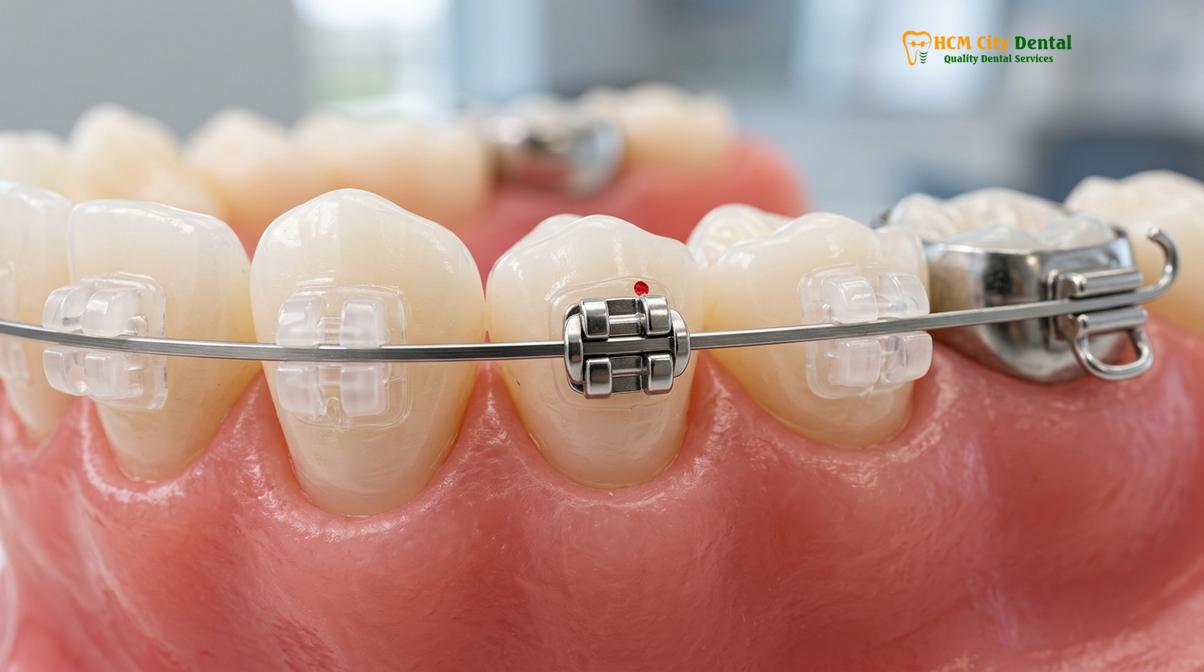
These advanced braces utilize an integrated clip to secure the archwire, creating a low-friction environment that facilitates smoother, more biologically compatible tooth movement through the alveolar bone.
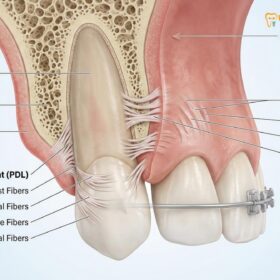
To fully appreciate the clinical advantages of self-ligating ceramic braces, one must delve into the underlying biomechanics of orthodontic tooth movement. The fundamental principle of orthodontics involves applying controlled mechanical forces to teeth, which in turn stimulates a biological cellular response within the surrounding periodontal ligament (PDL) and alveolar bone. Traditional orthodontic systems rely heavily on elastomeric (rubber) bands or stainless steel ligatures to tie the archwire tightly into the bracket slot. This traditional method inherently creates a significant amount of friction, specifically static friction and binding, which the orthodontic forces must overcome before the tooth can actually begin to move. In stark contrast, self-ligating brackets feature a built-in mechanism—usually a sliding door or a spring-loaded clip—that encapsulates the wire without tightly binding it against the base of the slot[1].
This low-friction environment is absolutely crucial for optimizing biological tooth movement. When light, continuous forces are applied to a tooth, the PDL responds by initiating a complex cellular cascade. On the pressure side of the tooth root (the direction the tooth is moving), specialized cells called osteoclasts break down bone tissue. Simultaneously, on the tension side (the side the tooth is moving away from), osteoblasts form new bone tissue to stabilize the tooth in its new position. Heavy forces, which are often exacerbated by the high friction of traditional ligatures, can cause localized ischemia (a lack of blood flow) in the PDL. This ischemia leads to a necrotic process called hyalinization, which temporarily halts tooth movement until the body can clear the necrotic tissue. By utilizing a low-friction self-ligating system, orthodontists can apply much lighter forces, thereby minimizing hyalinization, reducing patient discomfort, and promoting a more continuous, efficient biological response[2].
Active vs. Passive Self-Ligation Mechanisms
Within the realm of self-ligating technology, there are two primary design philosophies that dictate how the archwire interacts with the bracket: active and passive self-ligation. Active self-ligating brackets feature a flexible spring clip that actively presses against the archwire, seating it firmly into the base of the bracket slot. This active engagement provides exceptional control over tooth rotation and torque, particularly in the later stages of treatment when thicker, rectangular stainless steel wires are utilized for final detailing. The active clip ensures that the wire fully expresses its prescription into the tooth.
Conversely, passive self-ligating brackets utilize a simple, rigid sliding door that creates a tube-like enclosure around the slot. The archwire sits passively within this enclosure, offering the lowest possible friction during the initial leveling and aligning phases of treatment. Because the wire is free to slide without any active pressure from the door, passive systems are highly regarded for their ability to rapidly unravel severe crowding and facilitate lateral arch expansion. Many modern orthodontic protocols utilize a combination of these mechanics, leveraging the low friction of passive systems early in treatment and the precise control of active systems during the finishing stages.
Self Ligating vs Traditional Braces: A Clinical Comparison
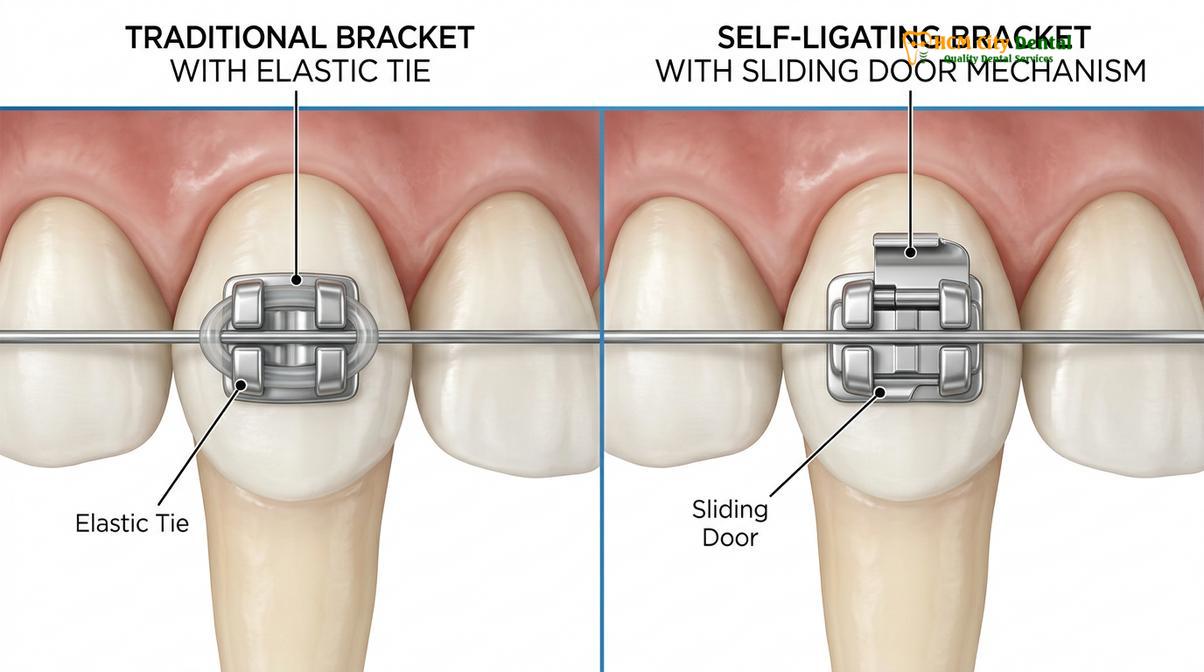
While traditional braces use elastic bands that create friction and degrade over time, self-ligating systems use a permanent door mechanism to maintain consistent wire engagement and improve overall oral hygiene.
When evaluating orthodontic options, the most prominent structural difference lies in the method of ligation. Traditional braces require the clinician to manually place an elastomeric tie around the four tie-wings of each bracket to hold the archwire in place. While these ties come in various colors and are often popular among younger patients for their customizable appearance, they present several significant clinical drawbacks. Elastomeric ties degrade rapidly in the moist, dynamic oral environment. Studies indicate that these rubber ties can lose up to half of their elasticity and force-delivery capacity within the first few weeks of placement. This rapid degradation results in inconsistent force application, often requiring more frequent visits to the dental clinic for retightening and replacement of the ties.
Furthermore, the porous nature of elastomeric ties makes them highly susceptible to plaque accumulation and bacterial colonization. The rubber material acts as a sponge for food particles and oral biofilms, which can significantly increase the risk of enamel decalcification (the formation of permanent white spot lesions) and gingival inflammation (gingivitis) during the course of treatment. Self-ligating ceramic braces eliminate these ties entirely. The smooth, rounded contours of the ceramic bracket and the complete absence of rubber bands make daily oral hygiene significantly easier for the patient. Without the plaque-retentive elastics, patients can more effectively brush and floss around the brackets, promoting better periodontal health and reducing the risk of caries throughout their orthodontic journey[3].
| Clinical Feature | Traditional Ceramic Braces | Self-Ligating Ceramic Braces |
|---|---|---|
| Ligation Method | Elastomeric ties or steel ligatures | Built-in sliding door or spring clip |
| Friction Levels | High (binding and notching effect) | Low (free-sliding mechanics) |
| Appointment Frequency | Typically every 4 to 6 weeks | Typically every 6 to 8 weeks |
| Hygiene Maintenance | Challenging (elastics trap plaque) | Easier (smooth, tie-free design) |
| Force Application | Intermittent (degrades over time) | Continuous, light, and biologically favorable |
| Chair Time | Longer (manual ligation required) | Shorter (quick open/close mechanism) |
Material Science: Polycrystalline Alumina and Sapphire Dental Brackets
Modern aesthetic brackets are engineered from advanced ceramics or monocrystalline sapphire, offering exceptional durability, stain resistance, and a virtually invisible appearance against the natural tooth enamel.
The aesthetic appeal and structural integrity of self-ligating ceramic braces are heavily dependent on the advanced materials used in their manufacturing process. Early generations of ceramic brackets, introduced several decades ago, were prone to fracturing under masticatory forces and often caused excessive wear (attrition) on opposing natural teeth if they came into contact during biting. Today, significant advancements in dental material science have revolutionized aesthetic orthodontics, mitigating these historical issues.
Most high-quality ceramic brackets utilized today are manufactured from polycrystalline alumina. This material is created by fusing aluminum oxide particles under extreme heat and pressure. The resulting bracket provides an excellent balance of tensile strength and aesthetics, offering a matte, tooth-colored appearance that diffuses light and blends seamlessly with the natural shades of human enamel. Polycrystalline brackets are highly resistant to deformation, ensuring that the precise prescription (torque and angulation) built into the bracket slot is accurately transferred to the tooth.
For patients seeking the absolute pinnacle of discreet orthodontics, monocrystalline sapphire brackets represent the highest tier of aesthetic bracket technology. These brackets are meticulously milled from a single, solid crystal of pure sapphire. This manufacturing process makes them completely transparent, allowing the natural color of the underlying tooth to shine through unimpeded. Furthermore, monocrystalline sapphire is incredibly smooth and highly resistant to staining from coffee, tea, or wine, ensuring that the braces remain virtually invisible throughout the entire duration of treatment[4]. Patients researching Braces Cost in Vietnam: Clinical Guide & Pricing | HCMC Dental often find that investing in these advanced ceramic or sapphire systems provides superior aesthetic value and clinical reliability.
The Orthodontic Workflow at HCMC Dental Clinic
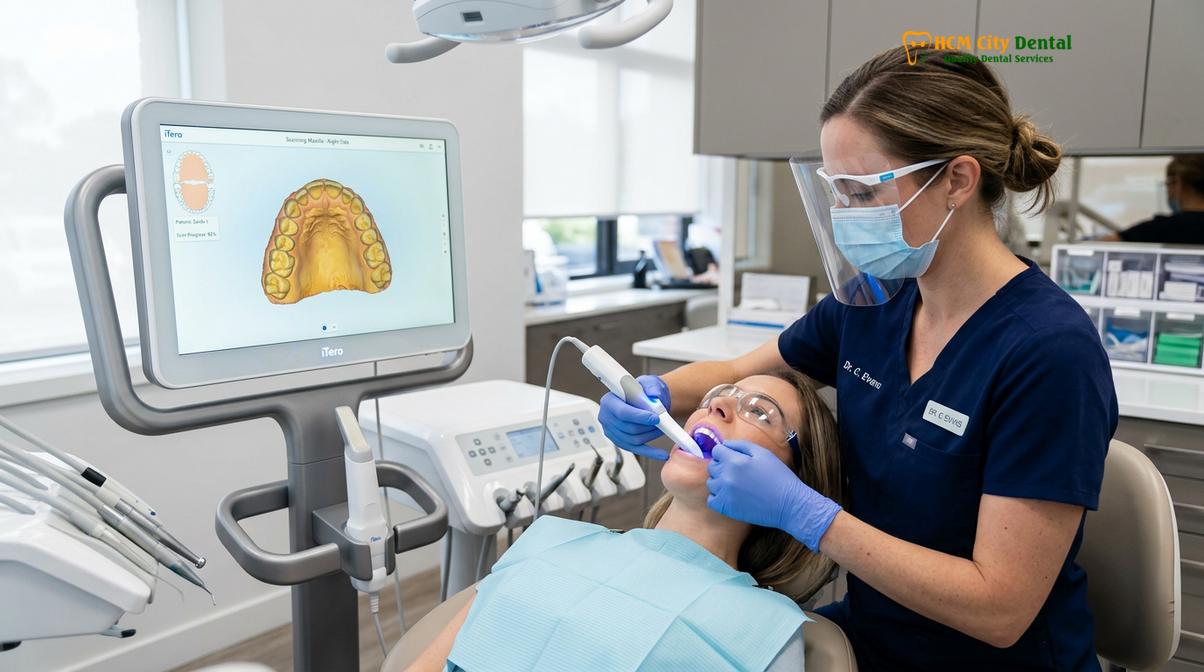
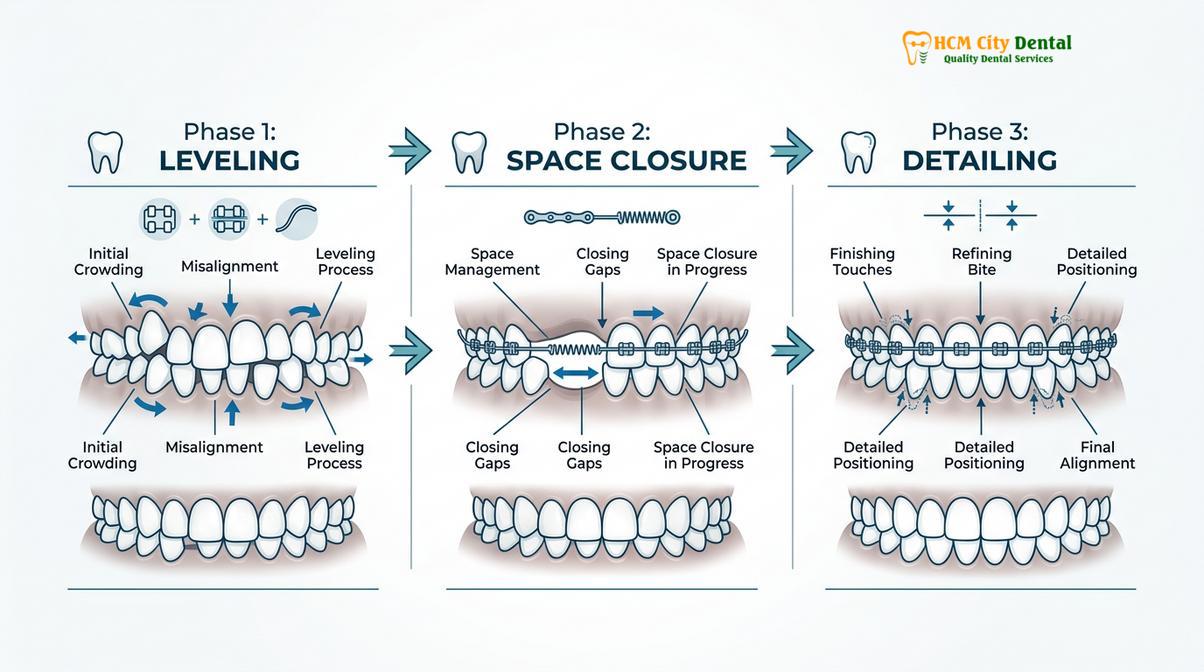
The clinical workflow involves precise 3D digital diagnostics, strategic bracket positioning, and a meticulously sequenced progression of archwires to achieve optimal alignment and long-term bite stability.
At HCMC Dental Clinic in Ho Chi Minh City, the implementation of self-ligating ceramic braces follows a meticulously planned, evidence-based clinical workflow. The success of any comprehensive orthodontic intervention relies not just on the sophistication of the appliance, but heavily on the accuracy of the initial diagnosis and the strategic execution of the individualized treatment plan.
Phase 1: Digital Diagnostics and Treatment Planning
The orthodontic process begins with comprehensive data collection. Traditional, uncomfortable alginate impressions have been largely replaced by high-resolution intraoral 3D scanners. These advanced scanners capture the exact topography of the patient’s dentition in real-time, creating a highly accurate digital model that can be manipulated in specialized orthodontic software. Alongside panoramic and cephalometric radiographs (and occasionally Cone Beam Computed Tomography or CBCT for impacted teeth), the orthodontist analyzes the patient’s skeletal relationship, airway volume, and soft tissue facial profile. This wealth of diagnostic data dictates the precise positioning of each ceramic bracket on the tooth surface to ensure optimal torque, tip, and angulation expression.
Phase 2: Leveling and Aligning
Once the ceramic brackets are bonded to the enamel using specialized orthodontic adhesives, the first phase of active treatment begins. The primary clinical goal here is to level the dental arches and resolve any anterior or posterior crowding. Highly flexible, shape-memory Nickel-Titanium (NiTi) archwires are engaged into the self-ligating doors. Because of the low-friction environment provided by the tie-free brackets, these NiTi wires can slide freely through the slots, gently guiding the teeth into the main arch form without causing excessive binding or patient discomfort.
Phase 3: Working Phase and Space Closure
After the arches are leveled, the orthodontist transitions to stiffer archwires, typically made of Titanium Molybdenum Alloy (TMA) or Stainless Steel. This is known as the working phase. During this stage, the focus shifts to correcting the anterior-posterior bite relationship (such as overjets or underbites) and closing any extraction spaces or generalized spacing. The low-friction mechanics of self-ligating brackets are particularly advantageous here, as they allow for efficient sliding mechanics when retracting the anterior teeth.
Phase 4: Finishing and Detailing
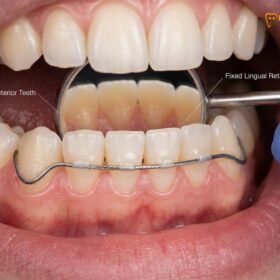
The final phase of treatment involves meticulous detailing to ensure the teeth interlock perfectly and the roots are positioned parallel within the alveolar bone. The orthodontist may make minor bends in the stainless steel archwire to achieve ideal functional occlusion and aesthetic harmony. Once the desired outcome is achieved, the braces are carefully removed, and the patient transitions to the retention phase to maintain the new alignment.
Clinical Case Review: A 28-year-old patient presented at HCMC Dental Clinic in Ho Chi Minh City with severe anterior crowding, a narrow maxillary arch, and a Class II malocclusion. Utilizing passive self-ligating ceramic braces, the clinical team was able to achieve significant lateral arch expansion and alignment within the first 8 months of treatment. The low-friction mechanics allowed for efficient unraveling of the crowded incisors without the need for premolar extractions. The translucent ceramic material fulfilled the patient’s requirement for a highly aesthetic appliance during her professional engagements, demonstrating the effectiveness of modern aesthetic systems for adult patients.
Adults seeking orthodontic correction often have different clinical and aesthetic requirements than teenagers. Those exploring Inexpensive Braces for Adults: Clinical Guide & Costs | HCMC Dental frequently discover that self-ligating ceramic systems offer an ideal compromise between the robust control of traditional braces and the discreet appearance of clear aligners.
Addressing Complex Cases: Extractions and Bite Correction
Advanced self-ligating systems efficiently manage severe crowding and bite discrepancies, though some highly complex cases still require strategic space creation through targeted tooth extractions.
One of the most heavily debated topics in modern orthodontics is the necessity of tooth extraction to resolve crowding. When evaluating Braces for Overcrowding: Clinical Guide & Workflows | HCMC Dental, the orthodontist must carefully consider the patient’s facial profile, periodontal biotype (thickness of the gums and bone), and the absolute severity of the crowding. Self-ligating braces, particularly passive systems, are renowned for their ability to develop the dental arches laterally. By applying light, continuous forces, these systems can stimulate alveolar bone adaptation, creating more space for crowded teeth and potentially reducing the need for extractions in borderline cases.
However, non-extraction is not a universal rule, and attempting to expand arches beyond their biological limits can lead to gingival recession and unstable results. In cases of severe bimaxillary protrusion (where both upper and lower front teeth flare forward significantly) or extreme crowding where arch expansion would push the teeth outside the bony housing, extractions—typically of the first or second premolars—are clinically indicated. Extracting teeth provides the necessary space to retract the anterior teeth, improving lip competence, facial harmony, and long-term stability[5].
“The decision to extract teeth should never be dictated solely by the bracket system being used. While self-ligating mechanics offer excellent arch development capabilities, the biological limits of the patient’s alveolar bone, the health of the periodontium, and the desired facial profile must always remain the primary drivers of the comprehensive treatment plan.”
Managing Severe Overjet, Deep Bites, and Open Bites
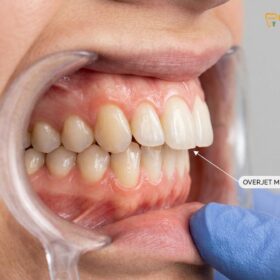
Self-ligating ceramic braces are highly effective in managing complex vertical and sagittal discrepancies. For patients wondering Can Braces Fix Overjet? Clinical Guide & Timelines | HCMC Dental, the answer is a definitive yes. The low-friction mechanics facilitate efficient sliding of the anterior teeth along the stainless steel archwire during retraction, minimizing the risk of root resorption and anchorage loss. For deep overbites (where the upper teeth excessively cover the lower teeth), the orthodontist may utilize bite turbos (small composite build-ups placed on the lingual surfaces of the upper incisors or occlusal surfaces of molars) to temporarily open the bite, allowing the lower teeth to level safely without shearing off the upper brackets. Conversely, for anterior open bites, specialized elastics and wire bending techniques are employed to extrude the anterior teeth and intrude the posteriors, establishing a functional anterior guidance.
Daily Maintenance and Oral Hygiene Protocols
Maintaining pristine oral hygiene is paramount during orthodontic treatment to prevent enamel decalcification, gingival inflammation, and to ensure the ceramic brackets remain aesthetically pleasing.
While self-ligating ceramic braces are inherently easier to clean than traditional braces due to the absence of elastomeric ties, they still require a rigorous and dedicated daily oral hygiene routine. The physical presence of brackets and wires creates numerous retention areas where food particles and bacterial plaque can easily accumulate. If left undisturbed, this plaque produces acids that rapidly demineralize the tooth enamel, leading to permanent white spot lesions around the brackets, and causes the gingival tissues to become swollen, red, and prone to bleeding.
Patients are instructed to brush their teeth after every meal using a soft-bristled orthodontic toothbrush. The Modified Bass brushing technique is highly recommended, where the bristles are angled at 45 degrees towards the gumline to clean the critical area between the bracket and the gingiva. In addition to standard brushing, the use of interdental brushes (proxy brushes) is essential for cleaning underneath the archwire and between the brackets where a standard toothbrush cannot reach. Many orthodontic professionals also strongly advocate for the daily use of a water flosser, which utilizes a pulsating stream of water to flush out debris and disrupt biofilm in hard-to-reach areas.
Dietary modifications are equally important to protect the integrity of the ceramic brackets and the archwires. Patients must strictly avoid hard, sticky, or crunchy foods—such as ice, hard candies, caramel, and nuts—which can generate excessive shear forces that may dislodge the brackets from the enamel or permanently distort the archwires. Patients researching Braces Montgomery: Clinical Guide & Orthodontic Options | HCMC Dental often find that adhering to these universal dietary and hygiene protocols is critical for avoiding emergency visits and ensuring the treatment progresses on schedule.
When to See an Orthodontist & Important Considerations
Early evaluation is critical for identifying skeletal discrepancies and severe malocclusions before they cause long-term damage to the dentition, periodontium, or temporomandibular joints.
Clinical Warning: Neglecting oral hygiene during orthodontic treatment can lead to severe complications, including irreversible enamel decalcification (white spot lesions), aggressive gingivitis, and in severe cases, periodontal bone loss. Furthermore, failing to attend scheduled adjustment appointments can result in uncontrolled tooth movement and root resorption. Always follow your orthodontist’s prescribed hygiene and maintenance protocols strictly.
Orthodontic treatment is not merely about achieving a cosmetically pleasing smile; it is fundamentally about establishing a functional, stable, and healthy masticatory system. Misaligned teeth can lead to abnormal wear of the enamel, temporomandibular joint (TMJ) dysfunction, and increased difficulty in maintaining proper oral hygiene, which elevates the risk of periodontal disease and dental caries. According to clinical guidelines established by the Vietnam Association of Orthodontists (VAO), patients should undergo a comprehensive orthodontic evaluation if they experience chronic jaw pain, difficulty chewing, speech impediments, or visible crowding that impedes proper oral hygiene[6].
Dr. Nguyen Van Cuong, a leading specialist at HCMC Dental Clinic, emphasizes that early intervention and precise biomechanical planning are crucial for successful, long-lasting outcomes. With extensive clinical experience in managing complex malocclusions, Dr. Cuong frequently utilizes advanced self-ligating systems to optimize both facial aesthetics and functional occlusion. Patients seeking comprehensive Orthodontics tại HCMC Dental Clinic benefit immensely from his meticulous approach to individualized treatment planning, ensuring that every aspect of the patient’s oral health is considered.
“Orthodontic diagnostics must look far beyond just the alignment of the teeth. We must comprehensively evaluate the patient’s airway volume, the health of the temporomandibular joints, and the soft tissue profile to ensure that the final occlusion supports long-term systemic health and facial harmony.”
While self-ligating ceramic braces are an excellent and highly versatile option for many patients, a comprehensive clinical examination is required to determine the most appropriate treatment modality. Depending on the specific diagnosis, lifestyle factors, and aesthetic preferences, alternatives such as clear aligner therapy may also be considered. Patients often ask Does Invisalign Work As Well As Braces? Clinical Comparison | HCMC Dental, and the clinical team can provide a detailed, evidence-based comparison based on the individual’s unique anatomical needs and compliance capabilities.
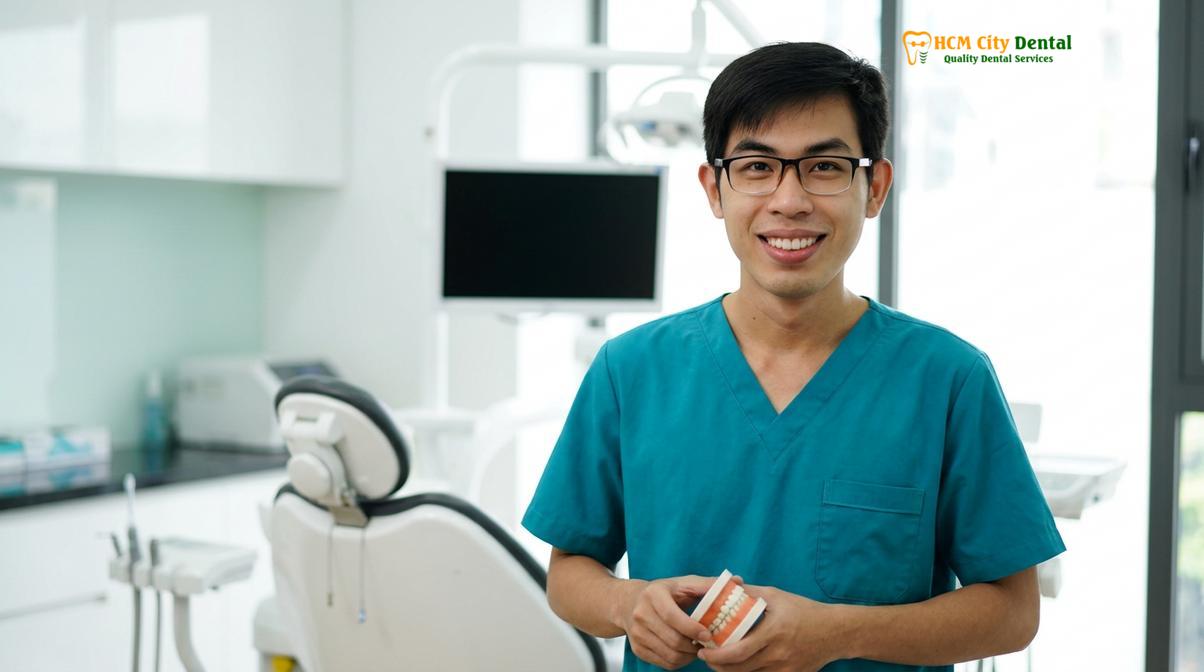
To learn more about how self-ligating ceramic braces can transform your smile, improve your masticatory function, and elevate your overall oral health, schedule a comprehensive consultation at HCMC Dental Clinic in Ho Chi Minh City today. Our dedicated clinical team is ready to guide you through every step of your orthodontic journey.
References
- American Journal of Orthodontics and Dentofacial Orthopedics. Friction in self-ligating brackets versus conventional brackets.
- Journal of Clinical Orthodontics. Biomechanical considerations in passive self-ligation.
- European Journal of Orthodontics. Periodontal response to low-friction orthodontic mechanics.
- Angle Orthodontist. Material properties of polycrystalline and monocrystalline ceramic brackets.
- International Journal of Dentistry. Extraction versus non-extraction in modern orthodontic protocols.
- Vietnam Association of Orthodontists (VAO). Clinical guidelines on aesthetic orthodontic appliances and patient management.