The average braces cost in Vietnam ranges from $1,500 for traditional metal systems to over $4,500 for advanced clear aligners. This pricing reflects high-quality materials, comprehensive clinical diagnostics, and expert orthodontic care, offering international patients an affordable yet medically rigorous pathway to achieving optimal dental alignment.
Clinical Summary:
Orthodontic treatment in Vietnam provides a highly cost-effective solution for correcting complex malocclusions without compromising on clinical standards or material integrity. The financial investment required depends heavily on the chosen appliance—ranging from conventional stainless steel brackets to sophisticated thermoplastic aligners—as well as the biomechanical complexity of the patient’s dental anatomy. Comprehensive care protocols include detailed 3D cephalometric diagnostics, precise application of continuous light forces, and rigorous retention strategies to ensure long-term occlusal stability. By leveraging advanced technologies and internationally trained specialists, clinics in Vietnam deliver predictable, aesthetic, and functional orthodontic outcomes at a fraction of the cost seen in Western healthcare systems.
Key Takeaways:
- Conventional metal brackets remain the most cost-effective and biomechanically versatile option for severe malocclusions.
- Advanced aesthetic systems, including ceramic brackets and clear aligners, command a higher premium due to material costs and digital planning.
- Comprehensive pricing should account for ancillary clinical procedures such as 3D imaging, extractions, and temporary anchorage devices (TADs).
- Treatment duration directly impacts the overall financial investment, with complex skeletal discrepancies requiring extended chair time.
- Post-treatment retention is a critical, non-negotiable phase that may incur additional costs depending on the chosen retainer system.
Orthodontic Treatment Overview & Clinical Mechanics
Orthodontic treatment utilizes controlled biomechanical forces to remodel alveolar bone, allowing teeth to move into optimal functional and aesthetic alignment.
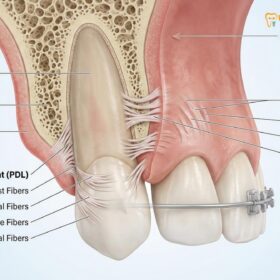
The foundation of modern orthodontics lies in the precise application of biomechanical forces to the dentition, initiating a complex biological cascade within the periodontium. When a continuous, light force is applied to a tooth via an orthodontic appliance, it creates zones of compression and tension within the periodontal ligament (PDL). On the compression side, blood flow is temporarily restricted, leading to the recruitment of osteoclasts that resorb the adjacent alveolar bone. Conversely, on the tension side, osteoblasts are stimulated to deposit new osteoid tissue, effectively rebuilding the bone as the tooth migrates[1]. This delicate balance of bone resorption and apposition is what allows teeth to move safely through solid bone without compromising their structural integrity or vitality.
To achieve these precise movements, orthodontists rely on a sophisticated interplay between brackets (which act as handles on the teeth) and archwires (which provide the motive force). The evolution of archwire metallurgy has revolutionized treatment efficiency. Initial alignment phases typically utilize Nickel-Titanium (NiTi) wires, which possess shape-memory properties and deliver a constant, gentle force over a wide range of deflections. As treatment progresses into the working and finishing phases, stiffer materials like Stainless Steel or Titanium Molybdenum Alloy (TMA) are employed to express precise torque, control root angulation, and close extraction spaces.
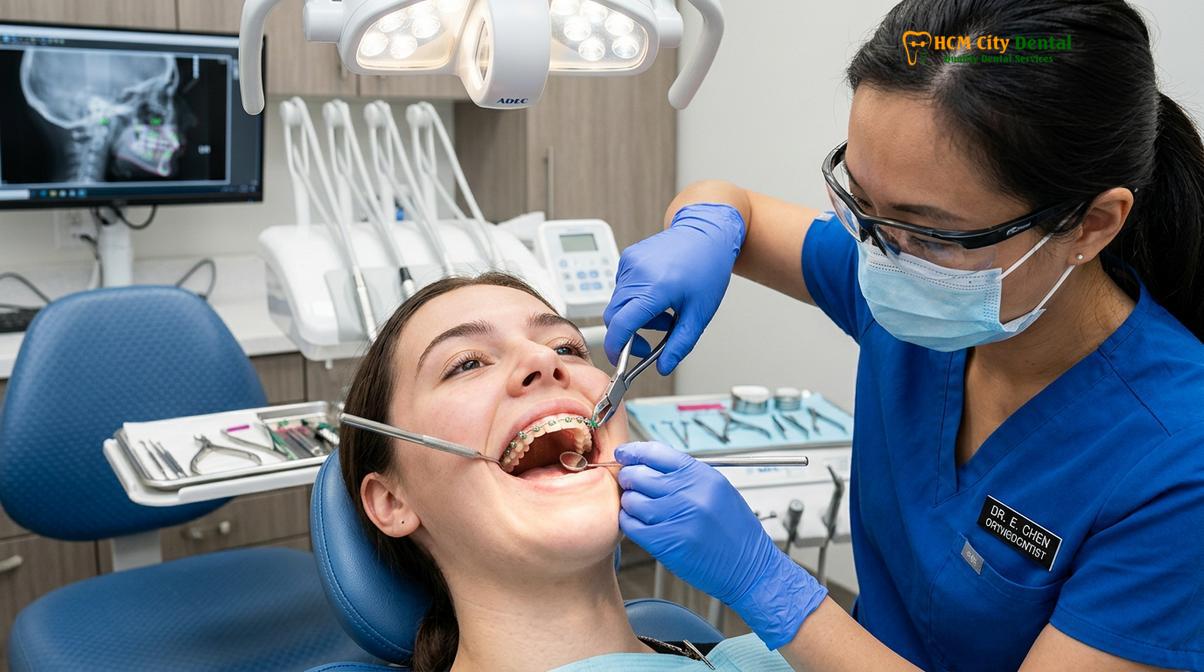
The Role of Extractions in Orthodontic Planning
In cases of severe arch perimeter deficiency or pronounced bimaxillary protrusion, the available space within the alveolar ridge may be insufficient to align all permanent teeth while maintaining a harmonious facial profile. In such scenarios, a premolar extraction protocol is a well-established clinical approach. By strategically removing the first or second premolars, the orthodontist creates the necessary space to retract the anterior teeth, alleviate severe crowding, and reduce lip incompetence.
“The decision to extract premolars is never taken lightly. It requires a comprehensive evaluation of the patient’s skeletal pattern, soft tissue drape, and Bolton tooth-size discrepancies. When executed correctly with absolute anchorage control, extraction therapy yields profoundly stable and aesthetically pleasing results.”
Types of Braces Available in Vietnam
Patients can choose from conventional metal brackets, aesthetic ceramic systems, lingual appliances, and advanced clear aligners based on their clinical needs and budget.
The landscape of orthodontic appliances has expanded significantly, offering patients a variety of modalities to achieve their desired occlusal outcomes. The choice of appliance impacts not only the aesthetic experience during treatment but also the biomechanical efficiency, oral hygiene requirements, and overall financial investment.
Metal Braces
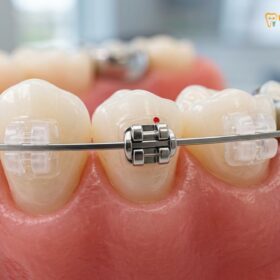
Despite the advent of newer technologies, traditional braces remain the gold standard for treating complex, multi-dimensional malocclusions. Fabricated from high-grade medical stainless steel, these brackets offer unparalleled durability and control over tooth movement. Metal brackets are particularly advantageous in cases requiring significant root torquing, surgical orthodontics, or the management of impacted teeth. Because the material costs are lower and the manufacturing processes are highly standardized, metal systems represent the most accessible entry point into comprehensive orthodontic care[2].
Ceramic and Aesthetic Brackets
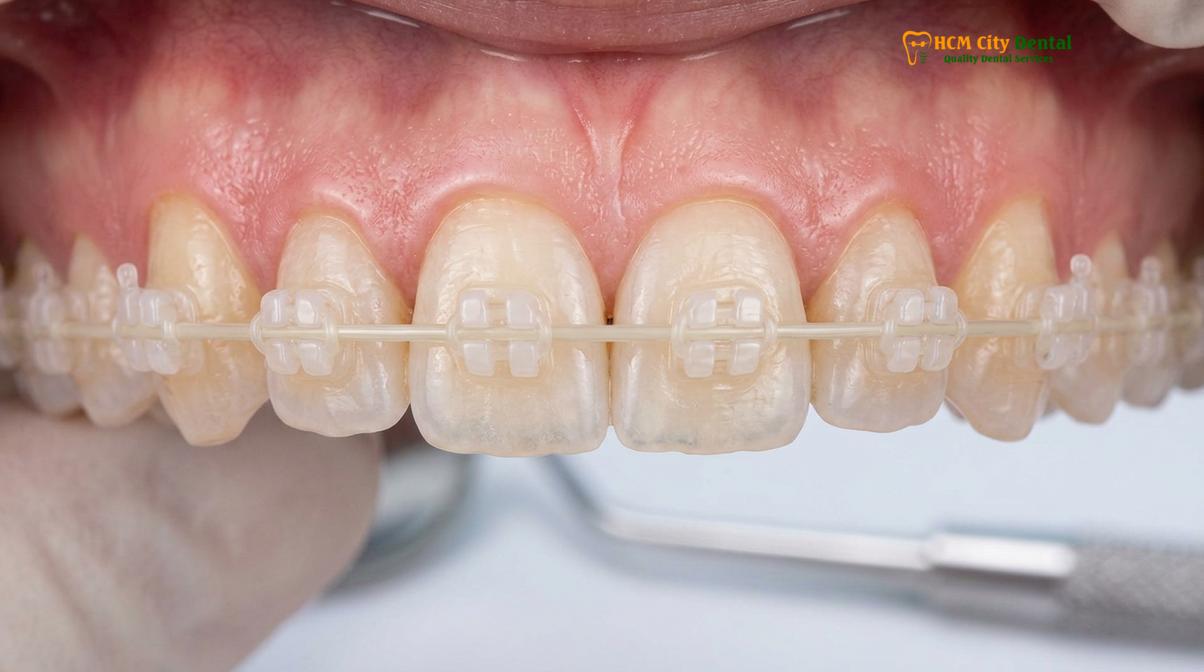
For patients seeking a less conspicuous fixed appliance, ceramic braces offer a highly aesthetic alternative. These brackets are manufactured from polycrystalline or monocrystalline alumina, rendering them translucent or tooth-colored. While they function biomechanically similarly to metal brackets, ceramic material is inherently more brittle and can be prone to fracture under heavy occlusal forces. Furthermore, the frictional resistance between a metal archwire and a ceramic slot is higher than in an all-metal system, which can slightly increase the duration of the sliding mechanics phase of treatment.
Self-Ligating Systems
Self-ligating brackets eliminate the need for elastomeric or wire ligatures by incorporating a specialized mechanical clip or door to secure the archwire within the slot. This design significantly reduces friction, allowing for more efficient sliding mechanics and potentially faster initial alignment. Furthermore, the absence of elastomeric ties—which are prone to plaque accumulation and degradation—enhances overall oral hygiene and reduces the frequency of necessary clinical adjustments. For more information on these advanced systems, patients can explore the benefits of self-ligating bracket systems.
Clear Aligner Therapy
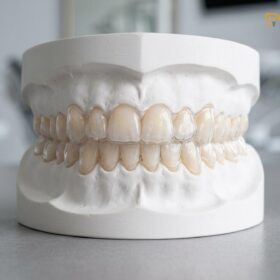
Clear aligners represent a paradigm shift in orthodontic delivery, utilizing a series of custom-fabricated, removable thermoplastic trays to incrementally guide teeth into position. This modality relies heavily on advanced 3D digital planning to stage the precise biomechanical vectors required for each movement. While highly aesthetic and convenient for oral hygiene, aligners require strict patient compliance to be effective. They are exceptionally proficient at leveling, aligning, and expanding arches, though severe vertical discrepancies or complex root movements may still necessitate auxiliary techniques.
Comprehensive Breakdown of braces Cost in Vietnam
Orthodontic pricing in Vietnam is structured around the appliance type, case complexity, and necessary preparatory treatments like extractions or 3D imaging.
Understanding the financial landscape of orthodontic treatment requires a detailed look at the constituent costs. The traditional braces cost is generally the baseline against which all other modalities are measured. In Vietnam, the lower operational overhead of dental facilities allows clinics to offer premium, internationally recognized materials at a fraction of the cost found in North America or Europe, without compromising on the rigorous standards of clinical care or sterilization protocols.
The total fee presented to a patient typically encompasses the diagnostic records, the appliance itself, the bonding procedure, all routine adjustments during the active phase, and the removal of the brackets. However, it is crucial to understand that orthodontics is a dynamic medical procedure, and certain adjunctive therapies may be required to achieve the optimal result.
Comparative Cost Estimates
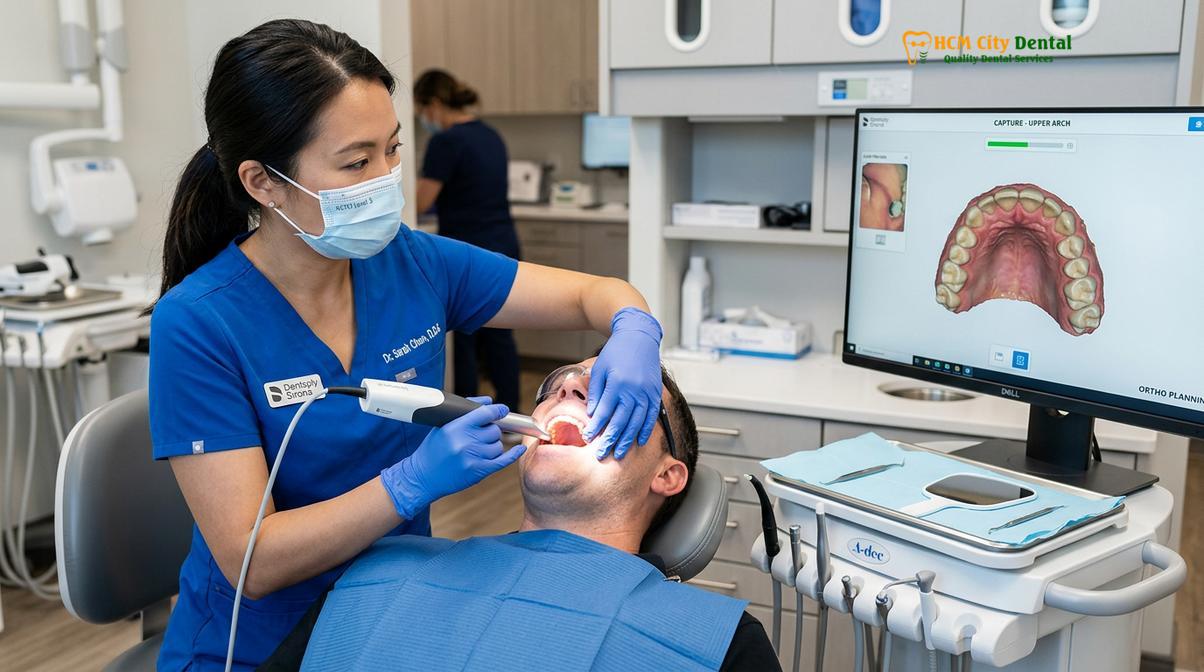
The following table outlines the estimated financial investment for various orthodontic modalities in Vietnam. These figures are indicative and reflect the comprehensive nature of the treatment, utilizing high-quality imported materials.
| Orthodontic Modality | Estimated Cost Range (USD) | Clinical Indications & Characteristics |
|---|---|---|
| Traditional Metal Braces | $1,500 – $2,500 | Gold standard for complex cases; highly durable; visible aesthetics; most cost-effective. |
| Ceramic (Clear) Braces | $2,200 – $3,200 | High aesthetic demand; slightly higher friction; suitable for most malocclusions. |
| Self-Ligating Braces (Metal) | $2,500 – $3,500 | Reduced friction; fewer clinical visits required; easier to maintain oral hygiene. |
| Clear Aligners (e.g., invisalign) | $3,500 – $5,500 | Virtually invisible; removable for eating/cleaning; requires strict patient compliance. |
| Lingual Braces | $4,500 – $7,000 | Completely hidden behind teeth; highly customized; requires specialized clinical expertise. |
Clinical Workflows for Orthodontic Patients
A standard orthodontic workflow involves comprehensive 3D diagnostics, precise appliance bonding, periodic biomechanical adjustments, and a mandatory long-term retention phase.
The journey to a stable, functional occlusion is a meticulously planned medical process that unfolds over several distinct clinical phases. Each phase is designed to achieve specific biomechanical objectives, ensuring that the final result is not only aesthetically pleasing but also structurally sound and periodontally healthy.
Phase 1: Comprehensive Diagnostics and Treatment Planning
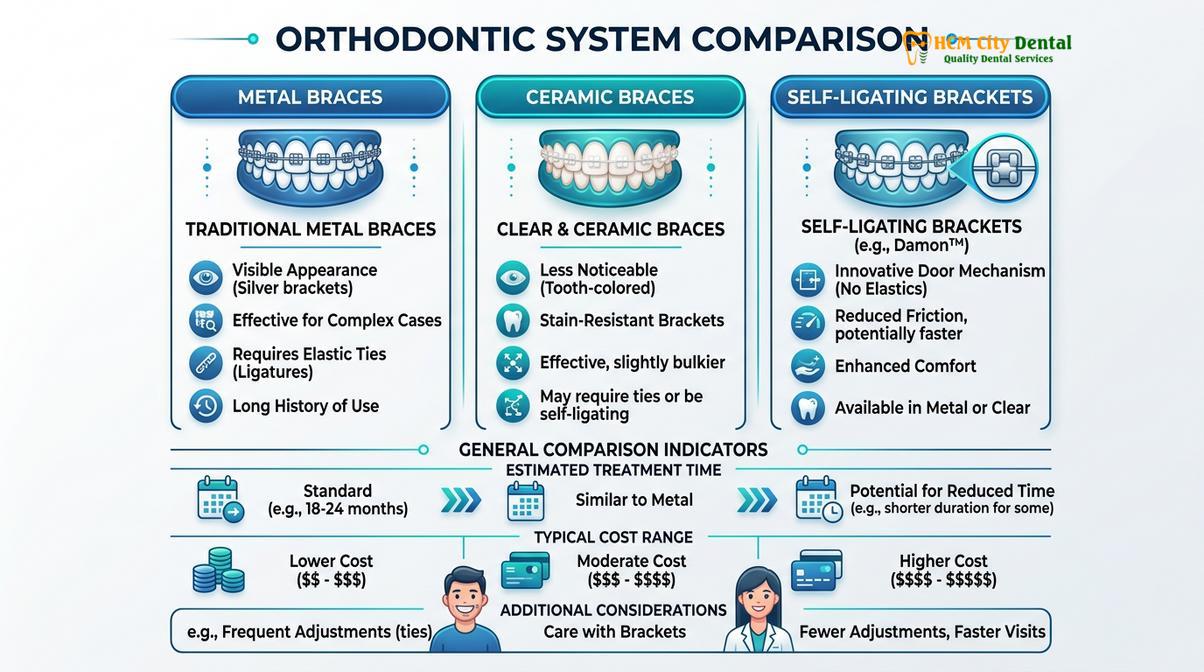
Orthodontic treatment begins with a rigorous data collection process. This includes intraoral and extraoral clinical photography, panoramic radiography to assess root health and impacted teeth, and lateral cephalometric radiography to evaluate the skeletal relationship between the maxilla, mandible, and cranial base. Modern clinics increasingly utilize Cone Beam Computed Tomography (CBCT) for a true 3D representation of the maxillofacial structures. Additionally, digital intraoral scanners have largely replaced traditional alginate impressions, providing highly accurate virtual models of the dentition. Based on this data, the orthodontist formulates a customized treatment plan, detailing the required vectors of movement, anchorage requirements, and estimated duration.
Phase 2: Appliance Placement (Bonding)
The bonding of fixed appliances is a highly technique-sensitive procedure requiring strict moisture control. The enamel surface is first conditioned with a mild phosphoric acid etchant to create microscopic porosities. A bonding primer is then applied, followed by a light-cured composite resin that secures the bracket to the precise anatomical center of the clinical crown. The accuracy of bracket placement is paramount, as the prescription built into the bracket slot dictates the final 3D position of the tooth.
Phase 3: Active Biomechanical Adjustments
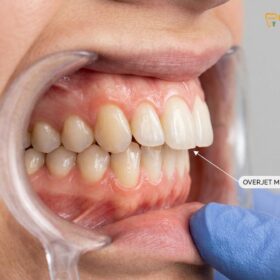
During the active phase, patients return to the clinic every 4 to 8 weeks for adjustments. The orthodontist evaluates the progress of tooth movement, changes the archwires to progress through the leveling, aligning, and working phases, and applies specific force mechanics such as elastomeric chains for space closure or intermaxillary elastics to correct anterior-posterior discrepancies, such as correcting severe overbites. In complex cases, Temporary Anchorage Devices (TADs)—small titanium mini-screws placed temporarily into the alveolar bone—may be utilized to provide absolute anchorage, allowing for movements that were previously impossible with traditional mechanics alone[3].
Throughout this phase, maintaining impeccable oral hygiene is critical. The presence of fixed appliances creates numerous plaque retentive areas, significantly increasing the risk of enamel decalcification and gingival inflammation if proper brushing and flossing techniques are not strictly adhered to[4]. Patients are often advised on managing white stains after braces through preventive fluoride treatments and rigorous home care.
Clinical Case Review: A 24-year-old patient presented to HCMC Dental Clinic in Ho Chi Minh City with severe bimaxillary protrusion and a Class II skeletal pattern. The clinical team designed a comprehensive treatment plan involving the extraction of four first premolars. Utilizing traditional metal brackets and TADs for maximum anchorage, the anterior teeth were successfully retracted, resulting in a dramatic improvement in the patient’s soft tissue profile and lip competence, demonstrating the profound impact of precise biomechanical planning.
Phase 4: Finishing, Detailing, and Retention
The final months of active treatment are dedicated to detailing the occlusion—ensuring proper interdigitation of the posterior teeth, ideal overjet and overbite, and parallel root alignment. Once the appliances are removed, the patient immediately enters the retention phase. Because the periodontal fibers require several months to reorganize around the new tooth positions, the risk of relapse is highest immediately following debonding. Patients are typically fitted with removable Essix or Hawley retainers, and often a fixed lingual wire is bonded to the anterior teeth to ensure long-term stability[5]. Understanding the importance of this phase is critical; patients can learn more about premium retention protocols to protect their investment.
Important Clinical Considerations & When to Consult an Orthodontist
Successful orthodontic outcomes depend on strict patient compliance, adherence to clinical guidelines, and timely intervention by a qualified specialist.
Orthodontic treatment is a collaborative effort between the clinician and the patient. While the orthodontist provides the biomechanical framework, the patient’s adherence to instructions dictates the efficiency and success of the treatment. Patients should seek an orthodontic consultation if they experience difficulty chewing, chronic jaw pain, speech impediments related to tooth position, or noticeable facial asymmetry. Early intervention can often mitigate the need for more invasive surgical procedures later in life.
Furthermore, when selecting a provider, it is essential to ensure that the clinic adheres to the stringent sterilization and clinical safety guidelines set forth by the Vietnam Ministry of Health (MOH). Proper infection control protocols and the use of biocompatible, medically approved materials are non-negotiable standards for patient safety.
“Patient compliance is the hidden variable in orthodontic success. Even the most meticulously designed biomechanical plan will fall short if the patient fails to maintain rigorous oral hygiene, wear their prescribed elastics, or attend scheduled adjustment appointments.”
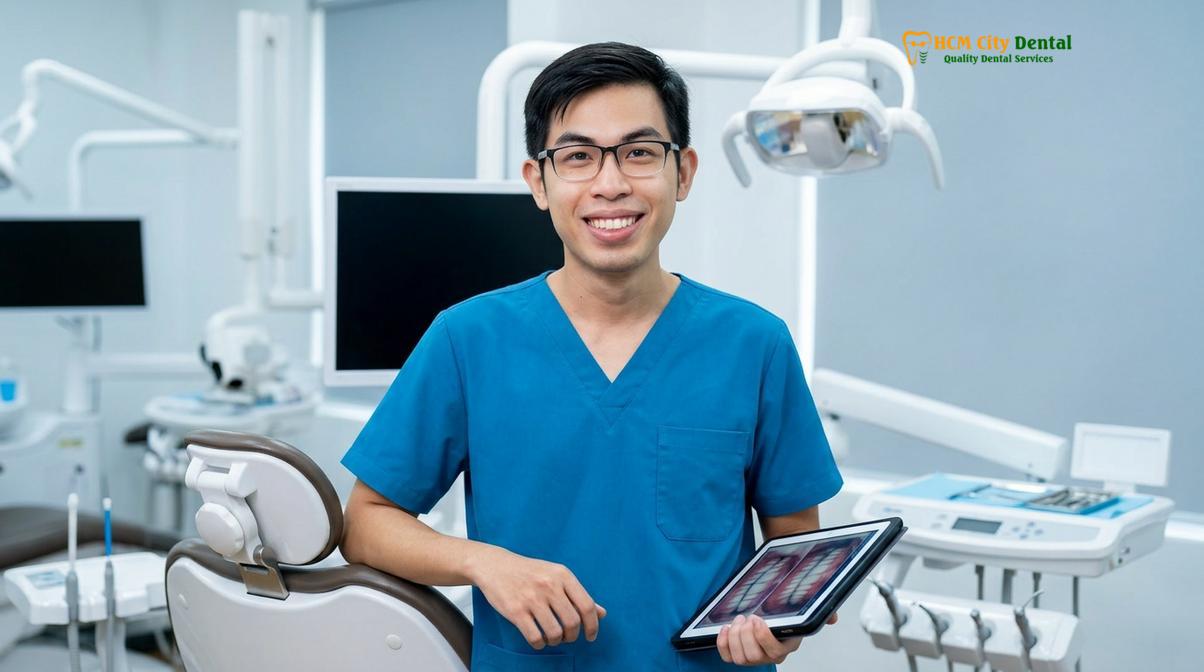
Dr. Nguyen Van Cuong, a leading orthodontic specialist, oversees complex malocclusion cases to ensure optimal biomechanical outcomes. Dr. Cuong emphasizes that successful treatment relies on precise 3D diagnostics and customized force application tailored to each patient’s unique skeletal structure. His clinical approach integrates advanced digital planning with evidence-based mechanics to achieve predictable, long-lasting results.
References
- American Journal of Orthodontics and Dentofacial Orthopedics. Biomechanical principles of orthodontic tooth movement and tissue response.
- Journal of Clinical Orthodontics. Comparative analysis of friction in self-ligating and conventional bracket systems.
- Angle Orthodontist. The efficacy of temporary anchorage devices in maximum anchorage extraction cases.
- European Journal of Orthodontics. Enamel decalcification and periodontal health during fixed appliance therapy.
- International Journal of Dentistry. Long-term stability and retention protocols following comprehensive orthodontics.
To schedule a comprehensive orthodontic consultation and explore personalized treatment options, contact Orthodontics tại HCMC Dental Clinic in Ho Chi Minh City today.