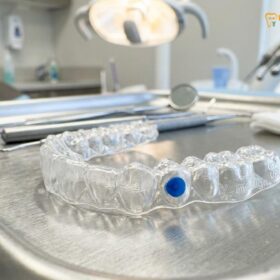
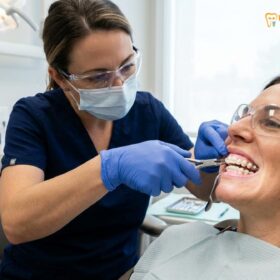
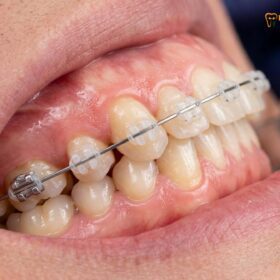
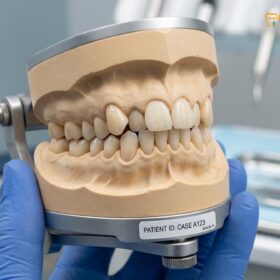
When comparing ceramic braces vs metal braces aesthetics, ceramic brackets offer a highly discreet, tooth-colored appearance that blends naturally with enamel, whereas metal braces are highly visible. Both systems utilize identical biomechanical principles to align teeth, making the choice primarily a balance between visual discretion and structural durability.
Clinical Summary:
The decision between ceramic and traditional metal braces represents a critical intersection of orthodontic biomechanics, material science, and patient psychology. From a clinical perspective, both modalities are highly effective at correcting complex malocclusions, including severe crowding, spacing, and bite discrepancies. The primary divergence lies in their material composition: metal braces utilize high-grade stainless steel, offering unparalleled fracture resistance and low friction, which can optimize treatment velocity in complex cases. Conversely, ceramic braces are fabricated from polycrystalline or monocrystalline alumina, providing superior aesthetic camouflage that appeals heavily to adult patients and professionals. However, this aesthetic advantage comes with clinical trade-offs, including increased material brittleness, higher frictional resistance within the archwire slot, and a more technique-sensitive debonding process to prevent enamel micro-fractures. Comprehensive orthodontic treatment planning requires a meticulous evaluation of the patient’s aesthetic demands, biomechanical requirements, and commitment to oral hygiene to determine the most appropriate bracket system.
Key Takeaways:
- Ceramic braces utilize tooth-colored or translucent alumina to provide a significantly more discreet appearance compared to traditional stainless steel brackets.
- Metal braces offer superior durability and lower frictional resistance, which can be advantageous for complex biomechanical tooth movements.
- The biological mechanism of tooth movement—stimulating bone remodeling via continuous light force—is identical regardless of the bracket material chosen.
- While ceramic brackets resist staining, the clear elastomeric ligatures used to secure the archwire are highly susceptible to discoloration from dietary pigments.
- Safe removal (debonding) of ceramic brackets requires specialized clinical techniques to mitigate the risk of enamel damage due to their high bond strength and brittleness.
The Biomechanics of Orthodontic Tooth Movement
Both ceramic and metal braces move teeth through continuous, controlled force that stimulates bone remodeling. While the biological response is identical, the bracket material influences friction and sliding mechanics during treatment.
To fully understand the clinical implications of choosing between different orthodontic systems, it is essential to first examine the fundamental biomechanics of tooth movement. Orthodontics relies on the application of sustained, controlled mechanical forces to the teeth, which are then transmitted to the surrounding periodontal ligament (PDL) and alveolar bone. When an archwire is engaged into a bracket—whether that bracket is made of metal or ceramic—it exerts a specific directional force. This force creates zones of compression and tension within the PDL space. On the compression side, cellular activity is dominated by osteoclasts, which resorb the adjacent bone, allowing the tooth to advance. Simultaneously, on the tension side, osteoblasts deposit new bone matrix to stabilize the tooth in its new position. This biological phenomenon, known as bone remodeling, is the universal engine of orthodontic correction [1].
The efficiency of this biological process is heavily dependent on the concept of sliding mechanics. During many phases of orthodontic treatment, particularly during space closure or the retraction of anterior teeth, the bracket must slide along the archwire. This is where the material composition of the bracket becomes clinically significant. Frictional resistance between the archwire and the bracket slot can impede tooth movement, effectively reducing the net force delivered to the periodontium. If the friction is too high, the orthodontist must apply greater initial force to overcome it, which can increase patient discomfort and potentially lead to adverse biological responses, such as root resorption or excessive tipping rather than bodily translation of the tooth.
Stainless steel brackets are renowned in the orthodontic community for their exceptionally smooth slot surfaces, which yield a very low coefficient of friction. This allows for highly efficient sliding mechanics, making metal braces particularly advantageous in extraction cases or scenarios requiring extensive tooth translation. In contrast, ceramic brackets, due to the inherent microscopic roughness of polycrystalline alumina, generate higher frictional resistance against stainless steel or nickel-titanium archwires. To mitigate this, modern orthodontic manufacturers have developed ceramic brackets with metal-lined slots. These hybrid designs attempt to marry the aesthetic benefits of ceramic with the biomechanical efficiency of metal, offering a compromise that reduces friction while maintaining a discreet appearance.
Dr. Nguyen Van Cuong frequently emphasizes during clinical consultations that while the biological principles remain constant, the choice of bracket material can subtly influence the staging and sequencing of archwires. For instance, in cases utilizing ceramic brackets, the orthodontist may need to progress through archwire sizes more conservatively to manage friction and prevent binding or notching of the wire within the ceramic slot. Understanding these biomechanical nuances is crucial for patients evaluating clinical transformations and orthodontic outcomes, as the journey to a functional bite requires precise force management regardless of the aesthetic profile of the appliance.
Aesthetic Analysis: Ceramic Braces vs Metal Braces Aesthetics
Ceramic braces provide superior aesthetics by utilizing translucent or tooth-colored polycrystalline alumina that mimics natural enamel, whereas traditional stainless steel brackets create a highly noticeable metallic contrast against the teeth.
The primary catalyst for the development and widespread adoption of ceramic brackets was the increasing demand for aesthetically pleasing orthodontic solutions, particularly among the adult demographic. When evaluating ceramic braces vs metal braces aesthetics, the visual disparity is profound. Traditional metal braces are fabricated from medical-grade stainless steel, which is inherently opaque and highly reflective. The silver or gray metallic hue creates a stark, high-contrast visual interruption against the natural white and yellow tones of human enamel. For many adolescents, this visibility is a non-issue, and the ability to customize metal braces with brightly colored elastomeric ligatures is often viewed as a form of self-expression. However, for adults in professional environments, the prominent appearance of metal braces can be a source of self-consciousness and psychological hesitation toward initiating necessary orthodontic care.
Ceramic brackets address this psychological barrier by utilizing advanced optical properties to blend seamlessly with the dentition. These brackets are typically manufactured from either polycrystalline alumina or monocrystalline alumina (often referred to as sapphire brackets). Polycrystalline brackets are composed of multiple aluminum oxide crystals fused together at high temperatures. This structure scatters light, resulting in a matte, tooth-colored appearance that mimics the natural opacity of enamel. Monocrystalline brackets, on the other hand, are milled from a single crystal of sapphire, rendering them highly translucent or entirely clear. These clear brackets act almost like a window, allowing the natural color of the underlying tooth to shine through, making them exceptionally discreet [2].
“The psychological impact of aesthetic orthodontic appliances cannot be overstated. For many adult patients, the ability to undergo comprehensive bite correction without the visual prominence of traditional metal hardware is the deciding factor in accepting treatment. Ceramic systems provide the necessary biomechanical control while preserving the patient’s confidence in social and professional settings.”
Despite their superior aesthetic profile, ceramic braces are not entirely invisible. The archwire running through the brackets is typically metallic, although some manufacturers offer Teflon-coated or rhodium-treated wires that exhibit a frosted, whitish appearance to further reduce visibility. Furthermore, the aesthetic integrity of the ceramic system relies heavily on the ligatures used to secure the wire. If clear elastomeric ties are used, they can absorb pigments from the diet, leading to a yellowed or stained appearance between adjustment appointments. For patients seeking the absolute highest level of aesthetic discretion, orthodontists may recommend clear aligner systems like Invisalign, which eliminate brackets and wires entirely, though aligners have their own specific clinical indications and limitations compared to fixed appliances.
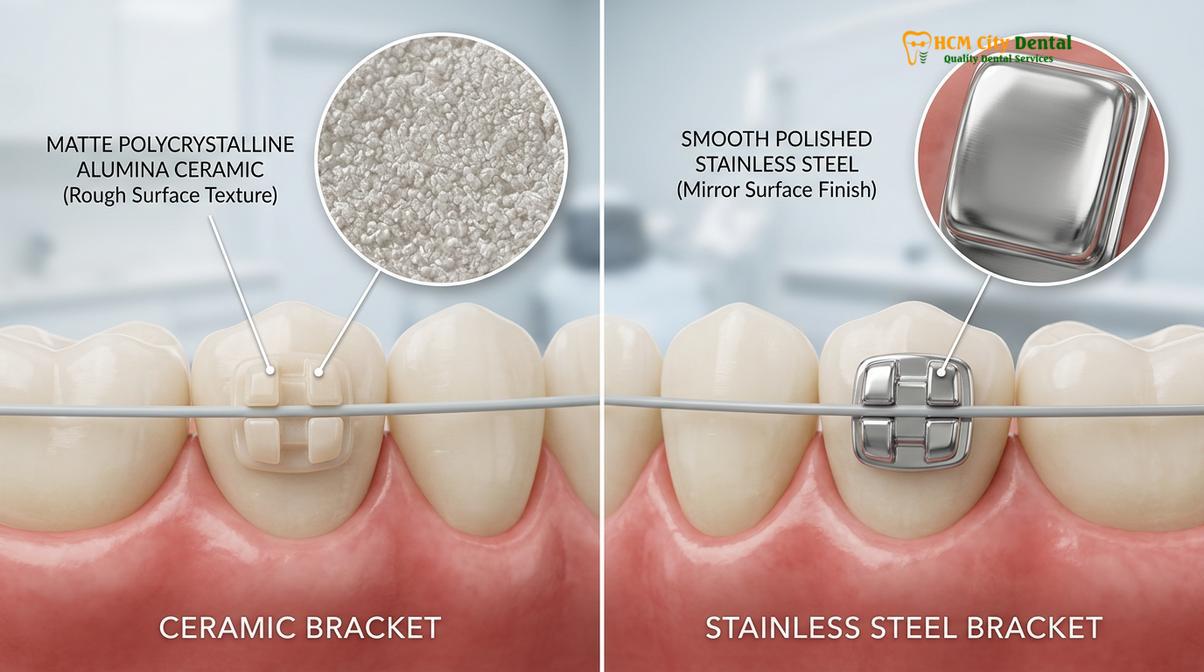
The aesthetic evaluation also extends to the physical profile of the brackets. Because ceramic is a more brittle material than steel, ceramic brackets must be manufactured with slightly thicker dimensions to achieve the necessary structural integrity to withstand the forces of mastication (chewing) and orthodontic torque. Consequently, ceramic brackets often have a slightly bulkier profile than their modern metal counterparts. While this difference is measured in fractions of a millimeter, it can affect the initial comfort of the patient’s inner lips and cheeks during the adaptation phase. However, advancements in manufacturing techniques continue to refine the contours of ceramic brackets, making them smoother and more comfortable than earlier generations.
Material Science: Polycrystalline Alumina vs. Stainless Steel
Stainless steel offers unmatched fracture resistance and low friction, making it ideal for complex biomechanical movements, while ceramic materials prioritize visual subtlety but exhibit higher brittleness and friction coefficients.
A deep dive into the material science of orthodontic brackets reveals the inherent trade-offs between structural durability and aesthetic appeal. Traditional metal brackets are predominantly manufactured from austenitic stainless steel (typically 316L grade), which contains iron, chromium, nickel, and molybdenum. This specific alloy is chosen for its exceptional corrosion resistance in the harsh, wet environment of the oral cavity, as well as its high tensile strength and ductility. Ductility is a critical property; it means that under extreme stress, a metal bracket will deform or bend rather than shatter. This resilience allows orthodontists to apply significant torque and rotational forces to the teeth without fear of bracket failure. Furthermore, the manufacturing process of metal brackets allows for the creation of incredibly precise slot dimensions and smooth surfaces, which minimizes friction and facilitates efficient tooth movement.
In stark contrast, ceramic brackets are composed of aluminum oxide (Al2O3). While alumina is exceptionally hard—ranking just below diamond on the Mohs scale of mineral hardness—it is also highly brittle. It possesses high compressive strength but relatively low tensile and fracture toughness. This means that while a ceramic bracket can withstand significant crushing forces, it is susceptible to chipping or fracturing when subjected to torsional stress or sudden impacts. If a patient bites down forcefully on a hard object, a ceramic bracket is more likely to crack, whereas a metal bracket might simply debond from the tooth or slightly deform. This brittleness necessitates careful handling by the clinician during archwire engagement and requires the patient to be strictly compliant with dietary restrictions to avoid damaging the appliance.
To provide a clear clinical comparison, the following table outlines the primary material differences between the two systems:
| Clinical Property | Stainless Steel Brackets | Ceramic (Alumina) Braces |
|---|---|---|
| Aesthetic Profile | Highly visible, metallic contrast | Tooth-colored or translucent, highly discreet |
| Fracture Toughness | Excellent (ductile, resists shattering) | Low (brittle, prone to chipping under stress) |
| Frictional Resistance | Very low (optimal for sliding mechanics) | Higher (can impede space closure velocity) |
| Enamel Wear Risk | Negligible | High if opposing teeth contact the bracket |
| Debonding Complexity | Straightforward, low risk to enamel | Technique-sensitive, higher risk of enamel micro-fractures |
Another critical material consideration is the hardness of ceramic relative to human enamel. Because aluminum oxide is significantly harder than the hydroxyapatite crystals that make up tooth enamel, there is a clinical risk of severe enamel wear (attrition) if the patient’s upper teeth bite directly against lower ceramic brackets. For this reason, orthodontists are often cautious about placing ceramic brackets on the lower teeth in patients with deep overbites. In such cases, a hybrid approach may be utilized, placing ceramic brackets on the highly visible upper anterior teeth and durable metal brackets on the lower arch to protect the opposing enamel from abrasion.
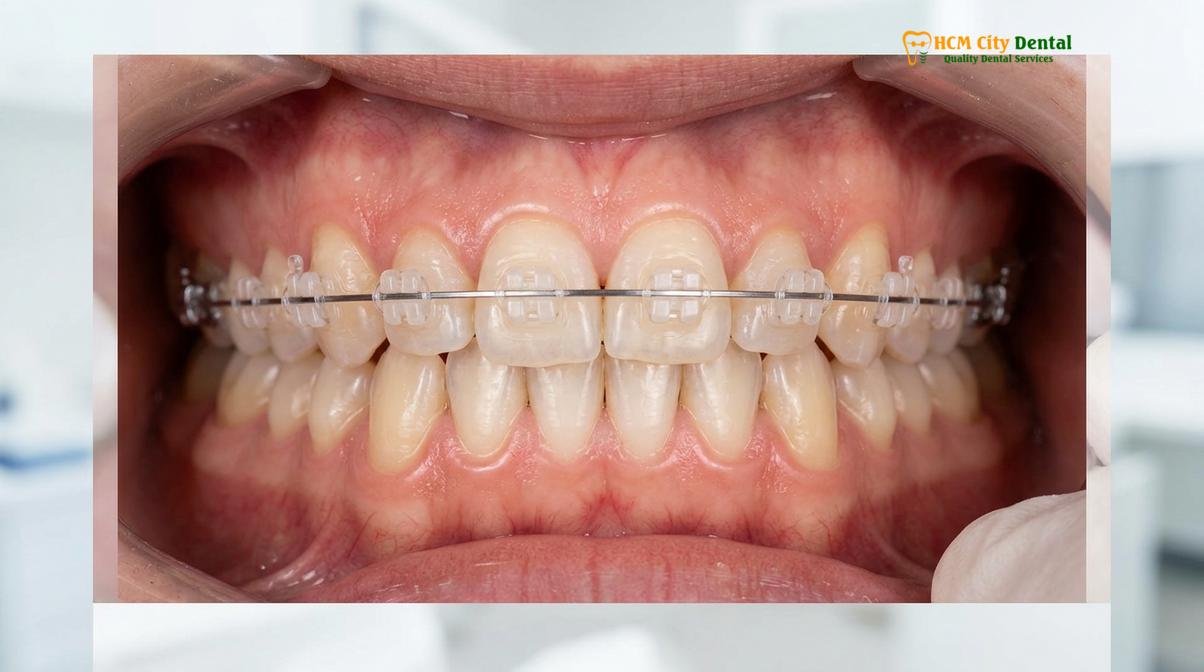
The evolution of self-ligating bracket systems has also impacted the material science discussion. Self-ligating brackets utilize a built-in mechanical door or clip to secure the archwire, eliminating the need for elastomeric ligatures. This design significantly reduces friction and makes oral hygiene easier. Both metal and ceramic self-ligating options are available today. However, engineering a reliable, durable moving clip out of brittle ceramic is technically challenging, so many aesthetic self-ligating brackets feature a ceramic body with a rhodium-coated metal clip to ensure mechanical reliability while maintaining a discreet appearance.
Clinical Workflows and Treatment Timelines
Treatment workflows for both systems involve precise bracket bonding and sequential archwire progression, though ceramic brackets may require slightly longer treatment times in complex cases due to friction and fracture management.
The clinical workflow for initiating orthodontic treatment is largely consistent regardless of whether metal or ceramic brackets are selected. The process begins with a comprehensive diagnostic phase, including digital intraoral scanning, panoramic and cephalometric radiography, and detailed photographic analysis. Based on these diagnostics, the orthodontist formulates a precise treatment plan, calculating the exact vectors of force required to resolve crowding, close spaces, and correct the bite relationship. The physical application of the braces, known as the bonding appointment, requires meticulous isolation and moisture control. The enamel surface is prepared with a mild phosphoric acid etchant to create microscopic porosities, followed by the application of a primer and a light-cured composite resin adhesive. The brackets are then positioned on the teeth with exacting precision, as the specific placement dictates the final angulation and torque of the tooth.
While the bonding protocol is similar, the chemical interaction between the bracket base and the adhesive differs. Metal brackets rely primarily on mechanical retention; the base of the bracket features a mesh pad that the composite resin flows into and locks around. Ceramic brackets, however, often utilize both mechanical retention and chemical adhesion. The base of a ceramic bracket may be treated with a silane coupling agent, which creates a strong chemical bond with the composite resin. This results in an exceptionally high bond strength, which is beneficial for preventing accidental bracket detachment during treatment but presents specific challenges at the conclusion of therapy.
Clinical Case Review: Adult Orthodontic Management
A 32-year-old patient presented to HCMC Dental Clinic in Ho Chi Minh City seeking correction for moderate anterior crowding and a Class II malocclusion. Due to her profession in public relations, she strongly preferred an aesthetic solution but was not an ideal candidate for clear aligners due to the need for significant root torquing. Dr. Cuong recommended a hybrid fixed appliance approach: polycrystalline ceramic brackets on the maxillary (upper) arch for maximum discretion, and traditional stainless steel brackets on the mandibular (lower) arch to prevent enamel wear from her deep bite. Over a 22-month treatment timeline, the patient achieved optimal alignment and functional occlusion. The hybrid approach successfully balanced her aesthetic demands with the biomechanical necessities of her specific malocclusion, demonstrating the value of customized treatment planning.
The phase of treatment that often highlights the differences between the two systems is the debonding process—the removal of the brackets once alignment is complete. Removing metal brackets is generally straightforward; the orthodontist uses a specialized plier to gently squeeze the base of the bracket, causing the metal mesh to flex and safely peel away from the adhesive, leaving the enamel intact. Because ceramic is rigid and does not flex, removing ceramic brackets is highly technique-sensitive. If improper force is applied, the high bond strength combined with the brittleness of the material can cause the bracket to shatter, or worse, cause micro-fractures or tear-outs in the underlying enamel [3]. Orthodontists must use specific debonding instruments designed to safely fracture the adhesive layer without transferring excessive stress to the tooth structure.
Regarding treatment timelines, the duration of therapy is primarily dictated by the biological rate of bone remodeling and the complexity of the malocclusion, rather than the bracket material alone. However, in cases requiring extensive sliding mechanics—such as closing large extraction spaces—the higher frictional resistance of ceramic brackets can marginally slow down the rate of tooth movement. Orthodontists may need to employ specialized mechanics, such as closing loops in the archwire rather than relying purely on sliding, to overcome this friction. Consequently, patients opting for ceramic braces should be aware that their treatment timeline might be slightly extended compared to the highly efficient mechanics possible with traditional metal systems, particularly when resolving severe dental overcrowding.
Maintenance, Hygiene, and Staining Prevention
While ceramic brackets themselves resist discoloration, the clear elastomeric ligatures used to secure the archwire are highly susceptible to staining from dietary pigments, requiring meticulous oral hygiene and dietary modifications.
Maintaining optimal oral hygiene is a paramount clinical requirement during any fixed orthodontic treatment. The presence of brackets and archwires creates numerous retentive areas where dental plaque, food debris, and cariogenic bacteria can accumulate. If plaque is not meticulously removed, the bacteria produce acids that demineralize the adjacent enamel, leading to white spot lesions (early cavities) and gingival inflammation (gingivitis). Patients must commit to a rigorous daily regimen involving soft-bristled or orthodontic toothbrushes, interdental brushes to clean beneath the wire, and specialized flossing tools or water irrigators.
When discussing ceramic braces vs metal braces aesthetics, the topic of staining is frequently misunderstood. The ceramic brackets themselves—whether polycrystalline or monocrystalline—are highly resistant to discoloration. They do not absorb pigments and will maintain their original shade throughout the duration of treatment. The aesthetic vulnerability lies entirely in the elastomeric ligatures (the small rubber bands) used to hold the archwire into the bracket slot. To maintain the discreet appearance of ceramic braces, orthodontists typically use clear, white, or pearl-colored ligatures. Unfortunately, the polyurethane material of these ligatures is highly porous and prone to absorbing chromogenic (color-causing) agents from the patient’s diet [4].
Clinical Warning: Dietary Staining and Bracket Integrity
Patients utilizing clear elastomeric ligatures with ceramic braces must exercise strict dietary caution to prevent rapid discoloration. Frequent consumption of highly pigmented foods and beverages—such as turmeric, curry, black coffee, red wine, dark berries, and tomato-based sauces—will quickly turn clear ligatures yellow or brown, severely compromising the aesthetic advantage of the appliance. Furthermore, due to the brittle nature of ceramic, patients must absolutely avoid chewing ice, hard candies, or un-cut hard fruits, as these can easily fracture the ceramic brackets, necessitating emergency repair appointments and potentially delaying the overall treatment timeline.
If a patient consumes a heavily pigmented meal, the clear ligatures can stain almost immediately, creating the illusion that the braces themselves have turned yellow. While this does not affect the biomechanical function of the braces, it defeats the primary purpose of choosing an aesthetic appliance. Fortunately, these ligatures are replaced at every routine adjustment appointment (typically every 4 to 8 weeks), instantly refreshing the clean appearance of the braces. To minimize staining between visits, patients are advised to rinse their mouths vigorously with water immediately after consuming pigmented foods and to maintain impeccable brushing habits.
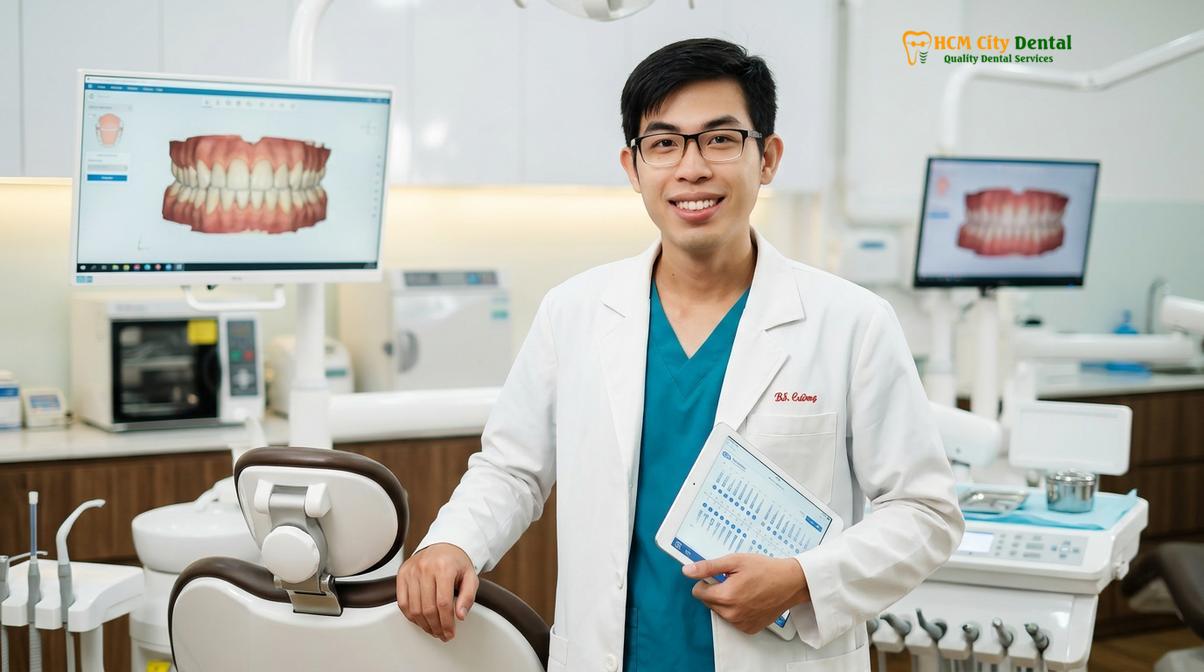
“I always advise my adult patients that choosing ceramic braces is a commitment not just to the financial investment, but to a specific lifestyle during treatment. The aesthetic benefits are remarkable, but they require the patient to be highly conscious of their dietary choices and oral hygiene routines. If a patient consumes multiple cups of black coffee daily and struggles with plaque control, the aesthetic advantage of ceramic is quickly lost to stained ligatures and inflamed gingiva.” — Dr. Nguyen Van Cuong
For patients who find dietary restrictions challenging, self-ligating ceramic brackets offer a distinct advantage. Because these systems use a built-in clip rather than porous rubber ligatures to secure the wire, the primary source of staining is eliminated. This allows patients to enjoy a wider variety of foods without the constant anxiety of discoloring their appliance, while also reducing plaque retention around the bracket perimeter.
Cost Considerations and Treatment Planning in Ho Chi Minh City
Ceramic braces generally incur a higher financial investment than metal braces due to the advanced manufacturing costs of alumina materials and the specialized clinical techniques required for safe application and removal.
The financial aspect of orthodontic care is a significant factor for many patients. When evaluating the cost of ceramic versus metal braces, it is universally observed that ceramic systems command a premium. This price differential is rooted in several factors. First, the raw materials and manufacturing processes required to produce high-quality, fracture-resistant, and optically pleasing polycrystalline or monocrystalline alumina brackets are significantly more expensive than mass-producing stainless steel brackets. Second, the clinical management of ceramic braces often requires slightly more chair time. The bonding process must be meticulously executed to ensure optimal chemical adhesion, and the debonding process requires careful, deliberate technique to protect the enamel, utilizing specialized single-use or high-end instruments.
At HCMC Dental Clinic, the treatment planning phase involves a transparent discussion of these cost variables. Patients seeking cost-effective adult orthodontic solutions may find that traditional metal braces align better with their financial parameters while delivering identical functional outcomes. However, for many adults, the psychological comfort and professional confidence afforded by the discreet appearance of ceramic braces justify the additional investment. It is also important to consider that the overall cost of treatment is heavily influenced by the complexity of the malocclusion and the estimated duration of therapy, rather than just the hardware itself. For instance, correcting excessive overjet or complex skeletal discrepancies will require more extensive biomechanical management, impacting the total fee regardless of the bracket type chosen.
When to See an Orthodontist for a Clinical Evaluation
Determining the optimal time to initiate orthodontic treatment requires a professional clinical assessment. While aesthetic concerns often prompt patients to seek care, orthodontics is fundamentally a medical discipline focused on establishing a healthy, functional, and stable bite. You should schedule a comprehensive evaluation with an orthodontic specialist if you experience any of the following clinical indicators:
- Visible Crowding or Spacing: Teeth that are severely overlapping, rotated, or have significant gaps between them, which can impede proper oral hygiene and increase the risk of periodontal disease.
- Bite Discrepancies: Difficulty chewing, a deep overbite (where upper teeth excessively cover lower teeth), an underbite, or a crossbite (where upper teeth sit inside the lower teeth).
- Jaw Pain or TMJ Symptoms: Chronic discomfort in the jaw joints, frequent headaches, or uneven wear patterns on the chewing surfaces of the teeth, which may indicate an unstable occlusal relationship.
- Speech Impediments: Difficulty articulating certain sounds that may be related to the position of the teeth or the structure of the palate.
During a consultation, the clinician will perform a thorough examination, including 3D imaging and cephalometric analysis, to determine the exact nature of the malocclusion. Based on these diagnostics, the orthodontist can provide personalized recommendations regarding the most appropriate appliance—whether that involves the durability of metal, the aesthetics of ceramic, or alternative modalities—tailored to your specific anatomical needs and lifestyle preferences [5]. Early intervention and precise treatment planning are critical for achieving a stable, long-lasting, and healthy smile.
Frequently Asked Questions
Do ceramic braces stain more easily than metal braces?
The ceramic brackets themselves are highly resistant to staining, but the clear elastic ligatures used to hold the wire can discolor quickly. Consuming highly pigmented foods like curry, coffee, or red wine can stain these ligatures, requiring them to be replaced during your routine orthodontic adjustments. Maintaining excellent oral hygiene and rinsing after meals can help mitigate this issue.
Are metal braces faster than ceramic braces?
Metal braces can sometimes achieve faster results in complex cases due to their lower frictional resistance and higher structural durability. Ceramic brackets generate slightly more friction against the archwire, which may marginally extend the treatment timeline during the space closure phase of orthodontics. However, for mild to moderate alignment issues, the treatment duration is often very similar.
Can adults wear traditional metal braces?
Yes, adults can absolutely wear traditional metal braces, and many choose them for their durability, efficiency, and cost-effectiveness. While aesthetic concerns often drive adults toward clear options, modern metal brackets are smaller and less obtrusive than older designs, making them a highly effective clinical choice for comprehensive bite correction at any age.
Do ceramic braces hurt more than metal braces?
The biological discomfort experienced during tooth movement is identical for both ceramic and metal braces, as the applied forces are similar. However, ceramic brackets are slightly bulkier and can feel marginally rougher against the inner lips and cheeks during the initial adaptation period. Orthodontic wax can be used to alleviate this temporary soft tissue irritation.
Are ceramic braces more expensive than metal braces?
Ceramic braces typically require a higher financial investment than traditional metal braces due to the advanced manufacturing costs of polycrystalline alumina. Additionally, the specialized materials and slightly longer chair time required for safe bonding and debonding contribute to the overall treatment fee. Your orthodontist will provide a detailed cost breakdown during your consultation.
References
- American Journal of Orthodontics and Dentofacial Orthopedics. Frictional resistance in ceramic and stainless steel brackets. (2021).
- Journal of Clinical Orthodontics. Aesthetic perception of orthodontic appliances among adults. (2020).
- Angle Orthodontist. Enamel damage during debonding of ceramic brackets: A systematic review. (2019).
- European Journal of Orthodontics. Color stability of aesthetic elastomeric ligatures in orthodontics. (2022).
- International Journal of Dentistry. Biomechanical comparison of tooth movement with different bracket materials. (2018).
For a personalized assessment of your orthodontic needs and to explore which bracket system is clinically appropriate for your smile, we encourage you to schedule a consultation with our specialists. Comprehensive orthodontic options are available to ensure your treatment aligns with both your functional requirements and aesthetic goals.
Metal Braces vs Ceramic Braces: Durability and Clinical Performance
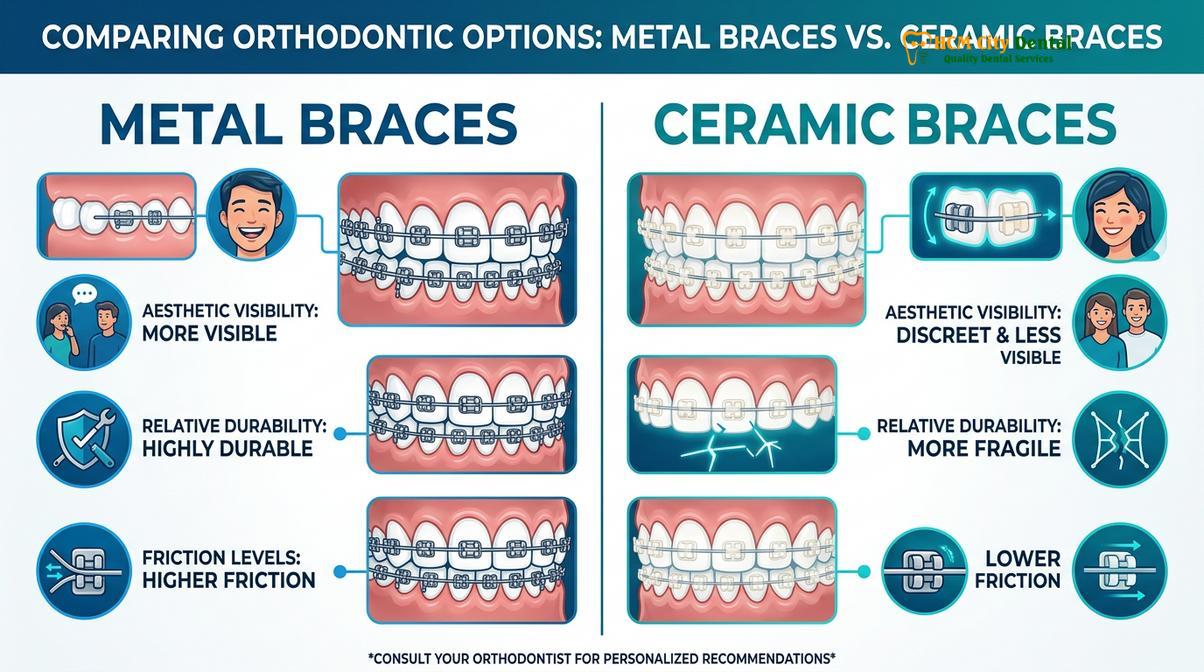
While aesthetics are the main reason patients choose ceramic brackets, understanding the mechanical trade-offs between metal braces vs ceramic braces is essential. Stainless steel metal brackets are extremely durable, low-friction, and can withstand high orthodontic forces, making them ideal for complex teeth movement. Ceramic brackets, while highly discreet, are more brittle and prone to fracturing under heavy bite forces. They also have higher friction, which can slightly extend treatment times. Additionally, while the ceramic brackets themselves do not stain, the clear elastic ties securing the archwire can discolor if you consume dark foods and beverages.