Invisalign Teen compliance indicators are specialized blue dots embedded in clear aligners that fade from blue to clear based on wear time. These markers allow orthodontists and parents to objectively verify that teenagers are meeting the mandatory 22-hour daily wear requirement for successful orthodontic tooth movement.
Clinical Summary:
Orthodontic treatment for adolescents presents unique challenges, primarily centered around patient adherence to prescribed wear protocols. The integration of compliance indicators into clear aligner therapy provides a scientifically validated method to monitor intraoral wear time. These indicators utilize a biocompatible, temperature-sensitive dye that gradually dissolves in the presence of saliva and body heat. By evaluating the fading progression of these markers, clinicians can accurately assess patient cooperation, adjust treatment timelines, and prevent complications associated with intermittent orthodontic forces. This objective tracking mechanism bridges the communication gap between the clinician, the teenage patient, and the parents, fostering a collaborative environment essential for achieving optimal functional and aesthetic outcomes.
Key Takeaways:
- Compliance indicators are embedded blue dots that fade based on continuous exposure to intraoral moisture and temperature.
- The fading process provides an objective measurement to ensure the teenager is wearing the aligners for the required 20 to 22 hours per day.
- Intermittent wear can lead to delayed tooth movement, tracking failures, and potential root resorption.
- The teen-specific system includes eruption compensators to accommodate growing permanent teeth.
- A built-in replacement program offers a safety net for lost or damaged aligners, minimizing treatment disruptions.
Invisalign Teen: Clear Aligners Designed for Young Adults
Invisalign Teen is a specialized orthodontic system utilizing SmartTrack material and eruption compensators to accommodate growing jaws, offering a discreet, removable alternative to traditional metal braces.
Adolescence is a critical period for dentofacial development, making it an ideal time for comprehensive orthodontic intervention. However, the psychological and social dynamics of teenage years often make traditional fixed appliances less appealing. The development of advanced clear aligner therapy specifically tailored for younger demographics has revolutionized how clinicians approach malocclusion in growing patients. Unlike adult systems, the teen variant incorporates specific biomechanical features designed to address the dynamic nature of a developing dentition.
One of the primary anatomical considerations in adolescent orthodontics is the continuous eruption of permanent teeth, particularly the second molars and premolars. To manage this, the aligners are engineered with eruption compensators—small, precisely calculated voids within the thermoplastic material that guide erupting teeth into their correct functional positions without hindering their natural vertical movement[1]. This allows the clinician to initiate treatment even if the patient is in the late mixed dentition phase, rather than waiting for all permanent teeth to fully erupt.
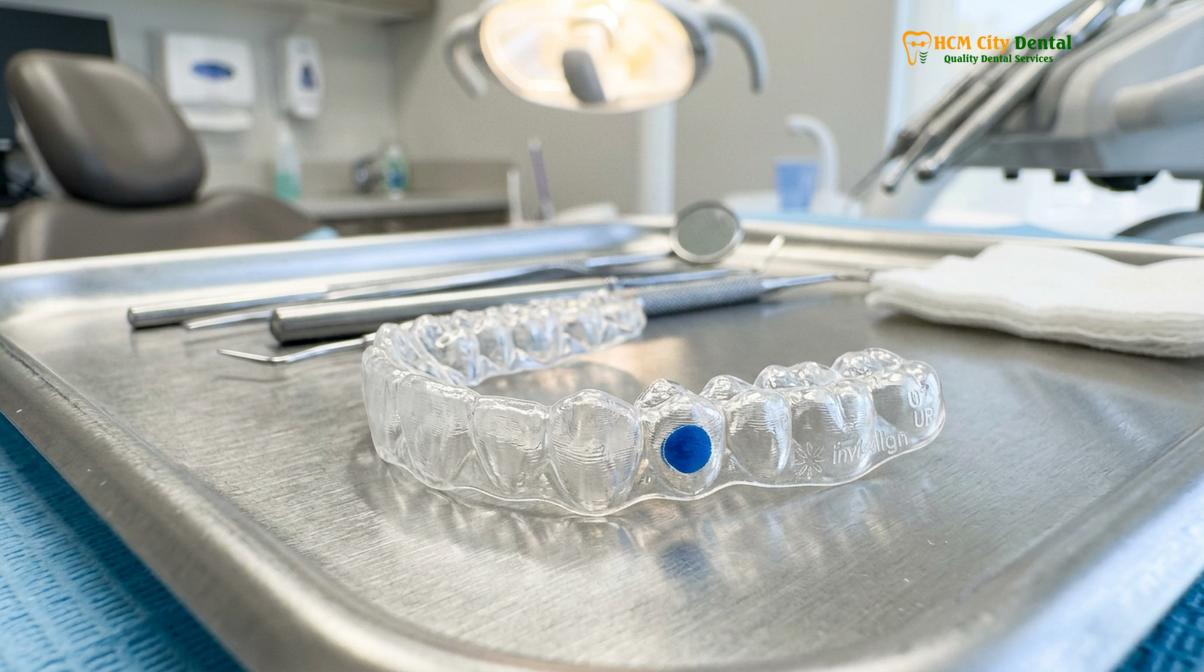
The foundation of this system is the proprietary SmartTrack material, a highly elastic polyurethane elastomer. This material is clinically proven to deliver constant, gentle orthodontic forces, which are essential for efficient bone remodeling and minimal patient discomfort[2]. When evaluating the clinical efficacy of removable systems, teens often prefer the discreet nature of aligners, which facilitates superior oral hygiene. Unlike fixed brackets that trap plaque and require specialized cleaning techniques, removable trays allow the patient to brush and floss normally, significantly reducing the risk of white spot lesions and gingival inflammation.
Furthermore, the clear aligner system can be integrated with other protective oral appliances, a common aspect of Orthodontics tại HCMC Dental Clinic, especially if the teenager is involved in contact sports. The ability to remove the orthodontic device and insert a custom athletic mouthguard ensures that the teeth remain protected during physical activities without compromising the overall orthodontic treatment plan.
The Science of the Blue Compliance Indicator Dot
The blue compliance indicator dots utilize a food-grade, saliva-soluble dye encapsulated within the aligner polymer, which gradually fades over two weeks of continuous intraoral temperature and moisture exposure.
The most significant hurdle in removable orthodontic therapy is ensuring adequate wear time. To address this, bioengineers developed the blue compliance indicator dots, a brilliant integration of material science and clinical monitoring. Located on the posterior region of the aligner (typically near the molars), these small blue markers serve as an objective gauge of patient adherence.
The mechanism behind the fading dot is rooted in controlled chemical dissolution. The dot is composed of a highly safe, non-toxic, food-grade dye that is sensitive to two specific environmental factors: the average intraoral temperature (approximately 37°C) and the continuous presence of salivary moisture[3]. When the aligner is worn as prescribed, the dye slowly diffuses out of the polymer matrix, causing the dot to transition from a deep blue to a pale shade, and eventually to completely clear over a standard two-week wear cycle.
“The compliance indicator is not merely a suggestion; it is a vital diagnostic tool. If a patient returns for a progress check and the dot remains dark blue, it provides immediate, undeniable feedback that the biological forces required for bone remodeling are not being sustained.”
— Dr. Nguyen Van Cuong
This dual-activation requirement (heat and moisture) is a critical design feature. It prevents the system from being easily manipulated. For instance, if a teenager attempts to “cheat” the system by soaking the aligner in a glass of cold water or leaving it in a warm, dry environment, the dot will not fade at the correct physiological rate. This ensures that the orthodontist receives an accurate representation of the actual intraoral wear time.
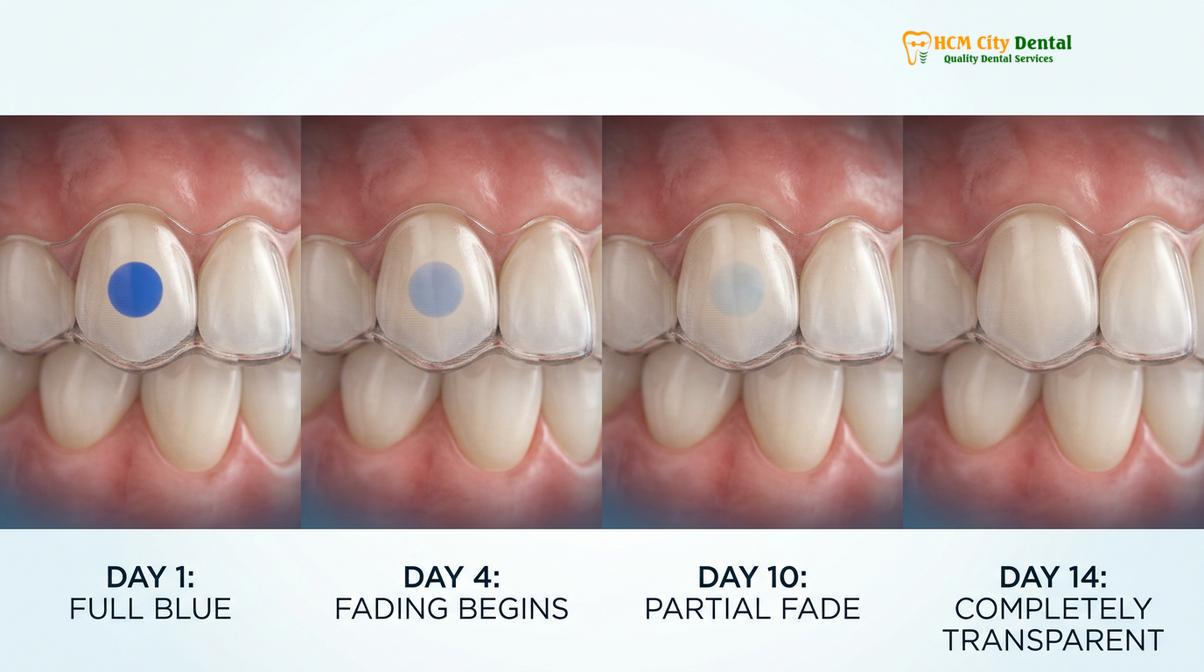
During a routine clinical assessment, the orthodontist evaluates the shade of the indicator against the expected timeline. The fading process generally correlates with the following wear patterns:
| Indicator Appearance | Estimated Wear Time | Clinical Interpretation |
|---|---|---|
| Solid Dark Blue | 0 – 3 Days | Aligner is brand new or severely under-worn. |
| Medium Blue / Fading | 4 – 8 Days | Patient is wearing the aligner, but may be missing hours. |
| Pale Blue / Very Light | 9 – 12 Days | Good compliance; approaching the end of the tray cycle. |
| Completely Clear | 13 – 14+ Days | Excellent compliance; ready for the next aligner stage. |
By utilizing these indicators, clinicians can transition from subjective questioning to objective clinical verification. This data-driven approach allows for timely interventions, ensuring that the treatment remains on schedule and the biological response of the periodontal ligament is optimized.
Wear Compliance: Motivating Teenagers to Hit the 22-Hour Rule
Achieving the mandatory 22-hour daily wear time requires a combination of clinical monitoring via indicator dots, parental support, and educating the teenager on the biomechanical necessity of continuous orthodontic force.
Orthodontic tooth movement is a complex biological process that relies on the application of continuous, light forces to stimulate osteoclastic activity on the pressure side of the tooth root and osteoblastic activity on the tension side. For this cellular remodeling to occur efficiently, the aligners must be worn for a minimum of 20 to 22 hours per day. Any significant deviation from this protocol disrupts the cellular response, leading to stalled tooth movement or, worse, a “jiggling” effect that can cause trauma to the periodontal ligament.
Motivating adolescents to adhere to this strict regimen requires a multifaceted approach. The implementation of teen clear aligners wear tracking through the blue dots provides a tangible goal for the patient. When teenagers understand that their compliance is visibly measurable, they are often more inclined to take responsibility for their treatment. It shifts the dynamic from parental nagging to a shared clinical objective.
Clinical Warning: The Risks of Intermittent Wear
Failing to wear aligners for the prescribed 22 hours daily does more than just prolong treatment. Intermittent application and removal of orthodontic forces can lead to “tracking failures,” where the teeth no longer fit precisely into the aligner. Furthermore, chronic intermittent force is a known risk factor for apical root resorption, a condition where the root of the tooth permanently shortens[4].
Education is paramount. Clinicians must explain the “why” behind the 22-hour rule. When the aligner is removed for extended periods, the stretched periodontal fibers attempt to pull the tooth back to its original position—a phenomenon known as relapse. If a patient struggles with compliance, they may eventually require interventions similar to those detailed in our clinical guide on broken fixed retainer repair in Vietnam, which could involve extending the treatment duration, ordering refinement trays, or even switching to fixed appliances to regain control of the tooth movement.
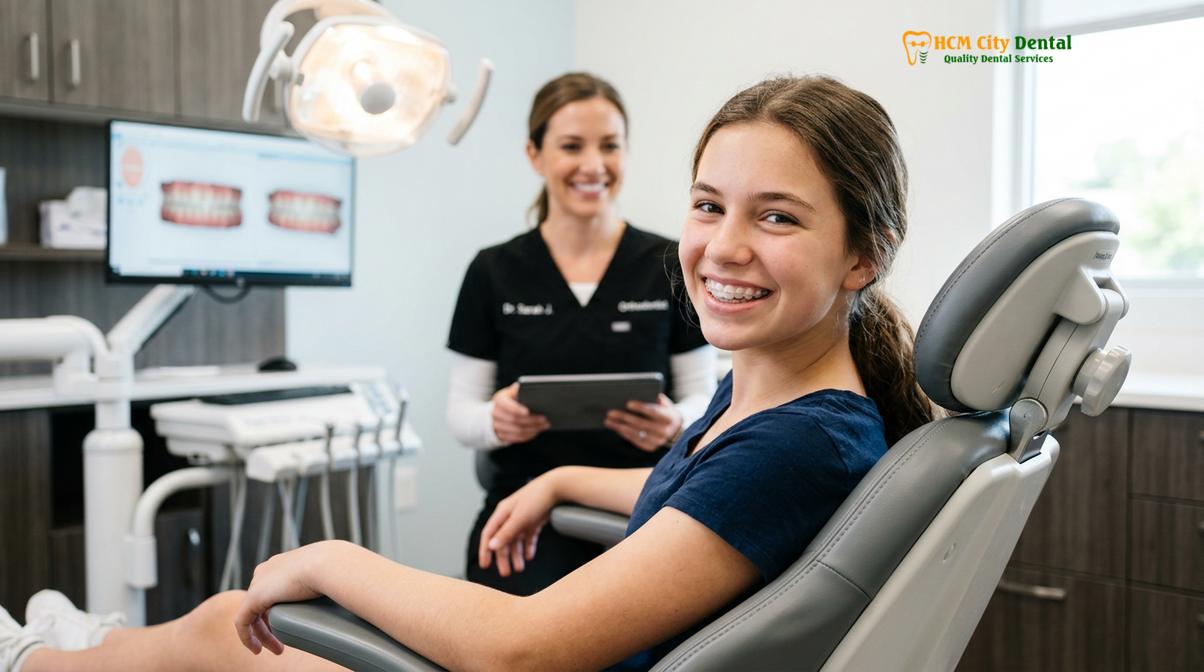
To foster better compliance, orthodontists often recommend integrating aligner care into the teenager’s daily routine. Using mobile applications to track wear time, setting reminders for inserting the trays after meals, and establishing a clear understanding of the consequences of non-compliance are highly effective strategies. The blue dot serves as the ultimate arbiter, providing a clear visual cue that the biological requirements for a healthy, straight smile are being met.
Accident Insurance: The Teen Aligner Replacement Program
To mitigate the risk of lost or damaged trays, the Invisalign Teen system includes a built-in replacement program that provides up to six free replacement aligners during the treatment course.
One of the most common concerns parents express when considering removable orthodontics for their children is the likelihood of the appliances being lost or accidentally discarded. Teenagers lead active, sometimes chaotic lives. Whether it is wrapping an aligner in a napkin at the school cafeteria and accidentally throwing it away, or leaving the aligner case at a sports practice, the risk of loss is a valid clinical consideration.
Recognizing this reality, the manufacturer integrated a free aligner replacement program specifically for the teen demographic. This program typically covers the cost of up to six individual replacement arches (e.g., three upper and three lower trays) throughout the duration of the treatment. This built-in “accident insurance” provides immense peace of mind for parents and ensures that minor mishaps do not derail the entire orthodontic timeline[5].
Clinical Scenario: Managing a Lost Aligner
A 15-year-old patient undergoing treatment at HCMC Dental Clinic in Ho Chi Minh City accidentally discarded her upper aligner (Tray #8) during a school lunch break. The patient immediately contacted the clinic. Because she had only been wearing Tray #8 for three days, the clinical team advised her to revert to Tray #7 to hold the teeth in place while a replacement for Tray #8 was expedited from the laboratory. The replacement was covered under the teen program, and the patient’s treatment timeline experienced only a minimal delay.
The clinical workflow for managing a lost appliance is highly structured. When an aligner is lost, the patient must contact their orthodontist immediately. Depending on how many days the lost aligner was worn, the clinician will make a strategic decision. If the aligner was worn for the majority of its two-week cycle, the orthodontist may instruct the patient to simply move forward to the next tray in the series, wearing it for an extended period to ensure the teeth fully express the required movements. If the aligner was lost early in the cycle, the patient will be instructed to wear the previous tray to prevent relapse while the exact duplicate is manufactured.
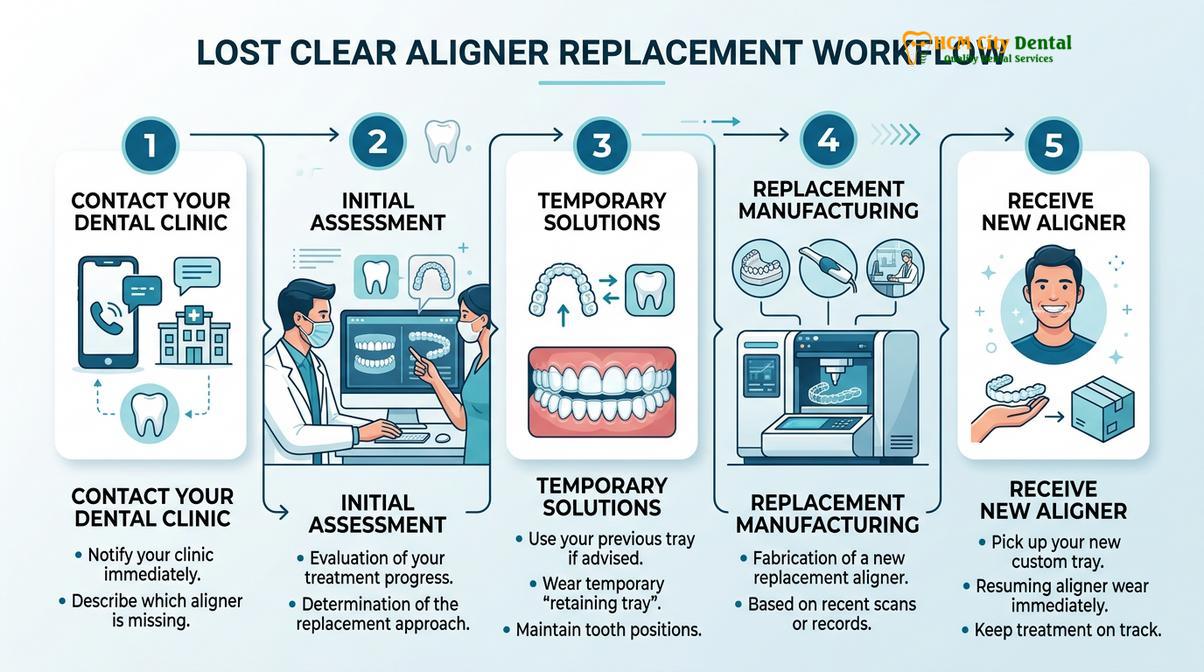
This protocol highlights the importance of never leaving the teeth “uncovered.” Without the stabilizing force of an aligner, teeth can shift rapidly, potentially leading to a situation where the subsequent trays no longer fit. This principle of continuous retention is similar to the protocols used for lost retainer replacement in Saigon, emphasizing that maintaining the current position is always the immediate priority.
Cost and Financing Options for Teen Invisalign in HCMC
The investment for teen clear aligners reflects the advanced proprietary technology, included replacement trays, and comprehensive clinical monitoring, often making it highly competitive with premium traditional orthodontics.
When evaluating orthodontic options, financial considerations are naturally a significant factor for families. The pricing structure is influenced by several variables, including the complexity of the malocclusion, the estimated duration of treatment, and the specific clinical expertise required to manage the case. Because the teen system includes specialized features like eruption compensators, compliance indicators, and the replacement program, the laboratory fees associated with manufacturing the custom aligners are generally higher than those for standard adult cases or basic metal braces.
However, when comparing the total value, clear aligners often present a highly competitive profile. Traditional braces frequently require emergency visits for broken brackets or poking wires—incidents that incur additional clinical time and potential discomfort for the patient. Clear aligners eliminate these specific orthodontic emergencies. Furthermore, the predictability of the digital treatment planning often results in fewer overall appointments, saving time for both the teenager and the parents.
“When parents ask about the cost difference, I encourage them to look at the comprehensive value. The inclusion of replacement trays and the reduction in emergency visits make the teen aligner system a highly predictable investment in their child’s oral health.”
— Dr. Nguyen Van Cuong
For expatriates and international patients residing in Vietnam, the cost of advanced orthodontic care is often significantly more accessible compared to Western countries. When analyzing retainer cost Vietnam vs Korea or reviewing retainer cost Vietnam vs Canada, the fees for premium clear aligner therapy remain highly attractive, even when utilizing the exact same proprietary materials and digital workflows as clinics in North America or Europe.
When to Consult an Orthodontist for Teen Aligners
According to guidelines aligned with the Vietnam Association of Orthodontists (VAO), adolescents should undergo a comprehensive orthodontic evaluation to monitor the eruption of permanent dentition and identify developing malocclusions early. The ideal window for comprehensive teen aligner therapy typically opens when the majority of the primary teeth have exfoliated, and the permanent dentition is establishing its final occlusal relationship.
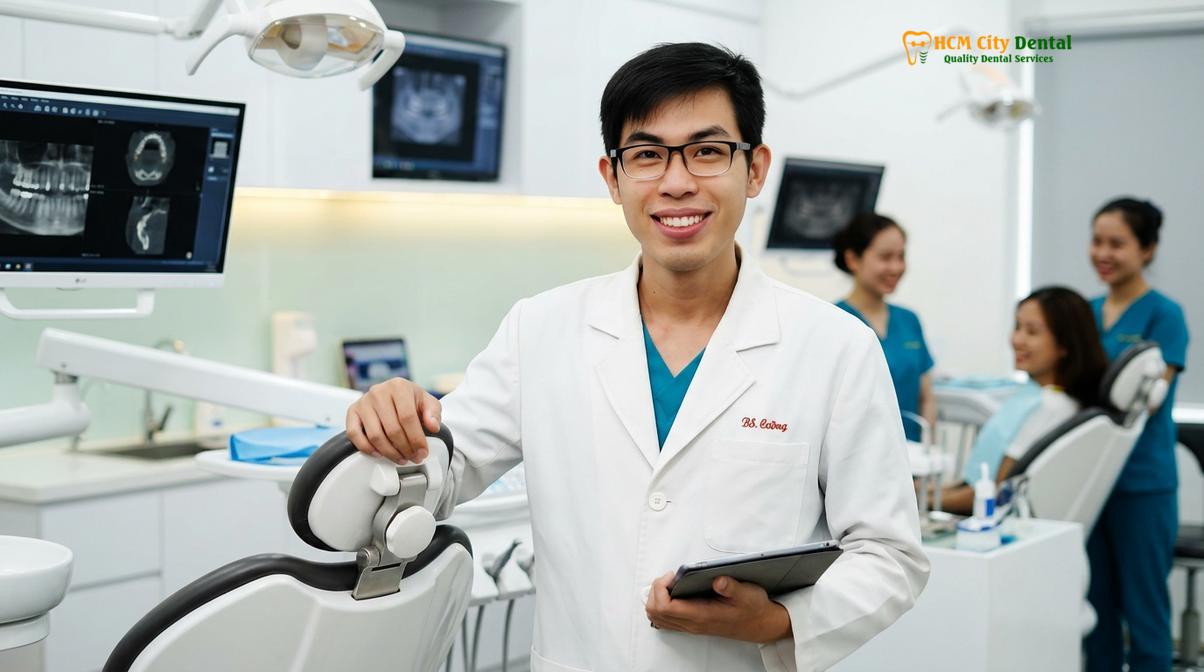
Dr. Nguyen Van Cuong is a highly regarded clinician specializing in adolescent orthodontics. Dr. Cuong meticulously evaluates each patient’s dental development to determine the optimal starting point for clear aligner therapy. By combining digital diagnostics with a deep understanding of biomechanics, he ensures that every teenager receives a customized, effective treatment plan that respects the biological limits of tooth movement.
Parents should schedule an orthodontic consultation if they notice their teenager experiencing difficulty chewing, chronic mouth breathing, crowded or misplaced teeth, or jaws that shift or make sounds. Early intervention, guided by objective tools like compliance indicators, can prevent more severe dental issues in adulthood and foster a lifetime of confident smiles.
References
- American Journal of Orthodontics and Dentofacial Orthopedics. Clinical effectiveness of clear aligner therapy in adolescents. (2021).
- Journal of Clinical Orthodontics. Biomechanical properties of SmartTrack material and compliance indicators. (2020).
- European Journal of Orthodontics. Wear time tracking and patient compliance in removable orthodontic appliances. (2019).
- Angle Orthodontist. Root resorption and intermittent orthodontic forces in adolescent patients. (2022).
- International Journal of Paediatric Dentistry. Management of lost or damaged orthodontic appliances in teenagers. (2018).
For personalized advice on adolescent orthodontics and to learn more about how compliance indicators can benefit your child’s treatment, schedule a consultation at HCMC Dental Clinic. Our dedicated team in Ho Chi Minh City is ready to provide comprehensive care and advanced Orthodontics tại HCMC Dental Clinic tailored to your teenager’s unique needs.
For pricing, booking, and a free clinical assessment, visit our Invisalign & Clear Aligner service page at HCMC Dental Clinic in Ho Chi Minh City.