Pediatric interceptive orthodontics combined with myofunctional therapy is a proactive, Phase 1 dental treatment for children. It utilizes specialized appliances to guide jaw growth, correct poor oral habits like mouth breathing, and create adequate space for erupting permanent teeth, ultimately preventing complex skeletal issues.
Clinical Summary:
Early interceptive orthodontics, often referred to as Phase 1 treatment, focuses on diagnosing and correcting skeletal and muscular imbalances in children before all permanent teeth have erupted. By integrating myofunctional therapy, clinicians address the root causes of malocclusion, such as mouth breathing, tongue thrusting, and improper swallowing patterns. Utilizing appliances like palatal expanders and silicone trainers, this dual approach widens narrow dental arches, optimizes the nasal airway, and guides harmonious craniofacial development. This proactive methodology significantly reduces the likelihood of requiring invasive jaw surgeries or permanent tooth extractions in the future, establishing a foundation for lifelong oral health and stable orthodontic outcomes.
Key Takeaways:
- Phase 1 treatment typically begins between ages 6 and 10, capitalizing on the child’s active skeletal growth phases.
- Palatal expanders physically widen the upper jaw, resolving crossbites and creating essential space for crowded teeth.
- Myofunctional therapy acts as physical therapy for the face, retraining muscles to support nasal breathing and correct tongue posture.
- Addressing airway health early can improve sleep quality, behavioral issues, and overall systemic health in pediatric patients.
- Early intervention minimizes the complexity, duration, and cost of secondary orthodontic treatments during the teenage years.
What is Interceptive Orthodontics? Phase 1 Clinical Guidance
Interceptive orthodontics, or Phase 1 treatment, intervenes during a child’s mixed dentition stage to correct skeletal discrepancies and guide proper jaw development before permanent teeth fully erupt.
The traditional approach to orthodontics often involved waiting until a child reached their teenage years, at which point all primary teeth had exfoliated and the permanent dentition was fully established. However, modern clinical paradigms have shifted toward early intervention. Interceptive orthodontics recognizes that many severe malocclusions are not merely dental problems, but rather skeletal and muscular discrepancies that begin manifesting early in life. By intervening during the mixed dentition phase—typically between the ages of six and ten—clinicians can harness the child’s natural growth spurts to modify the trajectory of craniofacial development[1].
During this critical window, the bones of the jaw are still highly malleable. The midpalatal suture, which divides the upper jaw into two halves, has not yet fused. This anatomical reality allows specialists to gently manipulate the width and position of the maxilla and mandible. When parents seek Phase 1 pediatric treatment HCMC, the primary objective is not to achieve perfectly straight teeth immediately, but rather to create a structurally sound foundation. This involves correcting transverse deficiencies (narrow jaws), anterior or posterior crossbites, severe overjets, and underbites that could otherwise lead to asymmetric facial growth.
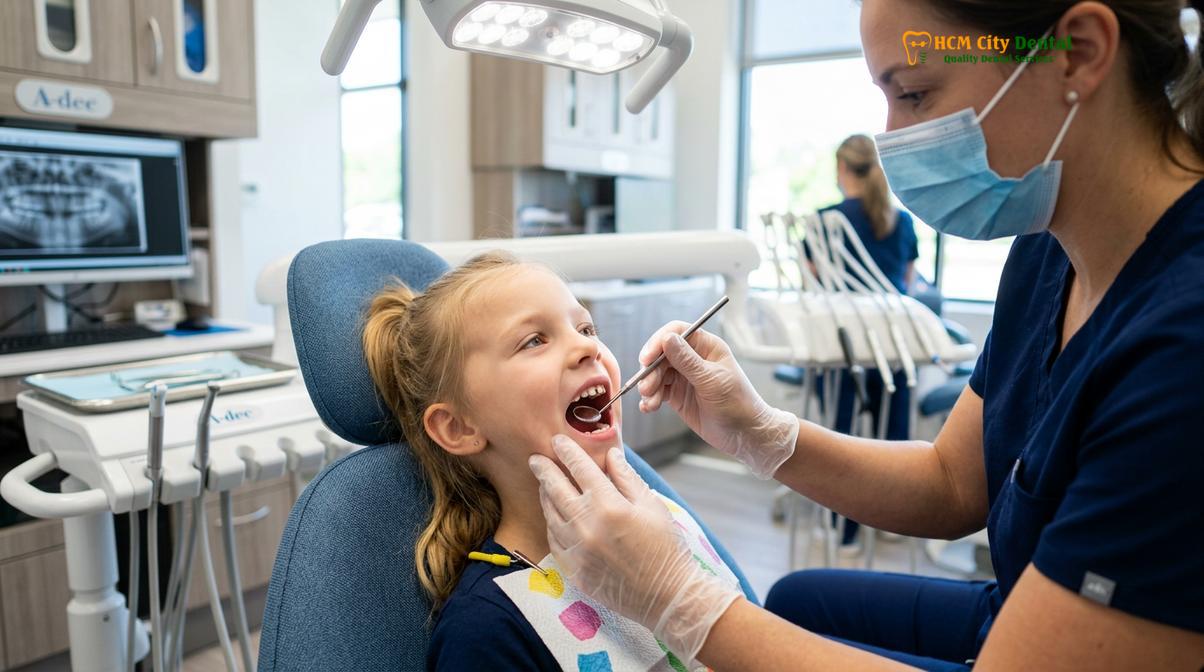
Furthermore, early braces interceptive care is deeply intertwined with airway health. A narrow upper jaw often correlates with a constricted nasal cavity, forcing the child to breathe through their mouth. Chronic mouth breathing alters the resting posture of the tongue, which in turn removes the natural outward pressure needed to shape the upper dental arch. This creates a compounding cycle of poor growth. By integrating comprehensive orthodontic care early on, dental professionals can break this cycle, ensuring that the skeletal framework is optimized for both functional breathing and future dental alignment.
It is essential to understand that Phase 1 pediatric treatment HCMC is highly individualized. Not every child requires early intervention. A thorough clinical assessment, including panoramic and cephalometric radiography, 3D intraoral scanning, and a functional airway evaluation, is necessary to determine candidacy. When indicated, this proactive approach serves as a critical first step in a comprehensive, long-term oral health strategy.
Palatal Expanders: Widening the Jaw to Create Tooth Space
Palatal expanders are custom-fitted orthodontic devices designed to gently widen a narrow upper jaw, correcting crossbites and alleviating severe dental crowding.
One of the most common and effective appliances utilized in early interceptive orthodontics is the rapid maxillary expander (RME) or palatal expander. This device addresses a fundamental issue in pediatric dental development: maxillary transverse deficiency, or a narrow upper jaw. When the maxilla is too narrow, it cannot properly accommodate the erupting permanent teeth, leading to severe crowding, impactions, and crossbites where the upper teeth bite inside the lower teeth. A palatal expander orthodontic kids appliance is specifically engineered to correct this skeletal discrepancy by applying controlled, outward lateral forces against the two halves of the maxilla.
The biomechanics of a palatal expander rely on the anatomy of the growing child. The maxilla is composed of two distinct bones joined at the midline by the midpalatal suture. In children, this suture is composed of fibrous connective tissue and has not yet ossified (fused) into solid bone. When the expander is activated—usually by turning a small central screw—it gradually pushes the two halves of the jaw apart. As the suture opens, the body’s natural osteogenic (bone-building) processes fill the resulting gap with new bone tissue, permanently widening the skeletal base of the upper jaw[2].
Clinical Warning: Strict adherence to the prescribed activation schedule is critical when using a palatal expander. Over-turning the appliance can cause excessive force and discomfort, while under-turning will fail to achieve the necessary skeletal expansion. Additionally, meticulous oral hygiene is required, as food debris can easily become trapped between the appliance and the palatal mucosa, leading to severe tissue inflammation.
The clinical benefits of utilizing a palatal expander orthodontic kids device extend far beyond merely creating space for teeth. Because the roof of the mouth also serves as the floor of the nasal cavity, widening the maxilla simultaneously increases the volume of the nasal airway. This reduction in nasal airway resistance is profoundly beneficial for children who suffer from chronic congestion or sleep-disordered breathing. By facilitating easier nasal breathing, the expander indirectly supports better sleep quality, improved oxygenation, and enhanced cognitive function during the day.
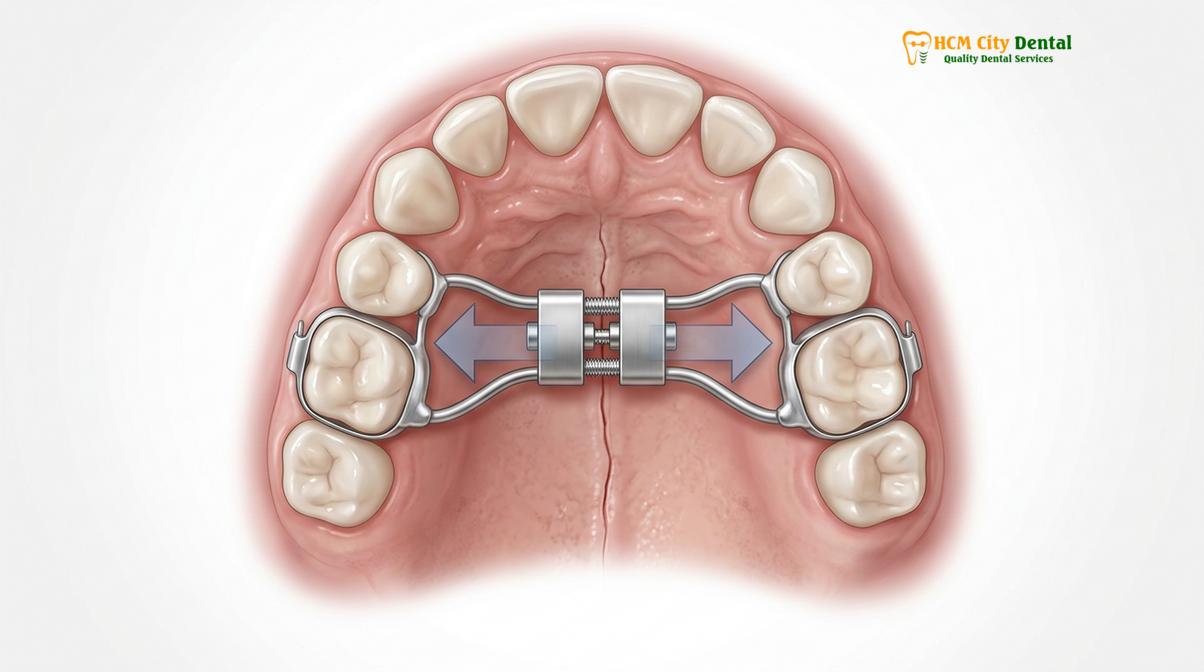
Following the active expansion phase, which typically lasts only a few weeks, the appliance must remain in place passively for several months. This retention period is vital to allow the newly formed bone within the midpalatal suture to mineralize and stabilize. Just as adult patients must be diligent about repairing a broken fixed retainer to prevent relapse, pediatric patients must complete the full retention phase of expansion to ensure the skeletal changes are permanent. Premature removal of the expander can result in a rapid collapse of the newly widened arch.
Myofunctional Trainers: Correcting Mouth Breathing and Tongue Thrusts
Myofunctional trainers are removable silicone appliances that retrain facial muscles, establish nasal breathing, and correct improper tongue resting posture to support natural craniofacial growth.
While mechanical appliances like expanders address the skeletal framework, myofunctional therapy addresses the soft tissue environment—the muscles of the face, lips, and tongue. The fundamental principle of orofacial myology is that form follows function. The resting posture of the tongue and the functional patterns of breathing and swallowing exert continuous, subtle forces on the developing jaws. If these forces are imbalanced, they can easily derail normal craniofacial growth, leading to malocclusions that mechanical orthodontics alone cannot permanently resolve.
For parents searching for a child snoring mouth breathing dentist, the integration of myofunctional trainers is often a revelation. Chronic mouth breathing is one of the most destructive habits for facial development. When a child breathes through their mouth, the tongue drops from its natural resting place against the roof of the mouth to the floor of the mouth. Without the tongue acting as an internal scaffold, the cheek muscles exert unopposed inward pressure on the upper jaw, causing it to narrow and vault upwards. Myofunctional trainers kids Saigon appliances are designed to counteract this by physically guiding the tongue back to the palatal spot and encouraging a competent lip seal.
“We cannot treat malocclusion in isolation. If we straighten the teeth but ignore a chronic mouth-breathing habit or a severe tongue thrust, the muscles will inevitably push the teeth right back out of alignment once the braces are removed. True stability requires neuromuscular harmony.”
— Dr. Nguyen Van Cuong, Lead Clinician
These trainers are typically made of soft, medical-grade silicone and are worn for a few hours during the day and overnight while sleeping. They feature specific anatomical guides, such as a tongue tag to cue proper tongue elevation, lip bumpers to deter hyperactive mentalis muscle activity, and a slight arch form to encourage natural dental alignment. The therapy is essentially a tailored physical therapy program for the face. Alongside wearing the appliance, children are prescribed specific daily exercises to strengthen the orbicularis oris (lip muscles) and coordinate the complex muscular movements required for a mature, somatic swallowing pattern[3].
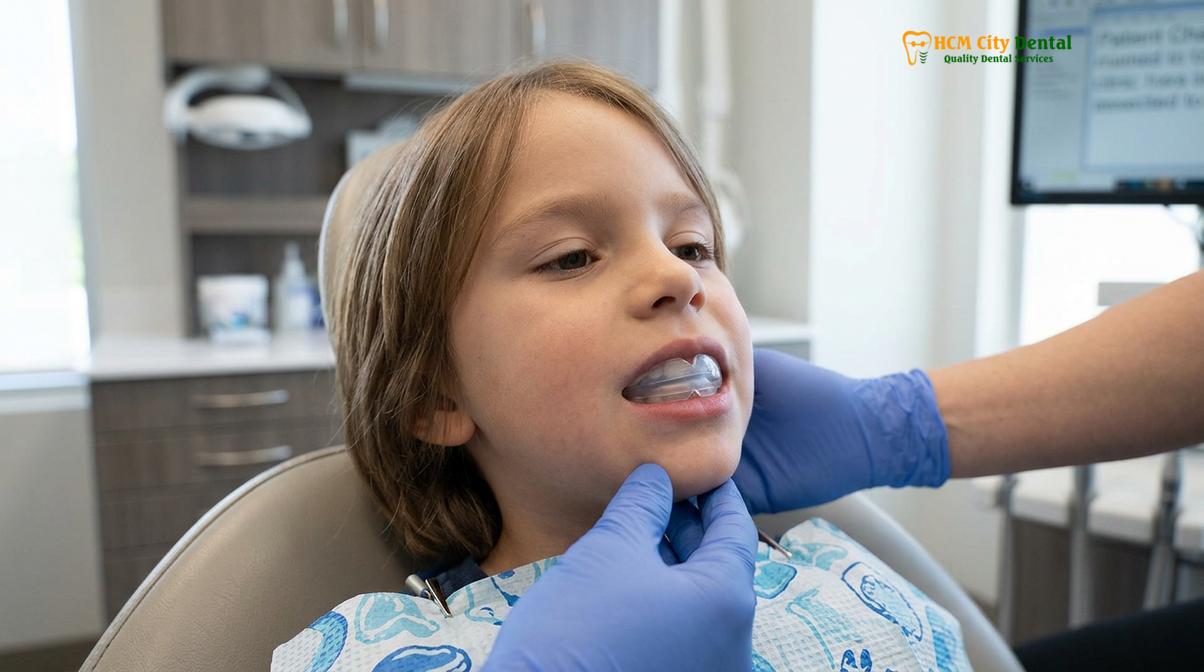
Correcting a tongue thrust—where the tongue pushes forward against the anterior teeth during swallowing—is a primary goal of this therapy. An untreated tongue thrust can create a severe anterior open bite, where the upper and lower front teeth fail to overlap. By utilizing myofunctional trainers kids Saigon, clinicians can retrain the neuromuscular pathways, ensuring that the tongue sweeps backward against the palate during a swallow rather than thrusting forward. This soft-tissue correction is vital for long-term stability; much like how adults seek lost retainer replacement to maintain their alignment, children need balanced muscle function to protect their developing bite.
Clinical Benefits: Reducing the Need for Future Extractions and Surgery
Early intervention optimizes skeletal harmony, significantly lowering the risk of requiring permanent tooth extractions or invasive orthognathic jaw surgery later in life.
The overarching philosophy of early braces interceptive care is prevention and growth modification. By addressing severe discrepancies during the mixed dentition phase, orthodontists can dramatically alter the complexity of future treatments. One of the most significant clinical benefits is the preservation of the permanent dentition. In cases of severe crowding within a narrow arch, the traditional approach often necessitated the extraction of healthy permanent premolars during the teenage years to create enough space to align the remaining teeth. By utilizing early expansion and myofunctional therapy, clinicians can develop the arches to their full genetic potential, frequently eliminating the need for extractions entirely.
Furthermore, interceptive orthodontics plays a crucial role in preventing dental impactions. When there is insufficient space in the dental arch, permanent teeth—most commonly the maxillary canines—can become trapped within the jawbone. An impacted canine is a complex clinical challenge that often requires surgical exposure and prolonged orthodontic traction to bring it into the arch. Early expansion creates the necessary real estate in the bone, allowing these critical teeth to erupt naturally and safely into their correct anatomical positions[4].
| Clinical Parameter | Phase 1 Interceptive (Ages 6-10) | Delayed Phase 2 Only (Ages 12+) |
|---|---|---|
| Skeletal Modification | High potential; sutures are open and malleable. | Limited; sutures are fusing or fully fused. |
| Extraction Risk | Significantly reduced by developing arch width early. | Higher risk of requiring premolar extractions for crowding. |
| Airway Improvement | Proactive expansion of the nasal cavity floor. | Minimal skeletal airway changes without surgery. |
| Treatment Complexity | Simplifies or shortens future teenage braces. | Often requires longer, more complex mechanics. |
| Psychosocial Impact | Early correction of severe aesthetic issues boosts confidence. | Child may endure bullying during formative years. |
Beyond tooth preservation, early intervention is paramount in managing severe skeletal discrepancies, such as Class III malocclusions (underbites). If a child’s upper jaw is growing too slowly or their lower jaw is growing too rapidly, early orthopedic appliances like facemasks or chin cups can be utilized to restrict or encourage specific directional growth. If these skeletal imbalances are left untreated until skeletal maturity is reached, the only viable corrective option is often invasive orthognathic (jaw) surgery. Therefore, the investment in early treatment is profound, offering benefits that parallel the financial foresight of comparing retainer costs across different countries to find the most effective long-term value.
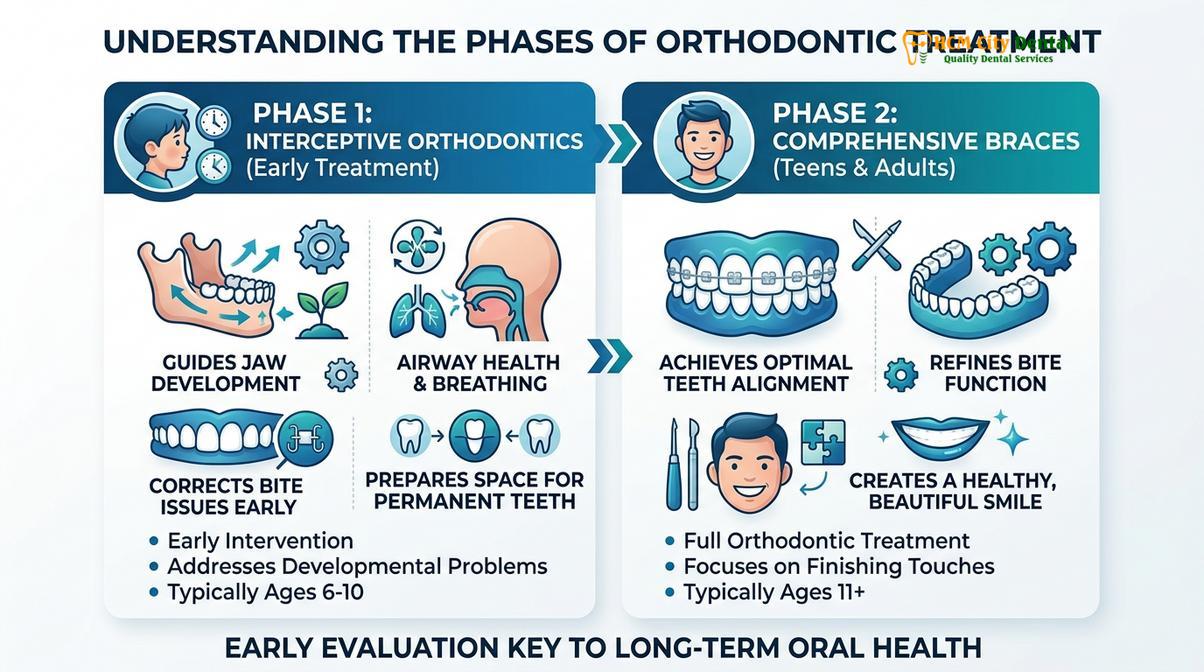
Finally, the psychosocial benefits of early interceptive care cannot be overstated. Children with severe malocclusions, prominent “buck teeth,” or noticeable facial asymmetries are frequently subjected to teasing and social stigma during their most formative years. By correcting these glaring issues early, clinicians not only protect the teeth from physical trauma (such as chipping prominent front teeth during play) but also protect the child’s self-esteem and psychological well-being.
The Process: Custom Child Orthodontics at HCMC Dental Clinic
The clinical workflow involves comprehensive 3D imaging, airway assessment, custom appliance fabrication, and structured monthly monitoring to ensure optimal growth modification.
Delivering high-quality jaw expansion therapy child and myofunctional treatment requires a meticulous, step-by-step clinical workflow. At HCMC Dental Clinic, the process begins with a comprehensive diagnostic consultation. Because pediatric patients present with a dynamic, constantly changing dentition, standard visual examinations are insufficient. The clinical team utilizes advanced diagnostic tools, including low-dose digital panoramic and cephalometric radiographs, to assess the exact positioning of unerupted permanent teeth and evaluate the skeletal relationship between the maxilla, mandible, and cranial base.
A critical component of this initial assessment is the airway evaluation. The clinician will screen for signs of enlarged tonsils or adenoids, assess the patency of the nasal airway, and evaluate the child’s resting tongue posture and swallowing mechanics. Intraoral 3D scanners are then used to capture highly accurate digital impressions of the child’s teeth and soft tissues. These digital models eliminate the need for uncomfortable traditional putty impressions, ensuring a stress-free experience for the young patient while providing the laboratory with precise data for appliance fabrication.
Clinical Case Study: A 7-year-old patient presented to HCMC Dental Clinic in Ho Chi Minh City with a severe posterior crossbite, chronic mouth breathing, and noticeable daytime fatigue. Diagnostic imaging revealed a constricted maxilla and a low resting tongue posture. Dr. Cuong initiated a Phase 1 protocol utilizing a bonded rapid maxillary expander combined with a daytime myofunctional trainer. Within five months, the crossbite was fully resolved, the nasal airway volume increased, and the parents reported a complete cessation of nighttime snoring and a marked improvement in the child’s academic focus.
Once the custom appliances are fabricated, the delivery appointment involves fitting the devices and providing extensive education to both the child and the parents. For expanders, parents are taught exactly how and when to activate the expansion screw. For myofunctional trainers, the child is instructed on proper insertion, wear-time protocols, and the specific daily tongue and lip exercises required to build muscle memory. Compliance is the cornerstone of success in jaw expansion therapy child; without consistent wear and active participation in the exercises, the desired neuromuscular changes will not occur.
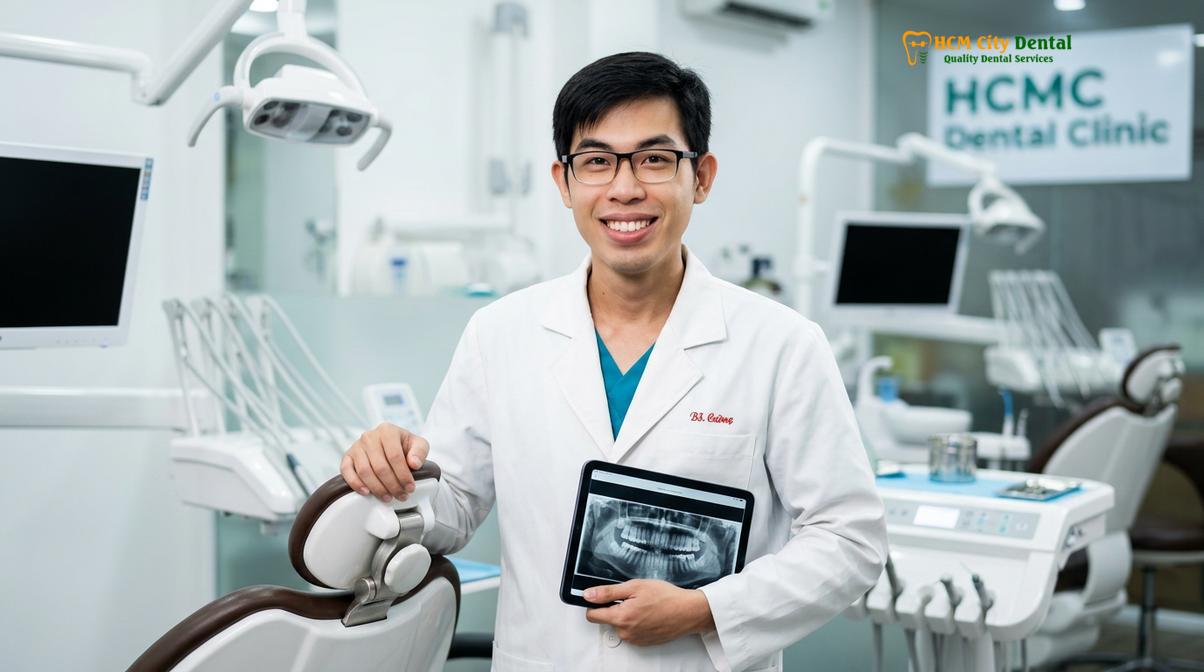
Follow-up appointments are typically scheduled every four to six weeks. During these visits, the clinician monitors the rate of skeletal expansion, assesses the eruption path of new permanent teeth, and evaluates the child’s progress with their myofunctional exercises. Adjustments are made to the appliances as needed. This structured, closely monitored approach ensures that the treatment remains on track and adapts to the child’s rapid growth. Understanding the value of this comprehensive care is essential, much like researching the retainer cost in Vietnam vs Japan to appreciate the high standard of accessible dental expertise available locally.
When to See a Doctor for Early Airway and Bite Assessment
Identifying the need for early interceptive orthodontics requires vigilance from parents and regular screenings by a dental professional. The American Association of Orthodontists recommends that all children receive their first comprehensive orthodontic evaluation by the age of seven. However, certain clinical signs and behavioral symptoms warrant an immediate consultation, regardless of the child’s age. If a parent notices chronic mouth breathing, loud snoring, teeth grinding (bruxism) during sleep, or frequent bedwetting, these are strong indicators of potential sleep-disordered breathing linked to a constricted airway and narrow jaws[5].
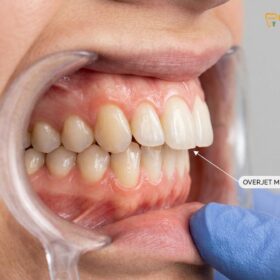
From a dental perspective, parents should seek an evaluation if they observe a crossbite (where the upper teeth sit inside the lower teeth), severe crowding of the front teeth, an underbite, or front teeth that protrude significantly. Additionally, prolonged oral habits such as thumb sucking or pacifier use beyond the age of three can cause severe skeletal deformations that require early intervention to correct.
“Parents often wait for their pediatrician to flag a breathing issue or for all the baby teeth to fall out before seeing an orthodontist. By then, we have lost the most valuable window of skeletal growth. Early screening is about identifying the trajectory of growth and gently steering it back on course before the bones fuse.”
— Dr. Nguyen Van Cuong, Lead Clinician
If you observe any of these signs, scheduling a consultation with a qualified child snoring mouth breathing dentist is imperative. Early diagnosis allows for the implementation of conservative, growth-modifying treatments that can profoundly impact the child’s long-term health and facial aesthetics. Investing in a timely evaluation provides peace of mind and sets the stage for a lifetime of healthy smiles, a proactive step as logical as evaluating the retainer cost in Vietnam vs Canada for optimal post-treatment maintenance.
Frequently Asked Questions
How long do children need to wear jaw expanders?
Children typically wear jaw expanders for a period of four to six months. The active expansion phase usually lasts only a few weeks, but the appliance must remain in place for several months afterward to allow new bone to stabilize the widened palatal suture. Premature removal can lead to a rapid relapse of the skeletal width.
Are myofunctional trainers painful for young kids?
Myofunctional trainers are generally not painful, though they may cause mild initial soreness as facial muscles adapt. Because they are made of soft, flexible medical-grade silicone, they are designed for comfort, focusing on gentle muscle retraining rather than applying heavy orthodontic forces to the teeth. Most children acclimate within a few days of consistent wear.
What is the cost of Phase 1 interceptive treatment in HCMC?
The cost of Phase 1 interceptive treatment in HCMC varies based on the specific appliances required, such as expanders or trainers. Currently, comprehensive early intervention is highly cost-effective compared to international prices, though a personalized clinical consultation is necessary to provide an accurate, customized treatment estimate based on the child’s unique diagnostic needs.
At what age should a child have their first orthodontic evaluation?
The American Association of Orthodontists recommends that children receive their first comprehensive orthodontic evaluation by age seven. At this stage, the first permanent molars have typically erupted, allowing specialists to assess the developing bite, identify transverse discrepancies, and evaluate airway health for potential early intervention before skeletal growth is complete.
Can myofunctional therapy cure sleep apnea in children?
While myofunctional therapy cannot independently cure severe obstructive sleep apnea, it is a highly effective adjunctive treatment. By strengthening the oropharyngeal muscles, promoting nasal breathing, and correcting tongue posture, it significantly reduces airway collapsibility and improves overall sleep-disordered breathing symptoms in pediatric patients when combined with proper medical management.
References
- American Journal of Orthodontics and Dentofacial Orthopedics. Early treatment of maxillary transverse deficiency. (2021).
- Journal of Clinical Pediatric Dentistry. Myofunctional therapy and its role in pediatric airway health. (2020).
- International Journal of Pediatric Otorhinolaryngology. The impact of rapid maxillary expansion on nasal airway resistance. (2019).
- European Journal of Orthodontics. Long-term stability of interceptive orthodontic treatments in mixed dentition. (2022).
- Angle Orthodontist. Craniofacial growth modification using functional appliances: A systematic review. (2018).
For professional children’s dental care, preventive sealants, or to schedule a check-up, visit our Children & Pediatric Dentistry service page at HCMC Dental Clinic in Ho Chi Minh City.