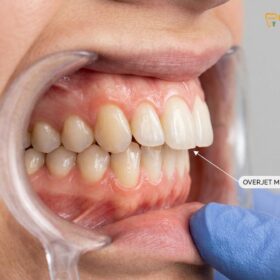
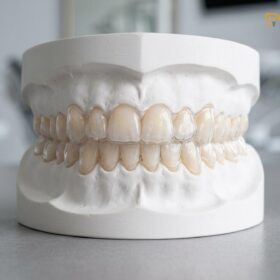
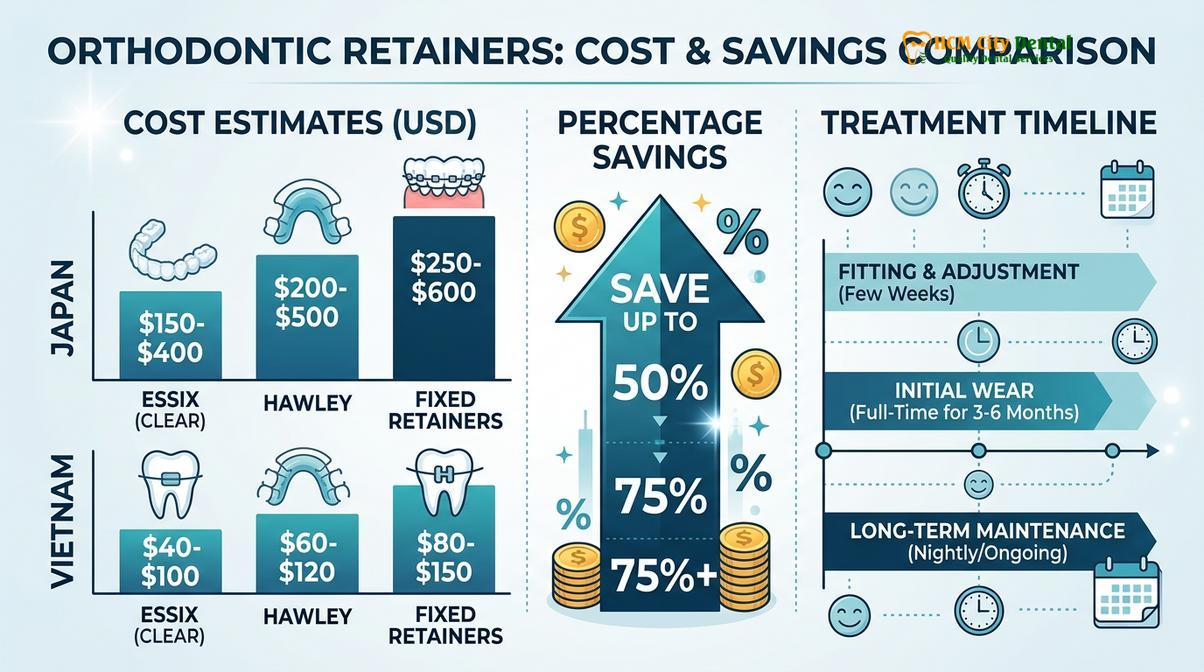
The cost of a custom orthodontic retainer in Vietnam is significantly lower than in Japan, typically ranging from $40 to $100 per arch. In contrast, Japanese clinics often charge between $150 and $400 for similar clear or wire retainers, making Vietnam a highly cost-effective alternative for premium dental care.
Clinical Summary:
Orthodontic retention is a critical phase following active braces or aligner therapy, designed to prevent the natural tendency of teeth to relapse into their original misaligned positions. While Japan offers excellent dental care, the national health insurance system generally excludes orthodontic treatments, resulting in high out-of-pocket expenses for post-treatment retention devices. Vietnam has rapidly emerged as a premier destination for dental tourism, offering internationally trained specialists, advanced digital scanning technology, and premium biocompatible materials at a fraction of the cost. Patients traveling to Ho Chi Minh City can receive custom-fitted Essix, Hawley, or fixed retainers rapidly, ensuring their smile remains stable without the heavy financial burden associated with Japanese private clinic fees.
Key Takeaways:
- Custom retainers in Vietnam cost approximately 60% to 80% less than in private Japanese dental clinics.
- Japan’s national health insurance does not cover post-orthodontic retention devices, classifying them as cosmetic.
- Digital impressions allow for rapid, precise fabrication of clear and wire retainers, often within 24 to 48 hours.
- Top clinics in Saigon utilize the same FDA-approved and CE-marked materials as Japanese practices.
- Same-day or next-day retainer replacement is widely available for international travelers to prevent orthodontic relapse.
The Economics of Orthodontic Retention: Japan vs. Vietnam
Japanese patients face high out-of-pocket costs for retainers due to insurance exclusions, whereas Vietnamese clinics offer the same premium materials at significantly reduced prices.
Understanding the vast difference in the retainer cost vietnam vs japan requires a close look at how dental care is structured and billed in both nations. In Japan, the healthcare system is highly regulated and provides excellent coverage for basic restorative and preventive dentistry. However, the national health insurance dental framework explicitly excludes treatments deemed cosmetic or elective. Because Orthodontics and the subsequent retention phase fall under this category, patients are forced to pay 100% of the fees out-of-pocket at private clinics.
The overall retainer cost japan is driven up by several factors. Private clinics in major metropolitan areas face exorbitant commercial rent, high labor costs for specialized dental technicians, and the expense of importing premium dental materials. Consequently, the orthodontic retention JPY pricing can be a significant financial shock for patients who have already invested heavily in their initial braces or aligner therapy. A single replacement retainer can easily cost tens of thousands of yen, creating a barrier to long-term compliance[1].
🇯🇵 Cost Comparison: Vietnam vs Japan (Per Arch)
Save up to 75% - 80% on high-quality custom dental retainers. Below is a detailed cost breakdown comparing local rates in Japan with HCMC Dental Clinic.
| Retainer Type | Japan Avg. Cost | HCMC Dental Cost | Your Savings |
|---|---|---|---|
| Essix (Clear Aligner) | ¥30,000 - ¥60,000 JPY | $72 USD (~¥11,000 JPY) | Save ~80% |
| Hawley (Acrylic & Wire) | ¥35,000 - ¥70,000 JPY | $120 USD (~¥18,000 JPY) | Save ~75% |
| Fixed Bonded (Wire behind teeth) | ¥30,000 - ¥50,000 JPY | $60 USD (~¥9,000 JPY) | Save ~80% |
Conversely, Vietnam offers a highly compelling economic alternative without compromising clinical quality. The lower cost of living, reduced operational overhead, and highly competitive medical tourism market allow clinics to offer premium dental services at a fraction of the price. Patients seeking a retainer cost in Ho Chi Minh City will find that they can obtain top-tier, digitally fabricated retainers for a price that often justifies the cost of a short flight from Japan.
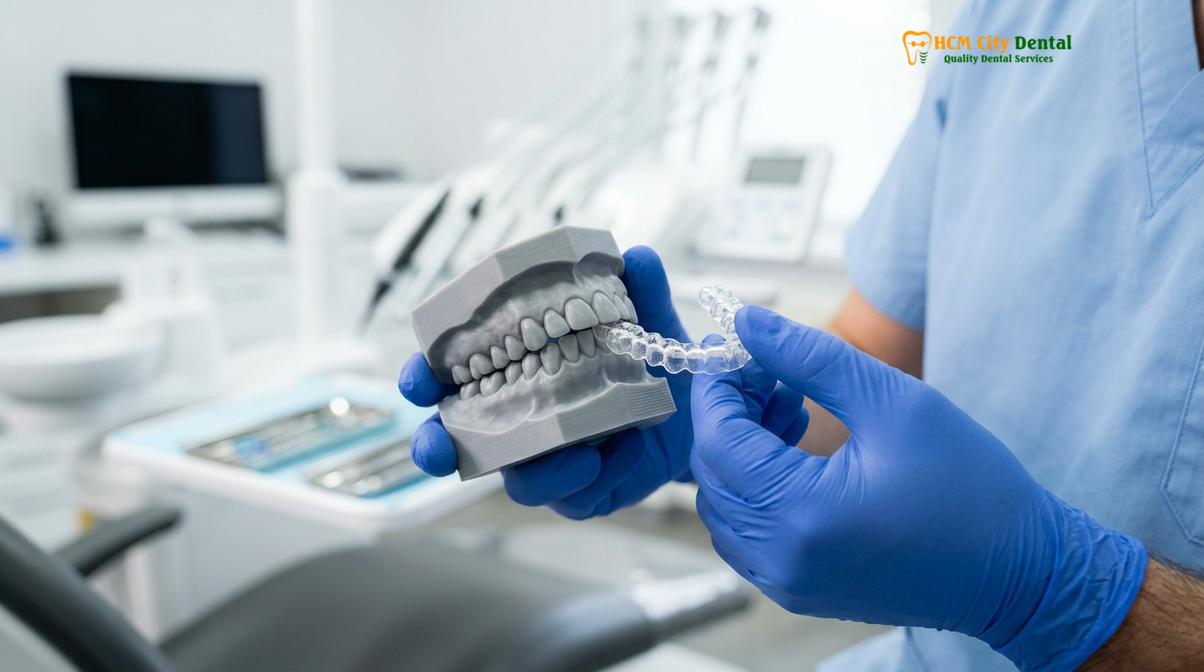
Types of Retainers and Price Comparisons
Patients can choose between clear removable aligners, traditional wire Hawley retainers, and bonded lingual wires, each varying in cost and clinical indication.
The choice of retention device depends heavily on the patient’s original malocclusion, their compliance levels, and their aesthetic preferences. When evaluating the clear retainer price Tokyo versus Ho Chi Minh City, it is essential to understand the specific types of retainers available and the clinical rationale behind each.
Clear Plastic Retainers (Essix/Vivera)
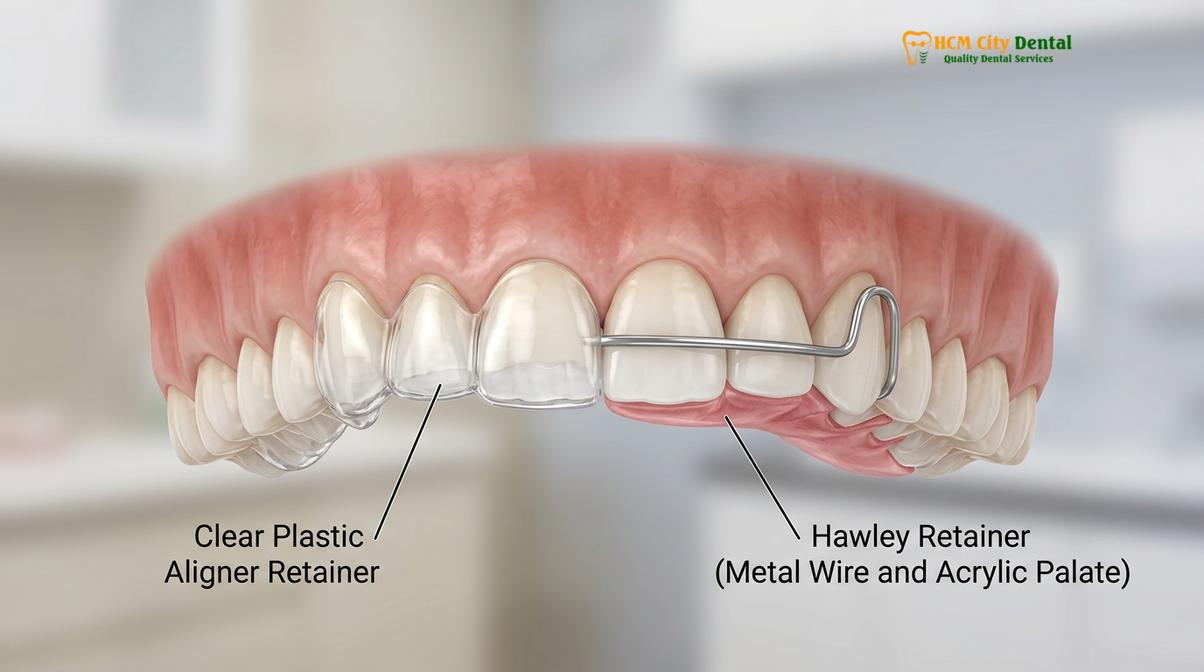
Clear retainers are currently the most popular choice among adult patients due to their near-invisibility and comfort. Fabricated from thermoformed polyurethane or PETG materials, these retainers encase the entire arch, providing excellent control over the anterior teeth. In Japan, the cost for a set of clear retainers is notably high. In Vietnam, the same custom retainers are produced using identical digital workflows and materials but at a significantly reduced price point. They are highly effective but require strict compliance and careful maintenance to prevent warping or discoloration[2].
Traditional Hawley Retainers
The Hawley retainer is the classic orthodontic retention device, consisting of an acrylic palatal or lingual base and a prominent labial bow made of stainless steel wire. While less aesthetic than clear options, Hawley retainers are incredibly durable, adjustable, and allow the posterior teeth to settle into a natural occlusion over time. They are often recommended for patients who require minor post-treatment adjustments or those who have a history of heavy bruxism (teeth grinding) that might quickly wear through a plastic retainer.
Fixed (Bonded) Retainers
A fixed retainer consists of a custom-contoured multi-strand wire bonded directly to the lingual (tongue-facing) surfaces of the anterior teeth using dental composite. This option eliminates the issue of patient compliance, as the retainer is permanently attached. It is highly effective at preventing the relapse of lower incisors, which are notoriously prone to shifting. However, fixed retainers require meticulous oral hygiene to prevent calculus buildup. Patients must learn specific flossing techniques to maintain periodontal health around the bonded wire[3].
For a detailed clinical comparison of these options, patients often consult resources regarding clear plastic versus traditional wire retainers to determine the best fit for their lifestyle.
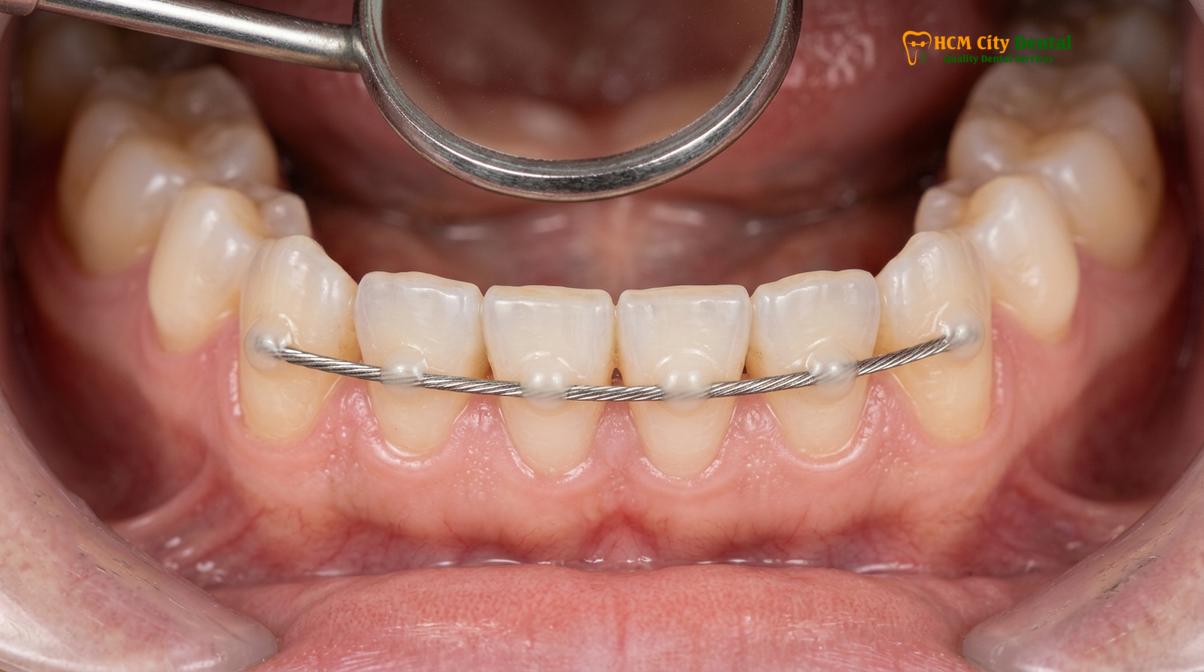
Clinical Workflow for International Patients
The process involves digital intraoral scanning, rapid 3D printing or thermoforming, and a precise clinical fitting to ensure optimal retention and comfort.
For international patients traveling from Japan, time is of the essence. The workflow at a modern Saigon dental clinic is optimized to deliver high-quality results within a compressed timeframe. The traditional method of taking messy, uncomfortable alginate impressions has largely been replaced by advanced digital dentistry.
Upon arrival, the patient undergoes a comprehensive examination. The dentist will assess the stability of the current occlusion and check for any signs of relapse. Next, a high-resolution digital intraoral scanner (such as an iTero or 3Shape TRIOS) is used to capture a flawless 3D model of the patient’s teeth. This digital file is instantly transmitted to the in-house or partnered dental laboratory.
“The integration of digital intraoral scanning has revolutionized orthodontic retention. We can now capture micron-level detail without the distortion inherent in traditional impression materials, ensuring the final retainer fits with absolute precision.”
For clear retainers, the digital model is 3D printed in high-definition resin. A biocompatible thermoplastic sheet is then thermoformed over this model, trimmed, and polished. For international visitors, finding an English speaking dentist Vietnam is crucial to ensure clear communication regarding wear protocols and hygiene instructions. The entire process, from scan to final fitting, can often be completed in 24 to 48 hours, making it highly convenient for dental tourists.
Clinical Case Study: Rapid Retainer Replacement
Patient Profile: A 28-year-old Japanese expatriate visiting Ho Chi Minh City.
Clinical Presentation: The patient presented at HCMC Dental Clinic after accidentally breaking her upper Essix retainer. She was highly concerned about immediate orthodontic relapse, as her braces had been removed only three months prior.
Treatment Protocol: Dr. Nguyen Van Cuong conducted an immediate clinical assessment and utilized a digital intraoral scanner to capture the current arch form. The digital file was sent to the in-house lab for expedited processing.
Outcome: Within 24 hours, a new, precisely fitting clear retainer was fabricated and delivered. The patient avoided any shifting of her teeth and saved significantly compared to the emergency replacement costs she would have faced in Tokyo.
Quality of Materials and Clinical Standards
Vietnamese dental centers utilize globally recognized, biocompatible materials and strict sterilization protocols to match or exceed international standards.
A common concern among international patients is whether the lower cost of treatment in Vietnam equates to a compromise in quality. In reputable clinics, this is absolutely not the case. The materials used to fabricate retainers at top-tier facilities like HCMC Dental Clinic are sourced from the same global manufacturers that supply clinics in Japan, Europe, and the United States.
Clear retainers are typically made from advanced copolyesters (such as PETG) or polyurethane blends. These materials are chosen for their excellent clarity, high impact strength, and resistance to deformation under occlusal stress. Furthermore, they are strictly BPA-free and highly biocompatible, ensuring they are safe to wear for extended periods[4].
For fixed retainers, dentists utilize medical-grade, multi-stranded stainless steel or titanium alloy wires. These wires are bonded using high-strength, light-cured orthodontic composites that withstand the constant forces of mastication while remaining gentle on the underlying enamel. Dr. Nguyen Van Cuong emphasizes that the longevity of a retainer is directly correlated not only to the material quality but also to the precision of the clinical bonding technique and the patient’s adherence to maintenance protocols.
When to See a Doctor
Orthodontic retention is a lifelong commitment. While retainers are durable, they are not indestructible and will eventually require replacement. It is critical to seek professional dental evaluation if you experience any of the following issues:
- Visible Damage: Any cracks, tears, or sharp edges on a clear retainer, or a bent wire on a Hawley retainer.
- Loss of Fit: If the retainer feels excessively tight, loose, or fails to seat completely over the teeth, it indicates that either the retainer has warped or the teeth have begun to shift.
- Bond Failure: For fixed retainers, if you feel a sharp edge with your tongue or notice that the wire has detached from one or more teeth, immediate repair is necessary to prevent rapid relapse.
- Lost Retainer: If you lose your retainer, do not wait. Teeth can begin shifting within days, especially in the first year following active orthodontic treatment. Seeking help for replacing a lost retainer promptly is essential.
Clinical Warning: Never attempt to adjust a wire retainer yourself with pliers, and never use boiling water or harsh chemical bleaches to clean a clear plastic retainer. Boiling water will instantly warp the thermoplastic material, rendering the retainer useless and potentially causing severe orthodontic relapse if worn.
Long-Term Maintenance and Hygiene
Proper daily cleaning and careful handling are essential to extend the lifespan of your retainer and maintain optimal oral health.
The success of orthodontic retention relies heavily on patient compliance and proper hygiene. Removable retainers should be cleaned daily using a soft-bristled toothbrush and non-abrasive liquid soap or specialized retainer cleaning tablets. Regular toothpaste is often too abrasive and can create micro-scratches in the plastic, which harbor bacteria and lead to a cloudy appearance.
For patients with fixed lingual wires, maintaining periodontal health requires diligence. Plaque and calculus can easily accumulate around the wire and the composite bonding pads, leading to gingivitis or dental caries if left unchecked. Patients must use floss threaders or interdental brushes daily to ensure maintaining hygiene around fixed retainers is effective[5].
“A retainer is only effective if it is worn as prescribed and kept meticulously clean. We strongly advise our patients to bring their retainers to every routine dental check-up so we can professionally clean them and verify their structural integrity.”
Planning Your Dental Trip to Ho Chi Minh City
Combining a holiday with dental care requires minimal planning, as top clinics offer expedited services specifically tailored for international visitors.
Traveling from Japan to Vietnam for dental care is highly convenient. Direct flights from Tokyo, Osaka, and Fukuoka to Ho Chi Minh City take approximately 5 to 6 hours. Japanese citizens also benefit from visa-free entry for short stays, making the logistics of a dental holiday incredibly straightforward.
When planning your trip, it is advisable to contact the clinic in advance to schedule your consultation. By providing your travel dates, the clinic can ensure that laboratory time is reserved for your case, guaranteeing a swift turnaround. Many patients choose to have their digital scans taken on the first day of their trip, enjoy the cultural and culinary sights of Saigon, and return to the clinic a day or two later for their final fitting.
Whether you need a simple replacement for a lost Essix retainer or a comprehensive evaluation of your long-term retention strategy, the combination of expert clinical care, advanced technology, and significant cost savings makes Vietnam an unparalleled choice for Japanese patients and expatriates alike.
Frequently Asked Questions
Why are retainers so expensive in Japan?
Retainers are expensive in Japan because they are classified as cosmetic treatments and are not covered by national health insurance. Patients must pay high private clinic fees, which include expensive imported materials and high operational overhead.
How long does it take to get a custom retainer in Vietnam?
A custom retainer can typically be fabricated in 24 to 48 hours in Vietnam. Many clinics utilize advanced digital intraoral scanners and in-house 3D printing to expedite the process for international travelers.
Are the materials used for retainers in Vietnam safe?
Yes, reputable Vietnamese dental clinics use the exact same FDA-approved and CE-marked biocompatible materials as clinics in Japan. These include premium medical-grade plastics for clear retainers and high-quality stainless steel for wire retainers.
Can I get a fixed retainer repaired while visiting Ho Chi Minh City?
Yes, a broken fixed retainer can be easily repaired or completely replaced during a short visit. Dentists will carefully remove the old composite, clean the enamel, and bond a new custom-contoured lingual wire.
Will my teeth shift if I wait to replace a lost retainer?
Yes, teeth can begin shifting within a few days of losing a retainer, especially if your braces were recently removed. It is critical to seek a replacement as quickly as possible to prevent orthodontic relapse.
References
- Journal of Prosthodontic Research. Orthodontic retainer wear and stability. (2021).
- American Journal of Orthodontics. Relapse rates and retention protocols. (2019).
- European Journal of Orthodontics. Essix vs Hawley retainers clinical trial. (2020).
- Journal of Clinical Orthodontics. Plaque accumulation on fixed retainers. (2022).
- Australian Dental Journal. Patient compliance with dental retainers. (2018).