The day your braces are removed or you complete your final set of clear aligners marks a monumental milestone in your orthodontic journey. However, achieving a perfectly aligned smile is only the first half of the process; maintaining that alignment requires dedicated, long-term care. When choosing between a plastic aligner retainer vs wire retainer, patients and clinicians must navigate a complex balance of aesthetics, durability, and adjustability. Plastic retainers offer a virtually invisible, snug fit designed to prevent even the most minor shifts, making them highly popular among adults. Conversely, traditional wire retainers provide robust longevity and allow orthodontists to make micro-adjustments to your bite over time. Understanding the unique biomechanical advantages and limitations of each appliance is essential for preserving your orthodontic investment and ensuring lifelong dental stability.
Clinical Summary:
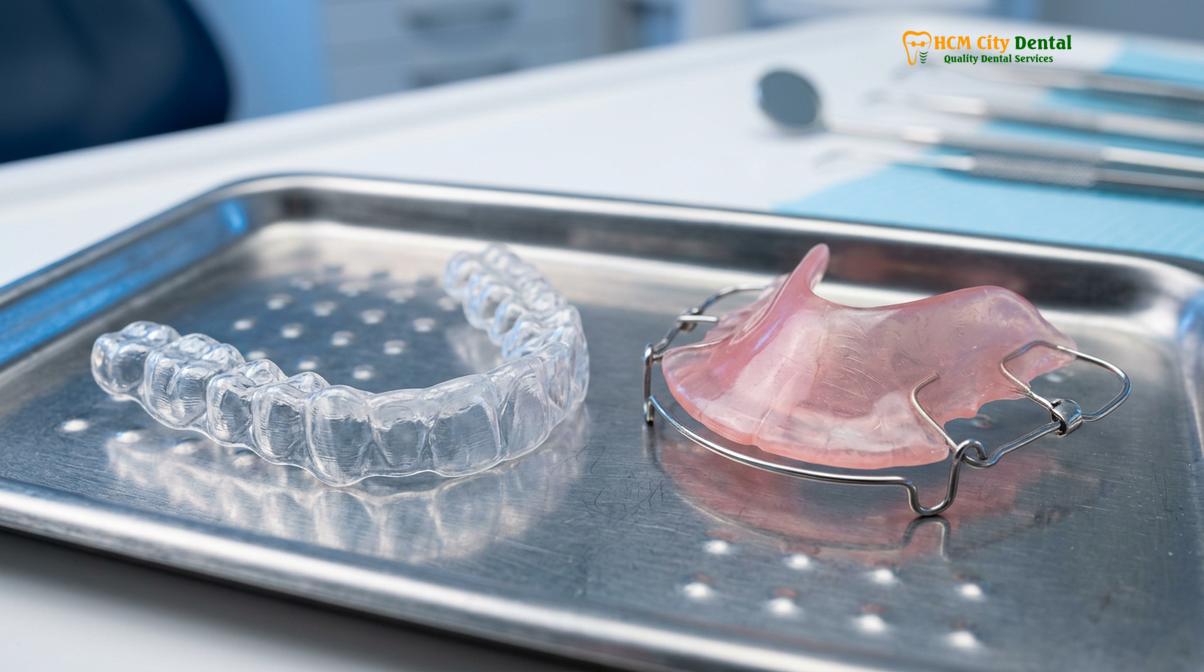
The retention phase is a critical, non-negotiable component of comprehensive orthodontic care, specifically designed to stabilize the dentition and surrounding periodontal structures after active tooth movement. The ongoing clinical debate between a plastic aligner retainer vs wire retainer centers on balancing patient compliance, aesthetic demands, and long-term functional stability. Clear plastic retainers (such as Essix or Vivera models) provide excellent aesthetics and full occlusal coverage, making them highly desirable for patients prioritizing a discreet appearance. However, they are susceptible to wear and cannot be adjusted. Conversely, traditional wire retainers (Hawley appliances) offer unmatched longevity, allow for the natural settling of the occlusion (bite), and possess the unique ability to be adjusted by a clinician to help correct minor post-treatment relapse. Selecting the appropriate retention protocol requires a thorough, individualized evaluation of the patient’s periodontal health, bruxism (teeth grinding) habits, oral hygiene proficiency, and lifestyle preferences.
Key Takeaways:
- Orthodontic retention is a lifelong commitment necessary to counteract the natural memory of periodontal ligaments and age-related shifting.
- Plastic retainers are virtually invisible and protect against mild teeth grinding, but generally require replacement every one to three years due to material fatigue.
- Wire retainers are highly durable, allow the upper and lower teeth to interlock naturally, and can be actively adjusted by a dentist to refine alignment.
- Speech adaptation is typically faster with clear retainers, while wire retainers may cause a temporary lisp due to the acrylic palate covering the roof of the mouth.
- Many modern clinical protocols recommend a combination approach, such as a fixed bonded wire on the lower anterior teeth and a removable clear retainer for the upper arch.
- Proper maintenance, including specialized cleaning and safe storage, is critical for extending the lifespan of both plastic and wire retainers.
The Biological Imperative of Orthodontic Retention
Orthodontic retention is a mandatory phase of treatment designed to stabilize the periodontal ligaments and alveolar bone, preventing natural muscular forces from causing the teeth to relapse into their original misaligned positions.
To fully appreciate the nuances of the debate surrounding the plastic aligner retainer vs wire retainer, one must first understand the biological mechanisms that necessitate retention in the first place. When teeth are moved during active orthodontic treatment—whether via traditional metal brackets, ceramic braces, or clear aligners—the surrounding bone and soft tissues undergo a complex, continuous process of remodeling. Specialized cells called osteoclasts break down bone in the direction of tooth movement, while osteoblasts build new bone in the space left behind. However, this newly formed bone takes considerable time to calcify and stabilize completely. Without a retainer to hold the teeth in their new positions, the unstable bone cannot provide adequate support, leading to rapid relapse[1].
Periodontal Ligament Reorganization
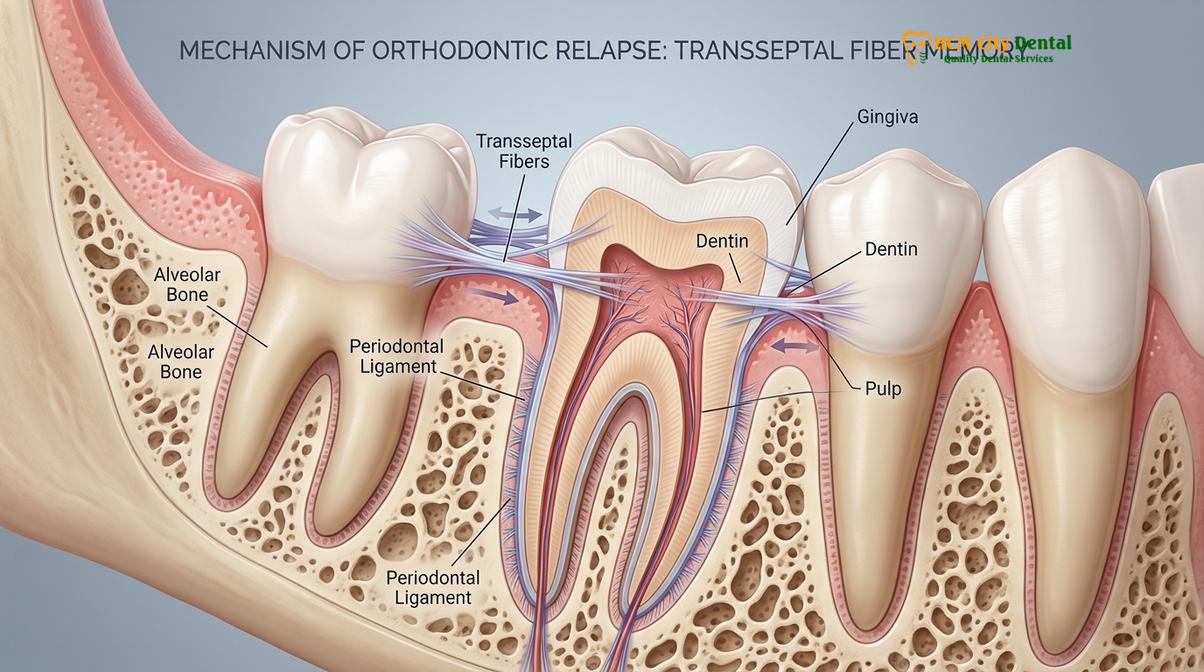
The teeth are not rigidly fused to the jawbone; rather, they are suspended in the alveolar socket by a hammock-like network of collagenous fibers known as the periodontal ligament (PDL). During active orthodontic treatment, these fibers are stretched, compressed, and twisted. Once the braces or aligners are removed, the PDL fibers retain a strong “memory” of their original position. They act like microscopic rubber bands, constantly exerting a pull that attempts to drag the teeth back to their pre-treatment locations. This phenomenon is the primary driver of orthodontic relapse. It takes approximately three to four months for the principal fibers of the PDL to reorganize around the new tooth position, but the supracrestal and transseptal fibers—which connect adjacent teeth across the gumline—can take up to a year or more to fully adapt to the new dental alignment[2].
Age-Related Craniofacial Changes
Beyond the immediate post-treatment period, the human face and jaw continue to change throughout life. Natural mesial drift (the tendency of teeth to move forward toward the midline of the mouth) and late mandibular growth can cause significant crowding of the lower anterior teeth, even in individuals who naturally had straight teeth and never required orthodontic treatment. Therefore, retention is not merely about holding the teeth in place while the bone heals; it is a lifelong strategy designed to counteract the natural, age-related shifting of the dentition. Both plastic and wire retainers serve as a physical barrier against these continuous biological forces.
“The success of any orthodontic intervention is ultimately judged not on the day the appliances are removed, but a decade later. Lifelong retention is the most reliable method to maintain the structural integrity and aesthetic harmony of a corrected smile.”
Plastic Aligner Retainers: Mechanisms, Materials, and Clinical Efficacy
Clear plastic retainers encapsulate the entire dental arch in a transparent thermoplastic material, providing excellent aesthetics and immediate retention without interfering with the natural contours of the teeth.
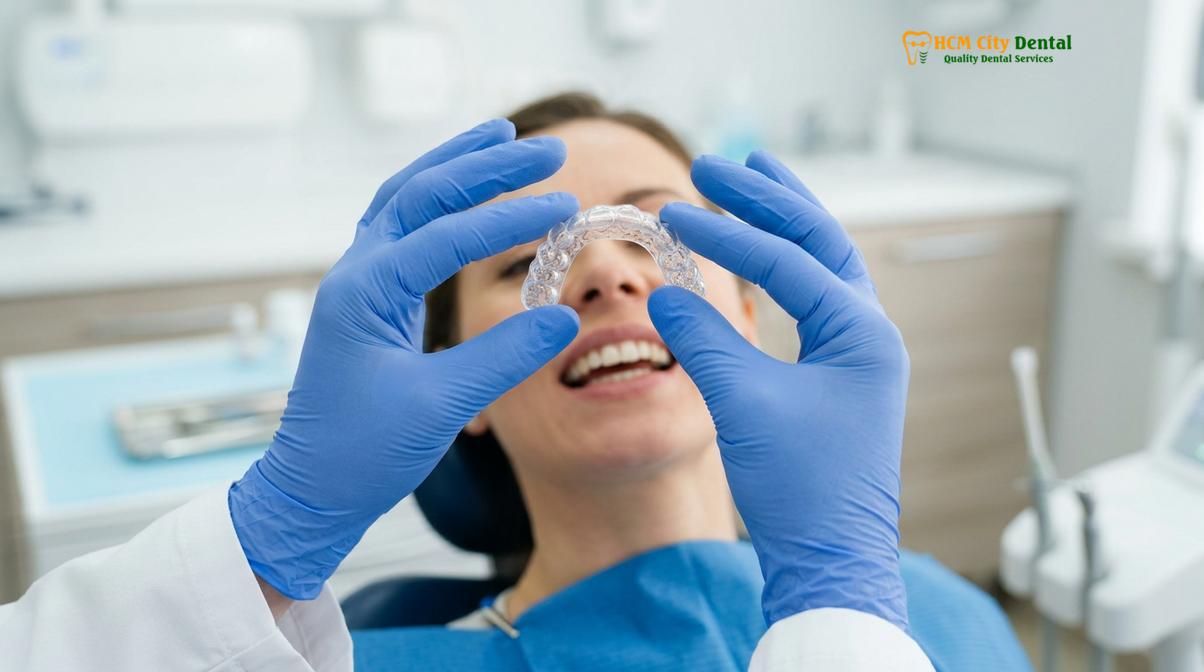
Plastic aligner retainers, commonly referred to by brand names such as Essix or Vivera, have revolutionized the retention phase of modern orthodontics. These appliances are fabricated by taking a highly accurate digital intraoral scan or a traditional physical impression of the patient’s newly straightened teeth. A sheet of medical-grade thermoplastic is then heated and vacuum-formed or pressure-formed over a 3D-printed resin model of the dentition. The result is a thin, transparent tray that fits intimately over the clinical crowns of the teeth, locking them into their final positions.
Material Science: PETG vs. Polyurethane
The clinical efficacy and longevity of a clear retainer are heavily dependent on the specific polymer material used in its fabrication. Most standard Essix retainers are made from a copolyester (PETG), which offers excellent optical clarity and rigidity. However, PETG can be somewhat brittle and prone to micro-cracking under heavy occlusal forces. Advanced proprietary materials, such as those used in premium aligner systems, often utilize multi-layer polyurethane blends that offer superior elasticity and tear resistance. These advanced polymers can withstand the cyclical loading of the jaw muscles better than standard copolyesters, extending the lifespan of the appliance and providing a more comfortable fit for the patient[3].
Clinical Advantages and Limitations
The most significant advantage of the plastic aligner retainer is its aesthetic appeal. Adult patients overwhelmingly prefer the virtually invisible nature of thermoplastic trays. Because the material is transparent and conforms tightly to the teeth, the retainer is practically undetectable in social and professional settings. Additionally, because they cover the biting surfaces of the teeth, clear retainers offer a degree of protection against mild bruxism (teeth grinding), acting similarly to a thin night guard.
Despite their immense popularity, clear retainers have distinct clinical limitations. Thermoplastic materials are susceptible to degradation from heat, acidic beverages, and aggressive brushing over time. Patients often wonder, can clear retainers move teeth back? While they can help correct very minor shifts if worn immediately after a brief period of non-compliance, they are not designed for active tooth movement and will warp or fail to seat properly if forced over significantly shifted teeth. Furthermore, clear retainers are highly susceptible to bacterial buildup, staining, and odor retention if not cleaned meticulously. Patients frequently seek advice on a smelly clear retainer fix or how to remove yellow stains on clear retainer surfaces, which requires specific non-abrasive chemical cleaners to avoid scratching the porous plastic[5].
Traditional Wire Retainers (Hawley): Structural Integrity and Functional Benefits
Hawley retainers utilize a custom-molded acrylic base and a robust metal wire to hold teeth in place, offering unmatched longevity and the unique ability to refine occlusion post-treatment.
The Hawley retainer is the quintessential orthodontic appliance, with a history of clinical success spanning decades. This retainer consists of a custom-fabricated acrylic base that sits flush against the roof of the mouth (for the upper arch) or along the lingual surface of the lower teeth and gums. Embedded within this acrylic base are heavy-gauge stainless steel wires, including a prominent labial bow that runs horizontally across the front of the incisors and canines, and various clasps (such as Adams clasps or ball clasps) that anchor the appliance securely to the posterior molars.
The Settling of Occlusion and Adjustability
When comparing a thermoplastic tray vs a Hawley plate, one of the most critical clinical distinctions is how they interact with the patient’s bite. Unlike clear retainers, the Hawley appliance does not cover the occlusal (biting) surfaces of the teeth. This allows the upper and lower teeth to come into direct contact when the patient closes their mouth. In the months following the removal of braces, this natural tooth-to-tooth contact allows the dentition to “settle” into a more stable, interdigitated occlusion. This settling process improves proprioception and is highly beneficial for long-term masticatory function and joint health[4].
The adjustability of wire retainers is another profound clinical advantage. If a patient experiences minor relapse due to inconsistent wear, an orthodontist can use specialized orthodontic pliers to activate the adjustment loops on the labial bow. By tightening or reshaping the wire, the clinician can apply gentle, directed pressure to help guide the slightly shifted teeth back into their ideal positions. If a patient experiences persistent discomfort or pressure, they may wonder, why is my retainer tight in the morning? This is usually a sign that the teeth are attempting to shift during the day when the retainer is out, highlighting the necessity of strict adherence to the prescribed wear schedule and the benefit of a rigid appliance that can force the teeth back into alignment overnight.
Comprehensive Clinical Comparison: Plastic vs Wire Retainers
Selecting the optimal retention protocol requires a careful evaluation of the patient’s relapse risk, aesthetic demands, bruxism habits, and long-term commitment to oral hygiene.
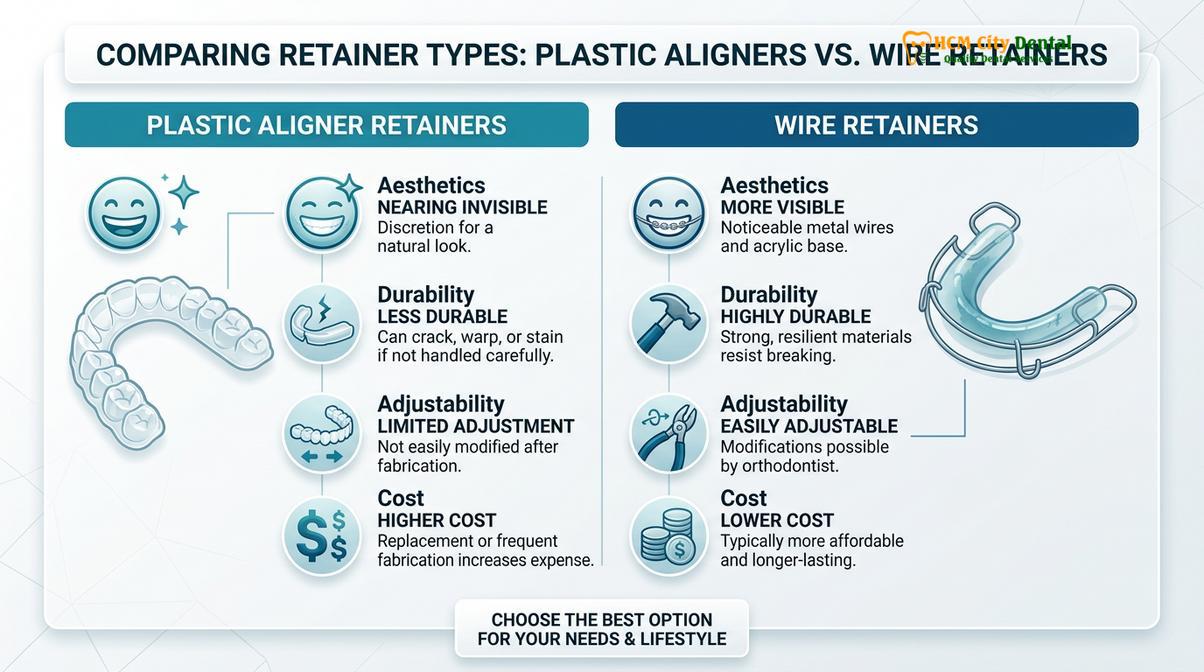
To facilitate an informed decision between a plastic aligner retainer vs wire retainer, clinicians must weigh several variables. There is no universally superior option; rather, the ideal retainer is the one that aligns with the patient’s specific clinical needs, anatomical constraints, and lifestyle, ensuring maximum compliance.
| Clinical Feature | Plastic Aligner Retainer (Essix/Vivera) | Traditional Wire Retainer (Hawley) |
|---|---|---|
| Aesthetics | Virtually invisible; highly preferred by adults and self-conscious teens. | Visible metal wire across the front teeth; acrylic palate is hidden. |
| Durability | Moderate (1-3 years); prone to wear, cracking, and warping from bruxism. | High (5-10+ years); highly resistant to wear and structural fatigue. |
| Adjustability | None; must be entirely remade if teeth shift significantly. | High; wires can be tightened or adjusted to correct minor relapse. |
| Occlusal Settling | Prevents natural tooth contact; bite cannot settle naturally. | Allows natural interdigitation of upper and lower teeth. |
| Speech Impact | Minimal; patients typically adapt within 24-48 hours. | Moderate; acrylic palate may cause a temporary lisp for a few days. |
Clinical Case Review: HCMC Dental Clinic
A 28-year-old patient presented to HCMC Dental Clinic in Ho Chi Minh City complaining of minor lower anterior crowding that had developed two years after completing clear aligner therapy. The patient had been using a standard plastic aligner retainer but admitted to inconsistent wear and heavy nighttime teeth grinding, which had severely warped and cracked the thermoplastic tray. The clinical team at HCMC Dental Clinic evaluated the case and recommended a short course of limited aligner therapy to resolve the newly formed crowding, followed by the fabrication of a lower Hawley retainer. The wire retainer provided superior durability against the patient’s bruxism and allowed the clinical team to make minor adjustments to help ensure long-term stability. The patient reported excellent comfort, no further appliance breakage, and no subsequent relapse at their one-year follow-up appointment.
The Role of Fixed Retainers and Bruxism Considerations
Fixed retainers provide continuous retention without relying on patient compliance, while specific removable retainers are better suited for patients with heavy teeth grinding habits.
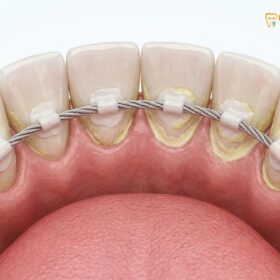
While the debate often focuses on removable options, fixed retainers play a crucial role in modern orthodontics. A fixed retainer is a braided or solid stainless steel wire bonded directly to the lingual (tongue-facing) surfaces of the teeth using dental composite. This typically spans from canine to canine on the lower arch. Because the lower anterior teeth are the most susceptible to age-related crowding and relapse, a fixed wire provides a continuous, compliance-free mechanism to maintain alignment. However, fixed retainers require meticulous flossing techniques to prevent calculus buildup and periodontal inflammation.
For patients who suffer from severe bruxism, finding the best retainer for teeth grinding is essential. Standard clear retainers may wear through quickly under heavy grinding forces, leaving the teeth vulnerable to shifting. In such cases, a thicker, more durable thermoplastic material or a traditional Hawley retainer with a reinforced acrylic bite plane may be recommended to protect both the teeth and the appliance from excessive occlusal trauma.
When to Consult Your Orthodontist (Important Clinical Notes)
Regular monitoring of your retainer’s fit and structural integrity is vital to preventing unwanted tooth movement and maintaining optimal oral health.
Clinical Warning: Never attempt to adjust a wire retainer yourself using household tools, and do not expose plastic retainers to boiling water in an attempt to clean or reshape them. Improper handling can permanently destroy the appliance and cause severe, unintended orthodontic movement that may require a new phase of braces to correct.
Patients should schedule an appointment with their dental provider immediately if they notice any cracks, warping, or significant discoloration in their plastic retainers, or if the wires on a Hawley retainer become bent, loose, or cause soft tissue irritation. According to the Vietnam Odonto-Stomatology Association (VOSA), adhering to national clinical guidelines on post-orthodontic retention involves not only wearing the appliance as directed but also ensuring it remains structurally sound and hygienic[6]. A retainer that no longer fits passively is a clear indication that the teeth have shifted or the appliance has distorted.
Furthermore, understanding how to store dental retainer safely when not in use is critical to preventing accidental damage. Retainers should always be kept in a hard, ventilated protective case. Leaving them wrapped in a napkin during meals is a common way they are accidentally discarded, and leaving them exposed to direct sunlight or hot vehicles can cause irreversible thermal warping of plastic materials.
“Prompt clinical evaluation of a damaged or ill-fitting retainer is critical. Delaying replacement by even a few weeks can allow enough orthodontic relapse to occur that a simple retainer replacement escalates into a need for active retreatment.”
Expert Guidance on Retention Protocols
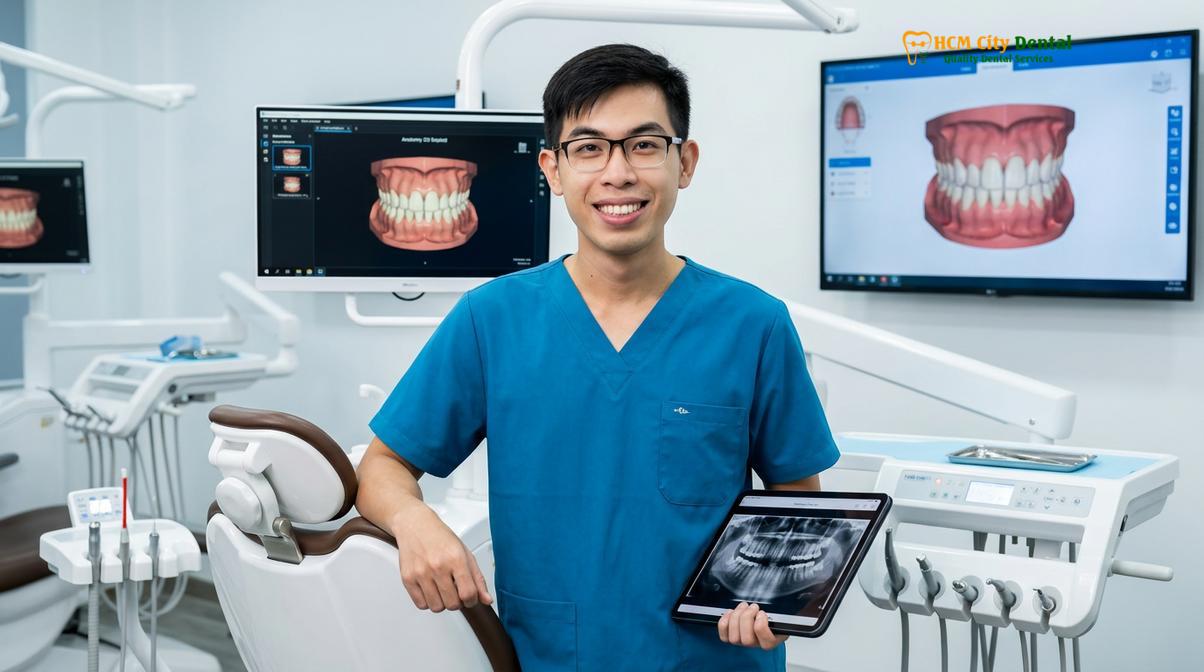
Dr. Nguyen Van Cuong, a highly dedicated practitioner at HCMC Dental Clinic in Ho Chi Minh City, frequently guides patients through the critical retention phase of Orthodontics. Dr. Cuong emphasizes that personalized retention protocols are essential for long-term stability. By carefully evaluating each patient’s unique dental anatomy, bruxism habits, and lifestyle, Dr. Cuong ensures that every individual receives the optimal appliance—whether a discreet plastic aligner retainer, a durable wire retainer, or a combination of both—to protect their newly aligned smile.
If you are unsure whether a plastic aligner retainer vs wire retainer is the right choice for your post-treatment needs, or if your current retainer is showing signs of wear, contact HCMC Dental Clinic in Ho Chi Minh City today to schedule a comprehensive evaluation and secure the future of your smile.
References
- American Journal of Orthodontics and Dentofacial Orthopedics. Long-term stability and retention protocols in clinical orthodontics. (2021).
- Journal of Clinical Orthodontics. Comparative analysis of Essix and Hawley retainers: Patient compliance and periodontal health. (2020).
- European Journal of Orthodontics. The biomechanics of relapse and the role of transseptal fibers post-treatment. (2019).
- Angle Orthodontist. Survival rates and failure modes of vacuum-formed retainers versus traditional wire appliances. (2022).
- Journal of Prosthetic Dentistry. Material degradation in thermoplastic orthodontic retainers over time. (2018).
- Vietnam Odonto-Stomatology Association (VOSA). National clinical guidelines on post-orthodontic retention and relapse prevention protocols. (2023).