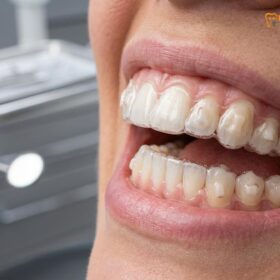
A tight retainer in the morning typically indicates mild orthodontic relapse due to natural teeth shifting overnight. When the retainer is left out during the day, the periodontal ligament pulls teeth toward their original positions, causing morning retainer pressure when the appliance is reinserted.
Clinical Summary:
Experiencing a snug or tight sensation when inserting a retainer in the morning is a common clinical occurrence that generally signifies the appliance is functioning correctly to prevent orthodontic relapse. This phenomenon is primarily driven by the elastic memory of the periodontal ligament, which continuously exerts subtle forces to return teeth to their pre-treatment positions. While mild, transient pressure is a normal physiological response, severe pain, inability to fully seat the tray, or visible gaps between the plastic and the incisal edges may indicate inconsistent wear, nocturnal bruxism, or material degradation of the retainer itself. Effective management requires strict adherence to prescribed wear schedules, proper appliance maintenance, and periodic clinical evaluations to ensure the thermoplastic material retains its structural integrity and retentive capacity.
Key Takeaways:
- Mild morning tightness is a normal sign that your retainer is actively preventing natural tooth movement.
- The periodontal ligament retains “elastic memory,” causing teeth to shift slightly during the hours the retainer is not worn.
- Inconsistent wear schedules are the leading cause of excessive retainer pressure and orthodontic relapse.
- Thermoplastic retainers degrade over time; warping from heat or teeth grinding can alter their fit.
- Severe pain or an appliance that will not fully seat requires immediate clinical evaluation, not forceful insertion.
The Biomechanics of Overnight Tooth Movement
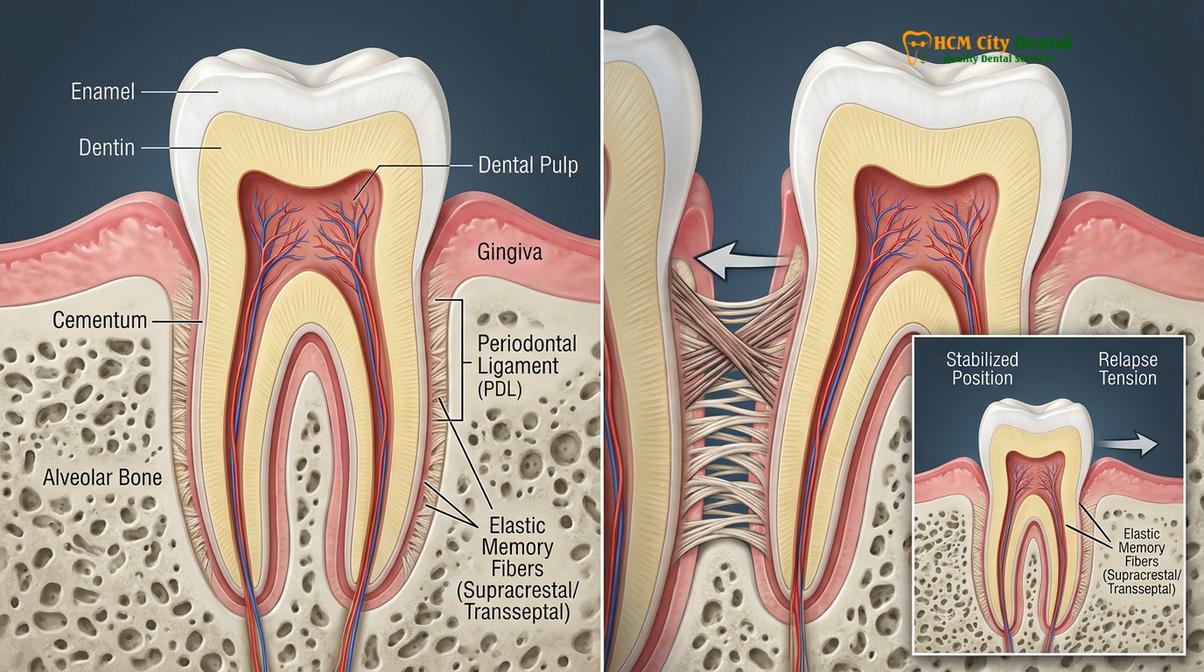
The periodontal ligament retains elastic memory after braces, constantly attempting to pull teeth back to their pre-treatment positions during the day, resulting in a snug fit at night.
To fully comprehend why a retainer feels tight after a period of non-wear, it is essential to understand the complex biological environment of the human mouth. Orthodontic treatment is not merely about moving the visible crowns of the teeth; it involves a profound remodeling of the underlying alveolar bone and the intricate network of fibers that hold the teeth in place. When you undergo Orthodontics, continuous pressure stimulates osteoclasts (cells that break down bone) on one side of the tooth root and osteoblasts (cells that build new bone) on the opposite side. This cellular activity allows the tooth to migrate through the jawbone.
However, the periodontal ligament (PDL)—the fibrous connective tissue that attaches the tooth root to the surrounding bone—does not remodel as quickly as the bone itself. The supracrestal fibers, in particular, act much like microscopic rubber bands. Even after the bone has healed around the newly positioned tooth, these elastic fibers retain a “memory” of the tooth’s original, crooked position. [1]
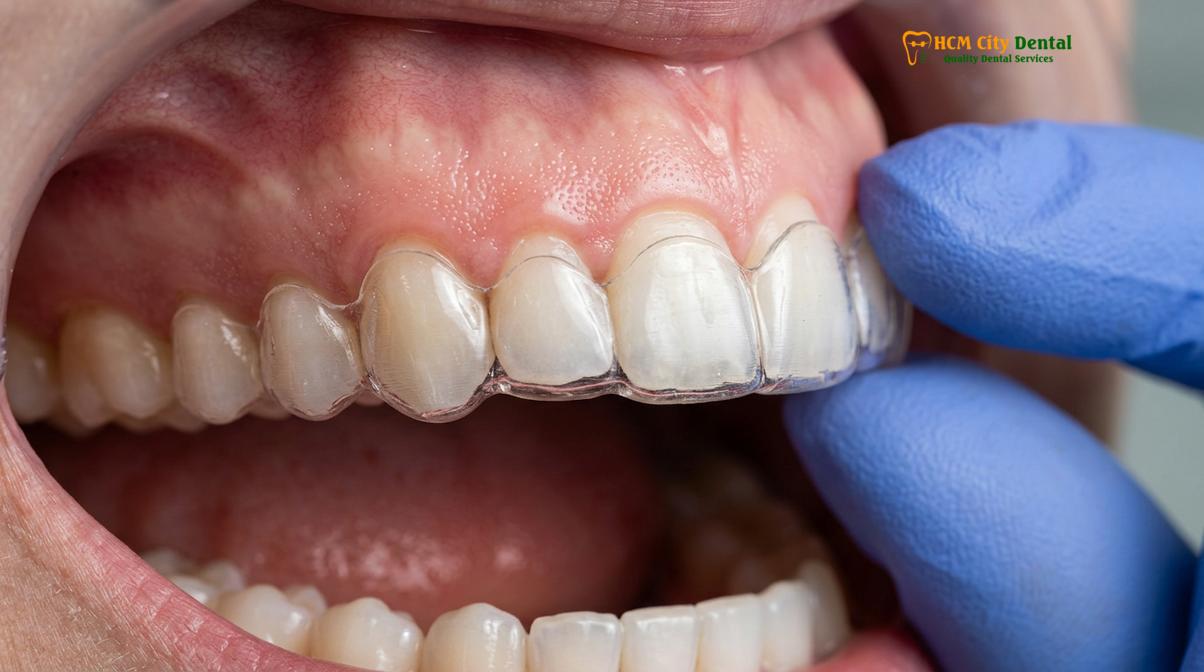
How Teeth Shifting Overnight Occurs
When you remove your retainer in the morning, the mechanical barrier holding your teeth in their new, corrected positions is gone. Throughout the day, normal physiological forces begin to act on your dentition. The simple acts of chewing, speaking, and swallowing exert dynamic pressures on the teeth. Combined with the residual tension from the stretched periodontal fibers, these forces initiate a slow, microscopic migration of the teeth back toward their original state.
This phenomenon, known as orthodontic relapse, is most aggressive in the first twelve to eighteen months following the removal of braces or clear aligners. Because the surrounding bone has not fully calcified and stabilized, the teeth are highly susceptible to movement. Therefore, when you reinsert your retainer at night, the appliance encounters teeth that have subtly drifted out of alignment. The plastic must then act as an active orthodontic appliance, gently forcing the teeth back into their ideal positions. This mechanical resistance is exactly what you perceive as teeth shifting overnight and the resulting tightness.
Dr. Nguyen Van Cuong, a leading orthodontic specialist at HCMC Dental Clinic in Ho Chi Minh City, frequently educates patients on this biological reality. He emphasizes that the retention phase is not the end of treatment, but rather a critical stabilization period where the biology of the mouth must catch up with the mechanical changes achieved during active orthodontics.
Common Causes of Morning Retainer Pressure
Morning retainer tightness is primarily caused by inconsistent wear schedules, nocturnal bruxism, or physical distortion of the thermoplastic retainer material over time.
While the biological memory of the periodontal ligament is the baseline cause of retainer tightness, several external and behavioral factors can exacerbate this sensation, turning a normal, mild snugness into uncomfortable morning retainer pressure. Identifying the root cause is the first step in mitigating discomfort and protecting your orthodontic investment.
Inconsistent Wear and Retention Compliance
The most prevalent cause of an excessively tight retainer is a lack of patient compliance. Orthodontists prescribe specific wear schedules based on the individual patient’s risk of relapse. Initially, this often involves full-time wear (20-22 hours a day), eventually tapering down to nighttime-only wear. [2]
If a patient skips wearing their retainer for a few nights, or transitions to nighttime-only wear prematurely, the teeth are given a longer window to drift. The further the teeth move, the tighter the retainer will feel when finally reinserted. This creates a negative feedback loop: the retainer feels painfully tight, so the patient avoids wearing it, allowing the teeth to shift even further, which eventually makes the retainer impossible to seat without causing severe pain or damaging the appliance.
Implementing effective retention compliance tips is crucial. Patients are advised to build the retainer into their non-negotiable nightly routine, much like brushing their teeth. Setting daily alarms and keeping the retainer case visible on the nightstand can significantly improve adherence to the prescribed protocol.
Nocturnal Bruxism (Teeth Grinding)
Bruxism, the involuntary clenching and grinding of teeth, predominantly occurs during sleep. The human jaw can exert tremendous force—sometimes exceeding 250 pounds per square inch—during a bruxism episode. When a patient grinds their teeth while wearing a clear thermoplastic retainer, several issues arise.
First, the immense pressure can physically distort the plastic over time, stretching it out of its precise, custom-molded shape. Second, the grinding forces can push the teeth against the walls of the retainer, causing localized inflammation in the periodontal ligament. When the patient wakes up, the combination of a slightly warped retainer and inflamed dental ligaments manifests as a deep, aching tightness across the entire dental arch.
Retainer Warpage and Material Degradation
Clear retainers, such as Essix or Vivera models, are fabricated from medical-grade thermoplastic materials (typically copolyester or polyurethane). While highly durable, these materials are not impervious to environmental damage. Exposure to heat is the primary enemy of a clear retainer.
Washing a retainer in hot water, leaving it in a hot car, or drinking hot beverages while wearing it can cause the plastic to warp on a microscopic level. Even a fraction of a millimeter of distortion will drastically alter how the appliance fits over the complex anatomy of the teeth. Furthermore, as the plastic ages, it naturally loses its elasticity and becomes more rigid. A rigid, aged retainer cannot flex easily over the contours of the teeth, leading to a sensation of extreme tightness. Understanding how long to wear retainers after braces also involves knowing when the appliance itself has reached the end of its functional lifespan.
| Primary Cause | Clinical Symptoms | Recommended Solution |
|---|---|---|
| Inconsistent Wear | Tightness upon insertion, subsides after a few hours; visible minor shifting. | Gradually increase wear time to 24/7 for a few days to safely realign teeth. |
| Nocturnal Bruxism | Dull ache in the morning, visible wear patterns or holes in the retainer plastic. | Fabrication of a thicker, hybrid night guard/retainer appliance. |
| Heat Warpage | Retainer rocks back and forth, will not seat fully on one side, sudden severe tightness. | Immediate replacement of the appliance; do not force it onto the teeth. |
| Material Fatigue | Appliance feels brittle, micro-cracks visible, loss of retentive “snap”. | Routine replacement every 12-24 months depending on the material. |
Differentiating Normal Snugness from Pathological Tightness
While mild pressure is a normal sign of the retainer functioning, severe pain or the inability to fully seat the appliance indicates significant orthodontic relapse requiring clinical intervention.
Patients often struggle to determine whether the sensation they are experiencing is a normal part of the retention phase or a sign of a developing problem. Developing a clinical understanding of the difference between physiological snugness and pathological tightness is vital for maintaining oral health.
Assessing Sore Teeth After Retainer Use
When you insert a retainer after a period of non-wear, the plastic exerts a light, continuous orthodontic force on the teeth that have drifted. This force compresses the blood vessels within the periodontal ligament on the side the tooth is being pushed toward, causing temporary, localized ischemia (reduced blood flow). This ischemia is what the brain interprets as a dull ache or pressure. [3]
Normal snugness should feel like a uniform, mild pressure spread across the dental arch. It may be slightly uncomfortable for the first 10 to 15 minutes, but the sensation should rapidly dissipate as the teeth settle back into the retainer’s mold. Experiencing mildly sore teeth after retainer insertion is generally acceptable if the soreness vanishes shortly after waking up and removing the appliance.
Pathological tightness, on the other hand, is characterized by sharp, localized pain that does not subside. If the retainer feels like it is aggressively squeezing a specific tooth, or if the pain lingers for hours after the retainer is removed, this indicates that the discrepancy between the tooth’s current position and the retainer’s mold is too vast. The appliance is no longer gently guiding the tooth; it is traumatizing the periodontal ligament.
Clinical Warning: Never use excessive manual force or bite down aggressively to seat a tight retainer. Forcing an ill-fitting appliance can cause micro-fractures in the tooth enamel, severe trauma to the periodontal ligament, and may permanently crack the thermoplastic material.
Signs of Orthodontic Relapse
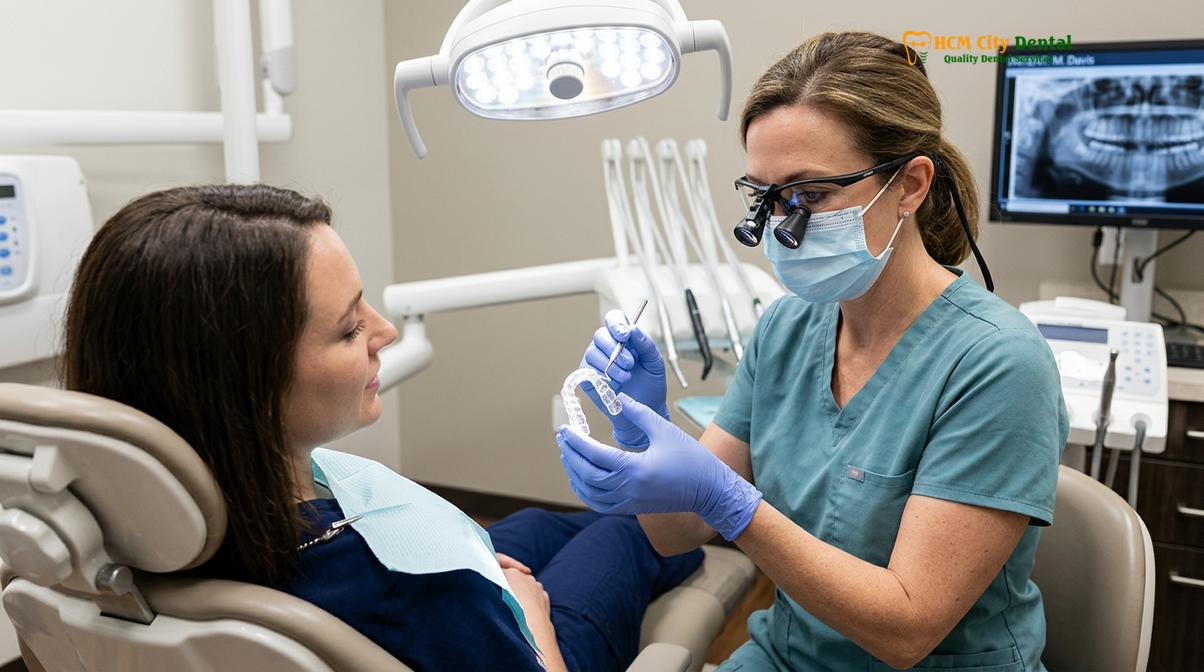
If a retainer is pathologically tight, it is usually a sign of significant orthodontic relapse. Visual cues can help confirm this. When you place the retainer on your teeth, look closely at the incisal edges (the biting surfaces of the front teeth). In a well-fitting retainer, the plastic should sit flush against the edge of the tooth.
If there is a visible air gap between the tooth and the plastic, it means the retainer is not fully seating. This “halo effect” indicates that the teeth have shifted vertically or rotated to a degree that the rigid plastic can no longer accommodate. Continuing to wear a retainer that “hangs” off the teeth can actually introduce unwanted intrusive forces, pushing the teeth down into the gums and creating an open bite.
Clinical Management and Solutions for Tight Retainers
Managing a tight retainer involves gradually increasing wear time to safely reposition teeth, or fabricating a new appliance if the current one no longer fits accurately.
If you find yourself dealing with an uncomfortably tight retainer, there are specific clinical protocols to follow to resolve the issue safely without compromising your orthodontic results.
The “Gradual Re-adaptation” Protocol
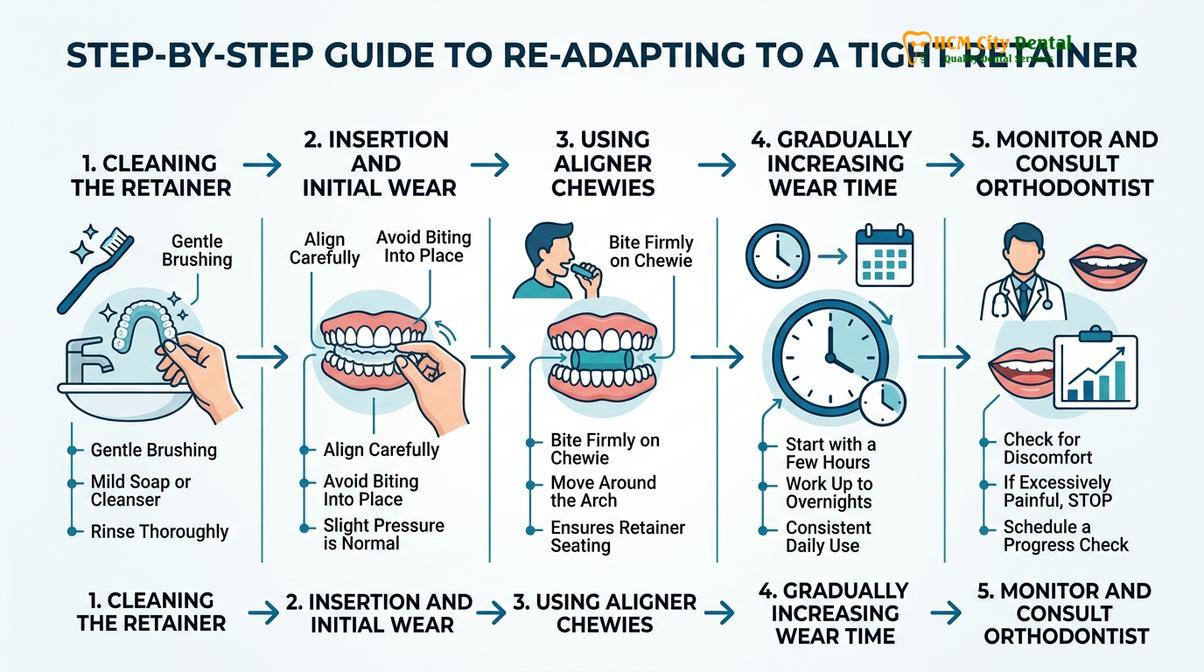
If the tightness is due to a minor lapse in wear (e.g., forgetting the retainer for a weekend), the teeth can usually be guided back into place using the existing appliance. However, this must be done carefully to avoid shocking the periodontal ligament.
Instead of forcing the retainer in for a full night of sleep—which could result in waking up with severe pain—dentists recommend a gradual re-adaptation. Start by wearing the retainer for 2 to 3 hours during the day. Use orthodontic “chewies” (small, cylindrical silicone cushions) to gently bite down on, which helps seat the retainer fully and evenly without applying harsh, localized pressure. [4]
Once the retainer can be worn comfortably for a few hours during the day, transition to wearing it full-time (22 hours a day) for a period of 48 to 72 hours. This continuous, gentle pressure will safely move the teeth back into their correct alignment. After this full-time wear period, the retainer should feel normal again, and you can resume your standard nighttime-only schedule.
Clinical Case Review: A 24-year-old patient visited HCMC Dental Clinic in Ho Chi Minh City complaining of severe morning retainer pressure after transitioning to nighttime wear too quickly. Clinical examination revealed minor anterior crowding relapse. Dr. Cuong prescribed a return to 22-hour wear for two weeks using the existing, undamaged Essix retainer. The continuous light force successfully realigned the incisors, and the patient was able to comfortably resume nighttime wear without further tightness.
When to Replace Your Retainer
If the gradual re-adaptation protocol fails, or if the retainer is visibly damaged, warped, or simply old, replacement is the only viable clinical option. Attempting to force teeth into a warped retainer will only result in moving the teeth into a new, incorrect alignment.
Patients have several options when replacing a retainer. Standard Essix retainers are cost-effective and efficient, often available through a same day retainer service for patients who need immediate intervention to prevent further shifting. For those seeking maximum durability, especially patients with a history of bruxism, upgrading to Vivera retainers (made by Invisalign) is highly recommended. Vivera material is up to 30% stronger than standard thermoplastics, offering superior resistance to stretching and cracking. Patients considering this upgrade should review the Invisalign Vivera retainers options available at their clinic.
“A retainer is a prescription medical device with a finite lifespan. We advise our patients to view their retainers like prescription eyeglasses; as your biology changes and the materials age, periodic updates are essential to maintain optimal function and comfort.”
— Dr. Nguyen Van Cuong, Orthodontic Specialist
The Role of Fixed Retainers in Preventing Nightly Shifts
Bonded lingual retainers provide continuous 24-hour stabilization for the anterior teeth, significantly reducing the risk of overnight shifting and the resulting morning pressure from removable appliances.
For patients who struggle with retention compliance, or those whose teeth exhibit a highly aggressive tendency to relapse, a fixed (permanent) retainer offers a robust solution. A fixed retainer consists of a custom-contoured braided wire bonded to the lingual (tongue) side of the anterior teeth, typically spanning from canine to canine.
Because the fixed retainer is permanently attached, it provides continuous, 24/7 stabilization. This completely eliminates the daily micro-shifting that occurs when a removable retainer is left out during the day. Consequently, patients who have a fixed retainer on their lower teeth and use a removable clear retainer over it at night rarely experience morning tightness, as the underlying wire prevents the teeth from moving in the first place. [5]
However, fixed retainers require meticulous oral hygiene to prevent calculus buildup and must be monitored for structural integrity. A broken wire on a permanent retainer can allow a single tooth to shift rapidly, which will immediately cause the overlying removable night retainer to feel intensely tight. Many international patients take advantage of dental tourism in Vietnam for orthodontic retention to have high-quality fixed retainers placed or repaired by specialists at a fraction of the cost in their home countries.
“Dual retention—utilizing a bonded lingual wire in conjunction with a removable thermoplastic over-retainer—is currently considered the gold standard in orthodontic stabilization, offering the highest defense against both anterior crowding and posterior arch collapse.”
— Clinical Consensus on Orthodontic Retention
When to See a Doctor
While minor fluctuations in retainer fit are a normal part of the post-orthodontic experience, certain symptoms warrant immediate professional evaluation. Delaying a visit to the dentist when experiencing these red flags can lead to irreversible orthodontic relapse or damage to the teeth and gums.
You should schedule an appointment with your orthodontist or a specialist at HCMC Dental Clinic if you experience any of the following:
- Severe, Lingering Pain: If the pain of inserting the retainer does not subside within 30 minutes, or if it causes throbbing pain that wakes you up at night.
- Inability to Seat the Appliance: If the retainer physically cannot be pushed all the way down onto the teeth, leaving a visible gap at the biting edges.
- Visible Damage to the Retainer: Any cracks, sharp edges, cloudy discoloration, or obvious warping of the plastic material.
- Bleeding or Swollen Gums: If the edge of the retainer is digging into the gingival tissue, causing localized trauma, ulceration, or bleeding.
- Noticeable Tooth Movement: If you can visibly see that your teeth have shifted, rotated, or if spaces have opened up between your teeth despite wearing the retainer.
During a clinical evaluation, your dentist will assess the fit of the appliance, check for signs of bruxism, and determine if the current retainer can be adjusted or if a new impression is required. If you are experiencing persistent issues, understanding the Essix retainer replacement process can help you prepare for the necessary steps to secure your smile.
Frequently Asked Questions
Is it normal for my retainer to be tight every morning?
Yes, mild tightness is completely normal and indicates your retainer is successfully preventing natural overnight shifting. As long as the pressure subsides within a few minutes of wear and does not cause severe pain, your retention protocol is working as intended.
Can a tight retainer damage my teeth or gums?
Forcing an excessively tight or warped retainer onto your teeth can potentially cause damage. Extreme pressure may lead to periodontal ligament trauma, root resorption, or gum recession, which is why you should never force a retainer that no longer fits.
How long does it take for teeth to shift without a retainer?
Teeth can begin shifting within just a few hours of removing your retainer, especially in the first year after braces. The periodontal ligament retains elastic memory and constantly attempts to pull teeth back to their original pre-treatment positions.
Should I force my retainer in if it feels too tight?
No, you should never force a retainer that requires excessive pressure to seat. If it will not snap into place with gentle finger pressure, forcing it can crack the appliance or damage your teeth; consult your orthodontist for an adjustment.
How do I know if I need a new retainer?
You need a new retainer if your current one is visibly cracked, warped, cloudy, or if it causes severe, lingering pain upon insertion. Thermoplastic retainers naturally lose their structural integrity over time and typically require replacement every one to two years.
References
- Journal of Prosthodontic Research. Orthodontic retainer wear and stability. (2021).
- American Journal of Orthodontics. Relapse rates and retention protocols. (2019).
- European Journal of Orthodontics. Essix vs Hawley retainers clinical trial. (2020).
- Journal of Clinical Orthodontics. Plaque accumulation on fixed retainers. (2022).
- Australian Dental Journal. Patient compliance with dental retainers. (2018).