Yes, you can get new retainers without returning to your original orthodontist. Any qualified general dentist or new orthodontic provider can fabricate replacement retainers by taking fresh digital scans or physical impressions of your current dental alignment to ensure a precise, comfortable fit.
Clinical Summary:
Patients frequently wonder if they are permanently tied to the specialist who initially provided their braces or aligners. The clinical reality is that post-orthodontic retention care can be seamlessly transferred to a new provider. Whether you have relocated, your previous doctor has retired, or you simply prefer a different clinic, a general dentist can evaluate your current bite and prescribe a new retention appliance. By utilizing modern diagnostic tools such as intraoral 3D scanners or high-precision impression materials, a new practitioner can capture the exact current state of your dentition. This allows for the fabrication of a highly accurate replacement retainer, mitigating the risk of orthodontic relapse and preserving your functional and aesthetic results.
Key Takeaways:
- You do not need to visit your original orthodontist to obtain a replacement retainer.
- General dentists are fully equipped to take accurate impressions and prescribe custom retention appliances.
- New retainers are fabricated based on your current dental alignment, rendering old molds unnecessary.
- Prompt replacement of a lost or damaged retainer is critical to prevent unwanted shifting of the teeth.
- Patients can choose to switch retainer materials, such as moving from a traditional wire model to a clear tray.
The Clinical Reality: Transitioning Your Retention Care
Transitioning to a new dental provider for a replacement retainer is a standard clinical procedure that does not require your past treatment files, as the new appliance is based entirely on your current dental anatomy.
After completing active Orthodontics, the retention phase begins. This phase is arguably as critical as the active movement phase, as it stabilizes the teeth in their new positions. Many patients mistakenly believe that only the specialist who moved their teeth can provide the appliances to keep them straight. However, the fabrication of a retainer is a distinct clinical process that relies on the present state of the oral cavity rather than the historical movement of the teeth[1].
When you visit a new provider, they do not necessarily need your original orthodontic records. While having a history of your treatment can provide helpful context regarding your initial malocclusion, the immediate clinical requirement is simply an accurate replication of your teeth as they sit today. The periodontal ligaments and surrounding alveolar bone are constantly remodeling, meaning that even a slight delay in retainer wear can result in micro-movements. Therefore, a new impression is always superior to an old mold.
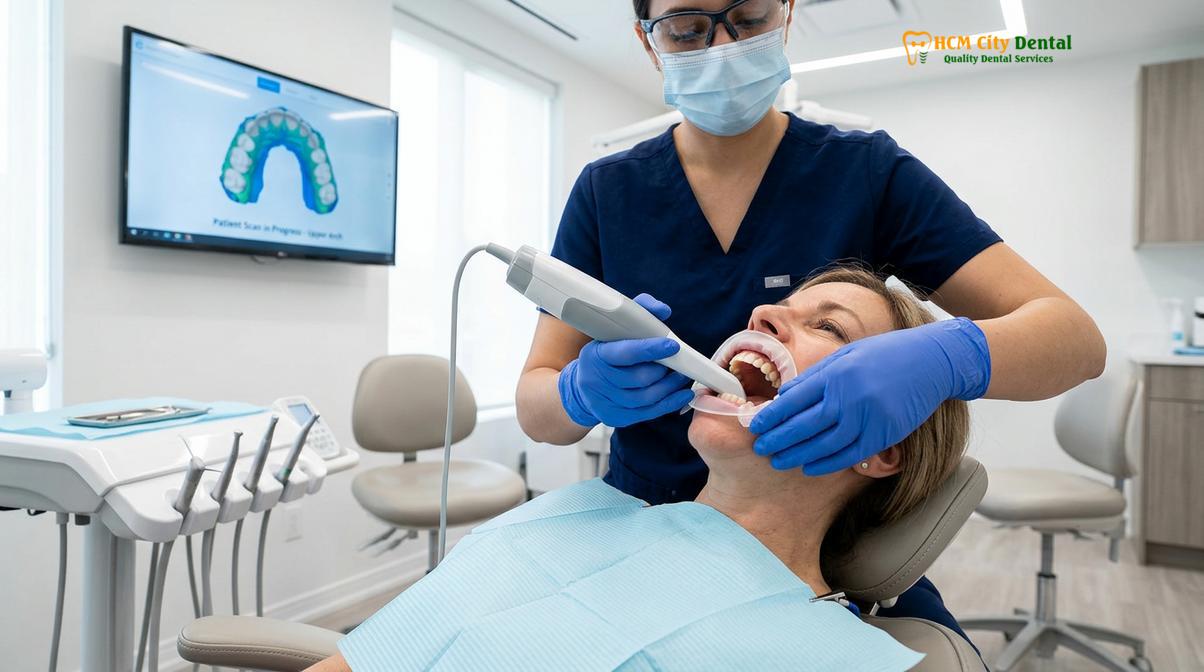
Dr. Nguyen Van Cuong, a leading practitioner at HCMC Dental Clinic, frequently emphasizes the importance of continuity in retention care. “Patients should never delay replacing a lost retainer simply because they cannot reach their previous doctor,” notes Dr. Cuong. “Any licensed dental professional can step in, assess the stability of the occlusion, and provide an immediate solution to protect the patient’s investment in their smile.”
Furthermore, general dentists undergo extensive training in dental anatomy, occlusion, and prosthodontics, making them highly qualified to manage retention. They routinely work with dental laboratories to create night guards, crowns, and retainers, utilizing the same high-grade materials and clinical protocols as specialized orthodontic offices.
Diagnostic Workflow for Creating Replacement Retainers
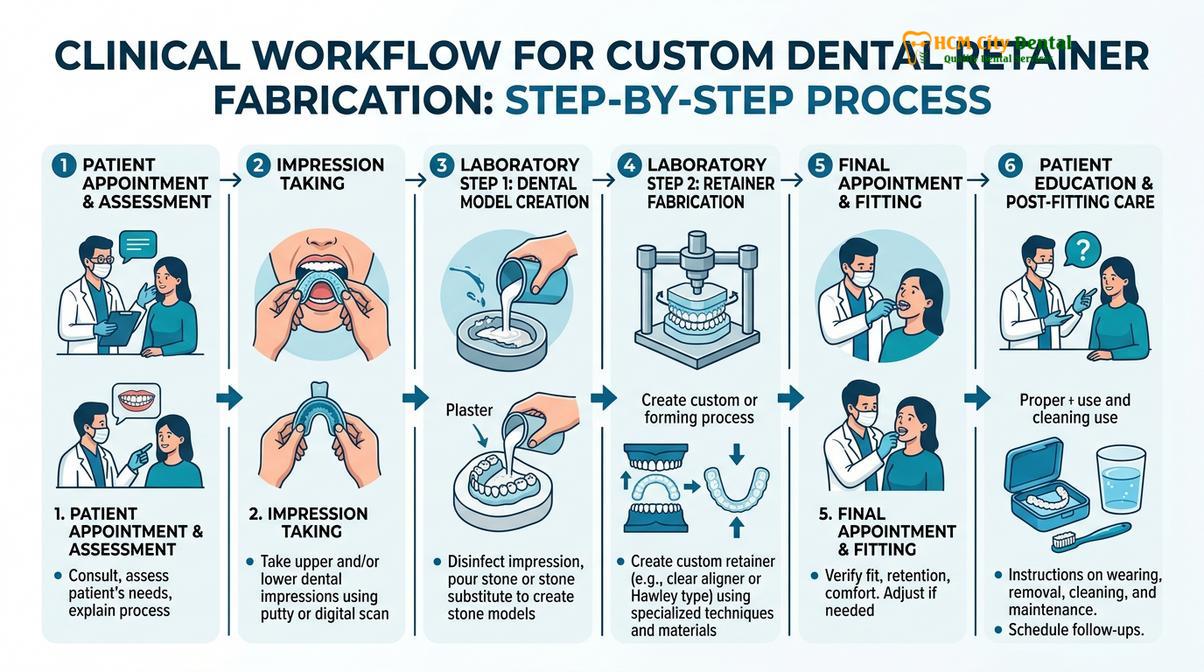
The workflow involves a comprehensive oral examination followed by precise intraoral measurements, utilizing either digital 3D scanning or traditional elastomeric materials to capture the exact contours of the teeth.
The process of obtaining a new retainer begins with a thorough clinical evaluation. The dentist will examine the current alignment, check for any signs of relapse, and assess the health of the gingival tissues. If the teeth have shifted significantly since the previous retainer was lost, the dentist must determine whether a standard passive retainer is sufficient or if an active aligner is needed to recapture the lost alignment.
Once the teeth are deemed stable and ready for retention, the practitioner will proceed with capturing the dental anatomy. Today, patients benefit from highly accurate replacement retainers from fresh impressions, which can be acquired through two primary modalities: digital intraoral scanning or traditional physical impressions.
Digital scanning utilizes a handheld wand that captures thousands of images per second, stitching them together to create a highly accurate 3D model of the dental arches. This method is highly preferred due to its comfort, speed, and the elimination of the gag reflex often associated with traditional putty. The digital file is then transmitted instantly to a laboratory or an in-house 3D printer.
Alternatively, traditional impressions use Polyvinyl Siloxane (PVS) or alginate materials. The dentist fills a tray with the material and seats it over the teeth until it sets. This physical mold is then poured with dental stone to create a master cast, upon which the dental lab custom retainer is fabricated[2].
| Feature | Digital Intraoral Scanning | Traditional PVS/Alginate Impressions |
|---|---|---|
| Patient Comfort | High (No gagging, non-invasive) | Moderate (Can trigger gag reflex) |
| Accuracy | Extremely high (Micron-level precision) | High (Subject to material shrinkage) |
| Turnaround Time | Rapid (Instant digital transfer) | Slower (Requires physical shipping) |
| Storage | Cloud-based (Easily retrievable) | Physical models (Require storage space) |
Regardless of the method chosen, the goal remains the same: to provide the dental laboratory with an exact replica of the patient’s mouth. This ensures that the resulting appliance applies even, passive pressure across all tooth surfaces, maintaining the duration of retainer wear effectively without causing unintended orthodontic forces.
Types of Retainers Available Through a General Dentist
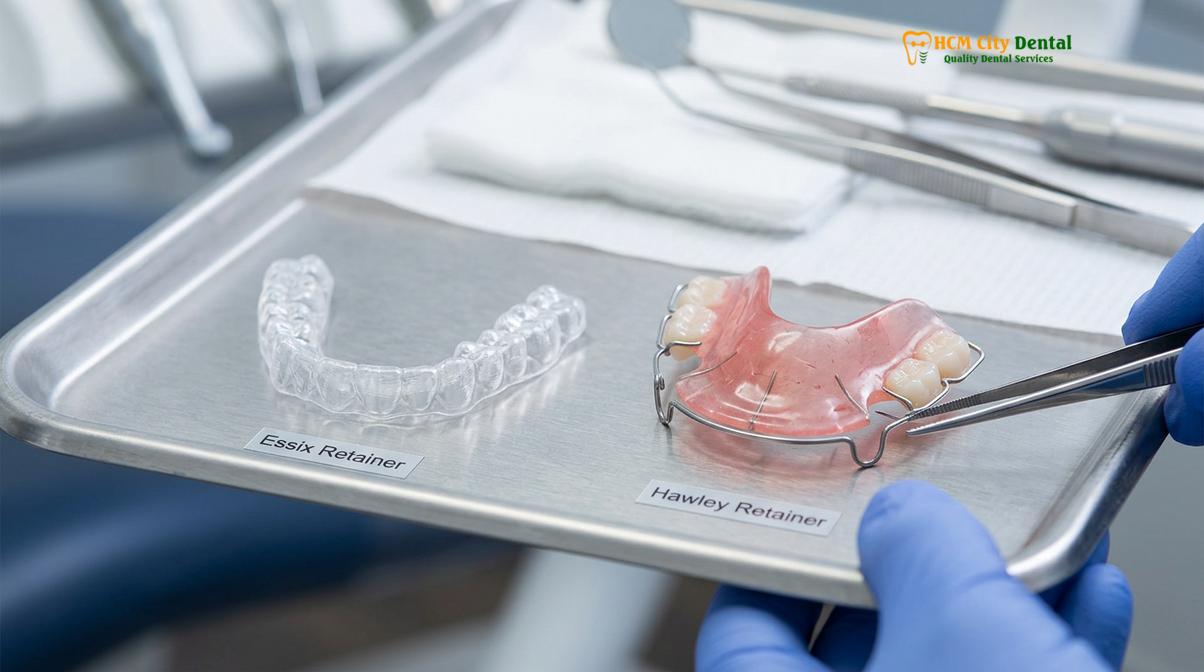
Patients can choose from clear thermoplastic trays (Essix), traditional wire-and-acrylic models (Hawley), or bonded lingual wires, all of which can be provided by a general dental practitioner.
When seeking a replacement, patients are not restricted to the exact type of retainer they previously wore. A consultation with a new dentist is an excellent opportunity to re-evaluate which retention system best fits your current lifestyle, oral hygiene habits, and clinical needs.
Clear Thermoplastic Retainers (Essix/Vivera)
Clear retainers are currently the most popular choice among adult patients due to their virtually invisible appearance. Made from medical-grade polyurethane or PETG materials, these trays encase the entire arch of teeth. They are highly effective at holding the exact position of the teeth and preventing any micro-rotations. Because they cover the occlusal (biting) surfaces, they also offer a degree of protection for patients who suffer from mild nocturnal bruxism (teeth grinding).
“Clear retainers offer excellent aesthetics and full-arch control, but they require strict compliance and meticulous hygiene. Patients must remove them when consuming anything other than water to prevent trapping cariogenic sugars against the enamel.”
— Dr. Nguyen Van Cuong, Clinical Director
Traditional Wire Retainers (Hawley)
The Hawley retainer is the classic orthodontic appliance, consisting of a custom-molded acrylic base that sits against the palate or lingual mucosa, and a stainless steel labial bow that wraps around the anterior teeth. While more visible than clear trays, Hawley retainers are incredibly durable and can last for many years with proper care. Furthermore, the acrylic base can be adjusted by the dentist to slightly close minor gaps or refine the bite if slight shifting has occurred[3].
Fixed (Bonded) Retainers
For patients with a high risk of relapse—particularly in the lower anterior region—a fixed retainer may be recommended. This involves bonding a multi-stranded stainless steel wire directly to the lingual (tongue-facing) surfaces of the teeth using dental composite resin. A general dentist is fully capable of placing, repairing, or removing these bonded wires. If you experience a failure in your current bonded wire, repairing a detached lingual wire promptly is essential to prevent the incisors from shifting.
The Biomechanics of Relapse: Why Prompt Replacement is Crucial
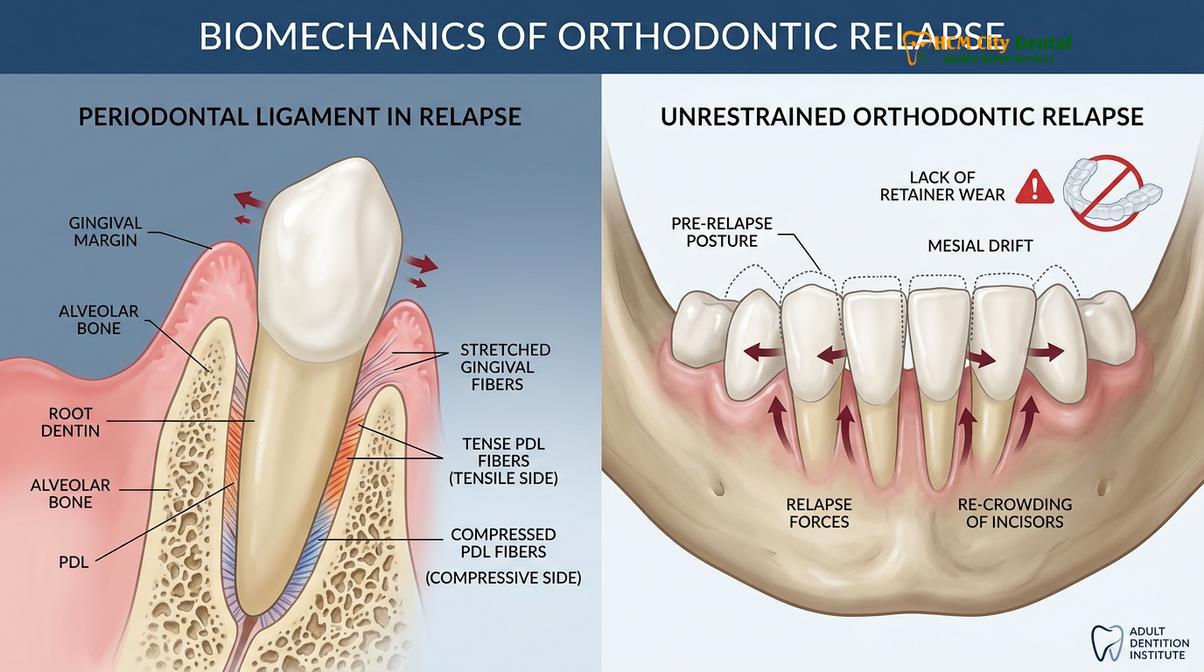
Teeth have a natural tendency to return to their original malocclusion due to the elastic memory of the periodontal ligament fibers, making immediate retainer replacement vital.
Understanding why teeth move helps underscore the urgency of replacing a lost retainer. The teeth are not rigidly fused to the jawbone; rather, they are suspended in the alveolar socket by a complex network of soft tissues known as the periodontal ligament (PDL). During orthodontic treatment, these fibers are stretched and compressed to allow the teeth to move through the bone.
Once the braces or aligners are removed, the bone takes time to fully mineralize around the new tooth positions. More importantly, the supracrestal and transseptal fibers of the gums have an “elastic memory.” They can take up to a year or more to fully reorganize. If a retainer is not worn, these fibers exert a continuous pull, attempting to drag the teeth back to their pre-treatment positions—a phenomenon known as orthodontic relapse[4].
Clinical Warning: Never attempt to force a warped, cracked, or partially melted retainer onto your teeth. A damaged appliance can apply incorrect, active forces to the dentition, potentially causing severe pain, root resorption, or unintended shifting of the teeth. Always seek a professional replacement.
Even years after treatment, age-related changes such as late mandibular growth and natural mesial drift (the tendency of teeth to slowly migrate forward over a lifetime) can cause crowding. This is why modern dental consensus advocates for lifetime retention. If you lose your appliance, waiting even a few weeks can result in enough movement that a new retainer will feel excessively tight, or worse, a short course of active aligner therapy may be required to correct the relapse.
Patient Experience and Logistical Considerations
Obtaining a new retainer is a streamlined process that typically involves a brief clinical visit for impressions, followed by the delivery of the custom appliance within a few days.
For many patients, the logistics of finding a new provider can seem daunting, but the process is highly routine. When searching for an HCMC dentist or a provider in your local area, you simply need to request a “retainer replacement consultation.”
During the visit, the clinician will discuss the financial investment for clear trays versus traditional wire models. Costs can vary based on the geographic location of the clinic, the technology utilized, and the specific materials chosen. Some dental insurance plans may offer partial coverage for retention appliances, particularly if the replacement is deemed medically necessary due to breakage, though many consider it an out-of-pocket expense.
Clinical Case Example:
Sarah, a 28-year-old patient, accidentally discarded her clear retainer while dining at a restaurant during a business trip. Concerned about her teeth shifting, she contacted HCMC Dental Clinic in Ho Chi Minh City the following morning. The clinical team performed a rapid digital intraoral scan. Utilizing their in-house 3D printing laboratory, they were able to fabricate a precise, medical-grade clear retainer by the afternoon. Sarah’s prompt action prevented any orthodontic relapse, demonstrating the efficiency of modern rapid fabrication options.
For patients who travel frequently or live abroad, seeking care from an international provider is also a viable option. Many international patients seeking retention care find that high-quality dental clinics in major medical hubs offer premium services, such as premium clear retention systems, at highly competitive rates while adhering to strict international sterilization and fabrication standards.
“The longevity of your new retainer depends heavily on your maintenance routine. Always clean the appliance with a soft brush and non-abrasive soap, avoid hot water which can warp the plastic, and store it in a hard case away from pets.”
— Clinical Care Guidelines
Once the new retainer is delivered, the dentist will verify the fit, ensuring there are no sharp edges impinging on the gingival tissues and that the appliance seats fully without excessive force. They will also review proper insertion and removal techniques to prevent premature cracking of the material[5].
When to See a Doctor for Orthodontic Retention Issues
While minor tightness after leaving a retainer out for a day is normal, certain clinical scenarios require immediate professional intervention. You should schedule an appointment with a dentist or orthodontist without delay if you experience any of the following:
- Visible Shifting or Crowding: If you notice that your front teeth are beginning to overlap or spaces are opening up, your current retention strategy is failing.
- Severe Pain Upon Insertion: A retainer should feel snug, but it should never cause excruciating pain. Severe pain indicates that the teeth have moved significantly, and forcing the retainer may damage the roots or bone.
- Detached Bonded Wire: If you feel a sharp poke behind your teeth or notice that the composite glue holding your permanent retainer has chipped away, the wire is no longer stabilizing those specific teeth.
- Cracked or Warped Plastic: Clear retainers that have hairline fractures lose their structural integrity and cannot effectively hold the teeth in place.
- Gum Irritation or Bleeding: An ill-fitting retainer that digs into the soft tissues can cause localized trauma, ulcerations, or exacerbate gingival inflammation.
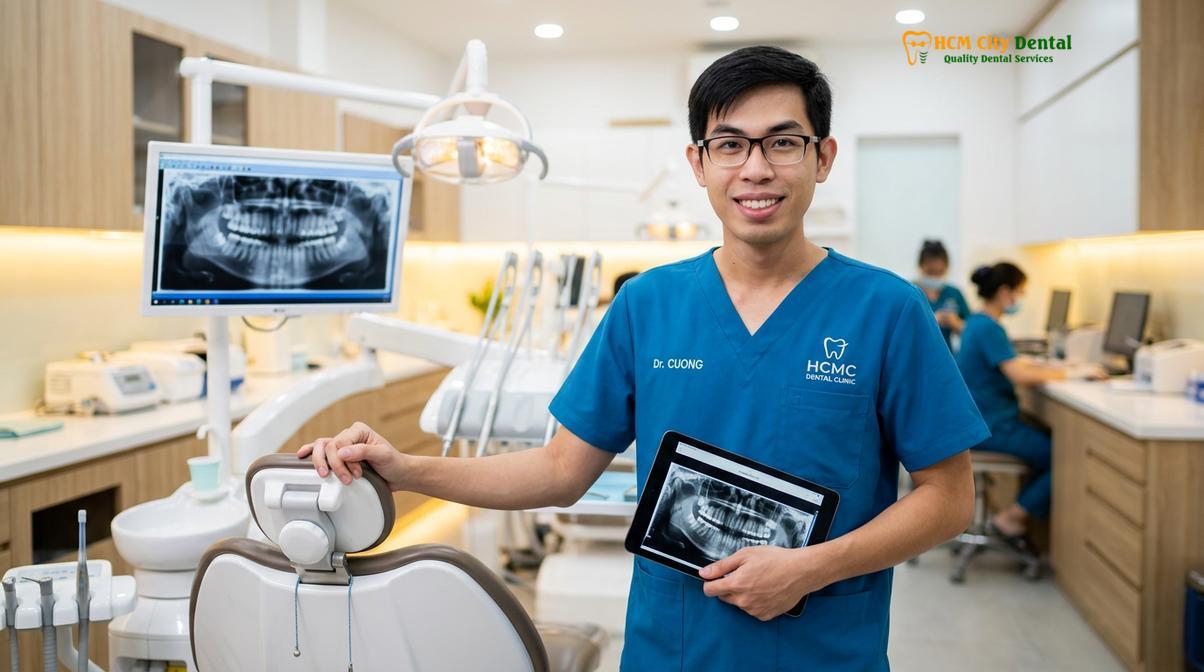
If you are experiencing any of these issues, or if you simply need a backup set of retainers for peace of mind, the team at HCMC Dental Clinic in Ho Chi Minh City is fully equipped to provide comprehensive diagnostic and retention services tailored to your specific clinical needs.
Frequently Asked Questions
Can a general dentist make a replacement retainer?
Yes, a general dentist possesses the clinical training and equipment necessary to take accurate impressions and order custom retainers from a dental laboratory. They routinely handle post-orthodontic retention, ensuring your teeth remain stable without the strict need to visit a specialized orthodontist.
Do I need my old molds to get a new retainer?
No, your new dental provider will take fresh digital scans or physical impressions of your current teeth. Old molds are generally obsolete because your dental alignment may have shifted slightly, and a new impression ensures the replacement appliance fits your exact current anatomy.
How long does it take to get a replacement retainer?
Depending on the clinic’s technology, a replacement retainer typically takes between a few hours to one week to fabricate. Clinics equipped with digital intraoral scanners and in-house 3D printing capabilities can often provide same-day retention appliances, while traditional lab-made retainers take slightly longer.
Will my teeth shift if I wait a week for a new retainer?
Minor shifting can occur within a few days of losing a retainer. However, a properly fitted replacement retainer can often gently guide teeth back into their correct positions if the delay is relatively short. Prolonged delays increase the risk of requiring active orthodontic retreatment.
Can I switch from a wire retainer to a clear one with a new dentist?
Yes, you can easily transition between different types of retainers. During your consultation, your new dentist will evaluate your bite, discuss your aesthetic preferences and bruxism habits, and help you choose whether a clear thermoplastic tray or a traditional wire model best suits your clinical needs.
References
- Journal of Prosthodontic Research. Orthodontic retainer wear and stability. (2021).
- American Journal of Orthodontics. Relapse rates and retention protocols. (2019).
- European Journal of Orthodontics. Essix vs Hawley retainers clinical trial. (2020).
- Journal of Clinical Orthodontics. Plaque accumulation on fixed retainers. (2022).
- Australian Dental Journal. Patient compliance with dental retainers. (2018).