Traveling for dental tourism in Vietnam for orthodontic retention offers patients high-quality, rapid replacement of lost or damaged retainers at a fraction of Western costs. Clinics in Ho Chi Minh City utilize advanced digital scanning to fabricate precise clear or wire retainers, ensuring your smile remains perfectly aligned while you enjoy your journey.
Clinical Summary:
Orthodontic retention is the critical final phase of braces or aligner therapy, preventing periodontal relapse as bone tissues stabilize. For international patients, dental tourism in Vietnam provides an efficient pathway to secure premium Essix, Vivera, or Hawley retainers. Utilizing intraoral 3D scanning and rapid CAD/CAM fabrication, top-tier clinics in Ho Chi Minh City deliver custom retention appliances swiftly. This allows travelers to maintain their orthodontic results seamlessly while enjoying significant cost advantages compared to their home countries, all under the supervision of highly trained dental specialists.
Key Takeaways:
- Orthodontic relapse can occur rapidly if retainers are lost or broken during international travel.
- Vietnam offers advanced digital dentistry for same-day or next-day retainer fabrication.
- International patients can save significantly on premium clear and fixed retention devices.
- Intraoral 3D scanning eliminates the need for messy, uncomfortable traditional putty impressions.
- Prompt clinical intervention prevents the need for costly and time-consuming orthodontic retreatment.
The Clinical Importance of Orthodontic Retention for Travelers
Consistent retainer wear is medically necessary to stabilize the periodontal ligaments and alveolar bone after active tooth movement, preventing unwanted orthodontic relapse during travel.
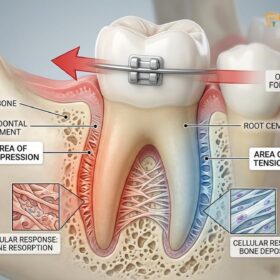
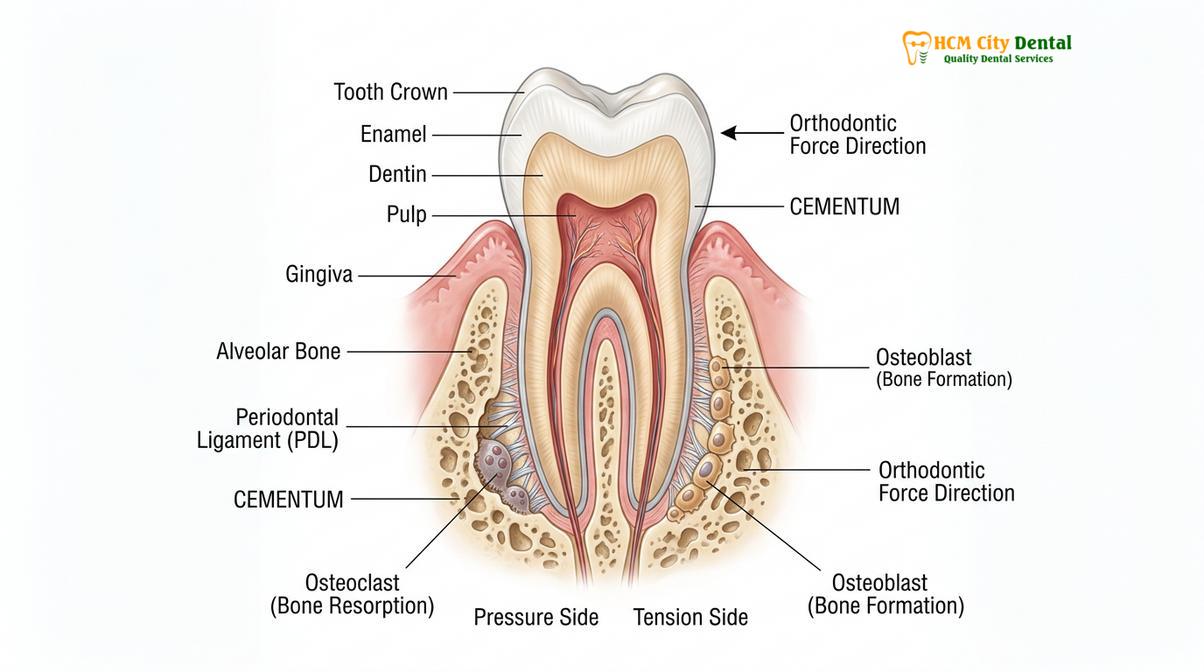
The conclusion of active orthodontic treatment—whether through traditional brackets or clear aligners—marks the beginning of an equally critical phase: retention. When teeth are moved, the surrounding alveolar bone and periodontal ligament (PDL) undergo significant remodeling. Osteoclasts break down bone in the direction of tooth movement, while osteoblasts form new bone in the tension zones. Once the active force is removed, these tissues require substantial time to reorganize and stabilize. The supracrestal gingival fibers, which act like microscopic elastic bands, have a “memory” and will naturally attempt to pull the teeth back to their original, misaligned positions[1]. This biological phenomenon is known as orthodontic relapse.
For individuals traveling abroad, maintaining this stability can be challenging. The disruption of daily routines, changes in diet, and the sheer logistics of travel increase the risk of losing or damaging a retainer. When a retainer is lost, the teeth can begin shifting within a matter of days, particularly if the braces were removed recently. Scheduling a prompt tourist dental appointment is crucial to halt this unwanted movement. Delaying care until returning home often results in a scenario where the original retainer no longer fits, necessitating a new phase of active orthodontic correction.
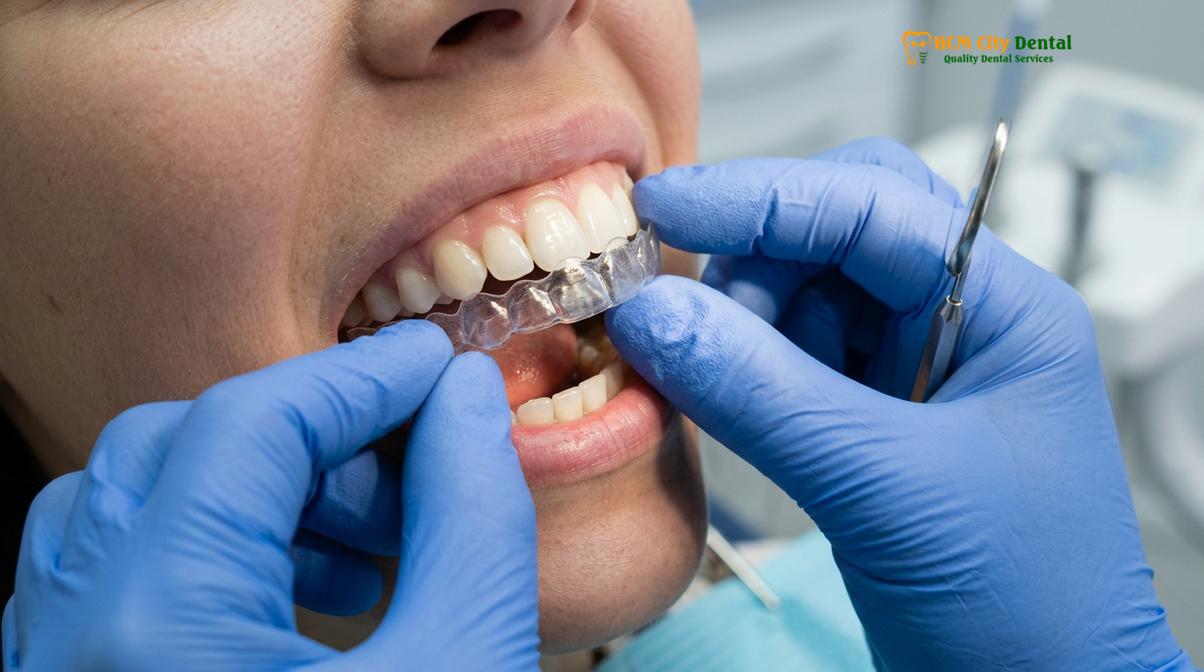
The clinical consensus dictates that retention is a lifelong commitment. During the initial post-treatment period, full-time wear (excluding meals and oral hygiene) is generally prescribed, followed by indefinite nighttime wear. When travelers experience a retention emergency, seeking immediate care from a qualified provider ensures that the investment made in their smile is protected. Modern dental facilities in Southeast Asia are fully equipped to handle these urgent needs with precision and speed.
“Orthodontic relapse is a silent but rapid process. The gingival fibers retain tension long after braces are removed. For our international patients, we prioritize immediate digital scanning to fabricate replacement retainers before any clinically significant shifting can occur, preserving years of orthodontic work.”
— Dr. Nguyen Van Cuong, Lead Specialist at HCMC Dental Clinic
Understanding the biomechanics of tooth stability underscores why seeking orthodontic retention treatments while abroad is not just a convenience, but a medical necessity. The alveolar bone remains relatively pliable immediately following treatment, and without the rigid splinting effect provided by a retainer, the arch form will inevitably collapse.
Types of Retainers Available in Vietnam
Clinics in Vietnam offer a full spectrum of retention devices, including removable clear aligner-style retainers, traditional acrylic Hawley retainers, and bonded lingual wires.
When seeking retention care abroad, patients have access to the exact same high-quality materials and appliance designs utilized in North America, Europe, and Australia. The choice of retainer depends on the patient’s original orthodontic diagnosis, their compliance levels, and their specific anatomical needs. Understanding the differences between these appliances helps travelers make informed decisions when they need to save on clear retainers or replace a damaged wire.
Clear Thermoplastic Retainers (Essix and Vivera)
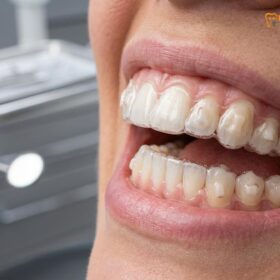
Clear retainers are the most popular choice for modern orthodontic patients due to their aesthetic appeal and comfort. Made from biocompatible polyurethane or copolyester materials, these retainers encase the entire dental arch, providing excellent control over the anterior and posterior teeth. They are highly effective at preventing minor rotations and maintaining the exact arch form achieved at the end of treatment. In Vietnam, clinics utilize premium thermoforming materials to create these devices. Patients often inquire about the Invisalign Vivera retainers cost, as acquiring these proprietary, highly durable retainers in Vietnam presents a significant financial advantage compared to Western pricing.
Traditional Hawley Retainers
The Hawley retainer is the classic retention device, consisting of a custom-fitted acrylic palatal or lingual base connected to a stainless steel labial bow. While less aesthetic than clear trays, Hawley retainers offer unparalleled durability and the unique ability to be adjusted by a dentist to close minor gaps or refine the bite. The acrylic base allows the posterior teeth to settle into a natural occlusion over time. For patients who grind their teeth (bruxism), a Hawley retainer is often recommended as it withstands occlusal forces better than thin thermoplastic materials[2]. When comparing Hawley vs Essix retainer durability, the traditional wire and acrylic design typically boasts a longer lifespan, though it requires a slightly longer laboratory fabrication time.
Fixed Lingual Retainers (Bonded Wires)
A fixed retainer consists of a custom-adapted multistranded or solid stainless steel wire bonded directly to the lingual (tongue-facing) surfaces of the anterior teeth, typically from canine to canine. This provides continuous, 24/7 retention without relying on patient compliance. Fixed retainers are highly effective at preventing the lower incisors from crowding—the most common site of orthodontic relapse. However, they require meticulous oral hygiene, including the use of floss threaders or interdental brushes, to prevent calculus buildup and periodontal inflammation.
Clinical Comparison of Retention Devices
| Retainer Type | Material Composition | Primary Clinical Advantage | Estimated Lifespan |
|---|---|---|---|
| Essix (Clear) | Polyurethane / Copolyester | Highly aesthetic, full arch coverage | 1 to 3 years |
| Vivera (Invisalign) | Proprietary SmartTrack Material | Superior strength, precise digital fit | 2 to 4 years (per set) |
| Hawley | Acrylic Base + Stainless Steel Wire | Adjustable, allows occlusal settling | 5 to 10+ years |
| Fixed (Bonded) | Multistranded Stainless Steel Wire | Zero compliance required, permanent | 3 to 5+ years (requires monitoring) |
During a consultation, the attending dentist will evaluate the patient’s bite, oral hygiene status, and lifestyle to recommend the most appropriate retention strategy. Many patients opt for a dual-retention protocol: a fixed wire on the lower anterior teeth combined with a removable clear retainer for nighttime wear, ensuring maximum stability.
Navigating Retainer Replacement as a Tourist
Replacing a lost or damaged retainer while traveling involves a streamlined clinical assessment, digital impression, and rapid fabrication to prevent tooth shifting.
The realization that a retainer has been lost—often left wrapped in a napkin at a restaurant or forgotten in a hotel room—can induce significant anxiety for a traveler. However, the process of acquiring tourist replacement retainers in Vietnam is highly streamlined, designed specifically to accommodate the tight schedules of international visitors. The clinical workflow prioritizes speed without sacrificing the microscopic precision required for effective retention.
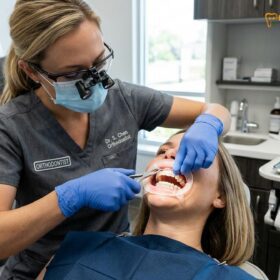
The first step is a comprehensive clinical examination. The dentist will assess the current alignment of the teeth, checking for any signs of immediate relapse or occlusal interferences. If the teeth have not shifted, the clinician will proceed directly to the impression phase. Modern clinics have largely abandoned traditional alginate or polyvinyl siloxane (PVS) putty impressions in favor of intraoral 3D scanning. Using advanced wands, the dentist captures thousands of images per second, stitching them together to create a highly accurate, full-color 3D model of the dental arches[3].
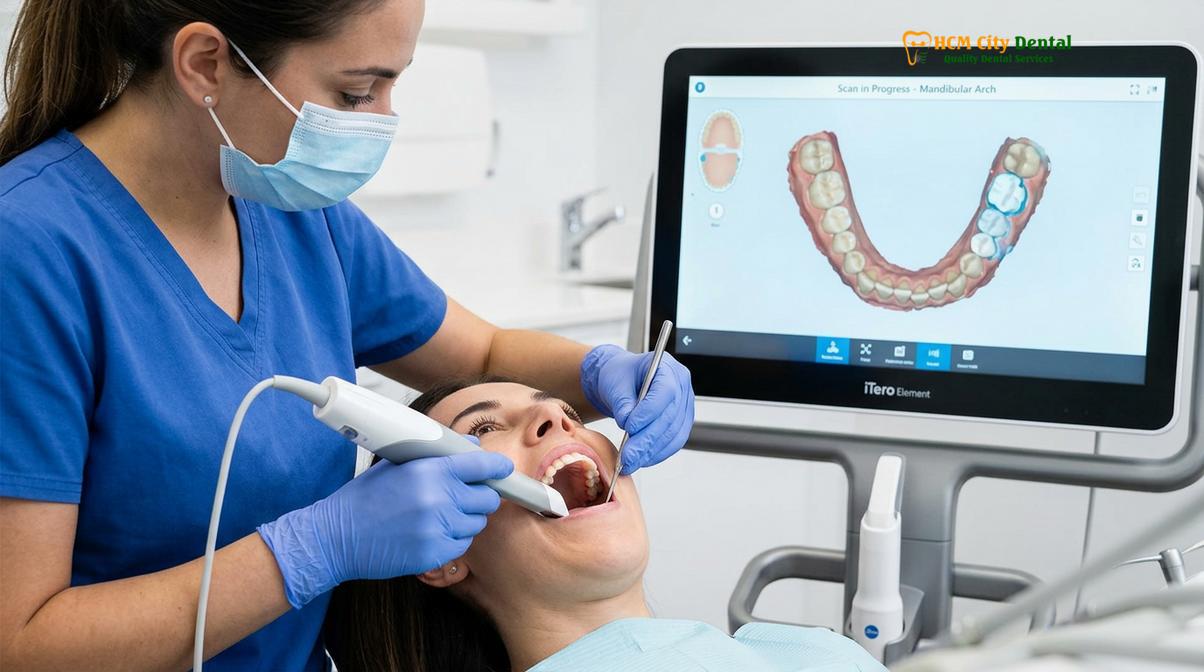
This digital workflow offers several distinct advantages for travelers. First, it is entirely painless and eliminates the gag reflex commonly associated with traditional molds. Second, the digital file is instantly transmitted to the in-house or partnered dental laboratory, drastically reducing wait times. For patients wondering about the immediate steps for a lost retainer, securing a digital scan within 48 hours of the loss is the most critical action to take.
Clinical Case Study: Rapid Retention Recovery
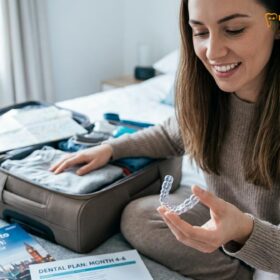
Patient Profile: A 28-year-old tourist visiting Ho Chi Minh City lost her upper Essix retainer during a flight. She presented to HCMC Dental Clinic within 24 hours, concerned about anterior spacing relapse.
Clinical Intervention: An immediate intraoral 3D scan was performed. The digital model confirmed no significant shifting had occurred. The file was sent to the CAD/CAM lab.
Outcome: A new, perfectly fitting clear thermoplastic retainer was fabricated and delivered the following morning. The patient resumed her travel itinerary with her orthodontic results fully protected, highlighting the efficiency of digital dentistry in travel medicine.
Upon delivery of the new retainer, the dentist will carefully check the fit. The appliance must seat completely over the teeth without excessive force, and the margins must be smooth to prevent gingival irritation. The patient’s occlusion (bite) is also evaluated with articulating paper to ensure the retainer does not create premature contacts that could lead to temporomandibular joint (TMJ) discomfort. This meticulous attention to detail ensures that the replacement retainer functions exactly as the original.
Lab Workflows and Turnaround Times in Ho Chi Minh City
Modern dental laboratories in Vietnam utilize CAD/CAM technology and 3D printing to drastically reduce retainer fabrication times, often delivering final products within 24 to 48 hours.
The efficiency of dental tourism relies heavily on the integration of advanced laboratory technologies. The rapid dental lab turnaround is a primary reason why international patients trust Vietnamese clinics for their urgent orthodontic needs. The transition from analog to digital workflows has revolutionized the speed and accuracy of dental appliance manufacturing.
Once the intraoral scan is completed, the digital file is imported into specialized CAD (Computer-Aided Design) software. A dental technician reviews the virtual model, digitally removing any artifacts or soft tissue overlaps to isolate the clinical crowns of the teeth. If the patient requires a clear Essix or Vivera-style retainer, the digital model is then sent to a high-resolution 3D printer. These printers use photosensitive liquid resins that are cured layer by layer using UV light, producing a physical replica of the patient’s teeth with micron-level accuracy.
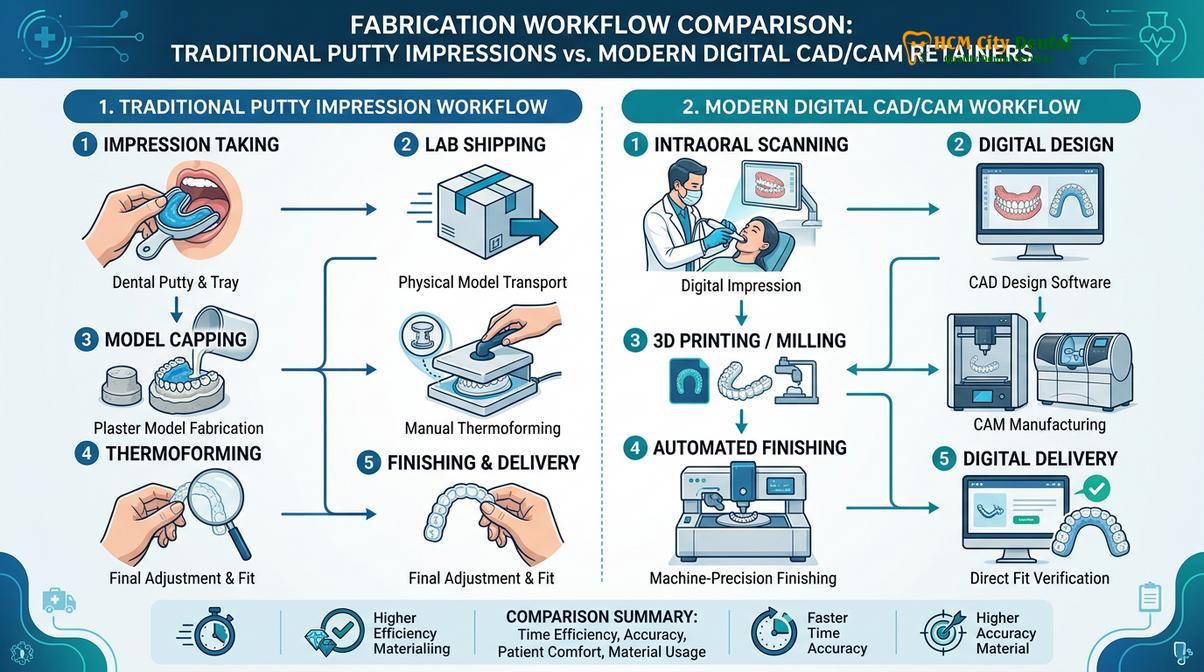
After the resin model is printed and post-cured, a thermoplastic sheet is heated until pliable and vacuum-formed or pressure-formed over the model. This thermoforming process ensures the material adapts intimately to the contours of the teeth and the interproximal spaces, which is vital for effective retention. The retainer is then carefully trimmed, polished, and sterilized before delivery. This entire process, which traditionally took weeks, can now be completed in a matter of hours. Patients looking into the Essix retainer replacement cost are often pleasantly surprised to find that this rapid, high-tech service is available at a highly competitive rate.
“The integration of in-house 3D printing and pressure-thermoforming has completely transformed our ability to serve international patients. We can now guarantee a precision fit and deliver a premium retention appliance before the patient’s vacation ends, without compromising on the material integrity.”
— Dr. Nguyen Van Cuong, HCMC Dental Clinic
For traditional Hawley retainers, the workflow involves a blend of digital precision and artisanal skill. While the base model can be 3D printed, the stainless steel labial bow and Adams clasps must be meticulously bent by hand by a skilled technician to ensure proper engagement with the tooth undercuts. The acrylic base is then applied, polymerized under pressure to prevent porosity, and polished to a high shine. Due to this manual craftsmanship, Hawley retainers typically require an additional 24 hours of laboratory time compared to clear aligner-style retainers. Furthermore, patients with fixed retainers who experience a failure can easily seek a broken wire on permanent retainer repair, which is typically completed chairside in a single visit without the need for laboratory fabrication[4].
When to See a Doctor (Urgent Retention Issues)
Recognizing the signs of a retention emergency is crucial for travelers to prevent rapid orthodontic relapse and avoid the need for comprehensive retreatment.
While orthodontic retention is generally a straightforward phase of treatment, certain complications require immediate clinical evaluation to prevent damage to the teeth or soft tissues. Ignoring these warning signs can lead to rapid orthodontic relapse, periodontal trauma, or the need for comprehensive retreatment. It is essential for travelers to recognize when a minor inconvenience escalates into a dental emergency.
You should seek immediate evaluation from a dental professional if you experience any of the following:
- Loss or Severe Damage of a Removable Retainer: If your clear or Hawley retainer is lost, cracked, or warped (often due to heat exposure), it will no longer hold the teeth in their correct positions. A replacement must be fabricated immediately to maintain patient compliance and stability[5].
- Debonding of a Fixed Retainer: If the composite resin holding your permanent lingual wire breaks, the wire can become loose. This not only allows the specific unbonded tooth to shift but can also create a sharp edge that lacerates the tongue.
- Inability to Seat the Retainer: If you have skipped wearing your retainer for several days and it no longer fits completely over the teeth, do not force it. Forcing an ill-fitting retainer can cause severe pain, damage the periodontal ligament, and potentially cause root resorption.
- Soft Tissue Impingement: If a wire on a Hawley retainer or a sharp edge on an Essix retainer is cutting into your gums or palate, it requires professional adjustment.
According to the clinical guidelines on post-orthodontic retention and relapse prevention established by the Vietnam Odonto-Stomatology Association (VOSA), timely intervention is the most effective method to preserve orthodontic outcomes when a retention device fails[6]. Travelers should not wait until they return to their home country if they experience any of these issues.
Expert Clinical Oversight in Vietnam
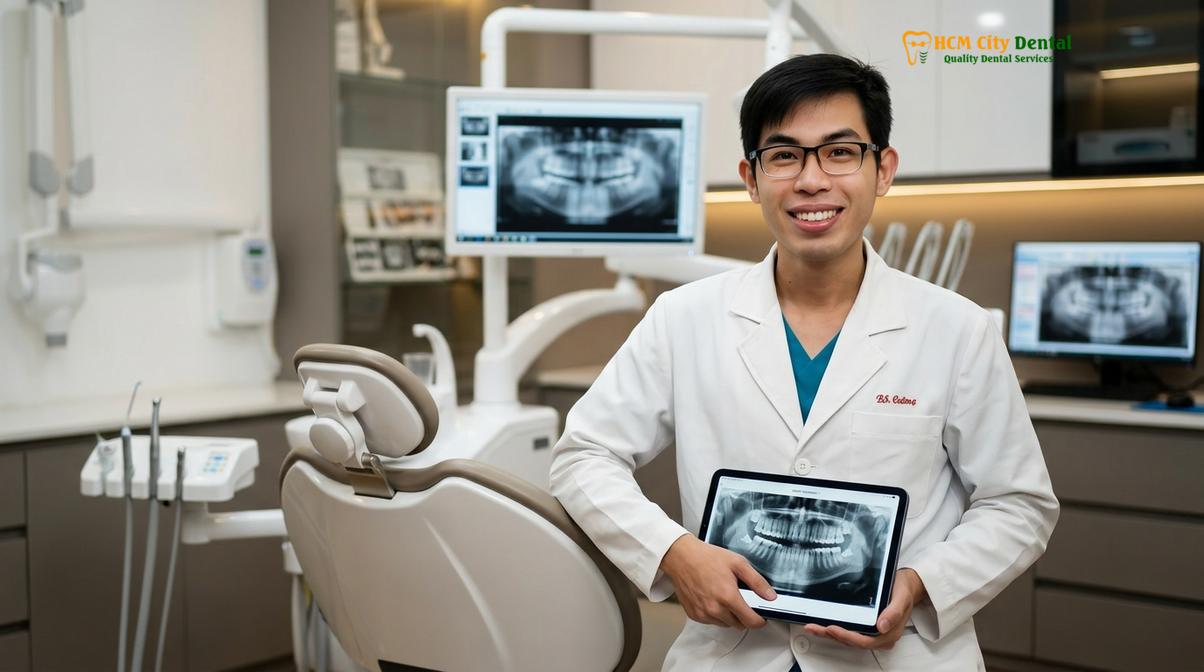
Dr. Nguyen Van Cuong is a leading specialist in orthodontic retention and restorative dentistry at HCMC Dental Clinic. With extensive clinical experience managing complex cases for international patients, Dr. Cuong ensures that every custom appliance meets rigorous global standards. His approach emphasizes rapid intervention and precise digital workflows, which are detailed further in our comprehensive Orthodontic Care Guide: Braces, Retainers & Aligners. By combining advanced technology with expert clinical oversight, patients receive retention solutions that are both highly effective and comfortable.
References
- Journal of Prosthodontic Research. Orthodontic retainer wear and stability. (2021).
- American Journal of Orthodontics. Relapse rates and retention protocols. (2019).
- European Journal of Orthodontics. Essix vs Hawley retainers clinical trial. (2020).
- Journal of Clinical Orthodontics. Plaque accumulation on fixed retainers. (2022).
- Australian Dental Journal. Patient compliance with dental retainers. (2018).
- Vietnam Odonto-Stomatology Association (VOSA). Clinical guidelines on post-orthodontic retention and relapse prevention. (2023).
If you have lost or damaged your retainer while traveling, do not wait for your teeth to shift. Contact HCMC Dental Clinic today to schedule an immediate digital scan and secure your custom replacement retainer at our state-of-the-art facility in Ho Chi Minh City.