When comparing Hawley vs Essix retainer durability, Hawley retainers generally last 5 to 10 years due to their robust acrylic and stainless steel construction. In contrast, clear Essix retainers typically require replacement every 1 to 3 years because the thermoplastic material is highly susceptible to wear, cracking, and bruxism.
Clinical Summary:
The clinical decision between Hawley and Essix retainers hinges on balancing aesthetic preferences with long-term structural durability. Hawley retainers, fabricated from polymethyl methacrylate (PMMA) and stainless steel, offer superior longevity, adjustability, and allow for natural occlusal settling. Conversely, Essix retainers utilize thermoplastic polymers (such as PETG or polyurethane) to provide a virtually invisible, highly aesthetic retention solution. However, this aesthetic advantage comes at the cost of durability, as the clear plastic is prone to occlusal wear, thermal warping, and fatigue cracking, particularly in patients with bruxism. Proper clinical assessment of the patient’s bite forces, compliance levels, and long-term retention goals is essential for selecting the appropriate appliance to prevent orthodontic relapse.
Key Takeaways:
- Hawley retainers boast a lifespan of 5 to 10 years, making them highly cost-effective over the long term.
- Essix retainers offer superior aesthetics but generally require replacement every 12 to 36 months due to material fatigue.
- Severe teeth grinding (bruxism) rapidly accelerates the degradation of clear thermoplastic retainers.
- Hawley retainers allow for natural bite settling and minor orthodontic adjustments post-treatment.
- Proper maintenance, including avoiding hot water and abrasive toothpastes, is critical for extending the lifespan of both retainer types.
Understanding Orthodontic Retention: The Clinical Imperative
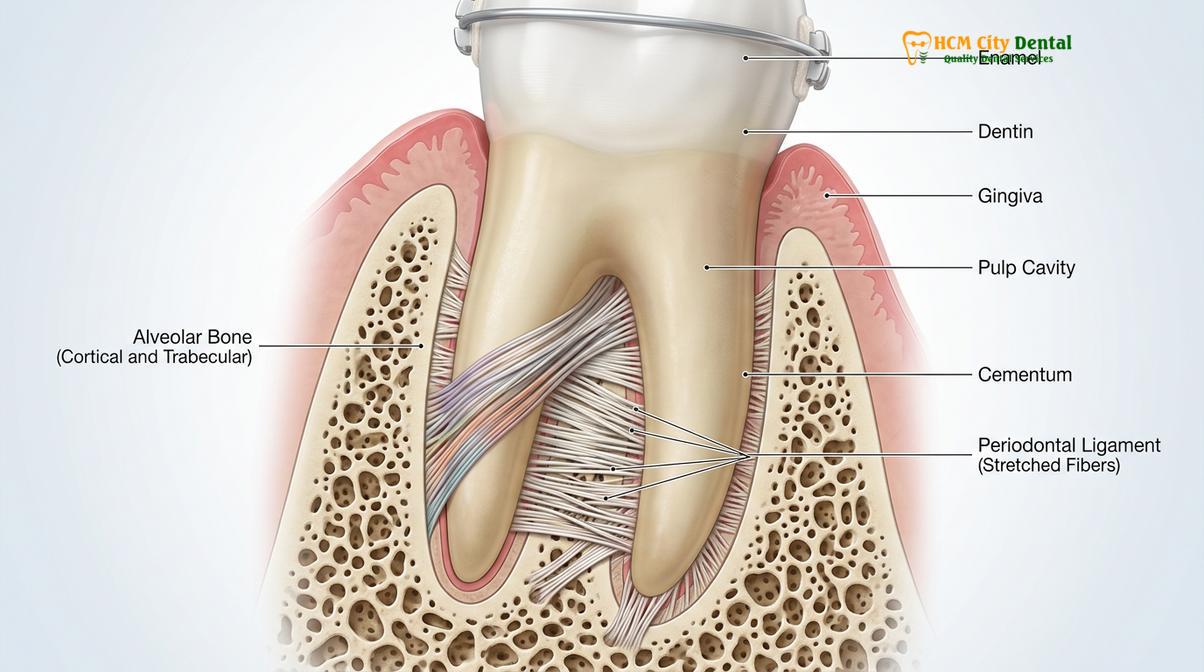
Orthodontic retention is the critical final phase of treatment designed to stabilize teeth in their new positions while the surrounding alveolar bone and periodontal ligaments reorganize and solidify.
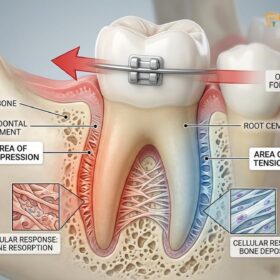
The completion of active orthodontic treatment, whether through traditional brackets or clear aligner therapy, marks the beginning of an equally vital phase: retention. When teeth are moved orthodontically, the surrounding periodontal ligament (PDL) is stretched and compressed, and the alveolar bone undergoes a complex process of resorption and deposition [1]. Once the active orthodontic forces are removed, the elastic memory of the gingival and periodontal fibers exerts a continuous pull, attempting to return the teeth to their original, pre-treatment positions. This phenomenon, known as orthodontic relapse, is the primary reason why retention protocols are universally mandated in modern dental practice.
The biological reorganization of the periodontium is not an instantaneous process. While the principal fibers of the PDL may remodel within three to four months, the supracrestal and transseptal collagenous fibers can take up to a year or longer to fully adapt to the new dental alignment [1]. During this vulnerable period, the application of a reliable retention appliance is non-negotiable. The choice of the Orthodontics retention device—whether a traditional wire appliance or a modern clear tray—profoundly impacts the long-term stability of the clinical outcome.
When evaluating the best orthodontic retainer for a specific patient, clinicians must consider a multitude of factors beyond mere aesthetics. The durability of the appliance, its resistance to occlusal forces, the patient’s oral hygiene habits, and the specific biomechanical requirements of the finished occlusion all play pivotal roles. A retainer that fails prematurely due to material fatigue or patient negligence can lead to rapid micro-movements of the teeth, compromising years of active treatment and financial investment.
Hawley Retainers: Composition and Structural Longevity
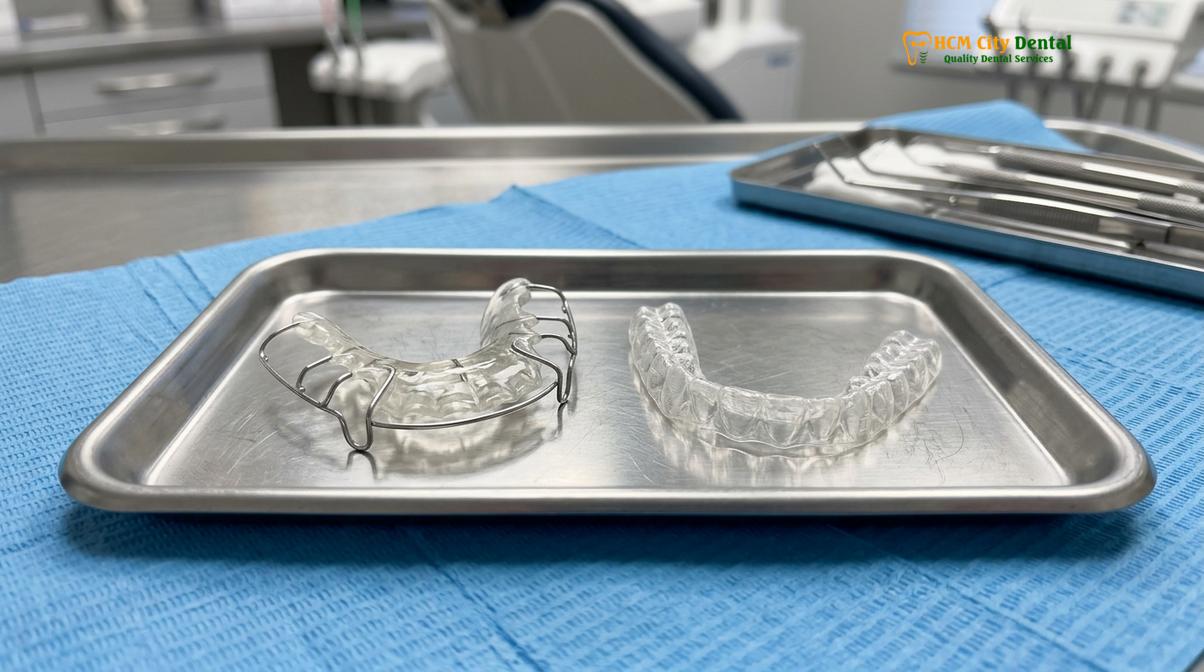
Hawley retainers are constructed from a durable polymethyl methacrylate (PMMA) base and heavy-gauge stainless steel wire, offering exceptional longevity and the ability to make minor clinical adjustments.
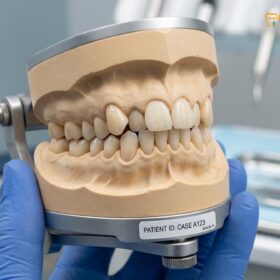
The Hawley retainer, introduced in the early 20th century, remains a gold standard in orthodontic retention due to its unparalleled structural integrity. The appliance consists of two primary components: a custom-molded acrylic base (typically fabricated from polymethyl methacrylate, or PMMA) that rests against the palate or the lingual mucosa of the mandible, and a complex framework of stainless steel wires. The most prominent wire is the labial bow, which spans the anterior teeth, while Adams clasps or ball clasps engage the posterior teeth to provide secure retention [2].
The durability of wire retainer appliances is largely attributed to the physical properties of these materials. PMMA is a highly resilient polymer that can withstand the moist, fluctuating environment of the oral cavity without significant degradation. The stainless steel wire, typically ranging from 0.028 to 0.036 inches in diameter, possesses high tensile strength and resistance to corrosion. When properly cared for, a Hawley retainer can easily last between 5 and 10 years, making it an exceptionally durable long-term solution.
Beyond mere longevity, the Hawley retainer offers unique clinical advantages that thermoplastic alternatives cannot match. Because the acrylic base and wire framework do not cover the occlusal (biting) surfaces of the teeth, the upper and lower arches are free to articulate naturally. This allows for “bite settling,” a physiological process where the posterior teeth erupt slightly and interlock more ideally in the months following the removal of braces. Furthermore, the stainless steel labial bow can be actively adjusted by a clinician to close minor spaces or correct slight rotations that may occur post-treatment.
“The true clinical value of a Hawley retainer lies not just in its impressive lifespan, but in its dynamic adjustability. We can actively tweak the wire framework to refine the occlusion long after the active phase of braces has concluded, a level of control that is simply impossible with static clear trays.”
— Dr. Nguyen Van Cuong, Lead Orthodontist
However, the robust nature of the Hawley retainer is accompanied by certain aesthetic and functional trade-offs. The stainless steel labial bow is highly visible across the anterior teeth, which can be a deterrent for adult patients seeking a discreet retention option. Additionally, the acrylic base occupies space in the palate or along the lingual aspect of the lower teeth, which can temporarily alter speech patterns and require a period of phonetic adaptation.
Essix Retainers: Material Properties and Wear Resistance
Essix retainers are vacuum-formed from clear thermoplastic polymers, providing excellent aesthetics and full-arch encapsulation, though they are inherently more susceptible to mechanical wear and fatigue.
The Essix retainer represents the modern evolution of orthodontic retention, prioritizing aesthetics and patient comfort. These appliances are fabricated by thermoforming a thin sheet of clear plastic—typically polyethylene terephthalate glycol (PETG) or polyurethane—over a physical or 3D-printed model of the patient’s aligned dentition. The resulting appliance is a transparent, intimately fitting tray that encapsulates the entire clinical crown of every tooth in the arch [3].
The primary appeal of the Essix retainer is its virtual invisibility. For patients who have just completed months or years of visible orthodontic treatment, the prospect of a discreet retainer is highly attractive. Furthermore, because the thermoplastic material intimately hugs the contours of the teeth, it provides excellent initial stabilization, effectively locking the teeth in all three planes of space and preventing even the slightest micro-movements.
However, the clear plastic retainer lifespan is inherently limited by the physical properties of the thermoplastic materials used. Unlike the rigid PMMA and steel of a Hawley appliance, PETG and polyurethane are susceptible to mechanical fatigue, abrasion, and deformation. The typical lifespan of an Essix retainer ranges from 12 to 36 months, after which the material often begins to exhibit signs of clinical failure. This failure can manifest as micro-cracks along the incisal edges, perforation over the cusps of posterior teeth, or a generalized loss of rigidity that compromises the appliance’s retentive capacity [3].
Because Essix retainers cover the occlusal surfaces of the teeth, they are subjected to the full force of the patient’s bite. Even in patients with normal occlusal function, the repetitive stress of swallowing and light clenching gradually thins the plastic. In patients who exhibit parafunctional habits, such as bruxism (teeth grinding), the degradation of the thermoplastic material is exponentially accelerated. It is not uncommon for a severe bruxer to wear through an Essix retainer in a matter of months.
Direct Clinical Comparison: Hawley vs Essix Retainer Durability
Comparing Hawley and Essix retainers reveals a stark contrast in lifespan, repairability, and long-term cost, heavily favoring the Hawley appliance for sheer durability.
To fully understand how long do retainers last, it is necessary to evaluate them across multiple vectors of durability, including resistance to occlusal wear, susceptibility to chemical degradation, and the potential for clinical repair. The following table provides a comprehensive clinical comparison of the two primary removable retention modalities.
| Clinical Parameter | Hawley Retainer (Wire/Acrylic) | Essix Retainer (Thermoplastic) |
|---|---|---|
| Average Lifespan | 5 to 10+ years with proper care. | 1 to 3 years before material fatigue. |
| Occlusal Wear Resistance | High. Does not cover biting surfaces. | Low. Subject to direct biting forces and grinding. |
| Repairability | High. Acrylic can be patched; wires can be adjusted or replaced. | None. Once cracked or warped, it must be entirely replaced. |
| Bite Settling | Allows natural vertical eruption and intercuspation. | Prevents settling due to occlusal coverage. |
| Aesthetics | Highly visible metal wire across anterior teeth. | Virtually invisible; highly aesthetic. |
| Long-Term Cost | Lower over a decade due to infrequent replacement. | Higher due to the need for replacement every 1-3 years. |
The data clearly illustrates that while Essix retainers excel in aesthetics, they are essentially consumable items that require periodic replacement. The Hawley retainer, conversely, is a durable medical device designed for long-term service. When a patient asks a clinician which option is superior, the answer must be contextualized by the patient’s priorities: is the primary goal absolute discretion, or is it minimizing long-term maintenance and replacement costs?
For patients who have undergone extensive arch expansion or complex bite correction, such as those treated with power bands braces, the robust retention offered by a Hawley appliance may be clinically preferable to ensure the transverse dimensions of the arch do not collapse over time.
Factors Influencing Retainer Lifespan and Degradation
The durability of any orthodontic retainer is heavily influenced by patient compliance, parafunctional habits like bruxism, and adherence to proper cleaning and storage protocols.
Regardless of whether a patient is prescribed a Hawley or an Essix retainer, the appliance’s lifespan is not guaranteed solely by its material composition. The oral cavity is a harsh environment, characterized by fluctuating temperatures, varying pH levels, and immense mechanical forces. Several key factors dictate how rapidly a retainer will degrade.
1. Bruxism and Parafunctional Habits: As previously noted, teeth grinding is the primary enemy of the Essix retainer. The human jaw can exert forces exceeding 250 pounds per square inch during nocturnal bruxism [4]. When this force is directed onto a 1mm thick sheet of thermoplastic, the material inevitably yields. While Hawley retainers do not cover the occlusal surfaces and are thus immune to direct occlusal perforation, severe bruxism can still cause the acrylic base to flex and eventually fracture over time.
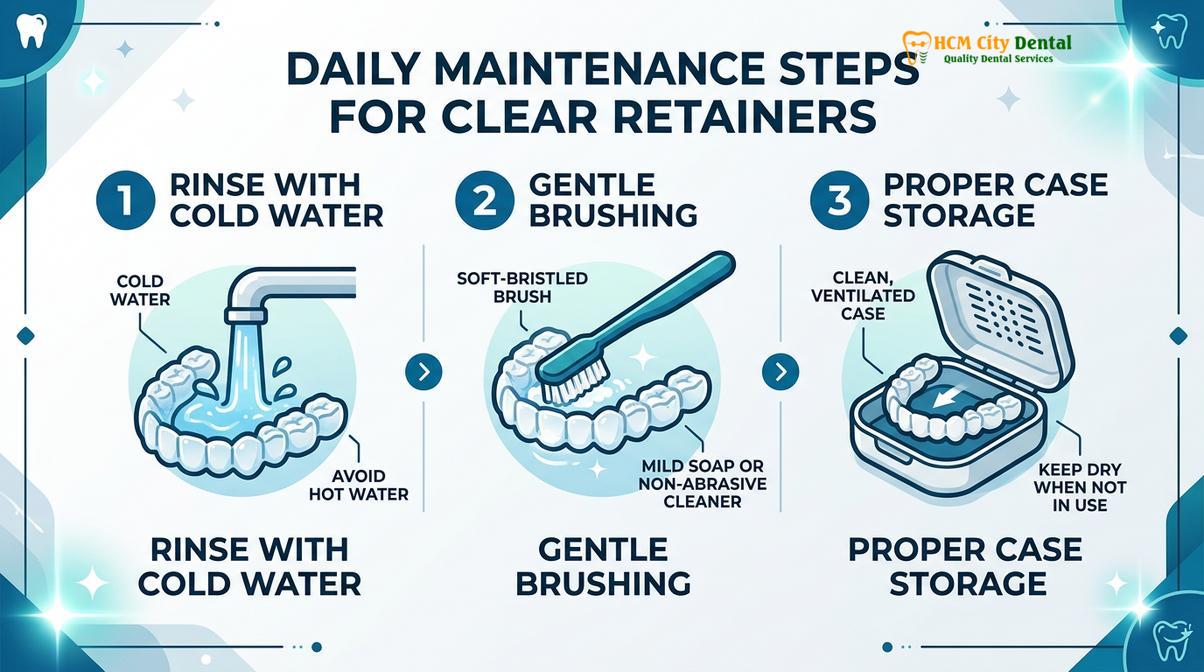
2. Thermal Stress: Thermoplastic materials are, by definition, sensitive to heat. Exposing an Essix retainer to hot water—whether during cleaning or by drinking hot beverages while wearing the appliance—can cause the polymer chains to relax, leading to irreversible warping. Even a microscopic distortion in the tray can render it ineffective at holding the teeth in their precise positions. Hawley retainers are more thermally stable, but boiling water can still degrade the PMMA base.
3. Chemical Degradation and Abrasives: The method used to clean a retainer significantly impacts its longevity. Many patients mistakenly use standard toothpaste and a hard-bristled toothbrush to clean their appliances. Toothpaste contains abrasive agents (such as hydrated silica) designed to remove pellicle from human enamel. When applied to PMMA or PETG, these abrasives create micro-scratches on the surface of the retainer [5]. Over time, these scratches cause the clear plastic of an Essix retainer to become cloudy and opaque. More critically, these micro-abrasions serve as ideal colonization sites for oral bacteria, leading to plaque accumulation, calculus formation, and persistent malodor.
Clinical Warning: Never use hot water, bleach, alcohol-based mouthwashes, or abrasive toothpastes to clean your orthodontic retainers. These substances will rapidly degrade thermoplastic materials, cause acrylic to become brittle, and can permanently warp the appliance, leading to orthodontic relapse.
Clinical Workflows for Retainer Fabrication and Fitting
The fabrication of a precise retainer requires accurate intraoral data capture, meticulous laboratory processing, and careful clinical adjustment during the delivery appointment.
The process of transitioning a patient from active orthodontics to the retention phase involves precise clinical workflows. At HCMC Dental Clinic in Ho Chi Minh City, the protocol begins immediately upon the removal of the orthodontic brackets or the completion of the final clear aligner stage. Capturing the exact position of the teeth at this moment is critical, as the PDL is highly active and teeth can begin to shift within hours.
Historically, this data was captured using alginate or polyvinyl siloxane (PVS) impressions. Today, digital intraoral scanners are frequently utilized to create a highly accurate, distortion-free 3D model of the patient’s arches. If an Essix retainer is prescribed, this digital file can be sent directly to a 3D printer to create a physical resin model, over which the thermoplastic sheet is vacuum-formed or pressure-thermoformed. The edges of the Essix retainer are then carefully trimmed and polished to ensure they do not impinge on the marginal gingiva, which is particularly important for patients who have experienced swollen gums and braces during their active treatment.
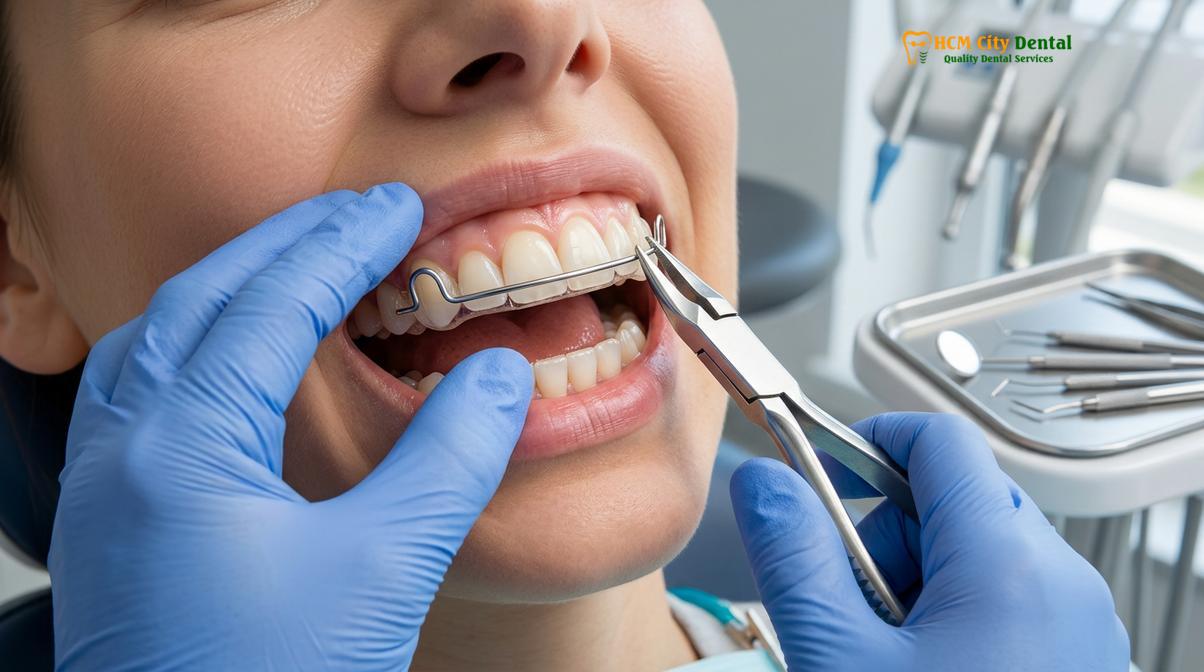
The fabrication of a Hawley retainer is a more labor-intensive laboratory process. The stainless steel wires must be meticulously bent by hand to adapt precisely to the contours of the patient’s teeth and palate. The PMMA acrylic is then mixed, applied to the model, and cured under pressure to minimize porosity. During the delivery appointment, the clinician must carefully evaluate the fit of the Hawley retainer. The Adams clasps are adjusted using specialized orthodontic pliers to ensure a secure “snap” fit, and the labial bow is contoured to provide passive contact against the anterior teeth without exerting unwanted active force.
Patient education during this delivery appointment is paramount. The clinician must provide explicit instructions on how long to wear retainers after braces, which typically involves full-time wear (22 hours a day) for the first 3 to 6 months, followed by a transition to lifetime nighttime wear.
Real-World Patient Outcomes and Compliance
The ultimate success of any retention protocol relies heavily on patient compliance, as even the most durable retainer is ineffective if it is not worn as prescribed.
In clinical practice, the theoretical durability of a retainer must be weighed against the reality of patient behavior. A highly durable Hawley retainer that sits in a drawer because the patient is embarrassed by the metal wire provides zero retention. Conversely, a fragile Essix retainer that is worn diligently every night will successfully maintain the orthodontic result, even if it requires replacement every two years.
Clinical Case Review: Retention Strategy Post-Expansion
A 24-year-old patient presented to HCMC Dental Clinic in Ho Chi Minh City following the completion of a complex treatment plan involving braces for overcrowding and significant maxillary expansion. Initially, the patient requested clear Essix retainers for aesthetic reasons. However, due to the high risk of transverse relapse associated with arch expansion, Dr. Cuong recommended a maxillary Hawley retainer to provide rigid lateral support, paired with a mandibular Essix retainer for aesthetics. This hybrid approach ensured the structural stability of the upper arch while satisfying the patient’s cosmetic concerns for the lower teeth. At the two-year follow-up, the patient exhibited zero orthodontic relapse and excellent tissue health.
Compliance is often the deciding factor in long-term stability. Patients must understand that retention is a lifelong commitment. The physiological forces that cause teeth to shift—such as late mandibular growth, changes in soft tissue tonicity, and the natural mesial drift of teeth over a lifetime—do not cease simply because orthodontic treatment has concluded.
“We must shift the patient’s paradigm from viewing the retainer as the ‘end’ of treatment to understanding it as the ‘maintenance phase’ of a lifelong investment. The choice between Hawley and Essix is secondary to the habit of consistent, nightly wear.”
— Dr. Nguyen Van Cuong, Lead Orthodontist
To support compliance, clinicians should provide a comprehensive orthodontic care guide that outlines the expectations for the retention phase. Regular recall appointments are also essential to monitor the condition of the retainers and the stability of the occlusion.
When to See a Doctor: Monitoring Retainer Integrity
Patients must be vigilant in monitoring their retainers for signs of structural failure or poor fit, seeking immediate clinical intervention to prevent orthodontic relapse.
Because retainers are subjected to constant mechanical and chemical stress, they will eventually exhibit signs of wear. It is critical for patients to recognize when a retainer is no longer functioning optimally and requires professional evaluation. Delaying a visit to the dentist when a retainer is failing can result in rapid tooth movement, potentially necessitating a return to active orthodontic treatment.
You should schedule an immediate clinical evaluation if you observe any of the following signs:
- Visible Cracks or Perforations: Any crack in the plastic of an Essix retainer compromises its structural integrity. Even a small hairline fracture can allow the tray to flex, failing to hold the teeth securely.
- Bent or Loose Wires: If the stainless steel wire of a Hawley retainer becomes bent out of shape, it may exert active, unwanted pressure on the teeth, causing them to move rather than retaining them.
- Loss of Retention (Loose Fit): A retainer should fit snugly. If an Essix retainer feels loose or easily falls out during sleep, the thermoplastic has likely warped or stretched.
- Teeth Feeling “Tight” Upon Insertion: If you experience significant pressure or pain when inserting your retainer after a period of non-wear, it indicates that your teeth have begun to shift. The retainer is now acting as an active aligner rather than a passive holding device.
- Acrylic Fractures: Chipping or cracking of the PMMA base in a Hawley retainer can expose sharp edges that irritate the oral mucosa and weaken the overall appliance.
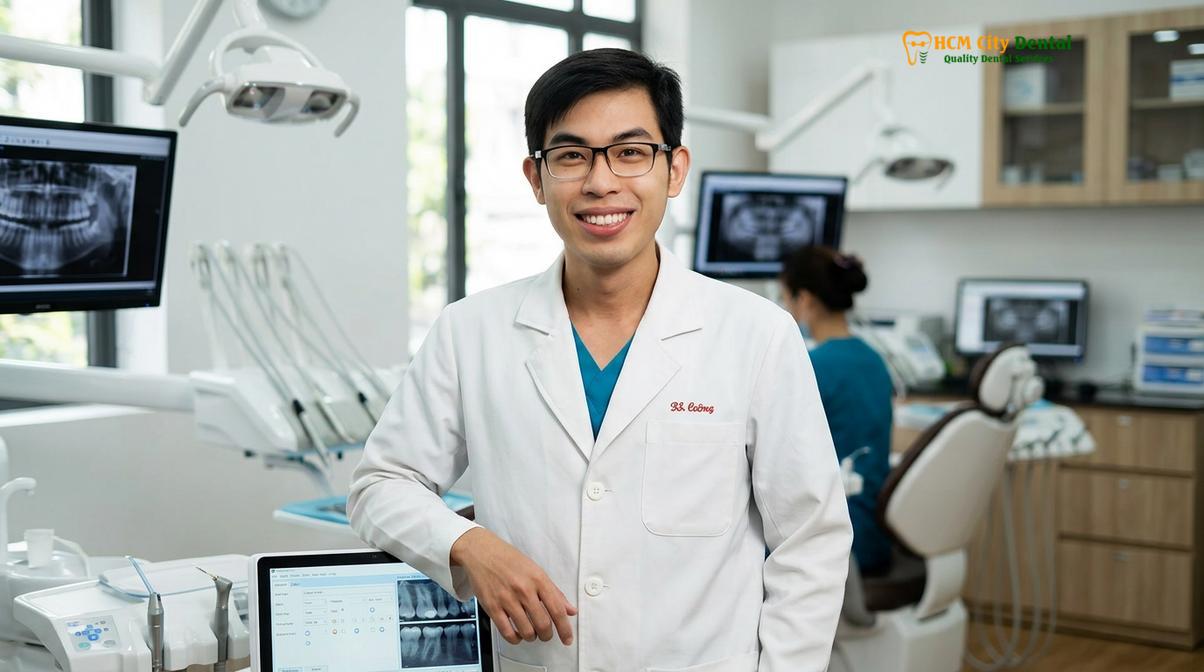
If a retainer is lost or broken, it is considered a minor dental emergency in the context of orthodontics. Patients should not wait for their next scheduled check-up; they should contact their dental provider immediately to have a replacement fabricated before significant relapse occurs. Based on clinical diagnostics, your dentist can determine if a new impression is needed or if a replacement can be fabricated from existing digital records.
Frequently Asked Questions
Clear, direct answers to the most common patient inquiries regarding the durability, maintenance, and clinical performance of Hawley and Essix retainers.
Which retainer is more durable: Hawley or Essix?
Hawley retainers are significantly more durable than Essix retainers. Constructed from robust acrylic and stainless steel, a Hawley retainer can last 5 to 10 years, whereas the thermoplastic material of an Essix retainer typically requires replacement every 1 to 3 years due to wear and tear. The rigid materials of the Hawley appliance resist the daily mechanical stresses of the oral cavity far better than thin plastics.
Can an Essix retainer withstand severe teeth grinding?
Essix retainers are generally not recommended for patients with severe bruxism. The heavy occlusal forces generated during teeth grinding can cause the clear thermoplastic material to thin, crack, or perforate prematurely, drastically reducing the clear plastic retainer lifespan. For patients who grind their teeth, a Hawley retainer or a specialized thicker night guard is clinically preferable.
Is it possible to repair a broken Hawley retainer?
Yes, Hawley retainers are highly repairable. If the acrylic base cracks or the stainless steel wire bends, an orthodontic laboratory can often repair the appliance, extending its lifespan and making it a cost-effective long-term retention solution. In contrast, if an Essix retainer cracks or warps, it cannot be repaired and must be entirely replaced.
Do Essix retainers lose their shape over time?
Yes, Essix retainers can lose their shape or warp over time. Exposure to hot water, harsh chemicals, or prolonged mechanical stress from biting forces can alter the precise fit of the thermoplastic, compromising its ability to hold teeth in their corrected positions. Proper handling and cold-water cleaning are essential to maintain their shape.
How often should I replace my orthodontic retainer?
Replacement frequency depends entirely on the retainer type and patient habits. Essix retainers usually need replacing every 12 to 36 months, while Hawley retainers may only need replacement every 5 to 10 years, provided they are maintained properly and the patient’s dental anatomy remains stable. Regular dental check-ups will help determine exactly when a replacement is clinically necessary.
References
- American Journal of Orthodontics and Dentofacial Orthopedics. Long-term stability and retention protocols in orthodontics. (2019).
- Journal of Clinical Orthodontics. Material properties and wear resistance of thermoplastic retainers. (2021).
- European Journal of Orthodontics. Comparative durability of Hawley and vacuum-formed retainers: A clinical trial. (2020).
- Angle Orthodontist. The effects of bruxism on the structural integrity of clear aligners and retainers. (2018).
- Journal of Prosthodontic Research. Plaque accumulation and material degradation in orthodontic retention appliances. (2022).