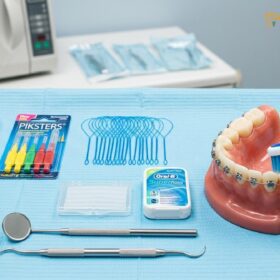
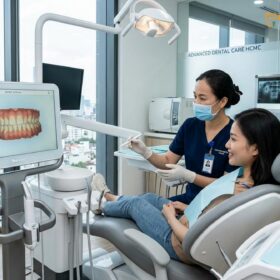
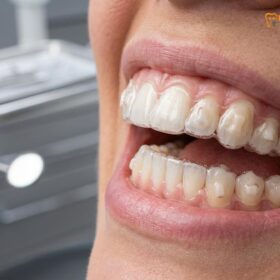
While both appliances are custom-fitted to your teeth, a retainer is designed to prevent teeth from shifting after orthodontic treatment, whereas a night guard is built to protect teeth from the heavy forces of grinding and clenching. Using the wrong appliance can lead to dental damage or orthodontic relapse.
Clinical Summary:
Patients frequently confuse retainers and night guards due to their similar appearance, but their clinical indications are vastly different. Retainers maintain tooth alignment post-orthodontics using thin, rigid materials designed to hold teeth in their exact positions. Night guards, or occlusal splints, absorb the extreme forces of bruxism using thicker, durable acrylics or dual-laminates. Wearing a standard retainer during heavy teeth grinding can destroy the appliance and damage the dentition. For patients requiring both retention and bruxism protection, specialized dual-function appliances are prescribed based on a comprehensive clinical evaluation of the patient’s occlusal load and periodontal health.
Key Takeaways:
- Retainers hold teeth in their corrected positions after braces or aligners to prevent orthodontic relapse.
- Night guards protect enamel and the temporomandibular joint (TMJ) from the destructive forces of grinding.
- Standard clear retainers are too thin to withstand chronic bruxism and may crack under extreme pressure.
- Patients with both orthodontic needs and bruxism may require a specialized dual-function splint.
- Professional clinical assessment is necessary to determine the correct appliance material, thickness, and occlusal design.
Understanding the Core Purpose: Retainer vs Night Guard
A retainer functions to lock teeth in their final orthodontic position, while a night guard acts as a protective cushion against the destructive forces of jaw clenching and grinding.
When exploring post-treatment orthodontic care at our clinic, patients frequently inquire about the specific roles of different dental appliances. To the untrained eye, a clear plastic retainer and a clear plastic night guard may look nearly identical. However, their biomechanical purposes, material compositions, and structural designs are engineered for entirely different clinical scenarios. Understanding the fundamental difference between a retainer and a night guard is the first step in ensuring long-term oral health and protecting the investment you have made in your smile.
What is an Orthodontic Retainer?
An orthodontic retainer is a specialized dental appliance prescribed immediately following the removal of braces or the completion of clear aligner therapy. Its primary and sole function is retention—holding the teeth in their newly corrected anatomical positions. When teeth are moved orthodontically, the periodontal ligament (PDL) and the surrounding alveolar bone undergo a process of remodeling. Even after the teeth appear perfectly straight, these supporting tissues require significant time to stabilize and mineralize around the new tooth positions[1].
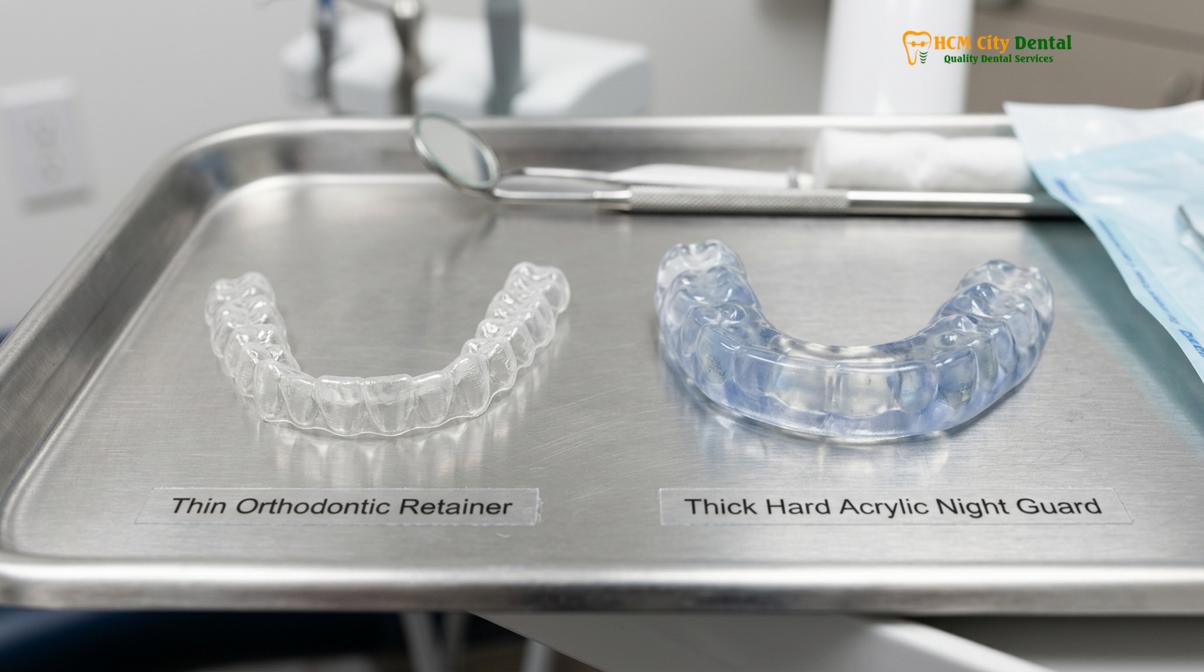
Without a retainer, the elastic memory of the gingival fibers will inevitably pull the teeth back toward their original, misaligned positions—a phenomenon known clinically as orthodontic relapse. Retainers are typically fabricated from thin, rigid thermoplastic materials or a combination of acrylic and metal wire. Because their job is to prevent micro-movements of the teeth, they are designed to fit incredibly snugly against the dental anatomy, offering high precision but very little shock absorption.
What is a Night Guard (Occlusal Splint)?
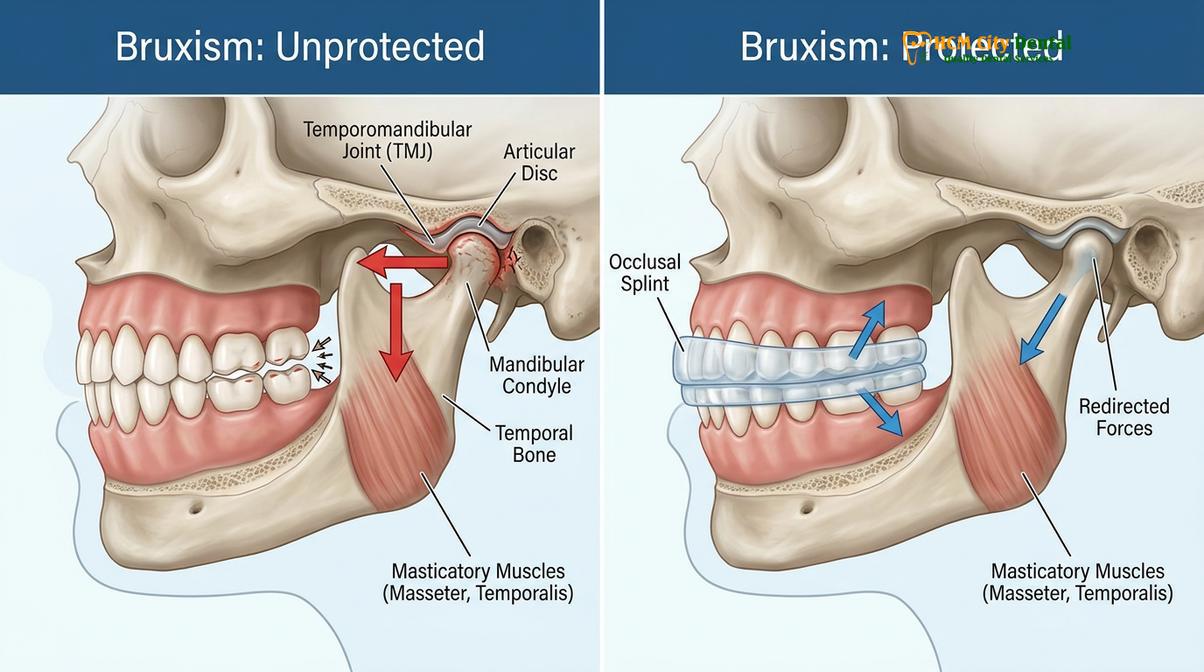
A night guard, known in dental terminology as an occlusal splint or bite guard, is a therapeutic device designed to manage bruxism (teeth grinding) and temporomandibular joint (TMJ) disorders. Bruxism is a parafunctional habit, often occurring during sleep, where a patient unconsciously clenches or grinds their teeth with immense force. The human jaw can exert extraordinary force during a bruxism episode, which is significantly higher than the forces used during normal chewing[2].
To combat this, night guards are fabricated from highly durable, impact-resistant materials. Their primary function is to create a physical barrier between the upper and lower dental arches. By doing so, they prevent the attrition (wearing down) of tooth enamel, protect dental restorations from fracturing, and decompress the temporomandibular joint to alleviate myofascial pain. Unlike retainers, night guards are not primarily designed to move or hold teeth in a specific alignment, although they do offer a degree of stabilization simply by covering the dentition.
Comparative Analysis
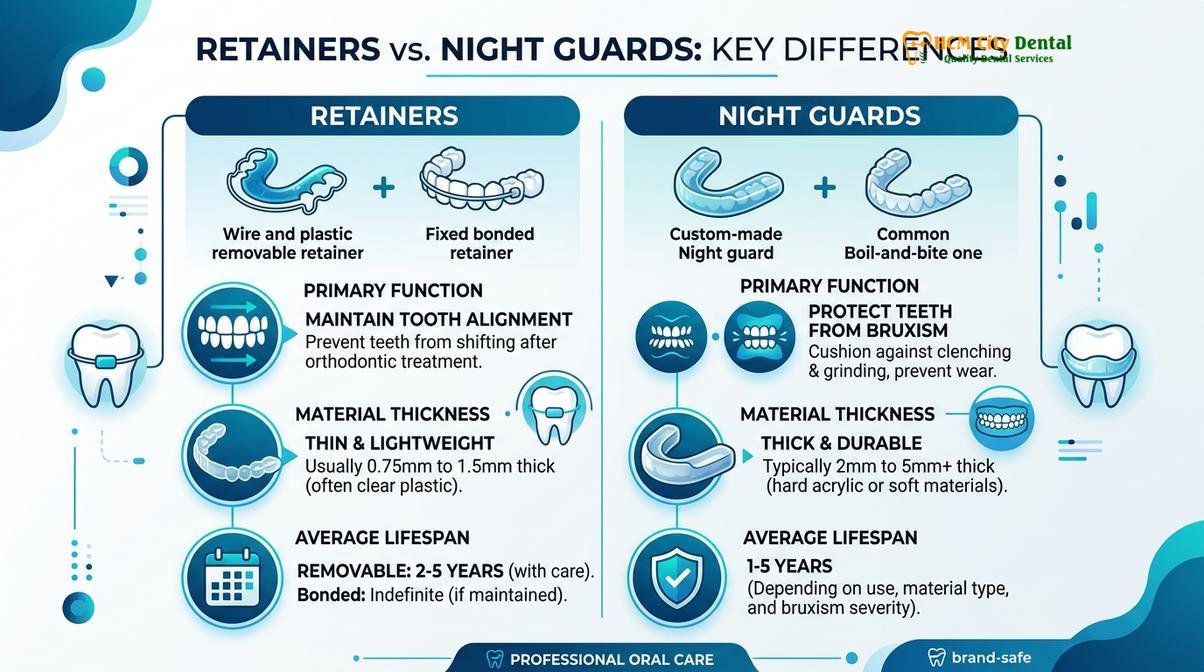
To fully grasp the distinction, it is helpful to look at a direct comparison of their clinical parameters. The table below outlines the primary differences between these two essential dental appliances.
| Clinical Parameter | Orthodontic Retainer | Night Guard (Occlusal Splint) |
|---|---|---|
| Primary Function | Prevents orthodontic relapse; holds teeth in place. | Protects teeth and TMJ from grinding/clenching forces. |
| Material Composition | Thin rigid thermoplastic (PETG) or acrylic with wire. | Thick hard acrylic (PMMA), dual-laminate, or dense soft polymer. |
| Thickness | Typically 0.75mm to 1.0mm. | Typically 2.0mm to 4.0mm. |
| Occlusal Coverage | Follows the exact contour of the teeth; no flat bite plane. | Often features a flat or ramped occlusal surface to allow jaw gliding. |
| Target Condition | Post-orthodontic stabilization. | Sleep bruxism, TMJ disorders, enamel attrition. |
Clinical Differences in Material and Design
Night guards are fabricated from thicker, impact-absorbing acrylics to withstand heavy bite forces, whereas retainers utilize thin, rigid plastics optimized for precise tooth retention.
The engineering behind dental appliances is a fascinating intersection of material science and human biomechanics. When a dentist decides whether a patient needs a retainer or night guard, the choice of material is paramount. The physical properties of the appliance dictate how it will interact with the dynamic forces of the stomatognathic system.
Thickness, Durability, and Tensile Strength
Retainers, particularly clear thermoplastic models, are designed to be as unobtrusive as possible. A standard clear Essix retainer is vacuum-formed or thermoformed over a dental model using a sheet of plastic that is usually less than 1 millimeter thick. This thinness is crucial for patient comfort and speech articulation, but it inherently lacks compressive strength. The material is rigid enough to resist the gentle, continuous pull of the periodontal fibers trying to shift the teeth, but it is highly susceptible to material degradation and cracking if subjected to vertical crushing forces over time[5].
Conversely, night guards are constructed to endure severe mechanical stress. Hard night guards are typically milled from blocks of polymethyl methacrylate (PMMA) or processed using heat-cured acrylics. These appliances are significantly thicker, often ranging from 2 to 4 millimeters. This thickness provides the necessary bulk to absorb and dissipate the kinetic energy generated during bruxism. Furthermore, many modern night guards utilize a dual-laminate design—featuring a soft, comfortable polyurethane inner layer that rests against the teeth, and a hard, durable copolyester outer layer that faces the opposing teeth.
Force Distribution and Occlusal Protection
Beyond mere thickness, the occlusal (biting) surface design is a critical differentiator. A retainer intimately hugs the cusps and grooves of every individual tooth. When you bite down with a retainer in place, your upper and lower teeth lock together in their natural intercuspation. If you grind your teeth while wearing a retainer, the forces are transmitted directly into the thin plastic, which can quickly lead to perforation.
A clinical night guard, however, is designed with a specific occlusal scheme. The biting surface of a hard night guard is often adjusted by the dentist to be relatively flat and smooth. This design, known as a mutually protected occlusion or a flat plane splint, allows the opposing teeth to glide freely over the surface of the guard without catching or locking. This freedom of movement is vital for bruxism patients, as it reduces the activation of the masseter and temporalis muscles, thereby decreasing the intensity of the grinding and protecting the TMJ from excessive strain[3].
“When deciding between a retainer or night guard, we must evaluate the patient’s occlusal load. A patient with severe bruxism will destroy a standard clear retainer within weeks. In these cases, we must prioritize joint and enamel protection through a robust occlusal splint, while incorporating retention features into its design.”
Can You Use a Retainer for Teeth Grinding?
Using a standard retainer to manage teeth grinding is highly discouraged, as the thin plastic will rapidly degrade, crack, and fail to protect your teeth or jaw joints.
One of the most common questions encountered in clinical practice is whether a patient can simply use their existing orthodontic retainer to protect against teeth grinding. The logic seems sound to the layman—both are plastic trays that cover the teeth. However, from a biomechanical standpoint, substituting a bruxism splint for a retainer is a recipe for appliance failure and potential dental harm.
The Risks of Using a Clear Aligner or Retainer for Bruxism
If you suffer from nocturnal bruxism and attempt to use a standard clear retainer as your primary defense, several adverse outcomes are highly likely to occur. First and foremost is the rapid mechanical failure of the appliance. The thin thermoplastic material cannot withstand the sheer force of grinding. Within a matter of weeks, or sometimes even days, the patient will grind holes straight through the occlusal surfaces of the retainer. Once the retainer is perforated, the teeth are once again exposed to direct tooth-to-tooth contact, leading to enamel wear and micro-fractures.
Furthermore, a cracked or warped retainer loses its structural integrity. It will no longer be able to hold the teeth in their correct alignment, leading to orthodontic relapse. In severe cases, pieces of the fractured plastic could pose a hazard during sleep. Additionally, using a traditional wire retainer (Hawley) during heavy grinding can cause the metal wires to bend or snap, potentially applying unintended, harmful orthodontic forces to the teeth.
When a Dual Function Nightguard is Recommended
So, what is the solution for a patient who has just finished orthodontic treatment but also suffers from severe teeth grinding? The answer lies in a specialized appliance often referred to as a dual function nightguard. This appliance bridges the gap between the two distinct needs.
A dual-function appliance is essentially a heavy-duty night guard that is fabricated with the precise internal contours of a retainer. It is thick and durable enough on the outside to withstand heavy bruxism, but the inside is custom-milled to fit the teeth so intimately that it prevents any orthodontic shifting. Fabricating this type of appliance requires high-precision digital impressions and advanced CAD/CAM technology to ensure that the retention aspect is not compromised by the bulk of the protective material.
Diagnostic Workflow: Choosing the Right Appliance
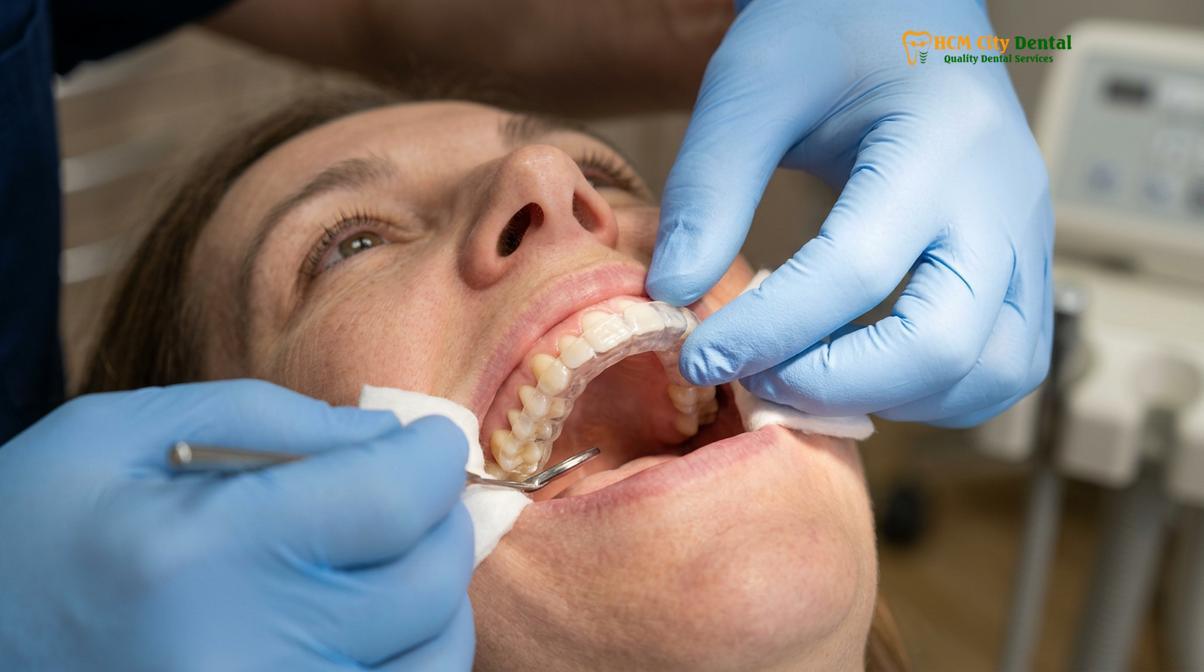
Dental professionals conduct a thorough occlusal analysis and TMJ assessment to prescribe the exact appliance that balances orthodontic retention with bite protection.
Determining the appropriate appliance is not a guessing game; it requires a systematic clinical evaluation. Our specialists employ a comprehensive diagnostic workflow to assess each patient’s unique anatomical and functional needs. This ensures that the prescribed appliance will be both effective and comfortable for long-term wear.
Assessing Orthodontic Relapse Risk vs. Bruxism Severity
The first step in the diagnostic process is evaluating the patient’s risk profile. The dentist will examine the patient’s dental history to determine the severity of their original malocclusion and the likelihood of relapse. Patients who had severe crowding, significant rotations, or large diastemas (gaps) prior to orthodontics are at a higher risk of relapse and require strict retention protocols.
Simultaneously, the dentist will look for clinical signs of bruxism. These signs include flattened tooth cusps, abfraction lesions (notches at the gumline caused by stress), hypertrophy (enlargement) of the masseter muscles, and scalloped borders on the tongue. The patient will also be screened for symptoms such as morning headaches, jaw stiffness, and TMJ clicking or popping. If the clinical evidence points to heavy grinding, a standard clear retainer will be immediately ruled out for nighttime use.
Custom Fabrication Techniques
Once the correct appliance type is determined, the fabrication process begins. Modern dentistry has largely moved away from messy traditional putty impressions. Instead, an intraoral scanner is used to capture a highly accurate, 3D digital model of the patient’s teeth and gums. This digital file is then used to design the appliance.
For a custom night guard, the dentist will also record the patient’s centric relation—the most relaxed and stable position of the jaw joints. This bite registration ensures that the night guard will support the jaw in a physiologically healthy position, rather than forcing it into a strained posture. The appliance is then either 3D printed using biocompatible resins or milled from a solid puck of PMMA. The final step involves the dentist carefully adjusting the occlusal surface of the appliance in the patient’s mouth, ensuring that all biting forces are distributed evenly and that the jaw can glide smoothly in all directions[4].
Maintenance and Longevity of Dental Appliances
Proper daily cleaning with non-abrasive solutions and regular clinical inspections are vital to extending the lifespan of both retainers and night guards.
Whether you are prescribed a delicate clear retainer or a robust hard acrylic night guard, the longevity of your custom dental appliances depends heavily on how well you maintain them. The oral cavity is a harsh environment, teeming with bacteria, varying pH levels, and constant moisture. Without proper care, dental appliances can quickly become unhygienic, malodorous, and structurally compromised.
Cleaning Protocols
The most common mistake patients make is brushing their appliances with regular toothpaste. Toothpaste contains abrasive agents designed to polish hard tooth enamel. When applied to softer dental plastics, these abrasives create microscopic scratches. Over time, these scratches harbor plaque and bacteria, leading to a cloudy appearance and foul odors. Instead, appliances should be cleaned daily using a soft-bristled brush and clear, unscented antibacterial soap, or specialized retainer cleaning tablets.
When to Consult a Dental Professional
If you experience jaw pain, notice excessive wear on your teeth, or find that your current retainer is cracking, it is time to seek a professional clinical evaluation.
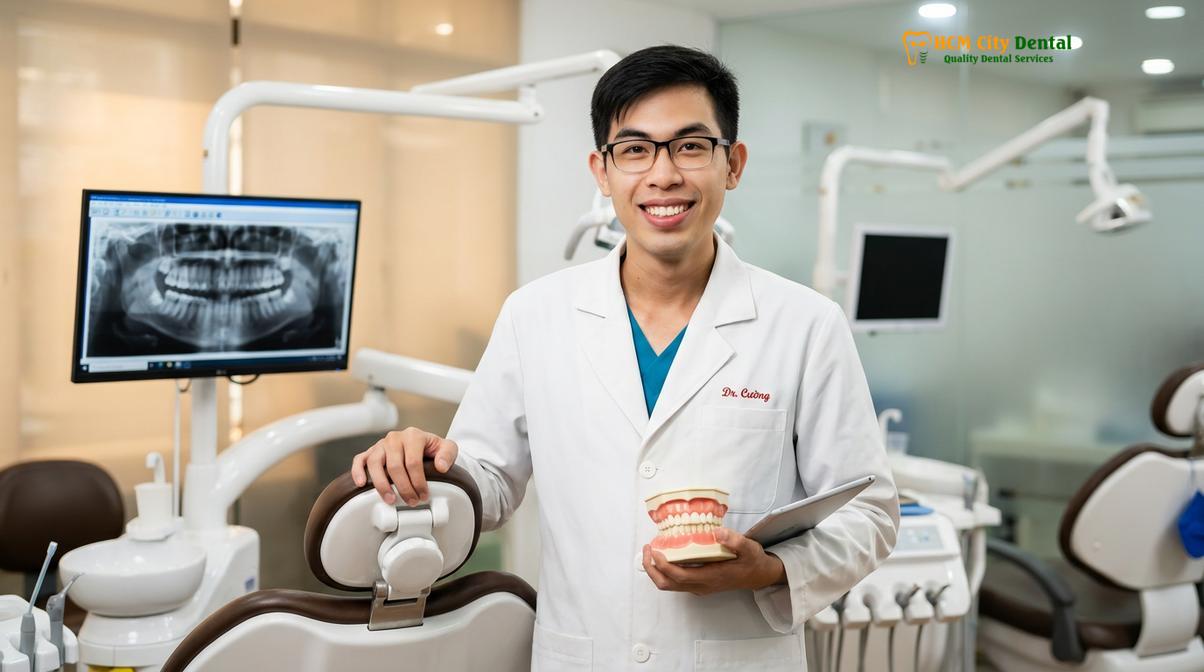
Dr. Nguyen Van Cuong, a leading specialist at our clinic, emphasizes the importance of personalized appliance selection. Dr. Cuong routinely evaluates patients for signs of occlusal wear before prescribing custom dental retainers, ensuring that both orthodontic stability and joint health are maintained. Ignoring the signs of bruxism while wearing a standard retainer can lead to irreversible damage to both the appliance and your natural teeth.
According to guidelines supported by the Vietnam Odonto-Stomatology Association (VOSA), patients exhibiting signs of severe attrition or temporomandibular joint discomfort should be evaluated for a dedicated occlusal splint rather than relying solely on orthodontic retainers[6]. You should schedule an appointment if you wake up with frequent headaches, experience a clicking sound when opening your mouth, or notice that your teeth are becoming sensitive to hot and cold temperatures due to enamel loss.
“Early intervention is key. Transitioning a patient from a standard retainer to a dual-function night guard at the first sign of bruxism can save them from years of chronic jaw pain and costly restorative dental work.”
References
- Journal of Prosthetic Dentistry. Biomechanical properties of occlusal splint materials. (2021).
- American Journal of Orthodontics and Dentofacial Orthopedics. Long-term stability and retention protocols. (2020).
- International Journal of Prosthodontics. The efficacy of hard vs soft splints in sleep bruxism. (2019).
- Journal of Clinical Sleep Medicine. Dental sleep medicine and the management of bruxism. (2022).
- European Journal of Orthodontics. Material degradation in clear thermoplastic retainers. (2018).
- Vietnam Odonto-Stomatology Association (VOSA). National guidelines on post-orthodontic retention and bruxism management. (2023).
If you are unsure whether you need a retainer or a night guard, or if your current appliance is showing signs of wear, schedule a consultation at HCMC Dental Clinic in Ho Chi Minh City. Our specialists will conduct a thorough occlusal analysis to provide the perfect custom appliance for your smile.
Read also: For acute dental symptoms, read about cracked tooth pain when biting and how to manage dental pain at night.