Patients seeking braces montgomery options or exploring global orthodontic solutions must carefully compare treatment modalities, ranging from traditional fixed brackets to advanced clear aligner systems. Selecting the appropriate orthodontic approach requires precise clinical diagnostics, an understanding of malocclusion severity, and a customized treatment plan to achieve optimal dental alignment and long-term functional stability. The fundamental principle of all orthodontic treatment remains the same: applying controlled, continuous forces to induce bone remodeling—specifically osteoclastic resorption on the pressure side and osteoblastic deposition on the tension side of the periodontal ligament[1].
Clinical Summary:
Orthodontic treatment is a highly specialized field of dentistry focused on diagnosing, intercepting, and correcting dental and facial irregularities. The decision-making process involves evaluating various appliance systems—including conventional metal brackets, aesthetic ceramic options, self-ligating mechanisms, and removable clear aligners. Successful outcomes depend heavily on accurate cephalometric analysis, periodontal health assessment, and precise biomechanical force application. Whether addressing early interceptive needs in children or comprehensive adult orthodontics, a multidisciplinary approach ensures both aesthetic enhancement and functional occlusion. Advanced clinics utilize 3D digital workflows to predict tooth movement, optimize treatment timelines, and establish robust retention protocols to prevent post-treatment relapse.
Key Takeaways:
- Orthodontic modalities include traditional metal, aesthetic ceramic, self-ligating brackets, and clear aligner therapy.
- Treatment candidacy spans all age groups, provided periodontal health and bone density are adequate.
- Complex malocclusions, such as severe open bites or crossbites, often require fixed appliances combined with temporary anchorage devices (TADs).
- Comprehensive diagnostics, including CBCT imaging and digital scanning, are mandatory prior to initiating tooth movement.
- The retention phase is a critical, lifelong commitment to maintain the newly established occlusal harmony.
Understanding Orthodontic Options: A Clinical Comparison
Orthodontic treatment requires selecting between traditional metal brackets, aesthetic ceramic options, and clear aligners based on specific biomechanical requirements and patient preferences.
The landscape of orthodontics has evolved significantly, offering patients a diverse array of appliances designed to correct malocclusions with varying degrees of visibility, efficiency, and comfort. When patients research braces montgomery, they are often presented with a comparison of these distinct modalities. To assist in clinical decision-making, the following table outlines the primary differences between common orthodontic systems:
| Orthodontic Modality | Primary Clinical Indication | Biomechanical Advantage | Aesthetic Profile |
|---|---|---|---|
| Traditional Metal Brackets | Severe crowding, complex vertical discrepancies | Maximum 3D control and durability | Highly visible |
| Ceramic Brackets | Moderate to severe malocclusions in aesthetic-conscious patients | Excellent control, though slightly higher friction | Discreet, tooth-colored |
| Self-Ligating Systems | Cases requiring efficient initial leveling and alignment | Reduced friction, potentially faster initial movement | Available in metal or clear |
| Clear Aligners | Mild to moderate crowding, spacing, and minor vertical issues | Removable, facilitates superior oral hygiene | Nearly invisible |
Traditional metal braces remain the gold standard for treating severe and complex malocclusions. Constructed from high-grade stainless steel, these brackets offer unparalleled durability and three-dimensional control over tooth movement. For individuals seeking a more discreet option without compromising the mechanical advantages of fixed appliances, ceramic braces present an excellent alternative. These brackets are fabricated from polycrystalline alumina, which blends seamlessly with the natural enamel shade.
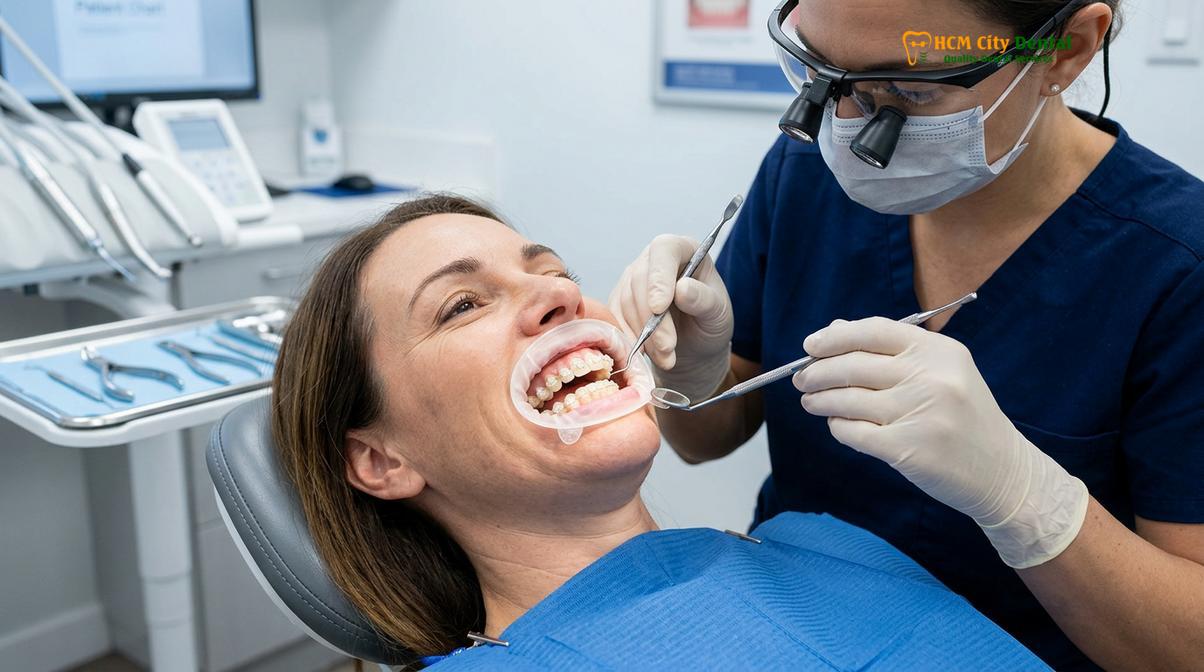
Another significant advancement is the development of self-ligating systems. These brackets eliminate the need for elastomeric ties by incorporating a specialized mechanical door or clip to hold the archwire in place. This design reduces friction within the bracket system, potentially allowing for more efficient initial alignment and leveling phases[2]. You can explore more about these advanced systems in our detailed Self Ligating Damon Braces Vietnam: Clinical Guide | HCMC Dental.
“The selection of an orthodontic appliance is not merely an aesthetic choice; it is a biomechanical decision dictated by the specific spatial requirements of the malocclusion, the patient’s periodontal biotype, and the anticipated vectors of force required for optimal correction.”
Finally, clear aligner therapy has revolutionized the patient experience. Utilizing a series of custom-fabricated, transparent thermoplastic trays, this modality offers a nearly invisible and removable alternative to fixed brackets. Determining which specific dental issues suit braces best versus clear aligners requires a comprehensive evaluation by a qualified specialist. For a deeper dive into this comparison, review our insights on Does Invisalign Work As Well As Braces? Clinical Comparison | HCMC Dental.
Comprehensive Braces for Different Age Groups
Orthodontic protocols vary significantly between interceptive pediatric care, which utilizes growth potential, and comprehensive adult tooth movement, which requires careful periodontal management.
The demographic of people getting braces has expanded dramatically, encompassing young children, teenagers, and a rapidly growing segment of adults. When evaluating kids getting braces, the focus is often on interceptive orthodontics, also known as Phase I treatment. This phase typically occurs during the mixed dentition stage when both primary and permanent teeth are present. Appliances like rapid palatal expanders (RPEs) or partial braces are utilized to modify the skeletal environment, often simplifying or reducing the duration of comprehensive Phase II treatment later in adolescence.
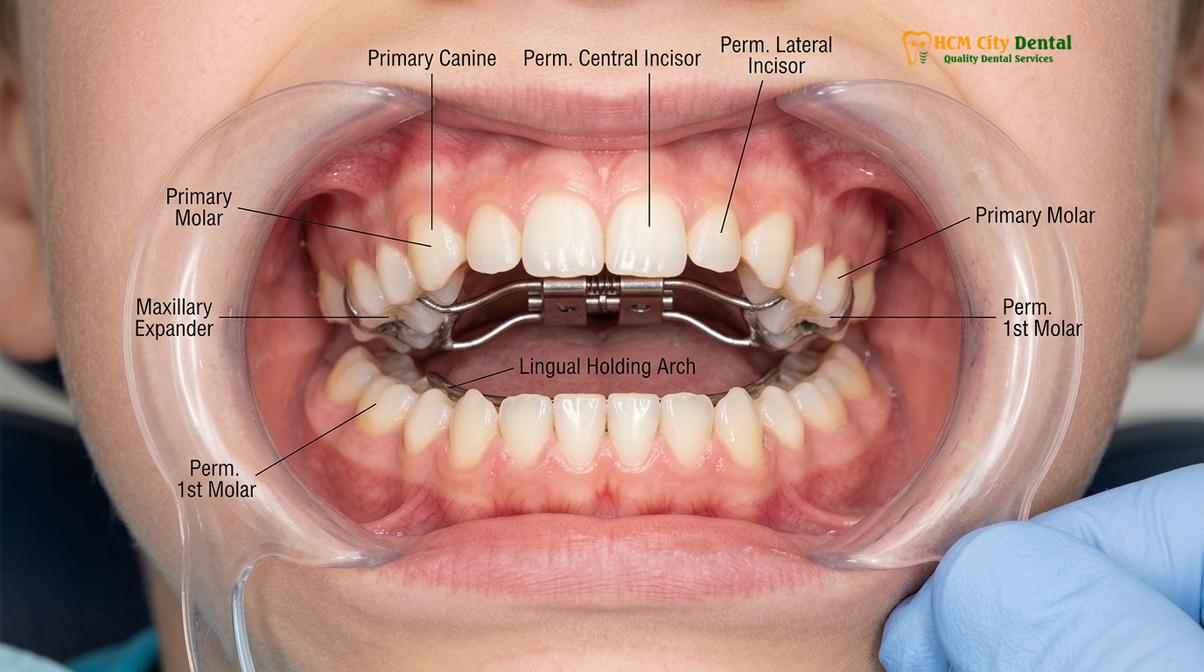
Conversely, adult orthodontics presents unique clinical challenges and considerations. It is no longer uncommon to see older adults with braces, driven by a desire for improved aesthetics, better oral function, or as a prerequisite for complex restorative dentistry. Because adults lack skeletal growth potential, correcting severe jaw discrepancies may require orthognathic surgery in conjunction with orthodontics. Furthermore, adults often present with compromised periodontal health, including bone loss or gingival recession. Tooth movement in adults must be executed with lighter, more controlled forces to prevent exacerbating periodontal issues, as the cellular turnover is slower in mature bone[3].
Correcting Complex Malocclusions with Braces
Severe bite discrepancies, such as open bites and severe crowding, require precise biomechanical force application and advanced anchorage techniques for predictable correction.
While mild crowding can often be resolved with simple alignment, complex malocclusions demand sophisticated biomechanical strategies. An anterior open bite, where the upper and lower front teeth do not overlap vertically, is notoriously challenging to treat and highly prone to relapse. Treating an open bite braces protocol often involves intruding the posterior molars, extruding the anterior teeth, or a combination of both. This may require the use of vertical elastics, bite blocks, or Temporary Anchorage Devices (TADs)—mini-implants temporarily placed in the jawbone to provide absolute anchorage for complex tooth movements[4].
Clinical Case Overview: Complex Malocclusion Management
A 28-year-old patient presented to HCMC Dental Clinic in Ho Chi Minh City with a severe anterior open bite and moderate maxillary crowding, reporting difficulty with mastication and speech articulation. A comprehensive cephalometric analysis and 3D CBCT scan were conducted. The treatment plan utilized traditional metal brackets combined with maxillary posterior TADs to achieve true molar intrusion. Over a 22-month period, the open bite was successfully closed, establishing a functional anterior guidance and mutually protected occlusion. The case highlights the necessity of advanced biomechanics in adult orthodontics.
Severe overcrowding is another common clinical scenario requiring careful planning. When the dental arches lack sufficient perimeter to accommodate all teeth, the orthodontist must decide how to gain space. This can be achieved through arch expansion, interproximal reduction (IPR), or the strategic extraction of premolars. For a deeper understanding of managing crowded dentition, review our clinical insights on Braces for Overcrowding: Clinical Guide & Workflows | HCMC Dental.
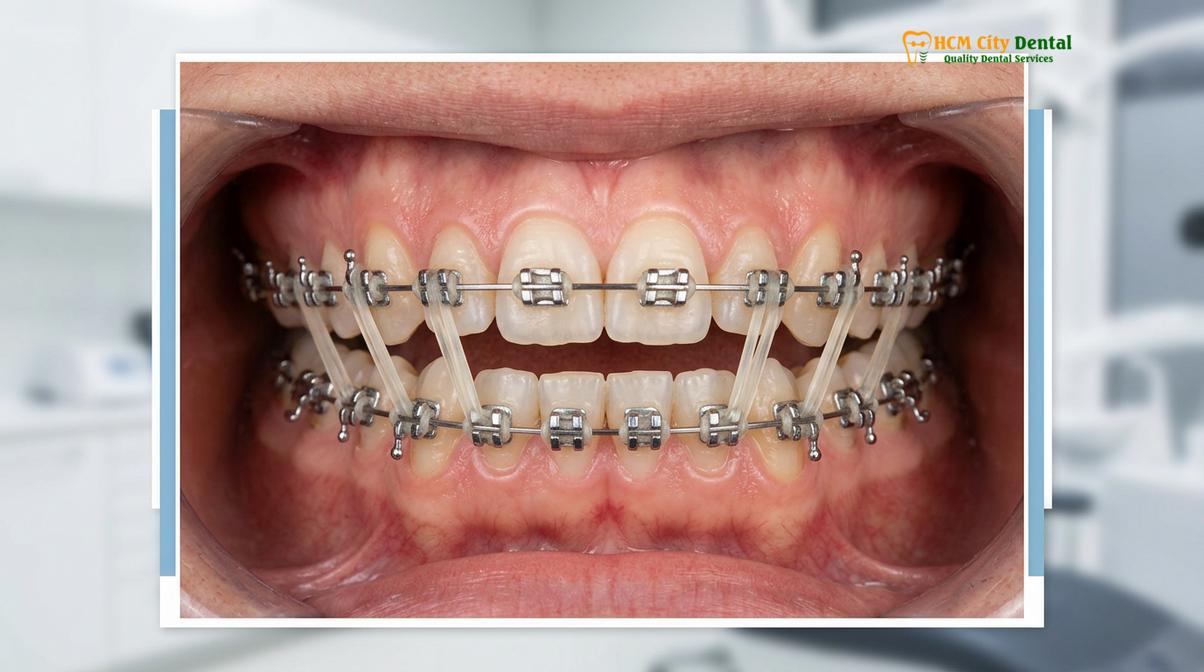
Deep overbites and excessive overjets also require targeted mechanics. Leveling the Curve of Spee is essential for correcting deep bites, often utilizing reverse curve archwires or anterior bite turbos. Correcting overjet frequently involves Class II elastics to retract the upper dentition while advancing the lower dentition. You can learn more about these specific corrections in our guide on Can Braces Fix Overjet? Clinical Guide & Timelines | HCMC Dental.
When to Consult an Orthodontist & Important Clinical Notes
Early evaluation and strict adherence to clinical guidelines are essential for intercepting developmental issues and ensuring safe orthodontic tooth movement.
Recognizing the optimal time for an orthodontic evaluation can prevent more severe complications later in life. According to the Vietnam Association of Orthodontists (VAO), early evaluation by age seven is recommended to intercept developing skeletal discrepancies and guide proper jaw growth[5]. Adults should seek consultation if they experience chronic jaw pain, difficulty chewing, abnormal enamel wear, or shifting teeth, as these are often clinical indicators of an underlying malocclusion that requires professional intervention.
Dr. Nguyen Van Cuong, a leading specialist at HCMC Dental Clinic, emphasizes that successful orthodontic treatment relies on precise diagnostics and personalized biomechanical planning. Dr. Cuong regularly utilizes advanced 3D CBCT imaging to evaluate periodontal health and skeletal relationships before initiating any tooth movement, ensuring optimal safety and efficacy for every patient.
Important Clinical Warning: Periodontal Prerequisites
Orthodontic tooth movement must never be initiated in the presence of active periodontal disease. Applying forces to teeth with untreated gingivitis or periodontitis can rapidly accelerate bone loss and lead to irreversible tooth mobility or loss. A comprehensive periodontal clearance is a mandatory prerequisite before bonding brackets or dispensing aligners.
The Orthodontic Workflow: What to Know Before Getting Braces
A thorough clinical evaluation, including 3D imaging and cephalometric analysis, is mandatory before initiating any orthodontic tooth movement to ensure safe and predictable outcomes.
Understanding what to know before getting braces is crucial for patient compliance and setting realistic clinical expectations. The orthodontic journey begins long before the first bracket is placed. A comprehensive diagnostic phase is the foundation of any successful treatment plan. This phase includes a detailed clinical examination, intraoral and extraoral photography, and advanced radiographic imaging.
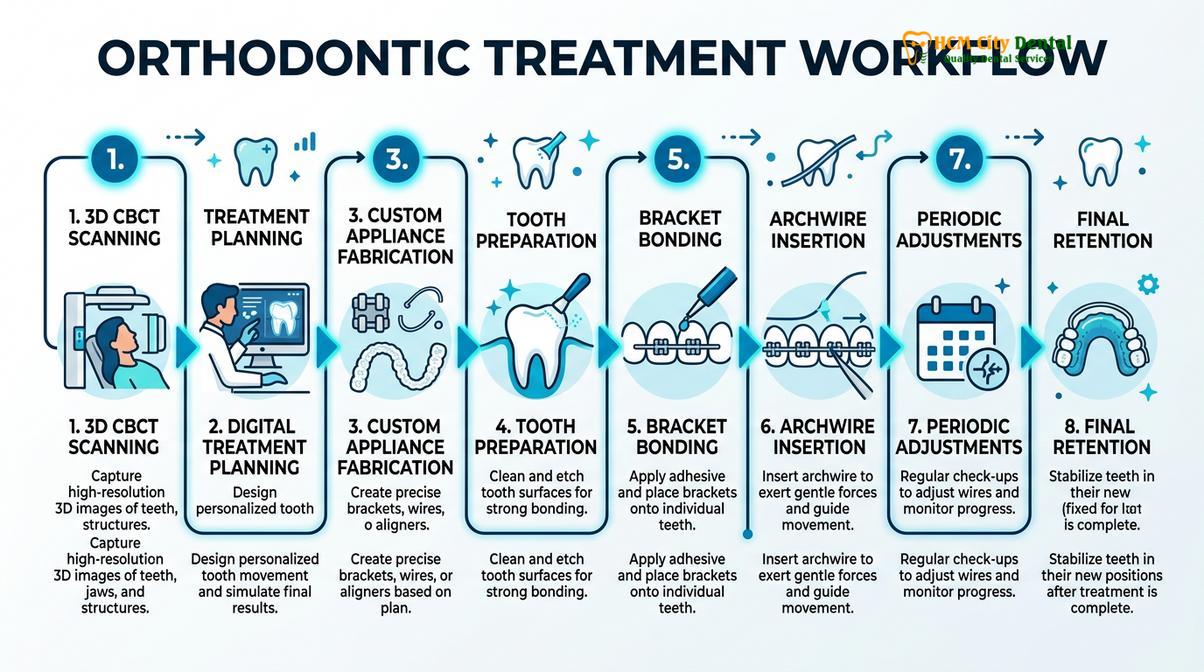
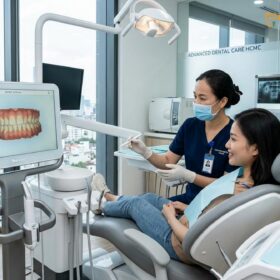
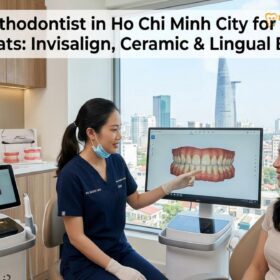
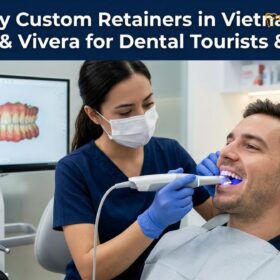
Following diagnostics, digital intraoral scanners have largely replaced traditional alginate impressions. These scanners create highly accurate 3D models of the teeth, which are used for treatment simulation and the precise fabrication of appliances. During the consultation, the orthodontist will present the diagnosis, discuss the proposed treatment modalities, outline the estimated timeline, and explain the biomechanical rationale behind the plan. For more information on specific auxiliary components used during treatment, see our Power Bands Braces: Clinical Orthodontic Guide | HCMC Dental.
The Removal Process and Retention Phase
Debonding brackets is a carefully managed clinical procedure followed immediately by the critical retention phase to prevent relapse and stabilize the periodontal tissues.
As treatment nears completion, patients often anticipate the final stage. The debonding process is generally straightforward and involves applying a specific torsional force to the base of the bracket using specialized debonding pliers. This force breaks the adhesive bond between the bracket and the enamel without damaging the tooth structure. Once the brackets are removed, residual composite resin remains on the enamel surface. This adhesive is meticulously removed using slow-speed tungsten carbide burs, which are specifically designed to shave away the resin without scratching the harder underlying enamel.
“The day braces are removed does not mark the end of orthodontic treatment; it marks the beginning of the retention phase. The periodontal ligament fibers, particularly the supracrestal fibers, require months to reorganize, making strict retainer wear non-negotiable for long-term stability.”
The retention phase is arguably as important as the active treatment phase. Teeth possess a natural “memory” and a tendency to relapse toward their original positions due to the tension in the gingival fibers and the slow remodeling of the alveolar bone. Retainers hold the teeth in their new, corrected positions while the surrounding tissues stabilize. There are several types of retainers utilized in modern orthodontics, including clear thermoplastic trays and traditional wire-and-acrylic appliances. For a comprehensive overview of post-treatment stabilization, read our Dental Retainers for Adults: Clinical Guide & Types | HCMC Dental.
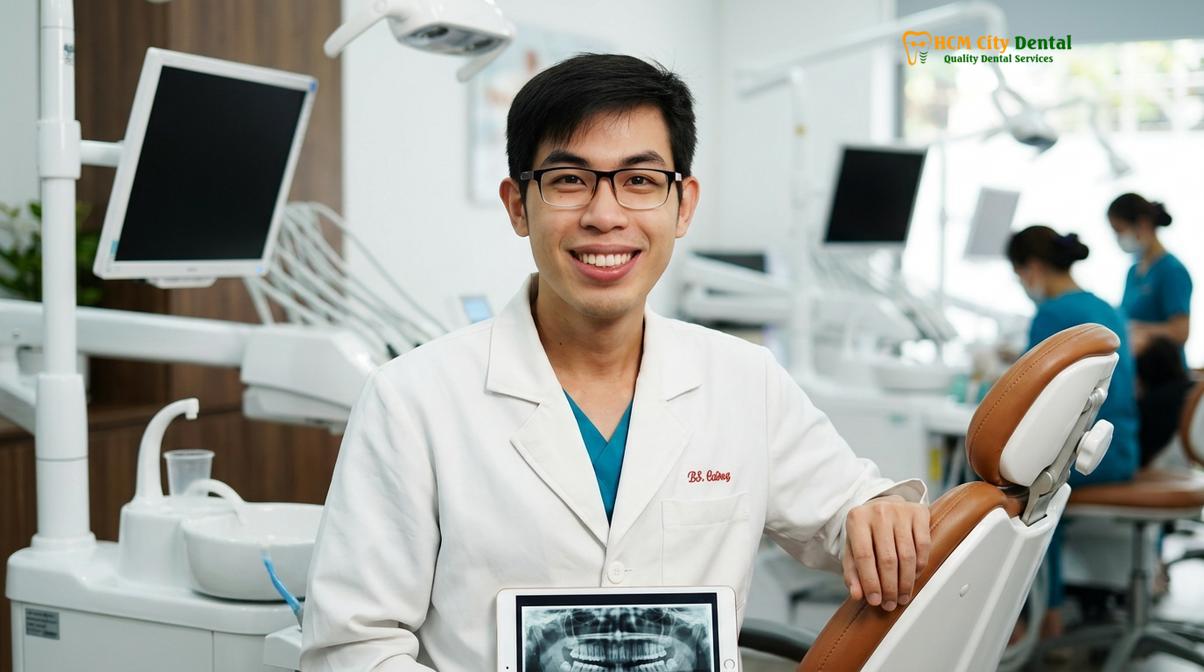
For comprehensive evaluations and advanced Orthodontics tại HCMC Dental Clinic, schedule a consultation at our state-of-the-art facility in Ho Chi Minh City. Our clinical team is dedicated to providing evidence-based orthodontic care tailored to your unique dental anatomy and aesthetic goals.
References
- American Journal of Orthodontics and Dentofacial Orthopedics. Biomechanics of tooth movement and periodontal tissue response.
- Journal of Clinical Orthodontics. Comparative efficacy of self-ligating and conventional bracket systems.
- European Journal of Orthodontics. Adult orthodontics: Periodontal considerations and treatment outcomes.
- Angle Orthodontist. Management of anterior open bites using temporary anchorage devices.
- Vietnam Association of Orthodontists (VAO). National clinical guidelines on interceptive and comprehensive orthodontic care.