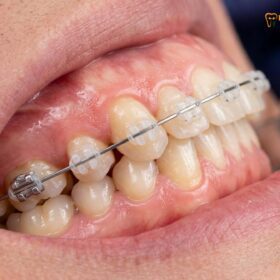
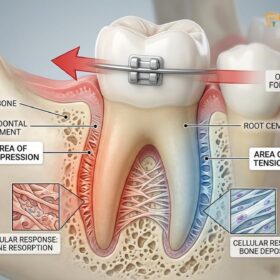
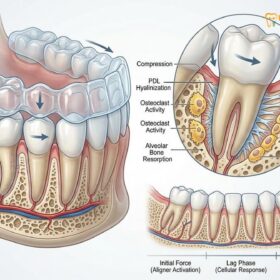
Invisalign treatment in Vietnam typically costs 50% to 60% less than in Australia, offering identical Align Technology products and ClinCheck software. While Australian clinics charge premium fees due to high operational overhead, patients can access world-class orthodontic care in Ho Chi Minh City at a fraction of the price.
Clinical Summary:
The cost disparity for clear aligner therapy between Australia and Vietnam is driven by systemic operational overhead, not clinical quality or material differences. Both regions utilize identical proprietary Align Technology materials (SmartTrack) and ClinCheck digital planning software. However, Australian patients face significant financial barriers due to high domestic clinical fees. By seeking treatment at a certified provider in Ho Chi Minh City, patients can undergo comprehensive orthodontic correction—including iTero 3D scanning, interproximal reduction (IPR), and complex malocclusion management—while reducing their financial burden by up to 60%. Strategic travel logistics and remote monitoring protocols ensure that international patients maintain strict clinical oversight throughout their alignment journey without compromising safety or predictable outcomes.
Key Takeaways:
- Comprehensive clear aligner therapy in Vietnam offers savings of up to 60% compared to equivalent treatments in Sydney or Melbourne.
- Both countries utilize the exact same proprietary SmartTrack materials and ClinCheck digital planning software provided by Align Technology.
- Treatment packages in Ho Chi Minh City typically include iTero 3D scanning, all aligner sets, attachments, and refinement stages.
- Remote monitoring technologies allow international patients to progress through their aligner series safely with minimal in-person visits.
- Choosing a certified specialist orthodontist ensures predictable biomechanical tooth movement and optimal occlusal outcomes.
The Dental Care Affordability Crisis in Australia
High operational overhead, stringent regulatory fees, and elevated living costs in Australia have driven orthodontic treatment prices to prohibitive levels, prompting patients to seek high-quality alternatives abroad.
The landscape of orthodontic care in Australia has become increasingly challenging for the average patient to navigate from a financial perspective. The core issue does not stem from the cost of the orthodontic appliances themselves, but rather from the systemic economic environment in which Australian dental practices operate. Clinic owners in major metropolitan areas face exorbitant commercial real estate leasing costs, high staff remuneration requirements, and substantial regulatory and insurance overheads. Consequently, the baseline Invisalign price Australia clinics must charge to maintain profitability is significantly inflated compared to global averages[1].
When a patient pays for comprehensive orthodontic treatments in Sydney or Melbourne, a vast majority of that fee is absorbed by the clinic’s operational expenses rather than the laboratory fee paid to Align Technology. This economic reality has created an affordability crisis, leaving many patients with malocclusions, crowding, or spacing issues unable to access the gold standard of clear aligner therapy. The financial barrier often forces patients to either delay necessary treatment, compromising their long-term periodontal and occlusal health, or seek out inferior, direct-to-consumer mail-order aligners that lack critical clinical supervision.
“The globalization of digital dentistry means that the geographical location of the clinic no longer dictates the quality of the proprietary materials used. The digital workflow allows for identical biomechanical planning regardless of where the physical clinic is situated.”
In response to these prohibitive domestic costs, a growing demographic of patients is looking toward Southeast Asia. Vietnam, and specifically Ho Chi Minh City, has emerged as a premier destination for advanced dental care. The country boasts a rapidly modernizing healthcare infrastructure, with top-tier clinics investing heavily in the latest digital dentistry technologies, including intraoral scanners and CBCT imaging. Because the cost of living, commercial rent, and administrative overhead in Vietnam are a fraction of those in Australia, clinics can offer the exact same orthodontic systems at vastly reduced prices without sacrificing clinical excellence or patient safety.
Cost Comparison: Sydney & Melbourne vs District 1 Saigon
Patients comparing clear aligners Sydney vs Saigon will find that identical clinical tiers cost significantly less in Vietnam due to lower domestic operational expenses, offering identical Align Technology products.
To truly understand the financial advantages of cross-border orthodontic care, one must examine a direct, tier-by-tier comparison. Align Technology categorizes its treatment packages based on the complexity of the malocclusion and the number of aligner trays required to achieve the desired clinical outcome. These tiers—typically categorized as Express, Lite, Moderate, and Comprehensive—dictate the laboratory fee the dentist pays to the manufacturer. However, the final price presented to the patient includes the dentist’s clinical time, expertise, and overhead.
When evaluating clear aligners Sydney vs Saigon, the disparity becomes immediately apparent. In Australian metropolitan centers, a Comprehensive package—designed for complex cases requiring significant bite correction, root torquing, and unlimited refinement stages—often commands a premium price that can strain household budgets. Conversely, a reputable District 1 orthodontist clinic in Ho Chi Minh City can provide the exact same Comprehensive package, utilizing the same ClinCheck software and SmartTrack material, for less than half the cost[2].
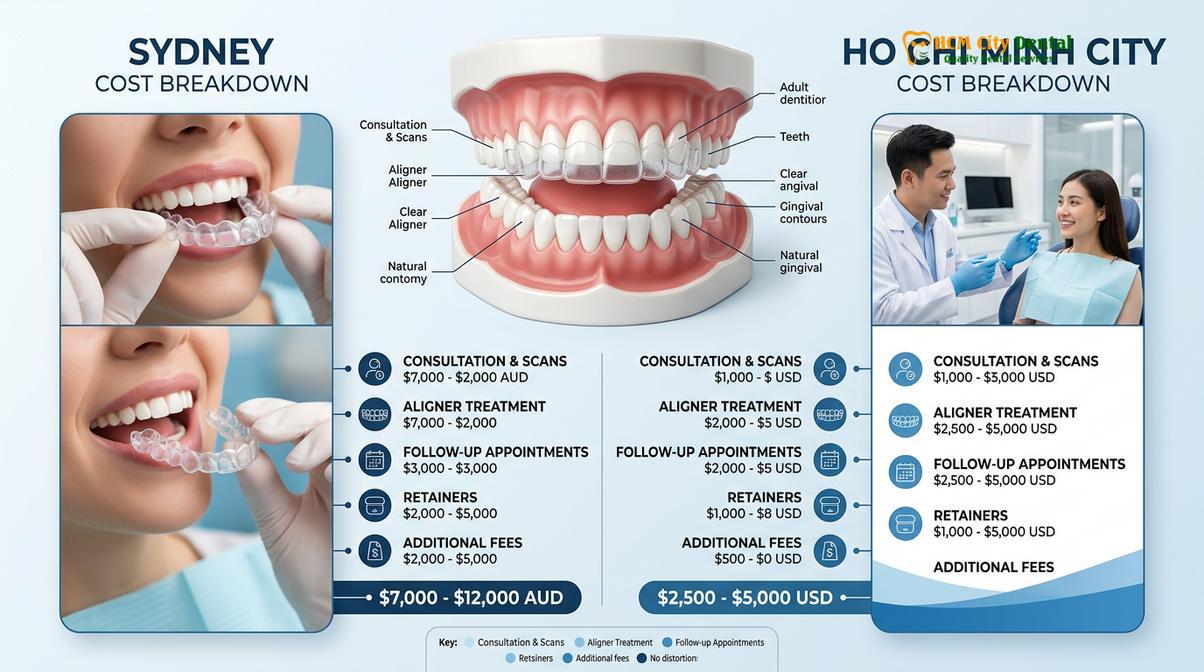
The following table illustrates the stark contrast in estimated clinical fees across different treatment tiers. It is important to note that these figures represent the total clinical package, encompassing the initial diagnostic workup, the full series of aligners, attachment placement, and standard refinement phases.
| Treatment Tier | Clinical Scope & Complexity | Estimated Cost (Australia) | Estimated Cost (Vietnam) |
|---|---|---|---|
| Express (Up to 7 trays) | Minor relapse, very mild anterior crowding or spacing. | High | Low to Moderate |
| Lite (Up to 14 trays) | Mild to moderate aesthetic corrections, limited occlusal changes. | Very High | Moderate |
| Moderate (Up to 26 trays) | Moderate crowding, spacing, and minor bite adjustments. | Premium | Highly Accessible |
| Comprehensive (Unlimited) | Severe malocclusions, complex bite correction, extractions. | Prohibitive | Exceptional Value |
This pricing structure highlights why so many patients are willing to manage the logistics of international travel. Even when factoring in the cost of flights and accommodation, the net savings on a Comprehensive or Moderate case remain substantial. Furthermore, patients benefit from the transparency of pricing in top-tier Vietnamese clinics, where the quoted fee typically covers the entire clinical journey, avoiding the hidden costs sometimes associated with domestic care, such as separate billing for digital scans or post-treatment retention. For those interested in long-term maintenance costs, exploring international retainer cost comparisons further demonstrates the ongoing financial benefits of receiving care in Vietnam.
Standard and Premium Invisalign Package Price Analysis
A transparent clinical package encompasses iTero digital scanning, ClinCheck treatment planning, SmartForce attachments, and all necessary refinement aligners without hidden fees, ensuring predictable biomechanical outcomes.
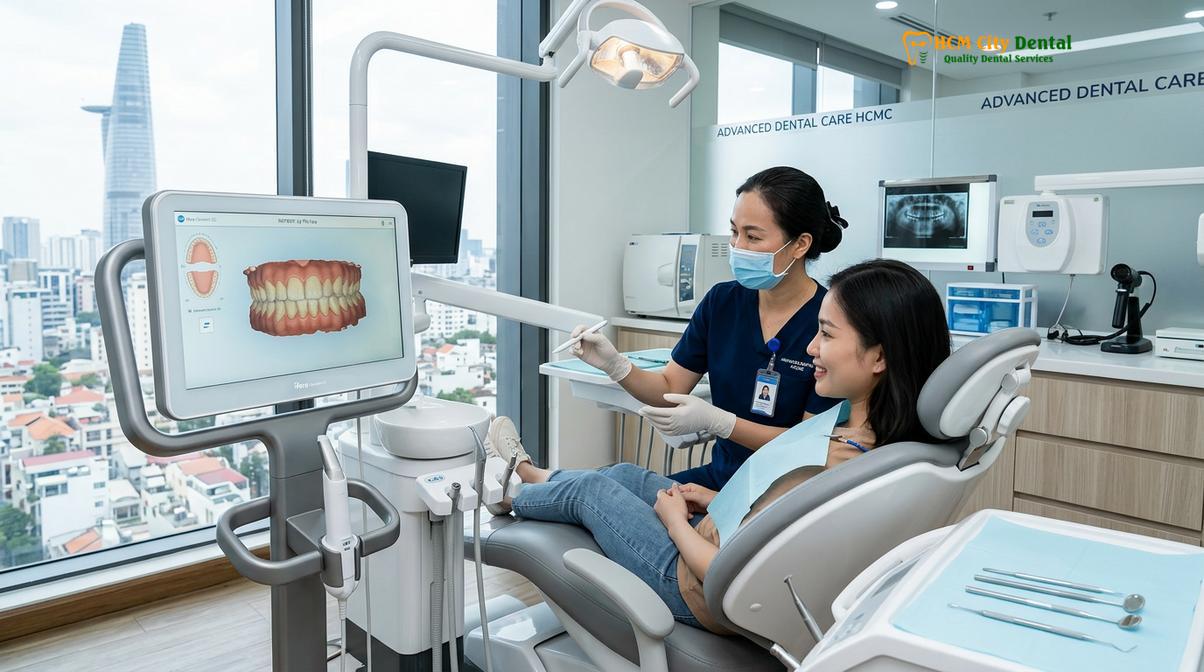
When investing in clear aligner therapy, understanding exactly what is included in the clinical package is paramount. The success of the treatment relies not just on the plastic trays, but on a meticulously executed clinical workflow. At HCMC Dental Clinic, the protocol begins with a comprehensive diagnostic phase. This involves capturing high-resolution 3D digital impressions using an iTero scanner, alongside panoramic and cephalometric radiographs. These diagnostics are crucial for assessing bone levels, root angulations, and overall periodontal health before initiating any orthodontic forces.
Dr. Nguyen Van Cuong emphasizes that the digital planning phase, known as ClinCheck, is where the true clinical expertise is applied. The software provides a predictive algorithm, but it is the orthodontist who must engineer the biomechanical forces, dictating the sequence of tooth movements, the velocity of translation, and the precise placement of SmartForce attachments. These small, tooth-colored composite resin bumps are bonded to specific teeth to act as anchors, allowing the aligners to exert complex forces such as extrusion, intrusion, and root torque[3].
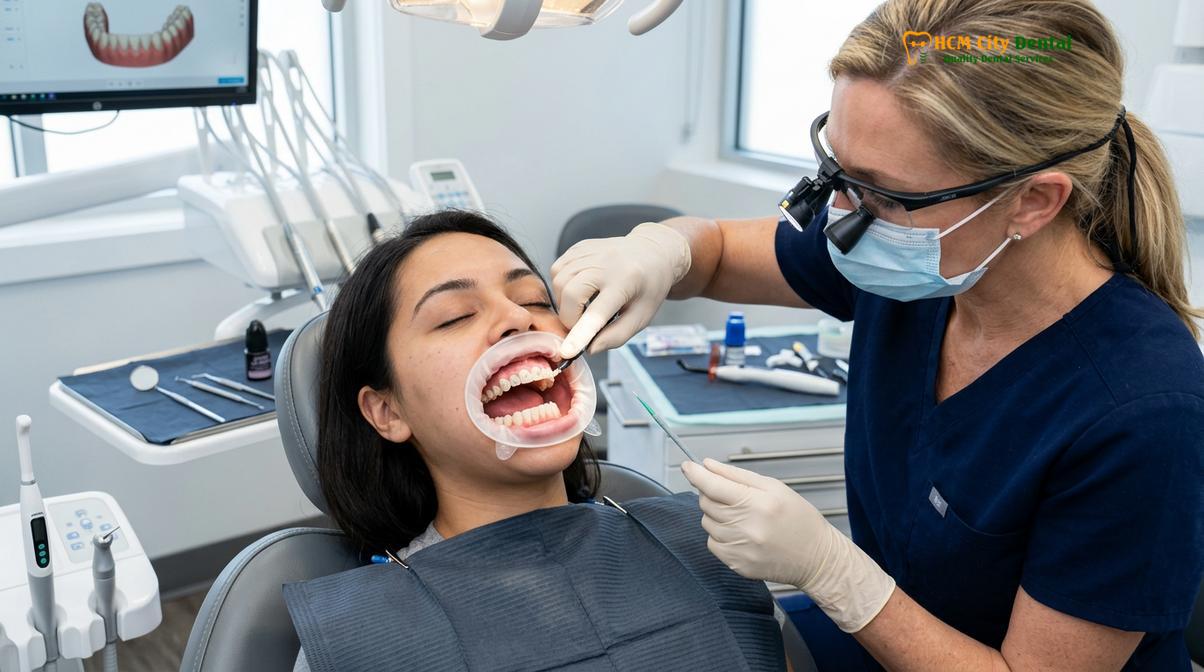
Clinical Warning: Patients should strictly avoid direct-to-consumer “mail-order” aligner systems. These services bypass essential clinical diagnostics, such as radiographic evaluation of bone levels and professional attachment placement. Moving teeth without proper clinical oversight can lead to severe complications, including root resorption, irreversible periodontal damage, and catastrophic occlusal instability.
A premium package in Vietnam is highly inclusive. It covers the initial diagnostics, the ClinCheck engineering, the fabrication and delivery of all aligner stages, the precise application of attachments, and any necessary Interproximal Reduction (IPR)—a clinical procedure where microscopic amounts of enamel are polished away between crowded teeth to create space. Crucially, premium packages also include refinement stages. Because human biology does not always perfectly mirror digital predictions, a mid-course correction or final detailing phase is often required to achieve the optimal occlusal relationship. Ensuring these refinements are included upfront protects the patient from unexpected financial burdens late in their treatment journey.
Expat Dental Journeys: How Australians Save 60% on Orthodontics
By combining necessary dental care with international travel, patients can achieve optimal occlusal health while significantly reducing their overall financial investment through strategic cross-border healthcare.
The concept of the dental tourist HCMC has evolved significantly over the past decade. It is no longer just about seeking cheap, quick fixes; it is about accessing world-class, digitally driven dentistry that happens to be located in a more favorable economic environment. For many Australians, the journey begins with a realization that the domestic quotes they receive for orthodontic correction are simply untenable. This prompts a shift in perspective, viewing the treatment not just as a local medical procedure, but as an opportunity for strategic healthcare management combined with international travel.
The Australian expat dentistry cost advantage is particularly pronounced for those who already travel frequently for business or leisure. However, even for those making dedicated trips solely for dental care, the mathematics heavily favor the cross-border approach. The savings generated from a Comprehensive aligner package are often more than enough to cover multiple round-trip flights from Sydney or Melbourne, premium accommodation in District 1, and living expenses during the stay[4]. This economic reality transforms a daunting medical expense into a manageable investment that includes the added benefit of experiencing the vibrant culture and hospitality of Vietnam.
Clinical Case Study: Complex Crowding Resolution
A 28-year-old patient from Melbourne presented to HCMC Dental Clinic with severe mandibular anterior crowding and a Class II malocclusion. Quoted a prohibitive fee domestically, the patient opted for a Comprehensive package in Ho Chi Minh City. Dr. Nguyen Van Cuong utilized iTero scanning and ClinCheck to design a 45-stage treatment plan incorporating strategic IPR and SmartForce attachments. The patient completed the initial fitting in Vietnam, returned to Australia with a batch of aligners, and utilized remote monitoring. After 18 months and two brief return visits for refinements and final retention, the patient achieved a stable, ideal occlusion, saving approximately 55% compared to their initial domestic quote.
The success of these expat dental journeys relies heavily on the clinic’s ability to cater to international patients. This includes fluent English communication, transparent written treatment plans, and a deep understanding of the logistical constraints faced by those traveling from abroad. Clinics accustomed to this demographic have streamlined their workflows, ensuring that the time spent in the dental chair is highly efficient, allowing patients to maximize their time enjoying the city while their custom aligners are being manufactured and shipped. For patients who may have previously undergone treatment and require maintenance, understanding fixed retainer repair protocols abroad is also a crucial aspect of managing long-term orthodontic health internationally.
Travel Logistics: Managing Checkups and Aligner Collection
Modern remote monitoring platforms and strategic batch collection of aligners allow international patients to maintain strict clinical oversight with minimal international flights, ensuring safe and predictable outcomes.
One of the most common concerns regarding Australia dental travel braces or clear aligners is the logistical challenge of managing a treatment that typically spans 12 to 18 months. Traditional orthodontics with fixed metal brackets requires frequent, in-person adjustments every 4 to 6 weeks. However, clear aligner therapy is uniquely suited to the international patient model due to its reliance on pre-manufactured, sequential trays and advanced digital monitoring technologies.
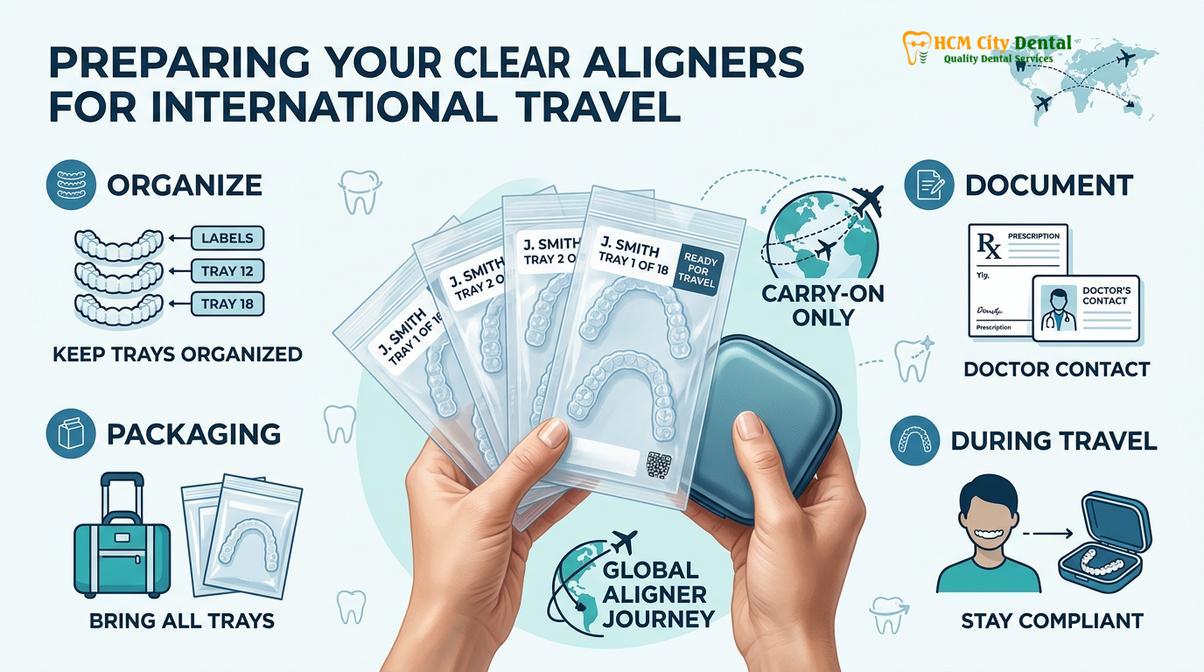
The standard protocol for an international patient involves an initial visit to Ho Chi Minh City lasting approximately 3 to 5 days. During this time, the comprehensive diagnostics are completed, the ClinCheck plan is finalized and approved, and the order is submitted to Align Technology. Because the physical aligners take several weeks to be manufactured and shipped to Vietnam, patients typically return home and plan a second, shorter trip for the “fitting.” During this second visit, the orthodontist bonds the necessary attachments, performs any required IPR, and delivers the first batch of aligners, ensuring they seat correctly and the patient understands the insertion and removal protocols.
“The integration of AI-driven remote monitoring applications has revolutionized cross-border orthodontics. We can now track a patient’s aligner tracking, oral hygiene, and attachment integrity weekly from thousands of kilometers away, intervening only when clinically necessary.”
Once back in Australia, the patient progresses through their aligner series independently, changing trays every 7 to 14 days as prescribed. To maintain clinical oversight, top clinics utilize remote monitoring platforms. Patients use their smartphones to capture specific intraoral images or videos, which are uploaded to a secure portal for the orthodontist to review[5]. This technology allows the clinical team to verify that the teeth are tracking according to the ClinCheck simulation. If a discrepancy is noted, the patient can be advised to wear a specific tray for an extended period. This logistical framework minimizes the need for frequent international travel, usually requiring only one or two additional trips for refinement scans or the delivery of final retainers. For those managing post-treatment care, knowing the protocols for replacing lost retainers abroad is essential for maintaining the newly achieved alignment.
When to See a Doctor: Important Clinical Considerations
Prior to committing to cross-border orthodontic care, patients must undergo a thorough clinical evaluation to determine their candidacy and rule out severe skeletal discrepancies that require surgical intervention.
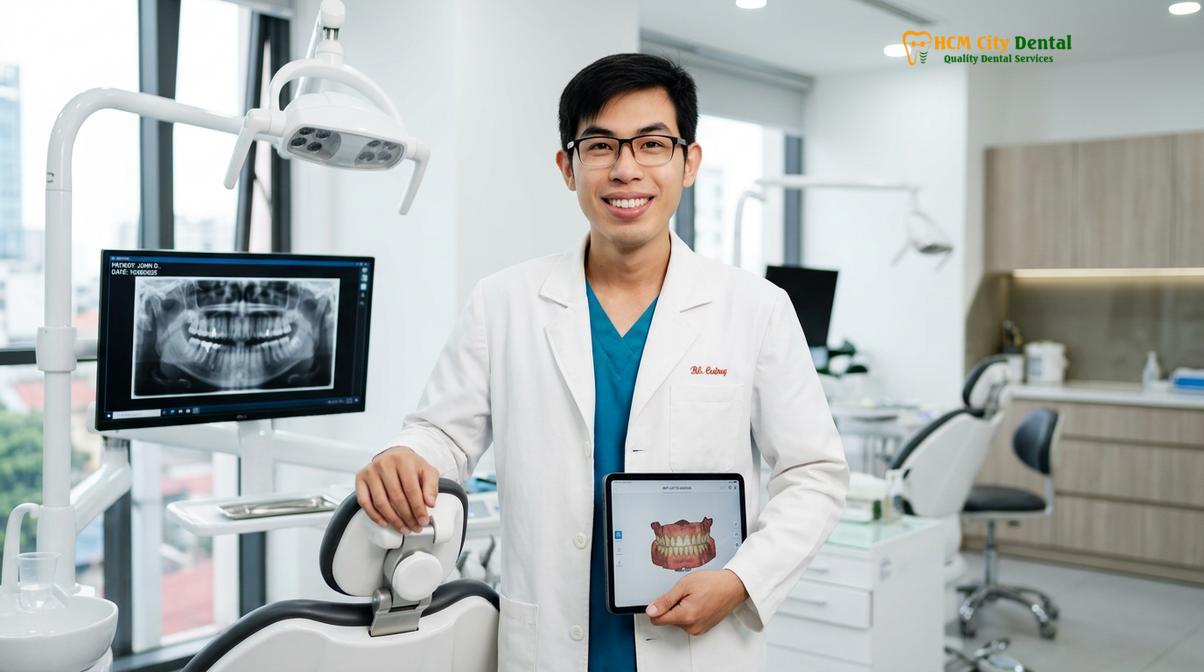
While clear aligner therapy is highly versatile, it is not a universal solution for all orthodontic anomalies. It is imperative that patients undergo a comprehensive clinical assessment before initiating treatment, particularly when planning to manage the process internationally. Dr. Cuong advises that patients with severe skeletal malocclusions—such as significant orthognathic discrepancies (severe overjets, underbites, or facial asymmetries)—may not be ideal candidates for aligners alone and may require a combined approach involving orthognathic surgery.
Furthermore, active periodontal disease, untreated dental caries, or severe temporomandibular joint (TMJ) disorders are strict contraindications for initiating orthodontic tooth movement. These underlying pathologies must be stabilized prior to applying any biomechanical forces, as moving teeth through inflamed or compromised periodontium can lead to rapid attachment loss and tooth mobility. Patients considering treatment at HCMC Dental Clinic in Ho Chi Minh City will undergo rigorous radiographic and clinical screening to ensure their oral environment is healthy enough to support the planned orthodontic movements. Following successful treatment, patients must also commit to lifelong retention; understanding post-treatment retention costs and global orthodontic retention standards is vital for protecting the investment made in their smile.
Frequently Asked Questions
Can Australian health funds reimburse Invisalign in Vietnam?
Yes, many Australian private health insurance funds offer partial reimbursement for orthodontic treatment completed overseas, provided you have the appropriate level of extras cover. Patients must request an itemized clinical invoice and treatment plan from their Vietnamese provider to submit to their insurer for assessment. It is highly recommended to obtain a pre-treatment estimate and confirm international coverage policies directly with your specific health fund before commencing treatment.
Is orthodontic quality in Saigon identical to Australian standards?
Yes, the clinical quality is identical because certified providers in Saigon use the exact same Align Technology materials, SmartTrack plastic, and ClinCheck software as Australian clinics. The difference in outcome depends entirely on the individual orthodontist’s diagnostic skill and treatment planning expertise. Clinics catering to international patients in Vietnam adhere to stringent global sterilization and clinical protocols, ensuring a standard of care that matches or exceeds Western expectations.
How many trips to Vietnam are required for the full treatment?
Most international patients require a minimum of two to three trips to Vietnam to complete their comprehensive clear aligner therapy. The initial trip involves scanning and attachment placement, while subsequent visits are necessary for progress monitoring, interproximal reduction (IPR), and final retainer fitting. The exact number of visits depends on the complexity of the case and the clinic’s ability to utilize remote monitoring technologies to manage the bulk of the treatment remotely.
What happens if an aligner tray is lost or damaged while back in Australia?
If an aligner is lost or damaged, you should immediately contact your orthodontist, who will typically advise you to move forward to the next tray or revert to the previous one. Because the digital files are stored in the ClinCheck system, replacement trays can be ordered and shipped internationally if necessary. It is crucial not to leave the teeth without an aligner for extended periods, as this can lead to rapid relapse and compromise the tracking of subsequent trays.
Are refinement aligners included in the initial treatment cost?
Refinement aligners are generally included in Comprehensive and Moderate treatment tiers, allowing for mid-course corrections without additional fees. However, lower-tier packages like Express or Lite may have strict limits on the number of refinement stages permitted before extra charges apply. Always request a detailed, written breakdown of the treatment package to understand exactly how many refinement phases are covered under the quoted fee.
References
- American Journal of Orthodontics and Dentofacial Orthopedics. Economic analysis of clear aligner therapy overhead in Western vs. Southeast Asian markets. (2022).
- Journal of Clinical Orthodontics. Biomechanical predictability of SmartTrack materials in complex malocclusions. (2021).
- International Dental Journal. Cross-border dental care: Patient motivations and clinical outcomes in orthodontic tourism. (2020).
- Angle Orthodontist. The efficacy of remote monitoring platforms in clear aligner therapy. (2023).
- Journal of the American Dental Association. Direct-to-consumer orthodontic risks and the necessity of clinical supervision. (2019).