Flying after a braces adjustment is generally safe, though changes in cabin air pressure can occasionally exacerbate existing tooth sensitivity. Because orthodontic tightening induces mild periodontal inflammation, the combination of altitude shifts and dry cabin air may temporarily increase discomfort during your flight. Understanding how to manage this sensitivity can make your journey significantly more comfortable.
Clinical Summary:
Patients frequently inquire about the safety and comfort of flying immediately following an orthodontic adjustment. From a clinical perspective, the hardware itself—brackets, wires, and bands—is entirely unaffected by changes in barometric pressure. However, the biological response to an adjustment involves localized inflammation of the periodontal ligament (PDL). When this baseline sensitivity is combined with the pressurized, low-humidity environment of a commercial aircraft, patients may experience heightened discomfort or a phenomenon known as barodontalgia. Effective management requires strategic scheduling of appointments, preemptive pharmacological pain relief, and meticulous inflight oral hygiene. By assembling a dedicated travel kit and understanding the physiological mechanisms at play, patients can ensure their orthodontic progress does not interfere with their travel plans.
Key Takeaways:
- Orthodontic hardware is not physically altered or damaged by changes in airplane cabin pressure.
- Recent adjustments cause periodontal inflammation, which peaks at 24 to 72 hours, making teeth more sensitive to environmental changes.
- Barodontalgia (tooth squeeze) primarily affects teeth with underlying issues but can feel more intense when braces are freshly tightened.
- Preemptive use of anti-inflammatory medication and cold therapy can significantly mitigate inflight discomfort.
- Airplane lavatory water is non-potable; always use bottled water for inflight brushing and rinsing.
Flying After Orthodontic Adjustments: The Facts
Orthodontic adjustments create temporary periodontal inflammation, making teeth hypersensitive to external stimuli, including the dry, pressurized environment of an aircraft cabin.
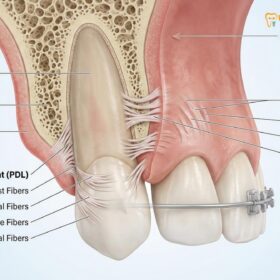
To understand why flying after a braces adjustment can be uncomfortable, it is essential to examine the biological mechanisms of orthodontic tooth movement. When an orthodontist tightens a wire or changes a power chain, mechanical force is applied to the crown of the tooth. This force is transmitted to the root, which is suspended in the jawbone by a hammock-like structure called the periodontal ligament (PDL)[1]. The pressure compresses the PDL on one side of the root and stretches it on the other, initiating a complex cellular cascade.
Within minutes of an adjustment, blood flow within the compressed PDL is altered, leading to the release of inflammatory mediators such as prostaglandins and cytokines. These biochemicals stimulate the cellular activity that allows teeth to move. However, these same inflammatory mediators also sensitize the nerve endings within the PDL, resulting in hyperalgesia—an increased sensitivity to pain.
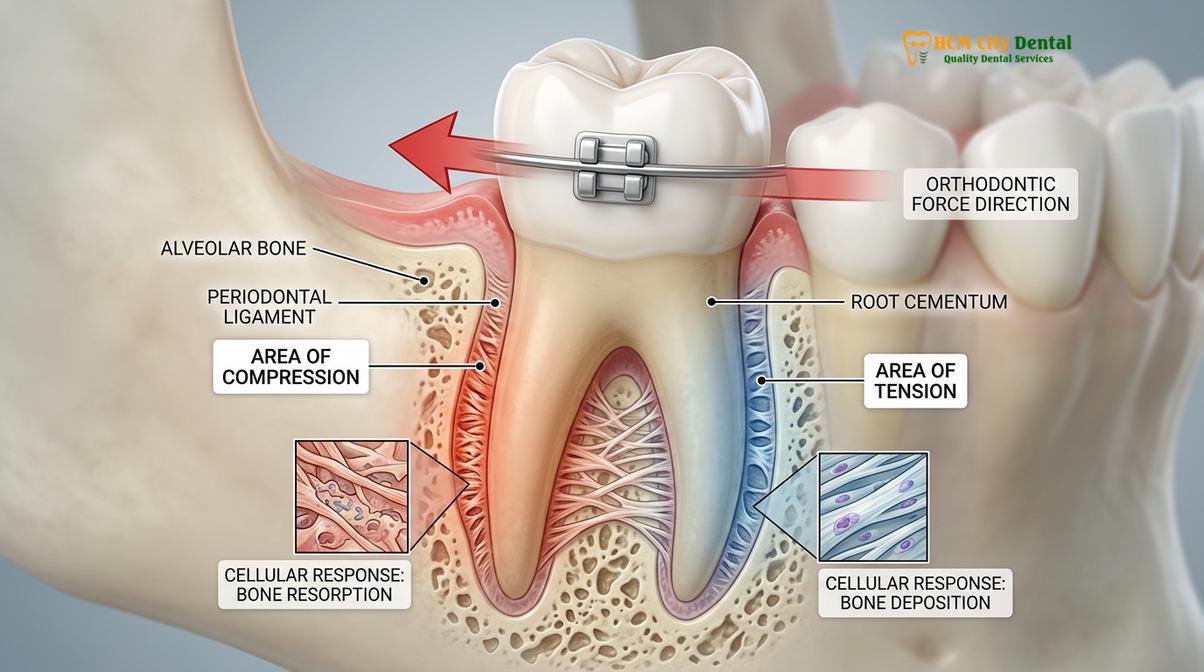
This inflammatory response typically begins within a few hours of the appointment, peaks between 24 and 72 hours, and gradually subsides over the following week. If you are flying with new braces or taking a flight immediately after a routine tightening, you are entering the aircraft precisely when your pain receptors are most active. The baseline soreness means that any additional stress—such as chewing tough airport food, clenching your jaw due to travel anxiety, or experiencing the physiological effects of altitude—will be felt much more acutely.
“The timing of your orthodontic visits relative to your travel itinerary is crucial. We generally advise patients to schedule routine adjustments at least three to five days before a long-haul flight. This window allows the acute phase of periodontal inflammation to subside, ensuring a much more comfortable journey.” — Dr. Nguyen Van Cuong
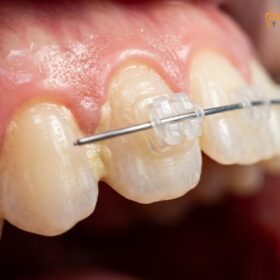
Furthermore, the physical environment of an airplane cabin plays a role. Commercial aircraft are pressurized to simulate an altitude of approximately 6,000 to 8,000 feet above sea level. At this altitude, the air is incredibly dry, with humidity levels often dropping below 20%. For a patient who has just had their braces adjusted, this dry air can rapidly dehydrate the oral mucosa. When the lips and inner cheeks become dry, the friction between the soft tissues and the newly adjusted metal or ceramic brackets increases significantly, leading to a higher risk of ulceration and mechanical irritation.
It is also important to note that the physical components of your braces are entirely safe at altitude. The metals, ceramics, and elastomeric ligatures used in modern Orthodontics do not expand, contract, or weaken under standard cabin pressure. The challenge is entirely biological, rooted in how your nervous system and soft tissues respond to the combination of orthodontic force and the aviation environment.
Cabin Air Pressure and Tooth Sensitivity: Is There a Link?
While braces hardware is unaffected by altitude, cabin pressure changes can trigger barodontalgia if there are underlying microscopic air pockets in untreated cavities or recent dental work.
One of the most common concerns among traveling patients is whether the change in altitude will cause their teeth to ache. The phenomenon of experiencing dental pain due to changes in barometric pressure is a documented medical condition known as barodontalgia, sometimes colloquially referred to as “tooth squeeze”[2]. To understand how this relates to cabin air pressure dental pain, we must look at the physics of gases and the anatomy of the human tooth.
According to Boyle’s Law, the volume of a gas is inversely proportional to the pressure exerted upon it, provided the temperature remains constant. As an airplane ascends and the cabin pressure decreases, any trapped gases within the body will expand. If there is a microscopic pocket of gas trapped within a tooth—perhaps beneath a faulty filling, inside an untreated cavity, or within an infected root canal system—that gas will attempt to expand as the plane climbs.
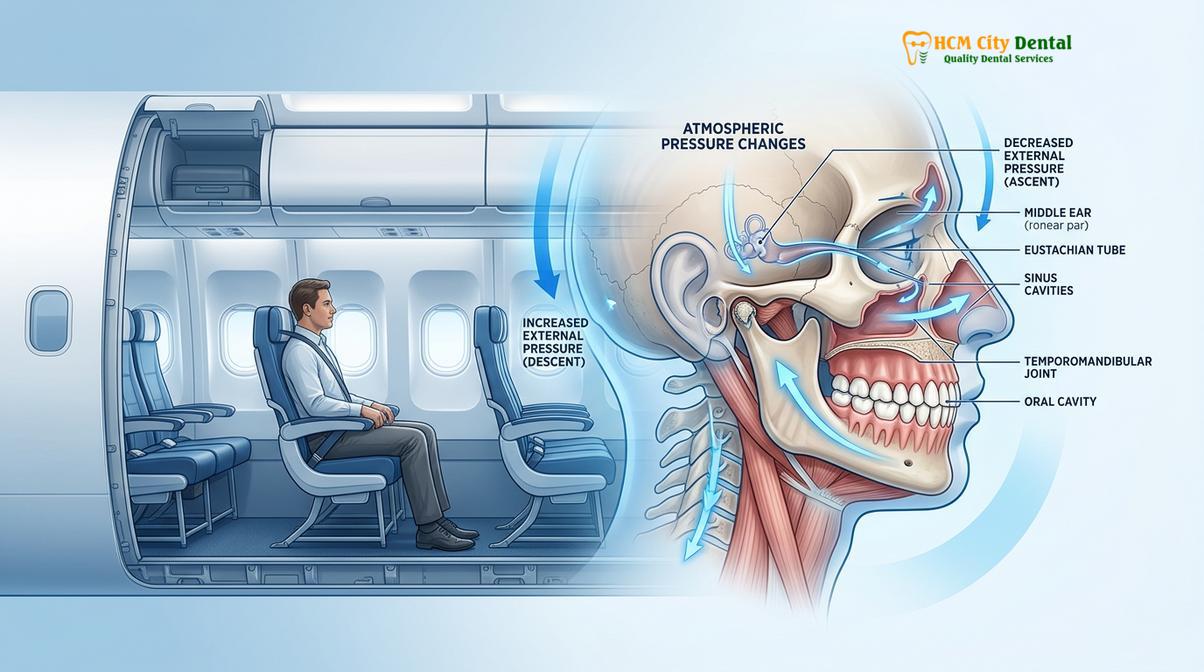
Because the outer layers of the tooth are rigid and unyielding, the expanding gas has nowhere to go. It exerts intense pressure inward on the dental pulp, the highly vascular and heavily innervated core of the tooth. Research into the effects of cabin altitude on dental pulp and periodontal tissues confirms that this pressure differential can result in a sharp, throbbing pain that persists until the aircraft descends and the pressure equalizes[4].
It is a common misconception that braces themselves trap air and cause barodontalgia. Orthodontic brackets are bonded to the solid exterior surface of the enamel; they do not penetrate the tooth structure or create enclosed air pockets. Therefore, braces cannot directly cause barodontalgia. However, when you have just had an orthodontic adjustment, the entire neural network surrounding your teeth is in a state of heightened alert. If you have a minor, previously asymptomatic dental issue, the slight expansion of gas at altitude might normally go unnoticed. But because your nervous system is already sensitized by the braces adjustment, that minor pressure change can trigger a disproportionately painful response.
Inflight Pain Management: Relief Tips for Sore Teeth
Effective inflight pain relief relies on preemptive anti-inflammatory medication, cold temperature therapy, and strict adherence to a soft-food diet while airborne.
Managing orthodontic discomfort while confined to an airplane seat requires a proactive approach. Because you do not have access to your full home care routine, you must rely on targeted strategies to control inflammation and soothe irritated tissues. Inflight braces pain relief is best achieved through a combination of pharmacological and non-pharmacological methods.
The most effective pharmacological intervention for orthodontic pain is the use of Non-Steroidal Anti-Inflammatory Drugs (NSAIDs), such as Ibuprofen. Because orthodontic pain is fundamentally an inflammatory process driven by prostaglandins, NSAIDs work by inhibiting the cyclooxygenase enzymes responsible for prostaglandin synthesis[3]. For optimal results, clinical guidelines suggest a preemptive dosing strategy. Taking an appropriate dose of Ibuprofen about one hour before boarding the flight can help prevent the inflammatory cascade from reaching its peak during the journey.
Non-pharmacological management relies heavily on temperature control. Cold therapy is an excellent way to manage acute orthodontic soreness. Cold temperatures cause local vasoconstriction, reducing blood flow to the inflamed PDL and thereby decreasing swelling and the throbbing sensation. During the flight, ask the flight attendant for a cup of ice water. Slowly sipping the cold water and allowing it to wash over the sore teeth can provide immediate, albeit temporary, numbing relief. Conversely, you should avoid hot beverages like coffee or tea during the flight if your teeth are sore, as heat induces vasodilation.
Dietary choices during the flight are equally critical. The mechanical act of chewing puts direct pressure on the already inflamed PDL. Airplane meals are notoriously variable in texture, and attempting to chew a tough piece of meat or a hard bread roll can send sharp jolts of pain through your jaw. To maintain comfort, strictly adhere to a soft-food diet while airborne, such as yogurt, applesauce, or protein shakes.
Oral Hygiene in the Sky: Brushing in Airplane Restrooms
Maintaining orthodontic hygiene at 35,000 feet requires adapting your routine to confined spaces and utilizing bottled water to avoid non-potable airplane tap water.
Maintaining meticulous oral hygiene is a non-negotiable aspect of orthodontic treatment, and this requirement does not pause when you are traveling. However, performing your dental care routine in an airplane lavatory presents unique challenges. The space is cramped, the lighting is poor, and most importantly, the water quality is a significant concern.
It is a critical clinical directive that you must never use the tap water in an airplane lavatory for brushing your teeth or rinsing your mouth. Multiple environmental studies have shown that the water tanks on commercial aircraft can harbor bacteria due to infrequent cleaning and the complex logistics of refilling tanks at various international airports. Introducing this non-potable water to your oral cavity, especially when you have micro-abrasions from braces, poses an unnecessary risk.
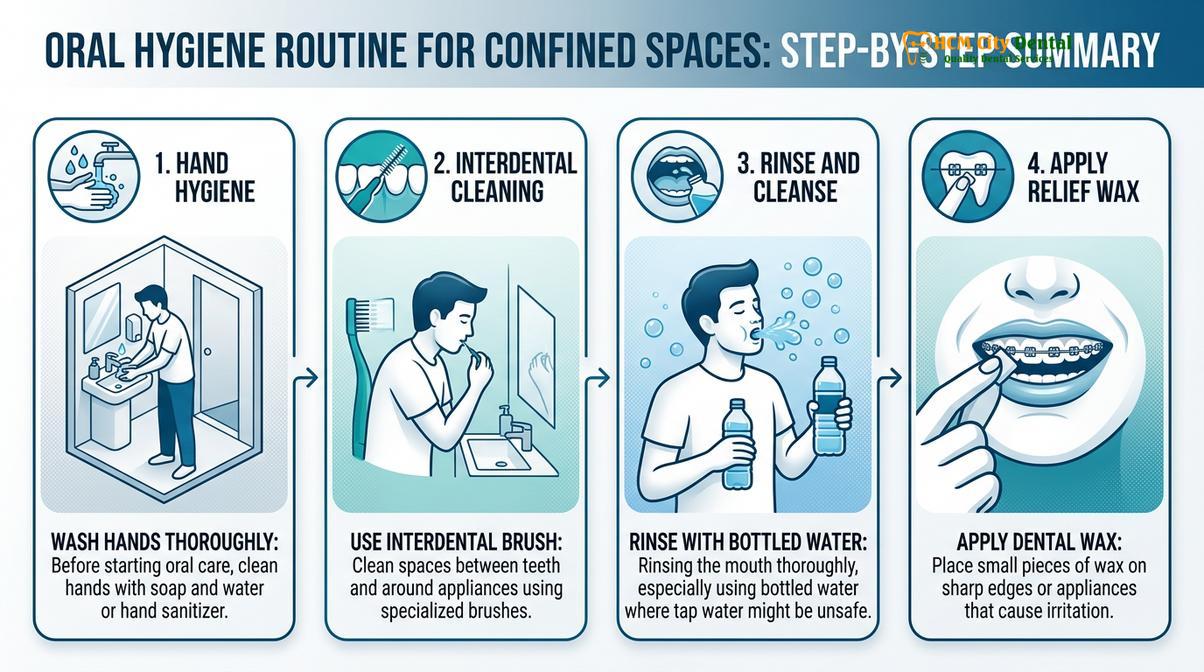
When planning for braces adjustment vacation travel, you must adapt your hygiene protocol. Clinical studies on patient compliance and oral hygiene maintenance during extended travel emphasize the importance of preparation[5]. Here is a safe, step-by-step guide to inflight orthodontic cleaning:
- Sanitize First: Before touching your mouth or your orthodontic tools, wash your hands thoroughly with soap and the lavatory tap water, then dry them completely.
- Prepare Bottled Water: Bring a bottle of drinking water into the lavatory with you. You will use this exclusively for wetting your toothbrush and rinsing your mouth.
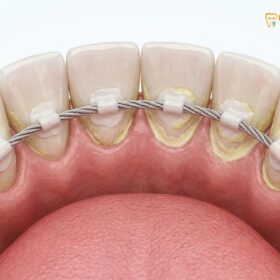
- Interdental Cleaning: Start by using an interdental brush to dislodge large food particles trapped beneath the archwire and between the brackets.
- Brushing: Apply a pea-sized amount of fluoride toothpaste to a travel toothbrush. Wet it with the bottled water and brush carefully at a 45-degree angle.
- Rinsing: Take a small sip of the bottled water, swish vigorously to clear the toothpaste and debris, and spit it into the sink.
For patients who rely on water flossers at home, traveling can be disruptive. While some travel-sized water flossers exist, using them in an airplane lavatory is highly impractical and messy. Instead, rely on pre-threaded orthodontic flossers or interdental brushes for the duration of the flight.
Packing Your Flight Kit: Wax, Painkillers, and Water Bottles
A TSA-compliant orthodontic travel kit ensures you have immediate access to protective wax, analgesics, and cleaning tools without relying on limited inflight amenities.
Preparation is the cornerstone of a stress-free journey. When you have braces, relying on airport convenience stores or inflight amenities for dental emergencies is a recipe for frustration. Assembling a dedicated travel orthodontic kit ensures you are equipped to handle soreness, broken hardware, and hygiene needs seamlessly.
When packing your kit, you must consider aviation security regulations. The Transportation Security Administration (TSA) and international equivalents strictly regulate the volume of liquids, aerosols, and gels allowed in carry-on baggage. Fortunately, most orthodontic essentials are solid or can be purchased in travel sizes that comply with the standard liquid rules.
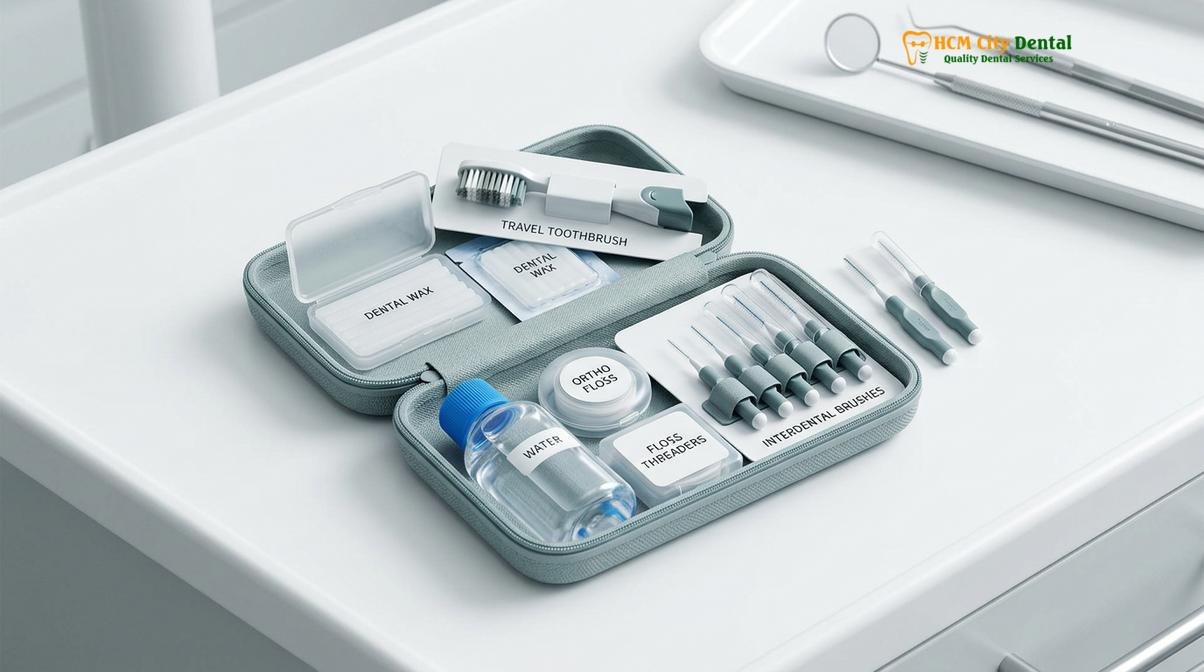
Below is a clinical checklist of essential items for your inflight orthodontic kit, along with their security status and clinical purpose:
| Item | TSA Status (Carry-On) | Clinical Purpose |
|---|---|---|
| Orthodontic Wax | Permitted (Solid) | Creates a smooth barrier over sharp brackets or broken wires to prevent soft tissue ulceration in the dry cabin air. |
| Ibuprofen / Acetaminophen | Permitted (Pills/Tablets) | Preemptive and reactive management of PDL inflammation and throbbing pain. |
| Travel Toothbrush & Paste | Paste must be < 3.4 oz | Essential for removing plaque and food debris after inflight meals to prevent enamel decalcification. |
| Interdental Brushes | Permitted (Solid) | Allows for precise cleaning between brackets and under wires where a standard toothbrush cannot reach. |
Case Study: Managing Orthodontic Travel from Ho Chi Minh City
Proper clinical guidance and preparation can help patients navigate long-haul flights comfortably, even shortly after a major orthodontic adjustment.
Recently, a patient visiting HCMC Dental Clinic in Ho Chi Minh City required an urgent adjustment just two days before a long-haul flight to Canada. Dr. Nguyen Van Cuong carefully evaluated the patient’s periodontal inflammation levels to ensure flying would not cause severe barodontalgia. Dr. Cuong provided a customized travel kit and specific instructions on using cold therapy during the flight to manage the anticipated sensitivity.
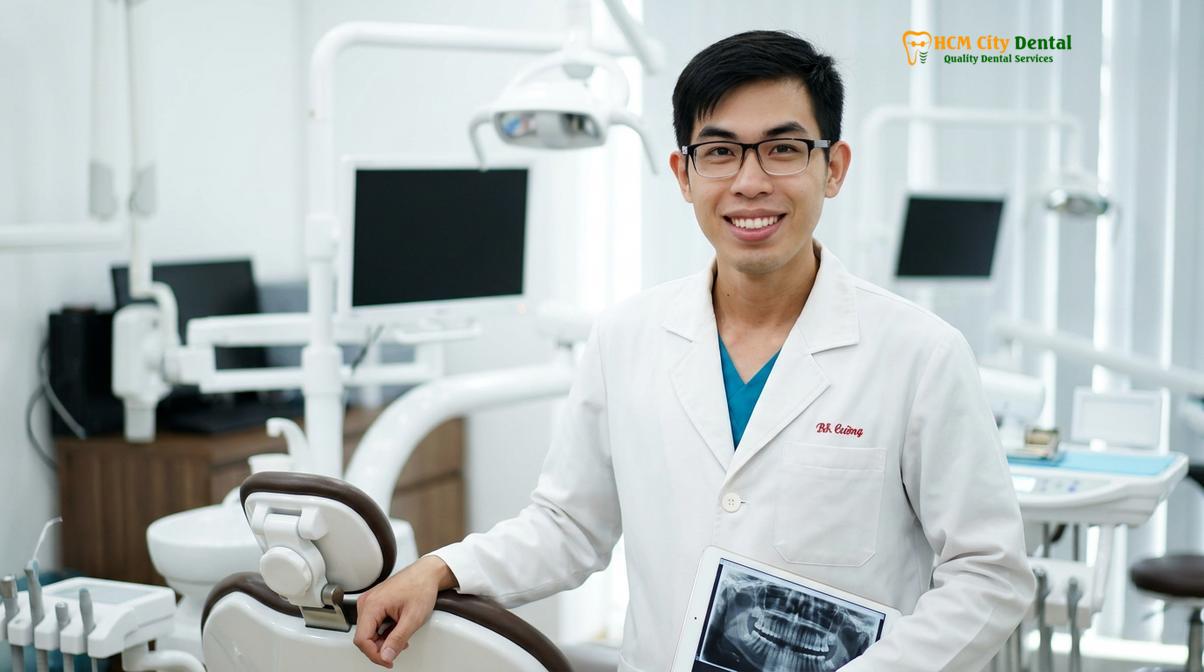
By following these clinical protocols, which align with the guidelines established by the Vietnam Association of Orthodontists[6], the patient experienced minimal discomfort. They successfully managed their orthodontic care while airborne and arrived at their destination without any hardware complications. Later, the patient consulted our Retainer Cost Vietnam vs Canada: Clinical & Price Guide to plan the final retention phase of their treatment abroad.
When to Seek Clinical Assistance
While mild soreness is expected after an adjustment, severe or prolonged pain during or after a flight warrants professional evaluation.
It is important to distinguish between normal orthodontic soreness and symptoms that indicate a more serious underlying issue. The mild throbbing and tenderness associated with a recent adjustment should gradually improve over a few days. However, if the changes in cabin pressure trigger intense, localized pain that does not resolve upon landing, you may be experiencing true barodontalgia stemming from an undiagnosed cavity or failing restoration.
“If you experience sharp, lingering pain that does not subside after landing, or if a bracket completely detaches and causes severe soft tissue trauma, you should seek clinical assistance as soon as possible. Do not attempt to cut thick orthodontic wires yourself, as this can lead to accidental injury or swallowing of metal fragments.” — Dr. Nguyen Van Cuong
If a wire breaks mid-flight, dry the area with a tissue and apply a generous amount of orthodontic wax over the sharp end to protect your cheek. Once you reach your destination, contact a local orthodontist for an emergency repair. If you are planning an international trip and need to schedule an adjustment, contact HCMC Dental Clinic in Ho Chi Minh City. Our team can help you time your appointments perfectly. Learn more about managing your appliances abroad by reading our Broken Fixed Retainer Repair Vietnam: Clinical Guide.
References
- American Journal of Orthodontics and Dentofacial Orthopedics. Periodontal ligament response to orthodontic forces and pain management.
- Journal of Travel Medicine. Barodontalgia and aviation dentistry: A comprehensive clinical review.
- International Dental Journal. Efficacy of preemptive analgesia in orthodontic treatment pain.
- Aviation, Space, and Environmental Medicine. The effects of cabin altitude on dental pulp and periodontal tissues.
- Journal of Clinical Orthodontics. Patient compliance and oral hygiene maintenance during extended travel.
- Vietnam Association of Orthodontists (VAO). Guidelines on orthodontic patient care and travel safety.
For pricing, booking, and a free clinical assessment, visit our Dental Braces & Orthodontics service page at HCMC Dental Clinic in Ho Chi Minh City.