Removable braces for teeth represent a transformative approach in the field of modern orthodontics, offering patients a highly aesthetic, comfortable, and hygienic alternative to traditional fixed metal brackets and archwires. These custom-fabricated devices, which encompass a wide range of appliances from transparent thermoplastic aligners to acrylic-based functional plates, are designed to correct mild to moderate dental misalignments and, in some cases, guide skeletal jaw development in growing children. Unlike conventional braces that are permanently bonded to the enamel for the duration of the treatment, removable systems grant patients the autonomy to take the appliances out during meals and oral hygiene routines. This fundamental difference not only enhances the overall patient experience by eliminating dietary restrictions but also significantly reduces the risk of common orthodontic complications, such as enamel decalcification, white spot lesions, and periodontal inflammation. As digital dentistry and material sciences continue to advance, the clinical scope and efficacy of removable braces have expanded dramatically, making them a preferred choice for adolescents and adults seeking discreet smile transformations.
Clinical Summary:
Removable braces utilize controlled, intermittent biomechanical forces to facilitate precise tooth movement and, when indicated, modify jaw growth patterns. The clinical success of these appliances—ranging from clear aligners to functional interceptive devices—relies heavily on advanced 3D digital treatment planning, sophisticated thermoplastic material properties, and strict patient compliance. While highly effective for resolving mild to moderate crowding, spacing, and minor occlusal discrepancies, severe skeletal malocclusions or complex root torquing requirements may still necessitate fixed orthodontic intervention. Comprehensive diagnostic imaging, including cephalometric analysis and digital intraoral scanning, is essential for appropriate case selection. Furthermore, the integration of auxiliary components such as composite resin attachments and intermaxillary elastics has significantly broadened the biomechanical capabilities of removable systems, allowing clinicians to achieve predictable, high-quality functional and aesthetic outcomes.
Key Takeaways:
- Removable braces provide superior aesthetics and allow for unimpeded oral hygiene, significantly reducing the risk of plaque accumulation and gingivitis compared to fixed brackets.
- Clear aligner therapy requires strict patient compliance, with a mandatory wear time of 20 to 22 hours daily to ensure continuous force application and predictable bone remodeling.
- Functional appliances are utilized primarily in interceptive orthodontics for actively growing children to modify jaw discrepancies and guide proper skeletal development.
- Advanced CAD/CAM technology and 3D intraoral scanning have revolutionized the precision, fit, and biomechanical efficacy of modern removable orthodontic treatments.
- Strict adherence to long-term retention protocols is mandatory following active treatment to stabilize the periodontal fibers and prevent orthodontic relapse.
Understanding Removable Braces for Teeth: A Clinical Overview
Removable braces apply calculated, intermittent forces to the dentition to stimulate cellular responses within the periodontal ligament, gradually shifting teeth into optimal alignment without the need for permanently bonded hardware.
The evolution of orthodontic care has been profoundly shaped by the development and continuous refinement of removable braces for teeth. Historically, the correction of malocclusions relied almost exclusively on fixed appliances—metal brackets bonded directly to the teeth, connected by rigid archwires that applied continuous force. While fixed appliances remain the gold standard for treating highly complex, multi-planar skeletal and dental discrepancies, they present inherent challenges. Patients often struggle with the aesthetic impact of metal braces, the physical discomfort of wires irritating the buccal mucosa, and the significant difficulty of maintaining optimal oral hygiene around the intricate hardware. Removable braces emerged as a clinical solution to these specific challenges, offering a paradigm shift in how dental professionals approach tooth movement, bite correction, and overall patient management.
At their core, removable braces are custom-fabricated devices designed to apply specific, calculated forces to the dentition. Because they are not permanently bonded to the enamel, patients have the autonomy to remove the appliances during meals and while performing daily oral hygiene routines such as brushing and flossing. This fundamental difference significantly reduces the risk of enamel decalcification (often presenting as unsightly white spot lesions) and periodontal inflammation, which are common complications associated with fixed orthodontics. The ability to maintain a pristine oral environment while undergoing active tooth movement is one of the most significant clinical advantages of removable systems, particularly for adult patients who may already have compromised periodontal health [1].
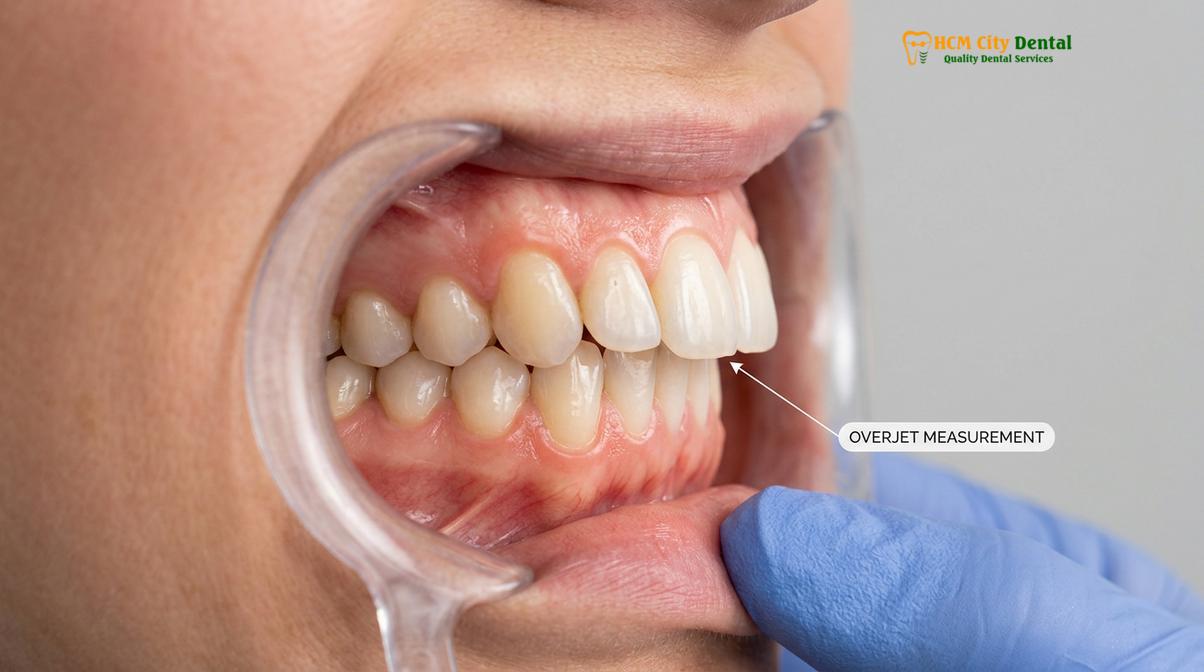
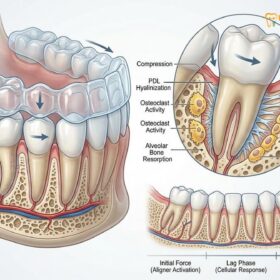
However, the efficacy of removable braces is intrinsically linked to patient compliance. The biomechanics of tooth movement require consistent force application to stimulate the necessary cellular responses within the periodontal ligament (PDL). When a tooth is subjected to orthodontic force, the PDL is compressed on one side (the pressure zone) and stretched on the other (the tension zone). This triggers a complex biological cascade where osteoclasts resorb bone in the pressure zone, and osteoblasts deposit new bone in the tension zone. When a patient removes the appliance for extended periods, this biological process of bone remodeling is interrupted. The intermittent nature of the force can lead to delayed treatment timelines, compromised clinical outcomes, or the failure of teeth to track properly within the aligner trays. Therefore, thorough patient education, motivation, and realistic expectation management are critical components of the treatment protocol.
Types of Removable Orthodontic Appliances
The primary categories of removable braces include clear aligners for aesthetic dental correction, functional appliances for skeletal jaw growth modification, and active plates for minor localized tooth movements.
The term “removable braces” is a broad classification that encompasses a diverse array of orthodontic devices, each engineered to address specific clinical indications and patient demographics. Understanding the distinctions between these appliances is crucial for developing an appropriate, individualized treatment plan based on the patient’s age, skeletal maturity, and the specific nature of their malocclusion.
| Appliance Type | Primary Clinical Indication | Target Patient Demographic |
|---|---|---|
| Clear Aligners | Mild to moderate crowding, spacing, and minor bite adjustments | Adults and older teenagers |
| Functional Appliances | Skeletal jaw discrepancies (e.g., severe overbite, underdeveloped mandible) | Actively growing children and young adolescents |
| Active Plates | Minor localized tooth movement, arch expansion, or crossbite correction | Children and teenagers in mixed dentition |
Clear Aligners (Thermoplastic Appliances)
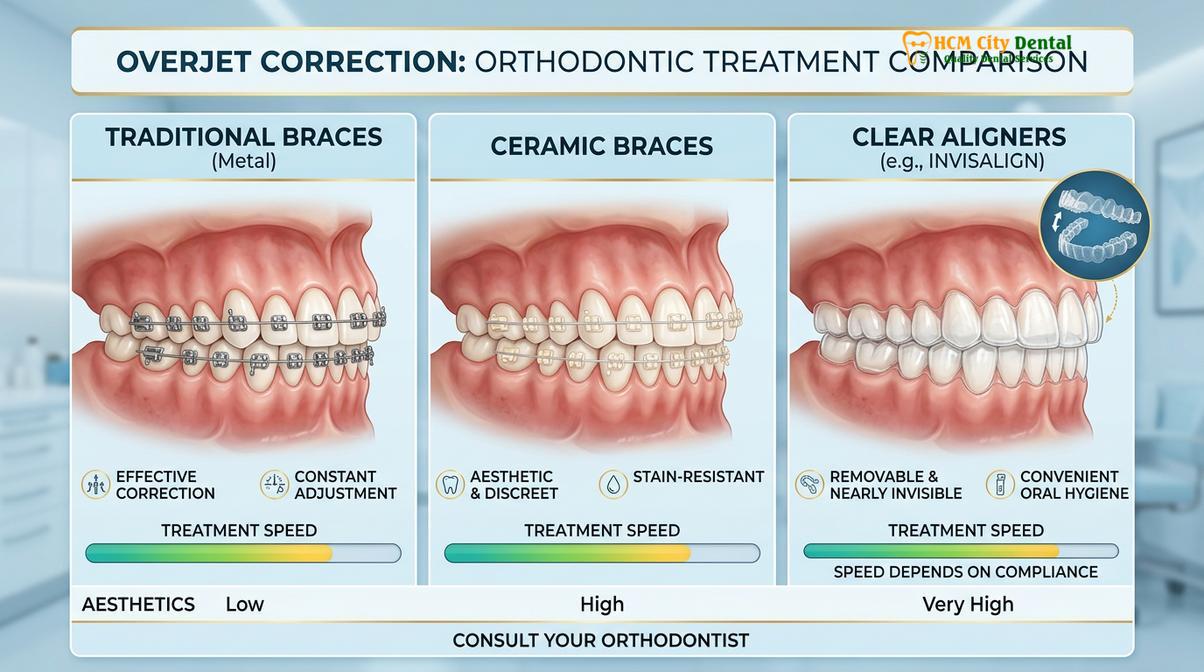
Clear aligners represent the most popular, widely recognized, and technologically advanced form of removable braces for teeth, particularly among adults and older teenagers who prioritize aesthetics. These appliances consist of a series of custom-made, transparent, thermoplastic trays that fit snugly over the dental arches. The treatment process involves a digital workflow where the patient’s current dentition is scanned, and specialized software is used to map out the gradual movement of the teeth from their initial position to the desired final alignment. Each successive tray in the series is slightly modified from the previous one, designed to move specific teeth by fractions of a millimeter (typically 0.25mm to 0.33mm per tray). The patient typically wears each aligner for one to two weeks before progressing to the next stage in the sequence.
The primary advantage of clear aligners is their near-invisibility, making them an ideal choice for professionals or individuals who feel self-conscious about traditional braces. Furthermore, the smooth thermoplastic material minimizes soft tissue irritation, such as ulcerations on the buccal mucosa, lips, or tongue, which are frequently encountered with traditional metal brackets and protruding wires.
Functional Appliances
Functional appliances are a distinct and highly specialized category of removable braces utilized primarily in interceptive orthodontics for growing children and adolescents. Unlike clear aligners, which focus primarily on moving individual teeth within the alveolar bone, functional appliances are designed to modify the growth and posture of the mandible (lower jaw) and maxilla (upper jaw). They work by altering the neuromuscular environment of the orofacial region, harnessing the natural forces of the facial muscles, lips, and tongue to guide skeletal development and correct severe jaw discrepancies [2].
Common examples of functional appliances include the Twin Block, Bionator, and Frankel appliances. The Twin Block, for instance, is one of the most frequently prescribed functional devices. It consists of upper and lower acrylic plates with interlocking bite blocks that posture the lower jaw forward upon closure. This appliance is highly effective in treating Class II malocclusions (severe overbites) in actively growing patients by stimulating mandibular growth, restricting maxillary protrusion, and improving the patient’s overall facial profile. Because these appliances rely on active growth spurts, timing the intervention during the patient’s peak pubertal growth phase is critical for clinical success.
Active Plates and Expansion Devices
Active plates are traditional removable appliances typically constructed from an acrylic baseplate that fits against the palate or the lingual surface of the lower teeth, embedded with stainless steel wire components such as clasps (for retention) and springs or screws (for active force delivery). These devices are often used during the mixed dentition phase (when a child has both primary and permanent teeth) to perform minor, localized tooth movements or to expand a narrow dental arch.
For example, a removable palatal expander equipped with a midline jackscrew can be used to gently widen the upper jaw, correcting posterior crossbites and creating additional space for erupting permanent teeth. While active plates are less commonly used for comprehensive adult orthodontics today due to the advent of clear aligners, they remain a valuable tool in the pediatric dentist’s and orthodontist’s armamentarium for early interceptive treatments.
Material Science Behind Removable Orthodontic Devices
Modern clear aligners are fabricated from advanced thermoplastic polymers, such as polyurethane and PETG, engineered for sustained force delivery, high durability, and optimal optical clarity.
The clinical success of removable braces for teeth, particularly clear aligners, is heavily dependent on the sophisticated material science underlying their fabrication. Early iterations of clear aligners were often manufactured from single-layer, rigid plastics that applied heavy initial forces but rapidly lost their elasticity. This phenomenon, known as stress relaxation, led to inefficient tooth movement, poor tracking of the teeth within the aligner, and increased patient discomfort. Today, the materials used are highly engineered polymers designed to meet precise biomechanical and aesthetic requirements.
The evolution of thermoplastic polymers has fundamentally shifted orthodontic biomechanics, allowing for sustained, low-level force delivery that mimics optimal physiological tooth movement while minimizing patient discomfort.
Most contemporary aligners are made from advanced thermoplastic materials such as polyurethane, polyethylene terephthalate glycol (PETG), or proprietary multi-layer polymer blends. These materials are meticulously selected for their unique combination of physical properties: elasticity, resilience, formability, tear resistance, and biocompatibility. The ideal aligner material must be rigid enough to apply sufficient force to move a tooth through the dense alveolar bone, yet flexible enough to allow the patient to insert and remove the appliance multiple times a day without damaging it or causing excessive pain to the teeth [3].
Multi-layer materials, which feature a flexible elastomeric core sandwiched between rigid outer layers, have revolutionized aligner therapy. The rigid outer layers provide the necessary grip and force application, while the flexible core absorbs the initial stress of insertion and provides a continuous, gentle force over the one-to-two-week wear period. This sustained force delivery is biologically optimal, as it reduces the risk of root resorption and ensures more predictable clinical outcomes.
Clinical Indications and Contraindications
Removable braces are highly effective for mild crowding and spacing but are generally contraindicated for severe skeletal discrepancies, impacted teeth, or complex root torquing requirements.
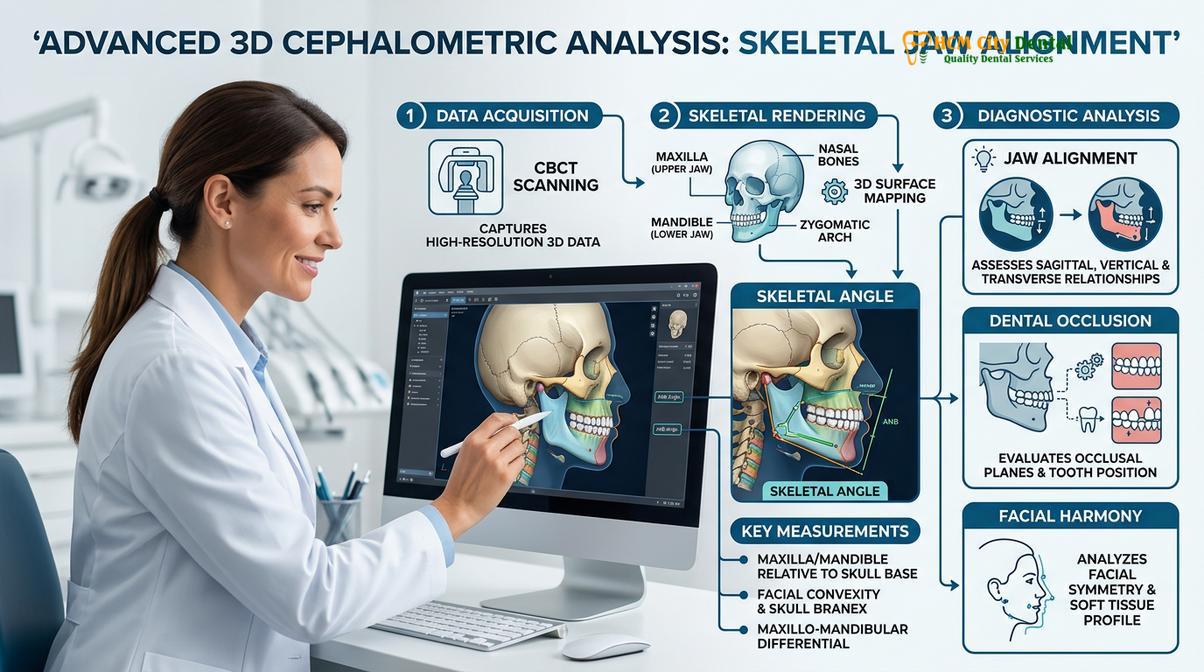
Proper case selection is the absolute cornerstone of successful orthodontic treatment. While removable braces for teeth offer numerous advantages, they are not a universal panacea for all malocclusions. A comprehensive clinical examination, including digital study models, panoramic and cephalometric radiographs, and a thorough periodontal assessment, is required to determine a patient’s suitability for removable therapy.
Clinical Warning: Removable braces require strict patient compliance. Failure to wear clear aligners for the prescribed 20 to 22 hours daily can disrupt the biomechanical forces needed for bone remodeling, potentially leading to orthodontic relapse, compromised root positioning, and significantly prolonged treatment timelines.
Indications for Removable Braces
Removable appliances, specifically clear aligners, excel in treating mild to moderate spatial discrepancies within the dental arches. They are highly indicated for patients presenting with braces for overcrowding, where teeth are slightly rotated, overlapping, or displaced due to a lack of arch space. Aligners are also highly effective for closing diastemas (gaps between teeth) and correcting minor anterior crossbites or edge-to-edge bites.
Another significant indication is orthodontic relapse. Patients who previously underwent fixed orthodontic treatment in their youth but failed to adhere to their long-term retention protocols often experience minor shifting of their teeth over time. Removable aligners are an ideal, minimally invasive solution to recapture the original alignment without the need to re-bond fixed brackets and wires. Additionally, removable braces are often the treatment of choice for patients with a high susceptibility to dental caries, extensive restorative work (such as veneers or crowns that might be damaged by bracket removal), or those with pre-existing mild gingivitis, as the ability to remove the appliance allows for unimpeded, thorough oral hygiene practices.
Contraindications and Limitations
Despite their versatility, removable braces have distinct biomechanical limitations. They are generally contraindicated for severe skeletal discrepancies that require significant orthognathic surgical intervention or complex, multi-planar tooth movements. For instance, severely impacted teeth (such as impacted canines located high in the palate) cannot be effectively extruded using clear aligners alone and typically require surgical exposure and fixed orthodontic traction [4].
Furthermore, movements that require significant root torquing (changing the angulation of the tooth root within the bone) or bodily translation of teeth over large distances (such as closing extraction spaces in premolar extraction cases) are notoriously difficult to achieve predictably with removable plastic trays. In these scenarios, the rigid control provided by fixed brackets and rectangular archwires remains superior. Finally, poor patient compliance is an absolute contraindication; if a clinician suspects that a patient will not adhere to the strict 20-to-22-hour daily wear schedule, fixed appliances should be recommended to ensure treatment progression.
The Role of Attachments and Elastics in Removable Therapy
Composite resin attachments and intermaxillary elastics are frequently used alongside removable aligners to facilitate complex biomechanical movements like extrusion, severe rotation, and bite correction.
A common misconception among patients regarding clear aligner therapy is that the smooth plastic trays alone are responsible for all tooth movement. In reality, modern removable braces rely heavily on auxiliary components to achieve predictable clinical outcomes, especially in moderate to complex cases. The most critical of these auxiliaries are composite attachments, often referred to as “buttons” or “engagers.”
Attachments are small, tooth-colored geometric shapes made of dental composite resin that are temporarily bonded to specific teeth at the beginning of treatment. They act as “handles” or anchors, allowing the aligner to grip the tooth more effectively and apply directional forces that would otherwise be impossible with a smooth plastic surface alone. The shape, size, and placement of these attachments are highly specific and digitally planned. For example, an ellipsoid attachment might be used to facilitate the rotation of a rounded canine tooth, while a beveled rectangular attachment might be placed to help extrude (pull downward) a lateral incisor that is positioned too high in the gum line.
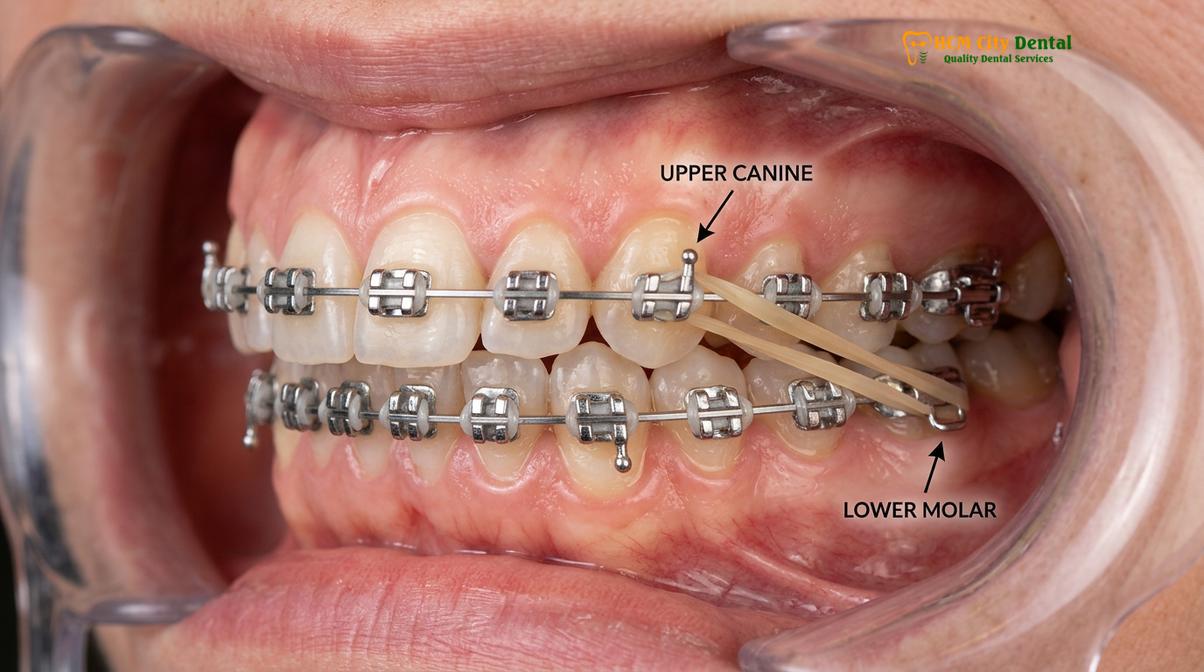
In addition to attachments, intermaxillary elastics (rubber bands) are frequently incorporated into removable brace protocols. These elastics are attached to precision cuts in the aligners themselves or directly to bonded metal or composite buttons on the teeth. They are used to correct anteroposterior (front-to-back) discrepancies, such as overjets and underbites, by applying continuous force between the upper and lower arches. Patients often wonder can braces fix overjet when using removable systems; the answer is yes, provided that elastics are utilized correctly and the patient is strictly compliant with the prescribed wear instructions [5]. The integration of these auxiliaries has significantly closed the gap in clinical capabilities between removable aligners and traditional fixed braces.
Digital Workflow and 3D Treatment Planning
The fabrication of modern removable braces relies on a sophisticated digital workflow, utilizing intraoral scanners, CAD/CAM software, and 3D printing to ensure unparalleled precision and customized treatment.
The transition from traditional analog impressions to a fully digital workflow has been one of the most significant advancements in the field of removable orthodontics. In the past, creating removable appliances required taking messy, uncomfortable polyvinyl siloxane (PVS) or alginate impressions, which were prone to distortion, air bubbles, and patient gagging. Today, the process begins with a high-resolution digital intraoral scanner.
The intraoral scanner captures thousands of images per second, stitching them together to create a highly accurate, full-color 3D model of the patient’s dentition and surrounding soft tissues. This digital model is then imported into specialized Computer-Aided Design (CAD) software. The clinician uses this software to segment individual teeth, analyze the occlusion, and meticulously plan the sequence of tooth movements required to achieve the final desired result. The software utilizes predictive algorithms to calculate the exact force vectors needed and determines the optimal placement for composite attachments.
Once the treatment plan is finalized and approved by the clinician, the data is sent to a manufacturing facility. Here, Computer-Aided Manufacturing (CAM) technology, specifically stereolithography (SLA) 3D printing, is used to produce a physical resin model for every stage of the treatment. The thermoplastic aligner material is then thermoformed (vacuum-formed) over these 3D-printed models, trimmed precisely to the gingival margin using robotic lasers, and polished for patient comfort. This highly automated, digitally driven process ensures that each aligner fits with microscopic precision, maximizing biomechanical efficiency. For patients exploring advanced orthodontic technologies, understanding the digital workflow is just as important as researching options like Self Ligating Damon Braces Vietnam: Clinical Guide | HCMC Dental.
When to Consult an Orthodontist: Important Clinical Notes
Early evaluation by a qualified orthodontic professional is essential to determine the most appropriate intervention and prevent the progression of complex malocclusions.
Determining the right time to seek orthodontic consultation is vital for long-term oral health and the prevention of severe dental complications. According to clinical guidelines supported by the Vietnam Association of Orthodontists (VAO) and international dental health organizations, children should receive their first comprehensive orthodontic screening by age seven. At this stage, the first permanent molars and incisors have typically erupted, establishing the basic architecture of the bite. This early assessment allows clinicians to identify potential skeletal discrepancies, crossbites, or eruption issues that might benefit from interceptive functional appliances or active plates.
Early orthodontic evaluation is critical not only for aesthetic alignment but for intercepting skeletal discrepancies that could compromise long-term stomatognathic function and facial aesthetics.
For adults, consultation is recommended whenever there is difficulty chewing, chronic jaw pain, abnormal wear of the tooth enamel, or dissatisfaction with dental aesthetics. While removable braces offer a discreet and convenient solution, a thorough clinical examination is necessary to rule out underlying active periodontal disease, severe bone loss, or temporomandibular joint (TMJ) disorders before initiating any tooth movement. Moving teeth in the presence of active periodontal inflammation can lead to rapid and irreversible bone loss. Exploring comprehensive options like Inexpensive Braces for Adults: Clinical Guide & Costs | HCMC Dental can provide further insight into accessible, safe treatments tailored to mature dentition.
Case Study: Removable Braces at HCMC Dental Clinic
Clinical application of removable aligners demonstrates significant improvements in both dental aesthetics and functional occlusion when managed by experienced specialists utilizing comprehensive digital planning.
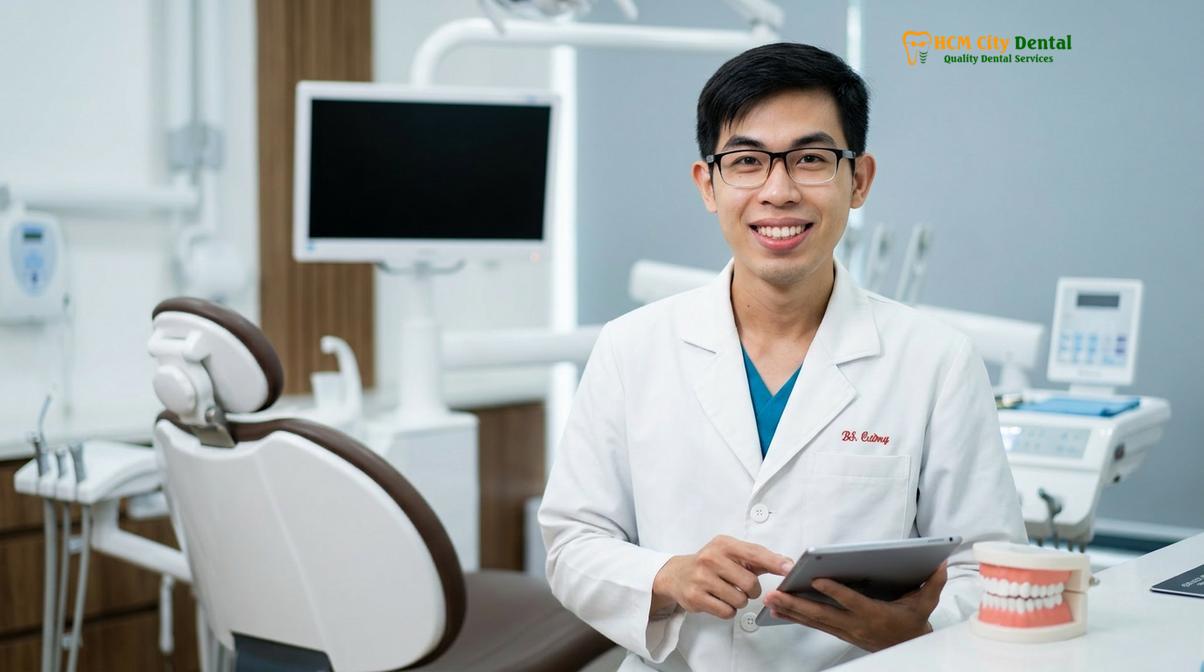
At HCMC Dental Clinic in Ho Chi Minh City, Dr. Nguyen Van Cuong frequently evaluates patients seeking aesthetic, minimally invasive alternatives to traditional wires and brackets. Dr. Cuong emphasizes that comprehensive diagnostics, including 3D intraoral scanning, cephalometric analysis, and detailed periodontal charting, are vital for predictable outcomes. His clinical approach ensures that patients receive tailored interventions, often integrating Orthodontics tại HCMC Dental Clinic protocols to maintain optimal oral health and structural integrity throughout the alignment process.
Clinical Case Study: Anterior Crowding Resolution
Patient Profile: A 28-year-old professional visiting HCMC Dental Clinic in Ho Chi Minh City, presenting with aesthetic concerns regarding their smile.
Clinical Presentation: Moderate anterior crowding in both the maxillary and mandibular arches, accompanied by a mild Class II overbite and slight rotation of the upper lateral incisors.
Intervention: Following a thorough digital scan and CAD/CAM treatment planning session, Dr. Cuong prescribed a series of 32 clear aligners. The treatment plan was supplemented by strategically placed composite attachments on the canines and premolars for precise derotation and root control, along with nighttime Class II intermaxillary elastics to address the overbite.
Outcome: By maintaining strict compliance with the 22-hour daily wear schedule, the patient achieved optimal alignment, a harmonious arch form, and functional occlusion within 14 months, demonstrating the profound efficacy of Braces Before and After: Clinical Transformations | HCMC Dental.
Retention Protocols: Preventing Orthodontic Relapse
The active phase of orthodontic treatment must be followed by a strict retention protocol to stabilize the teeth in their new positions and prevent the natural tendency of periodontal fibers to cause relapse.
The completion of active tooth movement with removable braces does not mark the end of orthodontic care; rather, it signals the beginning of the crucial retention phase. Orthodontic relapse—the tendency of teeth to return to their original, misaligned positions—is a well-documented clinical phenomenon. This occurs because the gingival and periodontal fibers that support the teeth are stretched and twisted during treatment. These fibers require significant time (often up to a year or more) to reorganize and stabilize around the teeth in their new positions. Furthermore, the alveolar bone surrounding the newly moved teeth remains relatively soft and requires time to fully mineralize and harden.
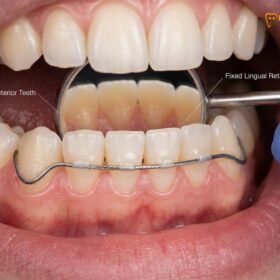
To combat relapse, clinicians prescribe retainers. Retainers can be fixed (a thin wire bonded to the lingual surfaces of the anterior teeth) or removable. Removable retainers include traditional Hawley retainers (made of acrylic and wire) and Essix retainers (clear thermoplastic trays similar to aligners). For patients who have completed clear aligner therapy, Essix retainers are typically the preferred choice due to their aesthetic appeal and comfort. Patients are generally instructed to wear their removable retainers full-time for the first few months post-treatment, gradually tapering down to nighttime-only wear for a lifetime to ensure the longevity of their clinical results.
Conclusion & Next Steps
Removable braces for teeth have undeniably revolutionized the field of orthodontics, offering a highly aesthetic, comfortable, and hygienic alternative to traditional fixed appliances. Whether utilizing sophisticated clear aligners for precise, digitally planned tooth movement or functional appliances for interceptive skeletal modification in growing children, these devices provide predictable, high-quality clinical outcomes when managed by experienced dental professionals and supported by strict patient compliance. Understanding the biomechanics, material science, and necessary retention protocols is essential for anyone considering this transformative treatment. If you are evaluating your orthodontic needs and wish to explore aesthetic options, reviewing resources like Braces Montgomery: Clinical Guide & Orthodontic Options | HCMC Dental can provide further context. For a personalized, comprehensive evaluation utilizing the latest in digital orthodontic technology, contact HCMC Dental Clinic in Ho Chi Minh City today to schedule your consultation.
References
- American Journal of Orthodontics and Dentofacial Orthopedics. Biomechanical principles of clear aligner therapy and thermoplastic materials. (2021).
- Journal of Clinical Orthodontics. Efficacy of functional appliances in growing patients: A systematic review. (2020).
- European Journal of Orthodontics. Periodontal health during removable versus fixed orthodontic treatment. (2019).
- Angle Orthodontist. The role of composite attachments in clear aligner biomechanics. (2022).
- International Journal of Dentistry. Long-term retention protocols and relapse prevention in orthodontics. (2018).