Proper braces maintenance involves a strict daily regimen of specialized brushing, interdental cleaning, and dietary modifications to prevent plaque accumulation around brackets and wires. Consistent oral hygiene prevents enamel demineralization, gingival inflammation, and ensures orthodontic treatment progresses efficiently without unnecessary delays or complications.
Clinical Summary:
Orthodontic maintenance is a critical component of fixed appliance therapy, requiring meticulous patient compliance to achieve optimal clinical outcomes. The presence of brackets, bands, and archwires creates highly retentive areas for bacterial biofilm, significantly increasing the risk of white spot lesions (WSLs) and plaque-induced gingivitis. Effective maintenance protocols necessitate the use of specialized mechanical adjuncts—such as interdental brushes, floss threaders, and oral irrigators—combined with targeted fluoride therapy. Furthermore, dietary modifications are essential to prevent the mechanical failure of the adhesive bond securing the brackets. Routine professional adjustments and prophylactic cleanings ensure the biomechanical forces remain active while preserving the integrity of the periodontium throughout the treatment duration.
Key Takeaways:
- Fixed orthodontic appliances increase plaque retention, requiring specialized cleaning tools and techniques.
- Daily use of interdental brushes and floss threaders is clinically necessary to clean beneath archwires.
- Hard, sticky, and highly acidic foods must be avoided to prevent bracket debonding and enamel erosion.
- Minor emergencies like poking wires can be temporarily managed at home with orthodontic wax.
- Regular professional adjustments are required to maintain active tooth movement and monitor oral health.
The Clinical Importance of Braces Maintenance
Maintaining optimal oral hygiene during orthodontic treatment is critical to prevent decalcification, periodontal disease, and structural damage to the appliance. Effective maintenance directly influences the biological response of teeth and surrounding tissues to orthodontic forces.
The introduction of fixed orthodontic appliances into the oral cavity fundamentally alters the local environment. Brackets, bands, elastomeric ligatures, and archwires create complex, irregular surfaces that serve as highly retentive niches for bacterial biofilm. Without rigorous braces maintenance, the rapid accumulation of plaque can lead to severe clinical complications that may compromise the final aesthetic and functional results of the treatment[1]. Understanding the pathophysiology of these complications is essential for patients to appreciate the necessity of their daily oral hygiene regimen.
One of the most prevalent and concerning complications of inadequate orthodontic maintenance is the development of white spot lesions (WSLs). These lesions represent areas of enamel demineralization caused by the acidic byproducts of cariogenic bacteria, particularly Streptococcus mutans and Lactobacillus species. When plaque is allowed to stagnate around the periphery of the bracket base, the local pH drops below the critical threshold of 5.5, initiating the dissolution of hydroxyapatite crystals in the enamel[1]. If left unchecked, these opaque, chalky white lesions can progress to frank cavitation, requiring restorative intervention. Even if cavitation does not occur, WSLs often remain as permanent aesthetic blemishes after the braces are removed, detracting from the newly aligned smile.
In addition to hard tissue damage, the soft tissues of the periodontium are highly susceptible to inflammation during orthodontic therapy. Plaque-induced gingivitis is a nearly universal finding in patients with poor oral hygiene compliance. The gingival tissue responds to the bacterial endotoxins by becoming erythematous, edematous, and prone to bleeding upon probing[2]. In severe cases, chronic inflammation can lead to gingival hyperplasia—an overgrowth of the gum tissue that can physically engulf the orthodontic brackets. This pseudo-pocketing further complicates oral hygiene efforts, creating a vicious cycle of plaque retention and worsening inflammation. In extreme scenarios, severe periodontal breakdown may necessitate the premature removal of the appliances to restore periodontal health.
Furthermore, the structural integrity of the orthodontic appliance itself relies heavily on proper maintenance. The accumulation of calculus (tartar) around the brackets and wires can increase friction, impeding the sliding mechanics necessary for efficient tooth movement. This can prolong the overall treatment time. Therefore, whether a patient is undergoing traditional metal braces therapy or exploring alternative orthodontic treatments like clear aligners, maintaining a pristine oral environment is non-negotiable for achieving the desired clinical outcomes.
Essential Tools for Orthodontic Oral Hygiene
Standard oral care tools are insufficient for orthodontic patients; specialized instruments like interdental brushes, floss threaders, and water irrigators are clinically necessary to navigate around brackets and archwires effectively.
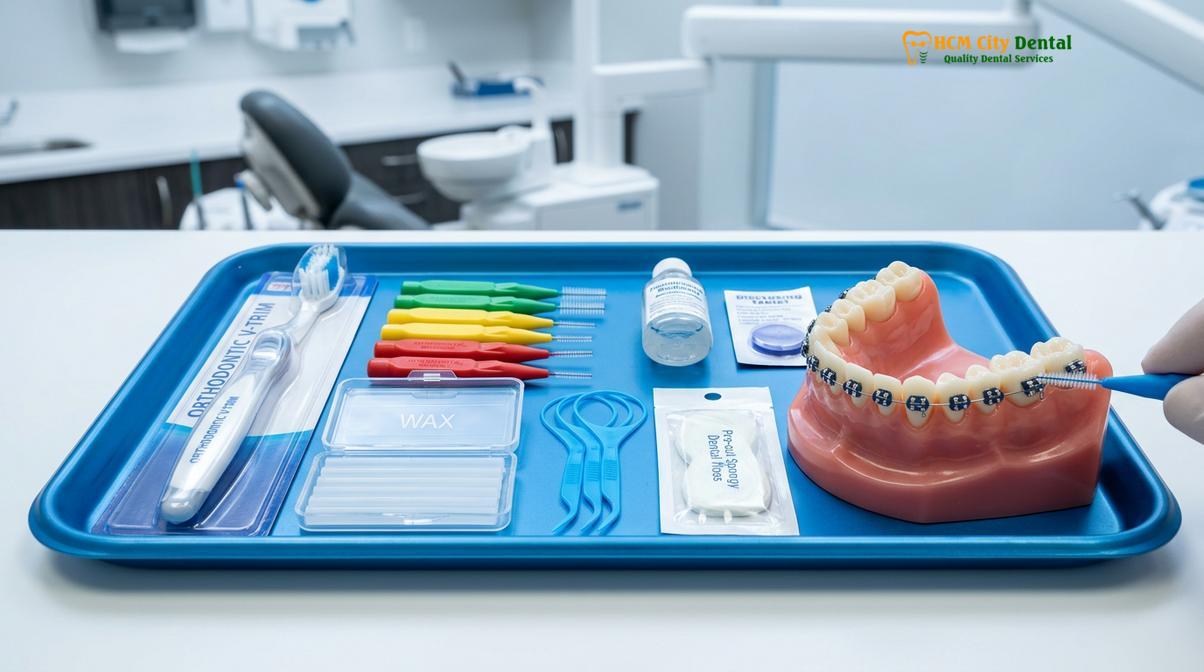
The complex architecture of fixed braces renders a standard manual toothbrush largely ineffective at removing plaque from the critical junction between the bracket and the gingival margin. To achieve comprehensive plaque control, patients must utilize an arsenal of specialized orthodontic hygiene tools designed specifically to navigate the intricate components of their appliances[3].
Toothbrushes: Manual vs. Electric
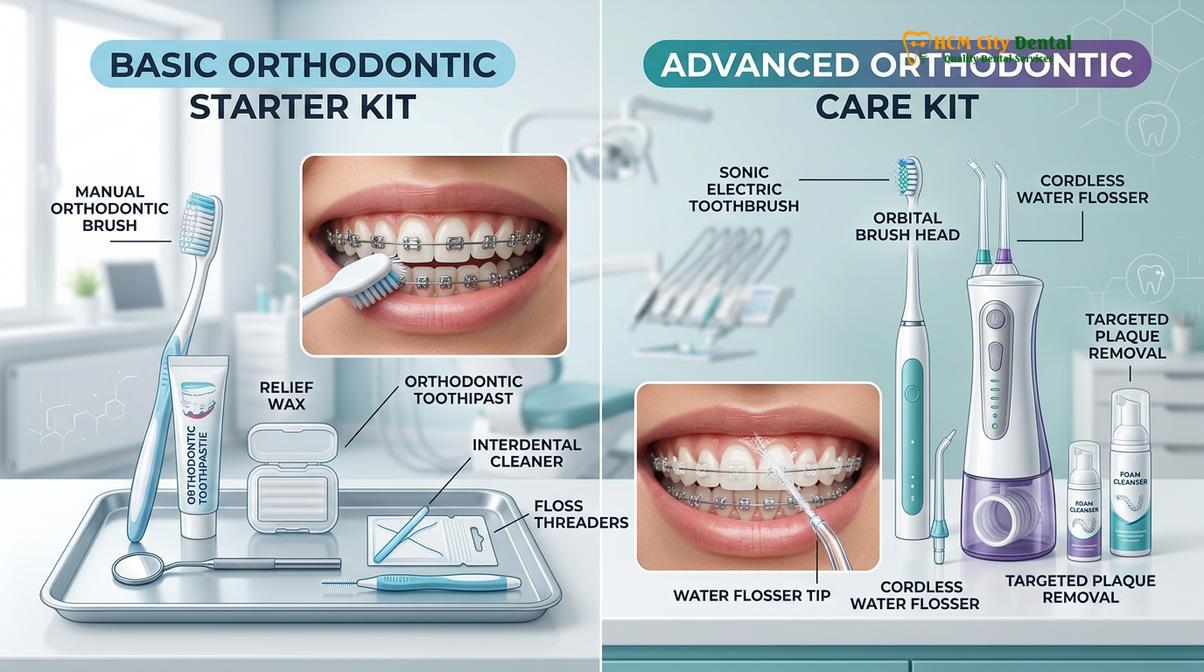
While a manual toothbrush with soft, end-rounded bristles can be effective if used with meticulous technique, clinical evidence strongly supports the superiority of electric toothbrushes for orthodontic patients. Oscillating-rotating or sonic toothbrushes generate rapid micro-movements that help dislodge biofilm and food debris from the retentive areas around the brackets. Many electric toothbrush manufacturers offer specialized orthodontic brush heads, which feature a unique bristle configuration—typically shorter bristles in the center and longer bristles on the periphery—designed to clean the tooth surface while accommodating the protruding bracket.
Interdental Cleaning Aids
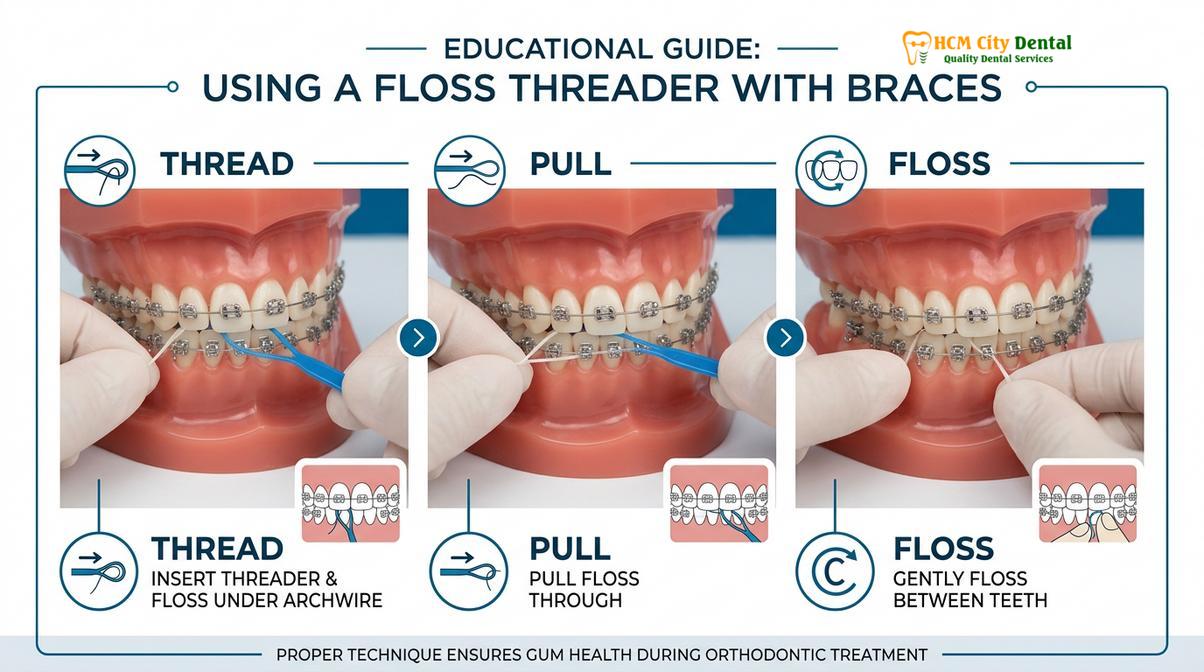
Cleaning the interproximal spaces (between the teeth) and the areas directly beneath the archwire is the most challenging aspect of braces maintenance. Traditional flossing is physically obstructed by the continuous archwire. To overcome this, patients must use floss threaders—flexible plastic loops that allow the floss to be threaded under the wire before being passed between the teeth. Alternatively, orthodontic floss with a stiffened end can be used to achieve the same result.
Interdental brushes, commonly referred to as proxy brushes, are indispensable for orthodontic patients. These small, cylindrical or conical brushes are designed to slide vertically beneath the archwire and between the brackets. They are highly effective at removing the sticky biofilm that accumulates on the proximal surfaces of the brackets and the adjacent enamel[3]. Proxy brushes come in various gauges, and patients should select a size that fits snugly but comfortably into the spaces without forcing.
Oral Irrigators (Water Flossers)
Water flossers utilize a pulsating stream of pressurized water to flush out loose food debris and disrupt loosely adherent plaque. While they are highly effective at reducing gingival inflammation and reaching deep into periodontal pockets, it is crucial to understand that they do not replace the mechanical scraping action of traditional floss. Water flossers should be viewed as a powerful adjunct to, rather than a substitute for, mechanical interdental cleaning.
| Tool | Primary Function | Clinical Benefit | Usage Frequency |
|---|---|---|---|
| Electric Toothbrush (Ortho Head) | Broad surface plaque removal | Superior disruption of biofilm around brackets compared to manual brushing. | 2-3 times daily |
| Interdental (Proxy) Brush | Cleaning beneath archwires | Removes sticky plaque from bracket sides and interproximal embrasures. | After every meal |
| Floss Threader / Ortho Floss | Interproximal plaque removal | Mechanically scrapes biofilm from the contact points between teeth. | At least once daily |
| Water Flosser | Flushing loose debris | Reduces gingival inflammation and flushes out inaccessible food particles. | Daily adjunct |
| Fluoride Mouthrinse | Chemical remineralization | Strengthens enamel and prevents white spot lesions (WSLs). | Nightly before bed |
Finally, the integration of chemical adjuncts is vital. A fluoridated toothpaste is mandatory, and the daily use of an over-the-counter sodium fluoride mouthrinse (typically 0.05% NaF) provides an additional layer of protection against demineralization. The fluoride ions incorporate into the enamel structure, forming fluorapatite, which is significantly more resistant to acid dissolution than natural hydroxyapatite[6].
Step-by-Step Daily Brushing and Flossing Protocol
A systematic approach to brushing at a 45-degree angle and threading floss beneath the archwire ensures comprehensive plaque removal from both the tooth surface and the gingival margin.
Establishing a rigorous and systematic daily oral hygiene protocol is the cornerstone of successful braces maintenance. Random or hurried brushing will inevitably leave plaque behind in the critical stagnation areas. Patients must adopt a methodical approach, ensuring that every surface of every tooth, as well as all components of the orthodontic appliance, are thoroughly cleaned.
The Modified Bass Technique for Orthodontics
The standard brushing technique must be modified to accommodate the presence of brackets. The most effective method is a variation of the Bass technique. The toothbrush bristles should be directed at a 45-degree angle toward the gingival margin (the gumline) to clean the area between the gums and the top of the bracket. Using short, vibratory strokes, the patient should clean 2-3 teeth at a time before moving to the next segment. After completing the gingival aspect, the brush should be angled upward (or downward for the upper teeth) at a 45-degree angle to clean the underside of the brackets and the archwire.
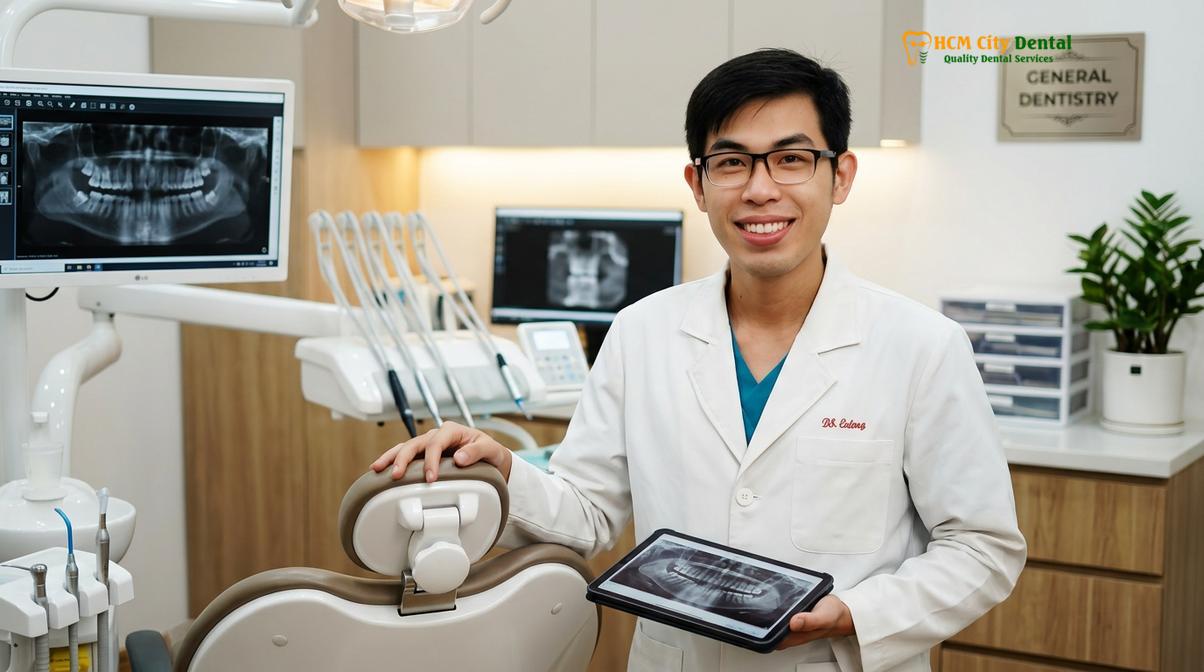
Dr. Nguyen Van Cuong emphasizes that mechanical plaque removal requires at least two minutes of focused brushing, paying special attention to the junction between the bracket base and the gingival tissue. Rushing through this process is the primary cause of hypertrophic gingivitis in orthodontic patients.
“The presence of fixed appliances demands a paradigm shift in a patient’s oral hygiene routine. Brushing is no longer just about cleaning the teeth; it is about meticulously navigating a complex biomechanical environment. Failure to adapt brushing angles to clean both above and below the archwire will inevitably result in rapid decalcification.”
The Flossing Protocol
Flossing with braces is undeniably time-consuming, but it is an absolute clinical necessity. The protocol involves passing the floss threader under the archwire, pulling the floss through, and then gently adapting the floss in a “C-shape” around the side of the adjacent tooth. The floss must be carefully slid below the gumline to disrupt the subgingival biofilm. This process must be repeated for every interproximal contact in the mouth. For patients undergoing self-ligating systems, the absence of elastomeric ties can slightly reduce plaque retention, but the fundamental requirement for meticulous interdental flossing remains unchanged.
A comprehensive evening routine should include the following sequence: flushing the mouth with a water flosser to remove gross debris, meticulous flossing using a threader, thorough brushing using the modified Bass technique, cleaning beneath the wires with an interdental brush, and finally, rinsing with a fluoridated mouthwash. The mouthwash should be expectorated, and the patient should refrain from eating, drinking, or rinsing with water for at least 30 minutes to allow the fluoride to maximize its remineralizing effect on the enamel.
Dietary Restrictions and Nutritional Modifications
Orthodontic patients must strictly avoid hard, sticky, and highly acidic foods to prevent bracket debonding, archwire distortion, and accelerated enamel erosion around the orthodontic appliances.
The biomechanical success of fixed orthodontic therapy relies on the integrity of the adhesive bond between the bracket and the tooth enamel. This bond is engineered to withstand the normal physiological forces of mastication (chewing) and the continuous, light forces applied by the archwires. However, it is intentionally designed to fail under excessive shear stress to prevent the underlying enamel from fracturing. Consequently, dietary modifications are a mandatory aspect of braces maintenance to prevent appliance breakage[4].
Foods to Strictly Avoid
Patients must eliminate hard, crunchy, and brittle foods from their diet. Biting into items such as ice, hard candies, popcorn kernels, hard taco shells, and thick pretzels generates immense shear forces that can easily debond a bracket from the tooth surface. When a bracket debonds, it ceases to transmit the necessary orthodontic forces to the tooth, effectively halting its movement and potentially prolonging the overall treatment time.
Sticky and chewy foods pose a dual threat. Items like caramel, taffy, chewing gum, and gummy candies can become deeply entangled in the brackets, elastomeric ties, and archwires. The mechanical force required to pull these sticky substances away can dislodge bands or bend the archwire. A distorted archwire will apply incorrect directional forces to the teeth, potentially moving them in the wrong direction and requiring corrective clinical intervention.
The Impact of Acidic and Sugary Beverages
Beyond mechanical damage, the chemical environment of the oral cavity must be carefully managed. According to clinical guidelines, patients should avoid regular and diet soft drinks, sports drinks, energy drinks, and flavored bubbly waters. These beverages are highly acidic and often contain high levels of fermentable carbohydrates. The combination of low pH and high sugar content creates an ideal environment for cariogenic bacteria to thrive, rapidly accelerating the demineralization process around the brackets. Even diet sodas, which lack sugar, possess a low pH (often between 2.5 and 3.5) that can directly erode the enamel surface.
“Frequent consumption of acidic beverages during orthodontic treatment drastically lowers the oral pH, overwhelming the natural buffering capacity of saliva. This acidic environment not only accelerates enamel demineralization but can also degrade the composite resin used to bond the brackets, leading to premature adhesive failure.”
Safe Dietary Alternatives
Patients do not need to compromise their nutritional intake; they simply need to modify the preparation and selection of their food. Hard fruits and vegetables, such as apples and carrots, should not be bitten into with the anterior teeth. Instead, they must be cut into small, bite-sized pieces and chewed carefully with the posterior molars. Meats should be tender and cut off the bone. Soft foods like yogurt, mashed potatoes, scrambled eggs, pasta, and smoothies are excellent, safe choices, particularly in the days immediately following an orthodontic adjustment when the teeth are most sensitive.
Managing Orthodontic Emergencies at Home
Minor orthodontic complications, such as poking wires or loose brackets, can often be temporarily managed at home using orthodontic wax and blunt instruments until a professional clinical assessment is possible.
Despite strict adherence to dietary guidelines and maintenance protocols, minor mechanical issues with the orthodontic appliance can occasionally occur. Understanding how to manage these situations at home can alleviate discomfort and prevent soft tissue trauma until the patient can be seen by their orthodontist[5].
Poking Archwires
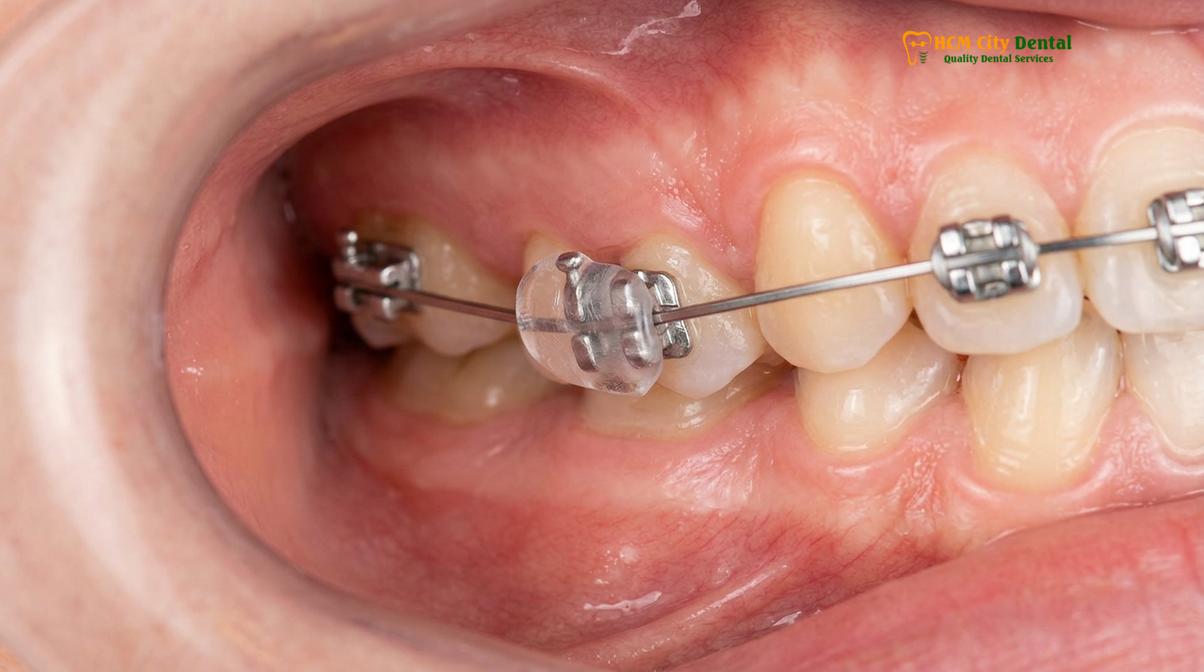
As teeth align and the dental arch expands or contracts, the archwire may begin to protrude from the terminal tube on the most posterior molar. This protruding wire can cause significant lacerations and ulcerations to the buccal mucosa (inner cheek). The immediate home remedy is the application of orthodontic wax. The patient should pinch off a small piece of wax, roll it into a ball, thoroughly dry the area around the poking wire with a tissue or cotton swab (wax will not adhere to a wet surface), and press the wax firmly over the sharp end. If a thin ligature wire (used to tie the archwire to the bracket) is poking the lip, the eraser end of a pencil or a clean cotton swab can be used to gently push the wire flat against the tooth.
Clinical Warning: Do not attempt to cut a thick, protruding archwire at home using nail clippers or wire cutters. The cut end can easily be aspirated or swallowed, posing a severe medical risk. Always use orthodontic wax to shield the wire and contact your clinic for a professional adjustment.
Loose Brackets or Bands
If a bracket debonds from the tooth but remains attached to the archwire, it may slide along the wire and rotate, causing irritation. The patient should use sterile tweezers to gently slide the bracket between two teeth and apply orthodontic wax to stabilize it and prevent it from rubbing against the soft tissue. If a molar band becomes loose, it is crucial to stop wearing any elastics (rubber bands) attached to that specific band, as the tension will pull the band completely off the tooth. The patient should save any components that fall out of the mouth and bring them to the repair appointment.
While these temporary measures provide immediate relief, they do not resolve the underlying mechanical failure. A loose bracket means the tooth is no longer under active orthodontic control. Patients must contact their clinic promptly to schedule a repair, ensuring their treatment timeline remains on track. For patients undergoing complex treatments, such as treating severe dental overcrowding, maintaining the integrity of every bracket is crucial for the precise biomechanical orchestration of tooth movement.
Professional Maintenance and Orthodontic Adjustments
Routine clinical adjustments are necessary to activate orthodontic forces, replace degraded ligatures, and monitor the biological progress of tooth movement while ensuring the appliance remains structurally intact.
Home maintenance must be complemented by regular professional oversight. Orthodontic adjustment appointments, typically scheduled every 4 to 8 weeks depending on the specific phase of treatment and the type of appliance used, are critical for the progression of therapy.
During an adjustment appointment, the orthodontist evaluates the biological response of the teeth to the previously applied forces. The elastomeric ligatures (the small colored bands that hold the wire in the bracket) are removed and replaced. These elastomers undergo force decay and absorb oral fluids over time, losing their elasticity and becoming unhygienic. The archwire may be removed, adjusted, or replaced with a wire of a different alloy (e.g., transitioning from a flexible Nickel-Titanium wire to a rigid Stainless Steel wire) or a larger cross-section to express different biomechanical forces, such as torque or root angulation.
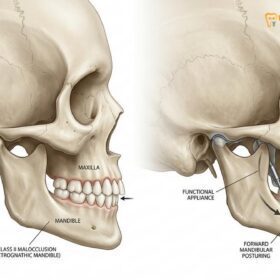
Patient compliance with auxiliary appliances, particularly intermaxillary elastics (rubber bands), is heavily scrutinized during these visits. Elastics are frequently prescribed to correct anterior-posterior discrepancies, such as correcting overjet issues or Class II/Class III malocclusions. Because elastics lose their tension rapidly in the oral environment, patients must replace them multiple times a day as directed. Failure to comply with elastic wear is the most common cause of delayed treatment progress.
Clinical Case Overview: A 22-year-old patient visited HCMC Dental Clinic in Ho Chi Minh City presenting with delayed orthodontic progress and localized gingival inflammation. Clinical examination revealed heavy plaque accumulation around the cervical margins of the lower anterior brackets and a failure to wear prescribed Class II elastics. Following a comprehensive professional prophylaxis using an ultrasonic scaler and targeted oral hygiene re-instruction, the gingival tissues returned to a state of health within 14 days. With renewed compliance in elastic wear, the patient’s overjet correction resumed its projected clinical trajectory.
Furthermore, orthodontic patients must continue to see their general dentist or hygienist for routine professional prophylaxis (dental cleanings) every 3 to 6 months. The presence of braces makes calculus removal significantly more challenging, often requiring the use of specialized ultrasonic scaler tips and air-polishing devices utilizing glycine powder to safely remove biofilm without damaging the bracket adhesive or scratching the archwires.
When to See a Doctor
While minor discomfort and temporary soft tissue irritation are expected components of the orthodontic journey, certain clinical signs warrant immediate professional evaluation. Patients must be able to distinguish between normal biological responses to tooth movement and signs of pathological complications.
Dr. Cuong advises patients to seek immediate clinical evaluation if they experience unmanageable pain that does not subside with over-the-counter analgesics, significant facial swelling, or purulent exudate (pus) originating from the gingival margins. These are indicative of an acute periodontal abscess or an endodontic infection that requires urgent intervention. Additionally, any trauma to the maxillofacial region—such as a sports injury or a fall—that results in lacerations to the lips or cheeks from the braces, or the displacement of the teeth themselves, requires immediate emergency dental care.
If multiple brackets debond simultaneously, or if a major component of the appliance (such as a palatal expander or a transpalatal arch) becomes loose or dislodged, the patient should contact their orthodontist immediately. Delaying the repair of significant structural failures can result in unwanted relapse of the teeth or the application of uncontrolled, deleterious forces to the periodontium.
Transitioning to Retainers: Post-Braces Care
Following the removal of fixed appliances, meticulous maintenance of removable or fixed retainers is clinically imperative to prevent orthodontic relapse and stabilize the teeth in their new anatomical positions.
The day the braces are removed marks the end of active tooth movement but the beginning of the critical retention phase. The periodontal ligaments and the surrounding alveolar bone require significant time—often up to a year—to fully reorganize and stabilize around the teeth in their new positions. Without the immediate and consistent use of retainers, the natural elastic memory of the gingival fibers will inevitably pull the teeth back toward their original malocclusion.
Maintenance of removable retainers (such as Essix clear aligners or Hawley retainers) involves brushing them daily with a soft toothbrush and non-abrasive liquid soap or specialized retainer cleaner. Toothpaste should be avoided as its abrasive agents can scratch the acrylic or plastic, creating micro-crevices that harbor malodorous bacteria. Retainers must never be exposed to hot water, which can distort the thermoplastic material, rendering the appliance clinically useless. For patients with fixed (bonded) lingual retainers, the use of floss threaders remains a permanent requirement to prevent calculus buildup on the lingual surfaces of the anterior teeth, ensuring the long-term success of their clinical transformations.
For individuals seeking comprehensive orthodontic care, from initial diagnostics to post-treatment retention, scheduling a consultation at HCMC Dental Clinic in Ho Chi Minh City ensures access to evidence-based protocols and personalized treatment planning. Whether exploring traditional systems or cost-effective orthodontic options for adults, professional guidance is the key to a stable, healthy smile.
Frequently Asked Questions
How often should I brush my teeth with braces?
Patients with braces should brush their teeth at least three to four times a day, ideally 30 minutes after every meal and before bedtime. This frequency is clinically necessary to disrupt the continuous formation of bacterial biofilm around the brackets and archwires. Using a soft-bristled orthodontic brush at a 45-degree angle ensures that plaque is effectively removed from the gingival margin and the appliance surfaces without causing abrasion to the enamel.
Can I use an electric toothbrush with braces?
Yes, electric toothbrushes are highly recommended for orthodontic patients as they provide superior plaque removal compared to manual brushing. The oscillating-rotating or sonic vibrations help dislodge food particles trapped beneath the archwire. Patients should use an orthodontic-specific brush head if available, apply gentle pressure to avoid damaging the brackets, and ensure they systematically clean the occlusal, buccal, and lingual surfaces of every tooth.
What should I do if an orthodontic bracket comes loose?
If a bracket debonds from the tooth surface, you should contact your orthodontist to schedule a repair appointment as soon as possible. In the meantime, if the loose bracket is still attached to the archwire and causing irritation, you can stabilize it by applying a small piece of orthodontic wax over it. Do not attempt to remove the bracket or cut the archwire yourself, as this can cause further damage or injury.
Is a water flosser a substitute for traditional string flossing?
A water flosser is an excellent adjunct for orthodontic hygiene but should not completely replace traditional string flossing. While oral irrigators are highly effective at flushing out loose debris and reducing gingival inflammation around brackets, traditional floss threaded beneath the archwire is required to mechanically scrape the sticky bacterial biofilm from the interproximal tooth surfaces where the water stream cannot fully penetrate.
Why do my teeth hurt after an orthodontic adjustment?
Post-adjustment discomfort is a normal biological response to the application of new mechanical forces on the teeth and periodontal ligaments. This pressure induces a localized inflammatory response necessary for bone remodeling and tooth movement. The discomfort typically peaks within 24 to 48 hours and gradually subsides. Over-the-counter analgesics and a soft diet can help manage this temporary sensitivity.
References
- American Journal of Orthodontics and Dentofacial Orthopedics. Enamel demineralization during orthodontic treatment: etiology and prevention. (2019).
- Journal of Clinical Periodontology. Periodontal health during fixed orthodontic appliance therapy. (2020).
- Angle Orthodontist. Efficacy of various interdental cleaning aids in orthodontic patients. (2021).
- European Journal of Orthodontics. Dietary impacts on orthodontic bracket shear bond strength. (2018).
- Journal of the American Dental Association. Management of orthodontic emergencies in general practice. (2022).
- International Journal of Dentistry. The role of fluoride varnishes and mouthrinses in preventing white spot lesions. (2023).