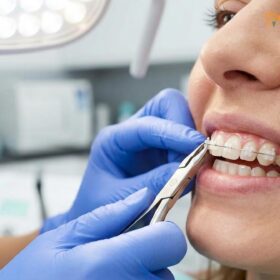
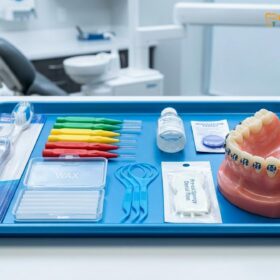
Finding inexpensive braces for adults requires balancing clinical efficacy with financial feasibility. The most cost-effective orthodontic solutions typically include traditional metal brackets, structured braces payment plans, or treatment at specialized dental institutions. Consulting a certified orthodontist ensures you receive safe, affordable orthodontics without compromising your long-term oral health.
Clinical Summary:
Adult orthodontics focuses on correcting malocclusions, improving masticatory function, and enhancing dental aesthetics in mature bone structures. While the search for inexpensive braces for adults is common, clinical safety must remain the priority. Traditional metal braces remain the most cost-effective and biomechanically efficient method for complex tooth movements. Alternatives like ceramic brackets and clear aligners offer enhanced aesthetics but typically require a higher financial investment. To make treatments accessible, reputable clinics utilize structured braces payment plans, allowing patients to achieve optimal oral health through affordable orthodontics. Comprehensive diagnostics, including 3D imaging and periodontal assessments, are mandatory to prevent complications such as root resorption or bone loss during adult tooth movement.
Key Takeaways:
- Traditional metal braces are generally the most cost-effective and clinically predictable option for adult orthodontic treatment.
- Adult bone physiology requires precise, continuous light forces to move teeth safely without causing root resorption.
- Structured braces payment plans allow patients to distribute the total cost over the duration of their treatment.
- Direct-to-consumer “cheap braces” carry severe clinical risks, including irreversible bite misalignment and tooth loss.
- Comprehensive periodontal clearance is a strict prerequisite before initiating any adult orthodontic tooth movement.
Clinical Overview of Adult Orthodontics
Adult orthodontics involves complex biomechanical tooth movement within mature, denser alveolar bone, requiring precise force application and comprehensive periodontal management to ensure safe and effective alignment.
The demand for adult orthodontic treatment has surged as modern dentistry continues to emphasize the critical link between proper dental alignment and overall systemic health. Unlike adolescent patients who are still undergoing active skeletal growth, adults present with mature, highly calcified alveolar bone. This physiological difference means that adult tooth movement relies entirely on the biological remodeling of the periodontal ligament (PDL) and the surrounding bone, without the advantage of growth modification[1]. Consequently, finding inexpensive braces for adults is not merely a financial exercise; it is a clinical journey that must account for the unique biomechanical requirements of the adult oral cavity.
When an orthodontic force is applied to an adult tooth, it creates zones of tension and compression within the PDL. On the compression side, osteoclasts resorb the bone, creating space for the tooth to move. On the tension side, osteoblasts deposit new bone to stabilize the tooth in its new position. Because adult bone is denser and cellular response is slightly slower than in teenagers, orthodontists must utilize continuous, light forces to prevent hyalinization—a condition where the blood supply to the PDL is temporarily cut off, halting tooth movement and potentially causing root resorption. Therefore, even when seeking comprehensive orthodontic options on a budget, the clinical expertise of the provider is paramount to ensure these biological thresholds are respected.
Furthermore, adult patients frequently present with a complex dental history, including existing restorations such as crowns, bridges, or dental implants, as well as varying degrees of periodontal attachment loss. Orthodontic treatment in adults requires a multidisciplinary approach. For instance, while natural teeth can be moved through the bone, dental implants are ankylosed (fused directly to the bone without a PDL) and cannot be moved orthodontically. An experienced clinician must design a treatment plan that navigates these fixed restorative elements while achieving the desired functional occlusion.
Evaluating Inexpensive Braces for Adults: Material and Method Comparisons
Comparing orthodontic materials reveals that traditional metal braces offer the most cost-effective and biomechanically robust solution, while ceramic brackets and clear aligners provide aesthetic alternatives at varying price points.
When evaluating the landscape of affordable orthodontics, patients must understand the material science and biomechanical capabilities of different appliance systems. The overall braces cost is heavily influenced by the manufacturing complexity of the brackets, the type of archwires utilized, and the laboratory fees associated with custom appliances.
Traditional Stainless Steel Braces
Traditional metal braces remain the gold standard in orthodontics, particularly for complex malocclusions involving severe crowding, deep bites, or significant rotational corrections. Manufactured from high-grade medical stainless steel, these brackets are incredibly durable and offer the lowest coefficient of friction when paired with nickel-titanium (NiTi) or stainless steel archwires. This low friction allows for highly efficient sliding mechanics, often resulting in shorter treatment times. From a financial perspective, metal brackets are typically the most inexpensive braces for adults because the raw materials are cost-effective and do not require specialized third-party laboratory fabrication[2].
Ceramic and Aesthetic Brackets
For adults who require the biomechanical control of fixed appliances but desire a more discreet appearance, ceramic braces are a viable alternative. These brackets are fabricated from polycrystalline or monocrystalline alumina, allowing them to blend seamlessly with the natural color of the enamel. While they offer excellent aesthetics, ceramic brackets are more brittle than their metal counterparts and exhibit higher friction against the archwire, which can slightly extend treatment duration. The manufacturing process for ceramic is more complex, making them slightly more expensive than traditional metal, though they still represent a relatively affordable option compared to comprehensive custom aligner systems.
Clear Aligner Therapy
Clear aligners have revolutionized adult orthodontics by offering a removable, nearly invisible method of tooth movement. Systems utilize advanced 3D imaging and proprietary thermoplastic polymers to apply targeted forces to the teeth. While highly aesthetic and conducive to excellent oral hygiene, clear aligners require strict patient compliance (wearing the trays for 20-22 hours per day). Because each tray is custom-manufactured using sophisticated CAD/CAM technology, the laboratory fees are significant. However, for mild to moderate corrections, many clinics offer tiered aligner packages, making clear aligner therapy a surprisingly accessible option when paired with flexible financing.
To assist in clinical decision-making, the following table outlines the comparative aspects of the primary orthodontic modalities available to adult patients:
| Orthodontic Modality | Biomechanical Efficiency | Aesthetic Profile | Relative Cost Factor | Ideal Clinical Application |
|---|---|---|---|---|
| Traditional Metal Braces | Exceptional (Low friction) | Highly visible | Most Cost-Effective ($) | Severe crowding, complex bite correction, vertical discrepancies. |
| Ceramic Braces | High (Moderate friction) | Discreet (Tooth-colored) | Moderate ($$) | Patients requiring fixed biomechanics with high aesthetic demands. |
| Self-Ligating Braces | Exceptional (Frictionless doors) | Visible (Metal or Clear) | Moderate to High ($$$) | Arch expansion, minimizing adjustment appointments. |
| Clear Aligners | Moderate to High (Compliance dependent) | Nearly invisible | Variable ($$ to $$$$) | Mild to moderate crowding, spacing, aesthetic-driven patients. |
Financial Strategies: Managing Braces Cost and Payment Plans
Managing the financial investment of adult orthodontics is highly achievable through structured braces payment plans, flexible spending accounts, and selecting clinically appropriate, cost-effective materials.
The perception that orthodontic treatment is prohibitively expensive often deters adults from seeking necessary care. However, understanding the components that dictate braces cost can empower patients to make informed financial decisions. The total fee for orthodontic treatment encompasses the initial diagnostic records (3D scans, panoramic and cephalometric radiographs), the physical materials (brackets, wires, or aligner trays), the clinical chair time required for periodic adjustments, and the final retention phase (retainers).
To make treatment accessible, the vast majority of modern orthodontic practices offer comprehensive braces payment plans. These in-house financing options typically require a modest initial down payment to cover the cost of materials and diagnostic workups, followed by interest-free monthly installments spread over the estimated duration of the treatment (usually 12 to 24 months). By breaking down the total fee, patients can integrate the cost of affordable orthodontics into their monthly household budget without experiencing financial strain.
Additionally, adult patients should explore third-party healthcare financing options, which can offer extended repayment terms. For those with employer-sponsored benefits, utilizing Flexible Spending Accounts (FSAs) or Health Savings Accounts (HSAs) allows patients to pay for their orthodontic care using pre-tax dollars, effectively reducing the overall out-of-pocket expense by a significant margin. It is also crucial to have the clinic’s treatment coordinator verify any adult orthodontic benefits within your dental insurance policy, as some premium plans offer a lifetime maximum benefit that can be applied directly to the treatment fee.
Clinical Warning Regarding “Cheap Braces” Alternatives:
In the pursuit of inexpensive braces for adults, patients must strictly avoid direct-to-consumer (mail-order) clear aligner companies. These services operate without comprehensive in-person clinical examinations or necessary radiographic monitoring. Moving teeth without assessing underlying bone levels or root health can lead to irreversible complications, including severe root resorption, periodontal attachment loss, traumatic occlusion, and ultimately, tooth loss. Safe orthodontic movement requires the continuous supervision of a licensed dental professional.
The dangers of unmonitored tooth movement cannot be overstated. Orthodontics is not merely about straightening the visible crowns of the teeth; it is a complex orthopedic alteration of the jawbone and the temporomandibular joint (TMJ) complex[3]. Investing in professionally supervised care, even if it requires utilizing a payment plan, is vastly more cost-effective than paying for extensive restorative dentistry to repair the damage caused by unregulated cheap braces.
“The true cost of orthodontics is not found in the brackets or wires, but in the clinical expertise required to move teeth safely through mature adult bone. Compromising on diagnostics to save money often leads to severe periodontal consequences that are far more expensive to correct.”
— Dr. Nguyen Van Cuong, Lead Clinician
Clinical Workflows for Cost-Effective Orthodontic Treatment
A streamlined, evidence-based clinical workflow—from digital diagnostics to precise biomechanical execution—ensures that adult orthodontic treatment remains both highly effective and financially efficient.
Achieving predictable outcomes while maintaining affordable orthodontics relies heavily on the efficiency of the clinical workflow. At premier institutions like HCMC Dental Clinic in Ho Chi Minh City, the integration of digital dentistry has significantly optimized the orthodontic process, reducing unnecessary chair time and minimizing material waste, which in turn helps keep the overall braces cost manageable for the patient.
Phase 1: Comprehensive Diagnostics and Periodontal Clearance
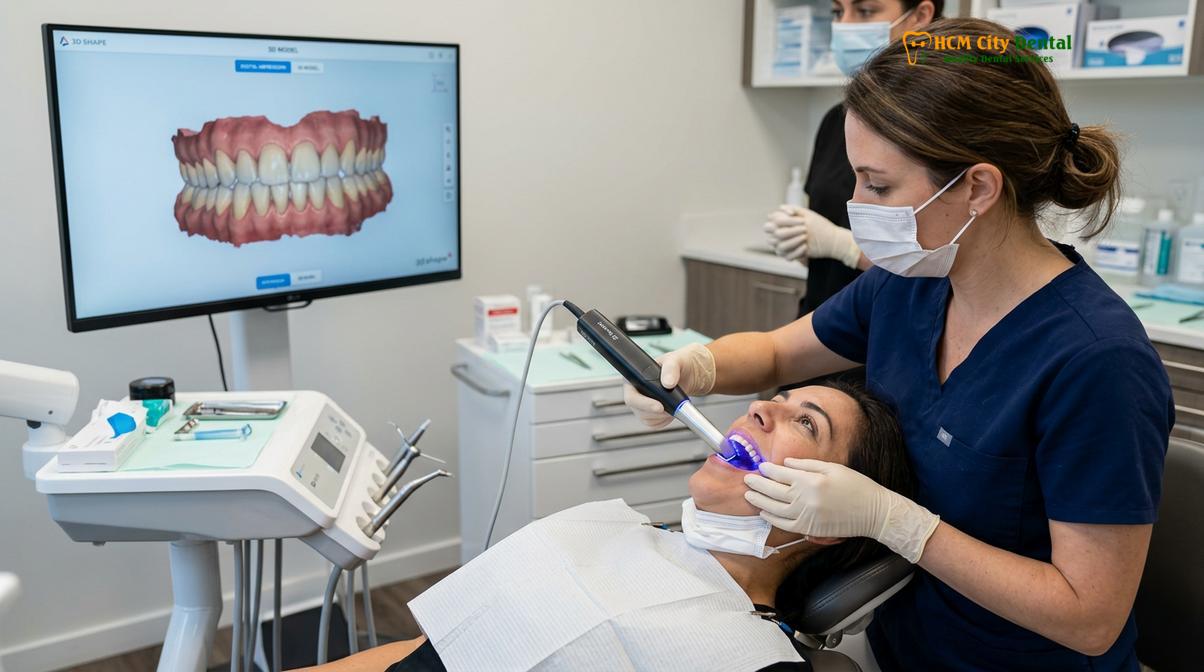
The foundation of any successful adult orthodontic case is the diagnostic phase. Unlike adolescents, adults have a higher prevalence of gingivitis or periodontitis. Before any brackets are placed or aligners are delivered, the patient must undergo a strict periodontal evaluation. Active gum disease must be fully arrested, as applying orthodontic forces to inflamed periodontal tissues will rapidly accelerate bone loss. The diagnostic workup includes a digital panoramic radiograph to assess root morphology and bone levels, a lateral cephalometric radiograph to evaluate skeletal relationships, and intraoral 3D scanning. These digital impressions eliminate the need for uncomfortable traditional putty and provide a highly accurate baseline for treatment planning.
Phase 2: Appliance Selection and Bonding
Once the treatment plan is finalized, the appliance is selected based on the patient’s clinical needs and financial parameters. If the patient opts for inexpensive braces for adults, traditional metal brackets are meticulously bonded to the exact center of the clinical crown using a specialized light-cured composite resin. The precision of this initial bracket placement is critical; accurate bonding dictates the final three-dimensional position of the tooth, reducing the need for complex wire bending later in treatment and thereby shortening the overall treatment time[4]. For patients utilizing self-ligating systems, the specialized doors on the brackets reduce friction and can sometimes extend the intervals between adjustment appointments, offering a convenience factor for busy adults.
Phase 3: Active Alignment and Biomechanical Adjustments
During the active phase, patients return to the clinic periodically (typically every 4 to 8 weeks) for adjustments. In the initial stages, highly flexible NiTi archwires are utilized. These wires possess shape-memory properties; when engaged into the misaligned brackets, the wire gently attempts to return to its original U-shape, exerting a continuous, light force that initiates tooth movement. As the teeth align, the clinician progresses to thicker, more rigid stainless steel wires to detail the occlusion and close any remaining extraction spaces. Throughout this phase, the clinician continuously monitors the health of the gingiva and the stability of the TMJ.
Phase 4: Debonding and Critical Retention
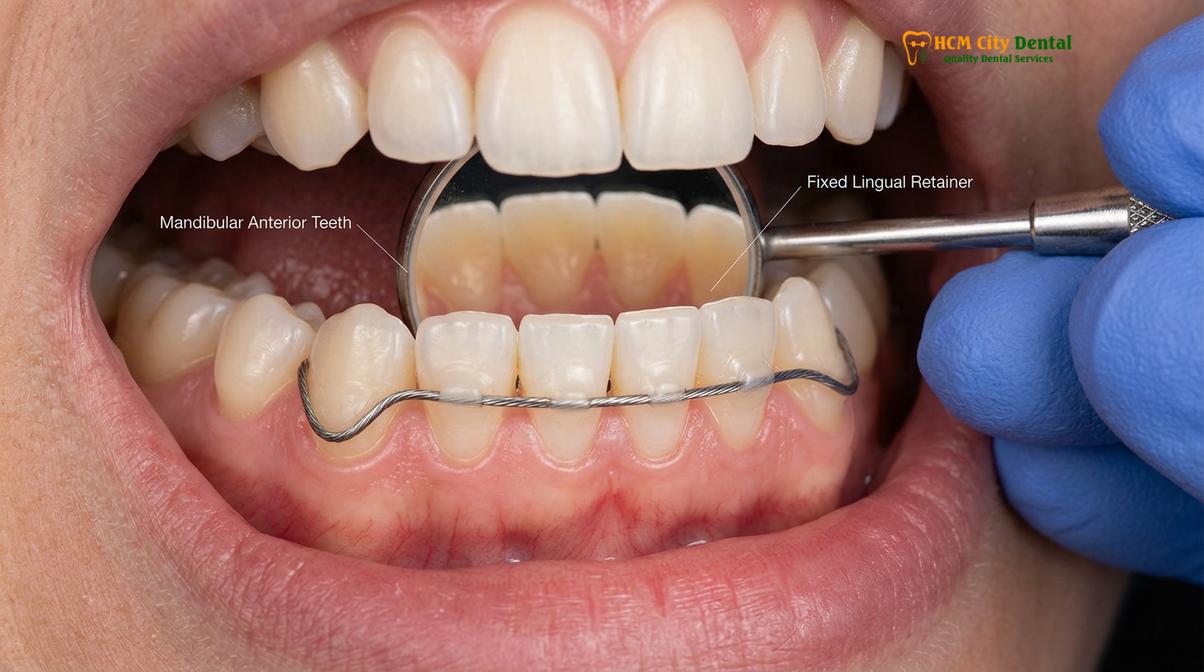
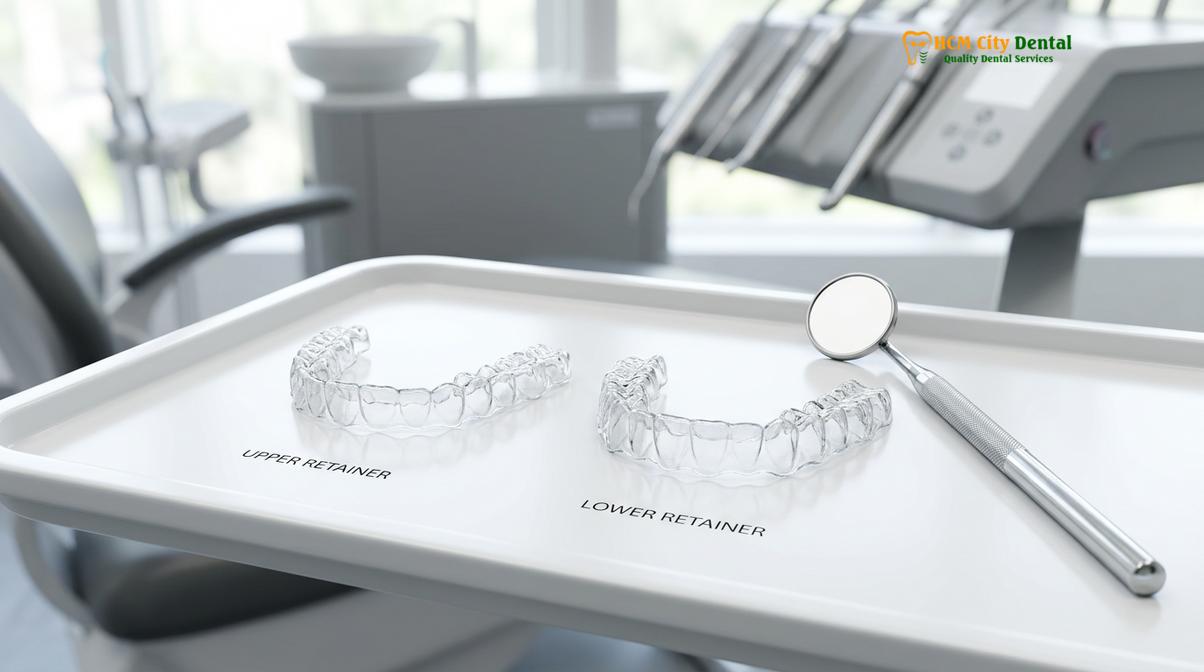
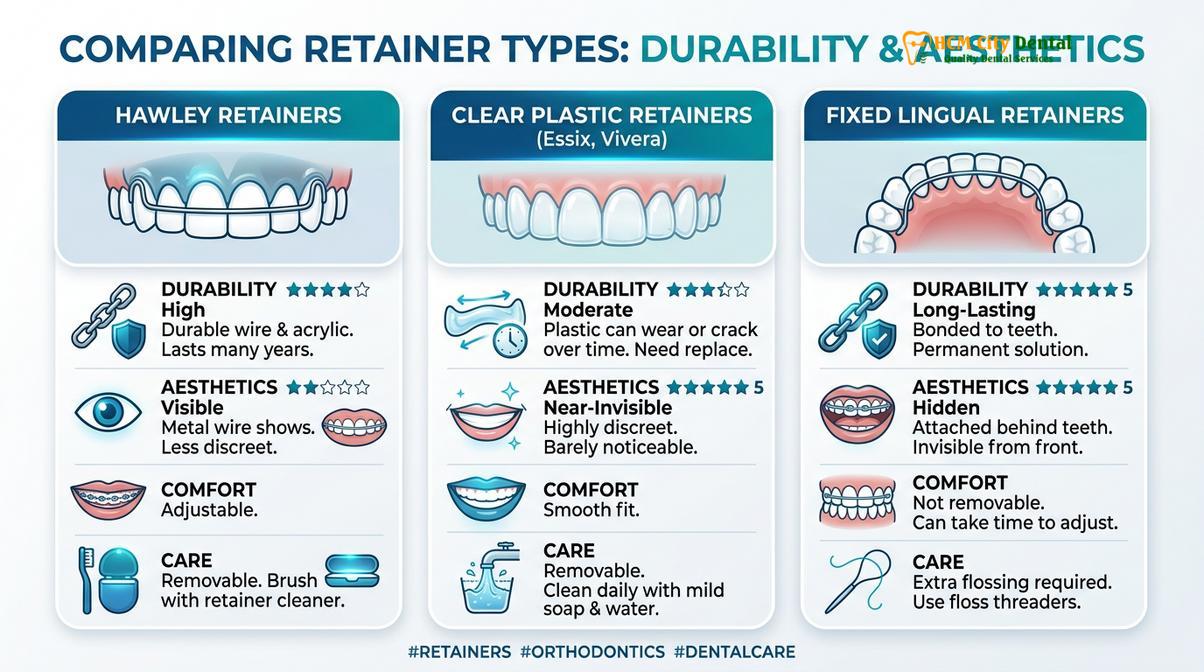
The final, and arguably most important, phase of adult orthodontics is retention. Adult teeth have a strong tendency to relapse toward their original positions due to the elastic memory of the transseptal fibers in the gingiva. Once the active appliances are removed, patients are fitted with retainers. Cost-effective retention strategies usually involve a combination of a fixed lingual wire bonded to the back of the lower anterior teeth and a removable clear Essix retainer for the upper arch. Strict adherence to the prescribed retention protocol is mandatory to protect the financial and clinical investment made during the active treatment phase.
Case Study: Achieving Optimal Alignment on a Budget
This clinical case demonstrates how severe adult crowding can be successfully and affordably resolved using traditional metal braces and a structured financial plan, without compromising functional outcomes.
Clinical Case Profile: Adult Orthodontic Management
Patient Presentation: A 32-year-old male presented to HCMC Dental Clinic in Ho Chi Minh City with a chief complaint of severe lower anterior crowding and difficulty maintaining proper oral hygiene. The patient expressed a strong desire for functional improvement but was highly concerned about the overall braces cost.
Clinical Findings: Intraoral examination and cephalometric analysis revealed a Class I skeletal pattern with severe localized crowding in the mandibular anterior sextant. Periodontal probing depths were within normal limits (2-3mm), indicating excellent bone health suitable for orthodontic movement.
Treatment Strategy: Dr. Nguyen Van Cuong designed a conservative treatment plan utilizing traditional stainless steel brackets, identified as the most inexpensive braces for adults that could still deliver the robust biomechanical forces required for correcting severe overcrowding. To accommodate the patient’s budget, the clinic’s financial coordinator established a 18-month interest-free braces payment plan.
Clinical Outcome: Through precise bracket placement and a sequenced progression of NiTi to stainless steel archwires, full alignment and ideal overjet/overbite relationships were achieved in exactly 16 months. The patient was debonded and provided with a fixed lower lingual retainer to ensure long-term stability. The case highlights that affordable orthodontics, when executed by a skilled specialist, yields world-class clinical results.
This case exemplifies that financial constraints do not necessitate a compromise in the quality of care. By selecting the most efficient materials and utilizing modern financing structures, adult patients can achieve a healthy, stable, and aesthetic occlusion[5].
When to See a Doctor for Orthodontic Evaluation
Adults should seek a professional orthodontic evaluation if they experience any signs of malocclusion that interfere with daily function or oral health. Unlike cosmetic concerns, functional orthodontic issues can lead to progressive dental deterioration if left untreated. You should schedule a consultation with a certified orthodontist if you notice chronic difficulty or pain while chewing, which may indicate a traumatic bite relationship. Additionally, frequent biting of the inner cheeks or the roof of the mouth is a clear sign of severe crossbite or deep bite.
Furthermore, adults experiencing unexplained temporomandibular joint (TMJ) pain, chronic tension headaches, or a clicking sensation in the jaw should be evaluated, as these symptoms are often exacerbated by a misaligned bite. If you notice abnormal or accelerated wear on the biting surfaces of your teeth (attrition), or if your teeth appear to be shifting or flaring outward over time, immediate clinical assessment is required. Finally, if severe crowding makes it impossible to floss effectively, leading to recurrent gingivitis or localized bone loss, orthodontic intervention is not just an aesthetic choice, but a medical necessity to preserve the dentition.
“Adult orthodontics is fundamentally about preservation. By aligning the teeth into a harmonious functional relationship, we distribute masticatory forces evenly, thereby protecting the enamel from premature wear and safeguarding the periodontal structures for decades to come.”
— Clinical Orthodontic Consensus
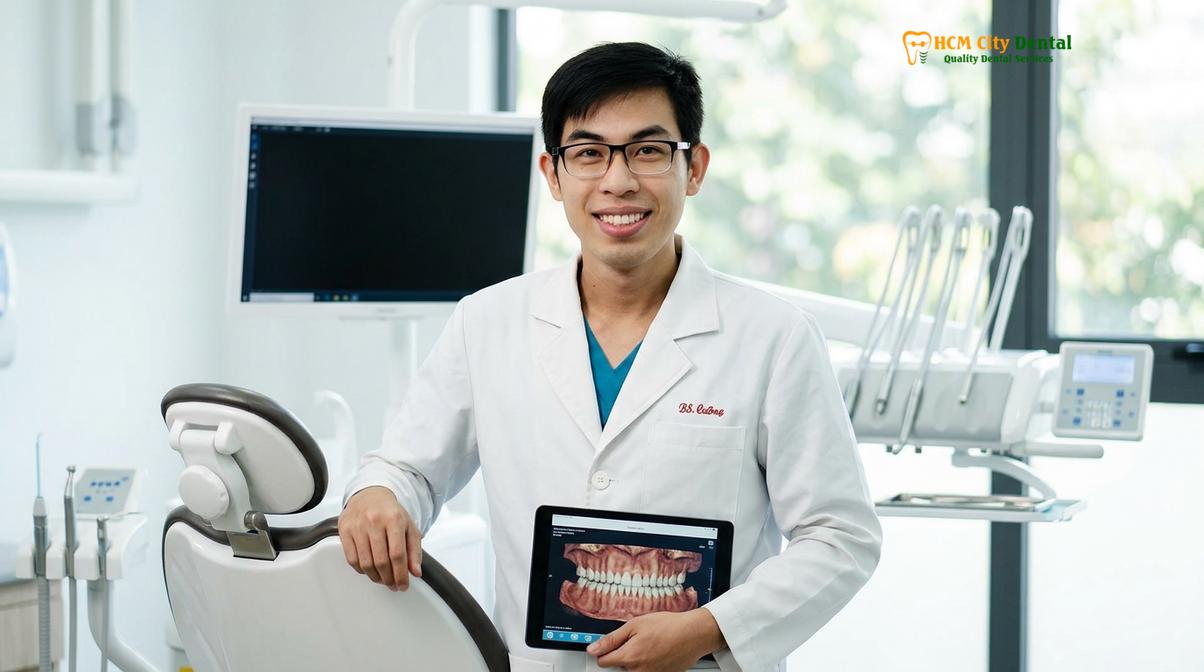
Whether you are exploring various styles of braces or comparing the efficacy of clear aligners, a comprehensive in-person evaluation is the only way to receive an accurate diagnosis and a transparent breakdown of your treatment options. At HCMC Dental Clinic, our specialists are dedicated to providing evidence-based care tailored to both your clinical needs and your financial realities.
Frequently Asked Questions
What is the most inexpensive type of braces for adults?
Traditional metal braces are generally the most inexpensive braces for adults. They offer highly predictable clinical outcomes for complex malocclusions and are typically priced lower than ceramic brackets or comprehensive clear aligner systems. Because the materials are highly durable and do not require expensive third-party laboratory fabrication, metal braces remain the most cost-effective solution for achieving a healthy, functional bite.
Can I get braces payment plans to manage the cost?
Yes, most orthodontic clinics offer structured braces payment plans. These plans allow patients to divide the total treatment cost into manageable monthly installments, often with zero or low interest, making care highly accessible. Typically, a down payment is required at the start of treatment to cover diagnostic records and initial appliance placement, with the remaining balance spread over the 12 to 24 months of active treatment.
Are cheap direct-to-consumer aligners safe?
Direct-to-consumer aligners are not recommended for comprehensive orthodontic movement. Without in-person clinical supervision and radiographic monitoring, these cheap braces alternatives carry a high risk of irreversible root resorption, bite misalignment, and periodontal damage. Safe tooth movement requires a doctor to evaluate bone levels, monitor the health of the roots, and adjust biomechanical forces in real-time, which mail-order systems cannot provide.
Does dental insurance cover adult braces?
Dental insurance coverage for adult orthodontics varies significantly by policy. While some premium plans offer a lifetime orthodontic maximum that reduces your out-of-pocket braces cost, many standard plans strictly limit coverage to pediatric patients. It is highly recommended to have your clinic’s financial coordinator perform a complimentary benefits check prior to your consultation to determine your exact coverage and out-of-pocket responsibilities.
How long do adults typically need to wear braces?
Adult orthodontic treatment typically lasts between 12 to 36 months. The exact duration depends on the severity of the malocclusion, the biological response of the periodontal tissues, and the patient’s compliance with clinical instructions. Because adult bone is denser and no longer growing, tooth movement requires continuous, light forces, making the process slightly longer than adolescent treatment, but equally effective when managed by a specialist.
References
- American Journal of Orthodontics and Dentofacial Orthopedics. Biomechanical considerations in adult orthodontic treatment. (2021).
- Journal of Clinical Orthodontics. Material properties and friction mechanics of stainless steel versus ceramic brackets. (2020).
- International Journal of Dentistry. The impact of direct-to-consumer orthodontics on periodontal health and root resorption. (2022).
- European Journal of Orthodontics. Long-term stability and retention protocols in adult orthodontic patients. (2019).
- Journal of the American Dental Association. Cost-effectiveness and patient satisfaction in adult clear aligner therapy. (2023).