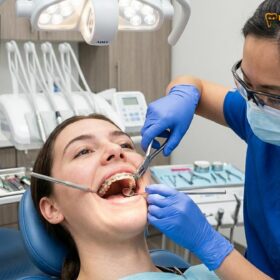
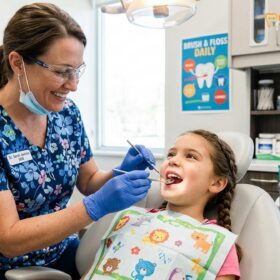
The braces before and after transformation involves complex biological bone remodeling to correct malocclusions, align teeth, and harmonize facial aesthetics. By applying continuous, controlled forces, orthodontic treatment shifts teeth into optimal functional positions, dramatically improving both oral health and the patient’s overall facial profile.
Clinical Summary:
Orthodontic treatment is a sophisticated medical intervention that goes far beyond simple cosmetic enhancement. The journey of braces before and after relies on the precise manipulation of the periodontal ligament and alveolar bone through osteoclastic and osteoblastic activity. This biomechanical process not only resolves dental crowding, spacing, and bite discrepancies but also frequently results in profound improvements to facial symmetry and soft tissue support. Achieving these optimal outcomes requires meticulous diagnostic planning, the selection of appropriate orthodontic modalities, and rigorous patient compliance with oral hygiene protocols to prevent decalcification. Post-treatment retention is equally critical to ensure the long-term stability of the newly established occlusion and aesthetic harmony.
Key Takeaways:
- Orthodontic tooth movement is driven by cellular bone remodeling in response to sustained mechanical forces.
- Correcting severe malocclusions can significantly enhance facial aesthetics, including jawline definition and lip posture.
- Comprehensive diagnostics, including cephalometric and panoramic imaging, are mandatory for predictable treatment outcomes.
- Maintaining pristine oral hygiene is critical to prevent enamel demineralization and gingival inflammation during treatment.
- Lifelong retention protocols are necessary to prevent orthodontic relapse and maintain the corrected bite.
The Clinical Reality of Braces Before and After Transformations
The transformation seen in braces before and after cases is the result of precise biomechanical forces inducing cellular bone remodeling, allowing teeth to migrate safely through the jawbone into their ideal functional positions.
When patients seek information about teeth braces, they are often captivated by the dramatic visual transformations. However, from a clinical perspective, orthodontics is a complex biological process. The movement of teeth through the alveolar bone is mediated by the periodontal ligament (PDL), a highly vascularized connective tissue that anchors the tooth roots to the surrounding bone. When an orthodontist applies force via brackets and archwires, it creates zones of compression and tension within the PDL.[1]
In the compression zone, blood flow is temporarily reduced, triggering the recruitment of osteoclasts—specialized cells that resorb (break down) the adjacent bone, clearing a path for the tooth to move. Simultaneously, in the tension zone, osteoblasts are activated to deposit new bone tissue, stabilizing the tooth in its new position. This delicate balance of bone resorption and apposition is the fundamental mechanism behind every successful braces before and after result. If forces are applied too heavily or rapidly, it can lead to hyalinization (tissue necrosis) or root resorption, which is why orthodontic adjustments must be carefully calibrated by a specialist.
“Orthodontic treatment is not merely about straightening teeth; it is about engineering a stable, functional occlusion while respecting the biological limits of the patient’s periodontal tissues. The aesthetic transformation is the natural byproduct of achieving physiological harmony.” – Dr. Nguyen Van Cuong
The timeline for these biological changes varies depending on the severity of the malocclusion, the patient’s age, and their metabolic bone turnover rate. While initial alignment changes may be visible within the first few months, comprehensive bite correction—such as leveling the Curve of Spee or correcting transverse discrepancies—requires sustained, controlled forces over a period of 12 to 36 months. Understanding this biological reality helps patients set realistic expectations for their orthodontic journey.
How Facial Aesthetics Change Post-Treatment
Beyond straightening teeth, orthodontic treatment can profoundly alter facial aesthetics by repositioning the jaws, enhancing lip support, and improving the overall symmetry of the lower facial third.
One of the most compelling aspects of a braces before and after transformation is the impact on the patient’s facial profile. The position of the anterior teeth directly dictates the posture of the upper and lower lips. When a patient presents with severe protrusion (overjet), the upper lip may appear flared or strained when attempting to close the mouth (lip incompetence). By utilizing Orthodontics to retract these anterior teeth, the lips can relax into a more natural, harmonious position, often enhancing the nasolabial angle and refining the profile.[2]
Conversely, in cases of an underbite (Class III malocclusion), where the lower jaw and teeth protrude ahead of the upper jaw, the midface may appear sunken. Orthodontic intervention, sometimes combined with orthognathic surgery in severe adult cases, can advance the upper dentition and retract the lower, restoring balance to the facial thirds and creating a more defined, aesthetically pleasing jawline. For patients exploring correcting excessive overjet, the soft tissue changes are often as rewarding as the dental alignment itself.
To illustrate the correlation between malocclusion correction and facial changes, consider the following clinical expectations:
| Type of Malocclusion | Clinical Description | Expected Facial Aesthetic Changes Post-Treatment |
|---|---|---|
| Severe Overjet (Protrusion) | Upper anterior teeth flare forward significantly past the lower teeth. | Reduction in upper lip prominence; improved lip competence; softer profile. |
| Deep Overbite | Upper teeth excessively overlap the lower teeth vertically. | Lengthening of the lower facial third; stronger chin appearance; reduced “gummy” smile. |
| Underbite (Class III) | Lower teeth and jaw protrude ahead of the upper dentition. | Midface support improvement; reduction of prominent lower chin; balanced profile. |
| Open Bite | Anterior teeth do not touch when posterior teeth are closed. | Improved lip seal; reduction in facial elongation; enhanced chewing function. |
| Severe Crowding | Insufficient arch space causing overlapping and rotated teeth. | Broader, fuller smile arc; improved buccal corridors (less dark space in the corners of the smile). |
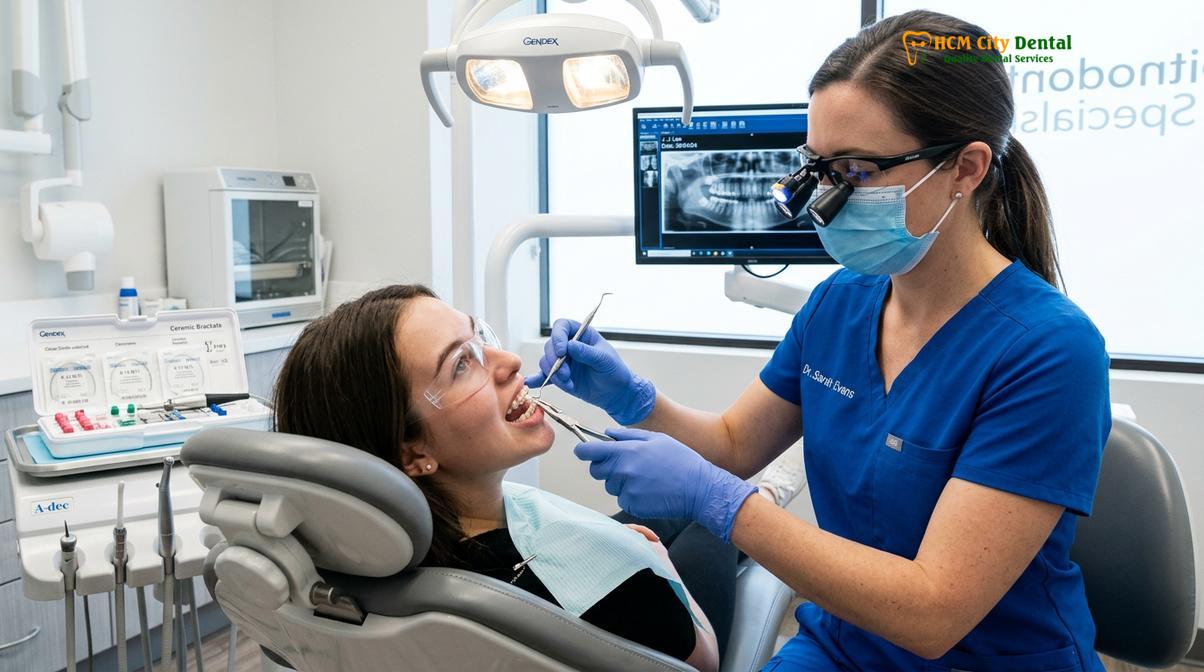
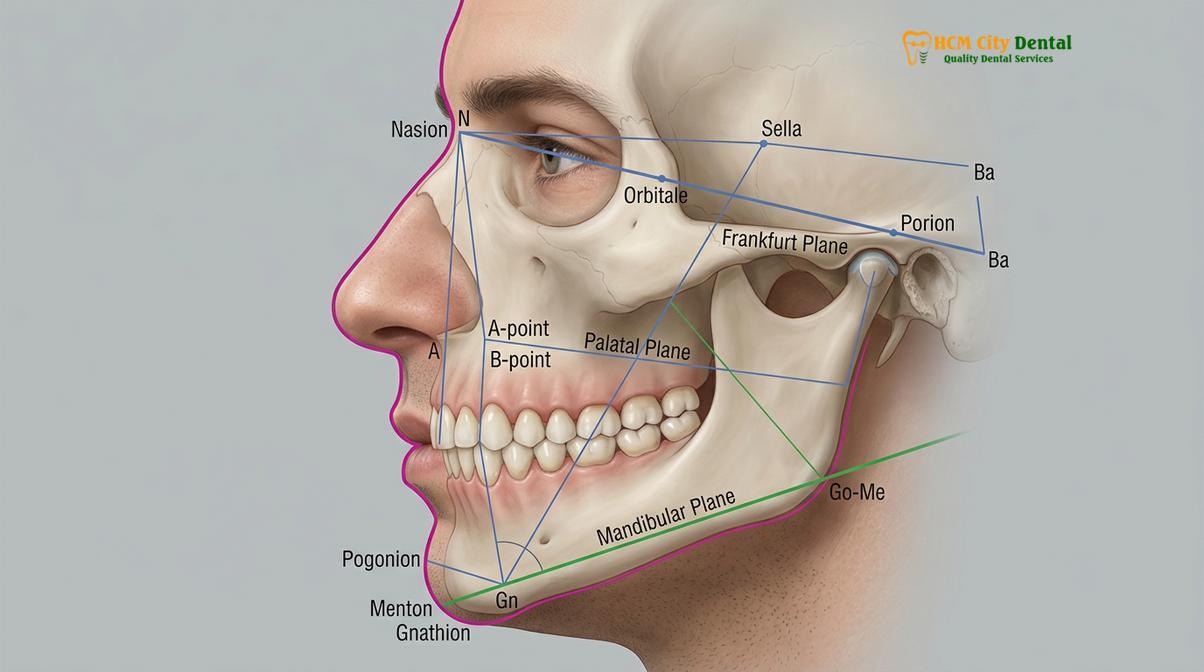
These facial changes are meticulously planned during the diagnostic phase using cephalometric radiography. By analyzing the angular relationships between the cranial base, the maxilla, the mandible, and the teeth, orthodontists can predict how tooth movement will influence the overlying soft tissues, ensuring that the final result enhances the patient’s natural beauty.
Step-by-Step Orthodontic Workflow at HCMC Dental Clinic
A successful orthodontic outcome relies on a structured clinical workflow, encompassing comprehensive diagnostics, precise appliance bonding, phased adjustments, and rigorous retention protocols.
Achieving a predictable braces before and after result requires a highly systematic approach. At HCMC Dental Clinic in Ho Chi Minh City, the orthodontic workflow is divided into several distinct clinical phases, ensuring that every aspect of the patient’s oral health and biomechanical response is monitored and optimized.
Phase 1: Comprehensive Diagnostics and Treatment Planning
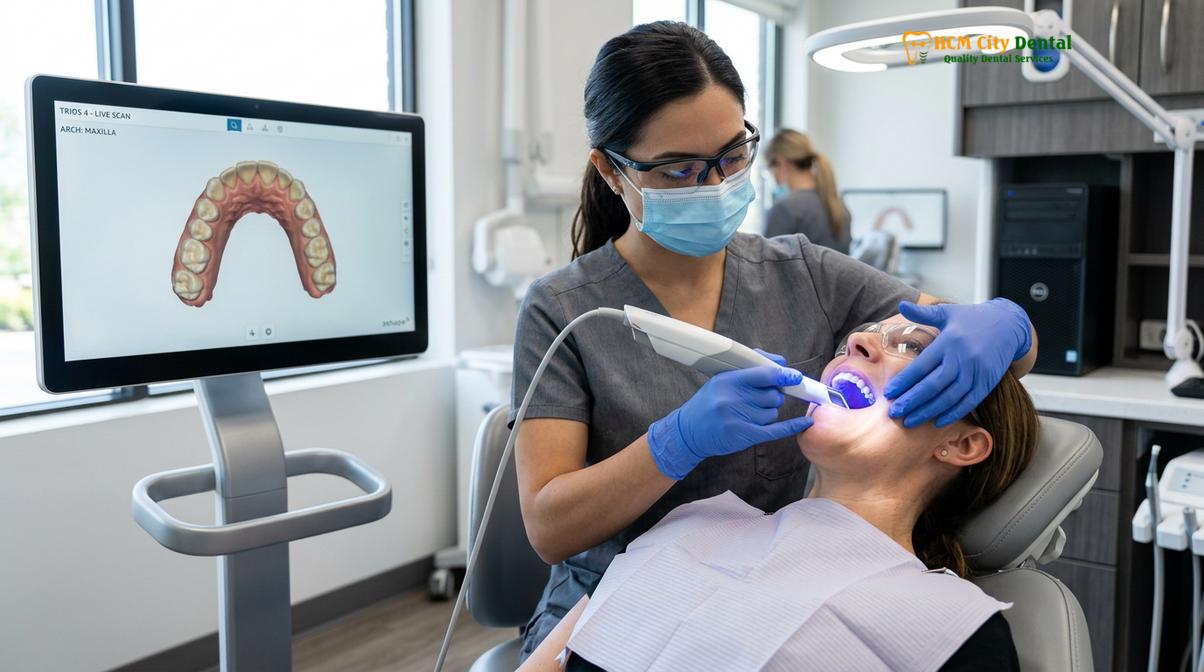
The journey begins with a thorough clinical examination. This includes capturing high-resolution intraoral and extraoral photographs, panoramic and cephalometric radiographs, and digital 3D intraoral scans. These diagnostic records allow the orthodontist to evaluate root morphology, bone density, airway volume, and temporomandibular joint (TMJ) health. Based on this data, a customized treatment plan is formulated, determining whether extractions are necessary, which type of brackets are the best braces for teeth in this specific case, and the estimated duration of treatment.
Phase 2: Bonding and Initial Alignment
Once the plan is finalized, the active phase begins with the bonding of brackets. The tooth surfaces are isolated, etched with a mild phosphoric acid to create microscopic retentive patterns, and primed. The brackets are then precisely positioned on the anatomical center of each clinical crown using a light-cured composite resin. The initial archwires, typically made of highly flexible Nickel-Titanium (NiTi), are engaged. These wires possess shape-memory properties, applying gentle, continuous forces to begin unraveling treating severe dental overcrowding and leveling the dental arches.
Clinical Case Review: A 24-year-old patient presented to HCMC Dental Clinic in Ho Chi Minh City with severe anterior crowding and a bilateral crossbite. After comprehensive diagnostics, a non-extraction treatment plan utilizing self-ligating brackets was initiated. Within the first 6 months (the leveling and aligning phase), the crossbite was corrected, and the anterior teeth were successfully unraveled. The final braces before and after records at 22 months revealed a perfectly interdigitated Class I occlusion and a significantly broadened, aesthetic smile arc.
Phase 3: The Working Phase and Bite Correction
As the teeth become aligned, the orthodontist transitions to stiffer, thicker archwires (such as Stainless Steel or Titanium Molybdenum Alloy). This is known as the working phase, where major bite corrections occur. During this time, the clinician may utilize intraoral elastics, power chains, or temporary anchorage devices (TADs) to close extraction spaces, correct midline deviations, and establish proper overjet and overbite relationships. This phase requires meticulous attention to detail and strict patient compliance with elastic wear.
Phase 4: Finishing, Detailing, and Debonding
The final months of active treatment are dedicated to finishing and detailing. The orthodontist makes micro-adjustments to individual tooth positions, ensuring optimal root parallelism, marginal ridge alignment, and precise intercuspation (how the upper and lower teeth fit together). Once clinical perfection is achieved, the brackets are carefully removed (debonded), and the residual composite resin is polished away, revealing the final aesthetic result.
Comparing Orthodontic Modalities: Metal, Ceramic, and Clear Aligners
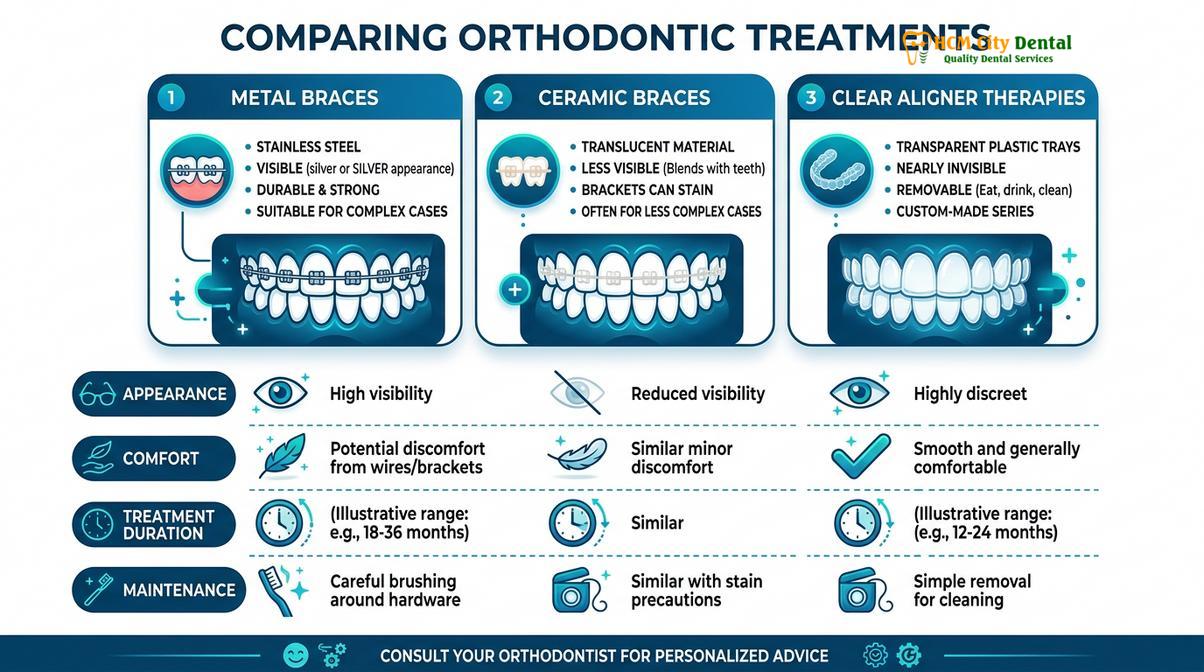
Modern orthodontics offers various modalities, including traditional metal brackets, aesthetic ceramic options, and clear aligner therapy, each with specific biomechanical advantages and clinical indications.
When evaluating the best braces for teeth, patients and clinicians must weigh factors such as the complexity of the malocclusion, aesthetic preferences, lifestyle, and budget. The mechanics of tooth movement remain fundamentally the same across systems, but the delivery of force varies significantly.[3]
Traditional Metal and Self-Ligating Braces
Traditional metal braces remain the gold standard for treating highly complex orthodontic cases. Constructed from high-grade stainless steel, they offer unparalleled control over three-dimensional tooth movement (tip, torque, and rotation). For patients seeking advanced mechanics, self-ligating bracket systems utilize a specialized sliding door mechanism rather than elastic ties to hold the archwire. This reduces friction within the bracket slot, potentially allowing for more efficient tooth movement, easier oral hygiene, and fewer adjustment appointments. They are often considered highly effective, cost-effective orthodontic solutions for adults.
Ceramic (Clear) Braces
For patients who require the biomechanical control of fixed appliances but desire a more discreet appearance, ceramic braces are an excellent alternative. The brackets are fabricated from translucent polycrystalline alumina, which blends seamlessly with the natural enamel color. While highly aesthetic, ceramic brackets are slightly more brittle than metal and can cause wear on opposing teeth if they come into direct contact during chewing. Therefore, they are typically placed only on the upper arch or in cases where the bite allows for safe placement.
Clear Aligner Therapy (Invisalign)
Clear aligner therapy represents a paradigm shift in orthodontics. Instead of fixed brackets and wires, this system uses a series of custom-fabricated, removable thermoplastic trays to incrementally move teeth. Advanced software allows the clinician to plan the entire braces before and after transformation digitally before treatment even begins. Aligners offer superior aesthetics, comfort, and the ability to maintain normal oral hygiene routines. However, their success is heavily dependent on patient compliance (wearing the trays 20-22 hours per day). When evaluating the clinical efficacy of clear aligners versus traditional brackets, aligners excel in mild to moderate crowding and spacing but may require auxiliary attachments or hybrid approaches for severe skeletal discrepancies. For more details on this modality, patients can explore clear aligner therapy options.
Regardless of the chosen system, accessing comprehensive orthodontic options ensures that the treatment is tailored to the patient’s specific anatomical needs and lifestyle requirements.
Oral Hygiene During Treatment to Prevent Braces Stains
Maintaining impeccable oral hygiene during orthodontic treatment is paramount to prevent plaque accumulation, gingival inflammation, and the development of permanent white spot lesions on the enamel.
One of the most common concerns patients have when researching about teeth braces is the risk of damaging their enamel. The intricate architecture of brackets, wires, and elastic ties creates numerous retentive areas where dental plaque and food debris can easily accumulate. If this biofilm is not effectively removed, the cariogenic bacteria within it produce lactic acid, which leaches calcium and phosphate minerals from the enamel. This demineralization process results in opaque, chalky marks known as white spot lesions, which are essentially early-stage cavities. When the brackets are removed, these lesions become highly visible, detracting from the beautiful braces before and after result.[4]
To combat this, patients frequently ask: is electric toothbrush good for braces? The clinical consensus is a resounding yes. Electric toothbrushes, particularly those with oscillating-rotating or sonic technology, are vastly superior to manual brushing for orthodontic patients. The rapid bristle movement effectively disrupts the sticky plaque biofilm around the brackets and along the gingival margin without requiring excessive manual force, which could otherwise damage the appliance or cause gum recession.
When determining what is the best toothbrush for braces, clinicians recommend models equipped with pressure sensors and specialized orthodontic brush heads. These brush heads often feature a unique bristle configuration—shorter bristles in the center to clean the bracket, and longer bristles on the periphery to clean the tooth surface and gumline simultaneously. In addition to electric brushing, interdental cleaning is non-negotiable. Floss threaders, orthodontic flossers, and interdental brushes (proxy brushes) must be used daily to clean beneath the archwire and between the contact points of the teeth.
Clinical Warning: Failure to maintain adequate oral hygiene during orthodontic treatment can lead to severe decalcification (braces stains), hyperplastic gingivitis, and periodontal bone loss. In cases of chronic, severe non-compliance, the orthodontist may be forced to prematurely terminate treatment and remove the appliances to prevent irreversible damage to the dentition.
Furthermore, dietary modifications are essential. Patients must avoid hard, sticky, and crunchy foods that can dislodge brackets or bend archwires, leading to treatment delays. Minimizing the frequency of sugary and highly acidic beverage consumption is equally critical to maintaining a neutral oral pH and protecting the enamel integrity throughout the treatment duration.
When to See an Orthodontist for an Evaluation
Determining the optimal time to seek orthodontic evaluation is crucial for maximizing clinical outcomes and minimizing treatment complexity. The American Association of Orthodontists recommends that all children receive their first comprehensive orthodontic screening by age seven. At this developmental stage, the first permanent molars and incisors have typically erupted, allowing the clinician to assess the developing bite, monitor jaw growth, and identify potential issues such as crossbites, severe crowding, or ectopic eruptions.
Early intervention, known as Phase I orthodontics, can utilize the child’s active growth to guide jaw development, create space for erupting permanent teeth, and correct harmful oral habits (like thumb sucking or tongue thrusting). This proactive approach often simplifies or entirely eliminates the need for extensive Phase II (full braces) treatment later in adolescence.
“Age should never be a barrier to achieving a healthy, functional smile. While early intervention is ideal for modifying skeletal growth, adult bone responds exceptionally well to modern biomechanical forces. A healthy periodontium is the only prerequisite for successful adult orthodontics.” – Dr. Nguyen Van Cuong
For adults, the decision to pursue a braces before and after transformation is often driven by a combination of aesthetic desires and functional concerns. Adults should seek an orthodontic consultation if they experience difficulty chewing, chronic jaw pain (TMJ disorders), excessive wear on their enamel due to a misaligned bite, or increasing difficulty maintaining oral hygiene due to progressive dental crowding. Because adults are no longer growing, treatment focuses strictly on dentoalveolar movement, and in cases of severe skeletal discrepancy, interdisciplinary care involving orthognathic surgery or periodontics may be required.[5]
Ultimately, a personalized clinical examination is the only way to determine the most appropriate treatment modality, timeline, and expected outcomes. Patients are encouraged to schedule a comprehensive diagnostic consultation to explore their options and embark on their journey toward optimal oral health and aesthetic harmony.
Frequently Asked Questions
Do braces permanently change your face shape?
Yes, braces can alter your lower facial profile by repositioning the jaw and teeth. By correcting severe overbites or underbites, orthodontic treatment improves facial symmetry, enhances the jawline, and optimizes soft tissue support around the lips and cheeks. However, these changes are generally limited to the lower third of the face and are most pronounced in cases involving significant skeletal or dental discrepancies.
How long does it take to see noticeable changes after getting braces?
Most patients begin to see visible alignment changes within four to six weeks of starting treatment. However, comprehensive structural and facial transformations typically require several months of continuous biomechanical force to fully manifest. The initial phase focuses on leveling and aligning the crowns, while the deeper, more complex root movements and bite corrections occur later in the treatment timeline.
Is an electric toothbrush good for braces?
Yes, an electric toothbrush is highly recommended for orthodontic patients. The oscillating or sonic vibrations effectively disrupt plaque around brackets and wires, significantly reducing the risk of decalcification and gingival inflammation during treatment. Models with specialized orthodontic brush heads and pressure sensors provide superior cleaning efficacy compared to manual brushing, helping to maintain pristine enamel health.
Can braces fix a severe overjet or protruding teeth?
Absolutely, braces are highly effective at correcting severe overjet. Through the use of specialized archwires, elastics, and sometimes temporary anchorage devices (TADs), orthodontists can retract protruding anterior teeth to achieve a functional and aesthetic bite. In cases where there is insufficient space in the dental arch, strategic extractions may be prescribed to allow for maximum retraction and profile improvement.
How can I prevent white spots or stains after my braces are removed?
Preventing white spot lesions requires rigorous daily oral hygiene, including interdental brushing and fluoride application. Minimizing sugary and acidic foods prevents enamel demineralization, ensuring the teeth remain uniformly colored once the brackets are debonded. Regular professional cleanings and the use of prescription-strength fluoride toothpaste during treatment can further fortify the enamel against acid attacks.
References
- American Journal of Orthodontics and Dentofacial Orthopedics. Biomechanics of bone remodeling during orthodontic tooth movement. (2020).
- Journal of Clinical Orthodontics. Soft tissue profile changes following severe malocclusion correction. (2019).
- Angle Orthodontist. Clinical efficacy of self-ligating brackets versus conventional systems. (2021).
- European Journal of Orthodontics. Etiology and prevention of white spot lesions during fixed appliance therapy. (2022).
- Journal of the American Dental Association. Long-term stability and periodontal health following orthodontic retention. (2018).