Patients pursuing clear aligner therapy in Vietnam typically require 2 to 4 primary clinic visits. The exact number depends on case complexity, whether you collect all aligners upfront, and your ability to attend periodic checkups versus utilizing remote monitoring with your orthodontist.
Clinical Summary:
Undergoing clear aligner therapy as an international patient requires strategic logistical and clinical planning. The standard protocol involves an initial diagnostic visit for 3D scanning and treatment design, followed by a second visit a few weeks later for attachment bonding and aligner delivery. Advanced remote monitoring technologies now allow orthodontists to track tooth movement digitally, significantly reducing the need for frequent physical appointments. This hybrid approach maintains high clinical standards while accommodating the schedules of patients traveling from abroad, ensuring precise biomechanical control throughout the orthodontic journey.
Key Takeaways:
- Standard international treatment plans typically require 2 to 4 in-person clinic visits.
- The first appointment focuses on comprehensive 3D intraoral scanning and digital diagnostics.
- The second appointment involves bonding composite attachments and delivering the aligner trays.
- Remote monitoring applications allow doctors to track clinical progress without physical checkups.
- Treatment duration generally ranges from 6 to 18 months, depending on malocclusion severity.
The Timeline: Structuring Your Invisalign Travel
Structuring an Invisalign travel schedule requires balancing essential clinical milestones with your personal itinerary to ensure optimal orthodontic outcomes and minimal disruption.
Embarking on orthodontic treatment abroad requires a meticulous understanding of the clinical workflow. For patients considering a dental tourist visit, the primary concern is often how to balance the necessity of professional medical oversight with the realities of international travel. Clear aligner therapy, unlike traditional fixed brackets and wires, offers a unique degree of flexibility that makes it highly suitable for remote management, provided the initial diagnostic and fitting phases are executed with absolute precision[1].
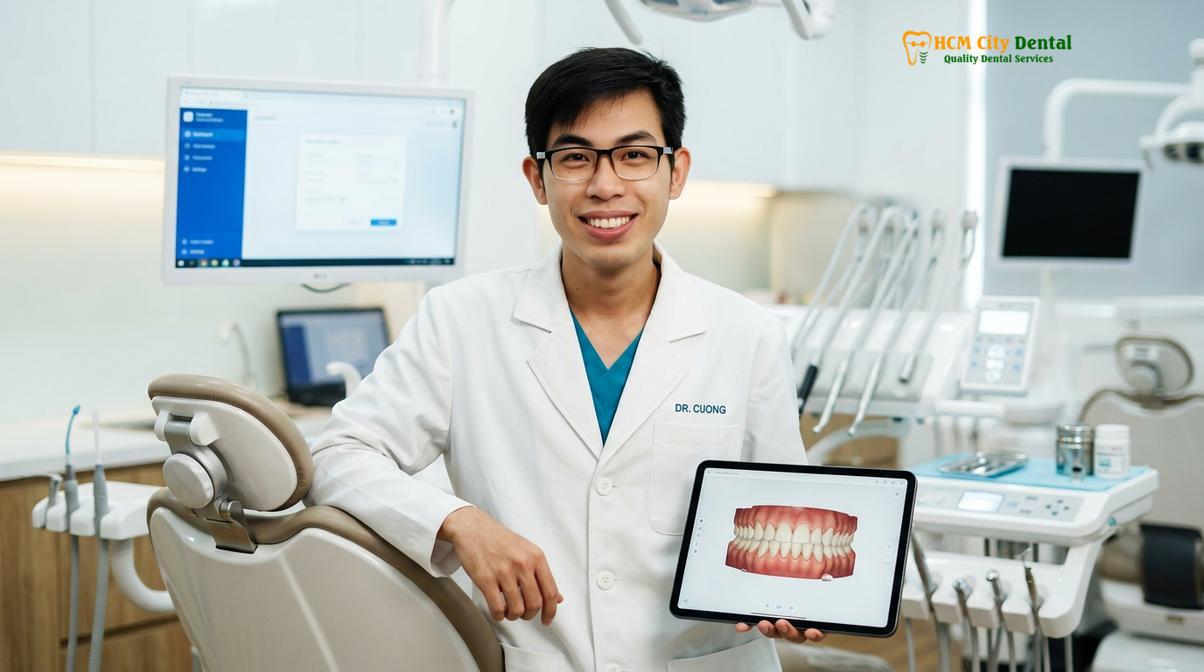
Dr. Nguyen Van Cuong, a leading specialist at HCMC Dental Clinic, emphasizes the importance of precise initial diagnostics for traveling patients. Dr. Cuong notes that international patients require a flawless digital foundation before returning home, ensuring that every millimeter of planned movement is biologically achievable. This meticulous approach minimizes the need for emergency visits and ensures the treatment stays on track regardless of the patient’s geographic location. Comprehensive planning is a cornerstone of Orthodontics tại HCMC Dental Clinic, where digital workflows streamline the patient experience.
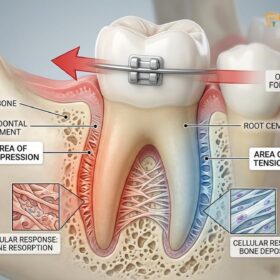
The biological foundation of clear aligners relies on the application of continuous, light forces to the periodontal ligament, stimulating osteoclastic and osteoblastic activity that facilitates bone remodeling and tooth movement. Because the aligners are pre-manufactured based on a predictive digital model, the physical presence of the patient in the dental chair is not required for the actual activation of these forces—the patient simply changes the trays at home. However, the initial setup, the placement of biomechanical anchors (attachments), and the verification of the aligner fit are critical steps that demand direct clinical intervention.
Phase 1: The Diagnostic Window
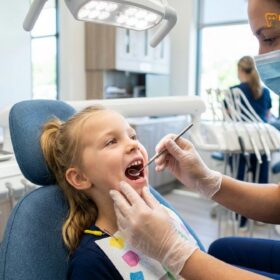
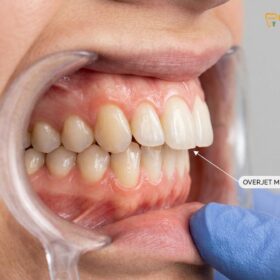
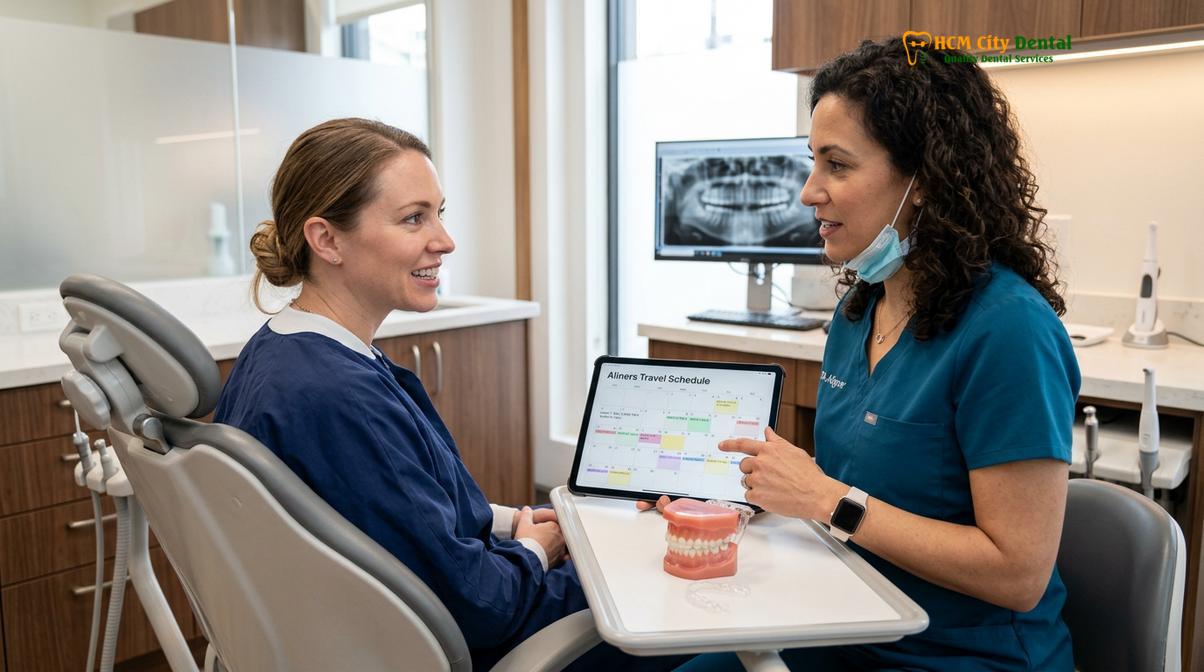
The first phase of your journey is the diagnostic window. This is the period during which the clinical data is gathered. Patients should expect to dedicate a few days to this phase. The initial consultation is not merely a visual inspection; it is a deep dive into the skeletal and dental architecture of the patient’s craniofacial structures. During this time, the orthodontist evaluates the patient’s candidacy for clear aligners, ruling out severe skeletal discrepancies that might necessitate orthognathic surgery or complex fixed appliance therapy.
Phase 2: The Active Treatment Window
Once the aligners are manufactured and delivered during the second visit, the active treatment window begins. For local patients, this phase involves brief visits every 6 to 8 weeks. For international patients, this phase is largely managed remotely. The patient assumes a significant degree of responsibility for their treatment outcome. Compliance is paramount; aligners must be worn for 20 to 22 hours per day to achieve the desired clinical results.
Visit 1: Intraoral Scanning, Diagnostics, and ClinCheck Setup
The initial consultation involves comprehensive 3D diagnostics, radiographic imaging, and the digital formulation of your customized ClinCheck treatment plan.
The foundation of any successful clear aligner therapy is the accuracy of the initial records. When you arrive for your first appointment, the clinical team will initiate a comprehensive diagnostic protocol. This begins with high-resolution digital photography, capturing extraoral facial profiles and intraoral occlusal relationships. These photographs are essential for evaluating facial symmetry, lip competence, and the aesthetic smile line, ensuring that the final tooth positions harmonize with the patient’s overall facial features.
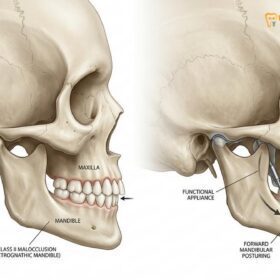
Following photography, radiographic imaging is conducted. A panoramic radiograph (OPG) is standard to assess the health of the jawbone, the presence of impacted teeth (such as third molars), and the root morphology of the dentition. In more complex cases, a lateral cephalometric radiograph may be taken to analyze the skeletal relationship between the maxilla and the mandible.
“The integration of high-fidelity intraoral scanning with predictive 3D modeling has revolutionized orthodontic diagnostics, allowing clinicians to visualize complex biomechanical movements and anticipate potential tracking errors before the first aligner is ever manufactured.”
The iTero Intraoral Scan
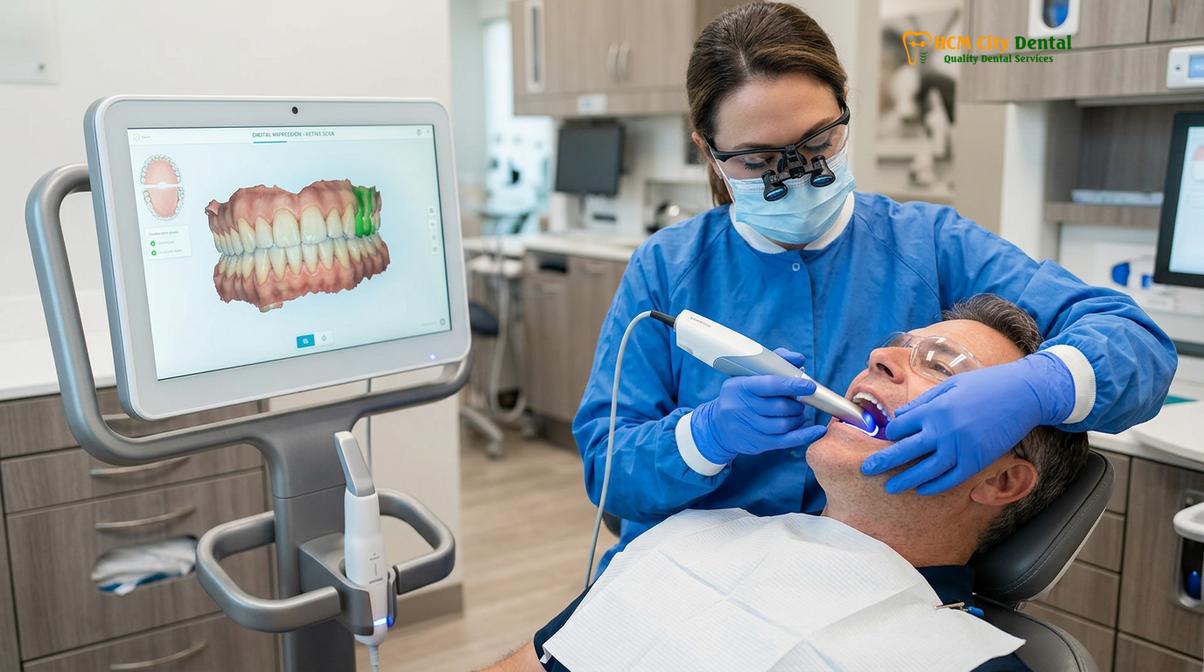
The cornerstone of the first visit is the intraoral scan. Traditional messy alginate or PVS impressions have been largely replaced by advanced optical scanners. This device captures thousands of images per second, stitching them together to create a highly accurate, full-color 3D model of the dental arches and gingival tissues[3]. The scanning process is comfortable, non-invasive, and takes only a few minutes, minimizing time spent in the dental chair.
The ClinCheck Digital Workflow
Once the 3D model is generated, it is uploaded to the proprietary ClinCheck software. This is where the clinical expertise of the orthodontist becomes paramount. The software’s algorithm will generate an initial proposal for tooth movement, but this is merely a starting point. The orthodontist must manually adjust the digital plan, staging the movements carefully. For example, if significant crowding is present, the doctor may program the software to perform sequential distalization (moving teeth backward one by one) before attempting to align the anterior teeth, thereby preventing unwanted flaring of the incisors.
Visit 2: Aligner Fitting, Attachment Placement, and IPR (if needed)
During the second appointment, the orthodontist bonds composite attachments, performs any necessary interproximal reduction, and verifies the fit of your first aligners.
The second visit is the most clinically intensive appointment of the entire process. This is the aligner fitting appointment, where the digital plan is translated into physical reality. When you return to the clinic, your custom series of aligners will have arrived. However, simply handing over the trays is not sufficient. To achieve complex tooth movements—such as extrusions, rotations of cylindrical teeth (like canines), or bodily translations—the aligners require additional grip. This is achieved through the use of composite attachments.
The Biomechanics of Composite Attachments
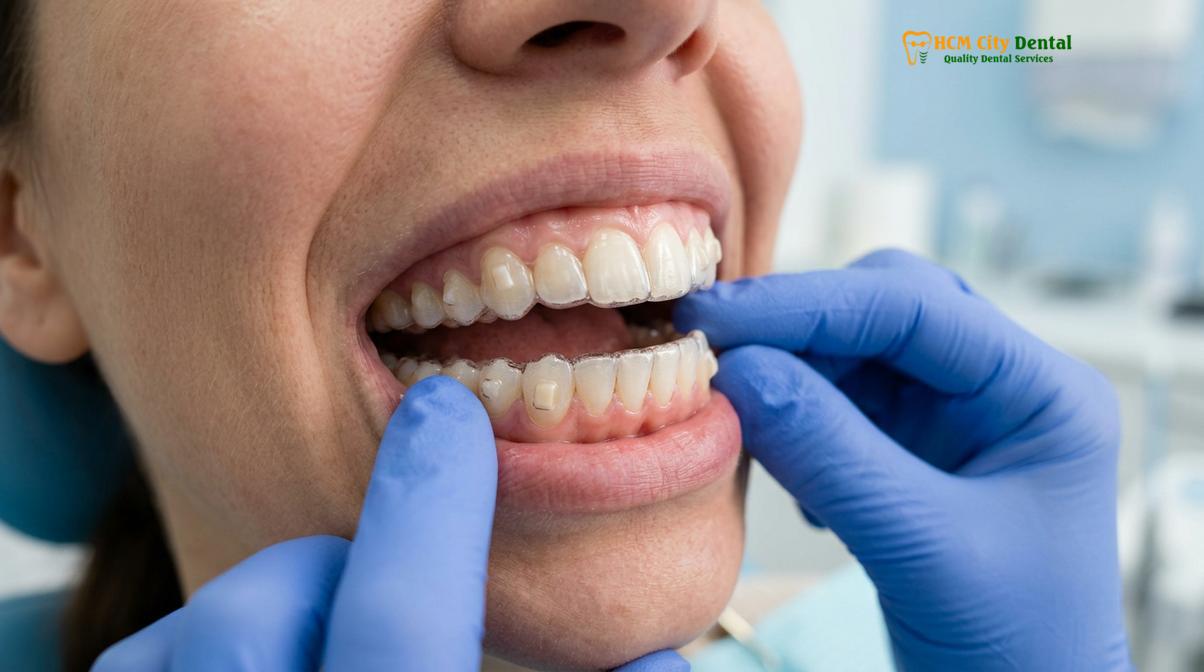
Attachments, sometimes referred to as engagers, are small, tooth-colored bumps made of dental composite resin. They are bonded directly to the enamel surface of specific teeth. The ClinCheck software dictates the exact size, shape, and location of these attachments based on the force vectors required for movement. For instance, a beveled rectangular attachment might be placed on a premolar to facilitate root torque, while an optimized rotation attachment might be placed on a canine.
The bonding protocol is meticulous. The enamel surface is isolated, etched with a mild acid to create microscopic retentive features, and primed. A template aligner, filled with the composite material, is seated over the teeth. The material is then cured using a specialized dental curing light. Once the template is removed, the attachments remain securely bonded to the teeth. They are virtually invisible but provide the necessary leverage for the thermoplastic material of the aligners to exert precise forces[4].
Interproximal Reduction (IPR) Protocols
Another critical procedure that may occur during this visit is Interproximal Reduction (IPR). IPR is the clinical process of carefully removing microscopic amounts of outer enamel from the contact points between adjacent teeth[2]. This is typically done using specialized diamond-coated strips or ultra-fine oscillating discs. The amount of enamel removed is minimal—usually between 0.2mm and 0.5mm per contact—and is strictly confined to the outer enamel layer, ensuring the tooth remains healthy and insensitive.
Follow-Up Visits: Checkups and Next Batch Aligner Collection
Subsequent visits are scheduled to monitor tooth movement, adjust attachments, and dispense the next series of aligner trays based on clinical progress.
For patients residing locally, the orthodontic checkup frequency is typically every 6 to 8 weeks. During these brief appointments, the clinician evaluates the tracking of the teeth, ensures all attachments are intact, and performs any additionally scheduled IPR. However, for international patients, returning to Vietnam every two months is rarely feasible. This is where the treatment protocol adapts to accommodate the patient’s geographical constraints.
The forces designed into the thermoplastic material degrade over time, which is why the trays are typically changed every 7 to 14 days, depending on the specific prescription and the biological response of the patient’s tissues. If the patient’s case is relatively straightforward and they demonstrate excellent compliance, the orthodontist may dispense all, or a significant majority, of the aligners during the second visit.
Remote Monitoring Integration
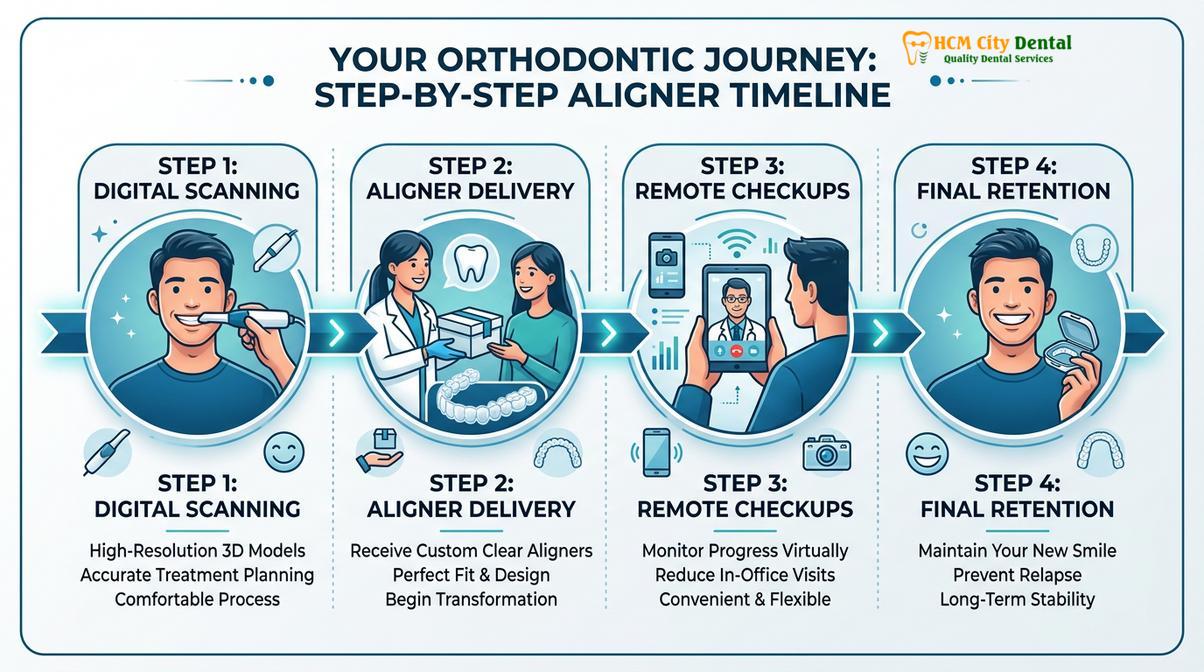
To bridge the geographical gap, modern orthodontic practices utilize advanced remote monitoring platforms. Patients are provided with a specialized cheek retractor and a smartphone application. Every one to two weeks, the patient uses their smartphone to capture a series of guided intraoral scans or photographs. These images are uploaded to a secure portal where the orthodontist reviews them. The clinician can assess whether the current aligner is fully seated, check for gingival inflammation, and verify that the teeth are tracking according to the simulation.
Clinical Case Review: A 32-year-old international patient visited HCMC Dental Clinic in Ho Chi Minh City for clear aligner therapy to resolve moderate anterior crowding. Due to work commitments abroad, the patient could only manage two physical visits. By utilizing a remote monitoring application, the clinical team successfully tracked the patient’s progress over 14 months. The patient submitted weekly intraoral scans, allowing the orthodontist to authorize aligner changes remotely. The treatment concluded successfully without the need for intermediate physical appointments, demonstrating the efficacy of digitally managed orthodontic care.
When to Seek Immediate Clinical Assistance
Understanding when to consult a dental professional is vital for preventing minor appliance issues from causing significant delays in your treatment timeline.
Important Clinical Note: Do not attempt to re-glue dislodged attachments or repair cracked aligners at home using over-the-counter adhesives. Improper repairs can introduce toxic materials into the oral cavity and apply incorrect, potentially damaging forces to the teeth.
While remote monitoring handles most of the treatment oversight, certain clinical situations require immediate professional attention. According to the Vietnam Association of Orthodontists (VAO) guidelines on clear aligner therapy, patients must be proactive in identifying biomechanical failures[6]. If a composite attachment dislodges, the specific force vector required for that tooth is lost. Furthermore, if an aligner cracks or warps due to improper removal or exposure to heat, the material properties and force degradation of the thermoplastic aligners are compromised, halting tooth movement[5].
“Patient compliance and immediate reporting of appliance damage are the most critical variables in the success of remotely monitored clear aligner therapy, preventing minor tracking deviations from becoming major clinical setbacks.”
In such events, patients should contact their provider immediately. If you are back in your home country, you might need to visit a local clinic for a minor repair, such as a broken fixed retainer repair or attachment replacement, before continuing your current tray sequence. Do not attempt to glue attachments back on yourself, as this requires professional dental adhesives and precise positioning.
Itinerary Summary: Designing Your Travel Around Your Smile
A well-planned dental vacation itinerary synchronizes your clinical appointments with your travel schedule, minimizing downtime while maximizing treatment efficiency.
Creating a seamless dental vacation itinerary requires clear communication with your chosen clinic prior to booking flights. The goal is to maximize clinical efficiency while allowing sufficient time for laboratory fabrication and biological adaptation. Below is a structured summary of a typical international patient’s travel schedule for clear aligner therapy.
| Visit Number | Clinical Focus | Estimated Duration in HCMC | Key Milestones |
|---|---|---|---|
| Visit 1 (Diagnostic) | Consultation, 3D Scanning, X-rays, ClinCheck Setup | 3 – 5 Days | Data collection, treatment plan approval, financial settlement. |
| Interim Period | Laboratory Fabrication | 2 – 4 Weeks (At home) | Aligners are manufactured and shipped to the clinic. |
| Visit 2 (Delivery) | Attachment Bonding, IPR, Aligner Fitting | 2 – 4 Days | Physical delivery of aligners, clinical instructions, remote app setup. |
| Visit 3 (Optional/Final) | Attachment Removal, Final Polish, Retainer Delivery | 2 – 3 Days | Completion of active treatment, delivery of Vivera or Essix retainers. |
Understanding the long-term maintenance is also crucial; patients should research post-treatment options, such as the retainer cost comparison between Vietnam and Korea, the retainer cost in Vietnam compared to New Zealand, or the retainer cost in Vietnam compared to Japan, to budget effectively for the retention phase. For North American patients, reviewing the retainer cost in Vietnam compared to Canada can also provide valuable financial insights. If you happen to lose your final trays, knowing the protocol for a lost retainer replacement is essential to prevent orthodontic relapse.
By carefully planning your visits and maintaining open communication with your clinical team, achieving a perfectly aligned smile while traveling is entirely feasible. For personalized scheduling and comprehensive orthodontic care, contact HCMC Dental Clinic, Ho Chi Minh City, to begin your digital consultation today.
References
- American Journal of Orthodontics and Dentofacial Orthopedics. Clinical effectiveness of clear aligner therapy and attachment biomechanics.
- Journal of Clinical Orthodontics. Interproximal reduction protocols in modern clear aligner treatments.
- European Journal of Orthodontics. Accuracy of digital intraoral scanning and 3D treatment planning.
- Angle Orthodontist. Remote monitoring efficacy in orthodontic patient compliance and tracking.
- International Journal of Dentistry. Material properties and force degradation of thermoplastic aligners.
- Vietnam Association of Orthodontists (VAO). Clinical guidelines on clear aligner therapy and remote monitoring protocols for international patients.
For pricing, booking, and a free clinical assessment, visit our Invisalign & Clear Aligner service page at HCMC Dental Clinic in Ho Chi Minh City.