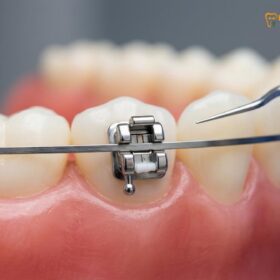
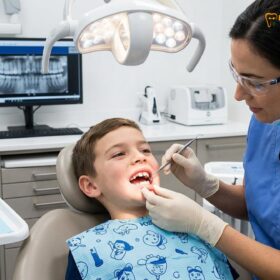
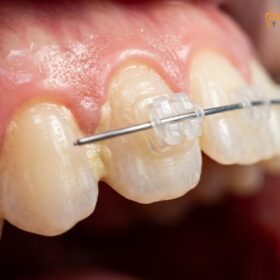
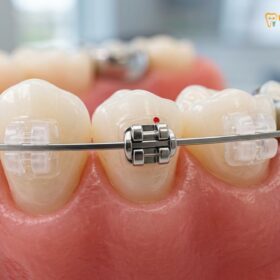
Navigating dental insurance coverage for orthodontics in Vietnam requires a thorough understanding of your specific policy’s exclusions and riders. Most standard health plans exclude braces, but premium expat policies often cover medically necessary orthodontic treatments after a mandatory waiting period, provided you submit comprehensive clinical diagnostics and pre-authorization documentation.
Clinical Summary:
Securing reimbursement for orthodontic treatment in Vietnam involves a meticulous alignment of clinical diagnostics with insurance policy stipulations. Standard health insurance rarely covers orthodontics; patients typically require a specialized orthodontic insurance rider attached to a premium expat policy. Insurers strictly differentiate between cosmetic alignment and medically necessary interventions aimed at correcting functional malocclusions, such as severe crossbites, overjets, or skeletal discrepancies that impair mastication or speech. The clinical workflow necessitates a robust pre-authorization dossier, including panoramic and cephalometric radiographs, intraoral photographs, study models, and a detailed treatment plan utilizing standardized dental codes. Partnering with an experienced clinic can help ensure that the clinical justification meets the rigorous evidentiary standards demanded by international insurance adjusters, minimizing the risk of claim denial.
Key Takeaways:
- Standard health and basic dental policies almost universally exclude orthodontic treatment.
- Coverage typically requires a specific orthodontic rider with a twelve to twenty-four-month waiting period.
- Insurers mandate proof of “medical necessity,” strictly excluding purely cosmetic tooth alignment.
- Pre-authorization is critical and requires a comprehensive clinical dossier including X-rays and 3D models.
- Clear aligners may be covered, but reimbursement is often capped at the cost of traditional metal braces.
The Expat Insurance Maze: Does It Cover Braces?
Most standard expat health policies in Vietnam do not cover braces; coverage is generally restricted to premium plans that include a specific, high-tier dental module designed for complex restorative and orthodontic care.
For many international residents and professionals relocating to Southeast Asia, securing comprehensive healthcare is a primary concern. However, when it comes to dental care, the landscape becomes highly nuanced. The standard expat dental insurance market is heavily segmented. Basic dental modules typically cover preventative care—such as biannual prophylaxis, routine examinations, and basic restorative work like composite fillings. They almost universally exclude orthodontic procedures, categorizing them alongside elective cosmetic dentistry.
To obtain coverage for braces or clear aligners, policyholders must proactively select a premium tier or add a specific orthodontic module during their enrollment or renewal period. It is crucial to understand that insurance companies operate on risk assessment models. Because a large percentage of the population could benefit from some degree of orthodontic alignment, offering blanket coverage would be financially unsustainable for insurers. Therefore, they implement strict gating mechanisms, including lifetime maximums, co-insurance percentages, and stringent clinical criteria to determine eligibility[1].
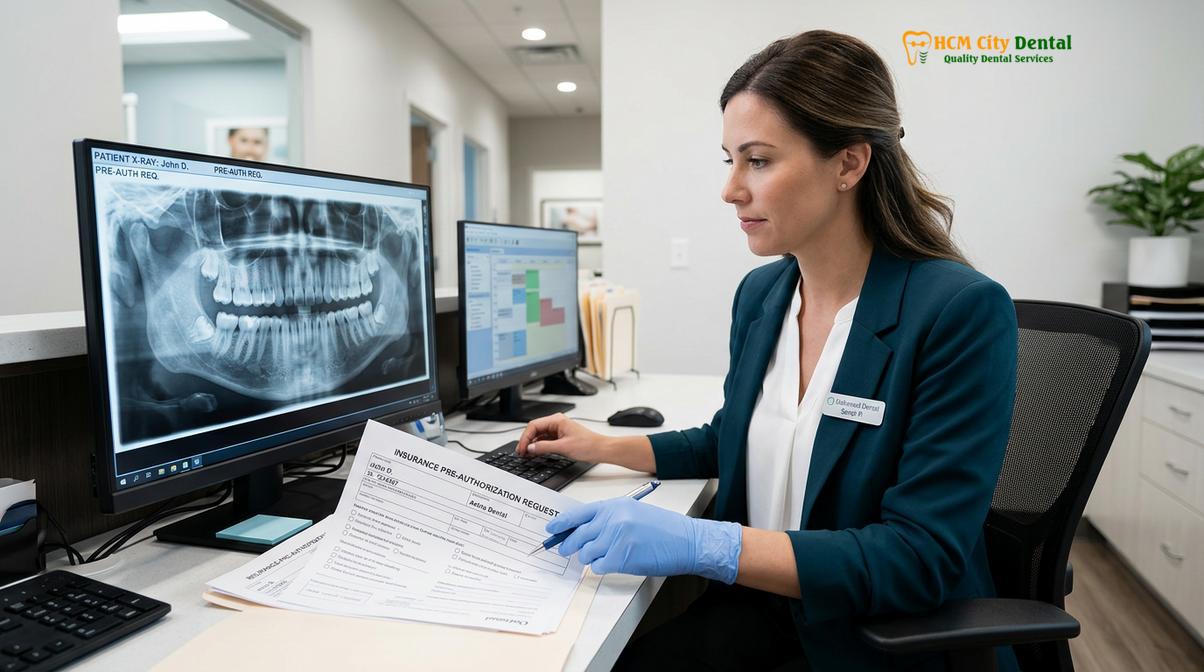
Furthermore, age limitations are a standard feature in many policies. A significant number of international insurers restrict orthodontic benefits to dependent children under a certain age. Adult orthodontics is frequently excluded entirely, regardless of the premium paid, unless the malocclusion is the direct result of documented maxillofacial trauma or a severe congenital anomaly. Patients must meticulously review their policy wording to ascertain whether adult coverage is explicitly stated or implicitly denied.
Understanding Orthodontic Riders and Waiting Periods
An orthodontic rider is a supplementary policy add-on that activates coverage for braces, typically enforcing a strict waiting period to prevent adverse selection by new enrollees.
In the realm of health insurance, a “rider” is an amendment to a basic policy that provides additional benefits at an extra cost. An orthodontic insurance rider is specifically designed to absorb the high costs associated with prolonged orthodontic care. However, to protect themselves from individuals who might purchase a policy, immediately claim a high-cost treatment like braces, and then cancel the policy, insurers enforce mandatory waiting periods.
The standard waiting period for an orthodontic rider is generally between twelve and twenty-four months of continuous enrollment. During this time, the policyholder must pay their premiums without interruption, but they cannot claim any benefits related to orthodontic diagnostics, appliance placement, or adjustments. If a patient initiates treatment before the waiting period has fully elapsed, the insurer will likely deny the entire claim, classifying it as a pre-existing condition[2].
“Insurance waiting periods are non-negotiable contractual clauses. Initiating any phase of active orthodontic treatment prior to the exact expiration date of the waiting period can permanently invalidate the patient’s eligibility for reimbursement for that specific course of treatment.”
Beyond the waiting period, patients must also navigate the concepts of co-insurance and lifetime maximums. A typical premium expat policy might offer a co-insurance rate for orthodontics, meaning the insurer will pay a percentage of the eligible costs, while the patient is responsible for the remainder out-of-pocket. Furthermore, this is almost always capped by a lifetime maximum benefit. Once this cap is reached, no further orthodontic claims will be paid.
Invisalign Coverage: Cosmetic vs. Medically Necessary Exclusions
Insurers strictly differentiate between cosmetic alignment and medically necessary orthodontics; while clear aligners may be covered, reimbursement is often restricted to cases demonstrating severe functional impairment.
The advent of clear aligner therapy has revolutionized patient compliance and aesthetic acceptance of orthodontic treatment. However, it has also introduced significant complexities into the insurance reimbursement landscape. The primary hurdle patients face is the insurance industry’s rigid distinction between “cosmetic” and “medically necessary” procedures.
Cosmetic orthodontics refers to the alignment of teeth solely for aesthetic improvement—such as closing a minor diastema or correcting mild anterior crowding that does not interfere with the patient’s bite or oral hygiene. Insurance policies universally exclude cosmetic treatments. To qualify for reimbursement, the treatment must be deemed medically necessary. Medical necessity in orthodontics implies that the malocclusion is causing, or is highly likely to cause, significant functional impairment[3].
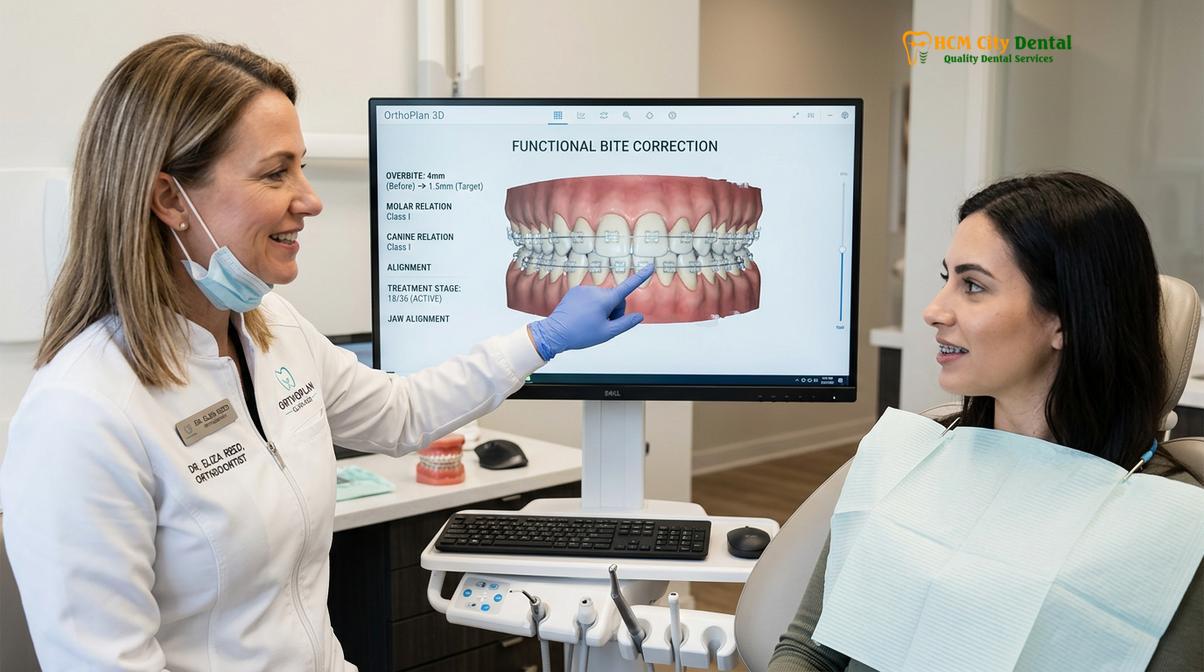
Dr. Nguyen Van Cuong, a leading specialist at HCMC Dental Clinic in Ho Chi Minh City, emphasizes that the burden of proof lies entirely on the clinical documentation provided to the insurer. Dr. Cuong and the clinical team meticulously prepare comprehensive cephalometric analyses to justify the medical necessity of interventions, ensuring patients receive the maximum eligible benefits based on their specific functional needs.
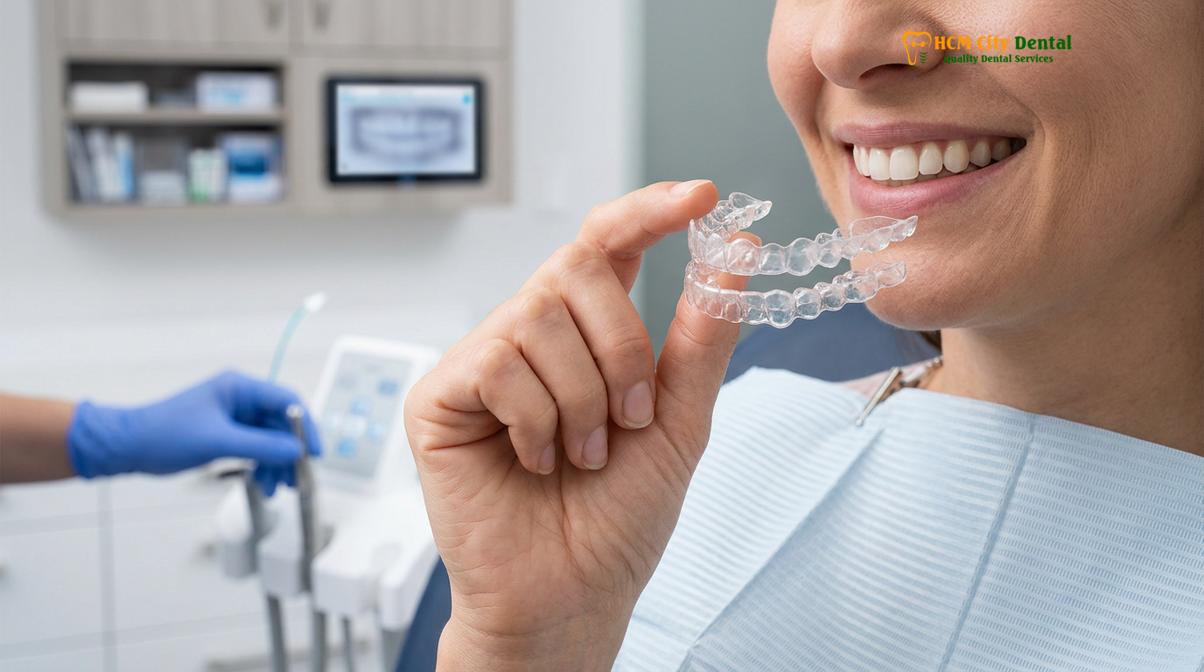
Even when medical necessity is successfully proven, patients seeking clear aligners must be aware of the “Alternative Benefit Provision” present in many contracts. Because clear aligners are often more expensive than traditional metal brackets, an insurer may approve the orthodontic treatment but limit the reimbursement to the customary cost of standard metal braces. The patient is then responsible for paying the difference in cost out-of-pocket[4].
Pre-Authorization: How to Get Approval Before Treatment Begins
Pre-authorization is a mandatory step requiring the submission of a comprehensive clinical dossier to secure a guarantee of coverage before any appliances are placed.
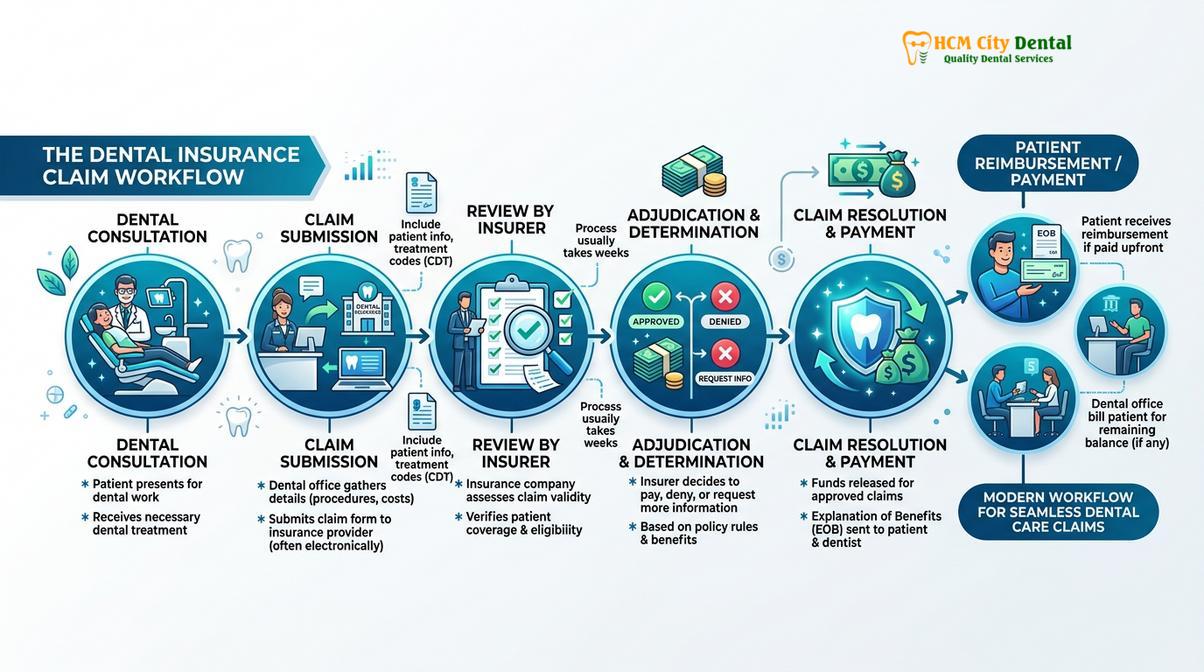
Attempting to claim orthodontic expenses retroactively without prior approval is one of the most common reasons for claim denial. Pre-authorization is the process by which the dental clinic submits the proposed treatment plan to the insurance company for review before any clinical work begins. This process provides the patient with a binding estimate of what the insurer will cover and confirms that the treatment meets the policy’s medical necessity criteria.
The pre-authorization dossier is a highly technical medical document. At a minimum, an insurance pre-authorization submission for orthodontics must include a panoramic radiograph to assess overall dental health, a cephalometric radiograph for analyzing the spatial relationship between the jaws, intraoral and extraoral photographs, digital study models, and a detailed treatment plan outlining the diagnosis and proposed mechanics.
The review process by the insurance company’s dental consultant can take several weeks. During this time, the adjuster will evaluate the cephalometric measurements and clinical photos against their internal guidelines for medical necessity. If the documentation is deemed insufficient, they may request additional information or a peer-to-peer review with the treating orthodontist.
Filing a Claim: Required Invoices, Codes, and X-Rays in English
Successful claim submission requires meticulous administrative documentation, including standardized dental codes, translated clinical notes, and official VAT invoices that align perfectly with the pre-authorized treatment plan.
Once pre-authorization is secured and treatment commences, the administrative phase of filing the actual claims begins. Depending on the policy structure, this may involve a single lump-sum claim at the start of treatment or periodic claims submitted as the treatment progresses. The reimbursement claim documentation must be flawless; international insurers are known for rejecting claims due to minor clerical errors or missing translations[5].
In Vietnam, a standard clinic receipt is insufficient for international insurance reimbursement. The insurer will require an official VAT invoice. This document proves that the financial transaction is legally recognized. Furthermore, the invoice must be highly itemized. The invoice must break down the costs into specific phases, such as diagnostic records, initial appliance placement, monthly adjustments, and retention.
| Document Type | Clinical/Administrative Purpose | Insurance Requirement |
|---|---|---|
| Official VAT E-Invoice | Legal proof of financial transaction in Vietnam. | Must show clinic tax code and exact amount paid. |
| Itemized Statement of Services | Breaks down the total cost into specific procedures. | Must include dates of service and standardized dental codes. |
| Approved Pre-Authorization Form | Proves the treatment was vetted for medical necessity. | Must match the procedures billed on the final invoice. |
| English Translation of Clinical Notes | Provides context for the treatment rendered on specific dates. | Required by international adjusters to verify treatment progress. |
Language barriers can also pose a significant challenge. While the clinical work is performed in Vietnam, the claims adjusters are often located in regional hubs. Therefore, all clinical notes, diagnostic reports, and itemized invoices must be provided in English.
When to Consult a Specialist: Important Clinical Notes
Understanding the precise timing for an orthodontic consultation can significantly impact both clinical outcomes and insurance eligibility, especially for interceptive treatments.
Patients often wonder when the optimal time is to seek an orthodontic evaluation, particularly when trying to align treatment with insurance waiting periods. According to local dental authorities, early evaluation is critical for identifying functional issues that may qualify for medical necessity under premium insurance plans[6]. If a patient experiences difficulty chewing, chronic jaw pain, or noticeable facial asymmetry, a consultation should be scheduled promptly.
“Early diagnostic records not only establish a baseline for monitoring skeletal growth but also provide the essential historical data required by insurance adjusters to validate the progressive nature of a functional malocclusion.”
It is important to note that gathering diagnostic records does not necessarily mean active treatment must begin immediately. A specialist can map out a long-term treatment plan that coincides with the maturation of the patient’s dentition and the activation of their insurance benefits.
Clinical Case Study: Navigating Complex Orthodontic Claims
A detailed case study illustrates how proper clinical documentation and strategic claim submission can successfully secure maximum insurance reimbursement for complex, medically necessary orthodontic interventions.
A 28-year-old expatriate presented to HCMC Dental Clinic in Ho Chi Minh City with a severe anterior crossbite and associated temporomandibular joint discomfort. The patient held a premium international health policy with an orthodontic rider that had recently passed its twenty-four-month waiting period. Initial clinical assessments revealed that the malocclusion was causing abnormal enamel wear and functional impairment, moving the case out of the cosmetic category and into the realm of medical necessity.
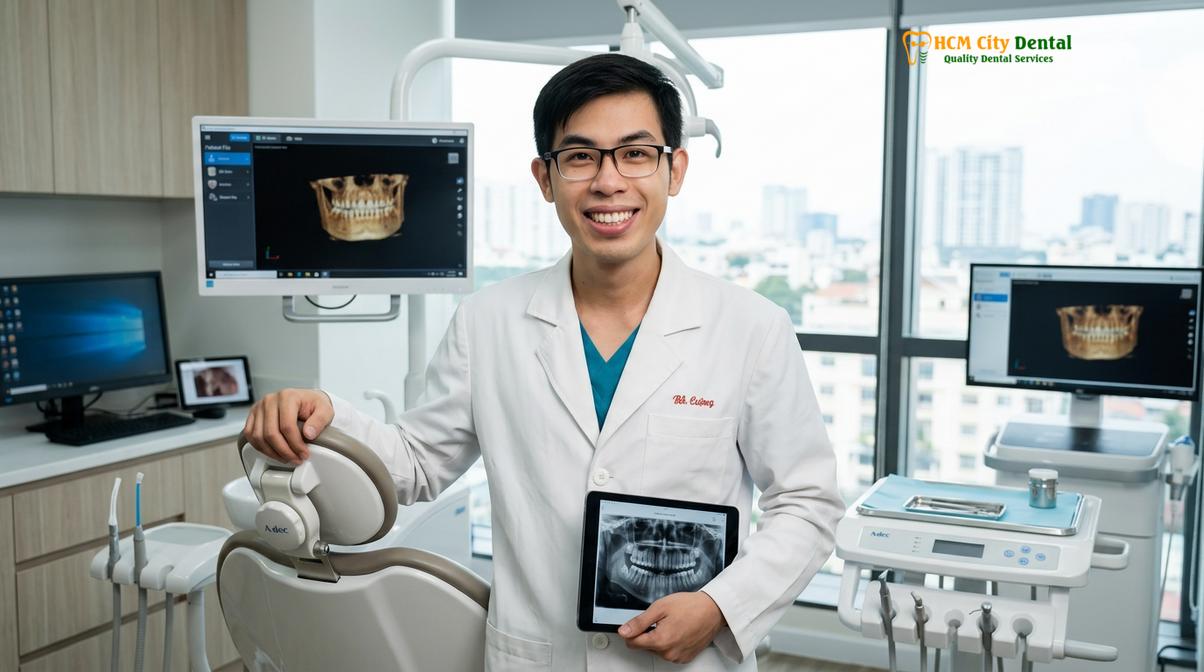
The clinical team compiled a comprehensive pre-authorization dossier, including cephalometric analysis demonstrating the skeletal discrepancy, intraoral photographs highlighting the enamel attrition, and a detailed narrative report. The insurer initially requested a peer-to-peer review to discuss the proposed use of clear aligners versus traditional fixed appliances. Following the review, the insurer approved the treatment plan, applying the Alternative Benefit Provision to cover the cost up to the limit of standard metal braces.
Throughout the treatment, the clinic provided itemized VAT invoices and English-translated clinical notes for each phase, ensuring seamless reimbursement for the patient. Following the active phase, the patient was educated on retention protocols, including what to do in the event of needing a broken fixed retainer repair or a lost retainer replacement, as these maintenance procedures are often subject to different insurance rules.
Conclusion and Next Steps
Successfully claiming expat insurance for braces or clear aligners in Vietnam requires a proactive approach, a thorough understanding of your policy’s fine print, and a partnership with a clinic experienced in international insurance protocols. By ensuring all clinical documentation meets the strict criteria for medical necessity and adhering to the pre-authorization process, patients can significantly reduce their out-of-pocket expenses. If you are considering treatment and need assistance navigating your coverage, contact HCMC Dental Clinic in Ho Chi Minh City today to schedule a comprehensive orthodontic consultation and begin your journey toward a healthier, functional smile.
References
- American Journal of Orthodontics and Dentofacial Orthopedics. Criteria for medically necessary orthodontic care and insurance reimbursement.
- Journal of Clinical Orthodontics. The role of cephalometric analysis in justifying functional malocclusion treatment.
- International Dental Journal. Global trends in expatriate health insurance and dental coverage policies.
- Journal of the American Dental Association. Clear aligner therapy vs. fixed appliances: Cost analysis and insurance coding.
- European Journal of Orthodontics. Interceptive orthodontics in mixed dentition: Clinical outcomes and health economics.
- Vietnam Odonto-Stomatology Association (VOSA). Guidelines on orthodontic clinical documentation and standards for international patients.
For pricing, booking, and a free clinical assessment, visit our Dental Braces & Orthodontics service page at HCMC Dental Clinic in Ho Chi Minh City.