Patients comparing retainer cost Vietnam vs Canada will find that Canadian clinics typically charge significantly more for custom retention devices. In Vietnam, high-quality fixed and removable retainers offer the same clinical efficacy at a fraction of the North American price, making dental tourism an attractive option.
Clinical Summary:
Orthodontic retention is a critical, lifelong phase of treatment designed to prevent occlusal relapse after braces or aligner therapy. While North American patients often face high out-of-pocket expenses for replacement devices, international clinics utilize identical digital scanning and fabrication technologies to produce premium retainers at substantially lower price points. This cost efficiency, combined with rigorous clinical standards, provides a viable alternative for patients requiring long-term orthodontic maintenance without financial strain.
Key Takeaways:
- Custom retainers in Canada generally cost three to four times more than identical devices fabricated in Vietnam.
- Clear plastic aligners and bonded wire retainers utilize the same biocompatible materials globally.
- Most provincial health plans do not cover adult orthodontic retention, leaving patients reliant on out-of-pocket payments.
- Advanced digital impressions allow for rapid, precise retainer fabrication during a short international trip.
- Routine clinical monitoring ensures the retention device maintains optimal bite alignment and structural integrity.
The Clinical Importance of Orthodontic Retention
Orthodontic retention stabilizes teeth in their newly corrected positions, allowing the periodontal ligament and surrounding alveolar bone to reorganize and prevent structural relapse.
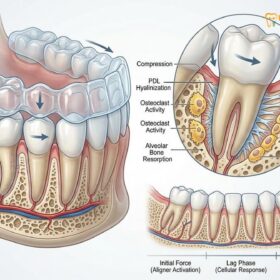
The completion of active orthodontic treatment marks the beginning of an equally vital phase: retention. When teeth are moved using braces or clear aligners, the surrounding periodontal ligament (PDL) and alveolar bone undergo significant remodeling. Once the active orthodontic forces are removed, the stretched gingival and periodontal fibers possess a natural “memory” that attempts to pull the teeth back toward their original, misaligned positions. This phenomenon, known as orthodontic relapse, can occur rapidly if a custom orthodontic retainer is not utilized consistently[1].
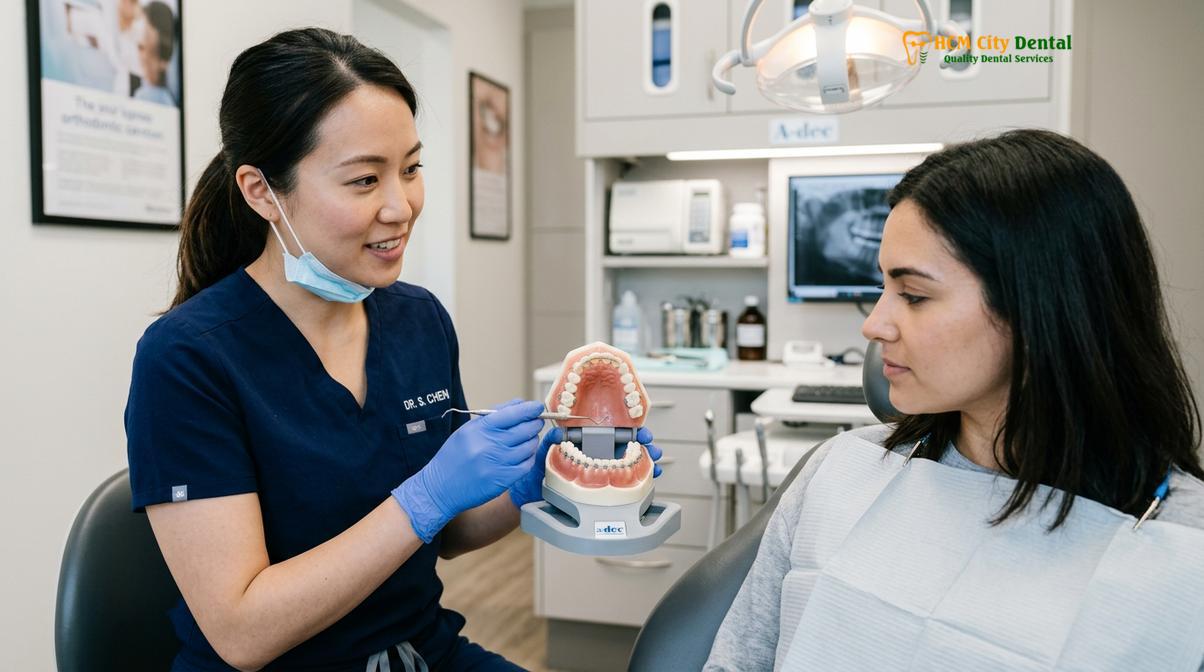
To counteract these physiological forces, dental professionals prescribe retention devices that hold the teeth securely while the bone calcifies and the soft tissues adapt to the new occlusal scheme. The choice of retainer depends heavily on the patient’s initial malocclusion, compliance levels, and oral hygiene habits. Dr. Nguyen Van Cuong, a leading specialist at HCMC Dental Clinic, frequently emphasizes to his patients that retention is not a temporary phase but a lifelong commitment to preserving their investment in a healthy, functional smile.
“The biological tendency for teeth to shift never truly disappears. Supracrestal gingival fibers can take nearly a year to fully reorganize after braces are removed. Without strict adherence to a retention protocol, even the most perfectly executed orthodontic case will experience some degree of relapse.”
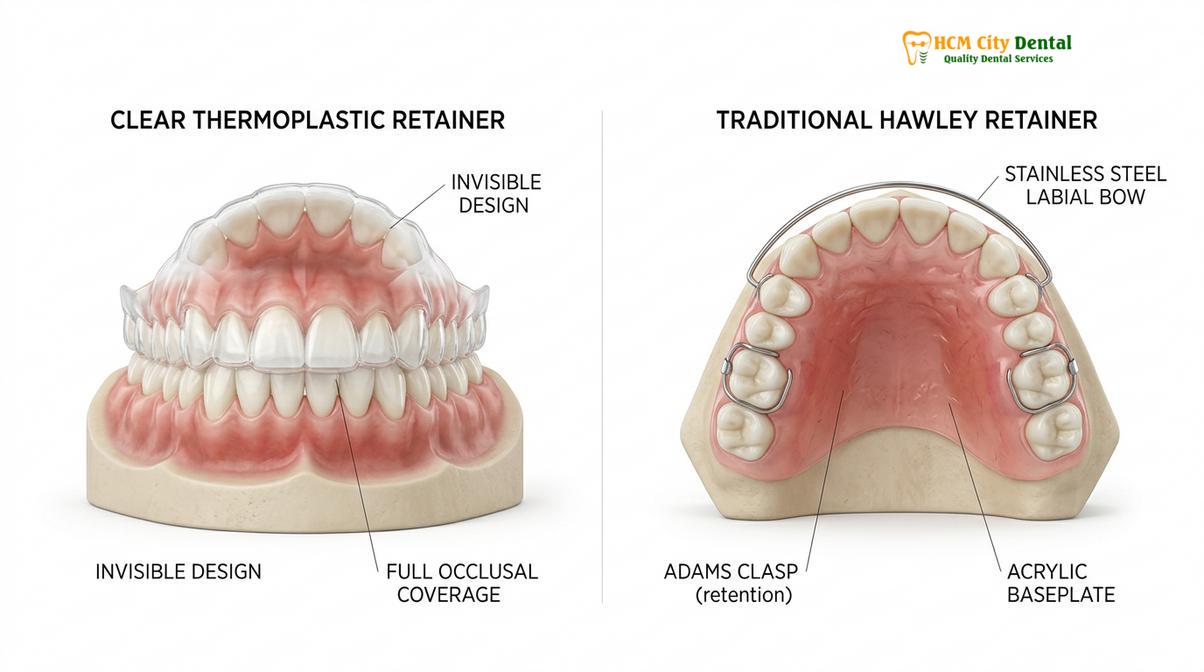
Patients generally choose between removable appliances, such as clear thermoplastic trays or traditional Hawley retainers, and fixed appliances, which consist of a multistranded wire bonded to the lingual surfaces of the anterior teeth. Each modality offers distinct clinical advantages, but all require precise fabrication to ensure they do not introduce unwanted active forces that could inadvertently move the teeth.
Retainer Cost Canada: A Financial Breakdown
The financial burden of orthodontic retention in Canada is driven by high clinical overhead, laboratory fees, and limited public health subsidies for adult orthodontic care.
For many patients in North America, the cost of maintaining their smile can be surprisingly high. When analyzing the retainer cost canada, several factors contribute to the premium pricing. A standard replacement retainer involves clinical chair time for impressions or digital scans, the cost of materials, and the fees charged by domestic dental laboratories. Because clinical overhead—including staff salaries, facility leasing, and equipment maintenance—is exceptionally high in Canadian urban centers, these costs are inevitably passed on to the patient.
For example, the Essix retainer price Toronto can range significantly depending on the specific clinic and whether the patient requires a single arch or a complete upper and lower set. Furthermore, patients often discover that provincial dental coverage (such as OHIP in Ontario or MSP in British Columbia) strictly excludes adult orthodontic procedures and retention devices, classifying them as elective or cosmetic treatments[2].
Even for those with private dental insurance through their employers, coverage for orthodontic retention is frequently limited. Many policies impose strict lifetime maximums for orthodontic care, which are usually exhausted during the active braces or aligner phase. Consequently, when a retainer is lost, broken, or naturally degrades over time, the patient is entirely responsible for the out-of-pocket replacement costs. This financial reality forces many individuals to delay replacing their retainers, directly increasing their risk of occlusal relapse.
Dental Tourism Vietnam: High-Quality Retainers at a Fraction of the Cost
Vietnam has emerged as a premier destination for dental care, offering advanced orthodontic retention solutions that match international clinical standards at highly accessible price points.
In response to the escalating costs of dental care in Western countries, a growing number of patients are exploring cross-border healthcare options. Dental tourism Vietnam has gained immense popularity, particularly for procedures that require precision but have high domestic markups, such as custom retainers. The primary advantage of seeking treatment in Southeast Asia is the dramatic reduction in cost without a corresponding compromise in clinical quality.
🇨🇦 Cost Comparison: Vietnam vs Canada (Per Arch)
Save up to 70% - 80% on high-quality custom dental retainers. Below is a detailed cost breakdown comparing local rates in Canada with HCMC Dental Clinic.
| Retainer Type | Canada Avg. Cost | HCMC Dental Cost | Your Savings |
|---|---|---|---|
| Essix (Clear Aligner) | $250 - $500 CAD | $72 USD (~$100 CAD) | Save ~80% |
| Hawley (Acrylic & Wire) | $300 - $550 CAD | $120 USD (~$165 CAD) | Save ~75% |
| Fixed Bonded (Wire behind teeth) | $300 - $500 CAD | $60 USD (~$82 CAD) | Save ~80% |
The cost disparity is not a reflection of inferior materials or outdated techniques. In fact, top-tier facilities like HCMC Dental Clinic in Ho Chi Minh City utilize the exact same imported biocompatible materials—such as Zendura or Essix ACE plastics—and the same digital intraoral scanners found in premium Canadian practices. The savings are generated entirely by the lower cost of living, reduced administrative overhead, and highly efficient in-house laboratory workflows[3].
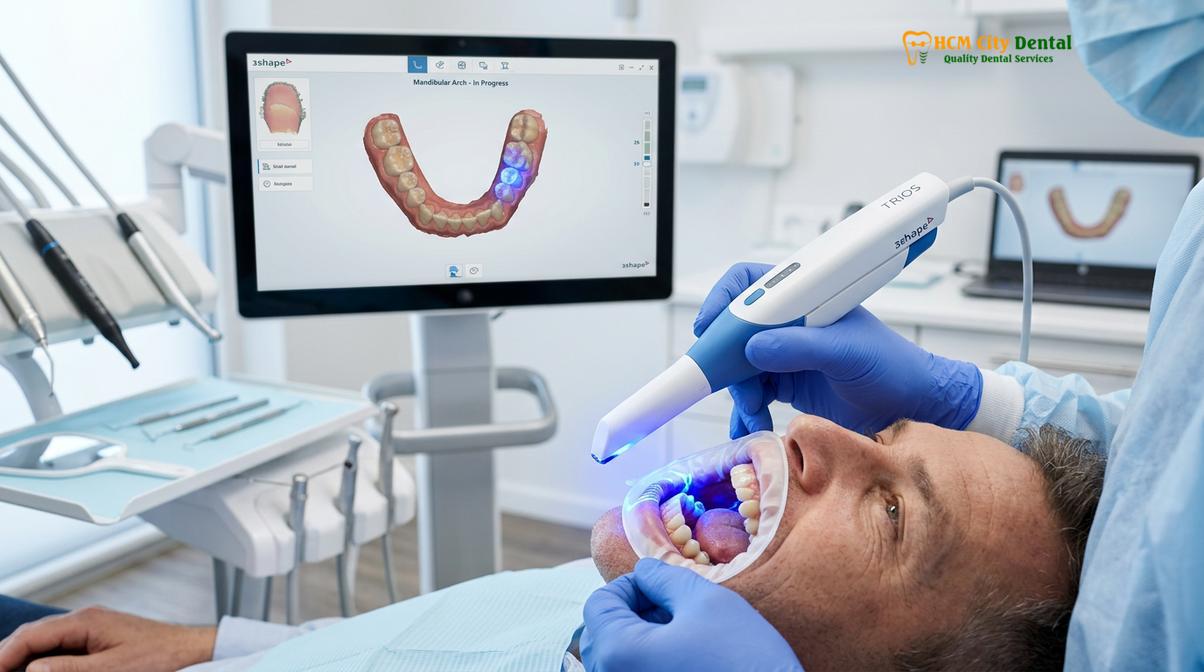
For international patients, combining a vacation with necessary dental maintenance is highly practical. A patient visiting Ho Chi Minh City can have their teeth digitally scanned on a Monday morning and receive their perfectly fitted, custom-fabricated retainers by Tuesday afternoon. This rapid turnaround is facilitated by integrated CAD/CAM technology and 3D printing, which eliminates the need to ship physical impressions to off-site laboratories.
“I lost my upper retainer during a flight and was quoted an exorbitant fee back home. Visiting a clinic in Saigon allowed me to get a digital scan and a replacement Essix retainer within 24 hours. The fit was actually more precise than my original device, and the cost was a fraction of what I expected.”
Material Science: Comparing Retention Devices
The longevity and efficacy of a retainer depend heavily on its material composition, with options ranging from thermoplastic polymers to braided stainless steel wires.
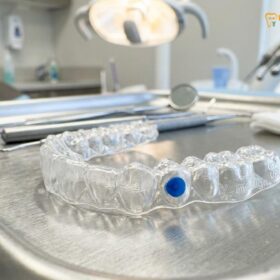
When selecting a retention device, understanding the underlying material science is crucial for long-term success. The debate between a plastic aligner retainer vs wire retainer is one of the most common discussions in post-orthodontic care. Clear retainers, often referred to generically as Essix retainers, are vacuum-formed or thermoformed from copolyester or polyurethane sheets. These materials are highly aesthetic, virtually invisible, and provide full occlusal coverage, which helps protect the teeth from the wear associated with mild nocturnal bruxism (teeth grinding)[4].
However, thermoplastic materials are susceptible to fatigue. Over time, the constant insertion and removal, combined with the warm, moist environment of the oral cavity, can cause the plastic to micro-crack, warp, or lose its rigidity. Most clinical guidelines suggest that clear retainers require replacement every one to two years to maintain their retentive properties.
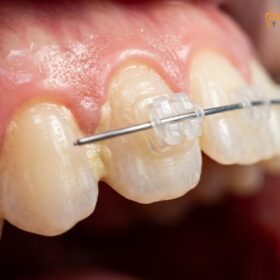
Conversely, fixed retainers consist of a custom-adapted, multi-stranded stainless steel or titanium wire bonded directly to the lingual (tongue-facing) surfaces of the teeth using a flowable composite resin. This method provides continuous, 24/7 retention without relying on patient compliance. While highly effective at preventing anterior crowding, fixed retainers complicate oral hygiene, requiring specialized flossing techniques to prevent calculus accumulation and periodontal inflammation.
Clinical Workflows for Retainer Fabrication
Modern retainer fabrication relies on precision digital intraoral scanning, 3D printing, and biocompatible materials to ensure an exact, comfortable fit that maintains occlusal stability.
The transition from traditional alginate impressions to digital dentistry has revolutionized the fabrication of orthodontic retainers. The workflow begins with a comprehensive clinical examination to ensure the teeth are free of calculus and the gingival tissues are healthy. Next, an intraoral scanner captures thousands of images per second, stitching them together to create a highly accurate, three-dimensional digital model of the patient’s dental arches.
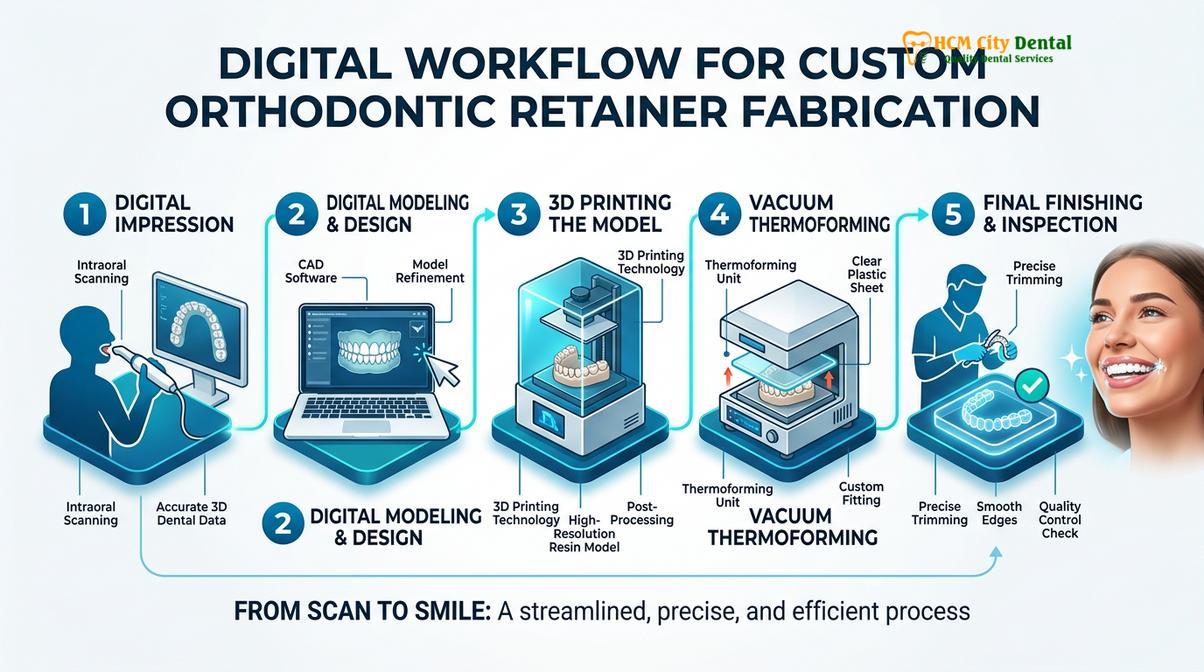
This digital file is then processed using specialized CAD (Computer-Aided Design) software. If the patient requires a clear retainer, the digital model is sent to a high-resolution 3D printer. Once the physical resin model is printed, a thermoplastic sheet is heated and vacuum-formed over the model, capturing every anatomical nuance. The retainer is then carefully trimmed and polished to ensure the margins do not impinge on the delicate gingival tissues.
Clinical Case Review: Digital Retainer Replacement
A 28-year-old patient presented to HCMC Dental Clinic in Ho Chi Minh City with a fractured upper clear retainer. The patient had completed Invisalign treatment two years prior in Canada but could not afford the domestic replacement fees. Dr. Nguyen Van Cuong performed a digital intraoral scan, noting minor occlusal settling but no significant relapse. A new set of Zendura clear retainers was fabricated in-house using 3D printing technology. The patient received the new devices within 36 hours, reporting a superior, more comfortable fit compared to their previous appliance, all while saving significantly on the overall cost.
For fixed retainers, the digital model can be used to bend the wire precisely to the contours of the lingual anatomy before it is transferred to the patient’s mouth using a custom silicone jig. This indirect bonding technique ensures optimal placement and minimizes chair time, providing a highly predictable clinical outcome. Patients interested in the technical specifics of this process can review a comprehensive clinical guide on custom retainers to understand the meticulous standards maintained during fabrication.
When to See a Doctor for Retainer Replacement
Even the highest quality retainers are subject to the harsh biomechanical forces of the oral cavity and will eventually require replacement. It is critical for patients to monitor their retention devices and seek professional evaluation if they notice any signs of degradation. Delaying replacement can lead to unwanted tooth movement, which may necessitate a second round of active orthodontic treatment to correct.
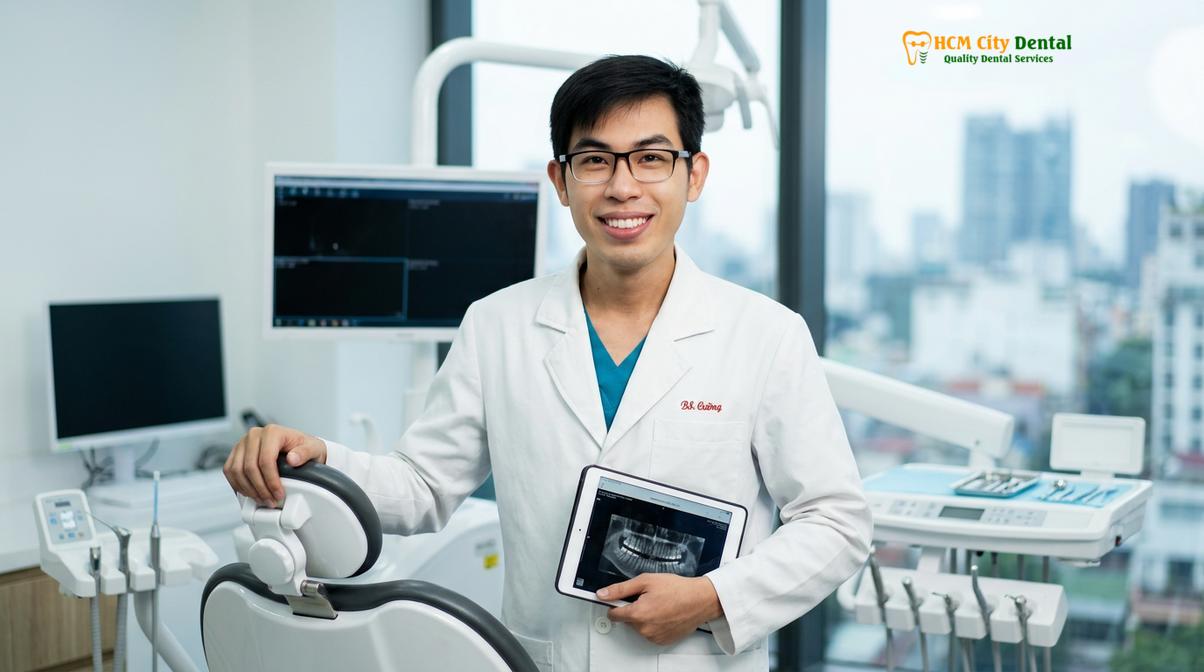
You should schedule an appointment with a dental professional if you observe any of the following clinical signs:
- Visible Cracks or Perforations: Small fissures in clear plastic retainers compromise their structural integrity, allowing teeth to micro-shift.
- Loss of Rigidity: If a clear retainer feels loose or no longer provides a snug “snap” upon insertion, it has likely stretched and is no longer holding the teeth effectively.
- Debonded Wire: For fixed retainers, if the composite resin holding the wire to a tooth chips or breaks, that specific tooth is vulnerable to immediate relapse.
- Unusual Pressure: If inserting the retainer causes significant pain or pressure, it indicates that the teeth have already begun to shift, and the current appliance may no longer fit properly.
Important Clinical Consideration: Never attempt to repair a broken retainer with household adhesives or glues. These substances are highly toxic, not biocompatible, and will ruin the appliance. If your retainer breaks, stop wearing it and immediately consult an English speaking dentist for retainer replacement to prevent occlusal relapse.
Regular dental check-ups are essential for monitoring the condition of both fixed and removable retainers. During these visits, the dentist will evaluate the integrity of the appliance, check for underlying dental decay or periodontal issues, and ensure that the teeth remain in their optimal alignment[5]. For patients seeking transparent pricing and high-quality care, reviewing the orthodontic retainer price in Ho Chi Minh City can provide a clear understanding of the accessible options available through modern dental tourism.
Ultimately, whether you are utilizing a clear aligner or a bonded wire, the safety and efficacy of your retention protocol depend on professional oversight. Patients often ask, “Are clear retainers safe to wear?” The answer is a resounding yes, provided they are fabricated from medical-grade materials, fitted by a qualified professional, and replaced at appropriate clinical intervals.
Frequently Asked Questions
Why is the cost of retainers so much lower in Vietnam compared to Canada?
The price difference is primarily due to lower clinical overhead, reduced laboratory operational costs, and favorable exchange rates in Vietnam. Despite the lower cost, reputable clinics utilize the exact same imported biocompatible materials and digital scanning technologies as North American practices, ensuring no compromise in clinical quality.
Will my Canadian dental insurance cover retainers made in Vietnam?
Most private dental insurance plans require treatments to be performed by domestically licensed practitioners, meaning international dental work is rarely covered. However, the out-of-pocket cost in Vietnam is often lower than the insurance co-pay required for the same device in Canada, making it a highly cost-effective alternative.
How long does it take to get a custom retainer fabricated in Ho Chi Minh City?
With modern digital workflows, a custom clear aligner or fixed retainer can typically be fabricated and fitted within 24 to 48 hours. Intraoral scanning and in-house 3D printing allow clinics to expedite the process for international patients without sacrificing precision or fit.
Are clear plastic retainers better than permanent bonded wire retainers?
Neither is universally better; the choice depends on your specific clinical needs and compliance levels. Clear retainers provide full-arch coverage and protect against bruxism, while bonded retainers offer continuous retention for the anterior teeth without requiring patient memory. Many orthodontists recommend a combination of both for optimal stability.
What should I do if my retainer breaks while traveling?
You should seek a replacement as soon as possible to prevent your teeth from shifting back to their original positions. Visit a local dental professional immediately for a new digital scan and fabrication of a replacement device. Do not attempt to repair the broken appliance yourself.
References
- American Journal of Orthodontics and Dentofacial Orthopedics. Periodontal responses to orthodontic retention protocols. (2019).
- Journal of Clinical Orthodontics. Economic analysis of post-orthodontic retention devices in North America. (2021).
- International Journal of Medical Tourism. Patient outcomes and cost efficacy in cross-border dental care. (2020).
- European Journal of Orthodontics. Material degradation and clinical longevity of thermoplastic retainers. (2022).
- Australian Dental Journal. Fixed versus removable orthodontic retainers: A systematic review of stability. (2018).