Receding gums treatment focuses on halting tissue loss, protecting exposed tooth roots, and restoring the structural integrity of the gingival margin. While receded gums cannot grow back naturally, clinical interventions ranging from deep periodontal cleaning and desensitizing agents to advanced gum graft surgery can effectively stabilize the tissue and prevent further deterioration.
Clinical Summary:
Gum recession is a progressive periodontal condition where the gingival margin pulls away from the tooth crown, exposing the vulnerable root surface. This exposes the underlying cementum, leading to dentin hypersensitivity, increased risk of root caries, and potential structural instability. The primary goal of receding gums treatment is to identify the underlying etiology—such as aggressive brushing, active periodontal disease, or occlusal trauma—and halt its progression. Non-surgical management includes scaling and root planing, application of topical desensitizing agents, and oral hygiene modification. For advanced cases, surgical interventions like connective tissue grafts, free gingival grafts, or the pinhole surgical technique are utilized to physically regenerate the lost gingival barrier. Early diagnosis by a qualified dental professional is critical to preserving the structural integrity of the periodontium and avoiding irreversible tooth mobility or loss.
Key Takeaways:
- Gum recession exposes the vulnerable tooth root, significantly increasing the risk of thermal sensitivity, root decay, and eventual tooth loss.
- Lost gingival tissue cannot regenerate naturally; professional clinical intervention is absolutely required to stabilize the condition.
- Mild recession is frequently managed non-surgically with deep periodontal cleaning and modified brushing techniques.
- Severe cases typically require surgical treatments, such as gum grafting, to restore the protective tissue barrier and improve aesthetics.
- Addressing the root cause, whether it is active periodontal disease or mechanical trauma, is essential for long-term treatment success.
What is Gum Recession and Why Does it Matter?
Gum recession is the gradual loss of gingival tissue that exposes the tooth root, compromising the protective barrier against bacteria and physical trauma. It matters because untreated recession leads to severe sensitivity, root decay, and potential tooth loss.
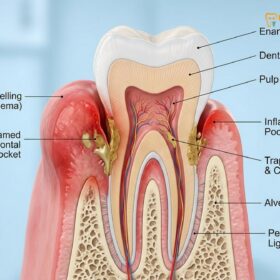
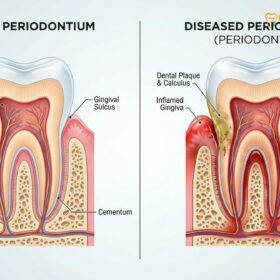
To fully understand the clinical implications of gum recession, it is essential to first examine the complex anatomy of the periodontium. The periodontium is the specialized system of hard and soft tissues that supports your teeth and maintains them securely in the maxillary and mandibular jawbones. It consists of four main components: the gingiva (gums), the periodontal ligament, the cementum (the calcified substance covering the root of a tooth), and the alveolar bone. In a healthy state, the gingival margin—the edge of the gums—rests snugly just above the cementoenamel junction (CEJ), which is the anatomical line where the protective enamel of the crown meets the cementum of the root.
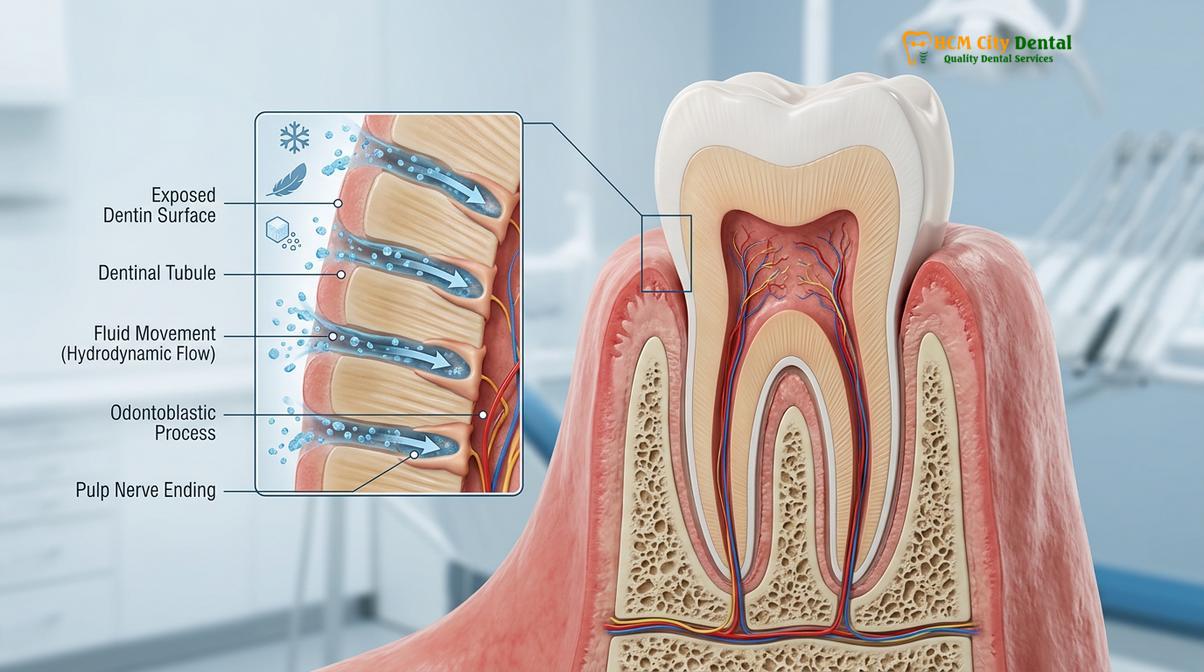
Gum recession, clinically termed gingival recession, occurs when the margin of the gum tissue surrounding the teeth wears away or pulls back, exposing more of the tooth or the tooth’s root. This is not merely an aesthetic concern; it is a significant structural compromise. Unlike the crown of the tooth, which is encased in the hardest substance in the human body (enamel), the root is covered only by cementum. Cementum is significantly softer and more porous. When the root is exposed to the oral environment, it becomes highly susceptible to bacterial acid attacks, leading to rapid root caries (decay). Furthermore, the exposure of dentinal tubules—microscopic channels leading directly to the tooth’s nerve center—results in acute dentin hypersensitivity, making the consumption of hot, cold, sweet, or acidic foods incredibly painful.
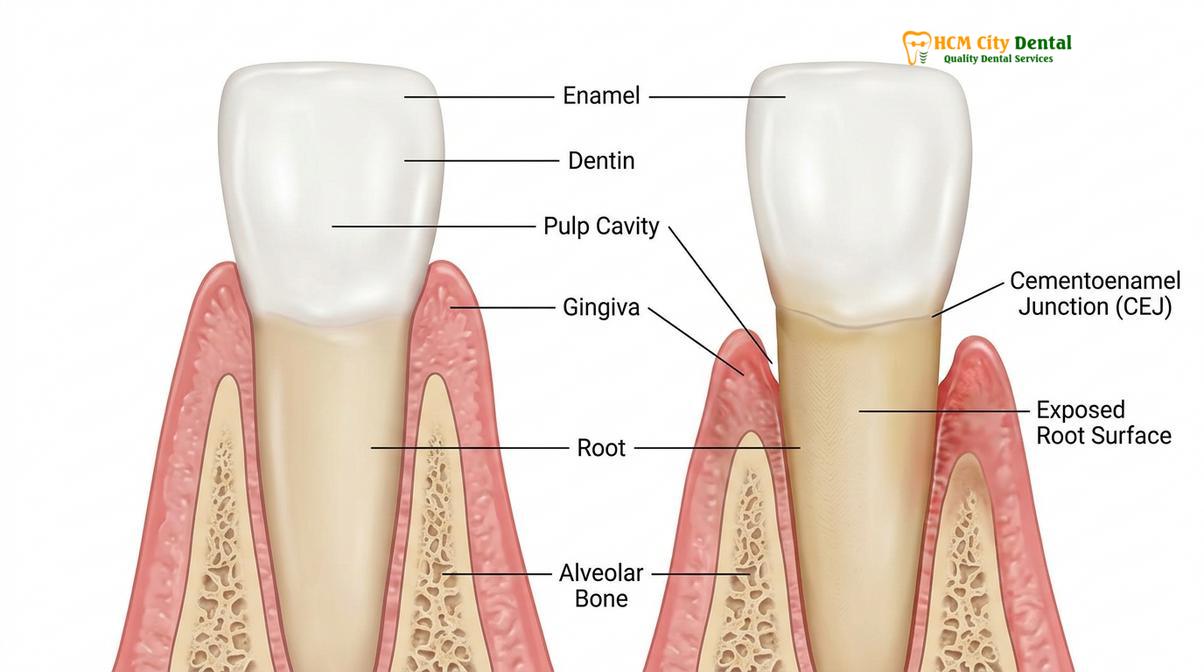
Beyond decay and sensitivity, the progressive loss of attached gingiva diminishes the physical barrier that protects the underlying alveolar bone from bacterial infiltration and mechanical trauma during mastication (chewing). If left unchecked, the inflammatory process associated with recession can extend into the supporting bone, leading to localized bone loss. As the bone recedes alongside the gums, the tooth loses its foundational support, eventually resulting in tooth mobility and, in severe cases, spontaneous tooth loss. Dr. Nguyen Van Cuong, a leading expert in periodontal care, frequently emphasizes to his patients that early detection is the most critical factor in successful management. “When we catch recession in its earliest stages, we can often manage it conservatively,” notes Dr. Cuong. “However, once the root is significantly exposed and bone loss has commenced, surgical intervention becomes the only viable pathway to save the dentition.” [1]
The psychological and aesthetic impacts of this condition should also not be underestimated. Patients with severe recession often experience “long tooth” syndrome, where the teeth appear disproportionately elongated, disrupting the natural harmony of the smile line. This can lead to significant self-consciousness and a reluctance to smile or speak openly. Therefore, comprehensive comprehensive gum disease management is essential not only for preserving oral health but also for maintaining a patient’s quality of life and self-esteem.
Common Causes of Receding Gums
The primary triggers for gingival recession include active periodontal disease, aggressive mechanical brushing, genetic predisposition to thin biotype, and occlusal trauma. Identifying the exact etiology is the first critical step in formulating an effective treatment plan.
The etiology of gingival recession is highly multifactorial, meaning it is rarely caused by a single isolated event but rather a combination of anatomical predispositions, behavioral habits, and pathological processes. Understanding the specific gum recession causes in an individual patient is paramount, as treating the symptom without addressing the underlying trigger will inevitably lead to treatment failure and continued tissue loss.
Periodontal Disease (Periodontitis): By far the most common pathological cause of recession is active periodontal disease. This chronic inflammatory condition is initiated by the accumulation of bacterial plaque and calculus (tartar) at and below the gumline. The bacteria release toxins that provoke a severe immune response from the body. This chronic inflammation not only destroys the soft gingival tissue but also degrades the underlying alveolar bone and periodontal ligaments. As the supporting bone is resorbed by the body in response to the infection, the overlying gum tissue naturally follows, migrating apically (downward on the lower teeth, upward on the upper teeth) and exposing the roots. [2]
Mechanical Trauma and Aggressive Brushing: While brushing is essential for oral hygiene, the manner in which it is performed is critical. Aggressive mechanical brushing, particularly with a hard-bristled toothbrush or using a harsh, horizontal scrubbing motion, is a leading behavioral cause of recession. The delicate gingival tissue is not designed to withstand constant, high-friction abrasion. Over time, this mechanical trauma physically wears away the gums and can even abrade the tooth structure itself, creating a visible notch at the gumline (abfraction or abrasion lesions). Patients often mistakenly believe that brushing harder equates to cleaner teeth, inadvertently causing irreversible damage to their periodontium.
Clinical Warning: Never use a hard-bristled toothbrush. The mechanical friction not only causes irreversible gingival recession but also permanently strips away the protective enamel layer, leading to severe sensitivity and increased risk of decay. Always opt for soft or ultra-soft bristles and employ a gentle, circular brushing technique.
Anatomical and Genetic Factors: Genetics play a significant role in a patient’s susceptibility to recession. Individuals are born with different gingival biotypes—specifically, thick or thin biotypes. A thin gingival biotype is characterized by delicate, highly translucent gum tissue and a minimal zone of attached gingiva. Patients with this anatomy are inherently more prone to recession from even minor trauma or mild inflammation compared to those with a robust, thick biotype. Additionally, abnormal tooth positioning, such as teeth that are crowded or severely rotated, can push the roots outward against the thin buccal (cheek-side) bone, leaving minimal bone and gum tissue covering the root surface, making recession almost inevitable.
Occlusal Trauma and Bruxism: The forces exerted on teeth during chewing and resting should be evenly distributed. However, conditions like bruxism (chronic teeth grinding and clenching) or a misaligned bite (malocclusion) place excessive, unnatural occlusal forces on specific teeth. This excessive force is transmitted down the tooth into the surrounding bone and periodontal ligament, causing localized inflammation and micro-damage. Over time, this biomechanical stress can lead to the breakdown of the supporting tissues and subsequent recession, often accompanied by non-carious cervical lesions (NCCLs) at the gumline.
Orthodontic Treatment: While orthodontic therapy is vital for correcting malocclusion and improving overall oral function, the rapid or expansive movement of teeth—particularly moving teeth outward to widen the arch—can sometimes push the roots beyond the protective envelope of the alveolar bone. If the overlying bone is thin or absent (dehiscence), the unsupported gum tissue is highly likely to recede. This highlights the importance of careful periodontal evaluation prior to and during orthodontic treatment.
Identifying Symptoms of Gum Recession
Early detection relies on recognizing visual changes like elongated teeth and physical symptoms such as dentin hypersensitivity to temperature changes. Patients may also notice a palpable notch near the gumline where the root is exposed.
Because gingival recession is typically a slow, progressive condition, many patients do not notice the subtle changes in their gumline until the condition has advanced significantly. However, being vigilant about the early warning signs can facilitate prompt intervention, preventing the need for complex surgical procedures. The symptoms of gum tissue recession can be broadly categorized into visual, tactile, and sensory manifestations.
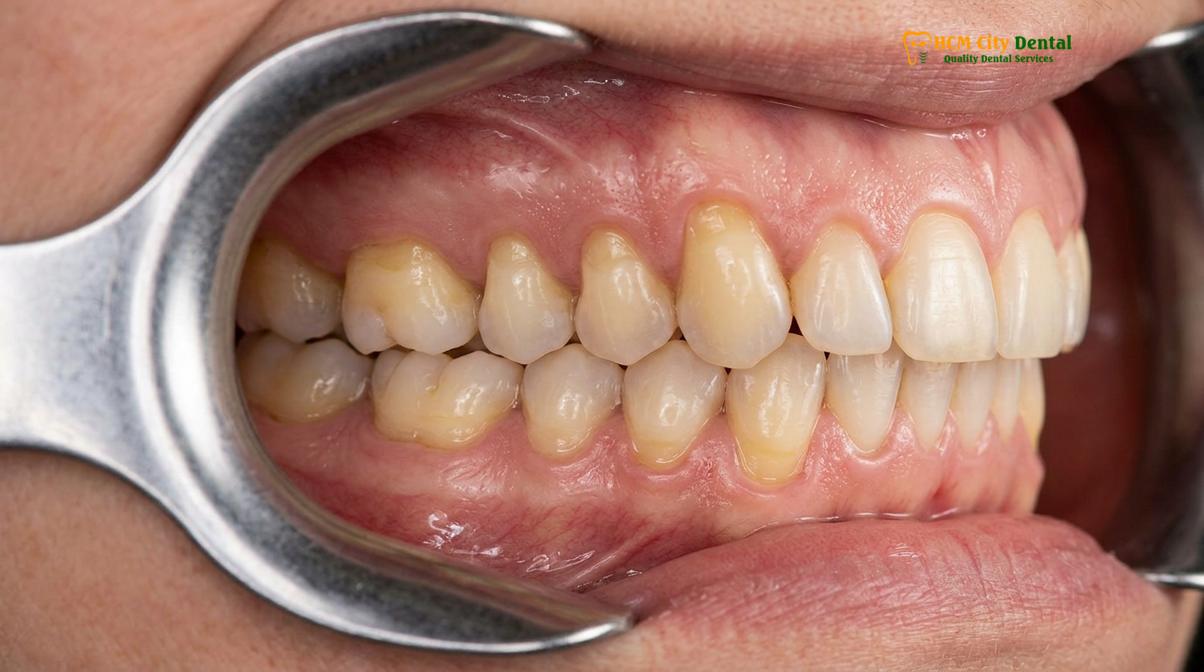
Visual Symptoms: The most obvious indicator is a change in the appearance of the teeth and gums. Patients often report that their teeth look “longer” than they used to. This elongation is an optical illusion caused by the exposure of the root surface. Upon closer inspection, the exposed root often appears slightly more yellow or darker than the crown of the tooth, as cementum and underlying dentin lack the bright, white translucency of enamel. Additionally, the gumline may appear uneven, scalloped, or asymmetrical, particularly if the recession is localized to specific teeth. In severe cases, the triangular spaces between the teeth (interdental papillae) may also recede, creating dark, visible gaps commonly referred to as “black triangles.”
Sensory Symptoms (Hypersensitivity): As the protective gingiva recedes and the cementum is exposed, the underlying dentin becomes vulnerable. Dentin contains thousands of microscopic tubules that radiate outward from the dental pulp (the nerve center of the tooth). When these tubules are exposed to the oral cavity, external stimuli—such as cold air, hot coffee, ice cream, or even acidic fruits—cause rapid fluid movement within the tubules. According to the hydrodynamic theory of dentin hypersensitivity, this fluid shift stimulates the nerve endings in the pulp, resulting in a sharp, sudden, and often severe pain. [3] This sensitivity is frequently the primary symptom that drives patients to seek professional dental care.
| Stage of Recession | Visual Presentation | Clinical Symptoms | Typical Management Approach |
|---|---|---|---|
| Mild (Class I) | Slight root exposure, no loss of interdental bone or soft tissue. | Mild sensitivity to extreme cold; occasional bleeding if inflamed. | Non-surgical: Modified brushing, desensitizing agents, routine cleanings. |
| Moderate (Class II) | Recession extends to or beyond the mucogingival junction; no interdental loss. | Moderate to severe thermal sensitivity; visible “long tooth” appearance. | Surgical: Connective tissue graft or free gingival graft for root coverage. |
| Severe (Class III/IV) | Extensive root exposure with significant loss of interdental bone and papillae. | Chronic pain, high risk of root decay, noticeable tooth mobility. | Complex Surgical: Advanced grafting, potential regenerative therapy, or extraction if unsalvageable. |
Tactile Symptoms: Patients may also physically feel the effects of recession. When running a fingernail or a toothbrush gently along the gumline, one might feel a distinct “step” or notch where the smooth enamel ends and the softer root surface begins. This notching is often exacerbated by mechanical abrasion from brushing. Furthermore, if the recession is driven by active periodontal disease, the gums may feel tender, swollen, and prone to bleeding during routine brushing or flossing.
Can Receded Gums Grow Back Naturally?
Once gingival tissue is lost, it cannot regenerate or grow back on its own because the gums lack the specific regenerative cells needed to rebuild the vertical height. However, professional therapies can halt further loss and surgically restore the tissue.
One of the most frequent and pressing questions patients ask when diagnosed with this condition is whether there is a natural receding gums cure. The definitive clinical answer is no; receded gums cannot grow back naturally. To understand why, we must look at the histology and regenerative capacity of oral tissues.
Unlike epithelial tissue (such as the skin on your arm), which has a robust capacity to regenerate and heal over a wound, the architecture of the periodontium is highly complex. The gingiva is attached to the tooth root and the underlying alveolar bone via a sophisticated network of periodontal ligament fibers. When recession occurs, it is not merely a loss of surface skin; it represents the destruction of the underlying connective tissue attachment and, very often, the resorption of the supporting crestal bone. The body does not possess the biological mechanism to spontaneously regenerate this lost bone height or to spontaneously reattach new gingival fibers to a root surface that has been exposed to the contaminated oral environment. [4]
“Patients often spend months trying unproven natural remedies, such as oil pulling or aggressive use of harsh mouthwashes, hoping to stimulate gum regrowth. Unfortunately, this delay in seeking professional care often allows the underlying cause—whether it be periodontitis or mechanical trauma—to worsen, leading to further irreversible tissue and bone loss. The only way to physically replace lost gum tissue is through precise surgical intervention.”
While the tissue cannot grow back, this does not mean the situation is hopeless. The focus of non-surgical treatment is entirely on stabilization. By eliminating the bacterial infection through professional dental cleanings and scaling, and by correcting traumatic brushing habits, the remaining gingival tissue can become healthy, firm, and tightly adapted to the tooth, preventing any further apical migration. For patients seeking to actually cover the exposed root and restore the original gumline for aesthetic or functional reasons, surgical grafting procedures are the only scientifically proven method to achieve true root coverage.
How to Prevent Gum Recession From Worsening
Halting the progression of recession requires immediate modification of oral hygiene habits, utilizing soft-bristled toothbrushes, and managing underlying conditions like bruxism. Consistent professional monitoring is essential to maintain the remaining tissue architecture.
If you have been diagnosed with mild recession, or if you have recently undergone treatment to stabilize the condition, proactive prevention is critical. Learning how to stop receding gums from progressing involves a combination of meticulous at-home care and regular professional oversight. The goal is to eliminate all sources of mechanical trauma and bacterial inflammation that could trigger further tissue breakdown.
Mastering the Modified Bass Brushing Technique: The most immediate change a patient must make is discarding any medium or hard-bristled toothbrushes. Transition exclusively to a soft or ultra-soft bristled brush. Furthermore, the technique is just as important as the tool. Dentists universally recommend the Modified Bass technique for patients prone to recession. This involves placing the toothbrush at a 45-degree angle to the gumline, allowing the bristles to gently sweep into the gingival sulcus. Instead of harsh horizontal scrubbing, use small, gentle circular or vibratory motions, followed by a sweeping motion away from the gums. This effectively removes plaque without traumatizing the delicate tissue. [5]
Managing Bruxism and Occlusal Stress: If your recession is linked to teeth grinding or clenching, mechanical protection is necessary. A custom-fabricated occlusal guard (night guard) worn during sleep acts as a shock absorber, dissipating the immense forces generated by the jaw muscles and preventing that stress from being transferred to the teeth and periodontium. In cases of severe malocclusion, orthodontic evaluation may be recommended to realign the teeth and distribute bite forces more evenly.
Optimizing Interdental Cleaning: Plaque accumulation between the teeth is a primary driver of interproximal bone loss and subsequent recession. Daily flossing is non-negotiable. For patients with larger interdental spaces or existing recession, interdental brushes or water flossers can be highly effective adjuncts to traditional string floss, providing thorough cleaning without traumatizing the papillae.
Smoking Cessation: Tobacco use is a massive risk factor for all forms of periodontal disease. Smoking constricts the blood vessels in the gums, reducing the delivery of oxygen and essential nutrients required for tissue repair. It also impairs the local immune response, allowing periodontal pathogens to proliferate unchecked. Quitting smoking is one of the most impactful steps a patient can take to halt the progression of gum disease and recession.
Regular Periodontal Maintenance: Routine visits for routine general dentistry services and professional cleanings are vital. For patients with a history of periodontal disease, these visits may need to occur every 3 to 4 months rather than the standard 6 months. During these appointments, the dental hygienist will carefully measure periodontal pocket depths and monitor the gingival margins to ensure the recession remains stable.
Professional Treatments for Receding Gums
Clinical management ranges from non-surgical scaling and root planing to advanced surgical procedures like connective tissue grafts and guided tissue regeneration. The chosen modality depends strictly on the severity of the recession and the underlying cause.
When preventative measures are insufficient or when the recession has already reached a moderate to severe stage, professional clinical intervention is required. The treatment landscape for receding gums is broadly divided into non-surgical management aimed at stabilization and symptom relief, and surgical procedures designed to physically restore the lost tissue architecture.
Non-Surgical Therapies
For mild cases (Class I recession) where aesthetics are not a primary concern and there is adequate attached gingiva remaining, non-surgical approaches are often the first line of defense.
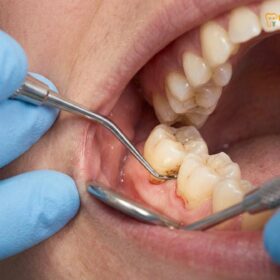
- Scaling and Root Planing (SRP): If the recession is driven by active periodontitis, SRP is mandatory. This deep cleaning procedure involves meticulously removing plaque and calculus from the crown and the exposed root surfaces below the gumline. The roots are then smoothed (planed) to remove bacterial toxins and create a clean, glass-like surface that encourages the gums to reattach and heal tightly against the tooth.
- Desensitizing Agents and Varnishes: To combat the acute dentin hypersensitivity associated with exposed roots, dentists can apply professional-grade fluoride varnishes or specialized desensitizing agents (such as glutaraldehyde/HEMA formulations). These agents work by physically occluding (blocking) the open dentinal tubules or by depolarizing the nerve endings, providing significant, albeit sometimes temporary, relief from thermal sensitivity.
- Dental Bonding (Composite Resin): In cases where mechanical abrasion has created a physical notch in the root surface, a tooth-colored composite resin can be bonded over the exposed area. This not only covers the sensitive dentin and restores the anatomical contour of the tooth but also provides a physical barrier against further toothbrush abrasion.
Surgical Interventions (Gum Grafting)
When recession is advanced, causing severe sensitivity, threatening the structural stability of the tooth, or creating significant aesthetic concerns, surgical intervention is the gold standard. The primary objective of periodontal plastic surgery is to achieve predictable root coverage and increase the thickness of the attached gingiva. [6]
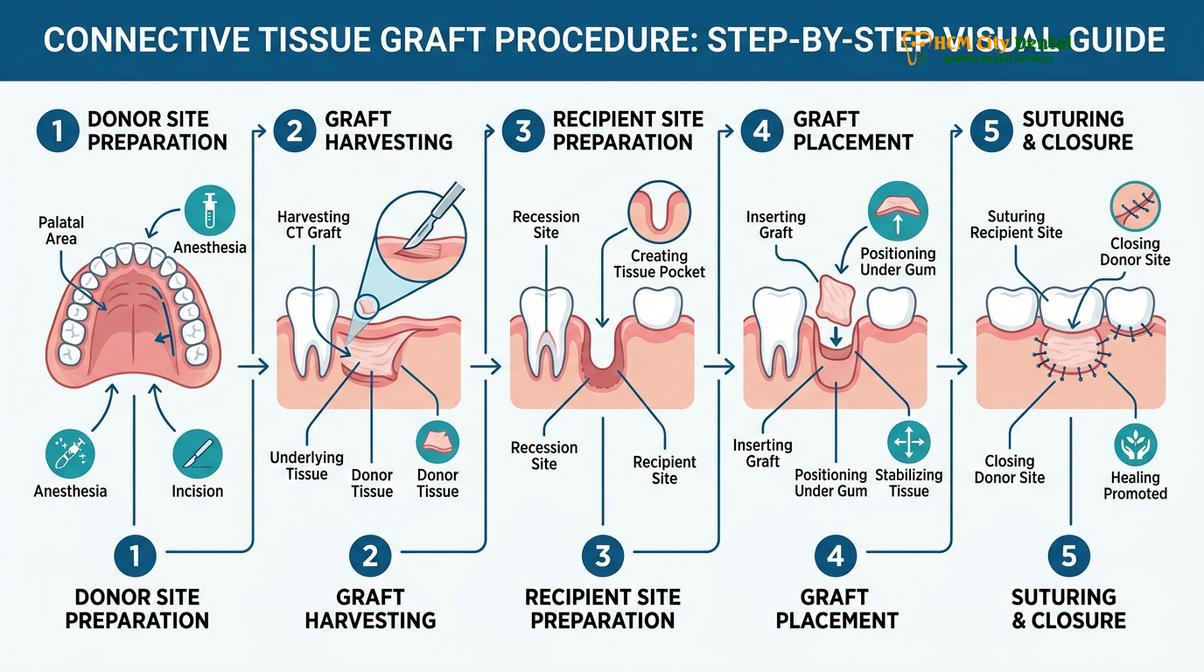
Connective Tissue Graft (CTG): This is the most common and highly predictable procedure for treating root exposure. The surgeon creates a small, precise flap at the recipient site (the receded area). A secondary surgical site is then opened on the palate (the roof of the mouth), and a small piece of subepithelial connective tissue is harvested from beneath the surface layer. This donor tissue is carefully positioned over the exposed root and sutured into place under the recipient flap. The flap is then advanced coronally (upward) to cover the graft and sutured. The CTG provides excellent color matching and robust tissue thickness.
Free Gingival Graft (FGG): Unlike the CTG, which uses tissue from under the surface, an FGG harvests the full thickness of tissue directly from the surface of the palate. This robust tissue is then sutured directly onto the receded area. FGGs are typically used when the primary goal is to increase the thickness and band of tough, attached gingiva to halt further recession, rather than for perfect aesthetic root coverage, as the grafted tissue may appear slightly lighter in color than the surrounding gums.
Pedicle Graft (Lateral Sliding Flap): If the patient has an abundance of healthy, thick gum tissue immediately adjacent to the receded tooth, a pedicle graft may be utilized. The surgeon creates a flap of this adjacent tissue, leaving one edge attached to maintain its original blood supply. The flap is then rotated or stretched laterally to cover the exposed root and sutured into place. This technique boasts excellent healing rates due to the preserved blood supply but requires specific anatomical prerequisites.
Alternative Matrices and Allografts: For patients who wish to avoid a second surgical site on the palate, modern periodontics offers alternative grafting materials. Acellular dermal matrices (processed human donor tissue) or specialized collagen matrices (porcine or bovine derived) can be used as a scaffold in place of the patient’s own palatal tissue. These matrices provide a framework for the patient’s own cells to migrate into and regenerate new gingival tissue.
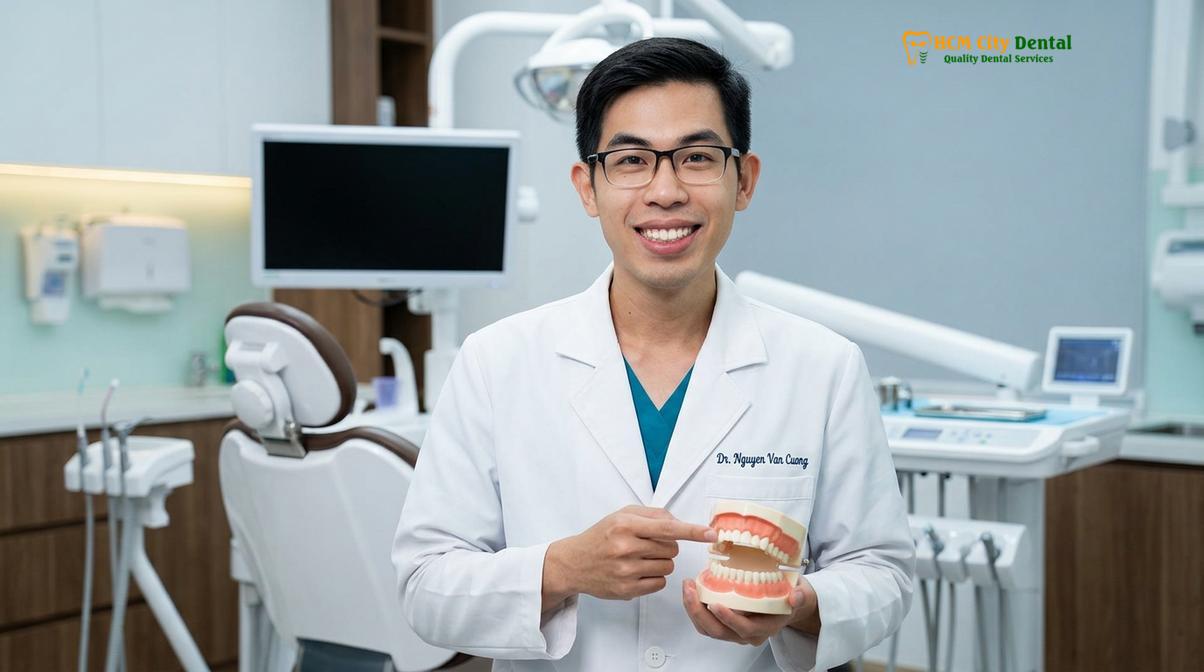
Clinical Case Study: Advanced Root Coverage
A 42-year-old patient presented to HCMC Dental Clinic in Ho Chi Minh City complaining of severe thermal sensitivity and aesthetic dissatisfaction due to pronounced recession on their upper canines and premolars, primarily caused by years of aggressive brushing. After a comprehensive evaluation, Dr. Nguyen Van Cuong determined that the patient had a thin gingival biotype and Class II recession. The treatment plan involved a bilateral Connective Tissue Graft utilizing a minimally invasive tunneling technique to avoid large incisions. Post-operative healing was uneventful. At the 6-month follow-up, the patient exhibited 100% root coverage, complete resolution of hypersensitivity, and a highly aesthetic, natural-looking gingival margin. The patient was also transitioned to a soft-bristled brush and educated on the Modified Bass technique to ensure long-term stability.
When to See a Doctor
Gum recession is a progressive medical condition that requires professional evaluation. You should schedule a consultation with a dental professional immediately if you experience any of the following red-flag symptoms:
- Spontaneous Pain or Severe Sensitivity: If your teeth are acutely sensitive to hot, cold, or sweet stimuli, or if you experience throbbing pain, the root dentin is exposed and potentially inflamed.
- Visible Root Exposure or “Long Teeth”: If you notice your teeth appearing longer, or if you can see a distinct color change near the gumline indicating root exposure.
- Bleeding, Swollen, or Tender Gums: These are classic signs of active periodontal disease, which is the leading cause of tissue destruction.
- Tooth Mobility: If any teeth feel loose or shift when you bite down, this indicates severe loss of the supporting alveolar bone and requires immediate emergency periodontal intervention.
Do not wait for the condition to worsen. Early intervention is significantly less invasive and more predictable. If you are experiencing these symptoms, contacting a specialized facility like HCMC Dental Clinic in Saigon for a comprehensive periodontal assessment is the safest course of action. In cases where a tooth cannot be saved due to extreme bone loss, options such as dental implant placement may be discussed to restore function and aesthetics.
Frequently Asked Questions
Can receding gums be reversed?
No, receding gums cannot be naturally reversed or grown back once the tissue is lost. However, professional dental treatments can halt further progression, and surgical procedures like gum grafting can physically restore the lost tissue to protect the tooth root and improve aesthetics.
Why are my gums receding on one tooth?
Localized gum recession on a single tooth is often caused by specific trauma, such as aggressive brushing in one area, a misaligned tooth that pushes against the bone, or localized occlusal trauma from an uneven bite. It can also be the result of a localized periodontal infection or a poorly fitting dental restoration.
Does brushing too hard cause receding gums?
Yes, aggressive mechanical brushing, especially with a hard-bristled toothbrush, is a leading cause of gum recession. The excessive physical friction gradually wears away the delicate gingival tissue and can even abrade the underlying tooth enamel and cementum, leading to severe sensitivity and structural damage.
How do dentists fix receding gums?
Dentists fix receding gums through a combination of non-surgical and surgical methods. Mild cases are managed with deep cleaning (scaling and root planing) and desensitizing agents, while severe cases require surgical interventions like connective tissue grafts or the pinhole surgical technique to physically cover the exposed roots.
Is gum graft surgery necessary for recession?
Gum graft surgery is not always necessary for mild recession, which can often be stabilized with improved hygiene and deep cleaning. However, surgery becomes necessary when the recession is severe, causing extreme sensitivity, high risk of root decay, aesthetic concerns, or threatening the overall stability of the tooth.
References
- Journal of Periodontology. The etiology and prevalence of gingival recession. (2019).
- International Journal of Periodontics & Restorative Dentistry. Mechanical trauma and periodontal health. (2020).
- Clinical Oral Investigations. Diagnostic criteria for dentin hypersensitivity and root exposure. (2021).
- Journal of Clinical Periodontology. Histological analysis of gingival tissue regeneration capabilities. (2018).
- American Academy of Periodontology. Guidelines for the management of mucogingival conditions. (2022).
- Journal of Oral and Maxillofacial Surgery. Efficacy of connective tissue grafts in root coverage procedures. (2023).
For more information on maintaining optimal oral health or to explore cosmetic dental enhancements following periodontal therapy, please consult with our expert clinical team. To learn more about our specialists, visit our clinical team page.