Bad breath caused by gum disease is a chronic condition resulting from anaerobic bacteria trapped beneath the gumline. These bacteria produce foul-smelling volatile sulfur compounds as they break down tissue and food particles, requiring professional periodontal treatment to eliminate the underlying infection and restore fresh breath.
Clinical Summary:
Periodontal halitosis is a direct clinical symptom of active gingival infection. Unlike transient bad breath caused by dietary choices, it originates from deep periodontal pockets where anaerobic bacteria thrive in an oxygen-deprived environment. Effective management requires a combination of professional deep cleaning—specifically scaling and root planing—to disrupt the bacterial biofilm, alongside rigorous at-home oral hygiene. Masking the odor with cosmetic mouthwashes is ineffective; resolving the underlying inflammatory disease through targeted clinical intervention is the only definitive way to restore oral health and eliminate the odor.
Key Takeaways:
- Gum disease is a primary driver of chronic halitosis due to subgingival bacterial accumulation.
- Anaerobic bacteria in deep gum pockets release highly offensive volatile sulfur compounds (VSCs).
- Cosmetic mouthwashes and mints only temporarily mask periodontal bad breath without treating the root cause.
- Professional scaling and root planing is essential to remove the calculus and bacteria driving the infection.
- Daily interdental cleaning and tongue scraping are critical for maintaining fresh breath post-treatment.
The Direct Link Between Bad Breath and Gum Health
Chronic bad breath is frequently the first noticeable warning sign of underlying periodontal disease, signaling an active bacterial infection beneath the gum tissues.
The oral cavity is a complex ecosystem hosting hundreds of different bacterial species. In a healthy mouth, there is a harmonious balance between beneficial and harmful bacteria. However, when oral hygiene is suboptimal, plaque—a sticky, colorless film of bacteria—begins to accumulate along the gingival margin. If not removed mechanically through brushing and flossing, this plaque hardens into calculus (tartar), creating a rough surface that attracts even more bacterial colonization. This cascade of events triggers an inflammatory response from the body’s immune system, leading to gingivitis, the earliest stage of gum disease.
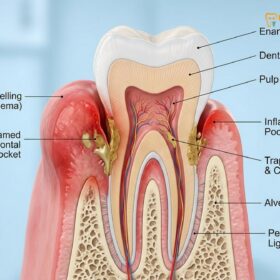
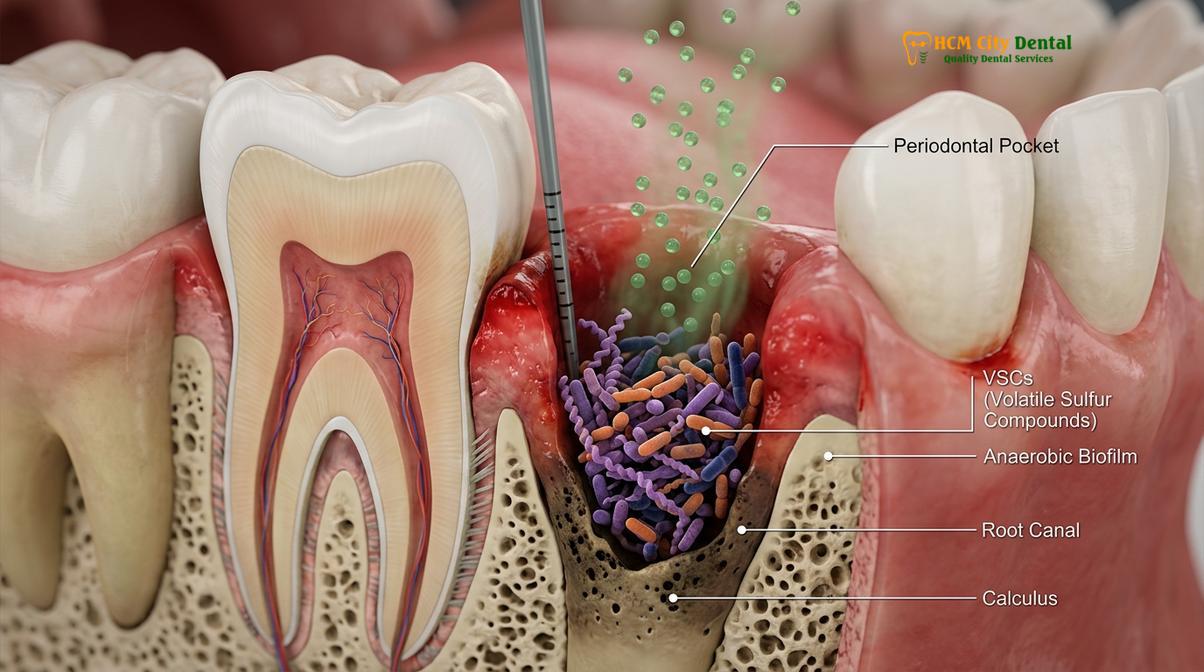
As gingivitis progresses into periodontitis, the gum tissues begin to pull away from the teeth, creating spaces known as periodontal pockets. These pockets provide an ideal, oxygen-free (anaerobic) environment for pathogenic bacteria to multiply rapidly. The presence of bad breath gum disease is a direct result of this bacterial proliferation. The microorganisms responsible for periodontal destruction are highly active metabolically, and their byproducts are the primary source of the foul odor associated with the condition.
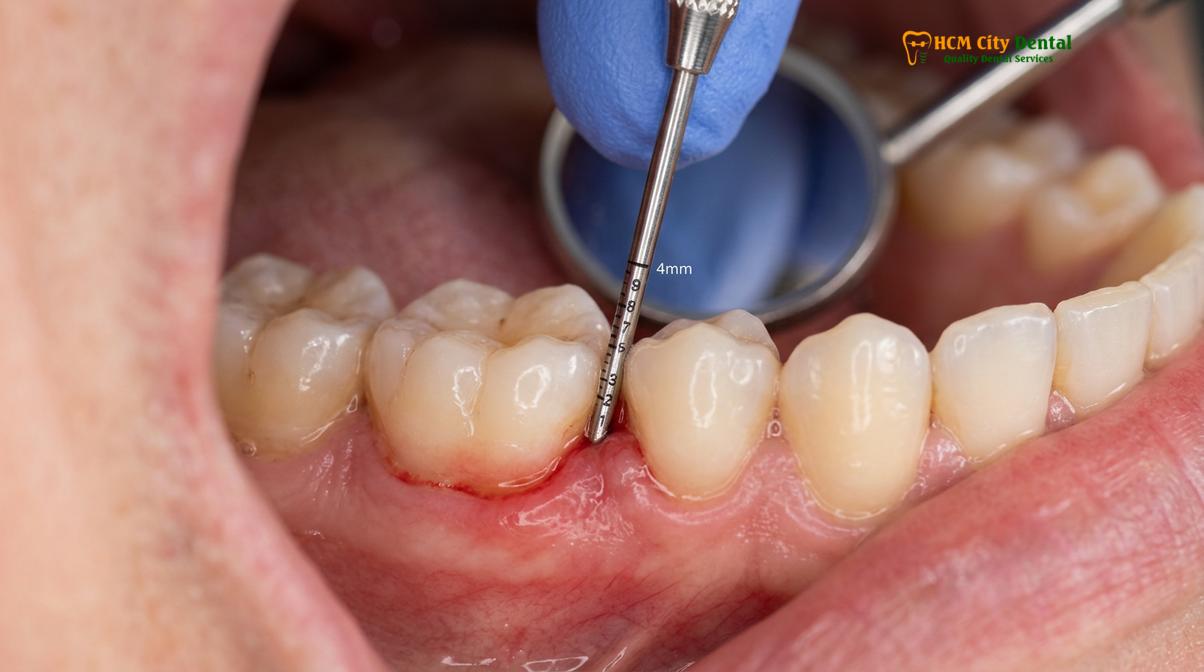
From a clinical perspective, Dr. Nguyen Van Cuong emphasizes that healthy gums do not bleed, swell, or emit foul odors. When a patient presents with persistent halitosis, a comprehensive periodontal evaluation is the critical first step in diagnosis. The odor is not merely a cosmetic issue; it is an olfactory indicator of tissue destruction and active infection. The bacteria not only produce malodor but also secrete toxins that break down the connective tissue and alveolar bone supporting the teeth[1]. Therefore, addressing halitosis periodontal disease requires a medical approach rather than a superficial cosmetic fix.
Patients often attempt to manage this symptom with over-the-counter mouthwashes, breath mints, or excessive brushing of the visible tooth surfaces. However, because the source of the odor lies deep within the periodontal pockets—areas inaccessible to standard toothbrushes and cosmetic rinses—these efforts are largely futile. To truly resolve the issue, patients must undergo comprehensive gum treatment to physically remove the subgingival biofilm and calculus, thereby closing the pockets and eliminating the bacterial breeding ground.
How Volatile Sulfur Compounds (VSCs) Form in Gum Pockets
Anaerobic bacteria trapped in deep periodontal pockets metabolize proteins from food and dead tissue, releasing highly odorous volatile sulfur compounds.
To understand the specific mechanism behind periodontal bad breath, it is necessary to examine the biochemistry of the oral microbiome. The primary culprits in severe gum disease are Gram-negative anaerobic bacteria, including species such as Porphyromonas gingivalis, Treponema denticola, and Tannerella forsythia—collectively known in dentistry as the “Red Complex.” These bacteria thrive in the deep, oxygen-depleted environments of periodontal pockets.
These microorganisms sustain themselves by breaking down proteins found in food debris, saliva, blood, and necrotic (dead) epithelial cells sloughed off from the inflamed gum tissues. The proteins contain sulfur-bearing amino acids, specifically cysteine and methionine. As the anaerobic bacteria metabolize these amino acids, they excrete Volatile Sulfur Compounds (VSCs) as a metabolic byproduct[2]. The three primary VSCs responsible for oral malodor are:
- Hydrogen Sulfide: Often compared to the smell of rotten eggs, this compound is highly toxic to human tissues and is a major contributor to the odor of bad breath.
- Methyl Mercaptan: Characterized by a smell resembling feces or decaying cabbage, this compound is particularly destructive, as it increases the permeability of the oral mucosa, allowing bacterial toxins to penetrate deeper into the gum tissue.
- Dimethyl Sulfide: Emitting a foul, sweet-cabbage odor, this compound is often associated with both oral and systemic sources of halitosis.
“The concentration of volatile sulfur compounds in the oral cavity directly correlates with the depth of periodontal pockets and the severity of gingival inflammation, making halitosis a measurable biomarker for periodontal disease.”
The deeper the periodontal pocket, the more severe the odor tends to be. In pockets exceeding 4 millimeters in depth, the environment becomes strictly anaerobic, leading to a massive shift in the bacterial population toward these VSC-producing species. Furthermore, the VSCs themselves are not just foul-smelling; they are biologically active molecules that exacerbate the disease process. They interfere with collagen synthesis and inhibit the healing of gum tissues, creating a vicious cycle where the bacteria produce gases that further damage the gums, thereby deepening the pockets and allowing even more bacteria to accumulate.
Clinicians can actually measure the levels of these gases using specialized devices such as a halimeter or through gas chromatography. However, the human nose is incredibly sensitive to VSCs, often detecting them at concentrations of just a few parts per billion. This is why periodontal bad breath is so noticeable to others, even when the patient themselves may have become desensitized to the smell (a phenomenon known as olfactory fatigue).
Temporary Halitosis vs Chronic Periodontal Bad Breath
While temporary halitosis arises from dietary choices or morning dryness, periodontal bad breath is a persistent, chronic odor that does not improve with standard brushing.
It is crucial to differentiate between transient bad breath, which is a normal physiological occurrence, and chronic bad breath gums, which is pathological. Almost everyone experiences “morning breath,” a temporary condition caused by a natural decrease in salivary flow during sleep. Saliva is the mouth’s natural cleanser, rich in oxygen and antimicrobial enzymes. When saliva production drops at night, the oral environment becomes more acidic and anaerobic, allowing bacteria to temporarily flourish and produce mild odors. This type of halitosis is easily resolved by eating breakfast, drinking water, and performing routine morning oral hygiene.
Similarly, dietary halitosis occurs after consuming foods rich in sulfur compounds, such as garlic, onions, and certain spices. As these foods are digested, their volatile oils are absorbed into the bloodstream, carried to the lungs, and exhaled. While pungent, this odor is temporary and fades as the body metabolizes and eliminates the compounds.
In stark contrast, periodontal bad breath is relentless. It does not originate from the stomach or the lungs, nor is it significantly altered by diet. It is a localized, chronic infection. Patients with this condition often report a constant bad taste in their mouth, frequently described as metallic or sour, which persists regardless of how often they brush or use mouthwash[3].
| Characteristic | Temporary Halitosis | Periodontal Bad Breath |
|---|---|---|
| Primary Cause | Diet (garlic/onions), morning dry mouth | Anaerobic bacteria in deep gum pockets |
| Duration | Short-term (hours to a day) | Chronic, persistent, daily |
| Odor Profile | Food-specific or stale | Rotten eggs, decaying matter, metallic |
| Response to Brushing | Resolves immediately | Returns quickly or remains unaffected |
| Associated Symptoms | None | Bleeding gums, loose teeth, gum recession |
Understanding this distinction is vital for patients seeking a smelly gums cure. Attempting to treat chronic periodontal halitosis with the same methods used for morning breath will inevitably lead to frustration. The structural damage to the gums (the pockets) must be physically repaired to alter the bacterial environment.
Other Common Dental Causes of Bad Breath
Beyond periodontal infections, persistent halitosis can also originate from untreated dental decay, poor restorative margins, tongue coating, or reduced salivary flow.
While gum disease is a leading cause of chronic halitosis, a comprehensive clinical evaluation must rule out or address other potential oral sources. The oral cavity is highly interconnected, and multiple factors can contribute synergistically to a patient’s malodor.
Deep Dental Caries (Cavities): Untreated tooth decay creates structural voids in the enamel and dentin. These cavities act as food traps where debris and bacteria accumulate. Because these areas are difficult to clean with a toothbrush, the trapped organic matter begins to putrefy, releasing foul odors. If the decay reaches the dental pulp, it can cause a necrotic (dead) nerve and a subsequent dental abscess, which produces a highly offensive smell due to the presence of pus.
Defective Dental Restorations: Old, leaking fillings, poorly fitted crowns, or overhanging margins on dental bridges can create microscopic ledges and gaps. These areas harbor plaque and bacteria just as effectively as periodontal pockets. A patient may have relatively healthy gums but still suffer from bad breath if their restorative work is failing. Addressing these issues often requires a visit for routine general dentistry to replace defective restorations and ensure smooth, easily cleanable contours.
Tongue Biofilm: The dorsal (top) surface of the tongue is not smooth; it is covered in tiny hair-like projections called papillae. In some individuals, these papillae can become elongated, creating a dense, carpet-like surface that traps bacteria, dead cells, and food particles. This tongue coating is a massive reservoir for VSC-producing bacteria. Even if a patient’s gums are perfectly healthy, a heavily coated tongue can cause severe halitosis.
Xerostomia (Dry Mouth): Adequate salivary flow is essential for maintaining a fresh oral environment. Saliva washes away food particles, neutralizes bacterial acids, and contains antimicrobial agents. Xerostomia can be caused by various factors, including hundreds of common prescription medications (such as antihypertensives and antidepressants), autoimmune conditions like Sjögren’s syndrome, or mouth breathing. Without sufficient saliva, the bacterial load in the mouth increases exponentially, leading to rapid plaque accumulation and subsequent bad breath[4].
How Treating Gum Disease Cures Halitosis
Eradicating periodontal bad breath requires professional mechanical debridement to remove the subgingival bacterial biofilm and calculus driving the infection.
When patients ask how to cure gum disease bad breath, the clinical answer always centers on eliminating the bacterial source through professional periodontal therapy. Because the bacteria reside deep within the pockets, surface-level cleaning is insufficient. The treatment workflow is methodical and tailored to the severity of the disease.
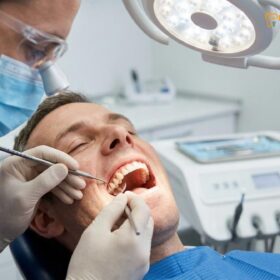
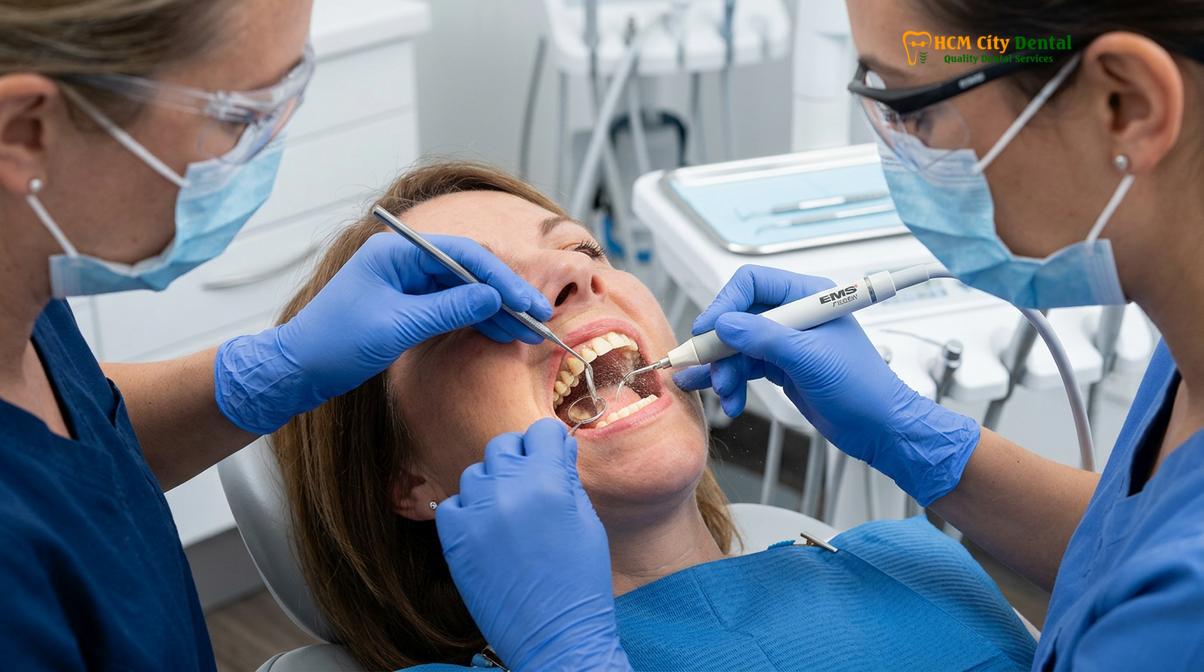
The cornerstone of non-surgical periodontal therapy is Scaling and Root Planing (SRP), commonly referred to as a “deep cleaning.” This procedure is typically performed under local anesthesia to ensure patient comfort. During the scaling phase, the dental professional uses specialized ultrasonic instruments and hand curettes to meticulously remove plaque and hard calculus deposits from the crown of the tooth and deep beneath the gumline. The ultrasonic scaler uses high-frequency vibrations and a cooling water spray to shatter the calculus and flush out the bacterial biofilm.
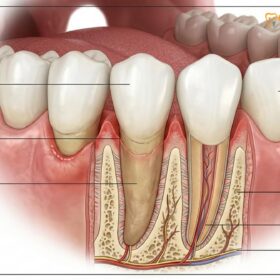
Following scaling, the root planing phase begins. The clinician smooths the rough surfaces of the tooth roots. This serves two critical purposes: first, it removes any remaining bacterial toxins embedded in the root cementum; second, it creates a clean, glass-like surface that makes it difficult for new bacteria to adhere. Most importantly, a smooth root surface allows the inflamed gum tissue to heal and reattach to the tooth, thereby reducing the depth of the periodontal pocket.
Clinical Case Study: Resolving Severe Halitosis
A 45-year-old patient visited HCMC Dental Clinic in Ho Chi Minh City complaining of persistent bad breath that was affecting their professional and social life. Despite brushing three times a day and using strong mouthwashes, the odor remained. Upon clinical examination, Dr. Nguyen Van Cuong diagnosed Stage II periodontitis with localized pocket depths of 5-6mm and heavy subgingival calculus. The patient underwent comprehensive scaling and root planing combined with adjunctive diode laser therapy to decontaminate the pockets. Within two weeks of completing the therapy and adopting a strict interdental cleaning routine, the gingival inflammation subsided, the pockets reduced to a healthy 2-3mm, and the patient reported a complete elimination of the halitosis.
In modern clinical practice, SRP is frequently supplemented with Laser Periodontal Therapy. Dental lasers, such as diode or Nd:YAG lasers, are highly effective at targeting and vaporizing the diseased, infected tissue lining the periodontal pocket without harming the healthy tissue. The laser energy also penetrates the surrounding tissues to destroy residual bacteria and stimulate the body’s natural healing response, promoting faster tissue regeneration and tighter gum reattachment.
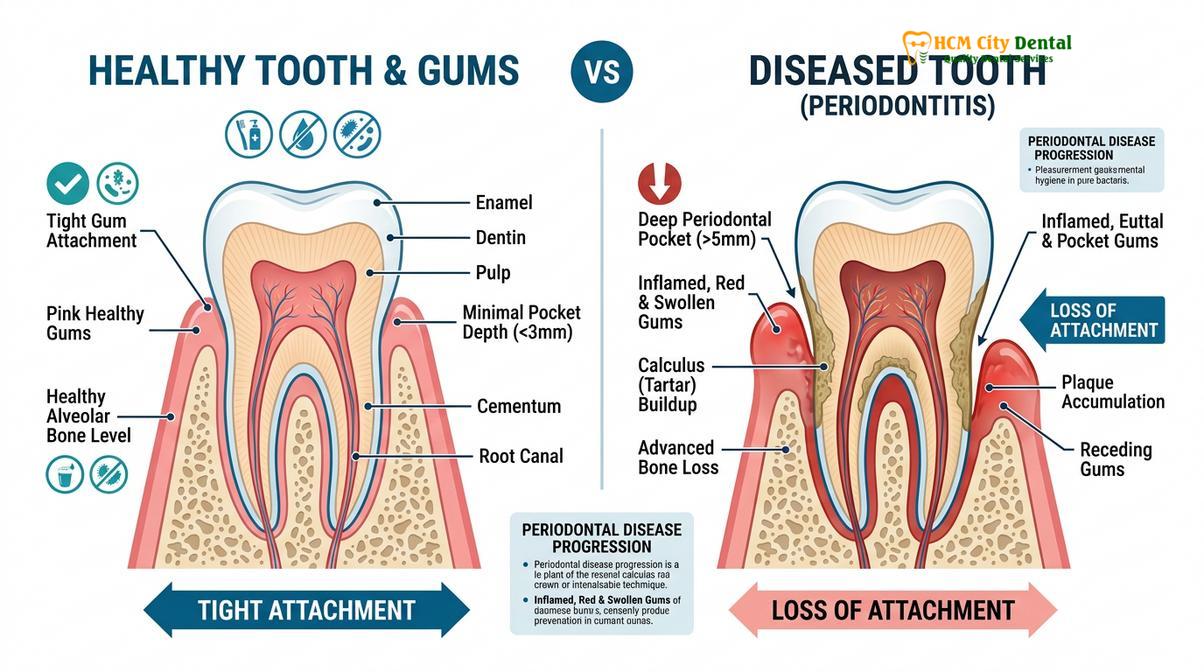
For advanced cases of periodontitis where the pockets are too deep to be effectively cleaned through non-surgical means (typically >6mm), surgical intervention may be necessary. Pocket Reduction Surgery (flap surgery) involves gently folding back the gum tissue to provide direct visual access to the root surfaces and the underlying bone. The roots are thoroughly debrided, and any irregular bone contours caused by the infection are smoothed. The gums are then sutured back tightly against the teeth. By physically eliminating the deep pockets, the anatomical hiding places for the VSC-producing bacteria are removed, effectively curing the periodontal halitosis.
Home Care Habits to Eliminate Periodontal Bad Breath
Sustaining fresh breath after professional periodontal therapy relies on meticulous daily plaque control, including interdental cleaning and tongue deplaquing.
Professional treatment is only half of the equation; the long-term success of periodontal therapy and the permanent elimination of bad breath depend heavily on the patient’s daily home care routine. Once the deep pockets have been cleaned and reduced by the dentist, the patient must prevent the bacterial biofilm from re-establishing itself.
Standard brushing with a manual or electric toothbrush is essential for cleaning the facial, lingual, and occlusal (biting) surfaces of the teeth. However, a toothbrush cannot penetrate the interproximal spaces (between the teeth) or reach below the gumline. Therefore, interdental cleaning is non-negotiable for patients with a history of gum disease.
- Interdental Brushes: These small, cylindrical brushes are highly effective at cleaning the concave root surfaces between the teeth, especially in patients who have experienced some gum recession or bone loss. They physically sweep away the plaque biofilm more efficiently than traditional string floss in larger spaces.
- Water Flossers (Oral Irrigators): Devices that use a pulsating stream of water are excellent for flushing out loose food debris and disrupting the bacterial biofilm below the gumline. Clinical studies have shown that water flossers, particularly when used with a specialized periodontal tip, can significantly reduce gingival bleeding and inflammation[5].
- Tongue Scraping: Given that the tongue is a major reservoir for VSC-producing bacteria, daily tongue cleaning is mandatory. A dedicated tongue scraper is far more effective than a toothbrush at removing the dense biofilm from the dorsal surface of the tongue. The scraping motion should start from the back of the tongue and pull forward, physically removing the bacteria and dead cells.
“Mechanical disruption of the bacterial biofilm through daily interdental cleaning and tongue scraping is the most effective strategy to prevent the recurrence of periodontal halitosis following professional clinical therapy.”
Additionally, the strategic use of therapeutic mouthwashes can be beneficial as an adjunct to mechanical cleaning. However, patients must avoid cosmetic mouthwashes that contain high levels of alcohol, as alcohol desiccates (dries out) the oral mucosa, ultimately worsening bad breath. Instead, clinicians may recommend short-term use of prescription antimicrobial rinses containing Chlorhexidine Gluconate to reduce bacterial loads during the initial healing phase, followed by long-term use of over-the-counter rinses containing Cetylpyridinium Chloride (CPC) or essential oils to help maintain a balanced oral microbiome.
When to See a Doctor for Persistent Bad Breath
While many cases of halitosis can be managed with improved hygiene, persistent bad breath should never be ignored, as it is often a symptom of an underlying medical or dental pathology. Patients should seek immediate clinical evaluation if their bad breath is accompanied by any of the following red flag symptoms:
- Gums that bleed easily during brushing, flossing, or eating.
- Gums that appear red, swollen, or tender to the touch.
- Noticeable gum recession, making the teeth look longer.
- Teeth that feel loose or a change in the way the teeth fit together when biting.
- Purulent exudate (pus) visible between the teeth and gums.
- A persistent metallic or sour taste in the mouth.
Important Clinical Consideration
Do not ignore chronic halitosis accompanied by bleeding or swollen gums. This indicates an active periodontal infection that, if left untreated, can lead to irreversible alveolar bone loss, tooth mobility, and eventual tooth loss. Early clinical intervention is critical to halt the disease progression.
Furthermore, if a comprehensive dental examination rules out periodontal disease, tooth decay, and other oral factors, the dentist may refer the patient to a medical physician. Systemic conditions can also manifest as halitosis. For example, uncontrolled diabetes can cause a fruity or acetone-like breath odor due to ketoacidosis. Gastrointestinal issues, such as severe acid reflux (GERD) or Helicobacter pylori infections, can contribute to malodor. Chronic sinus infections, post-nasal drip, and tonsil stones (tonsilloliths) are also common extra-oral causes of bad breath that require specialized medical management.
Ultimately, achieving and maintaining fresh breath is a collaborative effort between the patient and their dental care team. By understanding the clinical link between volatile sulfur compounds and periodontal pockets, patients can move past ineffective cosmetic cover-ups and seek the definitive professional care required to restore their oral health. If you are experiencing persistent halitosis, scheduling a comprehensive periodontal evaluation is the first step toward a lasting solution.
Frequently Asked Questions
Can gum disease cause permanent bad breath?
Gum disease causes chronic bad breath, but it is not permanent if properly treated. Once a dental professional removes the subgingival bacteria and calculus through deep cleaning, the infection resolves, and the associated halitosis is eliminated. However, if the gum disease is left untreated, the bad breath will persist and worsen as the periodontal pockets deepen and the bacterial load increases.
Why does my breath smell bad even after brushing and flossing?
If your breath smells bad after brushing, you likely have bacteria trapped deep inside periodontal pockets that standard toothbrushes and floss cannot reach. This requires professional clinical intervention to thoroughly debride the infected root surfaces. Additionally, you may be neglecting to clean the back of your tongue, which is a major reservoir for odor-causing bacteria.
How do I get rid of bad breath from gum disease?
To get rid of bad breath caused by gum disease, you must undergo professional scaling and root planing to remove the bacterial source. Daily use of interdental brushes, water flossers, and tongue scrapers will help maintain results. Cosmetic mouthwashes will only mask the odor temporarily; the physical removal of the subgingival biofilm by a dentist is the only definitive cure.
Does deep cleaning teeth help bad breath?
Yes, deep cleaning (scaling and root planing) is the most effective clinical treatment for periodontal bad breath. It physically removes the anaerobic bacteria and calculus responsible for producing foul-smelling volatile sulfur compounds beneath the gumline. By smoothing the root surfaces and allowing the gums to heal, the deep cleaning eliminates the environment where these odor-causing bacteria thrive.
What does periodontal bad breath smell like?
Periodontal bad breath typically has a distinct, highly offensive odor often described as smelling like rotten eggs, decaying meat, or garbage. This specific scent is caused by the high concentration of volatile sulfur compounds released by anaerobic bacteria. It is significantly more pungent and persistent than normal morning breath or food-related odors.
References
- Journal of Periodontology. The role of volatile sulfur compounds in periodontal disease and halitosis. (2021).
- International Journal of Oral Science. Microbiological profiles of halitosis and periodontal infections. (2020).
- Journal of Clinical Periodontology. Efficacy of scaling and root planing in reducing oral malodor. (2019).
- American Dental Association. Clinical guidelines for the management of chronic periodontitis. (2022).
- British Dental Journal. Adjunctive therapies in the treatment of halitosis and gingival inflammation. (2018).