The best toothbrush for gum disease is an electric model featuring a visible pressure sensor, soft end-rounded bristles, and oscillating-rotary or sonic technology. These devices clinically disrupt subgingival plaque biofilm more effectively than manual brushing, reducing gingival inflammation and helping to prevent the progression of periodontal disease.
Clinical Summary:
Managing periodontal disease requires meticulous daily plaque control to halt the progression of gingival inflammation and bone loss. Electric toothbrushes, particularly those utilizing oscillating-rotary or sonic mechanisms, offer superior biofilm disruption compared to manual alternatives. Key features for periodontal patients include built-in pressure sensors to prevent mechanical gingival trauma, two-minute quadrant timers to ensure adequate cleaning duration, and ultra-soft brush heads designed specifically for sensitive tissue. While selecting the right device is a critical component of home care, proper brushing technique—such as adapting the bristles at a 45-degree angle to the sulcus—and regular professional scaling are equally vital for maintaining long-term periodontal stability and preventing irreversible attachment loss.
Key Takeaways:
- Powered toothbrushes remove significantly more plaque biofilm than manual brushes, directly reducing gingival bleeding.
- Visible pressure sensors are essential to prevent aggressive brushing, which can exacerbate gum recession.
- Both oscillating-rotary and sonic technologies are clinically proven to effectively manage periodontal inflammation.
- Ultra-soft, densely packed bristles are mandatory to clean inflamed gingival margins without causing micro-abrasions.
- Daily interdental cleaning and professional periodontal therapy must accompany brushing for comprehensive disease management.
Why Electric Toothbrushes Outperform Manual Brushing for Gums
Electric toothbrushes deliver thousands of micro-movements per minute, breaking down stubborn plaque biofilm along the gumline far more efficiently than the limited strokes of manual brushing.
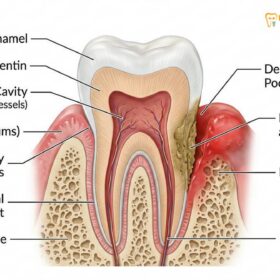
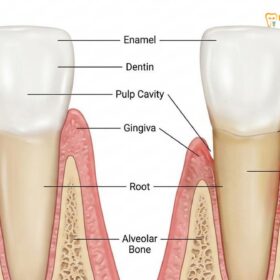
The foundation of periodontal health lies in the continuous, effective disruption of dental plaque—a complex, sticky biofilm composed of pathogenic bacteria. When plaque is allowed to accumulate along the gingival margin, bacteria release toxins that trigger an inflammatory immune response. This initial stage, known as gingivitis, is characterized by red, swollen, and bleeding gums. If left unmanaged, the inflammation progresses deeper into the periodontium, destroying the connective tissue and alveolar bone that anchor the teeth.
Manual toothbrushes, while capable of cleaning teeth when used with perfect technique, often fall short in real-world application. The average manual brusher achieves roughly 300 strokes per minute. In contrast, modern electric toothbrushes generate anywhere from 8,000 to over 60,000 movements per minute. This exponential increase in mechanical action is crucial for breaking the structural matrix of the plaque biofilm. Clinical studies consistently demonstrate that powered toothbrushes reduce plaque scores and gingival bleeding indices significantly more than manual brushes over both short and long-term periods[1].
Furthermore, patients suffering from periodontal disease often have deepened gingival sulci—the shallow crevice between the tooth and the gum tissue. When these crevices deepen beyond 3 millimeters, they are classified as periodontal pockets. Manual bristles struggle to penetrate these pockets effectively. Electric toothbrushes, particularly those with specialized brush heads, create micro-sweeping motions that can reach slightly subgingivally, disrupting the anaerobic bacteria thriving in these oxygen-deprived environments. This level of daily maintenance is a cornerstone of general dentistry protocols aimed at preserving natural dentition.
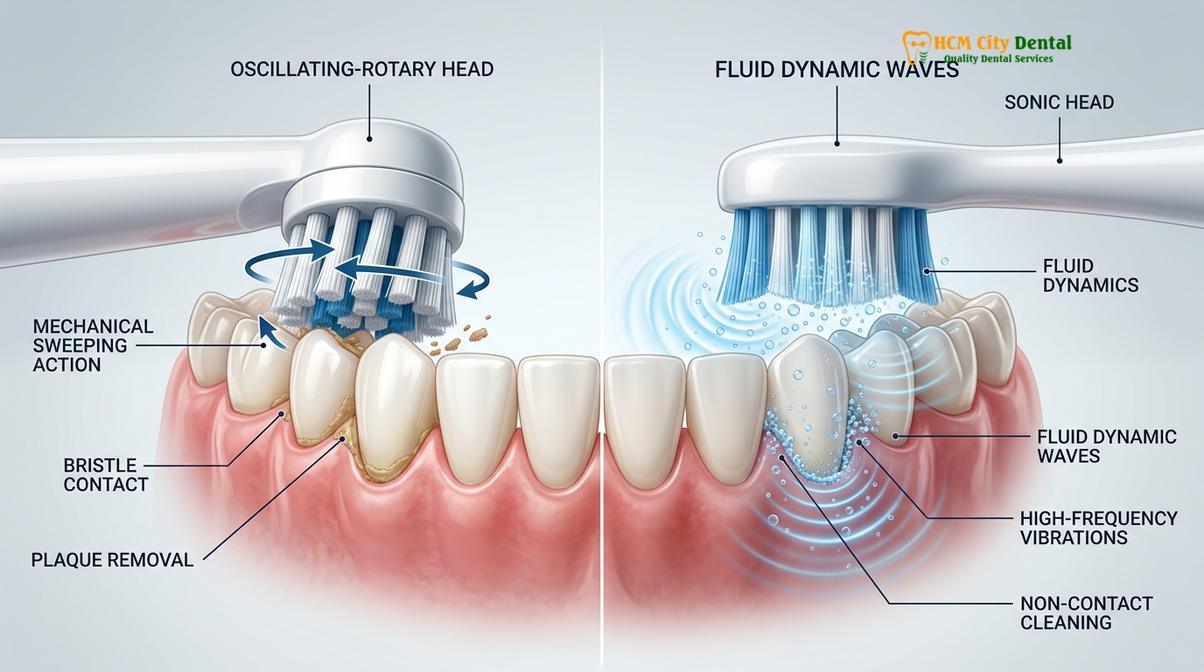
Oscillating-Rotary vs Sonic Technology for Plaque Removal
Oscillating-rotary brushes use a mechanical cupping action to sweep away plaque, while sonic brushes rely on high-frequency vibrations to create fluid dynamics that flush bacteria from shallow pockets.
When selecting the best toothbrush for gum disease, patients are primarily faced with two dominant technologies: oscillating-rotary and sonic. Understanding the biomechanical differences between these two mechanisms is essential for making an informed clinical choice.
Oscillating-rotary toothbrushes feature a small, circular brush head that rapidly rotates back and forth while simultaneously pulsing inward and outward. This 3D movement is designed to cup each individual tooth, adapting closely to the curved anatomy of the dentition. The mechanical sweeping action physically shears the plaque biofilm away from the enamel and the gingival margin. Because the head is small, it allows for precise navigation around the posterior molars and lingual surfaces, areas where plaque accumulation is notoriously high.
Sonic toothbrushes, conversely, utilize a traditional, elongated brush head shape. The technology relies on a piezoelectric or electromagnetic mechanism to vibrate the bristles at exceptionally high frequencies. This rapid side-to-side motion not only physically scrubs the tooth surface but also generates a secondary phenomenon known as fluid dynamics. The intense vibration agitates the saliva, water, and toothpaste in the mouth, creating microbubbles. These microbubbles are propelled at high velocity beyond the physical reach of the bristles, penetrating up to 2-3 millimeters into periodontal pockets and interproximal spaces to disrupt bacterial colonies[2].
| Feature | Oscillating-Rotary Technology | Sonic Technology |
|---|---|---|
| Primary Mechanism | Mechanical sweeping and cupping of individual teeth | High-frequency vibration and fluid dynamics |
| Brush Head Shape | Small, circular (adapts to single tooth) | Elongated, traditional shape (covers multiple teeth) |
| Subgingival Reach | Excellent physical adaptation to the gingival margin | Fluid dynamics penetrate shallow periodontal pockets |
| Learning Curve | Requires guiding from tooth to tooth without scrubbing | Similar to manual brushing motion, easier transition |
| Gum Disease Efficacy | Highly effective at reducing gingival bleeding indices | Highly effective, particularly gentle on sensitive tissues |
Both technologies are vastly superior to manual brushing. The choice often comes down to patient preference and specific anatomical considerations. Patients with severe crowding or limited mouth opening may benefit from the small, maneuverable head of an oscillating-rotary brush. Meanwhile, those seeking gentle management for inflamed tissues often prefer the massaging sensation and fluid dynamic reach of sonic models.
Key Features of Gum-Friendly Toothbrushes
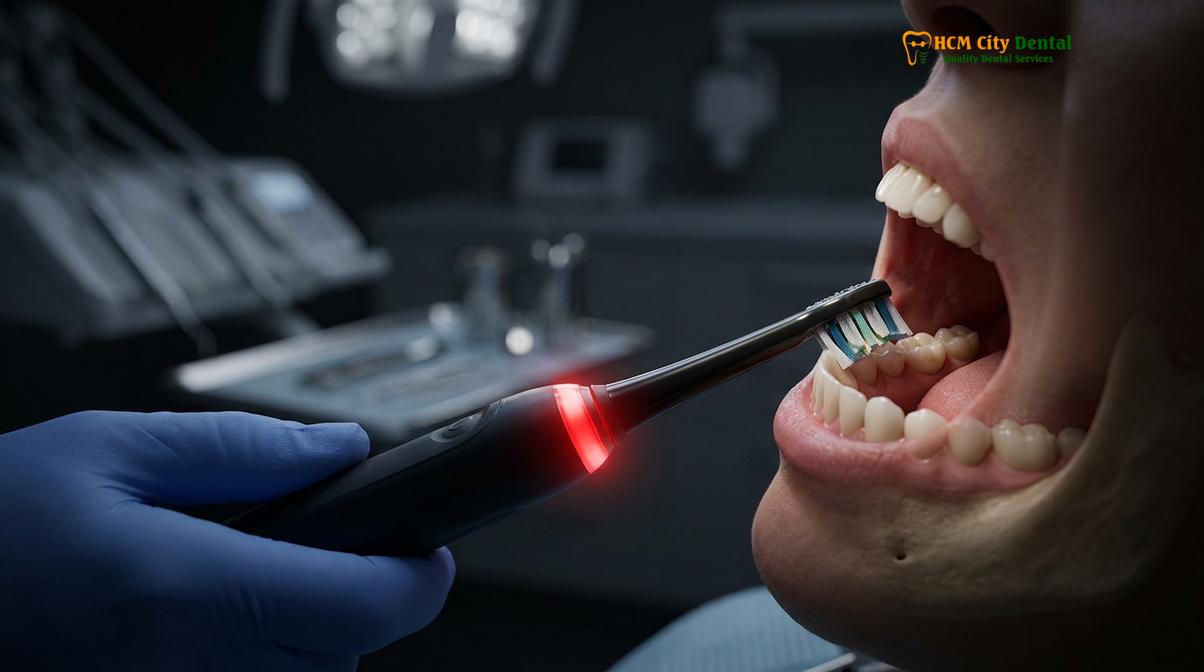
To protect compromised periodontal tissue, an ideal toothbrush must include a visible pressure sensor, a two-minute quadrant timer, and specialized sensitive cleaning modes.
Not all electric toothbrushes are created equal, and for patients with compromised periodontium, specific features are non-negotiable. The most critical feature for anyone suffering from gum disease or recession is a built-in pressure sensor. Toothbrush abrasion is a primary etiological factor in non-carious cervical lesions and gingival recession. When patients brush too aggressively, they physically wear away the delicate gingival tissue and the underlying root cementum, exposing the dentinal tubules and causing severe hypersensitivity[3].
n “The integration of pressure sensors in modern powered toothbrushes has revolutionized home care. By providing real-time tactile and visual feedback, these devices actively prevent the mechanical trauma that exacerbates gingival recession and root surface abrasion.”n
A high-quality electric toothbrush for receding gums will feature a visible pressure sensor—often a bright red LED ring at the base of the handle—that illuminates the moment excessive force is applied. Advanced models will simultaneously decelerate the motor or stop the pulsation entirely to prevent tissue trauma. This immediate biofeedback is invaluable for retraining patients who have spent years utilizing a heavy-handed scrubbing technique.
Another essential feature is the two-minute timer with a quad-pacer. Dental professionals universally recommend brushing for a full two minutes, yet clinical observations reveal that the average manual brusher stops after just 45 seconds. A quad-pacer briefly pauses the brush’s vibration every 30 seconds, signaling the user to move to the next quadrant of the mouth. This ensures an even, comprehensive distribution of cleaning time, which is vital for reducing the bacterial load that contributes to bad breath and gum disease[4].
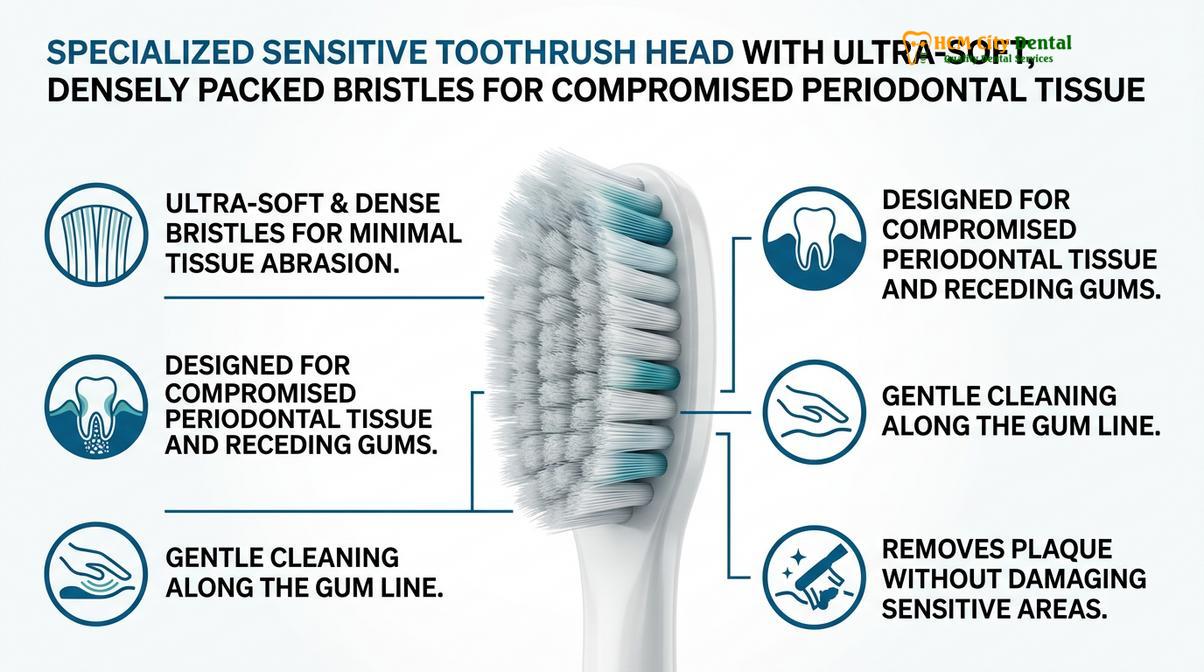
Brush Head Selection: Sensitive and Gum Care Options
Choosing the correct brush head is just as important as the toothbrush handle; patients with periodontal disease must exclusively use ultra-soft, end-rounded bristles.
The interface between the toothbrush and the gingival tissue is entirely dependent on the brush head. For patients managing periodontal disease, standard or medium-bristled heads are strictly contraindicated. These stiffer bristles can easily lacerate inflamed, friable gum tissue, leading to increased bleeding, discomfort, and accelerated recession.
Instead, patients should select brush heads specifically designated as “Sensitive” or “Gum Care.” These specialized heads feature ultra-soft bristles that are densely packed to provide a thorough clean without mechanical trauma. Furthermore, high-quality sensitive brush heads undergo an end-rounding manufacturing process. Under a microscope, standard bristles often have sharp, jagged edges from being cut. End-rounded bristles are polished to a smooth dome shape, allowing them to glide safely over the delicate gingival epithelium.
When dealing with localized acute inflammation, such as swollen gums around a tooth, the flexibility of these soft bristles allows them to adapt gently to the swollen contours, disrupting plaque without causing further irritation. It is also imperative to replace these brush heads every three months. As bristles wear down, they splay outward and lose their end-rounded smoothness, becoming abrasive and significantly less effective at plaque removal.
Top Recommended Models for Periodontal Patients
Clinical recommendations often highlight advanced oscillating-rotary series for their micro-vibrating heads and premium sonic models for their fluid dynamic plaque disruption.
When advising patients on specific models, dental professionals look for devices that combine robust plaque disruption with advanced safety features. Modern oscillating-rotary brushes that utilize frictionless magnetic drive systems direct energy precisely to the bristle tips, creating gentle micro-vibrations alongside the standard oscillation. This results in a remarkably smooth and quiet brushing experience that is exceptionally gentle on inflamed gums. The smart pressure sensors on these models are particularly sophisticated, illuminating green when the optimal pressure is applied and red when the user presses too hard.
On the sonic side, premium models are frequently recommended for periodontal patients. These brushes excel in generating the fluid dynamics necessary to flush out interproximal spaces and shallow pockets. They are often praised for their ergonomic design and the availability of ultra-soft brush heads. The lower-intensity settings on these sonic brushes provide a soothing, massaging effect that stimulates local blood flow without causing irritation, which is highly beneficial following professional interventions like deep cleaning teeth.
Clinical Case Review: Periodontal Stabilization
A 45-year-old patient presented to HCMC Dental Clinic in Ho Chi Minh City with generalized moderate periodontitis, characterized by 4-5mm pocket depths and heavy bleeding on probing. The patient was using a hard-bristled manual toothbrush with an aggressive horizontal scrubbing technique, which had also caused localized gingival recession. Following a comprehensive deep cleaning, the patient was instructed to transition to an oscillating-rotary electric toothbrush equipped with a pressure sensor and a sensitive brush head. At the 3-month recall appointment, the patient’s bleeding index had decreased by 85%, and pocket depths had stabilized at 2-3mm. The pressure sensor successfully eliminated the patient’s traumatic brushing habits, allowing the gingival margins to heal and reattach.
Clinical studies evaluating the long-term effects of powered toothbrushes confirm that when used correctly, they do not exacerbate gingival recession and actually promote tissue stability[5]. For patients on a budget, entry-level models offer the core essential features—a pressure sensor and a two-minute timer—without the premium cost of Bluetooth connectivity or artificial intelligence tracking. The clinical efficacy of these mid-tier brushes in removing plaque and managing gingivitis is nearly identical to the flagship models, provided the patient uses them consistently and with the correct technique.
How to Brush Correctly with an Electric Toothbrush
Proper electric brushing requires guiding the brush head slowly along the gingival margin at a 45-degree angle, allowing the device to do the work without manual scrubbing.
The most common mistake patients make when transitioning to an electric toothbrush is attempting to use it like a manual brush. The rapid scrubbing motion, when combined with the high-speed motor of an electric device, can be highly destructive to the gingival epithelium. To maximize the benefits of the best toothbrush for gum disease, patients must adopt a modified technique that relies on the device’s intrinsic movement.
The clinically recommended approach is an adaptation of the Modified Bass technique. The user should hold the brush handle using a light, relaxed grip—similar to holding a pen—to prevent the application of excessive force. The brush head must be placed against the teeth so that the bristles are angled at approximately 45 degrees toward the gumline. This angulation is critical; it allows the longer bristles at the edge of the brush head to gently slip beneath the gingival margin and into the sulcus, where the most destructive plaque resides.
Clinical Warning: Never use a rapid, horizontal scrubbing motion with an electric toothbrush. This aggressive action can cause severe enamel abrasion, accelerate gingival recession, and traumatize the delicate soft tissues. Allow the brush head to rest on each tooth for 2-3 seconds before slowly gliding to the next.
n “The efficacy of an electric toothbrush is entirely dependent on user technique. By simply guiding the brush head and allowing the motor to perform the mechanical sweeping, patients can achieve superior plaque removal while safeguarding their periodontal tissues from self-inflicted trauma.”n
Once positioned correctly, the user should simply hold the brush in place for a few seconds, allowing the oscillation or sonic vibration to break up the biofilm. Then, slowly glide the brush head along the arch to the adjacent tooth, following the natural curve of the dentition. It is essential to systematically clean all three surfaces of the teeth: the buccal (outer/cheek side), the lingual (inner/tongue side), and the occlusal (chewing surfaces). Special attention must be paid to the lingual surfaces of the lower anterior teeth, as this area is highly prone to rapid calculus accumulation.
When to Consult a Dentist for Gum Disease
While an electric toothbrush is vital for daily maintenance, persistent bleeding, chronic bad breath, or visible gum recession require immediate professional periodontal evaluation.
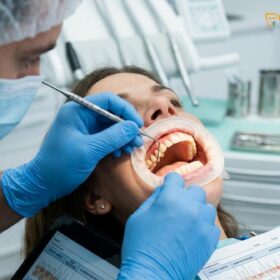
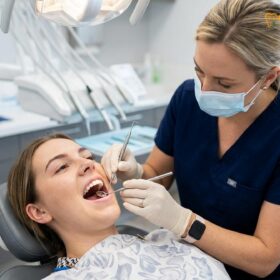
Upgrading your home care routine with a high-quality electric toothbrush is a crucial step, but it is not a substitute for professional dental care. According to guidelines from the Vietnam Odonto-Stomatology Association (VOSA), mechanical plaque control must be paired with routine professional evaluations to effectively halt periodontal disease progression[6]. If you experience persistent symptoms despite improving your brushing habits, it is imperative to seek clinical intervention.
Symptoms such as continuous bleeding when brushing, shifting teeth, or the appearance of black gums due to subgingival calculus buildup indicate that the disease has progressed beyond the reach of home care devices. In these advanced stages, periodontal pockets become too deep for toothbrush bristles or floss to penetrate. Professional treatments, ranging from non-surgical scaling and root planing to advanced laser gum treatment or gum flap surgery, become necessary to debride the roots and reduce pocket depths.
Dr. Nguyen Van Cuong, a leading specialist at HCMC Dental Clinic in Ho Chi Minh City, emphasizes that mechanical plaque control is only one part of the equation. He frequently advises patients that while upgrading to a premium electric toothbrush is highly beneficial, it cannot reverse advanced attachment loss. Regular professional evaluations are essential to monitor periodontal pockets, assess tissue health, and adjust treatment protocols accordingly to ensure long-term stability.
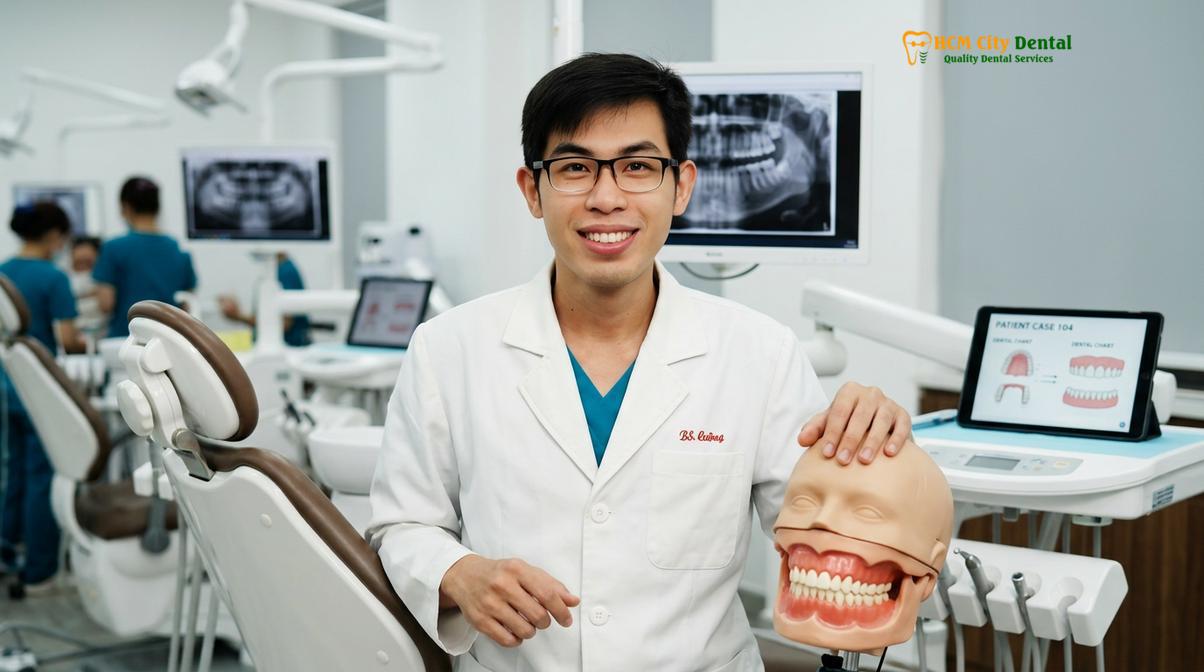
If you are struggling to manage gingival inflammation or are unsure which oral hygiene tools are best suited for your specific periodontal condition, professional guidance is essential. Contact HCMC Dental Clinic in Ho Chi Minh City today to schedule a comprehensive periodontal evaluation and receive personalized recommendations for your daily home care routine.
References
- Journal of Clinical Periodontology. Efficacy of oscillating-rotary vs manual toothbrushes in plaque reduction.
- International Journal of Dental Hygiene. Fluid dynamics of sonic toothbrushes and subgingival biofilm disruption.
- Periodontology 2000. The role of mechanical plaque control in the management of periodontal diseases.
- Journal of the American Dental Association. Impact of toothbrush bristle stiffness on gingival abrasion.
- Clinical Oral Investigations. Long-term effects of powered toothbrushes on gingival recession.
- Vietnam Odonto-Stomatology Association (VOSA). National guidelines on periodontal disease prevention and mechanical plaque control.
For pricing, booking, and a free clinical assessment, visit our Gum Disease Treatment service page at HCMC Dental Clinic in Ho Chi Minh City.