Gum abscess treatment requires immediate professional intervention to drain the trapped pus, eradicate the underlying bacterial infection, and prevent systemic spread. A dentist will typically perform an incision and drainage, followed by deep cleaning or root canal therapy, depending on the exact source of the periodontal or periapical infection.
Clinical Summary:
A gum abscess is an acute, localized accumulation of pus within the gingival wall or periodontal pocket, usually triggered by trapped foreign bodies, severe gum disease, or untreated tooth decay. Effective clinical management prioritizes immediate drainage to relieve pressure and pain, mechanical debridement to remove calculus and necrotic tissue, and targeted antimicrobial therapy. Delaying care can lead to localized bone loss, tooth mobility, or severe systemic complications. Professional diagnosis is essential to differentiate between gingival, periodontal, and periapical origins, ensuring the correct therapeutic protocol is applied to restore oral health and prevent recurrence.
Key Takeaways:
- A gum abscess will not resolve without professional mechanical drainage and infection control.
- Symptoms include severe, throbbing pain, localized swelling, and a visible pus-filled bump on the gingival tissue.
- Treatment protocols vary significantly depending on whether the infection originates in the superficial gums or deep inside the tooth root.
- Warm saltwater rinses can provide temporary palliative relief but cannot cure the underlying bacterial accumulation.
- Untreated dental abscesses pose severe medical risks, including rapid jawbone deterioration and systemic spread of bacteria.
What is a Gum Abscess (Periodontal Abscess)?
A gum abscess is a painful, localized collection of pus within the gum tissue, typically caused by a rapidly multiplying bacterial infection trapped inside a compromised periodontal pocket.
In clinical dentistry, a gum abscess—frequently referred to as a periodontal abscess—is recognized as an acute, destructive infection occurring within the periodontium. The periodontium encompasses the specialized tissues that both surround and support the teeth, including the gingiva (gums), periodontal ligament, cementum, and alveolar bone. When a patient develops a gum abscess, they are experiencing a localized accumulation of purulent exudate (pus) that is trapped within the gingival wall of a periodontal pocket. This pus is a thick fluid composed of dead white blood cells, tissue debris, and living and dead bacteria.
The pathophysiology of a gum abscess begins when the natural seal between the tooth and the gum tissue is compromised. In a healthy mouth, the gums fit snugly around the teeth. However, in the presence of periodontal disease, the bacterial plaque biofilm hardens into calculus (tartar), causing the gums to pull away from the teeth and form spaces known as periodontal pockets. These pockets create an ideal, oxygen-deprived (anaerobic) environment where highly virulent gram-negative bacteria can thrive and multiply rapidly [1].
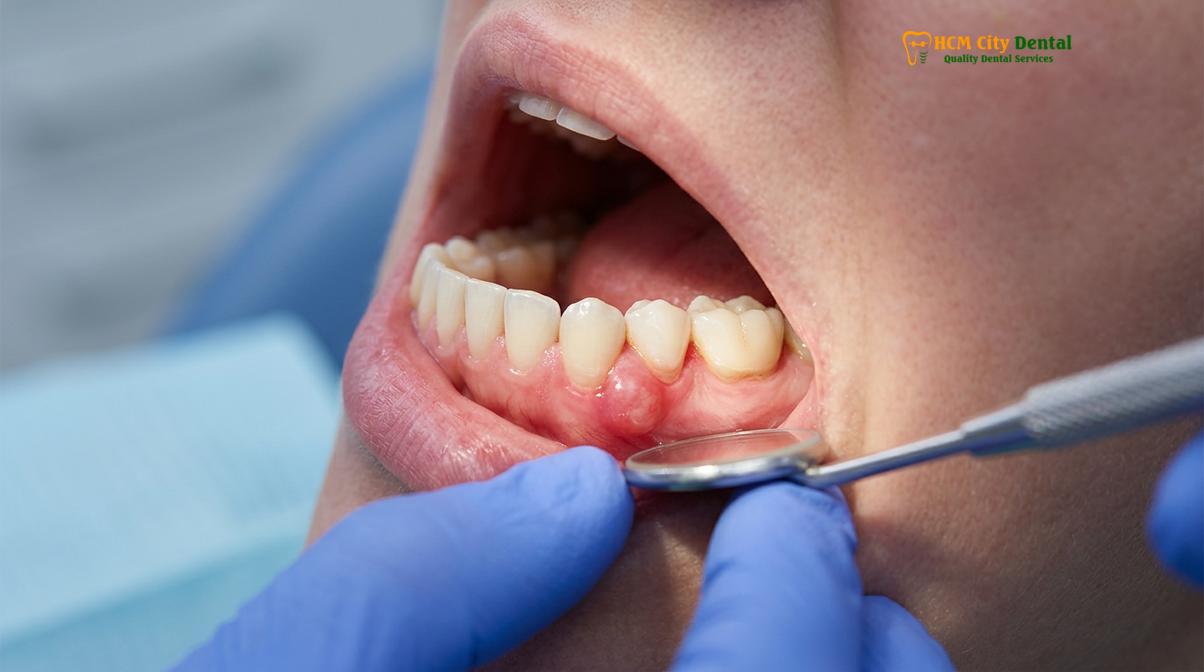
An acute abscess often forms when the opening of one of these deep periodontal pockets becomes obstructed. This occlusion can occur due to a piece of foreign material—such as a popcorn hull, a seed, or a bristle from a toothbrush—becoming forcefully lodged deep within the pocket. Alternatively, the pocket may seal over at the surface while the infection continues to rage underneath. Because the bacteria are actively producing toxins and the body’s immune system is rushing white blood cells to the site to fight the infection, pressure rapidly builds up. With no exit route, the resulting pus expands the surrounding tissues, creating what patients often describe as a painful gum infection blister.
Dr. Nguyen Van Cuong, a leading specialist in periodontal care, frequently emphasizes to patients that the speed at which a periodontal abscess can develop is alarming. A patient might go to bed with mild gum irritation and wake up with a severely swollen, throbbing lesion. The intense pressure generated by the trapped fluid within the confined space of the gingival tissue is the primary source of the excruciating pain associated with this condition. Understanding this mechanism is crucial because it highlights why superficial, at-home treatments are ineffective; the infection is physically trapped deep within the tissue architecture and requires mechanical intervention to resolve.
Symptoms of an Infected Gum Abscess
Symptoms of an infected gum abscess include intense throbbing pain, localized red swelling, extreme sensitivity to temperature and pressure, a foul taste from draining pus, and potential systemic signs like fever.
The clinical presentation of a gum abscess is typically dramatic and difficult for a patient to ignore. Because the infection involves a rapid accumulation of fluid in a highly innervated area, the symptoms are both localized to the oral cavity and, in severe cases, systemic. Recognizing periodontal abscess symptoms early is vital for seeking timely intervention and preventing the infection from causing irreversible damage to the supporting bone structure.
The most prominent and distressing symptom is pain. Unlike the dull, generalized ache of early gum disease, the pain from an abscess is usually acute, intense, and throbbing. It is often described as a continuous, radiating pain that can extend from the affected tooth to the jawbone, ear, or neck on the same side of the face. This pain is significantly exacerbated by mastication (chewing) or even light pressure applied to the affected tooth or surrounding gum tissue. The tooth itself may feel “high” or slightly elevated out of its socket due to the accumulation of inflammatory fluids in the periodontal ligament space beneath it.
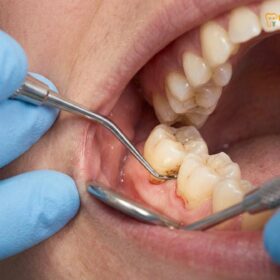
Visually, the affected area will exhibit profound signs of inflammation. The gingival tissue will appear highly erythematous (red), engorged, and stretched tight over the underlying accumulation of pus. Patients will often notice a distinct, localized swelling that resembles a pimple or a boil on the gums. If this lesion spontaneously ruptures, the patient will experience a sudden, foul-tasting discharge of pus into the mouth, which is often accompanied by an immediate, albeit temporary, reduction in pain due to the release of pressure [2].
“An acute periodontal abscess is characterized by sudden onset, severe pain, localized swelling, and rapid destruction of periodontal tissues. It is a true dental emergency that requires immediate diagnosis and therapeutic intervention to halt the progression of bone loss and prevent systemic dissemination of the infection.”
In addition to localized oral symptoms, a severe gum abscess can trigger a systemic immune response. Patients may develop a fever, experience general malaise (feeling unwell), and notice swollen, tender lymph nodes in the neck or under the jaw (submandibular lymphadenopathy). The presence of these systemic symptoms indicates that the body is fighting a significant bacterial load and that the infection may be attempting to spread beyond the localized confines of the oral cavity. Increased sensitivity to hot and cold temperatures is also common, particularly if the abscess is causing secondary inflammation of the tooth’s internal pulp.
Gingival vs Periodontal vs Periapical Abscesses
Dental abscesses are classified by their origin: gingival abscesses occur on the superficial gum surface, periodontal abscesses form deep within gum pockets, and periapical abscesses develop at the tip of the tooth root.
While patients often use the term “gum abscess” as a catch-all phrase for any painful swelling in the mouth, dental professionals meticulously categorize oral abscesses based on their precise anatomical origin and underlying etiology. Accurate differential diagnosis is the cornerstone of effective treatment, as the clinical protocols for managing a superficial gum infection differ vastly from those required for an infection originating inside a dying tooth. The three primary classifications are gingival, periodontal, and periapical abscesses.
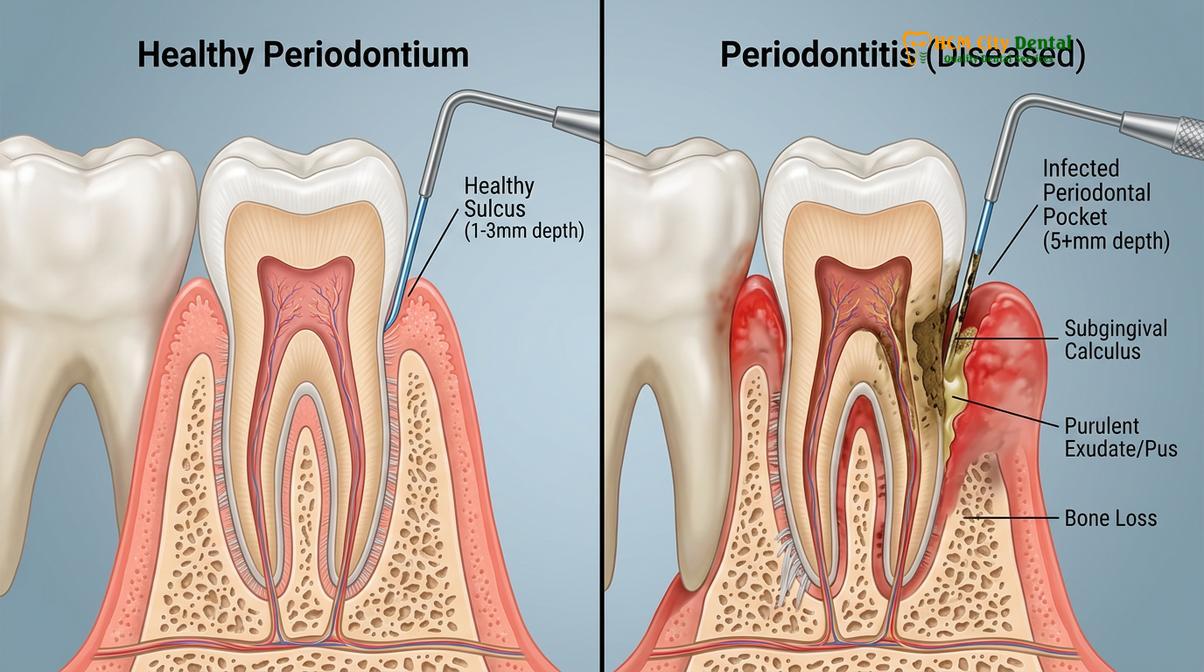
A gingival abscess is the most superficial type. It is strictly localized to the marginal gingiva (the edge of the gum touching the tooth) or the interdental papilla (the triangle of gum tissue between two teeth). Crucially, a gingival abscess occurs in previously healthy tissue and does not involve the deeper supporting structures of the tooth or the periodontal ligament. It is almost always the result of acute trauma or the forceful impaction of a foreign object—such as a popcorn kernel, a fishbone, or a piece of dental floss—into the healthy gum crevice. Because it is superficial, it is generally the easiest to treat and has the most favorable prognosis.
A periodontal abscess, as discussed previously, occurs deeper within the tissue and is intrinsically linked to pre-existing periodontal disease. It forms within a pathologically deepened periodontal pocket. Unlike a gingival abscess, a periodontal abscess involves the destruction of the deeper supporting structures, including the alveolar bone and the periodontal ligament. The tooth associated with a periodontal abscess is typically vital (alive), meaning the nerve inside the tooth is still functioning, but the surrounding foundation is severely compromised. This distinction is critical when planning comprehensive gum disease treatment protocols.
A periapical abscess, conversely, originates from within the tooth itself. It is the result of pulpal necrosis—the death of the nerve and blood vessels inside the tooth—usually caused by deep, untreated dental caries (cavities), severe dental trauma, or a failing previous root canal treatment. The bacteria travel down the root canal system and exit through the apex (tip) of the root, forming an abscess in the surrounding jawbone. While the swelling may eventually break through the bone and appear as a bump on the gums, the source of the infection is entirely endodontic, not periodontal [3].
| Feature | Gingival Abscess | Periodontal Abscess | Periapical Abscess |
|---|---|---|---|
| Primary Location | Superficial gum margin | Deep in a periodontal pocket | At the tip of the tooth root |
| Underlying Cause | Foreign body impaction, minor trauma | Advanced gum disease, trapped bacteria | Deep tooth decay, dead tooth nerve |
| Tooth Vitality | Usually vital (alive) | Usually vital (alive) | Non-vital (dead nerve) |
| Primary Treatment | Removal of foreign object, drainage | Deep cleaning, pocket drainage | Root canal therapy or extraction |
Differentiating between a periodontal and a periapical abscess can be clinically challenging, especially when a periodontal pocket extends all the way to the apex of the root, or when a periapical infection drains through the periodontal ligament space. Dentists utilize a combination of clinical probing, vitality testing (checking if the tooth responds to cold stimuli), and high-resolution radiographic imaging to pinpoint the exact source of the infection before initiating any gum boil treatment.
Why a Gum Abscess Requires Immediate Dental Care
Immediate dental care is critical because an untreated abscess can rapidly destroy surrounding jawbone, cause permanent tooth loss, and spread life-threatening bacteria into the bloodstream or facial spaces.
A common and dangerous misconception among patients is that a gum abscess is merely a severe toothache that can be managed with over-the-counter painkillers until it “goes away.” In reality, a dental abscess is an active, aggressive bacterial infection that poses significant risks to both oral and systemic health. Delaying professional treatment allows the infection to progress unchecked, leading to increasingly severe complications.
Locally, the primary danger of an untreated periodontal abscess is the rapid and irreversible destruction of the alveolar bone. The inflammatory response triggered by the trapped bacteria stimulates the activation of osteoclasts—specialized cells that break down bone tissue. As the abscess expands, it literally eats away at the jawbone supporting the affected tooth and adjacent teeth. Within a matter of days or weeks, a tooth that was previously stable can become highly mobile and may ultimately require extraction. The loss of this foundational bone also complicates future restorative options, such as the placement of dental implants.
Clinical Warning: Never ignore a swelling in your mouth that is accompanied by a fever, difficulty swallowing, or swelling that extends down your neck or up toward your eye. These are critical signs that the infection is spreading systemically and requires immediate emergency medical intervention to prevent life-threatening complications.
Beyond the oral cavity, the systemic risks associated with an untreated abscess are profound. The mouth is highly vascularized, meaning it has a rich blood supply. The virulent bacteria multiplying within the abscess can easily enter the bloodstream, a condition known as bacteremia. Once in the systemic circulation, these pathogens can travel to distant organs. In vulnerable individuals, particularly those with compromised immune systems or pre-existing heart conditions, this can lead to severe complications such as infective endocarditis (an infection of the heart valves) [4].
Furthermore, the infection can spread through the fascial spaces of the head and neck. A lower jaw abscess can spread into the submandibular space, leading to Ludwig’s angina—a rapidly progressing, life-threatening cellulitis that can cause massive swelling of the neck and tongue, ultimately obstructing the patient’s airway. An upper jaw abscess can spread toward the maxillary sinus or, in rare cases, the cavernous sinus in the brain. Because of these severe risks, seeking prompt emergency dental care is not just about relieving pain; it is about containing a potentially dangerous infection.
Professional Treatment: Drainage, Deep Cleaning, and Antibiotics
Dentists treat gum abscesses by profoundly numbing the area, making a precise incision to drain the pus, thoroughly cleaning the infected pocket, and prescribing targeted antibiotics if systemic symptoms are present.
The clinical management of a gum abscess is a multi-step process designed to achieve three primary objectives: immediate relief of acute symptoms, eradication of the localized bacterial infection, and prevention of recurrence by addressing the underlying periodontal disease. When a patient presents at a facility like HCMC Dental Clinic in Ho Chi Minh City with an acute abscess, the dental team follows a strict, evidence-based protocol to ensure safe and effective resolution.

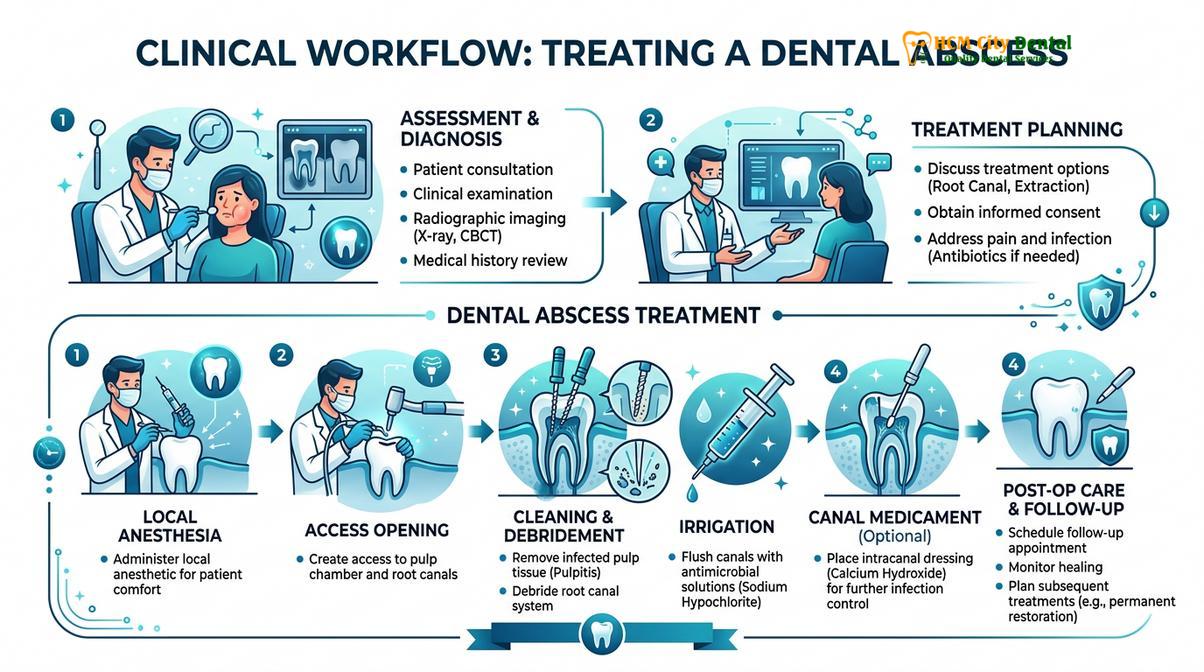
The first step is always a comprehensive diagnostic evaluation. The dentist will review the patient’s medical history, perform a clinical examination of the swelling, and take targeted periapical radiographs (X-rays). These X-rays are crucial for visualizing the extent of the bone loss, identifying any foreign bodies, and confirming whether the infection is periodontal or periapical in origin. Once the diagnosis of a periodontal abscess is confirmed, the physical treatment phase begins.
Achieving profound local anesthesia is the next critical, yet often challenging, step. The acidic environment created by the purulent infection can neutralize the local anesthetic solution, making it difficult to completely numb the area. Dentists overcome this by utilizing specific anesthetic formulations and employing regional nerve block techniques that deposit the anesthetic away from the immediate site of inflammation, ensuring the patient remains comfortable throughout the procedure.
Once the area is numb, the dentist performs the infected gum pocket drainage. If the abscess is pointing (forming a visible, fluctuant head), the dentist may use a sterile scalpel to make a small, precise incision directly into the swelling. This allows the trapped pus to evacuate immediately, which instantly relieves the intense pressure and pain. In many cases, especially if the abscess is communicating with the periodontal pocket, drainage can be achieved non-surgically by carefully inserting a periodontal probe or a curette into the pocket and gently retracting the gingival tissue to open the pathway.
Clinical Case Review: A 45-year-old patient presented to HCMC Dental Clinic in Ho Chi Minh City with severe, localized pain and a fluctuant swelling between two lower molars. Dr. Nguyen Van Cuong diagnosed an acute periodontal abscess caused by a deep, 8mm periodontal pocket. Under local anesthesia, Dr. Cuong performed immediate drainage through the pocket, followed by ultrasonic scaling to remove subgingival calculus. The patient reported a 90% reduction in pain within hours, and the tissue healed completely following a subsequent course of comprehensive periodontal therapy.
Following drainage, the most critical phase of the treatment is mechanical debridement, commonly known as scaling and root planing. Using specialized hand instruments (curettes) and ultrasonic scalers, the dentist meticulously cleans the root surface of the affected tooth. This process removes the calcified tartar, bacterial biofilm, and necrotic cementum that are harboring the infection. The pocket is then copiously irrigated with an antimicrobial solution, such as chlorhexidine gluconate or sterile saline, to flush out remaining debris and reduce the bacterial load [5].
The use of systemic antibiotics in the treatment of a gum abscess is carefully considered and is not an automatic requirement. According to current clinical guidelines, antibiotics are generally reserved for cases where there is evidence of systemic involvement (such as a fever or swollen lymph nodes), when the infection is spreading rapidly (cellulitis), or when the patient is medically compromised. When indicated, broad-spectrum antibiotics like Amoxicillin or Clindamycin are prescribed to support the body’s immune response, but they are always an adjunct to, never a replacement for, physical drainage and cleaning.
Safe Emergency Steps Before Your Dental Appointment
While waiting for professional treatment, you can manage abscess pain using over-the-counter analgesics, warm saltwater rinses to encourage natural drainage, and cold compresses applied externally to reduce facial swelling.
When an acute gum abscess flares up, it often happens outside of normal clinic hours. While it is imperative to see a dentist as soon as possible, there are safe, supportive measures patients can take at home to manage the severe discomfort and prevent the situation from worsening while awaiting their appointment. It is equally important to understand what actions to strictly avoid.
Pain management is usually the patient’s primary concern. Over-the-counter non-steroidal anti-inflammatory drugs (NSAIDs), such as Ibuprofen, are highly effective for dental pain because they address both the pain receptors and the underlying tissue inflammation. Acetaminophen (Paracetamol) can also be used, either alone or in alternating doses with Ibuprofen, depending on the patient’s medical history and under the guidance of a pharmacist. It is crucial to swallow these medications as directed; never crush an aspirin or any painkiller and place it directly against the gums, as this will cause a severe chemical burn to the already compromised tissue.
To help draw out the infection and soothe the inflamed tissues, patients should perform frequent warm saltwater rinses. Dissolving a half-teaspoon of table salt in a cup of warm water and gently swishing it around the mouth for 60 seconds can help alter the osmotic pressure in the mouth, potentially encouraging the abscess to drain naturally through the pocket. This is a safe, palliative approach to gum boil treatment at home. Additionally, applying a cold compress or an ice pack wrapped in a towel to the outside of the face (cheek or jaw) for 15-minute intervals can help constrict blood vessels, reducing both swelling and the throbbing sensation.
Conversely, patients must absolutely avoid any attempt to puncture, lance, or squeeze the abscess themselves. Using needles, pins, or fingernails to pop the swelling is incredibly dangerous. It can drive the virulent bacteria deeper into the fascial planes, introduce new pathogens from the unsterilized instrument, and cause severe lacerations to the gums. Patients should also avoid consuming very hot, very cold, or overly hard foods that could further irritate the sensitive area or inadvertently rupture the abscess in an uncontrolled manner.
Preventing Recurrent Gum Infections and Abscesses
Preventing future abscesses requires maintaining meticulous daily oral hygiene, attending regular professional periodontal cleanings, and promptly treating any signs of early gum disease or tooth decay.
Once an acute gum abscess has been successfully treated and the immediate crisis resolved, the clinical focus must shift entirely to prevention. Because a periodontal abscess is almost always a complication of underlying, chronic periodontal disease, failing to address the root cause guarantees that the infection will eventually return. Long-term stability requires a collaborative effort between the patient’s daily home care and the dental team’s professional maintenance.
The foundation of prevention is meticulous daily oral hygiene. Patients must commit to brushing their teeth at least twice a day using a soft-bristled toothbrush and fluoride toothpaste. More importantly, because periodontal pockets form between the teeth and under the gumline where a toothbrush cannot reach, daily interdental cleaning is non-negotiable. Using dental floss, interdental brushes, or water flossers is essential to disrupt the bacterial biofilm before it can calcify into tartar and trigger the inflammatory cascade that leads to pocket formation.
“The successful resolution of an acute abscess is only the first step. True clinical success is measured by our ability to arrest the underlying periodontal disease through consistent maintenance therapy, thereby preventing the future recurrence of these destructive acute exacerbations.”
Professional periodontal maintenance is equally critical. Patients who have experienced a gum abscess or who have been diagnosed with advanced gum disease typically require more frequent dental visits than the standard six-month checkup. A customized periodontal maintenance schedule—often involving professional deep cleanings every three to four months—allows the dental hygienist to monitor pocket depths, remove newly formed subgingival calculus, and intervene at the earliest signs of inflammation before an acute abscess can develop.

Finally, addressing other contributing dental factors is vital for comprehensive prevention. This includes promptly treating any active tooth decay to prevent periapical abscesses, replacing ill-fitting dental crowns or fillings that trap food debris, and managing conditions like bruxism (teeth grinding) that can place excessive occlusal trauma on the teeth and weaken the periodontal ligament. By maintaining a healthy oral environment and adhering to a strict professional maintenance schedule, patients can effectively protect themselves from the pain and destruction of recurrent dental abscesses.
When to See a Doctor
While any dental abscess requires professional care, certain symptoms indicate a severe, potentially life-threatening medical emergency that requires immediate evaluation at a hospital emergency department or an urgent care dental facility. You must seek immediate medical attention if your gum abscess is accompanied by any of the following red flag symptoms:
- Difficulty Breathing or Swallowing: This indicates the swelling has spread to the throat or airway spaces, posing an immediate risk of asphyxiation.
- Severe Facial Swelling: Swelling that rapidly expands down your neck, under your jaw, or up toward your eye suggests a spreading cellulitis.
- High Fever and Chills: A significant systemic temperature increase indicates the bacterial infection has likely entered your bloodstream.
- Trismus (Lockjaw): An inability to open your mouth fully, caused by infection spreading to the muscles of mastication.
- Changes in Vision or Mental State: Confusion, lethargy, or visual disturbances are critical signs of severe systemic toxicity or neurological involvement.
Frequently Asked Questions
Can a gum abscess go away on its own?
No, a gum abscess will not resolve on its own without professional intervention. While the intense pain may temporarily decrease if the abscess naturally ruptures and drains, the underlying bacterial infection remains trapped within the tissue. Without professional mechanical debridement and targeted antimicrobial therapy, the infection will inevitably return, potentially causing irreversible damage to the surrounding jawbone and periodontal ligaments.
Should I pop a boil on my gums?
You should never attempt to pop a boil on your gums yourself under any circumstances. Puncturing the tissue with unsterilized household items can push the virulent bacteria deeper into the periodontal pocket, introduce new external pathogens, and cause severe trauma to the surrounding blood vessels and nerves. This dangerous practice significantly increases the risk of the infection spreading into your bloodstream or facial spaces.
How does a dentist treat a gum abscess?
A dentist treats a gum abscess by first administering local anesthesia to ensure patient comfort, followed by making a precise clinical incision to drain the trapped purulent exudate (pus). Once the pressure is relieved, the clinician performs thorough scaling and root planing to remove the calculus and necrotic tissue fueling the infection, followed by copious irrigation with antimicrobial solutions.
Are gum abscesses dangerous?
Yes, gum abscesses are highly dangerous medical conditions if left untreated. The localized bacterial infection can rapidly destroy the alveolar bone supporting your teeth, leading to permanent tooth loss. Furthermore, the bacteria can enter the systemic circulation, potentially causing life-threatening complications such as Ludwig’s angina (a severe neck infection that compromises the airway) or systemic sepsis.
What antibiotics are used for gum abscess?
Dentists commonly prescribe broad-spectrum antibiotics such as Amoxicillin, Penicillin V, or Clindamycin for patients with penicillin allergies, to manage severe gum abscesses. However, antibiotics are typically only prescribed if the infection has spread beyond the localized gingival area, if the patient exhibits systemic symptoms like a fever, or if the patient is immunocompromised. Antibiotics are an adjunct to, not a replacement for, physical drainage.
References
- Journal of Periodontology. Pathogenesis and clinical management of acute periodontal abscesses. (2021).
- International Endodontic Journal. Differential diagnosis of endodontic and periodontal lesions. (2020).
- British Dental Journal. Systemic complications of untreated odontogenic infections. (2019).
- Journal of the American Dental Association. Efficacy of mechanical debridement in acute gingival infections. (2022).
- Clinical Oral Investigations. Antibiotic stewardship in emergency dental care and abscess management. (2018).