A toothache becomes a medical emergency when it is accompanied by severe, unyielding throbbing pain, facial swelling, fever, or difficulty breathing and swallowing. These symptoms typically indicate an acute infection or abscess that requires immediate clinical intervention to help prevent systemic spread and permanent tissue damage.
Clinical Summary:
Dental pain ranges from mild dentinal sensitivity to acute pulpal necrosis. Determining when a toothache is an emergency relies on identifying specific clinical markers. An emergency toothache is characterized by spontaneous, severe pain that disrupts sleep and does not respond to over-the-counter analgesics. The presence of localized or diffuse facial swelling, purulent discharge (pus), lymphadenopathy, or systemic fever elevates the condition from a routine dental issue to an urgent medical crisis. Immediate evaluation by a dental professional is critical to decompress the infection, manage pain, and help prevent life-threatening complications such as fascial space infections or sepsis. Understanding these triage criteria ensures timely intervention and optimal preservation of oral health.
Key Takeaways:
- Severe, throbbing pain that prevents sleep is a primary indicator of acute irreversible pulpitis.
- Facial swelling or a pimple-like bump on the gums signifies an active, spreading bacterial abscess.
- Systemic symptoms such as fever, chills, or difficulty swallowing require immediate emergency room or urgent dental care.
- Over-the-counter medications only temporarily mask symptoms; they cannot cure the underlying bacterial infection.
- Prompt clinical intervention can help save the natural tooth and prevent severe systemic bacterial spread.
Understanding When Toothache is Critical
A toothache is critical when the dental pulp is irreversibly inflamed or infected, leading to severe pain, swelling, and potential systemic health risks if left untreated.
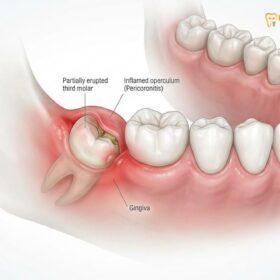
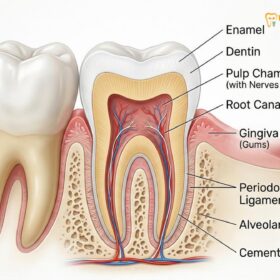
To accurately determine when a toothache transitions from a minor annoyance to a critical medical situation, it is essential to understand the underlying anatomy and pathophysiology of dental pain. A tooth is not a solid block of enamel; it is a complex, living organ. Beneath the hard outer layers of enamel and dentin lies the dental pulp—a highly vascularized and innervated tissue chamber containing blood vessels, connective tissue, and sensitive nerve fibers. When this pulp is compromised by deep decay, structural fractures, or traumatic injury, the body initiates an inflammatory response. Because the pulp is encased in rigid dentin walls, this inflammation causes a rapid increase in internal pressure, leading to excruciating pain known as acute pulpitis[1].
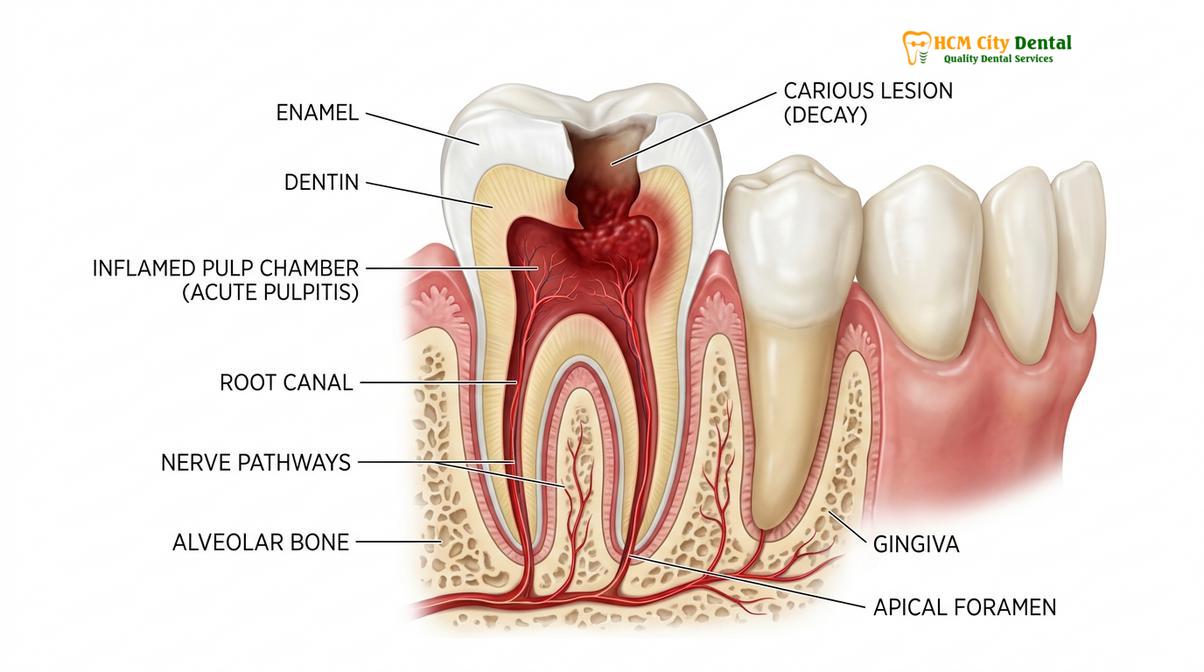
Pulpitis is clinically categorized into two distinct stages: reversible and irreversible. Reversible pulpitis typically presents as a sharp, fleeting pain provoked by thermal stimuli (hot or cold) or sweet foods. Once the stimulus is removed, the pain dissipates almost immediately. This stage indicates that the pulp is irritated but still vital and capable of healing if the underlying cause—such as a minor cavity—is addressed promptly. In contrast, irreversible pulpitis occurs when the bacterial invasion is so profound that the pulpal tissue begins to undergo necrosis (death). The pain becomes spontaneous, severe, and throbbing, often radiating to the jaw, ear, or temple. It frequently wakes the patient from sleep and lingers long after any stimulus is removed.
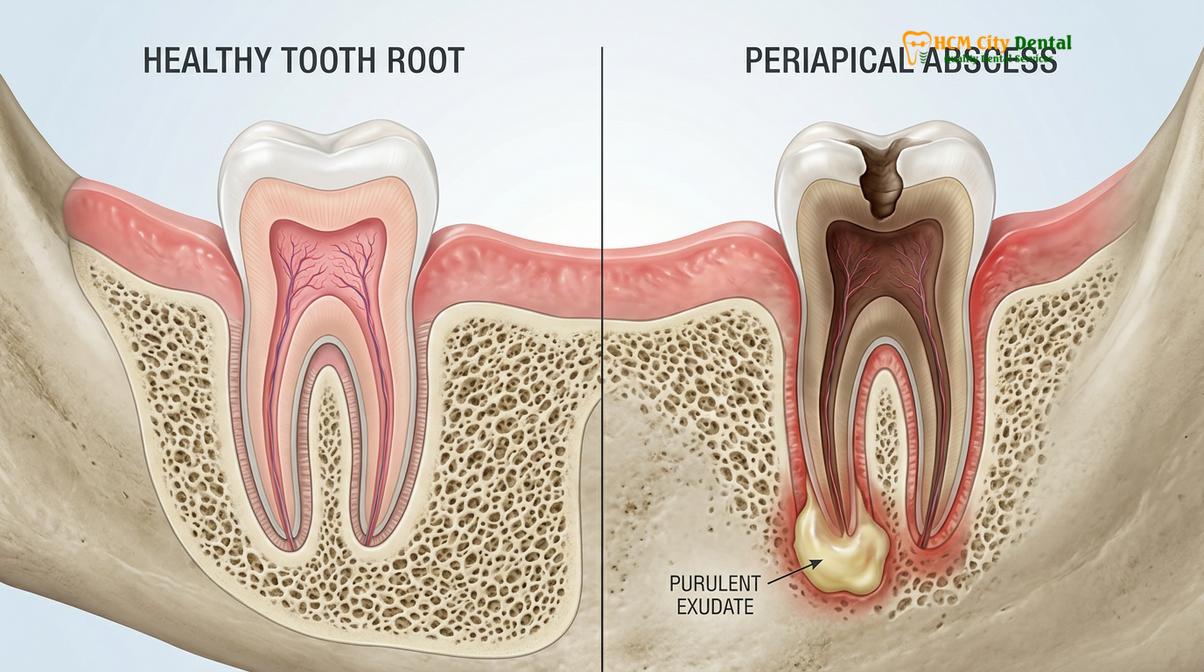
The transition from a manageable ache to a critical emergency often occurs rapidly when bacteria breach the pulp chamber and travel down the root canals into the surrounding jawbone. Once the infection exits the apex of the tooth root, it forms a periapical abscess—a localized collection of pus. This is a definitive critical state because the infection is no longer confined to the tooth; it has entered the skeletal and soft tissues of the face.
Clinical Red Flags: Symptoms You Must Not Ignore
Unrelenting throbbing pain, facial swelling, fever, bleeding gums, and difficulty swallowing are primary red flags that demand immediate emergency dental intervention.
Identifying the specific toothache emergency signs is crucial for timely triage. While a dull ache might allow for a scheduled visit later in the week, certain clinical presentations require immediate, same-day intervention. Ignoring these red flags can lead to catastrophic tissue loss and severe systemic illness, as outlined by standard urgent care guidelines[2].
1. Intense, Unyielding Throbbing Pain
Pain that is constant, throbbing, and severe enough to disrupt daily activities or sleep is a hallmark of a dental emergency. Unlike mild sensitivity, this type of pain is not relieved by standard doses of over-the-counter analgesics like ibuprofen or acetaminophen. The throbbing nature of the pain corresponds to the arterial pulse pushing blood into the inflamed, confined space of the dying dental pulp. If the pain suddenly stops after days of agony, it does not mean the tooth has healed; rather, it often signifies that the nerve has completely died. However, the bacterial infection remains and will soon spread to the surrounding bone.
2. Localized or Diffuse Swelling
Swelling is one of the most definitive red flags tooth pain can present. It can manifest in several ways. Localized swelling often appears as a small, pimple-like bump on the gums near the root of the affected tooth, known as a parulis or fistula. This is the body’s attempt to create a drainage tract for the pus accumulating in the bone. More concerning is diffuse facial swelling, where the cheek, jawline, or under-eye area becomes visibly puffy, red, and warm to the touch. This indicates cellulitis—a spreading bacterial infection of the deep skin tissues that requires immediate antibiotic therapy and surgical drainage to prevent fascial space spread[3].
3. Systemic Symptoms: Fever and Lymphadenopathy
A toothache should remain a localized problem. When a patient develops a fever, chills, fatigue, or swollen, tender lymph nodes in the neck or under the jaw, it indicates that the localized dental infection has overwhelmed the body’s initial defenses and is spreading systemically. The immune system is mounting a full-scale response. Systemic involvement elevates the urgency of the situation, often requiring a combination of clinical intervention (like a root canal or extraction) and systemic antibiotic administration.
4. Purulent Exudate (Pus) and Foul Taste
The sudden presence of a foul, metallic, or bitter taste in the mouth, often accompanied by bad breath (halitosis), can indicate that a dental abscess has ruptured and is draining pus into the oral cavity. While the rupture may temporarily relieve the intense pressure and pain, the source of the infection—the necrotic tooth—remains active. Without professional debridement and disinfection, the abscess will inevitably reform and continue to destroy the surrounding alveolar bone.
Dental Emergency vs Regular Appointments
Emergency appointments address acute pain, active infections, and trauma requiring immediate stabilization, whereas regular visits focus on routine maintenance, mild sensitivity, and gradual restorative work.
Understanding the distinction between a dental emergency and a regular appointment is vital for proper healthcare utilization. Dental clinics structure their schedules to accommodate unforeseen acute crises while maintaining a steady flow of routine preventative care. Misclassifying a severe symptom as a routine issue can lead to dangerous delays, while rushing to an emergency slot for a minor cosmetic chip can disrupt care for patients in genuine distress.
A regular dental appointment is designed for comprehensive examinations, professional prophylaxis (cleaning), and planned restorative procedures. Conditions appropriate for regular scheduling include replacing a lost filling that is not causing pain, addressing mild and transient sensitivity to cold beverages, repairing a chipped veneer, or evaluating early signs of gingivitis (mild gum bleeding during brushing). In these scenarios, the structural integrity of the tooth and the patient’s systemic health are not in immediate jeopardy. The dentist has the luxury of time to formulate a long-term treatment plan, discuss options, and schedule procedures at the patient’s convenience.
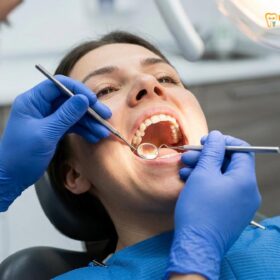
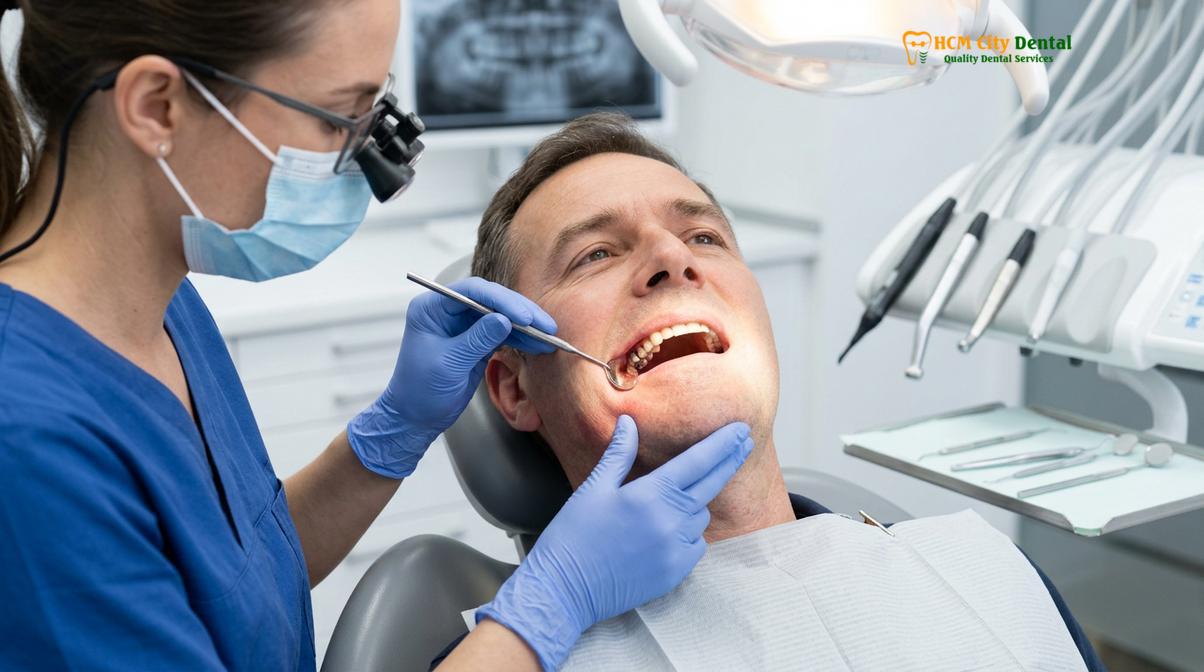
Conversely, an emergency dental appointment is a focused, problem-oriented visit designed to achieve three immediate goals: alleviate acute pain, control active infection, and stabilize traumatic injuries. When a patient presents with urgent dental symptoms, the clinical workflow shifts from comprehensive planning to acute triage. The dentist will perform targeted diagnostics, usually involving a specific periapical radiograph (X-ray) of the offending tooth and vitality testing (thermal or electric pulp tests) to determine the nerve’s status[4].
What Happens if You Delay Emergency Care
Delaying emergency dental care allows localized infections to spread into the jawbone, bloodstream, or fascial spaces, risking tooth loss and severe systemic complications.
The human body is remarkably resilient, but it is poorly equipped to clear an infection originating inside a tooth. Because the blood supply to a necrotic pulp is severed, systemic immune cells and circulating antibiotics cannot reach the source of the bacteria inside the root canal system. Consequently, delaying treatment for an acute toothache is not merely a matter of enduring pain; it is allowing a bacterial reservoir to expand unchecked.
When emergency care is postponed, the initial consequence is usually the complete necrosis of the dental pulp. The intense throbbing pain may temporarily subside as the nerve endings die, creating a false sense of recovery. However, the bacteria continue to multiply, producing toxins and gas that are forced out through the apical foramen (the opening at the tip of the root) into the surrounding alveolar bone. This triggers a massive inflammatory response known as apical periodontitis, which rapidly destroys the bone supporting the tooth.
Clinical Case Review: A 45-year-old patient presented to HCMC Dental Clinic in Ho Chi Minh City after enduring a severe lower molar toothache for two weeks. Initially relying on over-the-counter painkillers, the patient delayed care until significant facial swelling developed. Clinical examination and 3D CBCT imaging revealed a massive periapical abscess that had eroded the buccal bone plate and spread into the submandibular space. The delay necessitated an emergency surgical extraction, incision and drainage of the fascial space, and a course of broad-spectrum antibiotics, transforming a routine root canal scenario into a complex surgical intervention.
Beyond the loss of the tooth, the systemic risks of delayed care are profound. Odontogenic infections are polymicrobial, often involving aggressive anaerobic bacteria. If these bacteria breach the localized bone barrier, they can enter the bloodstream, causing bacteremia. In vulnerable individuals, particularly those with compromised immune systems or pre-existing heart conditions, this can lead to endocarditis—a severe infection of the heart valves. Furthermore, chronic low-grade dental infections have been linked to broader systemic inflammatory conditions, complicating the management of diabetes and increasing cardiovascular risks[5].
Triage Checker: Self-Assess Your Symptoms
Evaluating the intensity, duration, and accompanying symptoms of your tooth pain helps determine whether you need immediate emergency care or can wait for a scheduled appointment.
When faced with sudden oral discomfort, performing a calm and systematic self-assessment can help you make informed decisions about seeking care. This triage process involves evaluating the nature of the pain, visually inspecting the oral cavity, and checking for systemic signs of illness. By categorizing your urgent dental symptoms, you can effectively communicate your condition to the dental office, ensuring you receive the appropriate level of priority.
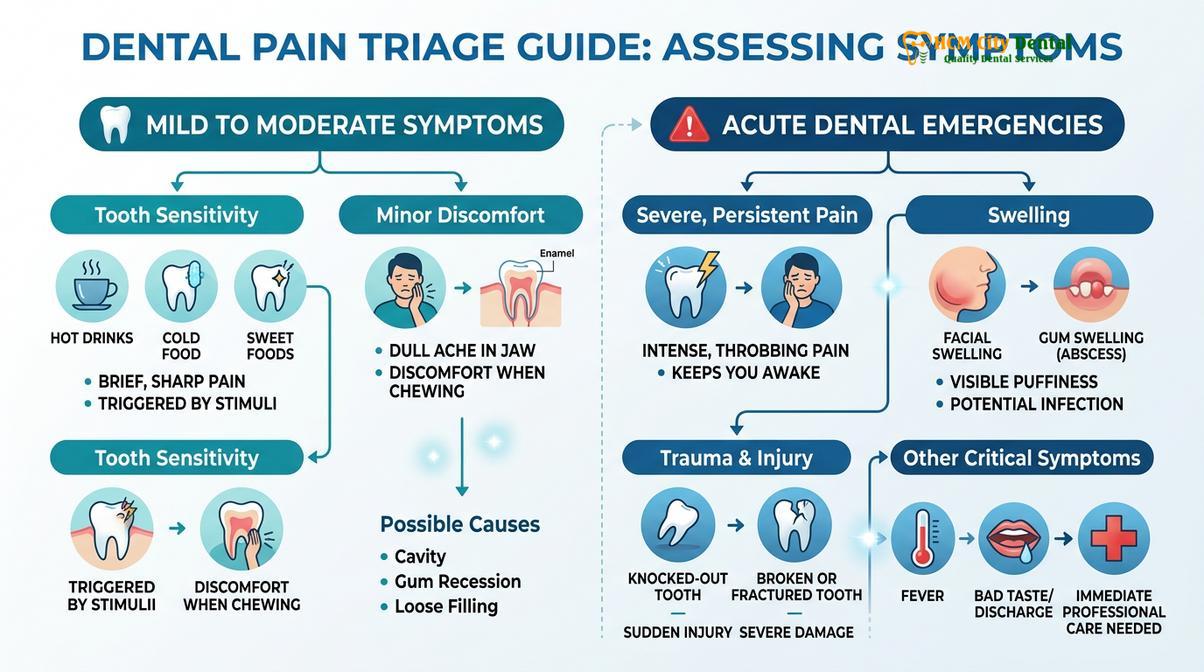
| Symptom Presentation | Clinical Classification | Recommended Action |
|---|---|---|
| Brief, sharp pain when drinking cold water; disappears quickly. | Non-Emergency (Reversible Pulpitis) | Schedule a regular dental visit for evaluation. |
| Dull, achy pain around the gums; mild bleeding when brushing. | Urgent but Non-Emergency | Book an appointment within a few days. |
| Severe, spontaneous throbbing pain that disrupts sleep. | Dental Emergency (Irreversible Pulpitis) | Contact an emergency dentist immediately. |
| Visible facial swelling, pimple on gums, or pus discharge. | Dental Emergency (Active Abscess) | Seek same-day emergency dental care. |
| Toothache accompanied by high fever or difficulty swallowing. | Medical Emergency (Systemic Spread) | Go to the nearest hospital emergency room. |
Begin by assessing the pain characteristics using a standard 1-to-10 scale. Ask yourself the following questions: Is the pain spontaneous (occurring without any trigger), or is it only provoked by biting down or drinking cold water? Provoked pain that disappears immediately after the stimulus is removed often points to reversible pulpitis or dentinal hypersensitivity, which can usually wait for a regular appointment. However, if the pain is spontaneous, throbbing, scores an 8 or higher on the pain scale, and lingers for minutes or hours after a stimulus, it strongly suggests irreversible pulpitis requiring emergency care.
“Pain that wakes you up from a sound sleep is the clinical hallmark of a dying dental nerve, signaling an immediate need for professional decompression and infection control.”
Next, visually inspect the affected area in a mirror with good lighting. Look for any obvious signs of trauma, such as a cracked or fractured tooth. Check the gum tissue surrounding the painful tooth. Is it red, swollen, or bleeding? Do you see a small, pimple-like bump on the gums? If you press gently on the gums, does pus exude? Any visible swelling or purulent discharge is a definitive sign of an active infection that requires urgent attention.
When to Seek Immediate Medical Attention
Seek immediate medical attention at a hospital emergency room if your toothache is accompanied by difficulty breathing, inability to swallow, or severe facial swelling extending to the neck or eyes.
While most dental emergencies are best handled by a dentist, certain severe symptoms cross the line into medical emergencies that require hospital-level care. According to the national guidelines for acute dental pain management and emergency triage, systemic involvement dictates the immediate escalation of care[6]. If facial swelling begins to approach the lower eyelid or extends down into the neck, it is a severe medical emergency. Swelling in the neck can rapidly compress the airway, leading to a life-threatening condition known as Ludwig’s angina. Do not wait for a dental appointment if you experience these symptoms; proceed directly to the nearest hospital emergency department.
Important Clinical Warning: If your dental pain is accompanied by a high fever, confusion, or swelling that rapidly spreads down your neck or toward your eyes, do not wait for a dental appointment. These are signs of a potentially life-threatening systemic infection that requires immediate hospital emergency room evaluation.
Next Steps: Finding Care Immediately
Once you identify red flag symptoms, your immediate next step is to contact an emergency dental provider to stabilize the infection and manage the acute pain.
If your self-assessment reveals any of the clinical red flags discussed, taking swift action is imperative. Begin by contacting a qualified dental clinic that offers dedicated emergency services. When you call, clearly describe your symptoms, emphasizing any swelling, fever, or pain that disrupts your sleep. This allows the triage staff to prepare for your arrival and allocate the necessary clinical resources.
“The goal of urgent dental intervention is not merely to silence the pain, but to eradicate the source of bacterial infection before it compromises systemic health.”
While waiting for your emergency appointment, you can take supportive measures to manage discomfort. Over-the-counter anti-inflammatory medications, such as ibuprofen, can help reduce swelling and temporarily dull the pain. Applying a cold compress to the outside of your cheek in 15-minute intervals can also provide relief and slow the progression of facial swelling. However, never apply heat to a swollen jaw, as this can draw the bacterial infection deeper into the fascial tissues. Furthermore, avoid placing aspirin directly on the gums, as this will cause severe chemical burns to the soft tissue.
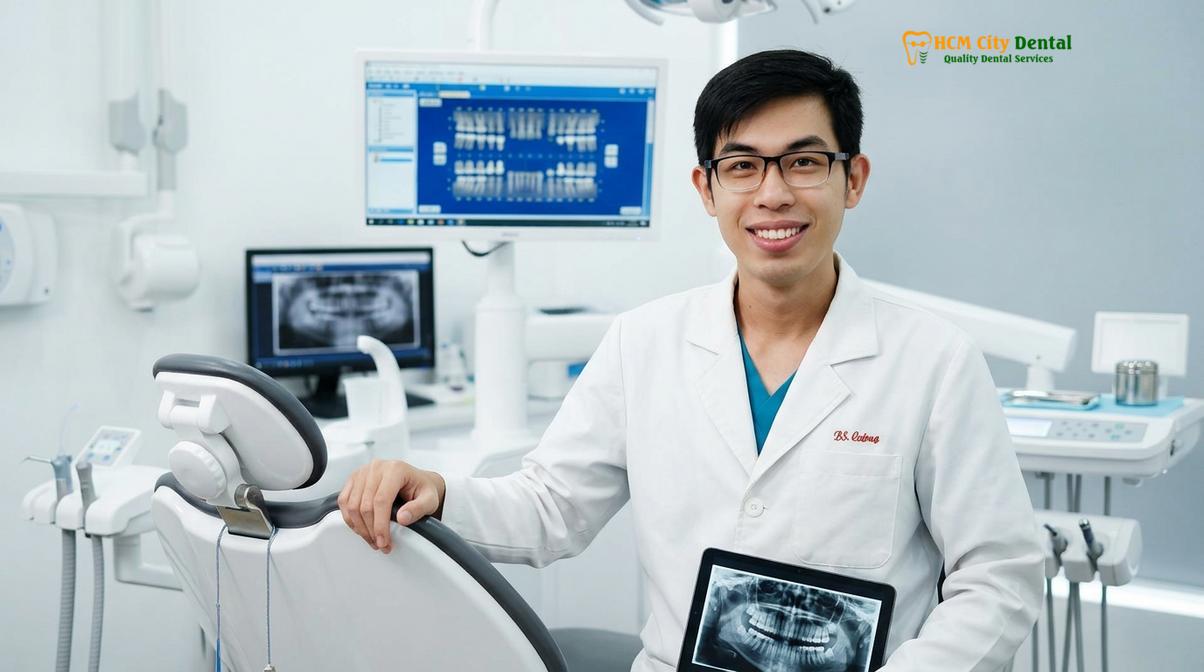
Dr. Nguyen Van Cuong, a leading clinical expert, emphasizes that ignoring acute oral pain often transforms a simple restorative procedure into a complex surgical intervention. Dr. Cuong advises patients to prioritize immediate evaluation when symptoms like facial swelling or sleep-disrupting throbbing occur, as these are definitive signs of advancing bacterial infection. Seeking prompt, professional care is the most effective way to preserve your natural smile and protect your overall well-being.
If you are experiencing severe oral pain or swelling, do not wait for the infection to spread. Contact HCMC Dental Clinic in Ho Chi Minh City for immediate evaluation and relief. Learn more about our comprehensive Emergency Dental Care services to protect your oral and systemic health today.
References
- Journal of Endodontics. Pathophysiology of acute pulpitis and periapical abscesses. (2021).
- American Dental Association (ADA). Guidelines for managing dental emergencies and urgent care. (2020).
- International Journal of Oral and Maxillofacial Surgery. Odontogenic infections and fascial space spread. (2019).
- British Dental Journal. Triage protocols for acute dental pain in clinical settings. (2022).
- Journal of the American Medical Association (JAMA). Systemic complications of untreated odontogenic infections. (2018).
- Vietnam Odonto-Stomatology Association (VOSA). National guidelines for acute dental pain management and emergency triage. (2023).