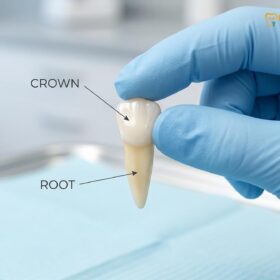
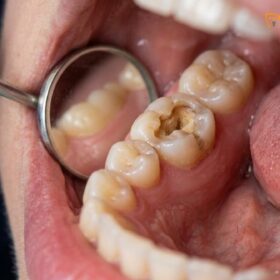
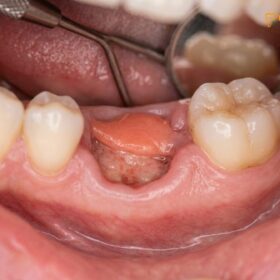
Facing an expat dental emergency in HCMC requires immediate action and access to specialized care. Foreign residents should seek international-standard clinics offering English-speaking specialists, advanced diagnostics, and prompt trauma management. Prioritize facilities equipped for acute pain relief, infection control, and immediate restorative procedures to help ensure optimal clinical outcomes.
Clinical Summary:
Managing a dental emergency as an expatriate in Ho Chi Minh City involves navigating local healthcare infrastructure while ensuring adherence to international clinical standards. Acute conditions such as severe pulpitis, avulsed teeth, and maxillofacial trauma require rapid triage, precise diagnostic imaging (CBCT), and evidence-based interventions. Establishing a relationship with an English-speaking clinic prior to an emergency helps ensure immediate access to baseline records and streamlines international insurance billing. Clinical protocols emphasize immediate stabilization, infection control through appropriate pharmacologic management, and definitive restorative care to preserve the natural dentition and mitigate systemic complications.
Key Takeaways:
- Immediate professional intervention is critical for saving avulsed or severely traumatized teeth.
- International clinics in HCMC offer English-speaking staff and advanced diagnostic technologies.
- Understanding your insurance coverage and direct billing options prevents delays in urgent care.
- Establishing a baseline dental record at a local clinic accelerates emergency diagnostic accuracy.
- Basic first aid, such as cold compresses and proper tooth storage, can significantly improve clinical outcomes.
Dental Care Infrastructure for Expats in Saigon
Ho Chi Minh City features a robust dental infrastructure for expatriates, combining internationally trained specialists with state-of-the-art diagnostic technology and strict sterilization protocols.
The landscape of healthcare in Vietnam has evolved rapidly, and the dental sector in Ho Chi Minh City stands out for its integration of global clinical standards. For an expatriate experiencing a sudden oral health crisis, understanding the local infrastructure is the first step toward securing safe and effective treatment. The city hosts a tiered system of dental care, ranging from small local practices to comprehensive international medical centers. When dealing with an expat dental emergency in HCMC, identifying a facility that operates on par with Western standards is paramount for patient safety and clinical success[1].
Premium dental facilities catering to the expatriate community are heavily concentrated in central districts and popular expat enclaves. These clinics are distinguished by their investment in advanced diagnostic modalities. Cone Beam Computed Tomography (CBCT) is routinely utilized to provide three-dimensional imaging of the maxillofacial region, which is critical for diagnosing complex endodontic infections, assessing bone fractures following trauma, and planning emergency surgical interventions. Furthermore, intraoral digital scanners have largely replaced traditional impression materials, allowing for rapid fabrication of temporary restorations during a crisis.
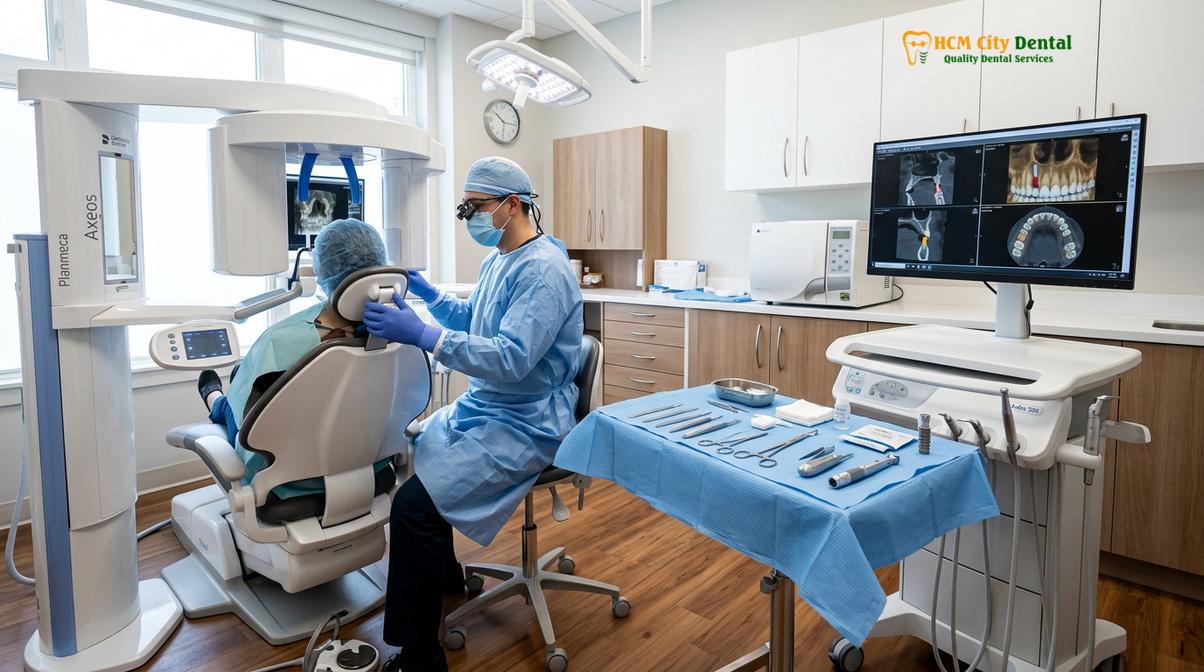
Infection control is a primary concern for any patient seeking medical care abroad. A reputable international dental clinic adheres to stringent sterilization protocols, typically mirroring guidelines set by global health authorities to prevent cross-contamination[3]. This includes the use of Class B autoclaves, which utilize fractionated pre-vacuum technology to ensure the complete sterilization of all hollow and porous instruments. Biological indicators are routinely used to verify the efficacy of these sterilization cycles, providing peace of mind to foreign patients accustomed to rigorous clinical governance.
How to Handle a Dental Emergency as a Resident Expat
Immediate clinical stabilization is crucial; patients must manage acute symptoms with basic first aid before rapidly accessing professional emergency dental care.
When a dental crisis strikes, the initial response often dictates the long-term prognosis of the affected tooth. Expatriates must be prepared to perform basic triage and first aid before reaching a clinical setting. Dental emergencies generally fall into three categories: acute infections (pulpitis or abscesses), structural trauma (fractures or avulsions), and prosthetic failures (dislodged crowns or lost fillings). Each requires a specific workflow to mitigate damage and alleviate pain[2].
Acute irreversible pulpitis, often presenting as severe, spontaneous, and throbbing pain that worsens at night or with temperature changes, indicates that the neurovascular tissue within the tooth is severely inflamed or infected. Over-the-counter analgesics can provide temporary relief, but they do not address the underlying pathology. Patients should avoid placing aspirin directly on the gums, as this causes chemical burns. Immediate Emergency Dental Care is required to perform an endodontic access cavity, extirpate the inflamed pulp, and place an intracanal medicament to resolve the pain.
Clinical Warning: Management of an Avulsed Tooth
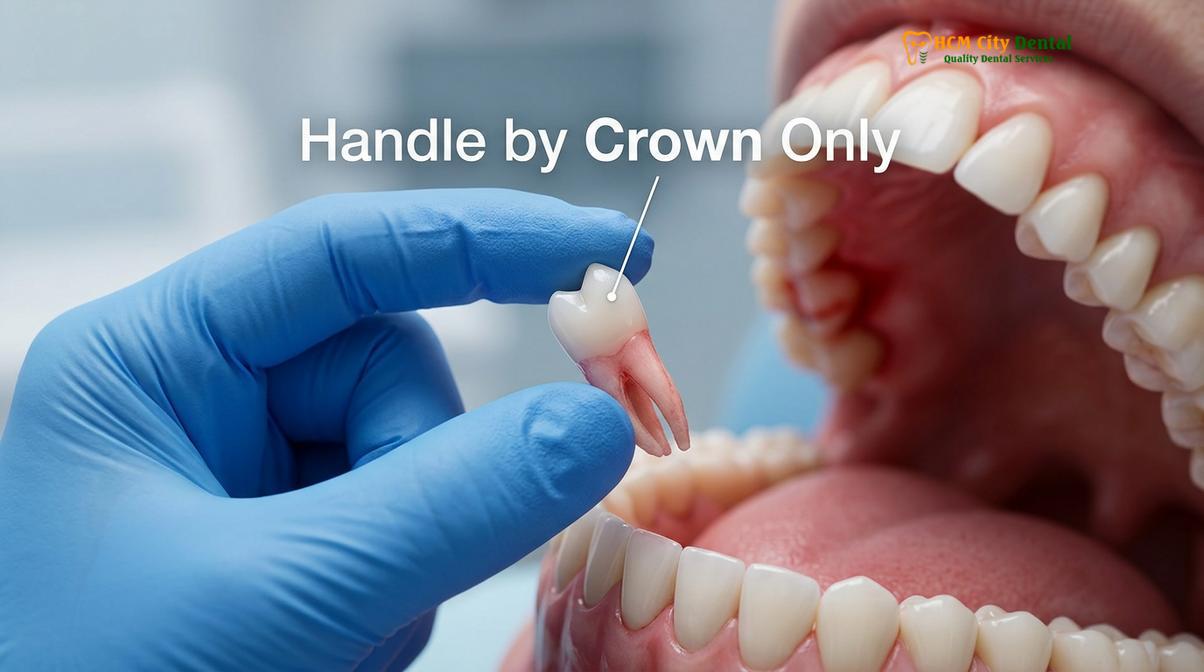
If a permanent tooth is completely knocked out (avulsed), time is the most critical factor. Handle the tooth ONLY by the crown, never the root. Do not scrub it. If possible, gently rinse with saline and reimplant it into the socket immediately. If reimplantation is impossible, store the tooth in Hank’s Balanced Salt Solution, cold milk, or the patient’s saliva. You must reach a dentist within 30 to 60 minutes to maximize the chances of successful reattachment of the periodontal ligament.
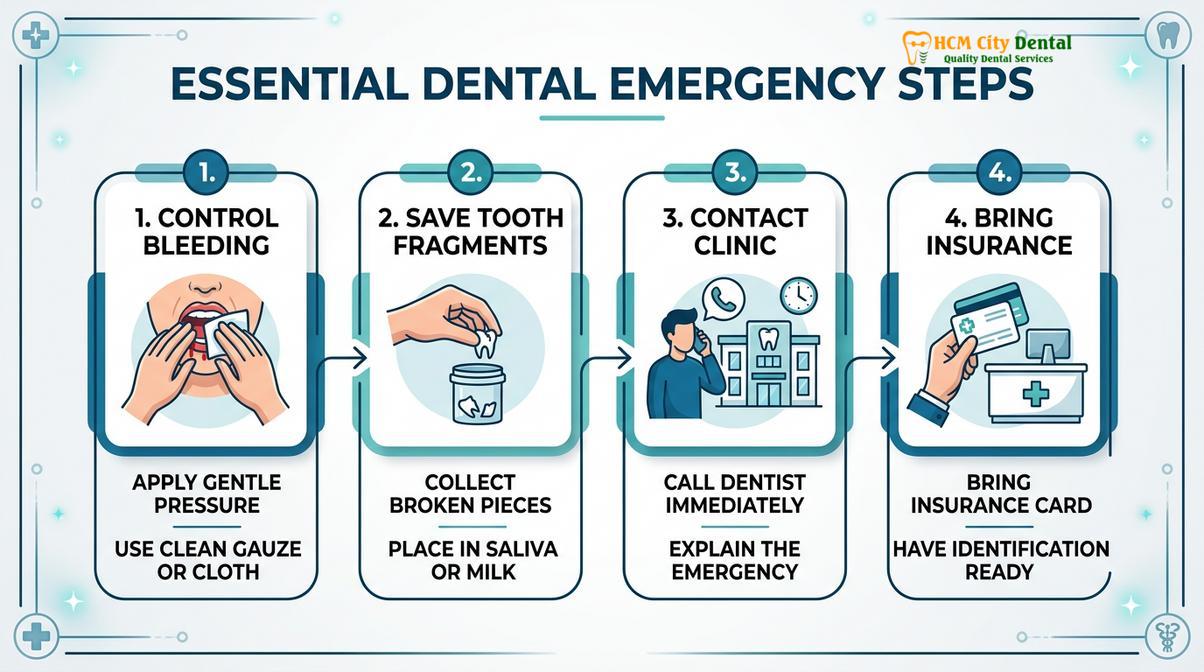
In cases of dental trauma, such as a fracture exposing the pulp chamber, the risk of bacterial contamination is high. Patients should rinse their mouth with warm water, apply a cold compress to the cheek to minimize soft tissue swelling, and recover any broken tooth fragments, storing them in saline or milk. Dentists can sometimes reattach these fragments using advanced adhesive bonding techniques. If you experience trauma, understanding how to manage a toothache in Vietnam and recognizing structural damage will help you communicate effectively with the triage team[4].
Local Insurance Plans with Dental Benefits
Navigating dental insurance in Vietnam involves understanding direct billing networks, reimbursement protocols, and the specific coverage limits of local versus international policies.
Healthcare financing is a major consideration for expatriates. While the cost of dental care in Vietnam is generally lower than in Western countries, emergency procedures such as complex surgical extractions, multi-canal endodontics, or immediate implant placement can still represent a significant out-of-pocket expense. Understanding how your insurance policy interacts with local providers is essential for minimizing financial stress during a clinical emergency.
Most expatriates rely on comprehensive international health insurance policies. These policies often include optional dental riders that cover emergency palliative treatment, trauma management, and sometimes major restorative work. It is crucial to verify whether your policy operates on a “direct billing” basis or a “pay and claim” basis. Clinics that cater to foreigners frequently have established direct billing agreements with major international insurers, allowing the clinic to invoice the insurance company directly, leaving the patient responsible only for the deductible or co-pay.
| Insurance Type | Emergency Coverage Scope | Claim Process | Best Suited For |
|---|---|---|---|
| International Expat Health Insurance (with Dental Rider) | Comprehensive: Trauma, acute pain relief, endodontics, extractions. | Often Direct Billing at premium international clinics. | Long-term expats seeking seamless care and high coverage limits. |
| Travel Insurance | Strictly palliative: Pain relief and stabilization of acute trauma only. | Pay upfront, submit itemized receipts and clinical notes for reimbursement. | Short-term residents, digital nomads, or tourists. |
| Vietnamese State Health Insurance (BHYT) | Extremely limited; usually only covers basic extractions at public hospitals. | Direct at public facilities; rarely accepted at private international clinics. | Local citizens; generally not recommended for expat emergencies. |
| Corporate Dental Allowances | Varies by employer; often covers a fixed annual monetary amount. | Pay and claim via HR or corporate portal. | Expats on localized corporate contracts. |
If your policy requires you to pay upfront and seek reimbursement, you must ensure the clinic provides the correct documentation. This includes an itemized invoice, a detailed medical report outlining the diagnosis, the specific procedures performed, and pre- and post-operative radiographs. Reputable clinics are accustomed to generating these documents in English to facilitate smooth claims processing for their international patients.
Establishing a Long-term Emergency Contact Clinic
Registering with a primary dental provider ensures immediate access to baseline clinical records, significantly accelerating diagnostic accuracy during an unexpected crisis.
One of the most effective strategies for managing an emergency dental scenario is proactive registration with a trusted clinic before an emergency occurs. Scrambling to find a reputable provider, verify their credentials, and explain your complex medical history while in acute pain is a highly stressful experience. Establishing a “dental home” in Ho Chi Minh City provides a critical safety net.
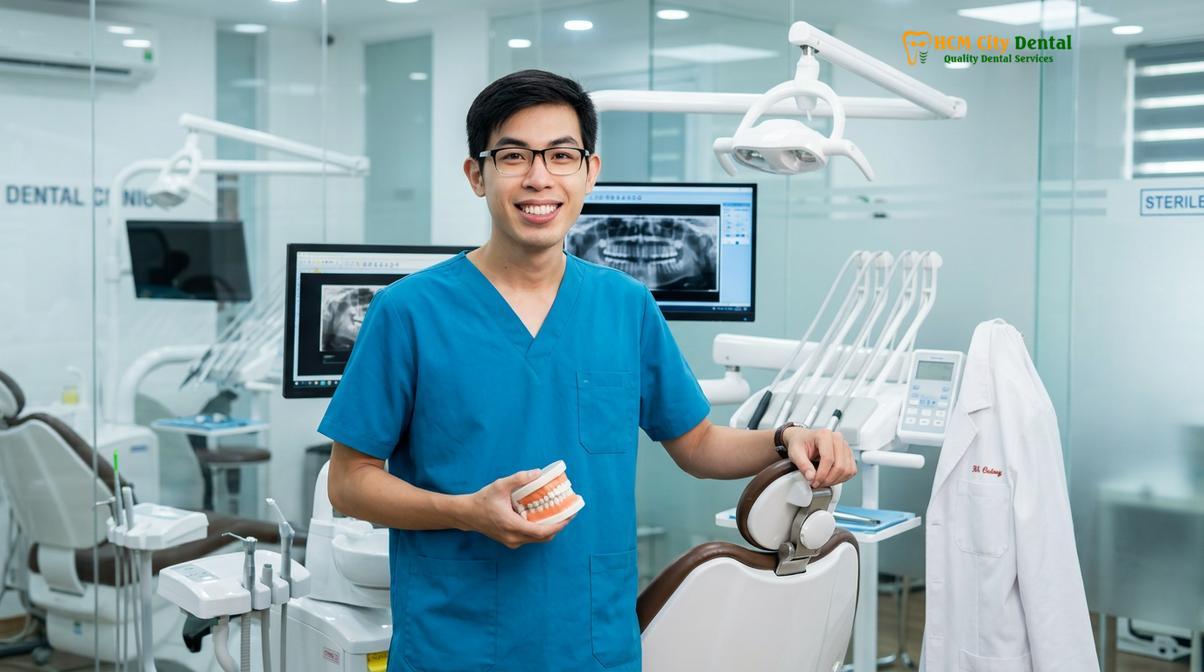
At HCMC Dental Clinic, we emphasize the importance of continuity of care. As noted by our leading specialist, Dr. Nguyen Van Cuong, having immediate access to a patient’s historical radiographs and periodontal charting allows the clinical team to make rapid, accurate diagnostic decisions during an emergency. This proactive approach minimizes unnecessary exploratory procedures and expedites pain relief, especially when managing complex cases like a loose tooth adult emergency or assessing the viability of a traumatized abutment supporting a complex prosthesis.
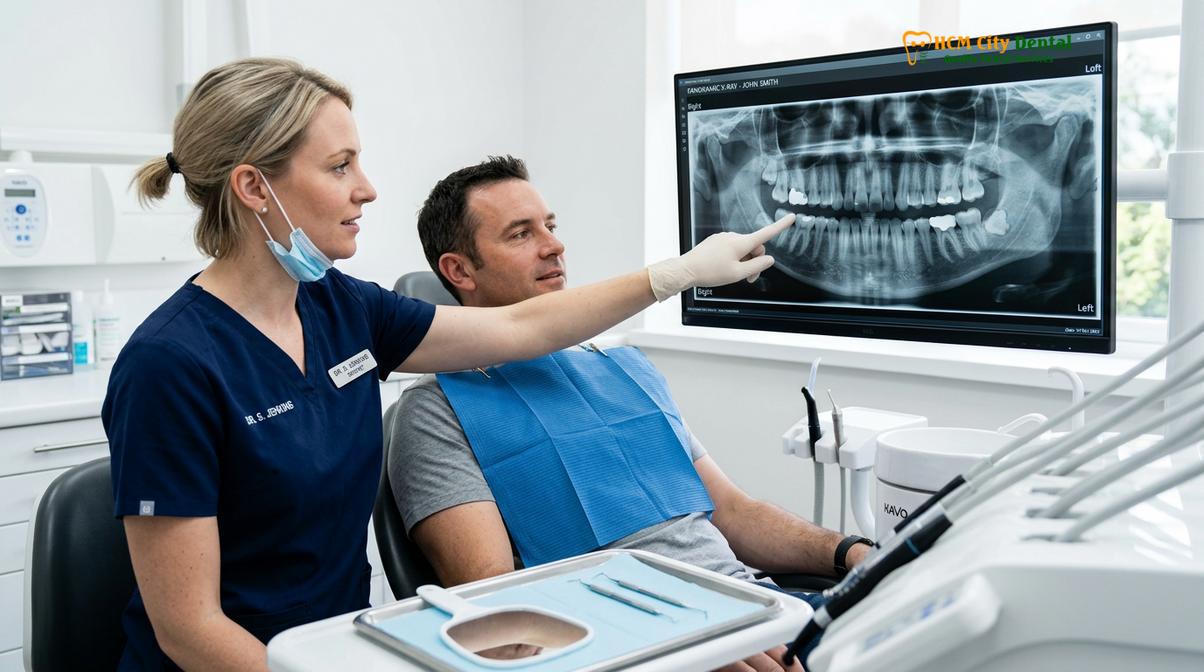
During an initial comprehensive examination, the clinic will record your baseline data. This includes a full medical history, noting any systemic conditions (like hypertension or diabetes) and medications (such as anticoagulants or bisphosphonates) that could complicate emergency surgical procedures. Baseline radiographic imaging, such as a panoramic X-ray (OPG) or a full mouth series, is captured and stored digitally. If you later present with acute trauma or a suspected infection, the attending clinician can compare the emergency presentation against your baseline records to rapidly identify subtle changes.
Expats Reviews: International vs Local Services
Expatriates consistently highlight the necessity of clear communication, transparent pricing, and adherence to global clinical standards when comparing local and international dental facilities.
The expatriate community in Ho Chi Minh City is highly connected, and reviews regarding medical services circulate rapidly through forums, social media groups, and corporate networks. When analyzing feedback regarding dental emergencies, a clear dichotomy emerges between the experiences at premium international centers and smaller, localized street clinics.
Local clinics often attract patients with significantly lower price points. However, expats frequently report challenges related to language barriers, which can lead to misdiagnosis or a lack of informed consent regarding irreversible procedures like extractions or root canals. Additionally, while many local dentists are highly skilled, the clinical environment may lack the advanced diagnostic equipment or the rigorous, documented sterilization protocols expected by Western patients.
Clinical Case Study: Maxillofacial Trauma Management
A 34-year-old expatriate presented to HCMC Dental Clinic in Ho Chi Minh City following a low-speed traffic incident, a common scenario requiring dental trauma from motorcycle accidents protocols. The patient exhibited a complicated crown-root fracture of tooth #11 and lateral luxation of tooth #21. Because the clinic was equipped with an on-site CBCT, the surgical team quickly ruled out alveolar bone fractures. Tooth #21 was repositioned and splinted using a flexible wire and composite resin, while tooth #11 required immediate endodontic extirpation and a provisional composite build-up. The patient’s international insurance was billed directly, and the rapid, English-language communication significantly reduced the patient’s anxiety.
Conversely, reviews of international clinics consistently praise the comprehensive nature of the care. Expats value the transparent, itemized treatment plans provided before any procedure begins, eliminating the risk of hidden costs. The ability to discuss treatment options, prognoses, and alternative materials in fluent English is frequently cited as the most critical factor in patient satisfaction during a crisis.
“When my crown dislodged during a business dinner, the panic was immediate. Finding a clinic that not only saw me within the hour but also explained the recementation process and warranty in perfect English made all the difference. The clinical environment felt exactly like my provider back in London.”
When to Seek Immediate Medical Attention (Red Flags)
Recognizing the clinical signs that differentiate a minor dental issue from a severe, potentially life-threatening infection is vital for expatriates navigating healthcare abroad.
Not all dental discomfort requires an immediate midnight visit to a clinic, but certain symptoms serve as clinical red flags that demand urgent intervention. According to local health advisories and emergency protocols, delaying care for specific conditions can lead to severe systemic complications[5]. Expatriates must be vigilant in monitoring their symptoms to determine when a toothache is an emergency.
One of the most critical warning signs is facial swelling that extends toward the eye or down into the neck. This indicates that a localized dental abscess has breached the cortical bone and is spreading through the fascial spaces. If accompanied by a fever, difficulty swallowing (dysphagia), or difficulty opening the mouth (trismus), the patient must seek immediate emergency care, as this can rapidly compromise the airway. Similarly, uncontrolled bleeding following an extraction, or severe, radiating pain that does not respond to maximum doses of over-the-counter analgesics, warrants prompt professional evaluation. For instance, intense, throbbing pain a few days after an extraction often points to a complication requiring a specific dry socket treatment guide protocol.
“Ignoring a spreading dental infection while living abroad is incredibly dangerous. What starts as a simple toothache can evolve into a systemic issue within hours. Always prioritize clinics that offer emergency triage and have the capability to prescribe appropriate antibiotics and perform immediate surgical drainage if necessary.”
Pre-planning Checklist for Dental Incidents
Proactive preparation, including assembling a basic dental first-aid kit and saving emergency contacts, drastically reduces panic and clinical complications during a crisis.
Medical emergencies are inherently unpredictable, but their impact can be mitigated through proactive preparation. Expatriates living in Vietnam should integrate dental preparedness into their overall health and safety planning. A well-thought-out strategy ensures that when an incident occurs, the focus remains on stabilization and transport rather than frantic research.
First, assemble a small dental first-aid kit to keep at home or in your travel bag. This should include sterile gauze pads for controlling bleeding, a small container with a secure lid (for transporting an avulsed tooth or broken fragments), over-the-counter pain relievers (like Ibuprofen), and a cold compress. If you wear removable prosthetics, knowing the steps for managing a lost denture abroad in Vietnam can save you significant stress and dietary disruption.
Second, save the contact information, including the after-hours emergency hotline, of a reputable international dental clinic in your phone. Verify their location and the fastest route from your residence or workplace. Finally, keep a digital copy of your dental insurance card and a brief summary of your medical history (including allergies and current medications) readily accessible. By taking these simple preparatory steps, you can navigate any expat dental emergency in HCMC with confidence, ensuring you receive the highest standard of care at HCMC Dental Clinic, Ho Chi Minh City.
References
- International Association of Dental Traumatology. Guidelines for the management of traumatic dental injuries. (2020).
- Journal of Endodontics. Management of acute dental pain and endodontic emergencies. (2019).
- World Health Organization. Global oral health status report: towards universal health coverage. (2022).
- American Dental Association. Clinical practice guidelines on emergency dental care. (2021).
- Vietnam Ministry of Health. National Guidelines on Oral Health and Emergency Dental Protocols. (2023).