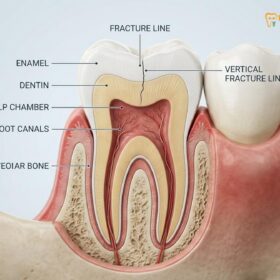
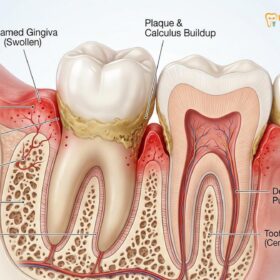
Navigating a dental emergency abroad requires a reliable vietnam pharmacy dental pain guide. Tourists and expats can easily purchase first-line analgesics like paracetamol and ibuprofen over-the-counter at local pharmacies (nha thuốc) to manage acute toothaches before securing professional clinical treatment.
Experiencing a sudden, severe toothache while traveling or living in a foreign country can be highly distressing. The immediate priority is achieving pharmacological pain control to restore basic function and comfort. In Vietnam, the pharmacy infrastructure is extensive, providing rapid access to essential medications. However, understanding the local pharmaceutical landscape, recognizing appropriate drug dosages, and knowing when to transition from temporary relief to definitive dental care are critical components of safe health management.
Clinical Summary:
Managing acute dental pain in Vietnam involves understanding local pharmacy protocols and over-the-counter analgesic availability. First-line management typically utilizes a combination of NSAIDs and acetaminophen to target inflammatory pathways and central pain receptors. While local pharmacies provide immediate palliative relief, definitive treatment requires clinical intervention to address underlying odontogenic infections or structural damage. Pharmacological management is strictly a temporary bridge to professional dental care, and patients are warned against the dangers of self-prescribing antibiotics or relying solely on symptom suppression without diagnostic imaging.
Key Takeaways:
- Paracetamol and ibuprofen are widely available without a prescription for immediate pain relief.
- Look for the official sign “Nha Thuoc” to identify licensed and regulated local pharmacies.
- Combining NSAIDs with acetaminophen often provides superior acute dental pain management.
- Antibiotics should never be self-prescribed due to the high risk of antimicrobial resistance.
- Pharmacy medications only mask symptoms; a comprehensive clinical diagnosis is mandatory.
Understanding Pharmacy Purchases in Vietnam
Purchasing dental medications in Vietnam is straightforward, as most standard analgesics are available over-the-counter at licensed pharmacies. However, understanding local regulations and identifying reputable establishments is crucial for safe self-management.
The healthcare landscape in Vietnam features a dense network of independent and chain pharmacies, making access to basic medications highly convenient. For individuals seeking a comprehensive tourist pharmacy guide, the first step is recognizing the official designation of a licensed pharmacy, which is prominently displayed as “Nha Thuoc” (Pharmacy) or “Quay Thuoc” (Medicine Counter). These establishments are authorized to dispense a wide range of therapeutic agents [1]. Furthermore, they are regulated by the Vietnamese Ministry of Health to ensure patient safety and adherence to national dispensing guidelines [6].
When you need to buy painkillers, pharmacy locations are ubiquitous, found on almost every major street in urban centers like Ho Chi Minh City and Hanoi. Unlike in some Western countries where high-dose analgesics are strictly kept behind the counter or require a prescription, Vietnamese pharmacies generally allow the over-the-counter purchase of standard non-steroidal anti-inflammatory drugs (NSAIDs) and acetaminophen. This accessibility is highly beneficial for patients suffering from acute pulpitis or periapical periodontitis who require immediate intervention before they can schedule a clinical appointment.
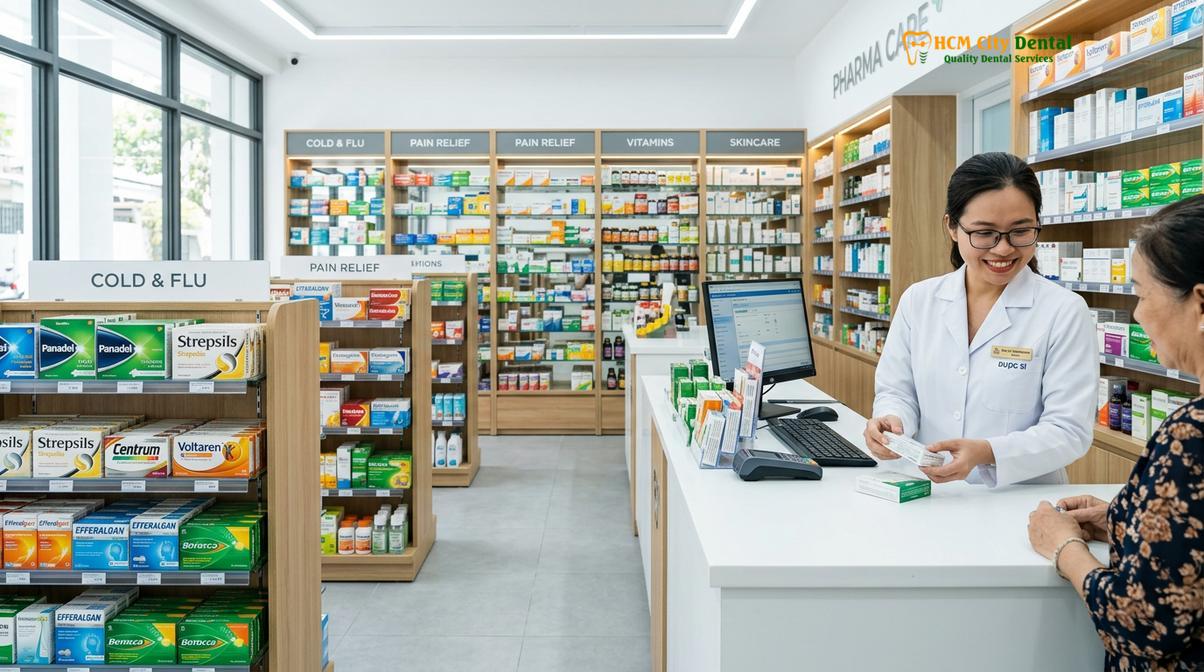
However, this ease of access also demands a high level of patient responsibility. The integration of local pharmacy medicine into a patient’s emergency care plan must be done with an understanding of pharmacological limits. Pharmacists in Vietnam are trained professionals, but they are not equipped to diagnose the structural or infectious etiology of a toothache. Therefore, the medications purchased should be viewed strictly as palliative care—a method to modulate the pain response temporarily rather than a curative treatment.
? Need urgent dental help in Ho Chi Minh City? Visit our Emergency Dentistry Hub for same-day appointments, 24/7 WhatsApp support, and comprehensive emergency dental services.
Common Dental Painkillers Available Over-the-Counter
The most effective over-the-counter dental painkillers in Vietnam include ibuprofen and paracetamol, which can be taken concurrently for severe toothaches. These medications target both local inflammation and central pain pathways.
The pathophysiology of dental pain usually involves profound inflammation within the rigid confines of the tooth’s pulp chamber or the surrounding periodontal tissues. This inflammation leads to vasodilation, increased tissue pressure, and the sensitization of nociceptive nerve fibers. To effectively manage this, a dual-action pharmacological approach is often recommended by dental professionals globally [2].
| Medication Type | Common Vietnamese Brand Names | Primary Action | Standard Adult Dental Dose |
|---|---|---|---|
| Paracetamol (Acetaminophen) | Panadol, Hapacol, Efferalgan | Central pain relief, fever reduction | 500mg – 1000mg every 4-6 hours |
| Ibuprofen (NSAID) | Gofen, Alaxan (combination) | Peripheral inflammation reduction | 400mg – 600mg every 6-8 hours |
Paracetamol (Acetaminophen): This is a centrally acting analgesic and antipyretic. It works by elevating the pain threshold in the central nervous system. In Vietnam, it is widely sold under brand names like Panadol, Hapacol, and Efferalgan. The standard adult dosage for acute dental pain is 500mg to 1000mg every 4 to 6 hours, not exceeding 4000mg in a 24-hour period. It is highly effective for mild to moderate pain but lacks significant anti-inflammatory properties.
Ibuprofen (NSAID): Ibuprofen is a peripheral analgesic that actively reduces inflammation by inhibiting the cyclooxygenase (COX) enzymes, thereby decreasing the synthesis of prostaglandins—the primary mediators of inflammation and pain in dental tissues. Available under brands like Gofen or generic labels, the typical adult dose is 400mg to 600mg every 6 to 8 hours. Because it addresses the inflammatory root cause of the pain, it is considered the gold standard for odontogenic pain relief.
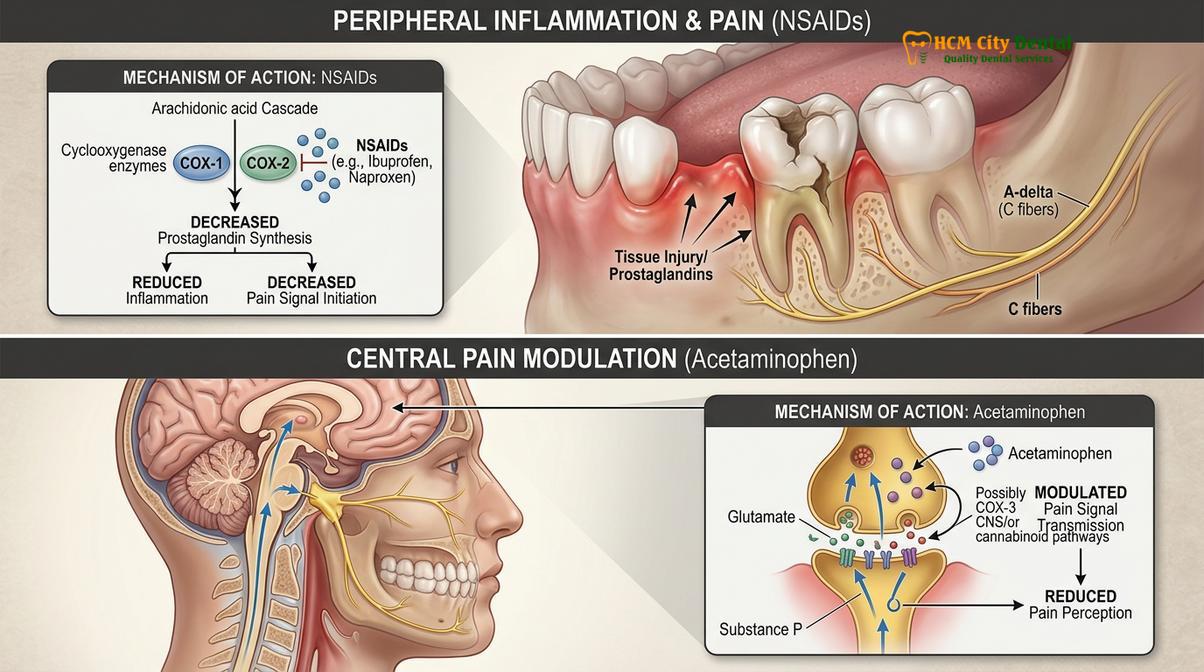
For severe, throbbing toothaches, clinical guidelines often suggest the concurrent use of paracetamol and ibuprofen, provided there are no medical contraindications (such as gastrointestinal ulcers, renal impairment, or severe asthma). The synergistic effect of targeting both central pain perception and peripheral inflammation provides relief comparable to some opioid medications, without the associated risks of dependency or cognitive impairment [5]. If you are struggling with pain during sleeping hours, you can also refer to our Dental Pain at Night Guide for additional management strategies.
How to Locate a Reputable ‘Nha Thuoc’ in Saigon
Finding a trustworthy pharmacy in Ho Chi Minh City involves looking for well-lit, organized chain stores or established independent pharmacies displaying official Ministry of Health licensing credentials.
While pharmacies are abundant, the quality of storage and dispensing practices can vary. For expats and tourists, identifying a reputable establishment is vital to ensure medication efficacy and safety. Modern pharmaceutical chains have rapidly expanded across Vietnam, offering a standardized, highly professional environment that mirrors Western pharmacy standards.
Prominent chains such as Pharmacity, FPT Long Chau, and An Khang are highly recommended. These establishments utilize computerized inventory systems, ensuring that medications are not expired. More importantly, they maintain strict climate control. In a tropical climate like Vietnam’s, medications stored without continuous air conditioning can degrade rapidly, losing their pharmacological potency. Chain pharmacies guarantee that temperature-sensitive drugs are preserved correctly.
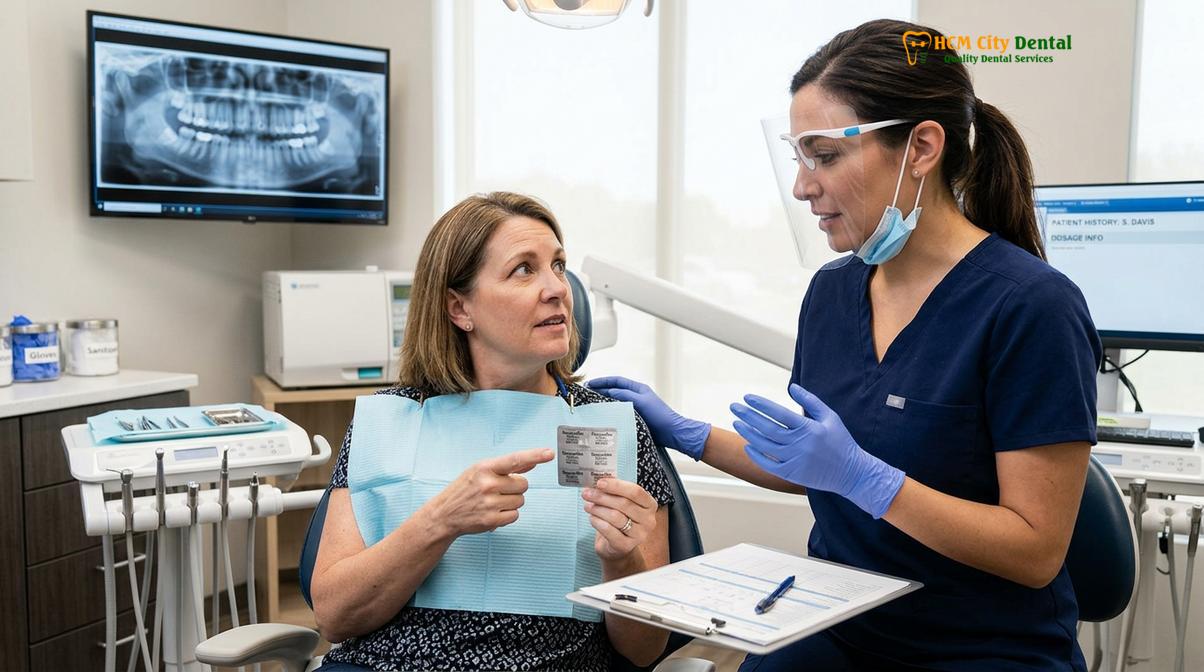
If you are visiting an independent, family-run pharmacy, look for the “GPP” (Good Pharmacy Practice) certification sign, which indicates compliance with national health standards. A reputable pharmacist will dispense medications in their original blister packs rather than loose pills in unmarked plastic bags. Retaining the blister pack is essential for verifying the drug’s name, dosage, and expiration date.
Communication Tips: What to Say to the Pharmacist
Overcoming language barriers at a Vietnamese pharmacy is easily achieved by using specific medical terms, translation apps, or showing the pharmacist written active ingredients rather than foreign brand names.
Effective communication is the cornerstone of safely acquiring medication abroad. While many pharmacists in central urban districts possess basic English proficiency, relying on clear, written information eliminates the risk of misinterpretation. When explaining your symptoms, the phrase “đau răng” translates directly to “toothache,” and “thuốc giảm đau” means “painkiller.”
It is highly advisable to request medications by their generic pharmacological names (e.g., Ibuprofen, Paracetamol) rather than brand names specific to your home country (like Advil or Tylenol), as local brand names differ significantly. Showing the pharmacist the generic name on your smartphone is a foolproof method.
In some traditional Vietnamese pharmacies, pharmacists may offer a “liều thuốc” (a pre-packaged dose of mixed, loose pills in a small plastic bag) to treat your symptoms. This packet often contains an unidentified mix of painkillers, antihistamines, corticosteroids, and antibiotics. Do not accept mixed loose pills. Always insist on purchasing medications in their original, clearly labeled blister packs to ensure you know exactly what you are ingesting and to avoid dangerous drug interactions.
If you have known drug allergies, particularly to NSAIDs or penicillin, you must communicate this clearly. Using a translation app to display “Tôi bị dị ứng với…” (I am allergic to…) followed by the drug name is a critical safety step before finalizing any pharmacy purchase.
Antibiotics Laws and Self-Medication Dangers
Although some Vietnamese pharmacies may dispense antibiotics without a strict prescription, self-medicating dental infections is highly dangerous and can lead to severe antimicrobial resistance or systemic complications.
A common misconception among patients experiencing severe dental pain is that an antibiotic will cure the toothache. In reality, the vast majority of acute dental pain is caused by pulpal inflammation (pulpitis) rather than a spreading bacterial infection. Because the blood supply to a necrotic (dead) tooth pulp is compromised, systemic antibiotics cannot reach the source of the infection inside the tooth [3].
While Vietnam has been tightening its regulations regarding the sale of prescription drugs, it is still occasionally possible to purchase antibiotics like Amoxicillin or Spiramycin over-the-counter. However, doing so without a clinical diagnosis is fraught with risk. Inappropriate use of antibiotics contributes to global antimicrobial resistance and can mask the symptoms of a severe, spreading infection without actually resolving the underlying pathology.
“Patients often arrive at the clinic having taken unprescribed antibiotics for days, hoping the pain will subside. This not only delays necessary mechanical intervention, such as a root canal or extraction, but it also alters the clinical presentation, making accurate diagnosis more challenging. Antibiotics are an adjunct to dental treatment, never a replacement for it.”
If a toothache is accompanied by systemic signs of infection—such as a fever, swollen lymph nodes, or visible facial swelling—this indicates that the infection has breached the confines of the tooth and is spreading into the fascial spaces of the head and neck. In these instances, while antibiotics are clinically indicated, they must be prescribed by a dentist at a specific dosage and duration, followed immediately by source control (draining the infection or removing the tooth) [4].
Transitioning from Pharmacy Relief to a Dental Chair
Over-the-counter analgesics are strictly a temporary measure; definitive resolution of dental pain requires a comprehensive clinical examination and targeted intervention by a qualified dental professional.
Dr. Nguyen Van Cuong, a leading clinical specialist, emphasizes that while pharmacy analgesics provide crucial temporary relief, they cannot cure an underlying odontogenic infection. Dr. Cuong advises patients to seek a comprehensive clinical evaluation as soon as possible to prevent the progression of dental pathologies and avoid more invasive procedures.
Pharmacological pain management is a bridge, not a destination. Once the acute pain has been temporarily subdued using NSAIDs and acetaminophen, the immediate next step is to schedule an emergency consultation. Delaying clinical care because the painkillers are “working” allows the underlying condition—whether it is deep dental caries, a fractured tooth, or a developing periapical abscess—to progress, often leading to more complex and expensive treatments later.
At a professional facility, the diagnostic process begins with a thorough clinical examination and advanced radiographic imaging, such as Cone Beam Computed Tomography (CBCT). These diagnostic tools allow the clinician to visualize the exact extent of the structural damage and the presence of any hidden bone infections. Based on these findings, the dentist will formulate a definitive treatment plan.
Clinical Case Review: From Pharmacy to Restoration
A 34-year-old expat presented to HCMC Dental Clinic in Ho Chi Minh City after relying on over-the-counter ibuprofen for three days to manage severe, spontaneous pain in a lower molar. While the medication provided temporary relief, the pain consistently returned once the drug’s half-life expired. Clinical examination and vitality testing revealed irreversible pulpitis due to a micro-fracture. The clinical team performed an emergency pulpectomy (removal of the inflamed nerve tissue) under local anesthesia. The patient experienced immediate, profound pain relief without the further need for systemic analgesics, highlighting the necessity of mechanical intervention over prolonged pharmacological masking.
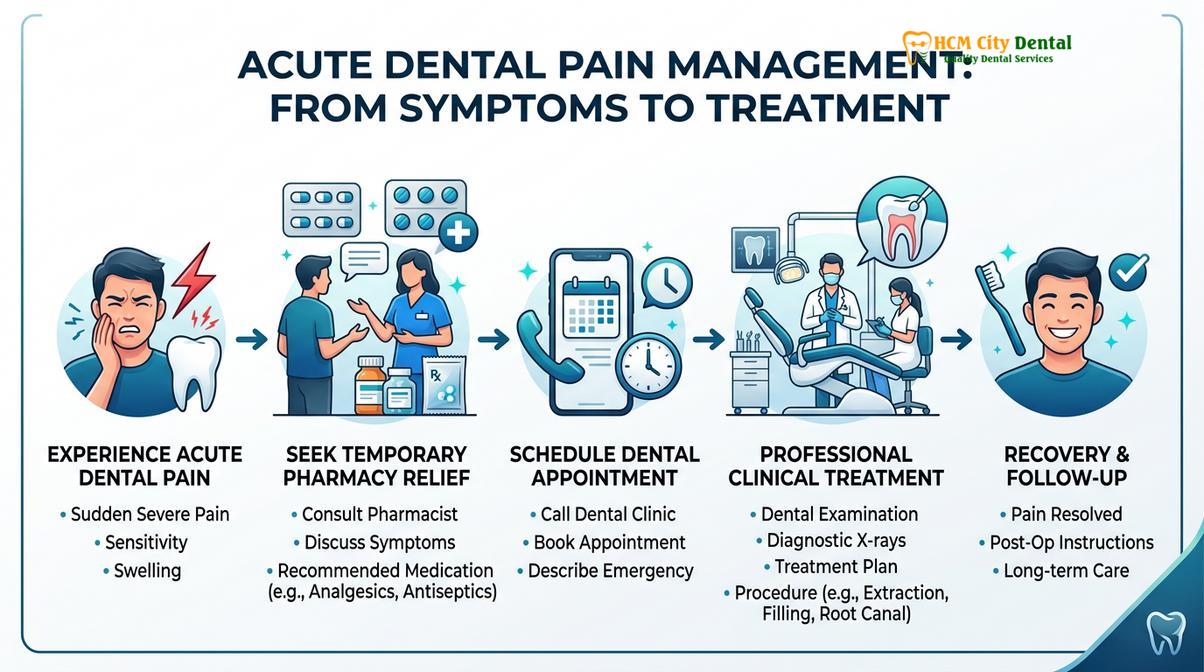
Definitive treatments for acute dental pain typically involve removing the source of the noxious stimuli. This may include excavating deep decay and placing a sedative filling, performing General Dentistry procedures like root canal therapy to remove infected pulpal tissue, or, in cases of non-restorable teeth, performing a surgical extraction. If you have lost a temporary filling and are experiencing sensitivity, you might consult our Temporary Tooth Repair DIY guide while awaiting your appointment. By addressing the root cause, the clinician eliminates the need for ongoing pain medication.
When to See a Doctor (Clinical Red Flags)
Clinical Warning: Do not rely on over-the-counter painkillers if you experience difficulty breathing, severe facial swelling extending to the eye or neck, or a high fever. These are signs of a spreading systemic infection that requires immediate emergency medical intervention.
While managing pain with over-the-counter medications is acceptable for a short period (24 to 48 hours) while awaiting a dental appointment, certain clinical symptoms demand immediate emergency medical or dental intervention. If you experience any of the following red flags, you must bypass the pharmacy and seek urgent care to prevent severe complications.
- Spreading Facial Swelling: Swelling that extends to the eye, neck, or floor of the mouth indicates a rapidly spreading cellulitis that can compromise the airway. For detailed guidance, refer to our Swollen Face Tooth Infection Emergency Guide.
- Trismus (Lockjaw): An inability to open the mouth more than a few centimeters suggests that the infection has invaded the masticatory muscle spaces.
- Dysphagia or Dyspnea: Difficulty swallowing or breathing is a life-threatening medical emergency requiring immediate hospital admission for intravenous antibiotics and airway management.
- High Fever: A systemic fever accompanying a toothache is a clear sign that the infection is no longer localized to the oral cavity. Learn more about these indicators in our guide on Tooth Infection Spreading Signs.
- Uncontrollable Bleeding: If pain is associated with trauma or a recent extraction and bleeding does not stop with sustained pressure, immediate clinical evaluation is necessary. You can read more about post-extraction complications in our Dry Socket Symptoms & Treatment Guide.
“Recognizing the difference between a standard toothache and a dental emergency can save a patient from life-threatening systemic infections. Over-the-counter medications are excellent for managing localized pain, but they cannot halt the progression of a spreading bacterial infection. When red flags appear, clinical intervention is non-negotiable.”
Understanding these warning signs ensures that you do not rely on pharmacy medications when advanced clinical care is required. For a comprehensive overview of urgent dental scenarios, review our article on When Is Toothache an Emergency? Clinical Red Flags.
If you are currently managing a severe toothache with pharmacy medications, do not delay professional care. Contact HCMC Dental Clinic in Ho Chi Minh City today to schedule a comprehensive diagnostic evaluation and receive definitive clinical treatment.
Frequently Asked Questions
Can I buy painkillers over-the-counter in Vietnam?
Yes, standard analgesics like paracetamol and ibuprofen are readily available over-the-counter at licensed pharmacies throughout Vietnam. You do not need a doctor’s prescription to purchase these first-line medications for acute dental pain management.
What is the Vietnamese name for paracetamol or ibuprofen?
The generic names remain the same, but locals often refer to paracetamol as ‘thuốc giảm đau’ (painkiller) or by brand names like Panadol and Hapacol. Ibuprofen is widely recognized by its generic name or as Gofen.
Can I buy amoxicillin without a prescription in HCMC?
While some local pharmacies may dispense amoxicillin without a formal prescription, self-medicating with antibiotics is highly discouraged. Improper use contributes to antimicrobial resistance and fails to address the localized source of a dental infection.
Are Vietnamese pharmacy drugs safe and genuine?
Medications purchased from reputable, licensed pharmacy chains (Nha Thuoc) are generally safe and strictly regulated by the Ministry of Health. Always ensure medications are dispensed from original blister packs rather than unmarked plastic bags.
What is the best pharmacy chain for expats in Vietnam?
Major national chains such as Pharmacity, Long Chau, and An Khang are highly recommended for expats. They offer standardized pricing, air-conditioned storage for drug stability, and often employ pharmacists who can communicate in basic English.
References
- Journal of Endodontics. Pharmacological management of acute dental pain.
- American Dental Association. Clinical practice guidelines for acute dental pain management.
- International Journal of Antimicrobial Agents. Antibiotic stewardship in dental practice.
- World Health Organization. Guidelines on the pharmacological treatment of persisting pain.
- Journal of Clinical Pharmacy and Therapeutics. Over-the-counter analgesic use and safety profiles.
- Vietnam Ministry of Health (Bộ Y Tế). National Guidelines on the Safe Use of Over-the-Counter Analgesics.