A chipped front tooth in Vietnam can be effectively repaired using advanced cosmetic bonding, veneers, or crowns. Seeking immediate care at a reputable clinic ensures the restoration of both dental function and aesthetic appearance while preventing further structural damage or infection.
Clinical Summary:
Repairing a chipped anterior tooth requires prompt clinical evaluation to assess the extent of enamel loss and potential dentin or pulp exposure. Treatment modalities range from direct composite bonding for minor fractures to porcelain veneers or full-coverage crowns for more extensive structural damage. Timely intervention by a qualified dental professional minimizes the risk of pulpal necrosis, restores proper biomechanical function, and seamlessly recreates the patient’s natural smile using advanced restorative materials.
Key Takeaways:
- Immediate first aid includes rinsing with warm water and applying a cold compress to manage swelling.
- Minor chips are frequently repaired in a single visit using minimally invasive composite resin bonding.
- Exposed dentin or pulp requires urgent clinical attention to prevent bacterial infection and severe pain.
- Porcelain veneers and crowns offer highly durable and aesthetic solutions for moderate to severe dental fractures.
- Modern restorative techniques prioritize the preservation of natural tooth structure while ensuring long-term functional stability.
First Aid for a Chipped Front Tooth
Immediate first aid for a chipped tooth involves rinsing the mouth with warm water, applying a cold compress to reduce swelling, and recovering any broken tooth fragments if possible.
Experiencing dental trauma can be distressing, particularly when it involves the anterior (front) teeth. The immediate moments following an injury are critical for minimizing discomfort and preserving the viability of the tooth structure. When a fracture occurs, the initial physiological response often includes localized inflammation and potential bleeding from the surrounding gingival tissues. The primary goal of first aid is to stabilize the area and prepare for professional evaluation.
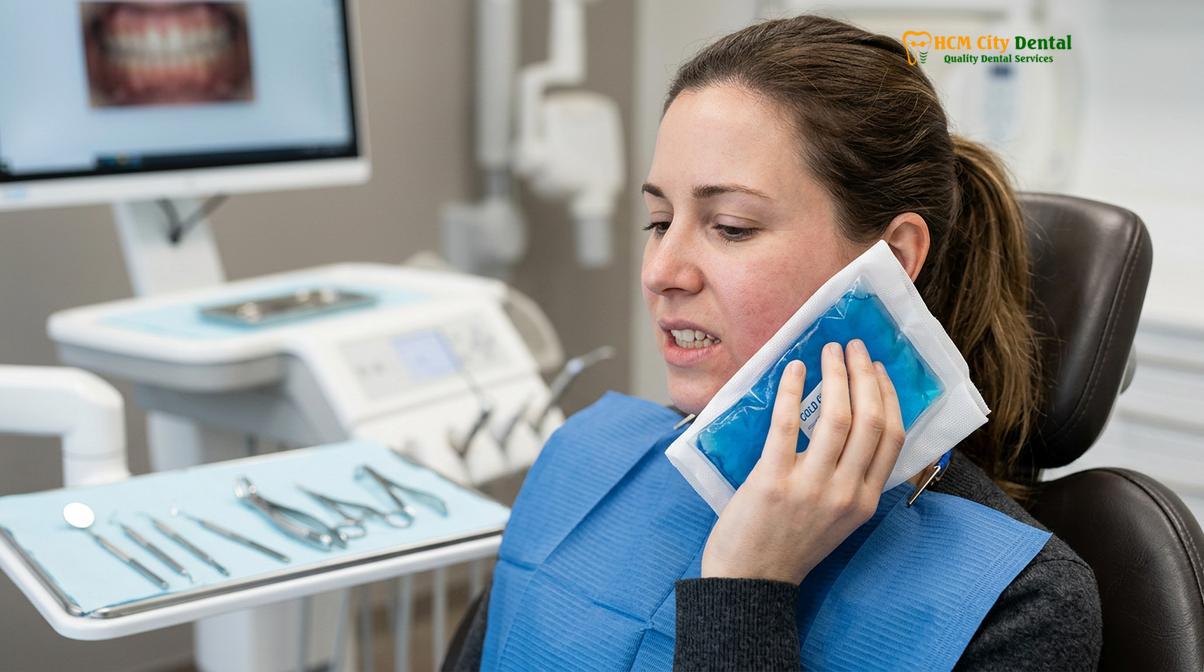
If you sustain a chipped tooth, the first step is to gently rinse your mouth with warm water. This helps to clear away any debris, blood, or dirt from the oral cavity, providing a clearer view of the damage and reducing the immediate bacterial load. It is crucial to avoid using cold or hot water, as the exposed dentin or pulp may be highly sensitive to thermal changes. Following the rinse, apply a cold compress to the outside of the cheek or lip near the affected area. The cold temperature induces vasoconstriction, which helps to minimize swelling and provides a degree of temporary pain relief.
If a significant fragment of the tooth has broken off, attempt to locate and recover it. Handle the fragment carefully by the enamel (the crown portion) and avoid touching any exposed internal surfaces. According to clinical guidelines, preserving the fragment in a suitable medium—such as Hank’s Balanced Salt Solution, milk, or even the patient’s own saliva—can maintain the hydration of the dental tissues [1]. In some specific clinical scenarios, a dentist may be able to reattach the natural fragment using advanced adhesive techniques. However, this is highly dependent on the condition of the fragment and the time elapsed since the injury.
While managing the immediate aftermath, it is vital to avoid chewing on the affected side of the mouth. The structural integrity of the chipped tooth is compromised, and applying masticatory forces can lead to further propagation of the fracture. If there are sharp or jagged edges irritating the tongue or buccal mucosa, covering the edge with a small piece of orthodontic wax or sugar-free chewing gum can provide temporary protection until you can reach a clinic for a chipped tooth repair saigon.
Why You Shouldn’t Ignore a Chipped Tooth
Ignoring a chipped tooth can lead to progressive enamel wear, severe dentin hypersensitivity, and bacterial infiltration that may ultimately cause irreversible pulpal infection.
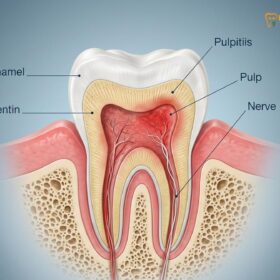
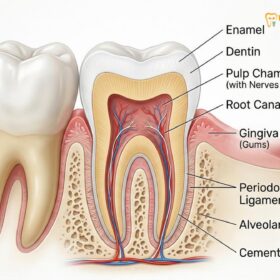
A common misconception among patients is that a minor chip, especially if it does not cause immediate pain, can be safely ignored. However, the dental anatomy is a complex, layered structure, and any breach in its outer defense mechanism requires professional attention. The outermost layer, the enamel, is the hardest substance in the human body, designed to protect the underlying tissues from mechanical stress, thermal changes, and bacterial invasion.
When the enamel is fractured, the underlying dentin is often exposed. Dentin is a porous tissue composed of microscopic channels known as dentinal tubules. These tubules contain fluid and cellular processes that communicate directly with the dental pulp—the innermost chamber of the tooth housing the nerves and blood vessels. Exposure of the dentin leads to dentin hypersensitivity, characterized by sharp, transient pain in response to stimuli such as cold drinks, hot foods, or even sweet and acidic substances.
Clinical Warning: If a chip exposes the inner pulp chamber, it is considered a dental emergency. Bacteria from the oral cavity can rapidly infiltrate the pulp, leading to irreversible pulpitis, severe pain, and the potential need for root canal therapy or extraction.
Beyond sensitivity, a compromised enamel layer weakens the overall biomechanical strength of the tooth. Normal chewing forces, which are typically distributed evenly across an intact tooth, can cause stress concentrations around the edges of the chip. Over time, this can lead to micro-fractures propagating deeper into the tooth structure, transforming a minor cosmetic issue into a catastrophic failure requiring extensive restorative work [2].
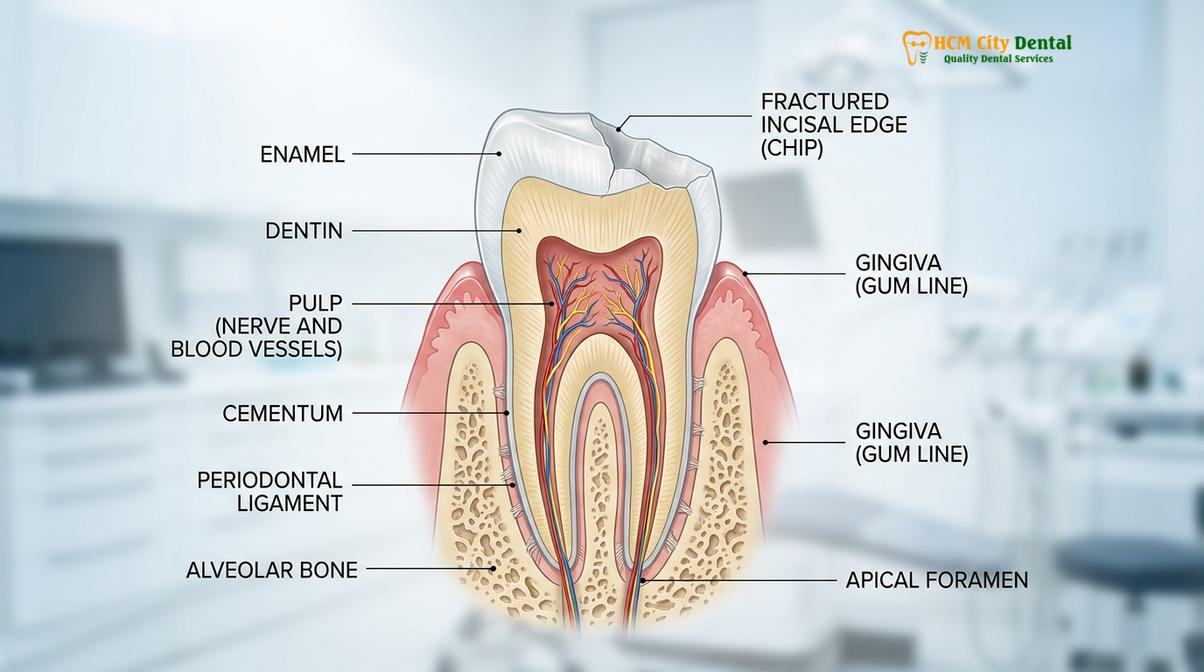
Furthermore, the rough and jagged edges of a chipped tooth create ideal retention areas for dental plaque. These microscopic niches are difficult to clean effectively with standard brushing and flossing, leading to localized bacterial accumulation. This increases the risk of secondary dental caries (tooth decay) developing at the site of the fracture. Seeking prompt evaluation from a cosmetic emergency dentist ensures that the tooth is properly sealed, smoothed, and restored, mitigating these cascading risks.
Same-Day Dental Bonding Explained
Same-day dental bonding utilizes a tooth-colored composite resin applied directly to the chipped area, sculpted, and light-cured to instantly restore the tooth’s natural contour.
For minor to moderate fractures of the anterior teeth, direct composite bonding is often the treatment of choice. This minimally invasive procedure offers an excellent balance of aesthetic outcomes, functional restoration, and conservation of the natural tooth structure. The procedure is typically completed in a single visit, making it an ideal chipped tooth fix same day for patients seeking immediate results.
The clinical workflow for dental bonding begins with a thorough assessment of the fracture site. The dentist will evaluate the shade, translucency, and surface texture of the adjacent natural teeth to select the appropriate composite resin. Modern composite materials are highly sophisticated, consisting of a resin matrix (such as Bis-GMA) filled with microscopic silica or zirconia particles. This composition allows the material to mimic the optical properties of natural enamel while providing sufficient compressive and tensile strength.
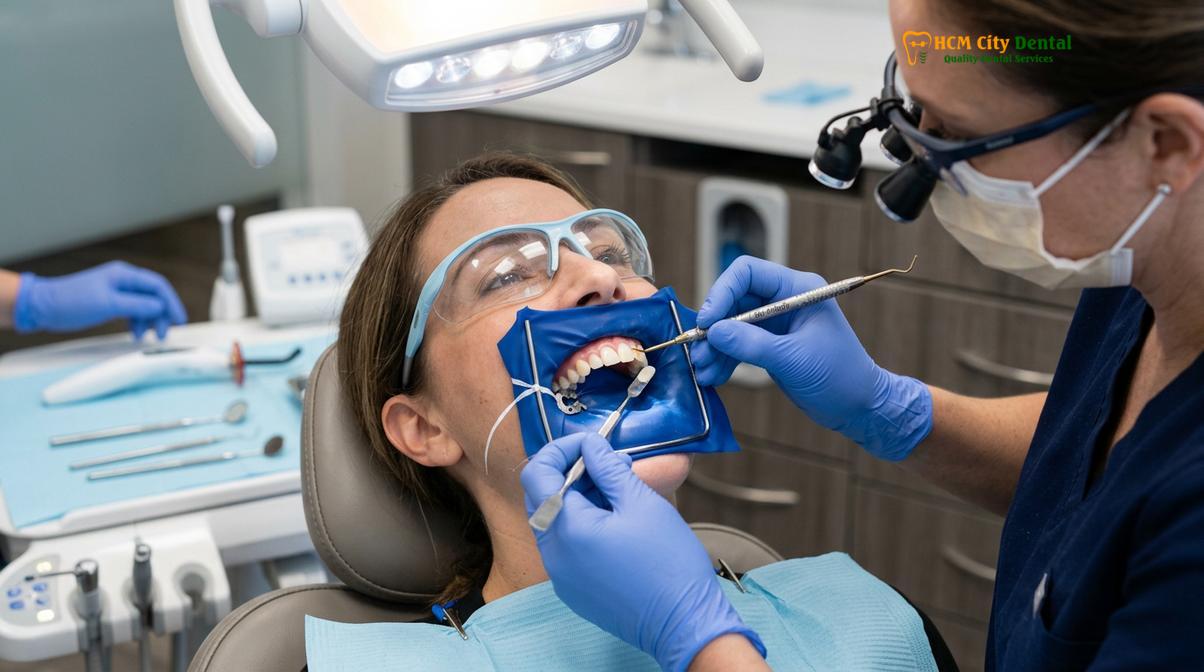
Once the shade is selected, the surface of the tooth is prepared. The dentist will gently roughen the enamel surrounding the chip and apply a mild phosphoric acid etching gel. This etching process creates microscopic porosities in the enamel surface, increasing the surface area for mechanical retention. After rinsing and drying the tooth, a liquid bonding agent is applied. This agent flows into the micro-porosities and is cured with a specialized curing light, creating a strong micromechanical interlocking bond between the tooth and the restorative material [3].
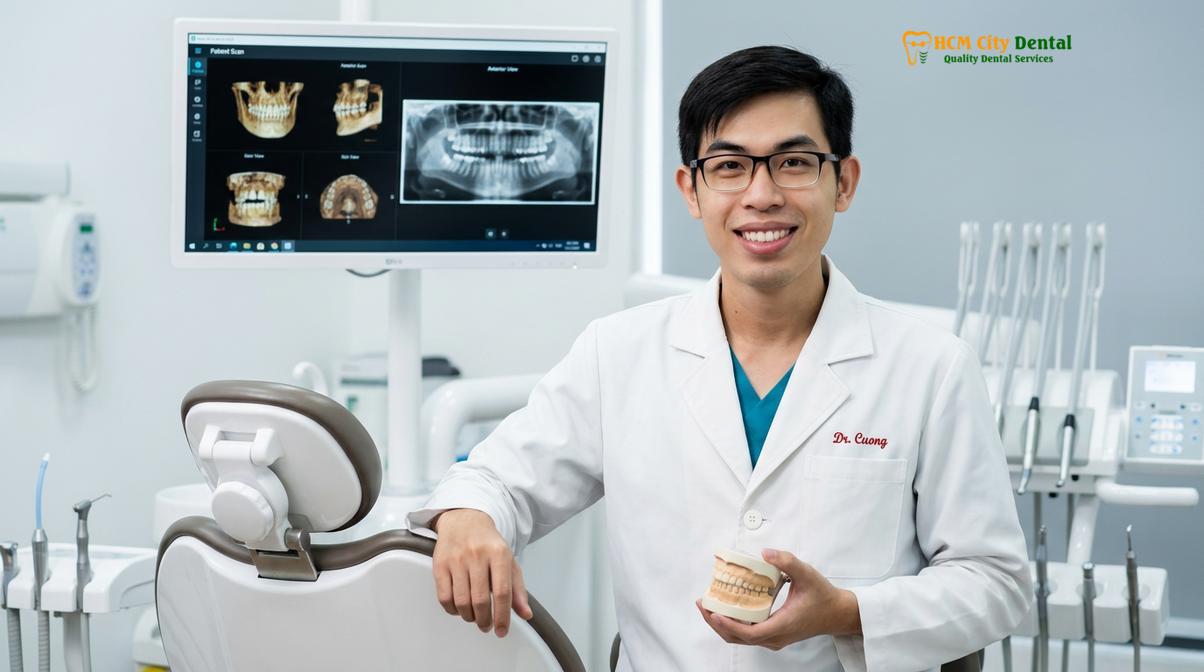
“The success of anterior composite bonding lies in the meticulous layering technique. By carefully replicating the dentin and enamel layers with different opacities of resin, we can achieve a restoration that is virtually indistinguishable from the natural tooth structure.” – Dr. Nguyen Van Cuong
The composite resin is then applied in increments. The dentist acts as an artist, sculpting the material to recreate the natural anatomical contours, incisal edges, and developmental grooves of the tooth. Each layer is photopolymerized (hardened) using a blue-light curing unit. Once the desired shape is achieved, the restoration undergoes a rigorous finishing and polishing protocol. Specialized burs, discs, and polishing pastes are used to refine the margins, adjust the bite (occlusion), and impart a high-gloss finish that resists staining and plaque accumulation. For patients interested in learning more about the materials used, exploring our comprehensive guide on Dental Fillings provides deeper insights into restorative options.
Other Treatments: Veneers and Crowns
For extensive fractures where bonding is insufficient, porcelain veneers or full-coverage dental crowns provide superior durability and aesthetic restoration for anterior teeth.
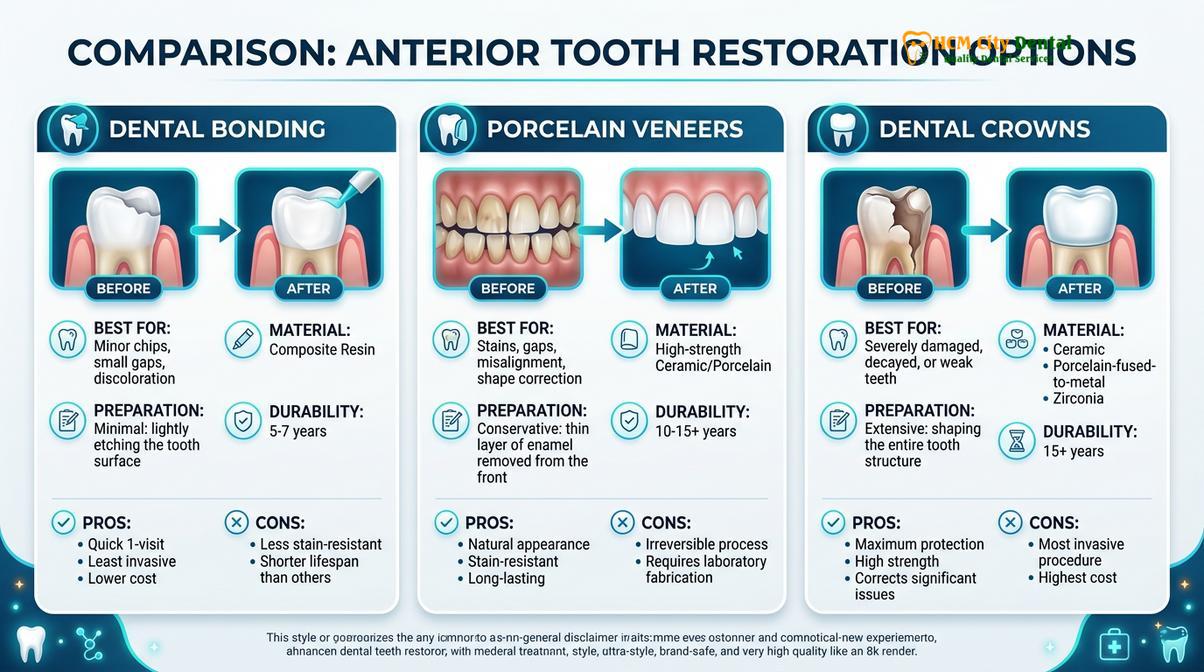
While direct composite bonding is highly effective for minor repairs, it may not possess the necessary structural integrity for larger fractures, particularly those involving significant loss of the incisal edge or those subjected to heavy occlusal (biting) forces. In such cases, indirect restorations—fabricated in a dental laboratory—are indicated to ensure long-term clinical success.
Porcelain Veneers: A dental veneer is an ultra-thin shell of custom-crafted ceramic material that is bonded to the facial (front) surface of the tooth. Veneers are an excellent option for moderate chips, especially when the patient also desires improvements in the overall color, shape, or alignment of the tooth. The preparation for a veneer is highly conservative, typically requiring the removal of only 0.3 to 0.5 millimeters of facial enamel. This ensures that the restoration remains entirely within the enamel layer, which provides the strongest and most predictable bond. Modern ceramics, such as lithium disilicate, offer exceptional optical properties, mimicking the natural fluorescence and opalescence of human enamel.
Dental Crowns: When a fracture is severe, compromising a large portion of the clinical crown or undermining the remaining tooth structure, a full-coverage dental crown is necessary. A crown encapsulates the entire visible portion of the tooth down to the gingival margin, providing maximum protection and structural reinforcement. Preparing a tooth for a crown requires more extensive reduction of the enamel and dentin to create space for the restorative material. For anterior teeth, all-ceramic crowns (such as layered zirconia or lithium disilicate) are preferred due to their superior aesthetics and biocompatibility [4].
The choice between bonding, veneers, and crowns depends on a careful clinical evaluation of the remaining tooth structure, the patient’s occlusal scheme, and their aesthetic expectations. Patients seeking front tooth bonding hcmc often undergo a comprehensive consultation to determine the most appropriate and durable treatment pathway.
| Treatment Modality | Indication | Procedure Time | Durability & Lifespan |
|---|---|---|---|
| Direct Composite Bonding | Minor to moderate chips, enamel defects | Single visit (Same-day) | 5 – 10 years (Requires maintenance) |
| Porcelain Veneers | Moderate chips, aesthetic enhancements | Two visits (Lab fabricated) | 10 – 15+ years (Highly stain resistant) |
| Full-Coverage Crowns | Severe fractures, structural compromise | Two visits (Lab fabricated) | 15 – 20+ years (Maximum strength) |
Is Chipped Tooth Repair Painful?
Most chipped tooth repairs are minimally invasive and virtually painless, often requiring little to no local anesthesia unless the fracture extends near the dental pulp.
A primary concern for many patients seeking emergency dental care is the anticipation of pain during the repair procedure. Fortunately, advancements in dental techniques and materials have made the restoration of a chipped tooth a highly comfortable experience. The level of discomfort experienced during the procedure is directly correlated with the depth and severity of the fracture.
For minor enamel chips, the repair process is typically entirely painless. Enamel contains no nerve endings, meaning that the preparation, etching, and bonding of the composite resin can be performed without the need for local anesthesia. Patients may feel slight vibrations from the dental handpiece or the sensation of cold air and water, but acute pain is exceedingly rare.
If the fracture extends into the dentin layer, the tooth may be sensitive to temperature changes and tactile stimulation. In these instances, the dentist will administer a local anesthetic to ensure profound numbness before commencing the procedure. Modern local anesthetics, such as articaine or lidocaine, act by temporarily blocking the sodium channels in the nerve fibers, preventing the transmission of pain signals to the brain. The administration of the anesthetic itself is managed with precision, often utilizing topical numbing gels prior to injection to maximize patient comfort.
Clinical Case Example: A 28-year-old patient presented to HCMC Dental Clinic in Ho Chi Minh City with a fractured maxillary central incisor following a sports injury. The fracture involved both enamel and dentin but did not expose the pulp. Under local anesthesia, the tooth was conservatively prepared, and a direct composite restoration was placed using a multi-layering technique. The patient reported zero discomfort during the procedure and was highly satisfied with the immediate aesthetic integration of the restoration.
Post-operative sensitivity is occasionally reported following the placement of a composite restoration. This is typically mild and transient, resolving within a few days as the pulp adapts to the new restorative material. Dentists may apply desensitizing agents containing glutaraldehyde or fluoride varnishes to the exposed dentin prior to bonding to further minimize the risk of post-operative discomfort.
Cost of Chipped Tooth Bonding in HCMC
The cost of repairing a chipped tooth in Ho Chi Minh City varies based on the extent of the damage and the chosen restorative material, offering highly competitive rates compared to Western countries.
Vietnam has emerged as a premier destination for high-quality dental care, combining advanced clinical expertise with significant cost advantages. The health economics of dental tourism in Southeast Asia demonstrate that patients can receive world-class treatments at a fraction of the cost typically incurred in North America, Europe, or Australia [5]. When considering the cost of repairing a chipped tooth, several factors influence the final investment.
The primary determinant of cost is the chosen treatment modality. Direct composite bonding is generally the most cost-effective option, as it is completed in a single visit and does not require the involvement of a dental laboratory. The fee for bonding is typically calculated per tooth and may vary slightly depending on the size of the restoration and the complexity of the layering technique required to achieve a perfect shade match.
Indirect restorations, such as porcelain veneers and dental crowns, involve higher costs due to the multi-step clinical process, the use of premium ceramic materials, and the skilled labor of a master ceramist in the dental laboratory. However, even for these advanced procedures, the fees in Ho Chi Minh City remain exceptionally competitive. Clinics that adhere to strict international standards for sterilization, utilize state-of-the-art digital imaging (such as intraoral scanners and CBCT), and employ highly trained specialists provide an unparalleled value proposition.
“Our philosophy at HCMC Dental Clinic is to provide transparent, evidence-based treatment plans. We prioritize the long-term health and aesthetics of the patient’s smile, ensuring that every restoration, regardless of the cost, meets the highest standards of clinical excellence.” – Dr. Nguyen Van Cuong
When evaluating the cost, patients must also consider the long-term value of the restoration. A meticulously placed composite bond or a precisely fabricated porcelain veneer not only restores the tooth but also prevents future complications that could necessitate more invasive and expensive treatments, such as root canal therapy or extraction. For a comprehensive overview of how we handle urgent dental trauma and the associated clinical pathways, please review our detailed information on Emergency Dentistry.
When to See a Doctor
While some minor chips may seem inconsequential, it is imperative to understand when a dental injury requires immediate professional intervention. Delaying care in certain clinical scenarios can lead to severe complications, including the loss of the tooth.
You should seek urgent evaluation from a dental professional if you experience any of the following symptoms associated with a chipped tooth:
- Severe, Spontaneous Pain: Pain that occurs without any stimulus (such as eating or drinking) or pain that wakes you up at night is a strong indicator of irreversible pulpitis or pulpal necrosis.
- Visible Pink or Red Tissue: If you can see a pinkish or red spot in the center of the fractured tooth, this indicates that the pulp chamber has been exposed. This requires immediate treatment to prevent bacterial infection of the nerve.
- Significant Mobility: If the chipped tooth feels loose or moves within the socket, the trauma may have caused a root fracture or damage to the periodontal ligament supporting the tooth.
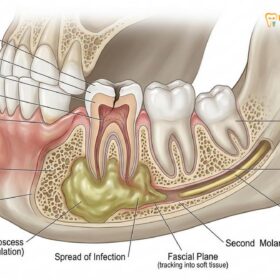
- Swelling or Abscess Formation: Swelling of the gums, face, or the presence of a pimple-like bump (fistula) on the gums near the fractured tooth indicates an active bacterial infection that requires prompt drainage and antibiotic management.
- Difficulty Closing Your Mouth: If the fracture or the displacement of the tooth prevents your teeth from coming together normally, immediate occlusal adjustment and stabilization are necessary.
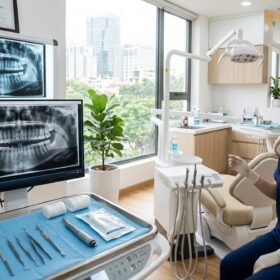
Even in the absence of these severe symptoms, scheduling a consultation at a reputable clinic like HCMC Dental Clinic in Ho Chi Minh City is highly recommended. A comprehensive clinical examination, often supplemented with digital radiographs, is the only way to accurately assess the full extent of the trauma and ensure that no hidden micro-fractures or root damage have occurred.
Frequently Asked Questions
Can a chipped front tooth be fixed in one hour?
Yes, minor to moderate chips can typically be repaired in a single one-hour visit using direct composite bonding. The dentist will prepare the surface, apply the resin, cure it with a specialized light, and polish it to match your natural tooth. This same-day procedure is highly efficient and provides immediate aesthetic and functional restoration without the need for temporary coverings or laboratory fabrication.
How much does dental bonding cost in Vietnam?
The cost of dental bonding in Vietnam is highly competitive, generally ranging from a fraction of Western prices depending on the complexity of the chip. An exact quote requires a clinical evaluation to assess the extent of the enamel damage. Factors influencing the final fee include the size of the restoration, the specific composite materials utilized, and the clinical expertise required to achieve a seamless aesthetic integration.
How long does cosmetic bonding last?
Cosmetic bonding typically lasts between 5 to 10 years with proper oral hygiene and care. Avoiding hard foods, refraining from using your teeth as tools, and attending regular dental check-ups will significantly extend the lifespan of the restoration. Over time, composite resin may be susceptible to minor staining or edge wear, which can often be easily polished or repaired by your dentist during routine maintenance visits.
Can a minor chip heal on its own?
No, tooth enamel does not contain living cells and cannot regenerate or heal on its own. Even a minor chip requires professional evaluation to smooth rough edges and prevent further structural weakening or bacterial accumulation. Leaving a chip untreated exposes the underlying dentin to the oral environment, increasing the risk of hypersensitivity, localized plaque retention, and the development of secondary dental caries.
Will travel insurance cover a chipped front tooth?
Many comprehensive travel insurance policies cover emergency dental treatments required for pain relief or trauma resulting from an accident. However, coverage for purely cosmetic repairs varies, so you must review your specific policy details and contact your provider. It is advisable to obtain a detailed clinical report and itemized invoice from your treating dentist to facilitate the claims process with your insurance company.
References
- Journal of the American Dental Association. Management of traumatic dental injuries. (2020).
- International Endodontic Journal. Pulpal response to enamel and dentin fractures. (2019).
- Dental Materials. Clinical performance of direct composite restorations in anterior teeth. (2021).
- Journal of Prosthetic Dentistry. Survival rates of porcelain veneers and crowns. (2018).
- British Dental Journal. Health economics and quality of dental tourism in Southeast Asia. (2022).