A gum bleeding wont stop emergency occurs when oral hemorrhage persists beyond 15 minutes despite applying direct pressure. This indicates severe localized infection, physical trauma, or an underlying systemic coagulopathy requiring immediate clinical intervention to prevent excessive blood loss and stabilize the patient’s overall health.
Clinical Summary:
Persistent gingival bleeding transitions from a common symptom of periodontal inflammation to a clinical emergency when the hemorrhage becomes spontaneous, profuse, or unresponsive to standard at-home hemostatic measures. This condition often results from a complex interplay between severe local factors—such as acute necrotizing ulcerative gingivitis or deep tissue trauma—and systemic vulnerabilities, including the use of anticoagulant medications, platelet disorders, or hepatic dysfunction. Immediate management focuses on airway protection and local pressure, followed by professional dental intervention utilizing hemostatic agents, suturing, or laser coagulation. Identifying the root cause is critical, as uncontrollable oral bleeding may serve as the first clinical indicator of a broader, undiagnosed systemic disease requiring multidisciplinary medical care.
Key Takeaways:
- Continuous gum bleeding lasting more than 15-20 minutes despite pressure is a medical emergency.
- Immediate first aid requires firm, uninterrupted pressure using sterile gauze or a moistened tea bag.
- Anticoagulant medications and systemic diseases (like liver dysfunction) are frequent underlying causes.
- Never rinse vigorously, spit forcefully, or consume hot liquids during an active oral hemorrhage.
- Professional intervention may involve hemostatic sponges, tranexamic acid, or laser therapy to stabilize the tissue.
Understanding Abnormal Gum Bleeding
Abnormal gum bleeding transitions from a common symptom of gingivitis to a clinical emergency when the hemorrhage is spontaneous, profuse, or entirely unresponsive to standard hemostatic measures.
To fully comprehend why a gum bleeding wont stop emergency occurs, it is essential to examine the intricate vascular anatomy of the periodontium. The gingival tissues are highly vascularized, supplied by a dense network of capillaries that deliver oxygen and immune cells to the oral mucosa. In a state of health, the sulcular epithelium acts as a robust barrier, protecting these underlying blood vessels from the mechanical forces of chewing and brushing. However, when bacterial plaque accumulates along the gingival margin, it triggers a localized inflammatory cascade. The host’s immune response releases inflammatory mediators, such as prostaglandins and cytokines, which cause vasodilation and increase capillary permeability. This engorgement of the blood vessels makes the gingival tissue erythematous (red), edematous (swollen), and highly friable [1].
Under normal circumstances, this inflammation results in minor, provoked bleeding—such as a slight pink tinge on a toothbrush or dental floss. This is the hallmark of early-stage gingivitis and, while concerning, does not constitute an emergency. The clinical picture changes drastically when the bleeding becomes spontaneous or fails to clot. In these instances, the micro-ulcerations within the sulcular epithelium have expanded, exposing larger vascular beds, or the body’s intrinsic coagulation cascade has been compromised. When the delicate balance between bleeding and clotting is disrupted, patients may experience heavy gum bleeding that pools in the mouth, creating a highly distressing and potentially dangerous situation.
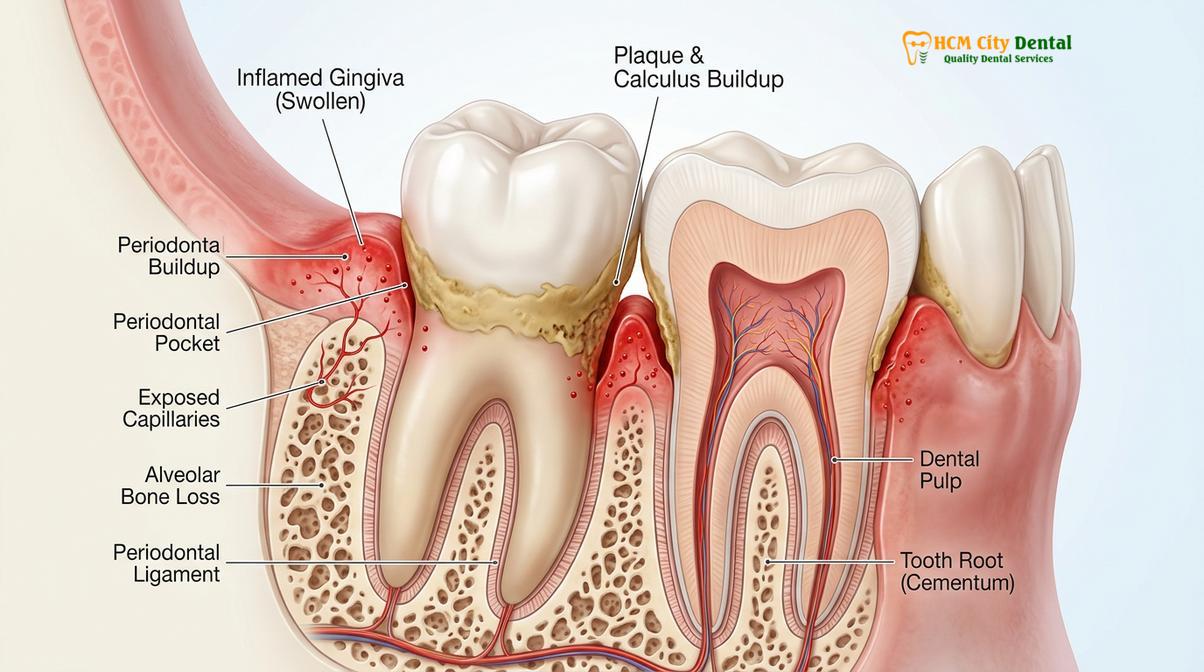
The pathophysiology of persistent oral hemorrhage often involves a failure in either primary hemostasis (the formation of a platelet plug) or secondary hemostasis (the formation of a stable fibrin clot). Localized factors, such as deep periodontal pockets harboring aggressive anaerobic bacteria, can produce enzymes that actively degrade clot formation. Furthermore, the oral cavity is a uniquely challenging environment for hemostasis due to the constant presence of saliva, which contains enzymes that can prematurely dissolve forming clots. Understanding this environment is the first step in recognizing when a minor irritation has escalated into a true clinical emergency.
“The transition from provoked gingival bleeding to spontaneous, uncontrollable oral hemorrhage often signifies a critical breach in the vascular integrity of the periodontium, frequently exacerbated by underlying systemic coagulopathies or severe localized tissue necrosis.” — Journal of Periodontology [1]
Patients must differentiate between a minor nuisance and a severe event. If you are experiencing a continuous flow of blood that requires you to constantly spit or swallow, you are facing an oral bleeding control issue that requires immediate attention. The longer the bleeding persists, the higher the risk of significant blood loss, especially in vulnerable populations such as the elderly or those with pre-existing anemia.
Immediate First Aid to Stop Bleeding Gums
To control acute oral bleeding, apply firm, continuous pressure using sterile gauze or a moistened tea bag for at least 15 minutes without interruption.
When confronted with a gum bleeding wont stop emergency, the immediate priority is to achieve local hemostasis and prevent the aspiration or swallowing of large volumes of blood. The protocols for first aid in the oral cavity are specific and must be followed meticulously to be effective. The foundational principle of controlling any hemorrhage is direct, sustained pressure. However, the unique anatomy of the mouth requires specific techniques to apply this pressure effectively without causing further trauma to the friable gingival tissues [2].
Step-by-Step Clinical First Aid Protocol:
First, the patient must be positioned correctly. Sit upright and lean slightly forward. This posture prevents blood from pooling in the posterior oropharynx, which can lead to swallowing blood or, more dangerously, aspirating it into the airway. Swallowing large amounts of blood acts as a severe gastric irritant and will almost certainly induce emesis (vomiting), which further elevates blood pressure and exacerbates the bleeding.
Second, gently clear the mouth of any large, loose blood clots using a clean piece of gauze or a very gentle rinse with cold water. Do not swish vigorously. Vigorous rinsing creates negative pressure and mechanical shear forces that will dislodge any fragile clots currently attempting to form within the bleeding site. Once the area is visible, identify the specific source of the hemorrhage.
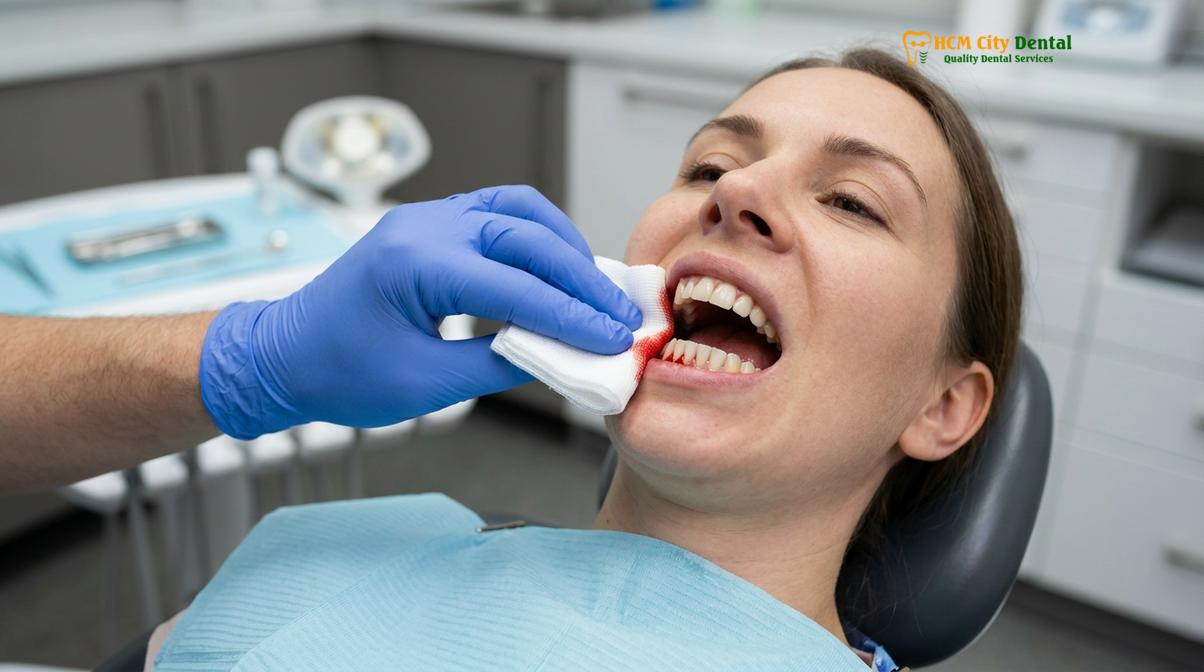
Third, apply direct pressure. Take a piece of sterile medical gauze, fold it into a tight square, and place it directly over the bleeding gingival margin. Apply firm, continuous pressure using your thumb and index finger. If the bleeding is between teeth, you may need to bite down firmly on the gauze to maintain pressure. The most critical aspect of this step is time: you must hold the pressure completely uninterrupted for a minimum of 15 to 20 minutes. The coagulation cascade requires time to synthesize a stable fibrin mesh; checking the site every two minutes will repeatedly tear the forming clot and restart the bleeding clock.
If sterile gauze is ineffective, a highly effective clinical alternative is a moistened black tea bag. Black tea contains high concentrations of tannic acid, a natural astringent. When applied to bleeding mucosa, tannic acid causes the precipitation of proteins and the constriction of local blood vessels, significantly aiding in the hemostatic process. Steep the tea bag in boiling water for one minute, allow it to cool completely (or chill it in the refrigerator), and then apply it to the bleeding site with firm pressure for 20 minutes.
Clinical Warning: Never use aspirin or NSAIDs (like Ibuprofen) for pain relief during an active oral hemorrhage, as these medications inhibit platelet aggregation and will worsen the bleeding. Additionally, avoid consuming hot liquids, alcohol, or smoking, as these cause vasodilation and disrupt clot formation.
Concurrently, applying a cold compress or ice pack to the outside of the face over the affected area can induce regional vasoconstriction, reducing the blood flow to the oral cavity. Apply the cold compress in 15-minute intervals. If these comprehensive first aid measures fail to stem the flow of blood after 30 minutes, the situation has escalated beyond home management, and professional emergency intervention is mandatory.
When Gum Bleeding is a Medical Emergency
Persistent oral bleeding becomes a medical emergency if accompanied by systemic symptoms like dizziness, shortness of breath, facial swelling, or if it follows severe facial trauma.
Distinguishing between a dental emergency that can be managed at a specialized facility like HCMC Dental Clinic and a systemic medical emergency requiring a hospital Emergency Room (ER) is a critical clinical decision. While a bleeding gums emergency is highly distressing, the volume of blood lost from the gingiva alone is rarely sufficient to cause hypovolemic shock in a healthy adult. However, the oral cavity can bleed deceptively fast, and when combined with underlying health issues, the situation can deteriorate rapidly [2].
You must seek immediate hospital-level emergency care if the oral hemorrhage is accompanied by any signs of systemic hemodynamic instability. These signs include severe dizziness, lightheadedness upon standing (orthostatic hypotension), a rapid and weak pulse (tachycardia), extreme pallor of the skin, confusion, or lethargy. These are clinical indicators that the body’s blood volume has dropped to a level where perfusion to vital organs is being compromised. In such cases, intravenous fluid resuscitation and potential blood transfusions take precedence over localized dental treatment.
Another critical threshold for ER admission is airway compromise. If the bleeding is so profuse that blood is rapidly pooling in the back of the throat, causing coughing, choking, or shortness of breath, the airway is at risk. Blood clots can easily obstruct the trachea, leading to hypoxia. Patients who are unable to manage their own secretions or who have an altered level of consciousness must be transported to the nearest hospital immediately.
Furthermore, knowing about gum hemorrhage when to worry involves assessing the context of the bleeding. If the uncontrollable bleeding is the result of significant blunt force trauma to the face or jaw—such as a motor vehicle accident or a severe fall—there is a high probability of underlying maxillofacial fractures. Fractures of the mandible or maxilla can sever major arteries (such as the inferior alveolar artery), resulting in arterial bleeding that cannot be controlled with simple gauze pressure. These cases require advanced imaging (CBCT or medical CT) and potentially surgical intervention by an oral and maxillofacial surgeon in a hospital setting.
If the bleeding is heavy but the patient remains hemodynamically stable, alert, and the airway is clear, the situation is classified as an urgent dental emergency. In these scenarios, seeking Emergency Dental Care at a specialized clinic is the most appropriate course of action. Dental professionals possess the specific tools, lighting, and hemostatic agents required to isolate the bleeding source within the mouth and apply targeted therapies that a general medical ER might not have readily available.
Common Causes: Medications, Trauma, and Disease
Uncontrollable gum bleeding is frequently triggered by anticoagulant medications, severe periodontal infections, physical trauma, or systemic conditions like thrombocytopenia and liver disease.
A gum bleeding wont stop emergency is rarely an isolated event; it is almost always a symptom of a deeper underlying pathology or a pharmacological side effect. Clinicians categorize the etiologies of severe oral hemorrhage into three primary domains: pharmacological influences, systemic diseases, and severe localized factors. A comprehensive differential diagnosis is essential for determining the correct course of treatment [4].
Pharmacological Causes (Medications):
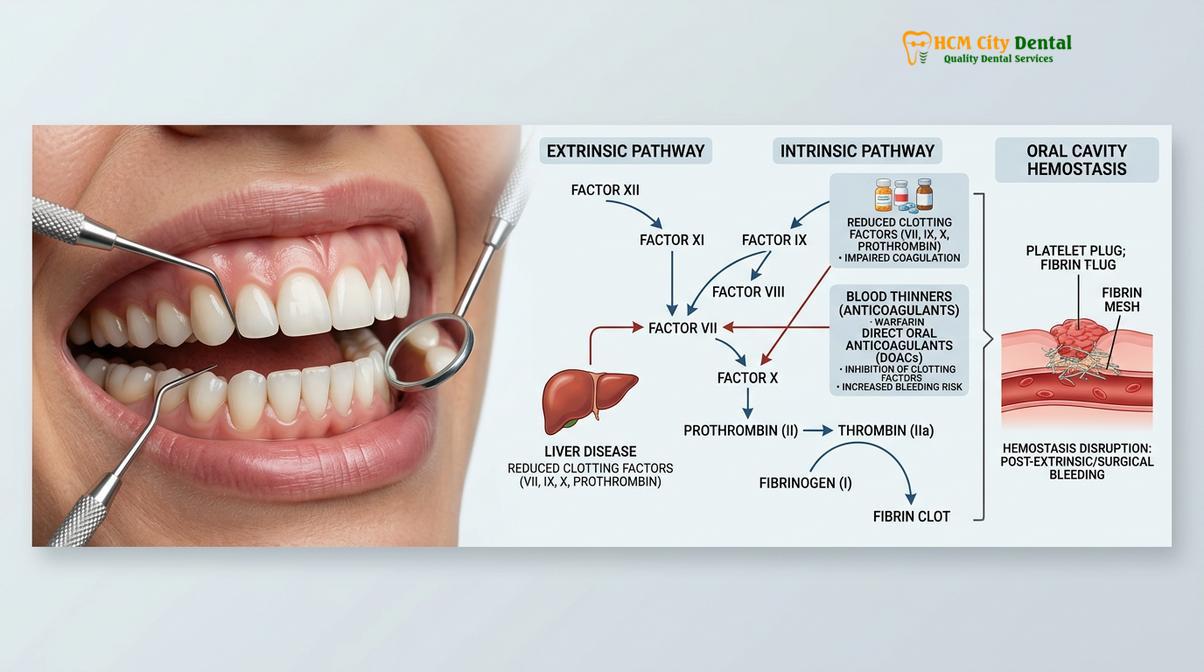
The most frequent cause of prolonged oral bleeding in modern clinical practice is the use of antithrombotic medications. These drugs are prescribed to prevent stroke, manage atrial fibrillation, or treat deep vein thrombosis, but they inherently compromise the body’s ability to stop bleeding. Anticoagulants, such as Warfarin (a Vitamin K antagonist) and Direct Oral Anticoagulants (DOACs like Apixaban or Rivaroxaban), inhibit the secondary coagulation cascade. Antiplatelet agents, such as Aspirin and Clopidogrel, inhibit primary hemostasis by preventing platelets from clumping together. When a patient on these medications experiences even minor gingival trauma—such as aggressive flossing or eating hard food—the resulting hemorrhage can be profound and highly resistant to standard pressure [6].
Systemic Diseases and Coagulopathies:
The oral cavity often serves as a mirror for systemic health. Several severe medical conditions present with spontaneous gingival bleeding as an early warning sign. Liver disease (cirrhosis or severe hepatitis) is a primary culprit. The liver is responsible for synthesizing the majority of the body’s coagulation factors (Factors II, VII, IX, and X). When liver function declines, these factors are depleted, leading to a systemic bleeding diathesis that frequently manifests in the highly vascularized gums.
Hematological malignancies, particularly Leukemia, also cause severe oral bleeding. Leukemia involves the rapid proliferation of abnormal white blood cells in the bone marrow, which crowds out the production of platelets (thrombocytopenia). Without sufficient platelets, the body cannot form the initial plug required to stop bleeding. Similarly, severe nutritional deficiencies, specifically Vitamin C deficiency (Scurvy) and Vitamin K deficiency, disrupt collagen synthesis and the coagulation cascade, respectively, leading to extreme capillary fragility and spontaneous hemorrhage [5].
| Category | Specific Cause | Clinical Presentation & Mechanism |
|---|---|---|
| Pharmacological | Anticoagulants / Antiplatelets | Prolonged bleeding after minor trauma; disruption of the coagulation cascade or platelet aggregation. |
| Systemic Disease | Liver Cirrhosis | Spontaneous bleeding, jaundice; caused by decreased hepatic synthesis of clotting factors. |
| Hematological | Leukemia / Thrombocytopenia | Spontaneous, diffuse bleeding, petechiae; caused by critically low platelet counts. |
| Localized Infection | Acute Necrotizing Ulcerative Gingivitis (ANUG) | Severe pain, punched-out papillae, foul odor, heavy bleeding; caused by aggressive bacterial tissue necrosis. |
| Physical Trauma | Laceration / Post-Extraction | Localized, pulsatile bleeding; caused by direct mechanical severing of gingival blood vessels. |
Severe Localized Factors:
Even in the absence of systemic disease or medications, severe local pathology can trigger an emergency. Advanced periodontitis creates deep, ulcerated pockets of tissue that are highly prone to bleeding. A specific, acute condition known as Acute Necrotizing Ulcerative Gingivitis (ANUG)—often triggered by extreme stress, smoking, and poor hygiene—causes rapid necrosis of the gingival papillae, resulting in severe pain and spontaneous, heavy bleeding. Additionally, physical trauma from ill-fitting dentures, sports injuries, or a recently dislodged blood clot following a tooth extraction (secondary hemorrhage) are common localized causes requiring immediate dental intervention.
Professional Treatment for Bleeding Gums
Clinical management involves identifying the bleeding source, achieving local hemostasis through mechanical or chemical agents, and treating the underlying periodontal or systemic pathology.
When a patient presents to a clinical facility with a gum bleeding wont stop emergency, the dental team initiates a rapid, systematic workflow to stabilize the patient and control the hemorrhage. The clinical environment provides access to advanced hemostatic tools and diagnostic equipment that are unavailable at home. The primary goal is to achieve definitive hemostasis, followed by identifying and treating the root cause to prevent recurrence [3].
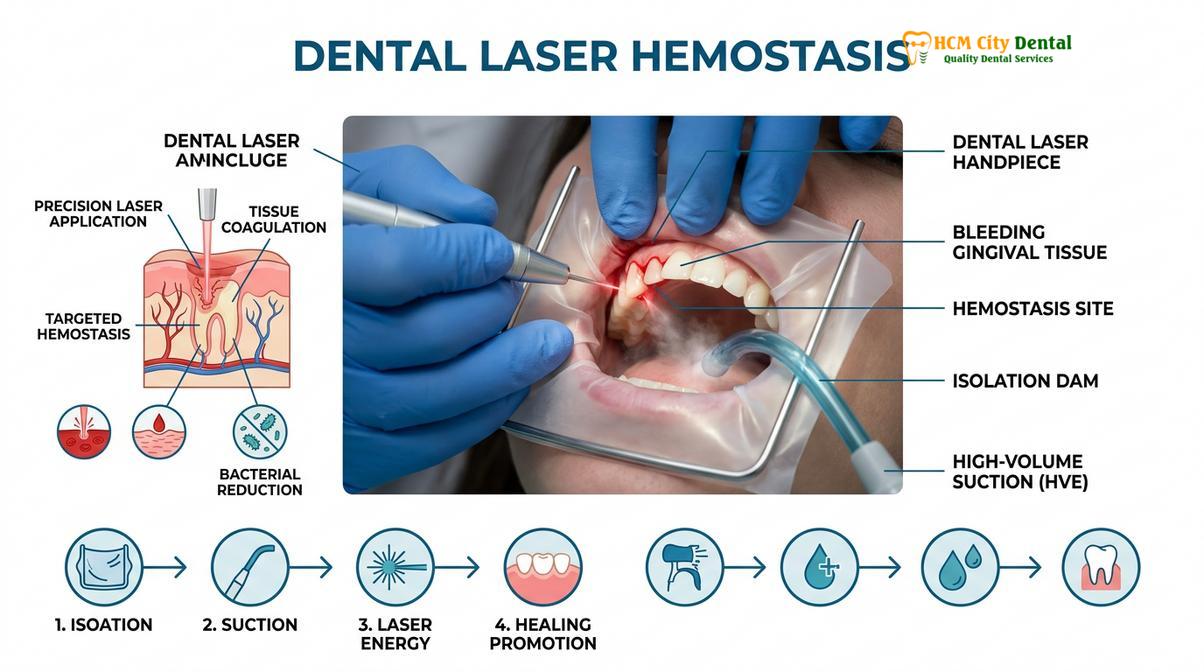
The initial clinical assessment involves clearing the oral cavity using high-volume evacuation (suction) to remove pooled blood and saliva. This allows the dentist to visually isolate the exact source of the bleeding. Once isolated, the dentist will employ a tiered approach to hemostasis. If the bleeding is localized to a specific periodontal pocket or extraction site, the first line of professional treatment often involves the application of specialized hemostatic agents. Materials such as absorbable gelatin sponges (Gelfoam) or oxidized regenerated cellulose (Surgicel) are packed directly into the bleeding site. These materials provide a physical matrix that traps platelets and accelerates the formation of a stable fibrin clot.
For more diffuse or stubborn bleeding, chemical hemostatic agents are utilized. Tranexamic acid, a powerful antifibrinolytic medication, can be applied topically via soaked gauze or prescribed as a mouthwash. Tranexamic acid works by preventing the premature breakdown of blood clots, making it exceptionally effective for patients on blood thinners. In cases where the bleeding originates from a distinct laceration or a severed vessel, the dentist will use mechanical intervention, placing resorbable sutures to physically close the wound and apply internal pressure to the blood vessels.
Modern dental clinics also utilize advanced technology for oral bleeding control. Dental lasers, such as diode or Nd:YAG lasers, are highly effective tools for achieving rapid hemostasis. The laser energy photothermally coagulates the bleeding vessels and simultaneously sterilizes the surrounding tissue, reducing the risk of secondary infection. This approach is particularly beneficial for highly inflamed, friable gingival tissue that is difficult to suture.
Clinical Case Study: Managing Anticoagulant-Induced Hemorrhage
A 62-year-old patient presented to HCMC Dental Clinic in Ho Chi Minh City with a severe bleeding gums emergency that had persisted for four hours. The patient was taking Rivaroxaban (a DOAC) for atrial fibrillation and had accidentally lacerated their gingiva while eating hard crusty bread. Dr. Nguyen Van Cuong immediately assessed the airway and isolated the bleeding site. Because the patient’s systemic coagulation was compromised, standard pressure was insufficient. Dr. Cuong applied a localized tranexamic acid compress followed by precise diode laser coagulation to seal the severed capillaries. Hemostasis was achieved within 10 minutes. The patient was monitored in the clinic for an hour to ensure clot stability before being discharged with specific soft-diet instructions and a follow-up protocol, avoiding the need for a hospital ER visit.
Once the acute bleeding is controlled, the definitive treatment phase begins. If the hemorrhage was driven by severe periodontal disease, the patient will require comprehensive scaling and root planing (deep cleaning) under local anesthesia to remove the subgingival calculus and bacterial biofilm that are perpetuating the inflammation. If the dentist suspects an undiagnosed systemic condition—such as a bleeding disorder or leukemia—based on the clinical presentation, they will immediately refer the patient to a medical physician or hematologist for comprehensive blood work (CBC, PT/INR, PTT) and systemic management.
When to See a Doctor
Understanding the precise moment to transition from home care to professional medical or dental intervention is vital for patient safety. While minor bleeding during flossing warrants a scheduled dental visit, a true hemorrhage requires immediate action. You must seek professional clinical evaluation if the bleeding is spontaneous (occurring without any physical trigger like brushing), if it wakes you up from sleep, or if it is accompanied by the formation of large, dark red blood clots in the mouth.
Furthermore, important clinical considerations dictate that patients with known systemic risk factors must have a lower threshold for seeking help. If you are currently undergoing chemotherapy, have a diagnosed liver condition, or are taking prescription blood thinners, you should not wait the standard 30 minutes to see if the bleeding stops. In these populations, a minor oral bleed can rapidly escalate into a significant hemorrhagic event. Contact your healthcare provider or visit an emergency dental clinic immediately upon noticing persistent bleeding.
Dr. Nguyen Van Cuong emphasizes that patients should never attempt to self-diagnose the cause of heavy, unyielding oral bleeding. “The oral mucosa is highly vascular, and while we can often manage the local bleeding effectively in the dental chair, our primary concern is ruling out severe systemic pathologies. A persistent bleed is the body’s alarm system, and it requires a professional diagnostic evaluation to ensure patient safety.”
Home Care and Prevention Tips
Preventing recurrent gum bleeding requires meticulous daily oral hygiene, routine professional prophylaxis, and strict management of underlying systemic health conditions.
Once a gum bleeding wont stop emergency has been professionally resolved, the focus must shift entirely to prevention and long-term tissue maintenance. The foundation of preventing gingival hemorrhage is the establishment of a pristine oral environment that minimizes bacterial plaque accumulation and subsequent inflammation. This requires a commitment to meticulous, daily oral hygiene practices tailored to the patient’s specific periodontal needs.
First, patients must utilize the correct mechanical tools. A soft-bristled toothbrush is mandatory; medium or hard bristles cause micro-abrasions on the gingival tissue, exacerbating inflammation and triggering bleeding. Brushing should be performed twice daily using the modified Bass technique, which gently angles the bristles into the gingival sulcus to sweep away plaque without traumatizing the tissue. Interdental cleaning is equally critical, as the majority of periodontal inflammation originates between the teeth. Depending on the size of the interdental spaces, patients should use dental floss (using a gentle C-shape motion, never snapping it into the gums) or appropriately sized interdental brushes.

Chemical adjuncts play a significant role in long-term prevention. Following an acute bleeding episode, a dentist may prescribe a short course of Chlorhexidine gluconate mouthwash, a potent antimicrobial agent that rapidly reduces bacterial load. For long-term daily use, over-the-counter mouthrinses containing essential oils or cetylpyridinium chloride can help maintain a healthy oral microbiome. Furthermore, dietary modifications are essential for vascular health. A diet rich in Vitamin C (citrus fruits, bell peppers) supports collagen synthesis, strengthening the capillary walls within the gums. Adequate Vitamin K intake (leafy green vegetables) ensures the liver has the necessary substrates to produce clotting factors.
Finally, routine professional oversight is non-negotiable. Patients who have experienced severe oral bleeding should adhere to a strict recall schedule, often requiring professional prophylaxis and periodontal evaluation every three to four months rather than the standard six months. For patients with systemic conditions or those on anticoagulant therapy, close communication between the dental team at HCMC Dental Clinic and the patient’s primary care physician is vital to safely manage their oral health without compromising their medical treatments.
“Effective prevention of gingival hemorrhage relies not only on mechanical plaque control but also on the proactive management of systemic health, highlighting the undeniable link between oral hygiene and overall physiological stability.” — World Health Organization (WHO) [5]
Frequently Asked Questions
How do I stop my gums from bleeding immediately?
To stop gum bleeding immediately, apply firm, continuous pressure to the area using sterile gauze or a moistened black tea bag for 15 to 20 minutes. Sit upright, avoid vigorous rinsing, and apply a cold compress to the outside of your cheek to promote vasoconstriction and clot formation. If the bleeding does not subside after 30 minutes of uninterrupted pressure, you must seek emergency clinical care.
Why won’t my gums stop bleeding?
Gums that refuse to stop bleeding typically indicate a disruption in the body’s normal clotting mechanism or severe localized inflammation. Common culprits include the use of anticoagulant medications, advanced periodontal disease, underlying systemic conditions like liver disease or thrombocytopenia, or significant physical trauma to the oral tissues. The inability to form a stable clot requires professional diagnostic evaluation.
When should I go to the ER for bleeding gums?
You should go to the emergency room if the bleeding is profuse, pulsatile, or lasts longer than 30 minutes despite continuous pressure. Additional red flags requiring ER evaluation include difficulty breathing, swallowing blood leading to nausea, dizziness, extreme lethargy, or bleeding accompanied by severe facial trauma that may indicate jaw fractures.
Can gum bleeding be a sign of leukemia or liver disease?
Yes, persistent and spontaneous gum bleeding can be an early clinical manifestation of systemic diseases such as leukemia or liver cirrhosis. Leukemia affects bone marrow production of platelets, while liver disease impairs the synthesis of essential clotting factors, both resulting in a compromised ability to achieve hemostasis in the highly vascular oral cavity.
Can a dentist treat heavy gum bleeding?
Yes, an emergency dentist is fully equipped to treat heavy gum bleeding originating from the oral cavity. They utilize specialized hemostatic agents, suturing techniques, laser coagulation, and deep periodontal therapies to control the hemorrhage, while also identifying if a referral to a medical physician is necessary for underlying systemic issues.
References
- Journal of Periodontology. Pathogenesis of gingival bleeding and periodontal inflammation. (2021).
- American Dental Association (ADA). Clinical guidelines for managing oral hemorrhage and dental emergencies. (2022).
- International Journal of Oral and Maxillofacial Surgery. Hemostatic agents in dental practice: A comprehensive review. (2020).
- Journal of Clinical Periodontology. Systemic diseases and their manifestation in the oral cavity. (2019).
- World Health Organization (WHO). Oral health and systemic health interconnections. (2023).
- British Dental Journal. Management of patients on anticoagulants in primary dental care. (2021).