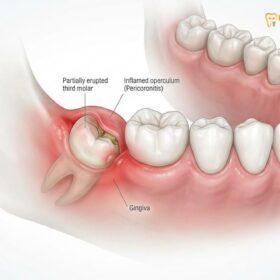
A comprehensive dental pain medication guide focuses on using non-steroidal anti-inflammatory drugs (NSAIDs) like ibuprofen, often combined with acetaminophen, as the first-line defense for acute toothaches. Proper pharmacological management bridges the gap until a dentist can diagnose and treat the underlying infection or structural damage.
Clinical Summary:
Acute dental pain typically originates from pulpal inflammation, periapical pathology, or post-surgical trauma. Evidence-based clinical guidelines prioritize NSAIDs over prescription opioids due to their superior efficacy in managing localized dental tissue inflammation. Combining ibuprofen and acetaminophen provides optimal pain relief by targeting both peripheral inflammatory pathways and central nervous system pain receptors. Pharmacological intervention is strictly a temporary measure to manage symptoms until definitive mechanical or surgical dental treatment can be administered.
Key Takeaways:
- NSAIDs (such as ibuprofen) are the preferred first-line medication for acute dental pain due to their anti-inflammatory properties.
- Combining ibuprofen and acetaminophen offers superior, synergistic relief compared to single-drug therapies.
- Antibiotics do not cure tooth pain; they are strictly indicated for treating spreading systemic bacterial infections.
- Placing aspirin directly on the gums is dangerous and causes severe chemical burns to the oral mucosa.
- Over-the-counter analgesics are temporary bridges to professional clinical diagnosis and treatment.
Clinical Approach to Dental Pain Management
Effective dental pain management requires identifying the source of the pain—whether pulpal, periodontal, or surgical—and selecting the appropriate analgesic to reduce inflammation and block pain signals before definitive clinical treatment.
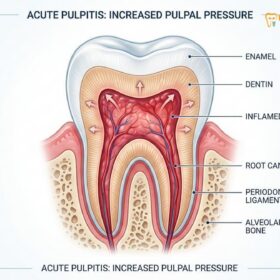
Understanding the pathophysiology of a toothache is the foundational step in any effective dental pain medication guide. Unlike pain in other parts of the body, dental pain is uniquely severe due to the anatomical structure of the human tooth. The dental pulp, which houses the nerves and blood vessels, is encased within a rigid, unyielding chamber of dentin and enamel. When the pulp becomes inflamed—a condition known as pulpitis, usually caused by deep decay, trauma, or bacterial ingress—the blood vessels dilate. Because the hard outer shell of the tooth cannot expand to accommodate this swelling, the internal pressure within the pulp chamber rises dramatically. This intense pressure compresses the delicate A-delta and C nerve fibers, sending excruciating, throbbing pain signals to the brain via the trigeminal nerve [1].
Because the root cause of most acute dental pain is this localized inflammation and subsequent pressure, the most logical and clinically effective pharmacological approach is to target the inflammatory process itself. This is why anti-inflammatory medications are the cornerstone of dental pain management. Analgesics that only mask the pain without addressing the swelling are often insufficient for severe toothaches.
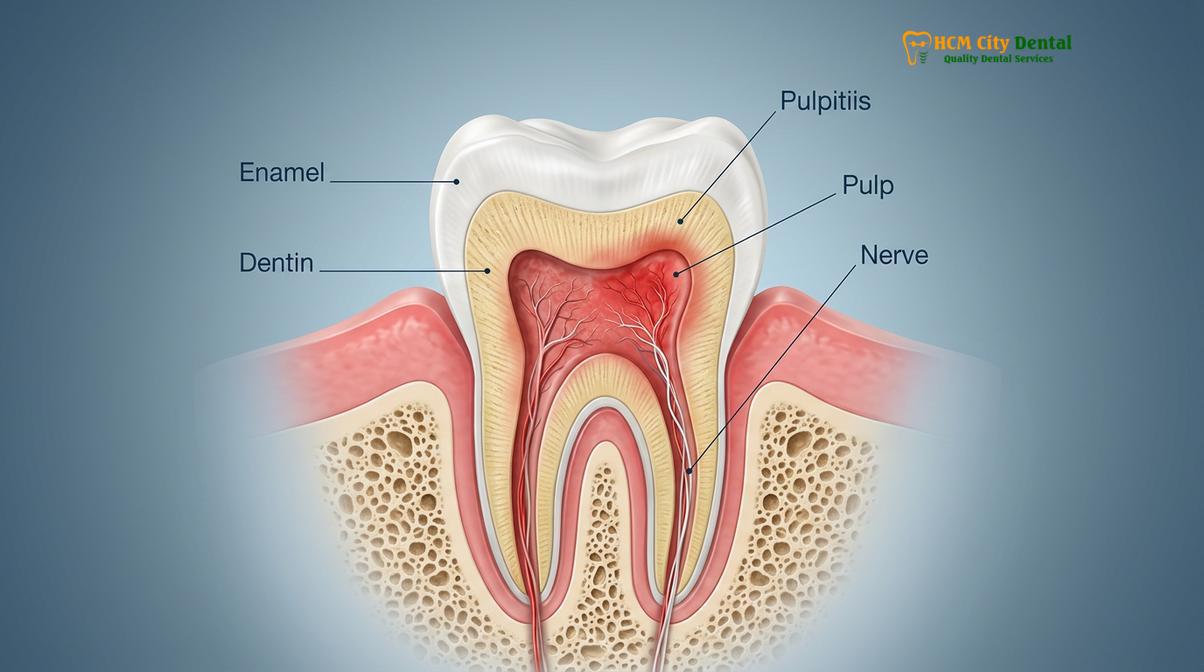
From a clinical perspective, the management of acute oral pain is never a standalone treatment. As Dr. Nguyen Van Cuong frequently emphasizes during patient consultations, pharmacological pain relief is merely a temporary bridge. The medication manages the patient’s comfort and reduces acute distress, allowing the clinician to perform a thorough diagnostic evaluation. Whether the pain originates from reversible pulpitis, irreversible pulpitis, acute apical abscess, or post-operative trauma following an extraction, the ultimate cure requires mechanical intervention—such as a filling, root canal therapy, or tooth removal. Patients seeking comprehensive care for underlying issues should explore options in General Dentistry to prevent recurrent emergencies.
The clinical workflow for prescribing or recommending pain medication involves a rigorous assessment of the patient’s medical history. Dentists must evaluate potential contraindications, such as a history of gastrointestinal ulcers, bleeding disorders, asthma, renal impairment, or hepatic dysfunction. Only after a comprehensive medical screening can a safe and effective analgesic regimen be tailored to the individual’s specific physiological profile and the severity of their dental condition [2].
NSAIDS vs Acetaminophen: Which is Best for Toothache?
NSAIDs are generally superior for toothaches because they directly reduce localized dental inflammation, whereas acetaminophen only blocks central pain receptors without addressing the swelling inside the tooth.
When evaluating the best painkiller toothache options, the debate frequently centers on Non-Steroidal Anti-Inflammatory Drugs (NSAIDs) versus acetaminophen (known internationally as paracetamol). To understand which is superior for dental applications, one must examine their distinct mechanisms of action.
NSAIDs, which include medications like ibuprofen, naproxen, and diclofenac, work primarily in the peripheral nervous system. When tissue is damaged, cell membranes release arachidonic acid, which is then converted by cyclooxygenase (COX) enzymes into prostaglandins. Prostaglandins are the primary chemical mediators of inflammation, fever, and pain sensitization. NSAIDs inhibit the COX-1 and COX-2 enzymes, effectively halting the production of prostaglandins at the site of the injury [3]. By reducing the localized inflammation inside the rigid tooth structure or the surrounding periodontal tissues, NSAIDs directly address the mechanical cause of the pain. This makes nsaid dental pain management highly effective.
Acetaminophen, on the other hand, operates primarily within the central nervous system (the brain and spinal cord). While its exact mechanism remains a subject of ongoing pharmacological research, it is widely accepted that acetaminophen elevates the pain threshold by inhibiting central COX pathways and interacting with the endogenous cannabinoid system. However, acetaminophen has virtually no peripheral anti-inflammatory properties. It will block the brain from perceiving the pain as intensely, but it will do nothing to reduce the swelling inside the inflamed tooth [4].
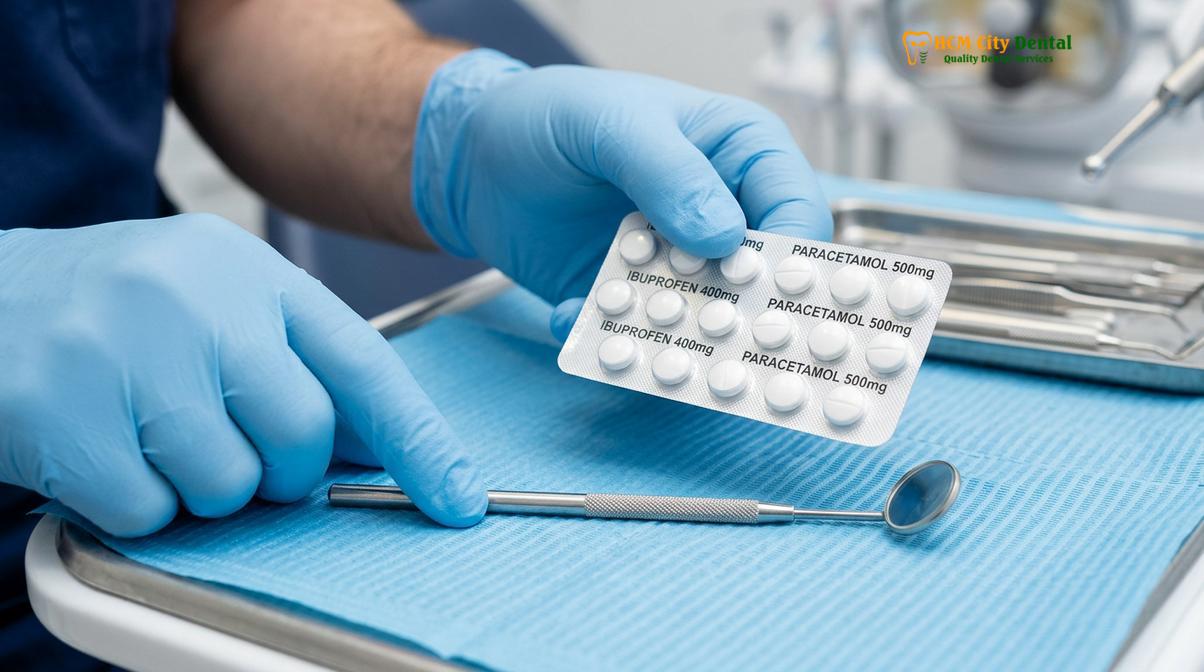
When comparing ibuprofen vs paracetamol tooth efficacy, clinical evidence overwhelmingly favors ibuprofen for acute dental pain. However, the most significant breakthrough in modern dental pharmacology is the realization that these two drugs do not have to be mutually exclusive. Because they utilize entirely different metabolic pathways—ibuprofen is metabolized primarily by the kidneys, while acetaminophen is metabolized by the liver—they can be taken concurrently without compounding their respective toxicities.
“Current evidence-based clinical guidelines strongly recommend the combination of an NSAID and acetaminophen as the first-line therapy for acute dental pain, demonstrating analgesic efficacy that equals or surpasses that of prescription opioid combinations, while entirely avoiding the risks of opioid dependency and respiratory depression.”
This synergistic effect means that the NSAID reduces the inflammation at the site of the tooth, while the acetaminophen simultaneously blocks the pain signals in the brain. This dual-action approach provides profound relief for moderate to severe dental pain and has revolutionized post-operative care protocols in modern dentistry.
Safe Dosage Guidelines for Dental Emergency Pain
For severe acute dental pain, clinicians often recommend a combined dosage of 400-600mg of ibuprofen and 500-1000mg of acetaminophen, strictly adhering to daily maximum limits to prevent organ toxicity.
Administering the correct dosage is critical for achieving effective pain relief while minimizing the risk of adverse side effects. When a patient requires a dental emergency intervention, the immediate goal is to stabilize their comfort level safely. It is imperative to understand the concept of the “analgesic ceiling effect.” Unlike opioids, where higher doses continue to provide increased pain relief (along with increased respiratory depression), non-opioid analgesics have a ceiling. Once a certain dosage is reached, taking more of the drug will not provide any additional pain relief; it will only exponentially increase the risk of toxic side effects [5].
For ibuprofen, the analgesic ceiling is generally recognized to be around 400mg per dose. While anti-inflammatory benefits may slightly increase at 600mg or 800mg, the pain-relieving effect peaks at 400mg. Therefore, taking 800mg of ibuprofen does not provide twice the pain relief of 400mg, but it does significantly increase the risk of gastrointestinal irritation and renal stress.
Below is a general clinical reference table for adult dosages in the management of acute dental pain. Note: These are general guidelines for healthy adults. Dosages must be adjusted for pediatric patients, the elderly, and individuals with systemic health conditions.
| Medication | Standard Adult Single Dose | Dosing Interval | Maximum Daily Limit (24 Hours) | Primary Clinical Indication |
|---|---|---|---|---|
| Ibuprofen (NSAID) | 400 mg – 600 mg | Every 6 to 8 hours | 3,200 mg (Prescription max) / 1,200 mg (OTC max) | First-line for inflammatory dental pain, pulpitis, extractions. |
| Acetaminophen (Paracetamol) | 500 mg – 1,000 mg | Every 6 hours | 3,000 mg – 4,000 mg (Depending on liver health) | Alternative for patients with NSAID allergies or GI ulcers. |
| Combined Therapy (Ibuprofen + Acetaminophen) | 400 mg Ibuprofen + 500 mg Acetaminophen | Every 6 to 8 hours | Do not exceed individual daily maximums for either drug. | Severe acute dental pain, post-surgical impaction removal. |
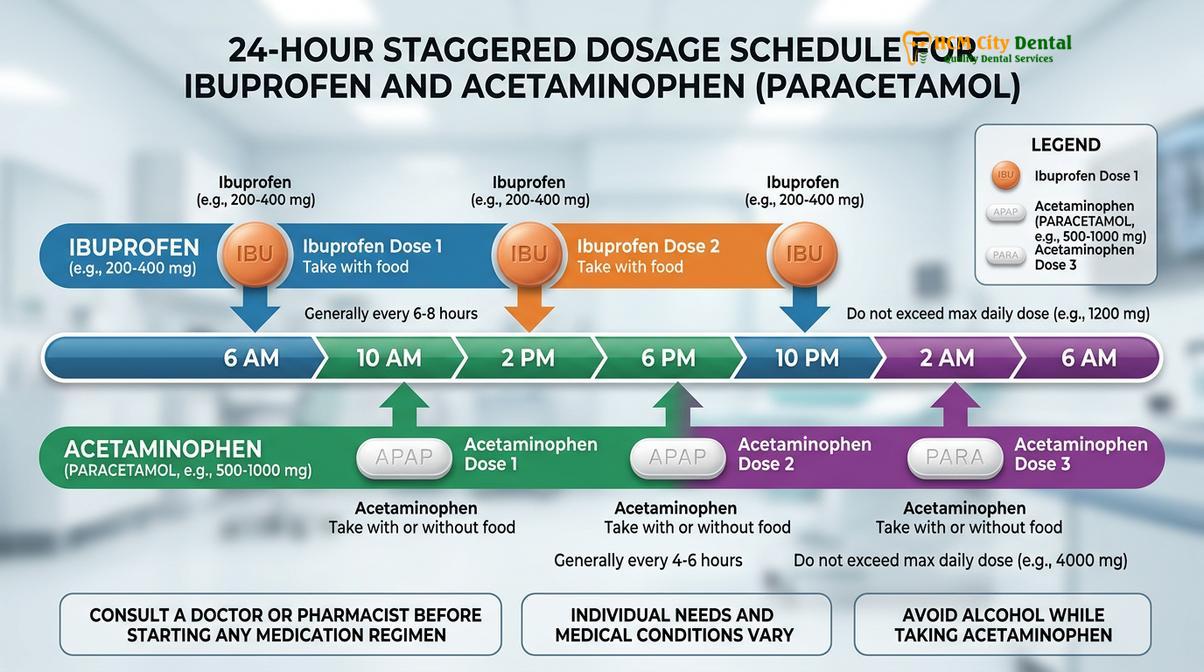
To maintain a steady state of pain relief and prevent the pain from “breaking through,” clinicians often recommend a staggered dosing schedule. Instead of taking both medications at the exact same time, the patient takes the ibuprofen, waits three hours, and then takes the acetaminophen. Three hours later, it is time for the next dose of ibuprofen. This staggered approach ensures that one of the medications is always reaching its peak efficacy in the bloodstream, providing a continuous shield against severe pain spikes.
Medications and Combinations to Avoid
Patients must avoid placing aspirin directly on the gums, exceeding daily acetaminophen limits, or mixing multiple NSAIDs, as these practices can cause severe chemical burns, liver failure, or gastrointestinal bleeding.
While over-the-counter medications are highly effective, they are not without risks. Misuse of these drugs during a desperate attempt to find pain relief dental emergency solutions can lead to severe, sometimes life-threatening medical complications. Patient education regarding contraindications is a vital component of clinical care.
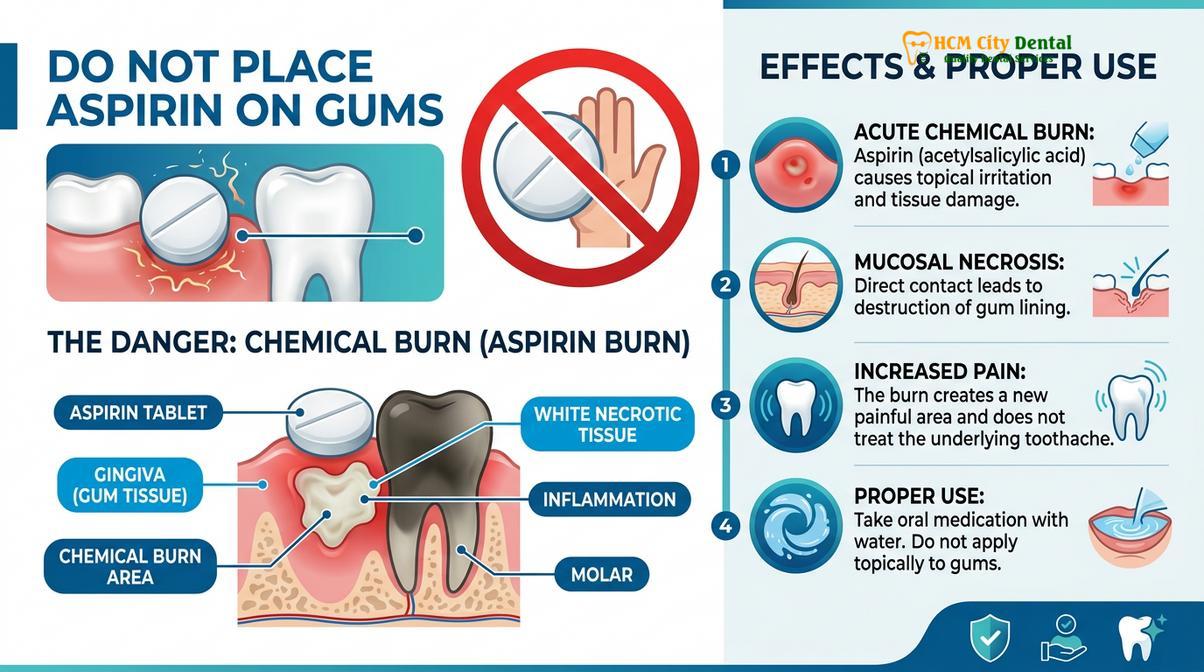
One of the most common and dangerous home remedies is the topical application of aspirin. Some patients mistakenly believe that crushing an aspirin tablet and placing it directly against the aching tooth or surrounding gums will provide localized relief. This is a severe clinical error. Aspirin is acetylsalicylic acid. When placed directly on the delicate oral mucosa, it causes rapid cellular necrosis, resulting in a severe chemical burn. The tissue turns white, sloughs off, and creates a painful ulcer that compounds the patient’s agony without providing any relief to the internal pulpal pain.
Clinical Warning: Never place aspirin or any other oral pain medication directly onto the gums or teeth. Medications must be swallowed and processed through the digestive system to be effective. Topical application of acidic medications will cause severe mucosal burns and tissue necrosis.
Another critical combination to avoid is the concurrent use of multiple NSAIDs. A patient should never take ibuprofen and naproxen (Aleve) together, nor should they mix ibuprofen with aspirin. Because all NSAIDs utilize the same COX-inhibitory pathways, combining them does not improve pain relief due to the ceiling effect. Instead, it exponentially multiplies the risk of severe gastrointestinal bleeding, stomach ulcers, and acute kidney injury.
Furthermore, patients must be hyper-vigilant about hidden acetaminophen. Many over-the-counter cold, flu, and sinus medications contain acetaminophen. If a patient is taking a dedicated acetaminophen tablet for their toothache and simultaneously drinking a hot flu remedy containing the same drug, they can easily exceed the 4,000mg daily limit. Acetaminophen overdose is a leading cause of acute, irreversible liver failure worldwide [6].
Finally, the routine use of prescription opioids (such as hydrocodone or oxycodone) for standard dental pain is heavily discouraged in modern guidelines. Opioids are highly addictive, cause significant side effects like nausea and respiratory depression, and, crucially, are less effective at managing inflammatory dental pain than a simple combination of ibuprofen and acetaminophen.
Antibiotics vs Painkillers: Dispelling the Myths
Antibiotics are strictly for treating spreading bacterial infections and have absolutely no direct pain-relieving properties; relying on them for a toothache delays proper analgesic use and promotes antibiotic resistance.
A pervasive and dangerous myth among patients is that antibiotics, such as amoxicillin or penicillin, are a cure for tooth pain. It is common for patients experiencing a severe toothache to demand an antibiotic prescription, believing it will act as a painkiller. This fundamental misunderstanding of pharmacology leads to widespread antibiotic misuse.
Antibiotics are antimicrobial agents; their sole function is to inhibit the growth of or destroy bacteria. They do not interact with the nervous system, they do not inhibit COX enzymes, and they do not reduce prostaglandins. Therefore, antibiotics have zero direct analgesic (pain-relieving) properties. If a patient has a toothache caused by irreversible pulpitis (inflammation of the nerve without a spreading infection), an antibiotic will do absolutely nothing to alleviate their suffering.
Even in cases where a bacterial infection is present—such as a localized periapical abscess at the root tip—antibiotics are rarely the first line of treatment. The primary treatment for a localized dental abscess is source control: physically draining the infection through a root canal procedure or extracting the tooth. The immune system can typically clear a localized infection once the source is removed. Antibiotics are only clinically indicated when there is evidence of systemic involvement, such as facial swelling (cellulitis), fever, or lymphadenopathy (swollen lymph nodes).
“The overprescription of antibiotics for localized dental pain is a significant contributor to global antimicrobial resistance. Clinicians must educate patients that definitive mechanical treatment and appropriate anti-inflammatory analgesics, not antibiotics, are the standard of care for acute toothaches.”
When a patient takes an antibiotic for a toothache and notices the pain subsiding a few days later, they often falsely attribute the relief to the drug. In reality, the pain likely subsided because the inflamed pulp finally necrotized (died), temporarily stopping the nerve signals, or the localized abscess naturally established a drainage tract (a fistula) into the mouth, relieving the pressure. Relying on antibiotics instead of proper analgesics and dental care only delays inevitable treatment and exposes the patient to unnecessary risks, including allergic reactions and the disruption of healthy gut flora.
Navigating Pharmacies in Vietnam for Pain Relief
When seeking dental pain medications in Vietnam, patients can easily access over-the-counter ibuprofen and paracetamol, but should communicate clearly with pharmacists to avoid unnecessary antibiotic prescriptions.
For expatriates, tourists, or locals experiencing a sudden dental emergency, navigating the pharmacy landscape requires specific knowledge. In Vietnam, pharmacies (Nhà Thuốc) are ubiquitous, and many medications that require a prescription in Western countries are available over the counter. While this accessibility is convenient, it also requires the patient to be highly informed about what they are purchasing.
When asking for pain relief, you should specifically request “Ibuprofen” and “Paracetamol” (the term used in Vietnam and Europe instead of Acetaminophen). These are widely available under various brand names. It is crucial to check the dosage on the box, as paracetamol is commonly sold in 500mg tablets, while ibuprofen may be available in 200mg or 400mg variants.
Clinical Case Study: An expatriate patient visited HCMC Dental Clinic in Ho Chi Minh City complaining of severe, radiating jaw pain that had kept him awake for two nights. Prior to his visit, he had gone to a local pharmacy and was handed a pre-packaged mix of pills that included a low-dose paracetamol, a corticosteroid, and amoxicillin. Because the regimen lacked a sufficient NSAID dosage and the antibiotic offered no pain relief, his suffering continued. Dr. Nguyen Van Cuong diagnosed acute irreversible pulpitis, immediately performed an emergency pulpectomy to remove the inflamed nerve, and prescribed a proper, high-dose staggered regimen of ibuprofen and paracetamol. The patient reported complete pain cessation within four hours of the clinical intervention.
A common practice in some local pharmacies is to dispense a “liều” (a pre-cut dose of mixed pills in a small plastic bag) for general pain or fever. These mixed doses often contain unnecessary antibiotics or steroids. Patients should always insist on buying medications in their original blister packs so they can verify the drug name, dosage, and expiration date. Clear communication ensures that you are only taking the necessary analgesics to manage the pain until you can reach a qualified dental professional.
When to See a Doctor
While this dental pain medication guide provides strategies for temporary relief, acute oral pain is a warning sign from the body that tissue damage or infection is occurring. Analgesics only mask the symptoms; they do not cure the underlying disease. Delaying professional care can lead to severe, sometimes life-threatening complications.
You must seek immediate emergency dental or medical care if your toothache is accompanied by any of the following “red flag” symptoms:
- Facial Swelling: Swelling that extends to the cheek, eye, or under the jaw indicates a spreading infection (cellulitis) that requires immediate intervention.
- Difficulty Swallowing or Breathing: This is a medical emergency. Swelling in the lower jaw can compromise the airway (Ludwig’s angina) and requires immediate hospital treatment.
- Trismus: An inability to open your mouth fully, indicating that the infection has spread to the muscles of mastication.
- High Fever: A systemic fever accompanying a toothache suggests the bacterial infection has entered the bloodstream.
- Unresponsive Pain: If the pain is so severe that maximum doses of combined ibuprofen and acetaminophen provide zero relief, the intrapulpal pressure has reached a critical level requiring immediate surgical decompression.
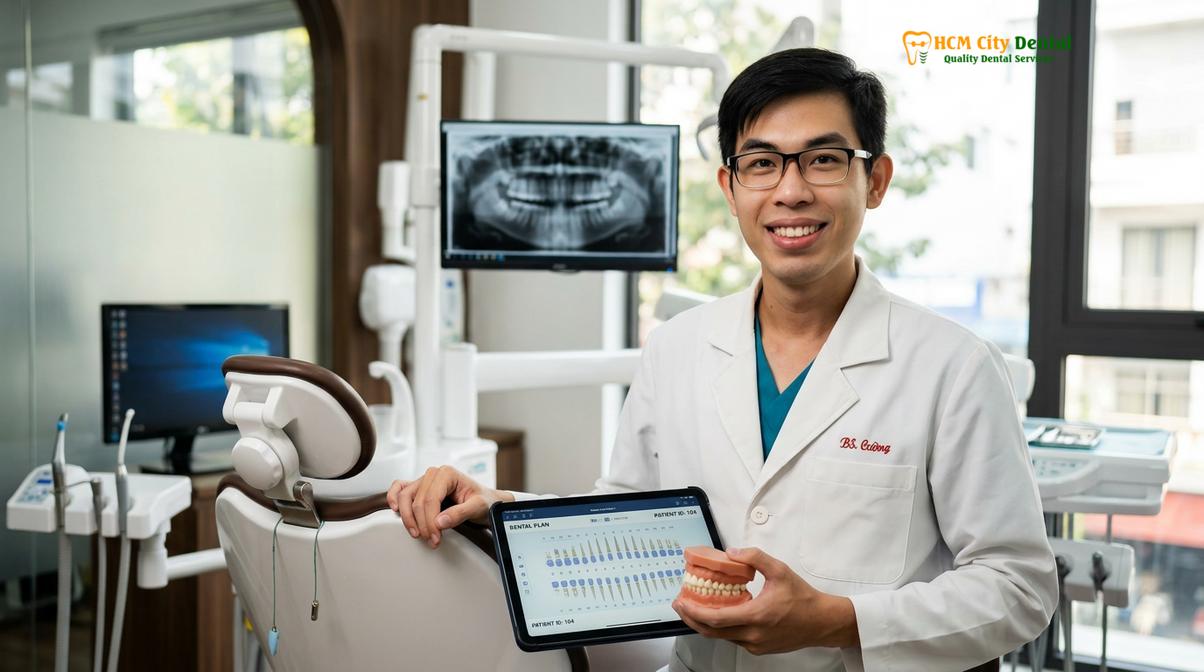
Dr. Cuong advises that any toothache lasting more than 24 to 48 hours warrants a clinical examination, even if the pain is currently being managed by medication. Early intervention often means the difference between a simple filling and a complex root canal or extraction. If you are experiencing persistent discomfort, do not rely indefinitely on painkillers. Contact HCMC Dental Clinic to schedule a comprehensive diagnostic evaluation and address the root cause of your pain safely and effectively.
Frequently Asked Questions
What is the strongest painkiller for toothache?
The strongest over-the-counter painkiller for a toothache is a combination of ibuprofen (an NSAID) and acetaminophen (paracetamol) taken together. Clinical studies show that combining 400mg of ibuprofen with 500mg to 1000mg of acetaminophen provides superior pain relief compared to prescription opioids for acute dental pain. This combination works by simultaneously reducing localized inflammation at the tooth and blocking pain receptors in the central nervous system.
Can I take ibuprofen and paracetamol together for a toothache?
Yes, you can safely take ibuprofen and paracetamol together for a toothache, provided you do not exceed the daily maximum limits for either drug. Because they process through different pathways—ibuprofen in the kidneys and paracetamol in the liver—they work synergistically to block both peripheral inflammation and central pain signals. Dentists often recommend staggering the doses every few hours to maintain a consistent level of pain relief.
Will amoxicillin stop tooth pain?
No, amoxicillin will not stop tooth pain. Amoxicillin is an antibiotic designed to kill systemic bacterial infections, not an analgesic. It has absolutely no direct pain-relieving properties and will not reduce the localized inflammation inside the tooth that is causing the acute pain. Taking antibiotics for a standard toothache is ineffective and contributes to dangerous antibiotic resistance.
Is aspirin safe for toothache bleeding?
Aspirin is generally not recommended for dental pain, especially if there is bleeding, because it acts as a blood thinner and can prolong bleeding after extractions. Furthermore, placing an aspirin tablet directly on the gums is highly dangerous and will cause severe chemical burns to the oral mucosa. Always swallow pain medications and opt for ibuprofen or acetaminophen instead of aspirin for dental issues.
How long does it take for dental painkillers to work?
Most oral dental painkillers, such as ibuprofen and acetaminophen, take approximately 30 to 60 minutes to begin working, reaching their peak effectiveness within two hours. To maintain consistent pain relief, it is crucial to take the medication on a strict schedule before the previous dose completely wears off. If you wait until the pain returns to maximum intensity before taking the next pill, it will be much harder to bring the pain back under control.
References
- American Dental Association. Clinical Practice Guideline for Management of Acute Dental Pain. (2024).
- Journal of the American Dental Association. Benefits and harms associated with analgesic medications. (2018).
- World Health Organization. Guidelines on the pharmacological treatment of persisting pain. (2012).
- Cochrane Database of Systematic Reviews. Ibuprofen and/or paracetamol for pain relief after surgical removal of lower wisdom teeth. (2013).
- International Endodontic Journal. Management of acute dental pain: a practical approach. (2020).
- Journal of Dental Research. Prostaglandins and pulpal inflammation pathophysiology. (2019).