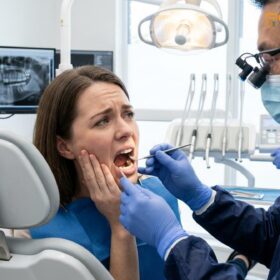
Finding a reliable english speaking emergency dentist saigon is crucial when facing acute dental pain, trauma, or infection abroad. HCMC Dental Clinic provides immediate, international-standard urgent care with fluent English communication, ensuring accurate diagnostics and safe, effective treatment for expats and tourists in Ho Chi Minh City.
Clinical Summary:
Navigating a dental emergency in a foreign country requires immediate access to a clinician who can accurately assess symptoms without language barriers. An English-speaking emergency dentist in Saigon ensures that critical medical histories, pain characteristics, and pharmacological allergies are thoroughly understood. Clinics catering to international patients adhere to global sterilization protocols and utilize advanced diagnostic imaging to provide rapid, definitive care for conditions ranging from acute pulpitis to traumatic dental injuries. Prompt intervention not only alleviates severe discomfort but also prevents systemic complications associated with untreated odontogenic infections.
Key Takeaways:
- Fluent English communication prevents critical errors in diagnosing acute dental pain and prescribing medications.
- Top-tier clinics in Saigon follow international sterilization and treatment protocols comparable to Western standards.
- Same-day emergency appointments are available for severe infections, trauma, and lost restorations.
- Transparent pricing and detailed treatment plans in English ensure informed consent before any procedure begins.
- Expats and tourists can easily access comprehensive urgent care in central Ho Chi Minh City districts.
Avoiding Miscommunication During a Dental Crisis
Clear communication during a dental emergency is vital to accurately convey pain levels, medical history, and medication allergies. Language barriers can lead to misdiagnoses, delayed treatment, or adverse pharmacological reactions.
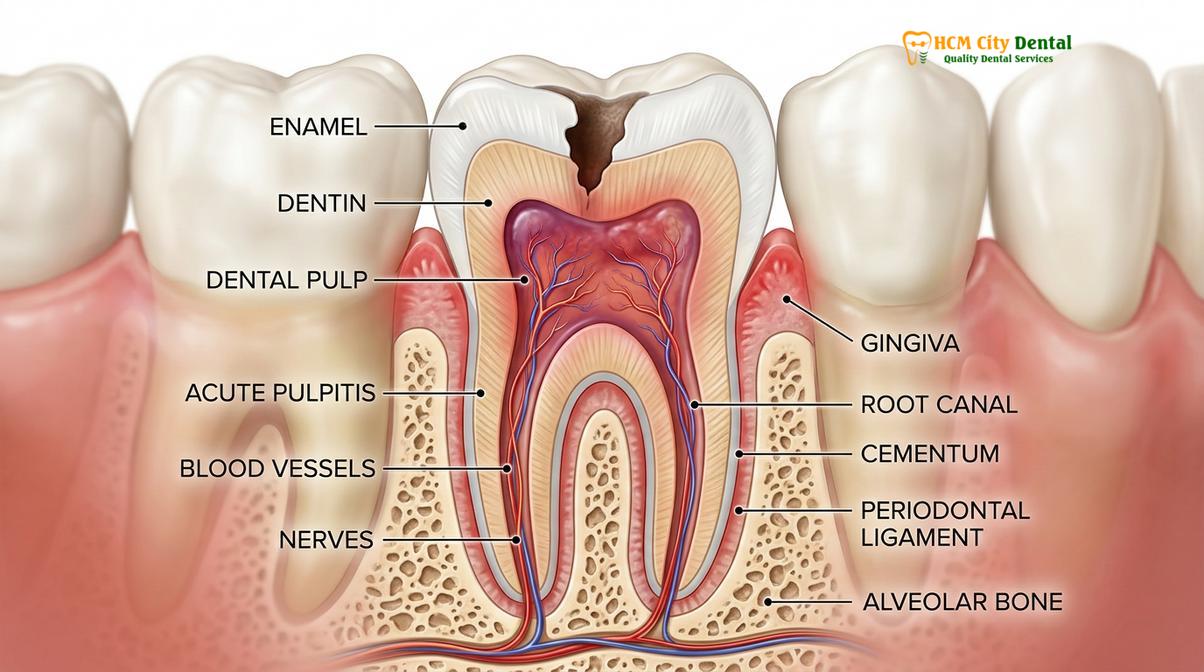
When a patient presents with an acute dental emergency, the initial diagnostic phase relies heavily on the patient’s subjective description of their symptoms. The clinician must differentiate between various pathologies based on the nature of the pain. For instance, determining whether pain is sharp, dull, throbbing, spontaneous, or provoked by thermal stimuli is essential for diagnosing reversible versus irreversible pulpitis [1]. An english speaking emergency dentist saigon can extract these nuanced details efficiently, bypassing the confusion that often arises when relying on translation applications or rudimentary gestures.
Furthermore, a comprehensive medical history is a prerequisite for any safe clinical intervention. Patients seeking Emergency Dental Care must accurately communicate underlying systemic conditions, such as hypertension, diabetes, or cardiovascular disease. More importantly, the precise communication of pharmacological allergies—such as a severe hypersensitivity to penicillin or adverse reactions to specific local anesthetics—is a matter of patient safety. Misunderstanding the difference between a mild side effect and a true anaphylactic allergy can have severe clinical consequences.
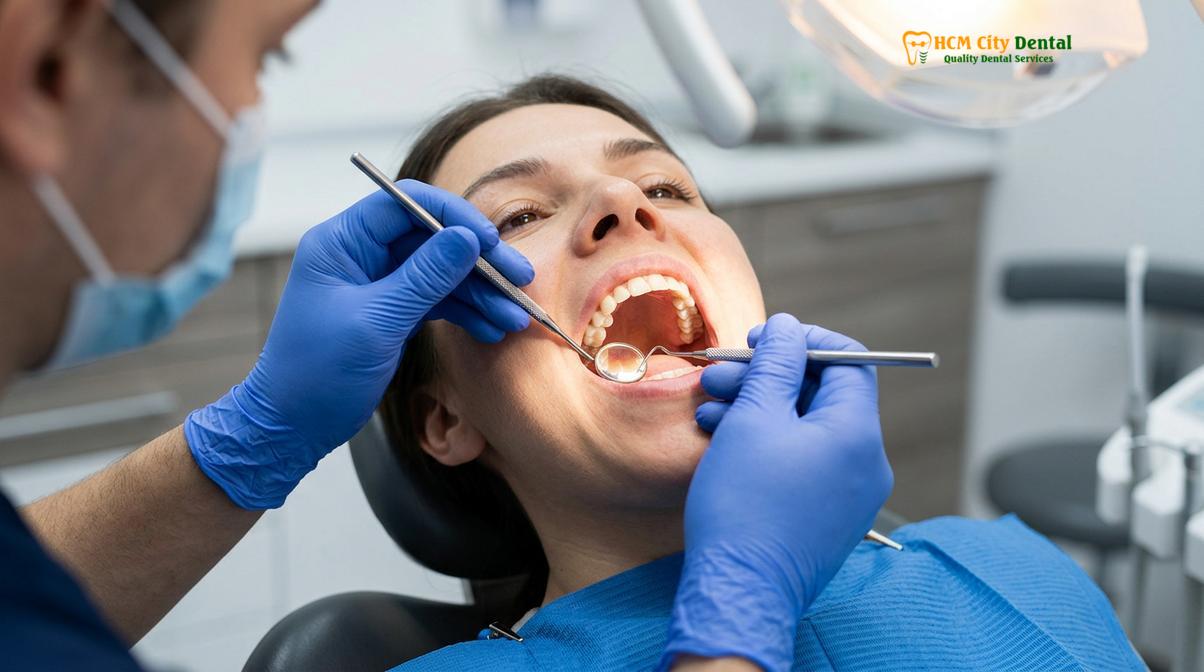
In cases involving acute facial swelling, the rapid and accurate exchange of information dictates the urgency of the intervention. A localized periodontal abscess requires a different clinical approach compared to a spreading fascial space infection. By ensuring that the patient and the clinician share a common language, the risk of diagnostic errors is significantly minimized, allowing for the immediate implementation of appropriate therapeutic protocols. For patients experiencing severe swelling, consulting a swollen face tooth infection guide can provide preliminary insights before reaching the clinic.
Why English Fluency Matters in Clinical Dentistry
English fluency allows dentists to obtain precise informed consent and explain complex endodontic or surgical procedures thoroughly. It builds patient trust and ensures strict compliance with post-operative care instructions.
Clinical dentistry, particularly in emergency scenarios, involves complex procedures that require the patient’s full understanding and cooperation. Whether the treatment plan involves an emergency pulpectomy (the first stage of root canal therapy), a surgical extraction of an impacted wisdom tooth, or the management of dental trauma, the patient must be fully informed about the risks, benefits, and alternatives. An english dentist ho chi minh who is fluent in medical terminology can explain the pathophysiology of the condition and the rationale behind the proposed intervention clearly and objectively.
According to Dr. Nguyen Van Cuong, a leading specialist at HCMC Dental Clinic, the ability to explain the intricacies of a dental infection in the patient’s native language significantly reduces clinical anxiety. When patients understand exactly what the procedure entails—such as the administration of profound local anesthesia, the isolation of the tooth using a rubber dam, and the mechanical debridement of the infected root canal system—they are far more likely to remain calm and cooperative during the treatment.
“In emergency dentistry, time is tissue. The ability to rapidly and accurately communicate symptoms in English allows the clinical team to bypass language barriers and immediately initiate life-saving or tooth-saving protocols without hesitation.” – International Dental Journal
Post-operative care is another critical area where language fluency is indispensable. Following an emergency extraction or the management of a dry socket, the patient must adhere strictly to instructions regarding oral hygiene, diet modifications, and medication regimens. Misunderstanding the dosage of prescribed antibiotics or analgesics can lead to treatment failure or systemic toxicity [2]. Clear, written, and verbally reinforced instructions in English ensure that the patient can manage their recovery safely and effectively once they leave the clinic.
Where to Find English-Speaking emergency Dentists in Saigon
The highest concentration of reputable, English-speaking emergency dentists is located in the central districts of Ho Chi Minh City, particularly District 1 and District 3. These areas cater heavily to international patients and expatriates.
Ho Chi Minh City is a sprawling metropolis with thousands of dental clinics; however, the standard of care, technological infrastructure, and language capabilities vary drastically. For an expat emergency dental situation, navigating local neighborhood clinics can be daunting and medically risky due to the lack of English proficiency and potentially outdated sterilization protocols. Therefore, international patients are strongly advised to seek care at established dental centers located in the central business districts.
Clinics situated in District 1 and District 3 are accustomed to treating a diverse demographic of tourists, expatriates, and business travelers. These facilities are designed to meet the expectations of an international clientele, offering not only fluent English-speaking clinicians but also patient coordinators who can assist with insurance documentation and travel logistics. When searching for an international dentist saigon, prioritizing clinics with a proven track record of treating foreign patients ensures a smoother, safer clinical experience.
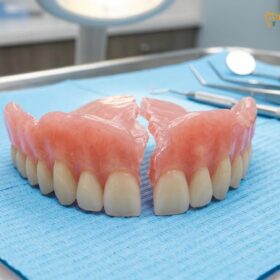
For instance, a patient visiting HCMC Dental Clinic in Ho Chi Minh City will immediately notice the difference in the intake process. From the initial phone call to the final discharge, every interaction is conducted in clear, professional English. This is particularly reassuring for patients dealing with highly stressful situations, such as a lost denture abroad, where rapid replacement is necessary to restore masticatory function and aesthetics.
| Clinical Aspect | Standard Local Clinic | International Standard Clinic (e.g., HCMC Dental) |
|---|---|---|
| Language Proficiency | Basic or no English; reliance on translation apps. | Fluent English among dentists, assistants, and receptionists. |
| Sterilization Protocols | Basic autoclaves; variable adherence to global standards. | Class B fractionated vacuum autoclaves; strict ADA compliance. |
| Diagnostic Imaging | 2D Panoramic or Periapical X-rays only. | Advanced 3D Cone Beam Computed Tomography (CBCT) on-site. |
| Treatment Transparency | Verbal estimates; potential for hidden costs. | Itemized, written treatment plans in English before procedures. |
| Emergency Availability | Walk-ins only; long wait times. | Dedicated emergency triage and same-day priority booking. |
International Standards and Certifications in HCMC
Premium dental facilities in Saigon maintain rigorous international standards, including Class B autoclave sterilization, ADA-compliant infection control, and advanced diagnostic imaging to guarantee patient safety.
When receiving medical care in a developing country, concerns regarding hygiene and cross-contamination are entirely valid. However, the top-tier dental centers in Ho Chi Minh City operate at a level that equals, and sometimes exceeds, the standards found in North America, Europe, or Australia. A reputable foreigner dentist hcmc will operate within a facility that strictly adheres to the infection control guidelines established by organizations such as the American Dental Association (ADA) and the World Health Organization (WHO) [3].
The cornerstone of these international standards is the sterilization protocol. High-end clinics utilize Class B autoclaves, which employ fractionated pre-vacuum technology to ensure the complete eradication of all microbial life, including highly resistant bacterial spores, from both solid and hollow instruments (such as dental handpieces and endodontic files). Instruments are ultrasonically cleaned, individually pouched, sealed, and sterilized, with the pouches only being opened in the presence of the patient immediately prior to the procedure.
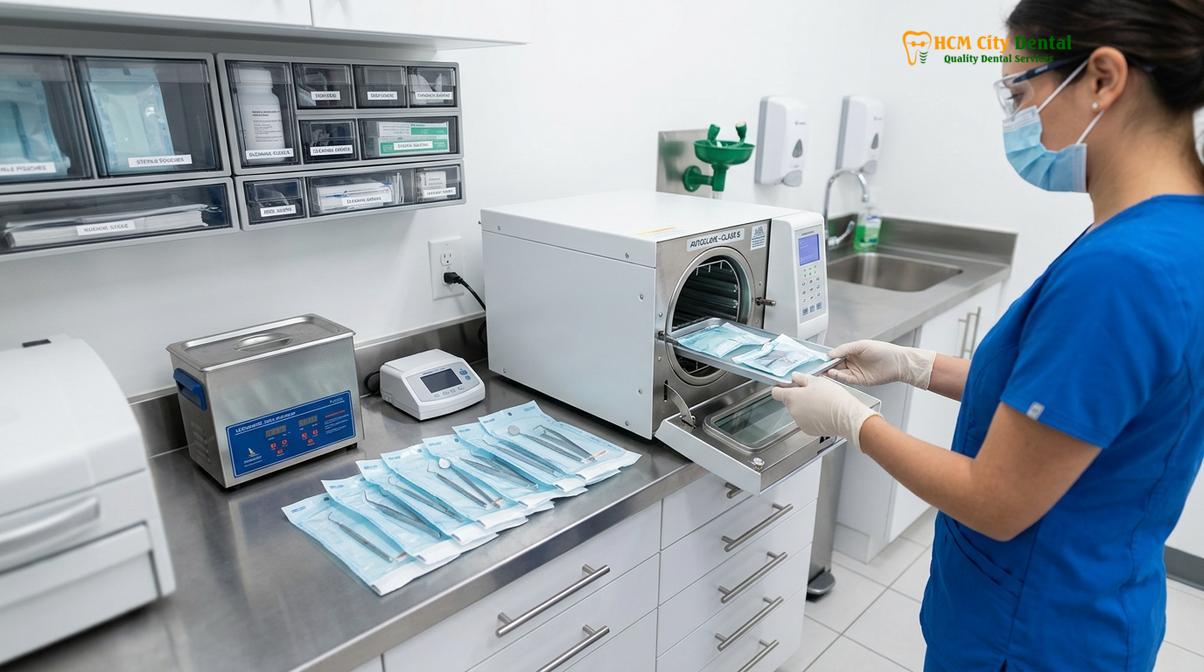
“Adherence to global infection control standards, including strict sterilization of endodontic files and surgical instruments, is non-negotiable for clinics treating international patients and managing acute dental trauma.” – American Dental Association
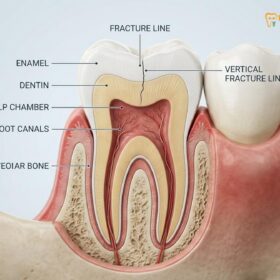
Beyond sterilization, international standards dictate the use of advanced diagnostic technology. The standard of care for complex emergencies, such as assessing a loose tooth adult emergency or diagnosing a hidden periapical lesion, requires 3D Cone Beam Computed Tomography (CBCT). CBCT provides a high-resolution, three-dimensional view of the maxillofacial structures, allowing the clinician to evaluate bone density, locate the exact position of the mandibular nerve, and detect minute root fractures that would be invisible on conventional 2D radiographs.
Step-by-Step Expat/Tourist Intake Process
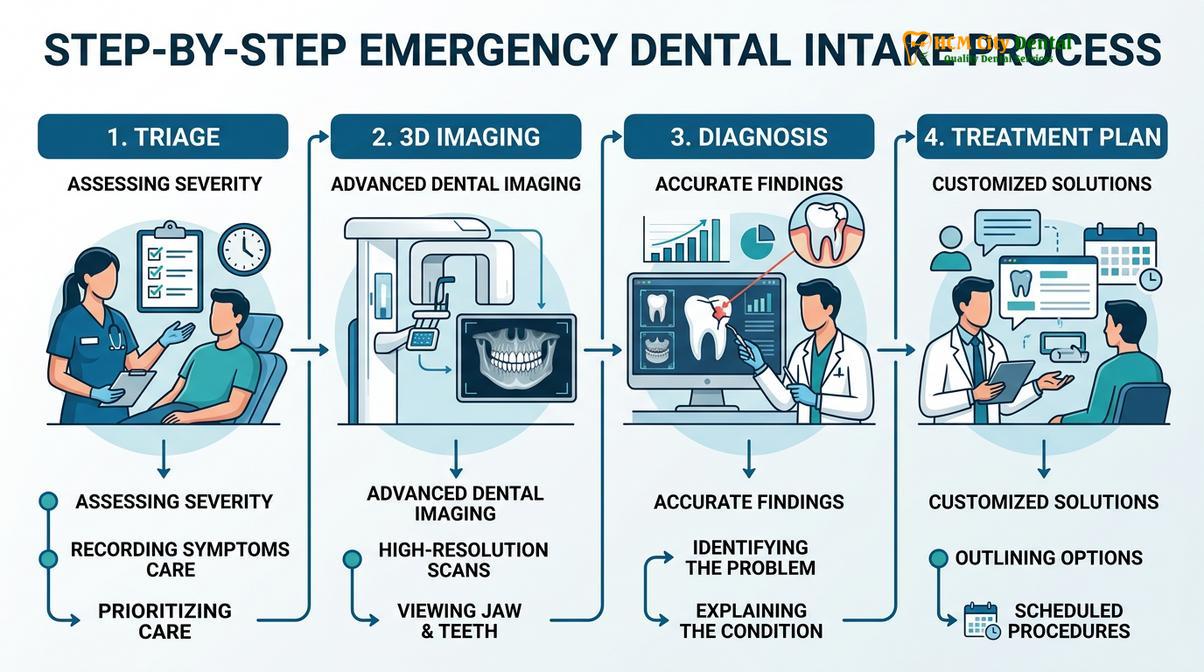
The intake process for international patients involves rapid triage, digital radiographic assessment, a comprehensive English consultation, and transparent financial planning before any emergency treatment commences.
Understanding the workflow of an emergency dental visit can significantly alleviate patient anxiety. When a patient arrives at an international-standard clinic seeking an english speaking emergency dentist saigon, the process is highly structured to ensure rapid triage and accurate diagnosis. The first step is the immediate assessment of vital signs and a brief evaluation of the chief complaint to rule out life-threatening conditions, such as airway obstruction secondary to severe submandibular swelling.
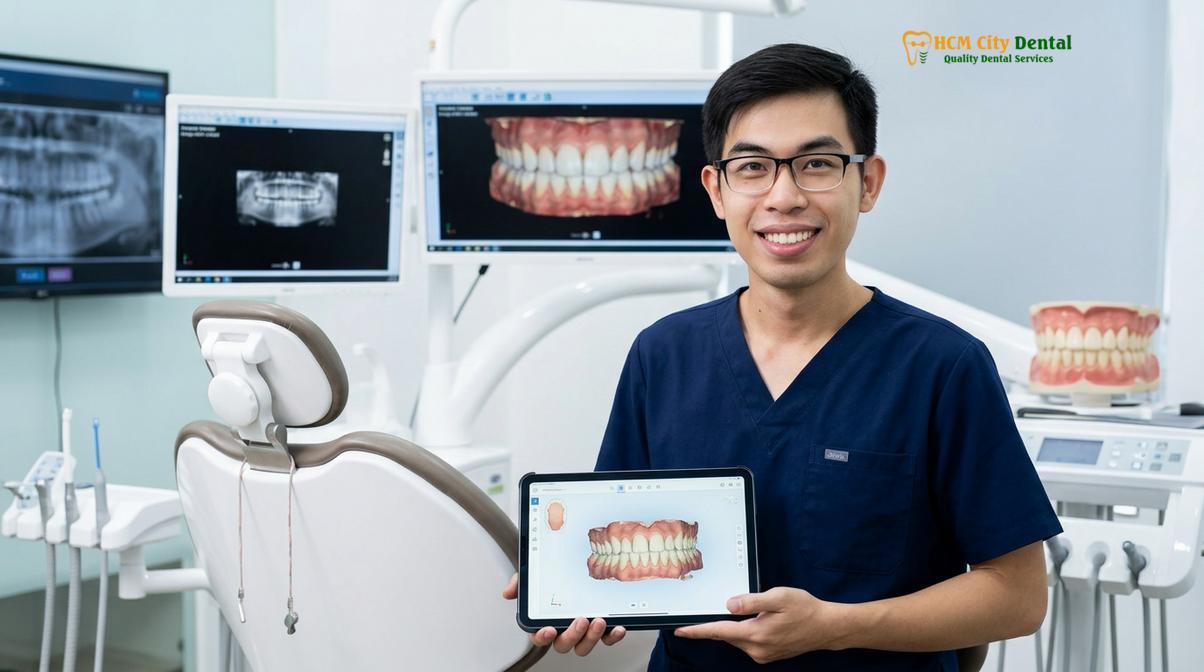
Following triage, the patient is escorted to the imaging department. Depending on the clinical presentation, the dentist will order specific radiographs. For localized pain, a digital periapical X-ray may suffice. For trauma cases or extensive infections, a panoramic radiograph or a 3D CBCT scan is captured. These digital images are instantly transmitted to the treatment room monitor, allowing the dentist to review the findings with the patient in real-time.
Once the diagnosis is established, the dentist conducts a thorough consultation in English. This discussion covers the etiology of the problem, the proposed clinical intervention, the prognosis, and any potential risks. Before any instruments are utilized, the patient coordinator provides a detailed, itemized treatment plan outlining the exact costs in a transparent manner. This ensures that the patient can make an informed financial decision without the fear of hidden fees, which is a common concern for tourists receiving medical care abroad.
Booking a Same-Day Consultation in English
Securing a same-day emergency appointment requires contacting the clinic via dedicated hotlines or messaging apps, providing a brief description of symptoms, and bringing relevant medical records.
Dental emergencies do not adhere to convenient schedules, and prompt action is required to preserve oral health. To book a same-day consultation with an english speaking emergency dentist saigon, patients should utilize the clinic’s direct communication channels. Most international clinics offer dedicated hotlines, WhatsApp, or Zalo messaging services monitored by fluent English-speaking coordinators. When reaching out, it is helpful to provide a concise summary of the symptoms, the duration of the pain, and whether there is any visible swelling or bleeding.
Dr. Nguyen Van Cuong advises patients to immediately report any signs of systemic infection, such as fever, chills, or difficulty swallowing, when booking their emergency visit. These symptoms indicate that the infection may be spreading beyond the localized dental structures and requires immediate, prioritized triage. If the emergency involves an avulsed (knocked-out) tooth, time is of the essence; the tooth should be gently rinsed without scrubbing the root and stored in milk or the patient’s saliva while en route to the clinic [4].
When arriving for the consultation, patients should bring their passport (for registration and medical record purposes), any relevant travel or health insurance documentation, and a list of current medications. While the clinic will provide all necessary care, having this information readily available streamlines the intake process and allows the clinical team to focus entirely on resolving the dental emergency. Recognizing clinical red flags for toothaches can also help patients articulate the severity of their condition to the triage staff.
When to See a Doctor
While many dental issues cause discomfort, certain clinical presentations require immediate, emergency medical or dental intervention to prevent severe complications. You must seek urgent care if you experience any of the following red flags [5]:
- Rapidly Spreading Swelling: Swelling that extends to the eye, neck, or floor of the mouth, potentially compromising the airway or indicating a severe fascial space infection (cellulitis).
- Difficulty Breathing or Swallowing: Any obstruction or pain when swallowing or breathing is a medical emergency requiring immediate hospital evaluation.
- Uncontrollable Hemorrhage: Bleeding from the oral cavity that does not stop after 15-20 minutes of continuous, firm pressure with a sterile gauze.
- Traumatic Tooth Avulsion: A permanent tooth that has been completely knocked out of its socket. Successful reimplantation is highly time-dependent, ideally occurring within 30 to 60 minutes of the injury.
- Systemic Symptoms: A high fever, chills, lethargy, or confusion accompanying a toothache, indicating that a localized dental abscess has entered the bloodstream.
If you experience these symptoms, do not delay. Contact an emergency dental service or proceed to the nearest hospital emergency department immediately. A clinical examination is mandatory to determine the appropriate course of action.
Frequently Asked Questions
Where can I find an English-speaking dentist in HCMC?
You can find highly qualified English-speaking dentists primarily in the central districts of Ho Chi Minh City, such as District 1 and District 3. Clinics catering to international patients, like HCMC Dental Clinic, ensure all clinical staff are fluent in English. These areas are easily accessible from major hotels and tourist hubs, providing convenient access to urgent care.
Are international dental clinics more expensive in Vietnam?
While international-standard clinics charge more than local neighborhood practices, they remain significantly more affordable than dental care in Western countries. The cost reflects premium imported materials, strict sterilization protocols, and advanced diagnostic technology. Patients benefit from high-quality care at a fraction of the cost they would incur in the US, Australia, or Europe.
Do dental receptionists speak English in Saigon?
At specialized international dental centers, the receptionists, patient coordinators, and clinical assistants are fully fluent in English. This ensures seamless communication from the moment you book your appointment until your post-operative follow-up. You will not need to rely on translation apps to discuss your insurance, billing, or scheduling needs.
Can I get a copy of my records in English?
Yes, reputable clinics provide all medical records, diagnostic imaging reports, and itemized treatment plans in English. This documentation is essential for your personal health records or for submitting claims to your travel insurance provider. You can request digital copies of your X-rays and clinical notes before returning to your home country.
How are international dental standards maintained in Vietnam?
Top clinics maintain international standards by adhering to ADA guidelines, utilizing Class B autoclaves for sterilization, and employing specialists trained abroad. Regular audits and continuous medical education ensure clinical protocols remain up to date. Furthermore, the use of genuine, globally recognized dental materials guarantees the safety and longevity of the treatments provided.
References
- Journal of Endodontics. Diagnostic accuracy in acute dental pain management. (2021).
- International Dental Journal. The impact of language barriers on dental emergency outcomes. (2020).
- American Dental Association. Infection control and sterilization protocols in modern dentistry. (2022).
- Dental Traumatology. Clinical guidelines for the management of avulsed permanent teeth. (2019).
- Journal of Oral and Maxillofacial Surgery. Triage and management of acute odontogenic infections. (2023).