Managing gum disease with braces requires meticulous oral hygiene and professional oversight. Orthodontic hardware creates plaque traps that accelerate gingival inflammation. However, with specialized cleaning tools and routine periodontal care, patients can safely align their teeth while maintaining optimal gum health and preventing irreversible bone loss.
Clinical Summary:
Orthodontic treatment significantly alters the oral microbiome by introducing retentive surfaces that harbor plaque biofilm, elevating the risk of gingivitis and periodontitis. For patients undergoing orthodontic therapy, maintaining periodontal health is paramount to prevent complications such as gingival hyperplasia, attachment loss, and premature bracket debonding. Clinical management involves a dual approach: rigorous at-home mechanical plaque control using specialized adjuncts and routine professional prophylaxis. Patients with pre-existing periodontal conditions must achieve clinical stability before initiating tooth movement, as active inflammation combined with orthodontic forces can accelerate alveolar bone destruction. Through collaborative care between orthodontists and periodontists, individuals can successfully navigate treatment, ensuring both structural alignment and long-term periodontal integrity. Advanced interventions, including subgingival irrigation and laser therapy, provide effective means to manage localized inflammation without interrupting the orthodontic progression.
Key Takeaways:
- Orthodontic hardware creates microscopic niches that trap cariogenic and periodontopathic bacteria, increasing gingivitis risk.
- Active periodontal infections must be fully resolved and stabilized before initiating any orthodontic tooth movement.
- Specialized interdental tools, such as water flossers and proxy brushes, are essential for maintaining periodontal health around brackets.
- Routine periodontal maintenance every three to four months is highly recommended during active orthodontic therapy.
- Untreated gum inflammation during braces can lead to permanent gingival recession and irreversible alveolar bone loss.
Why Braces Increase the Risk of Gingivitis
Orthodontic appliances introduce complex physical barriers that trap food debris and bacterial biofilm, making natural self-cleansing mechanisms ineffective and rapidly accelerating gingival inflammation.
The introduction of fixed orthodontic appliances—comprising brackets, archwires, elastic ligatures, and bands—fundamentally alters the ecological balance of the oral cavity. In a natural, unencumbered dentition, the physiological actions of mastication, salivary flow, and the movement of the tongue and cheeks provide a degree of self-cleansing that helps dislodge loose food particles and disrupt early biofilm formation. However, once braces are bonded to the enamel surfaces, these natural cleansing mechanisms are severely compromised. The intricate geometry of orthodontic hardware creates numerous microscopic and macroscopic retention areas where plaque can accumulate undisturbed [1].
Dental plaque is not merely a collection of food debris; it is a highly organized, complex biofilm composed of diverse microbial communities embedded in an extracellular polymeric matrix. When this biofilm is allowed to mature around orthodontic brackets, a distinct ecological shift occurs. The environment transitions from being dominated by aerobic, non-pathogenic bacteria to harboring a higher proportion of anaerobic, gram-negative pathogens. These pathogens, including Porphyromonas gingivalis and Treponema denticola, thrive in the oxygen-depleted niches beneath the archwires and along the gingival margins. As these bacteria metabolize carbohydrates, they release acidic byproducts and potent endotoxins that directly irritate the adjacent gingival tissues.
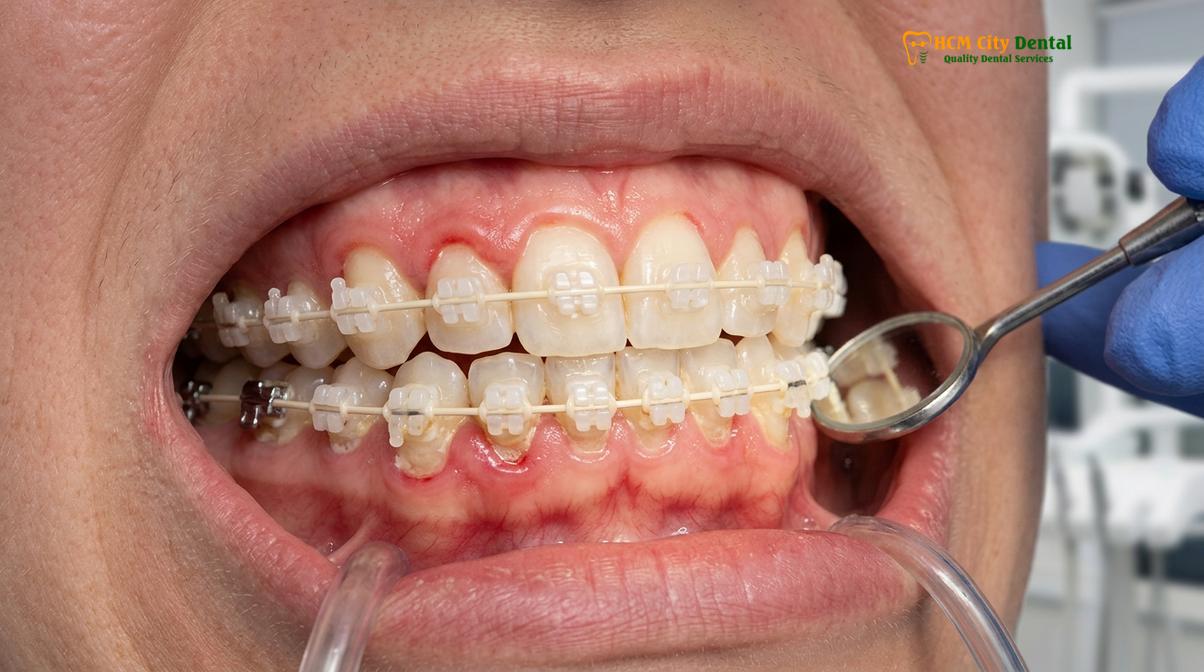
The body’s immune system responds to this localized bacterial assault by initiating an inflammatory cascade. Blood vessels in the gingiva dilate to increase the delivery of immune cells, such as neutrophils and macrophages, to the site of infection. This vascular engorgement manifests clinically as localized gingival swelling and erythema (redness). Patients frequently report experiencing swollen gums orthodontic brackets shortly after their appliances are placed, a condition that can rapidly progress if meticulous oral hygiene is not established. The inflamed tissue becomes highly friable, leading to bleeding upon minimal provocation, such as brushing or eating.
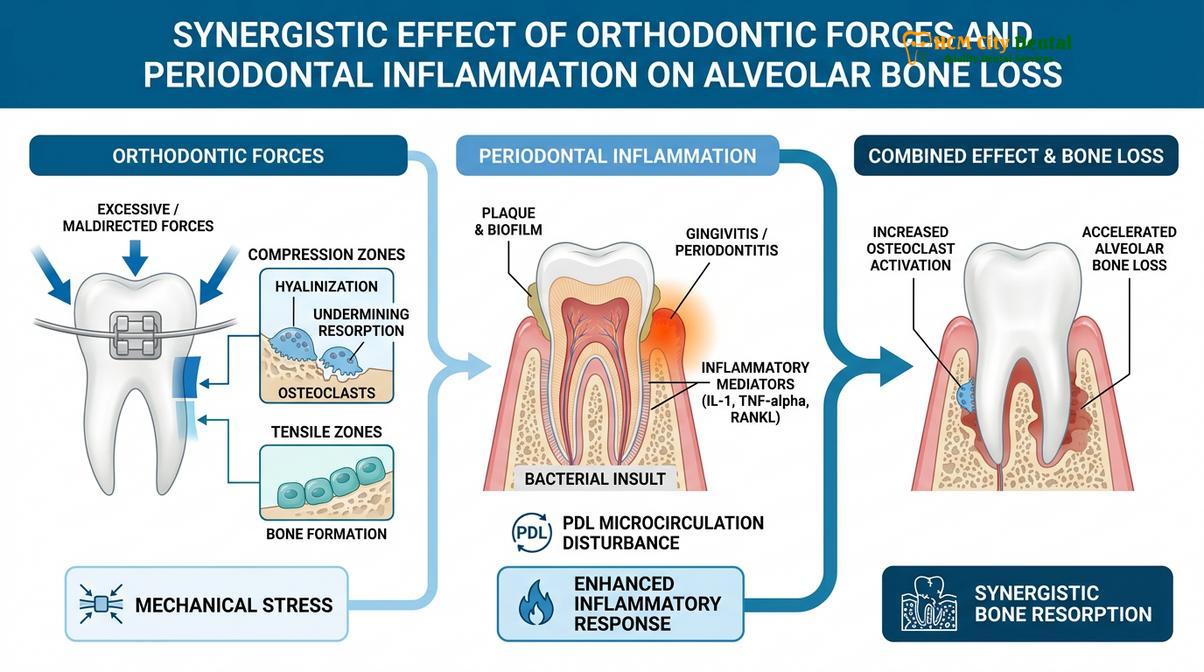
Furthermore, the presence of orthodontic forces themselves induces a state of sterile inflammation within the periodontal ligament (PDL) space. Tooth movement relies on a delicate balance of osteoclastic bone resorption on the pressure side and osteoblastic bone formation on the tension side. When plaque-induced gingivitis is superimposed on this mechanically induced inflammation, the biochemical mediators (such as prostaglandins and cytokines) can amplify the inflammatory response. This synergistic effect not only increases patient discomfort but also elevates the risk of the inflammation extending apically into the deeper periodontal structures, potentially initiating early alveolar bone loss [2].
“The placement of fixed orthodontic appliances creates an immediate and profound challenge to periodontal homeostasis. The rapid accumulation of pathogenic biofilm around brackets necessitates a paradigm shift in the patient’s daily oral hygiene routine to prevent the transition from simple gingivitis to destructive periodontitis.”
It is also crucial to consider the role of the materials used in orthodontics. Elastomeric ligatures (the small rubber bands that hold the wire to the bracket) are particularly prone to plaque retention due to their porous surface structure. Studies have shown that teeth ligated with elastomeric rings exhibit significantly higher bacterial counts compared to those ligated with stainless steel wire. Therefore, the choice of orthodontic mechanics, combined with the patient’s inherent susceptibility to periodontal disease, plays a critical role in determining the overall risk profile during treatment.
Preventing Plaque Accumulation Around Wires and Brackets
Effective plaque prevention requires a combination of modified brushing techniques, specialized interdental cleaning devices, and an increased frequency of professional dental prophylaxis.
Preventing the onset of gum disease braces requires a proactive, multi-tiered approach to oral hygiene. Standard brushing techniques, which may be sufficient for an unbracketed dentition, are wholly inadequate for navigating the complex topography of orthodontic appliances. Patients must adopt modified mechanical cleaning strategies to ensure that all surfaces of the teeth, brackets, and gingival margins are thoroughly deplaqued at least twice daily.
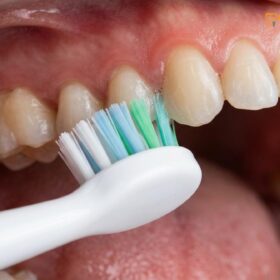
The foundation of orthodontic oral hygiene is the Modified Bass brushing technique, adapted specifically for braces. Patients are instructed to position the toothbrush bristles at a 45-degree angle toward the gingival sulcus, applying gentle vibratory motions to disrupt the subgingival biofilm. Following this, the brush must be repositioned to clean the areas above and below the orthodontic brackets. A specialized orthodontic toothbrush, featuring a “V-trimmed” bristle design where the central bristles are shorter than the outer bristles, can be highly effective. This design allows the longer outer bristles to adapt to the tooth surface and gingival margin while the shorter central bristles clean the prominent bracket face.
However, brushing alone cannot access the critical interproximal spaces (the areas between the teeth) or the areas directly beneath the archwire. This is where the concept of cleaning brackets periodontal health becomes paramount. The use of interdental adjuncts is non-negotiable. Floss threaders must be utilized to guide dental tape beneath the wire, allowing the patient to adapt the floss in a C-shape around the mesial and distal surfaces of each tooth. Because manual flossing with braces is notoriously time-consuming and technique-sensitive, compliance often wanes. To combat this, clinicians strongly advocate for the integration of oral irrigators (water flossers) into the daily routine [3].
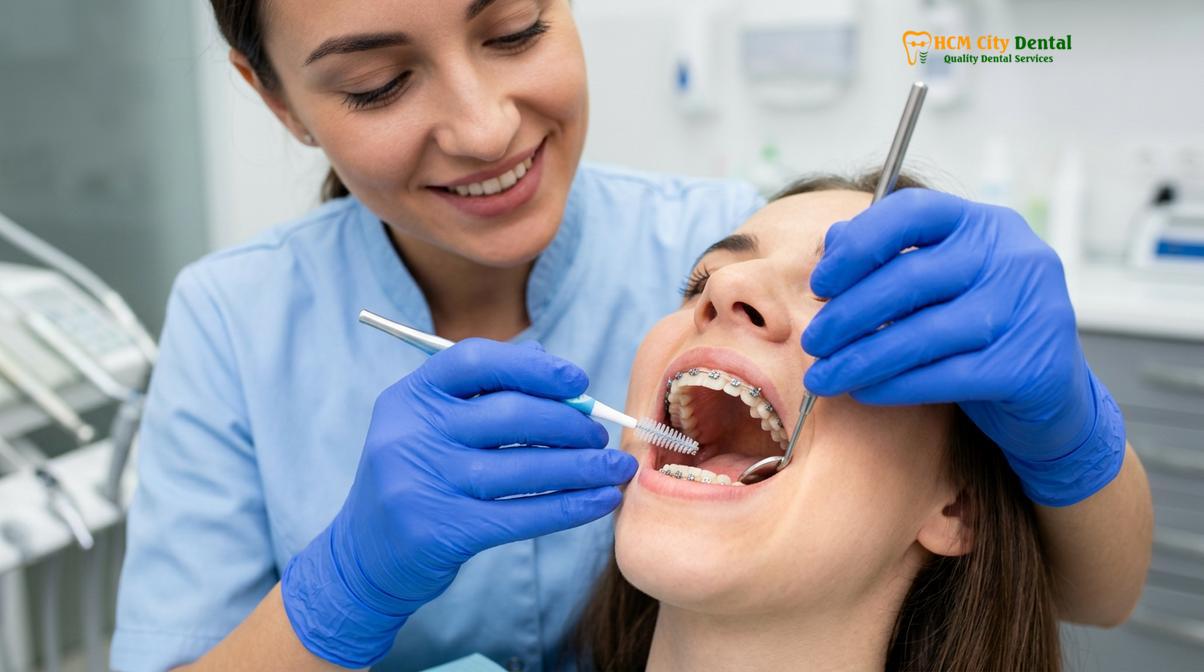
Water flossers utilize a pulsating stream of pressurized water to create hydrodynamic shear forces that flush out non-adherent bacteria, food debris, and inflammatory exudate from periodontal pockets and around intricate hardware. When used in conjunction with mechanical brushing and interdental brushes (proxy brushes), water flossing significantly reduces bleeding scores and gingival inflammation indices. Patients should be advised to use the water flosser on a medium pressure setting, directing the tip at a 90-degree angle to the long axis of the tooth, tracing the gingival margin and pausing briefly between each tooth.
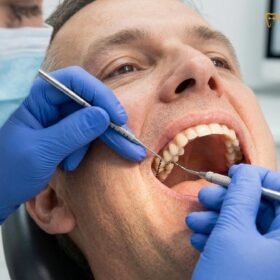
Beyond home care, the frequency of professional comprehensive gum treatment protocols must be increased during active orthodontic therapy. A standard six-month recall interval is rarely sufficient for patients with braces. Periodontists and dental hygienists typically recommend a three-to-four-month maintenance schedule. During these visits, the clinician can perform targeted ultrasonic debridement, assess the patient’s home care efficacy, and provide localized antimicrobial therapies if specific areas demonstrate refractory inflammation. This collaborative oversight is essential to intercept early signs of disease before they compromise the orthodontic outcome.
Signs of Gum Disease in Orthodontic Patients
Early indicators include localized redness, spontaneous bleeding during brushing, and gingival overgrowth, which can progress to deep pocketing and attachment loss if left untreated.
Recognizing the clinical manifestations of periodontal deterioration early is critical for patients undergoing orthodontic tooth movement. Because the braces themselves can cause mild, transient irritation, patients often dismiss the early warning signs of pathological inflammation. It is vital to differentiate between normal mechanical adaptation and active, destructive periodontal disease.
The earliest and most common sign is plaque-induced gingivitis. Clinically, this presents as a change in the color and contour of the gingival tissues. Healthy gums are typically coral pink, firm, and exhibit a stippled (orange-peel) texture. In the presence of biofilm accumulation, the tissues become erythematous (dark red or purplish), edematous (swollen and glossy), and lose their stippling. The gingival margins may appear rolled or blunted rather than tapering to a knife-edge against the tooth surface. Patients will frequently notice bleeding gums with braces, particularly when brushing, flossing, or biting into hard foods. Bleeding on probing (BOP) is a definitive clinical indicator of active ulceration within the sulcular epithelium and signifies an ongoing inflammatory response [4].
Clinical Warning: Spontaneous gingival bleeding or persistent swelling that does not resolve with improved home care within 7-10 days is a clear indication of active periodontal infection. Delaying professional intervention can lead to irreversible tissue damage and compromise the stability of the orthodontic treatment.
A specific complication frequently observed in orthodontic patients is gingival hyperplasia, or gingival overgrowth. The chronic irritation from plaque, combined with the physical presence of the brackets, can stimulate an exaggerated fibrotic response in the gingival connective tissue. The gums begin to proliferate, sometimes growing so extensively that they partially or completely engulf the orthodontic brackets. This hyperplastic tissue creates deep pseudopockets—areas where the gum has grown upward rather than the bone breaking downward. These pseudopockets are virtually impossible for the patient to clean, creating a vicious cycle of increased plaque retention and further tissue enlargement. In severe cases, this overgrowth can physically impede orthodontic tooth movement and necessitate surgical excision (gingivectomy) to expose the brackets and restore a cleansable environment.
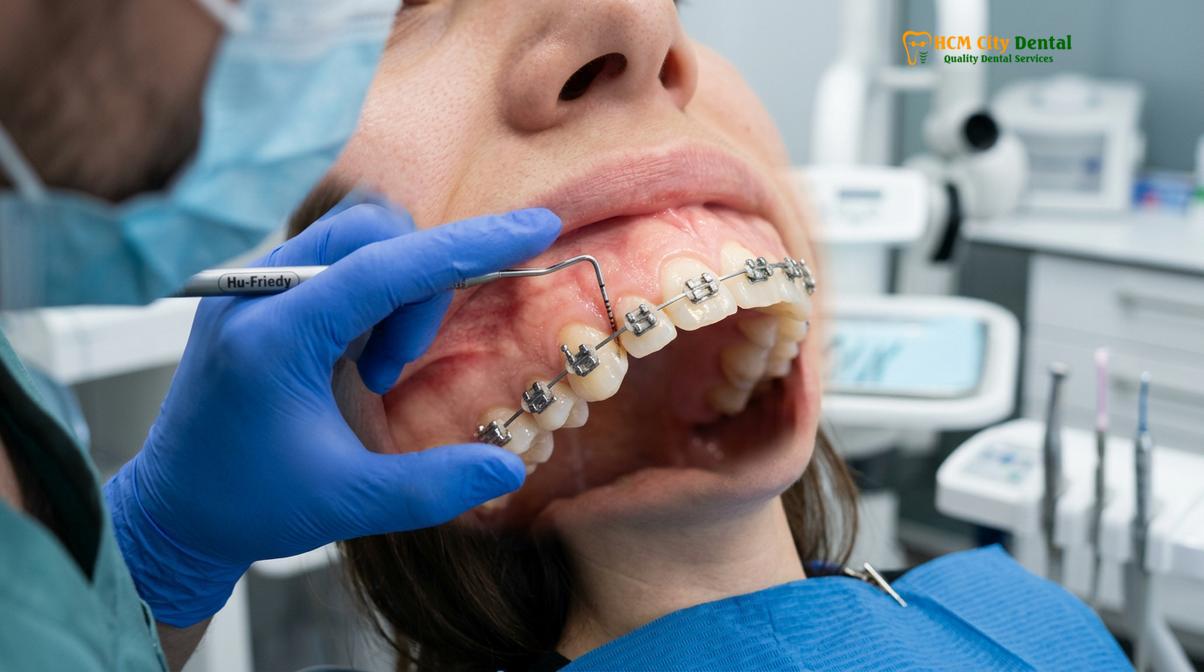
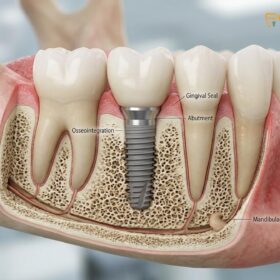
If gingivitis is left untreated, the inflammation can migrate apically, transitioning into periodontitis. This is characterized by the irreversible destruction of the periodontal ligament and the resorption of the alveolar bone that supports the teeth. Signs of periodontitis in an orthodontic patient include increased tooth mobility (beyond the normal mobility expected during tooth movement), the formation of true periodontal pockets (probing depths greater than 4mm with clinical attachment loss), and halitosis associated with periodontal infections. Radiographically, clinicians will observe a blunting or loss of the crestal lamina dura and a widening of the periodontal ligament space that exceeds physiological norms.
Dr. Nguyen Van Cuong emphasizes that monitoring these signs requires a calibrated clinical eye. “Patients often acclimate to the discomfort of inflamed gums, assuming it is a normal part of wearing braces. However, any persistent change in gingival architecture or bleeding profile warrants immediate periodontal evaluation to prevent long-term structural damage.”
Treating Gum Disease Without Removing Your Braces
Periodontal therapy can often be performed with braces intact using specialized ultrasonic scalers, laser disinfection, and targeted antimicrobial irrigation to arrest inflammation.
When a patient develops active gum disease during orthodontic treatment, the immediate clinical dilemma is how to effectively manage the infection without derailing the orthodontic progress. Historically, severe periodontal exacerbations required the complete removal of archwires and brackets to facilitate access for deep cleaning. Today, advancements in periodontal instrumentation and therapeutic modalities allow clinicians to treat mild to moderate periodontal disease while the orthodontic hardware remains in place.
The cornerstone of non-surgical periodontal therapy is professional scaling and root planing (SRP). For the orthodontic patient, this procedure is meticulously adapted. Dental hygienists and periodontists utilize specialized, ultra-thin ultrasonic scaler tips designed to navigate the tight embrasure spaces and adapt to the contours of the brackets without causing iatrogenic damage to the appliances. The ultrasonic scaler uses high-frequency vibrations combined with a cooling water spray to shatter calculus deposits and disrupt the biofilm matrix through cavitation and acoustic microstreaming. This process effectively debrides the subgingival environment, removing bacterial endotoxins from the root surfaces and promoting the reattachment of healthy gingival tissue [5].
In conjunction with mechanical debridement, localized antimicrobial therapy plays a crucial role. Subgingival irrigation with broad-spectrum antimicrobials, such as 0.12% chlorhexidine gluconate or dilute povidone-iodine, can be delivered directly into the periodontal pockets using a blunt-tipped syringe. This flushes out planktonic bacteria and provides a substantive antimicrobial effect that suppresses bacterial repopulation for several hours post-treatment. For localized areas of deep pocketing that do not respond to initial therapy, clinicians may place sustained-release antimicrobial agents, such as minocycline microspheres or chlorhexidine chips, directly into the sulcus to provide continuous localized disinfection over several days.
“The integration of advanced modalities, such as diode laser therapy, has revolutionized the management of ortho-perio complications. Lasers allow for precise decontamination of the periodontal pocket and the selective removal of diseased epithelium without the need to pause orthodontic tooth movement.”
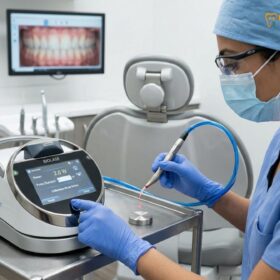
For more advanced or refractory cases, advanced laser gum therapy offers a minimally invasive and highly effective solution. Diode and Nd:YAG lasers are specifically absorbed by the dark pigmentation of periodontal pathogens and the hemoglobin in inflamed tissues. When directed into the periodontal pocket, the laser energy selectively vaporizes the diseased sulcular epithelium and eradicates the bacterial load while leaving the underlying healthy connective tissue intact. This process, often referred to as laser bacterial reduction (LBR) or laser-assisted periodontal therapy, promotes rapid hemostasis, reduces postoperative discomfort, and stimulates cellular biostimulation to accelerate healing. Laser therapy is particularly advantageous for orthodontic patients because it can be performed quickly, requires minimal local anesthesia, and does not interfere with the bonded brackets.
In instances where gingival hyperplasia has become severe, a laser gingivectomy may be performed to recontour the overgrown tissue. This procedure instantly restores normal gingival architecture, exposes the orthodontic brackets for proper adjustment, and eliminates the pseudopockets that harbor pathogenic bacteria. By employing these advanced, non-invasive techniques, clinicians can successfully arrest periodontal disease and maintain the integrity of the periodontium, allowing the orthodontic treatment to proceed safely and effectively.
Can You Get Braces if You Already Have Periodontitis?
Yes, but active periodontal disease must be completely arrested and stabilized through professional therapy before any orthodontic forces are applied to the teeth.
A common and critical question in adult orthodontics is: can you get braces with periodontitis? The definitive clinical answer is yes, but with stringent prerequisites. Orthodontic treatment is not contraindicated in patients with a history of periodontal disease; in fact, correcting malocclusions, crowding, and traumatic occlusal schemes can ultimately improve long-term periodontal health by creating a more cleansable dentition and distributing occlusal forces evenly. However, initiating orthodontic tooth movement in the presence of *active* periodontal inflammation is an absolute contraindication.
The biomechanics of orthodontics rely on the application of controlled mechanical stress to the teeth, which induces a localized, sterile inflammatory response within the periodontal ligament. This stress triggers osteoclasts to resorb bone on the pressure side and osteoblasts to deposit new bone on the tension side. If pathogenic bacteria and their associated inflammatory mediators (such as interleukins and tumor necrosis factor) are already present due to active periodontitis, the addition of orthodontic forces creates a catastrophic synergistic effect. The pre-existing inflammation amplifies the osteoclastic activity, leading to rapid, uncontrolled, and irreversible destruction of the alveolar bone and periodontal attachment.
Clinical Case Review: Pre-Orthodontic Periodontal Stabilization
A 42-year-old patient presented to HCMC Dental Clinic in Ho Chi Minh City seeking orthodontic correction for severe anterior crowding. Clinical examination revealed generalized Stage II, Grade B periodontitis with active bleeding on probing and localized 5-6mm pockets. Dr. Nguyen Van Cuong developed a phased treatment plan. Phase 1 involved comprehensive scaling and root planing, followed by targeted osseous surgery interventions to reduce pocket depths. After a 3-month healing period, the patient demonstrated stable clinical attachment levels, zero bleeding on probing, and excellent home care compliance. Only after achieving this state of periodontal health was the patient cleared to begin clear aligner therapy, resulting in successful alignment without further bone loss.
Therefore, a rigorous pre-orthodontic clearance protocol is mandatory for any patient with a history of gum disease. This protocol begins with a comprehensive periodontal evaluation, including full-mouth probing depths, assessment of clinical attachment loss, bleeding indices, and a complete radiographic survey (often utilizing CBCT for 3D volumetric analysis of the alveolar housing). Based on these diagnostics, the periodontist will execute a tailored treatment plan to arrest the disease. This may involve non-surgical scaling and root planing, laser therapy, or, in advanced cases, surgical interventions such as flap osseous surgery or guided tissue regeneration to repair bony defects.
Once active therapy is completed, the patient enters a crucial observation phase. The periodontium must demonstrate clinical stability—defined by the absence of bleeding on probing, pocket depths of 4mm or less, and stable radiographic bone levels—for a minimum of three to six months before orthodontic forces can be applied. During active orthodontic treatment, these patients are classified as high-risk and must adhere to a strict periodontal maintenance schedule, typically requiring professional cleanings and evaluations every two to three months. The orthodontic forces applied must be lighter and more controlled than those used in periodontally healthy patients to minimize stress on the compromised bone.
Specialized Tools: Interdental Brushes, Threaders, and Water Flossers
Standard toothbrushes are insufficient for orthodontic patients; achieving optimal hygiene requires water flossers, floss threaders, and appropriately sized interdental brushes to disrupt biofilm.
Maintaining periodontal health during orthodontic treatment requires a highly specific armamentarium. The physical barriers created by brackets and archwires render traditional brushing and flossing techniques largely ineffective for comprehensive biofilm removal. To prevent the onset of gingivitis and subsequent periodontitis, patients must become proficient in the use of specialized interdental cleaning adjuncts.
The following table outlines the primary tools required for effective orthodontic oral hygiene and their specific clinical applications:
| Hygiene Adjunct | Mechanism of Action | Clinical Application for Braces | Frequency of Use |
|---|---|---|---|
| Orthodontic Toothbrush | Mechanical disruption via V-trimmed bristles. | Cleans the facial surfaces of teeth while adapting to the prominent profile of the brackets. | Minimum twice daily (morning and night). |
| Interdental (Proxy) Brushes | Friction-based biofilm removal using a conical or cylindrical bristle head. | Inserted beneath the archwire and between brackets to clean the lateral surfaces of the hardware and interproximal tooth surfaces. | After every meal to dislodge trapped debris. |
| Floss Threaders & Dental Tape | Subgingival mechanical disruption of anaerobic biofilm. | Threader guides the floss under the wire; tape is adapted in a C-shape to clean the sulcus and prevent interproximal decay. | Once daily, preferably before bedtime. |
| Water Flosser (Oral Irrigator) | Hydrodynamic shear forces via pulsating pressurized water. | Flushes non-adherent bacteria, food particles, and inflammatory exudate from deep pockets and intricate hardware crevices. | Once to twice daily, used prior to manual brushing. |
Interdental brushes, commonly referred to as proxy brushes, are arguably the most critical tool for daytime maintenance. These small, wire-based brushes come in various ISO sizes to accommodate different interproximal spaces. Patients must be instructed to select a size that fits snugly between the teeth and the archwire without causing trauma to the gingival papilla. The brush should be inserted gently and moved in a back-and-forth motion to scrub the sides of the brackets and the adjacent enamel. Because the wire core of the proxy brush can scratch titanium implants or certain aesthetic brackets, coated-wire variants are often recommended.
Floss threaders are essential for navigating traditional dental floss beneath the continuous archwire. While the process is meticulous, it is the only method that provides direct mechanical friction against the subgingival root surface to disrupt the tightly adherent biofilm. For patients who struggle with manual dexterity, specialized orthodontic flosses that feature a stiffened end (acting as a built-in threader) and a spongy middle section can simplify the process and provide enhanced plaque removal.
Water flossers serve as a powerful adjunct, particularly for patients exhibiting early signs of gingival inflammation. The pulsating action not only removes debris but also stimulates gingival microcirculation. When used with a specialized orthodontic tip—which features a tapered brush at the end of the nozzle—the water flosser can simultaneously deliver hydrodynamic cleaning and mechanical scrubbing. For patients with active gingivitis, clinicians may recommend diluting an antimicrobial mouthrinse into the water reservoir to deliver targeted chemical disinfection deep into the periodontal pockets.
When to See a Doctor
Immediate clinical evaluation is required if you experience persistent gingival bleeding, severe swelling, purulent discharge, or increased tooth mobility during orthodontic treatment.
While minor discomfort and slight gingival adaptation are expected during the initial phases of orthodontic treatment, certain clinical signs indicate a pathological shift that requires immediate professional intervention. Patients should not ignore persistent symptoms, assuming they are a normal part of wearing braces. Delaying care can lead to irreversible periodontal destruction and compromise the final orthodontic outcome.
You should schedule an evaluation with your orthodontist and a periodontal specialist if you observe any of the following warning signs:
- Spontaneous or Persistent Bleeding: Gums that bleed easily during routine brushing or eating, or bleed spontaneously without provocation.
- Severe Gingival Hyperplasia: Gum tissue that has become significantly swollen, bulbous, or is beginning to overgrow and cover the orthodontic brackets.
- Purulent Exudate (Pus): The presence of a yellowish or white discharge from the gumline when pressure is applied, indicating an acute localized infection.
- Gingival Recession: Noticeable pulling away of the gum tissue from the tooth, exposing the darker, more sensitive root surface.
- Abnormal Tooth Mobility: While teeth will be slightly mobile during orthodontic movement, excessive looseness or teeth that feel unstable require immediate assessment.
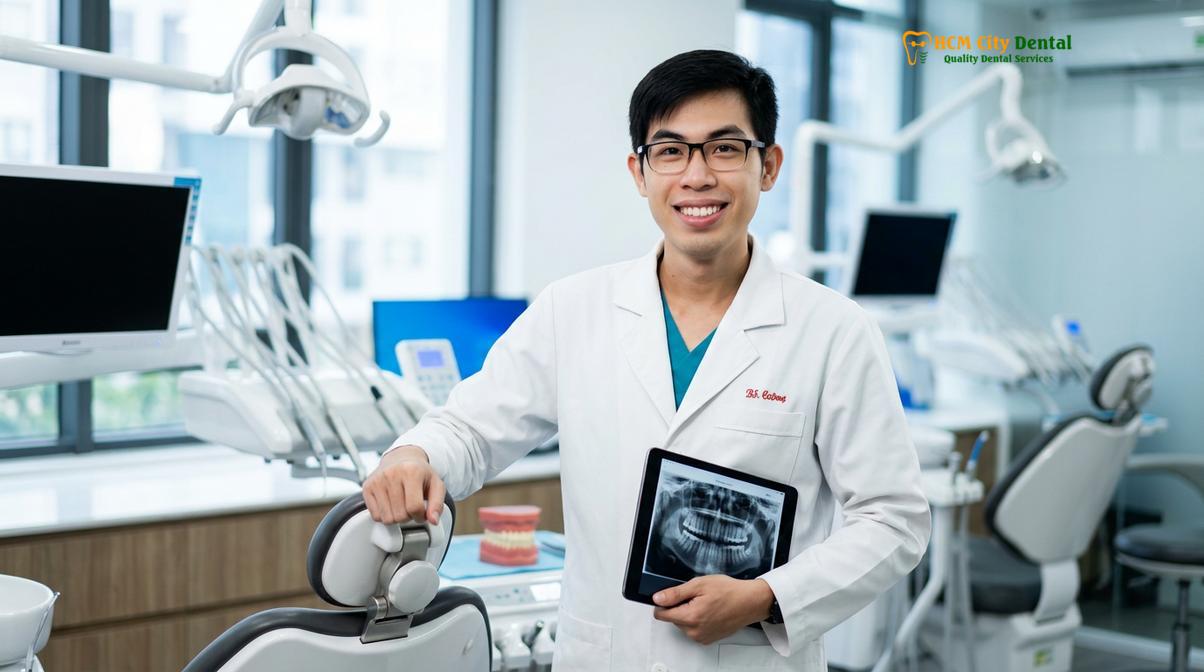
At HCMC Dental Clinic, our collaborative team of specialists emphasizes proactive monitoring. If you are experiencing any of these symptoms, a comprehensive periodontal evaluation is necessary to determine the underlying cause and implement targeted therapies to restore gingival health without disrupting your orthodontic progress.
Frequently Asked Questions
Is it normal for gums to swell with braces?
Mild gingival swelling can occur shortly after braces are placed due to mechanical irritation, but persistent swelling indicates plaque-induced inflammation that requires immediate clinical attention. When orthodontic hardware is introduced, the oral environment undergoes significant changes. The brackets and archwires create microscopic retention areas where bacterial biofilm rapidly accumulates. If this biofilm is not meticulously removed, the body’s immune response triggers localized inflammation, leading to edema (swelling), erythema (redness), and increased vascularity in the gingival tissues. While a brief period of adaptation is expected, gums that remain swollen, tender, or bleed easily are exhibiting signs of gingivitis. Left untreated, this hypertrophic tissue can overgrow the brackets, complicating both oral hygiene and orthodontic adjustments. Patients experiencing prolonged swelling should consult their orthodontist and periodontist for a comprehensive evaluation and professional prophylaxis.
How do you treat gum disease while wearing braces?
Gum disease during orthodontic treatment is managed through intensified mechanical plaque control, professional ultrasonic scaling, and targeted antimicrobial therapies without necessarily removing the braces. The primary objective is to disrupt the pathogenic biofilm adhering to both the tooth surfaces and the orthodontic appliances. Clinicians utilize specialized ultrasonic scaler tips designed to navigate around brackets and wires safely, removing calculus deposits and bacterial endotoxins from the gingival margins. In cases of moderate inflammation, subgingival irrigation with chlorhexidine gluconate or povidone-iodine may be administered to reduce bacterial loads. Advanced cases might require the temporary removal of archwires to facilitate deeper scaling and root planing. Additionally, laser-assisted therapies can be employed to selectively decontaminate periodontal pockets and excise hyperplastic tissue, promoting rapid healing while the patient continues their orthodontic progression.
Can you get orthodontic treatment with active periodontitis?
No, active periodontitis must be completely arrested and clinically stabilized through comprehensive periodontal therapy before any orthodontic forces can be safely applied. Applying orthodontic tension to teeth compromised by active periodontal infection severely exacerbates alveolar bone destruction. The inflammatory mediators present in active periodontitis, combined with the osteoclastic activity induced by orthodontic movement, create a synergistic effect that rapidly accelerates attachment loss and can lead to irreversible tooth mobility or loss. Therefore, a strict pre-orthodontic clearance protocol is mandatory. This involves deep cleaning, possible surgical interventions, and establishing a rigorous home care routine. Once the periodontium demonstrates an absence of bleeding on probing, reduced pocket depths, and stable bone levels, orthodontic treatment can commence under close, collaborative monitoring by both an orthodontist and a periodontist.
Will braces cause permanent gum recession?
Braces themselves do not directly cause permanent gum recession, but poor oral hygiene during treatment or moving teeth outside the alveolar bone housing can lead to irreversible tissue loss. Gingival recession associated with orthodontics is typically multifactorial. The primary culprit is chronic plaque-induced inflammation, which degrades the connective tissue attachment and underlying crestal bone. Additionally, if teeth are expanded too far buccally (outward) through a thin gingival biotype, the bone covering the root can fenestrate or dehisce, resulting in apical migration of the gingival margin. To mitigate these risks, orthodontists carefully plan tooth movements based on 3D volumetric imaging (CBCT) to ensure teeth remain centered within the medullary bone. Patients with naturally thin gums may require prophylactic soft tissue grafting prior to orthodontics to thicken the periodontium and prevent future recession.
How do I floss with braces to prevent gum disease?
Flossing with braces requires using a floss threader to pass the floss under the archwire, followed by gently adapting the floss in a C-shape around each tooth to clean the subgingival margins. Standard flossing techniques are physically obstructed by orthodontic wires, making specialized tools essential. A floss threader acts like a flexible needle, guiding the dental tape between the teeth and beneath the hardware. Once positioned, the floss must be carefully maneuvered up and down the mesial and distal surfaces of adjacent teeth, extending slightly below the gumline to disrupt the anaerobic biofilm. Because this process is time-consuming, many clinicians recommend supplementing manual flossing with a water flosser. Water flossers utilize a pulsating stream of pressurized water to flush out non-adherent bacteria and food debris from interproximal spaces and periodontal pockets, significantly enhancing daily plaque control.
References
- Journal of Clinical Periodontology. Impact of fixed orthodontic appliances on the oral microbiome and periodontal health. (2022).
- American Journal of Orthodontics and Dentofacial Orthopedics. Periodontal considerations in orthodontic treatment: A clinical review. (2021).
- International Journal of Periodontics & Restorative Dentistry. Management of gingival hyperplasia in orthodontic patients. (2020).
- Journal of the American Dental Association. Efficacy of interdental cleaning adjuncts during active orthodontic therapy. (2023).
- Clinical Oral Investigations. Synergistic effects of orthodontic forces and periodontal inflammation on alveolar bone remodeling. (2019).